When France Feels Expensive — Where Money Buys More
Contrary to the Paris myth, parts of France offer surprising value — pair lifestyle scouting with French banking, non‑resident mortgage tips and energy checks to buy confidently.

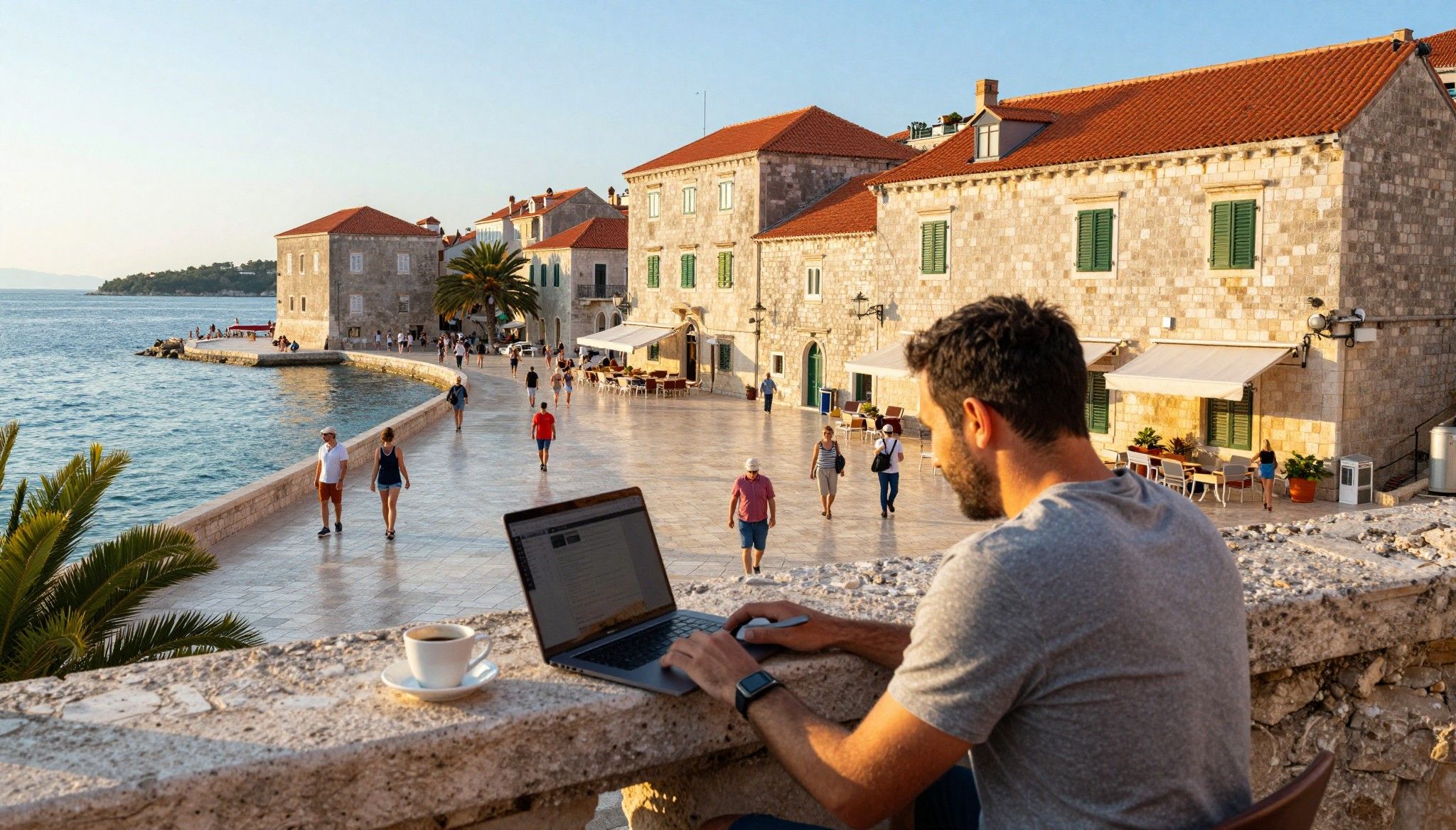
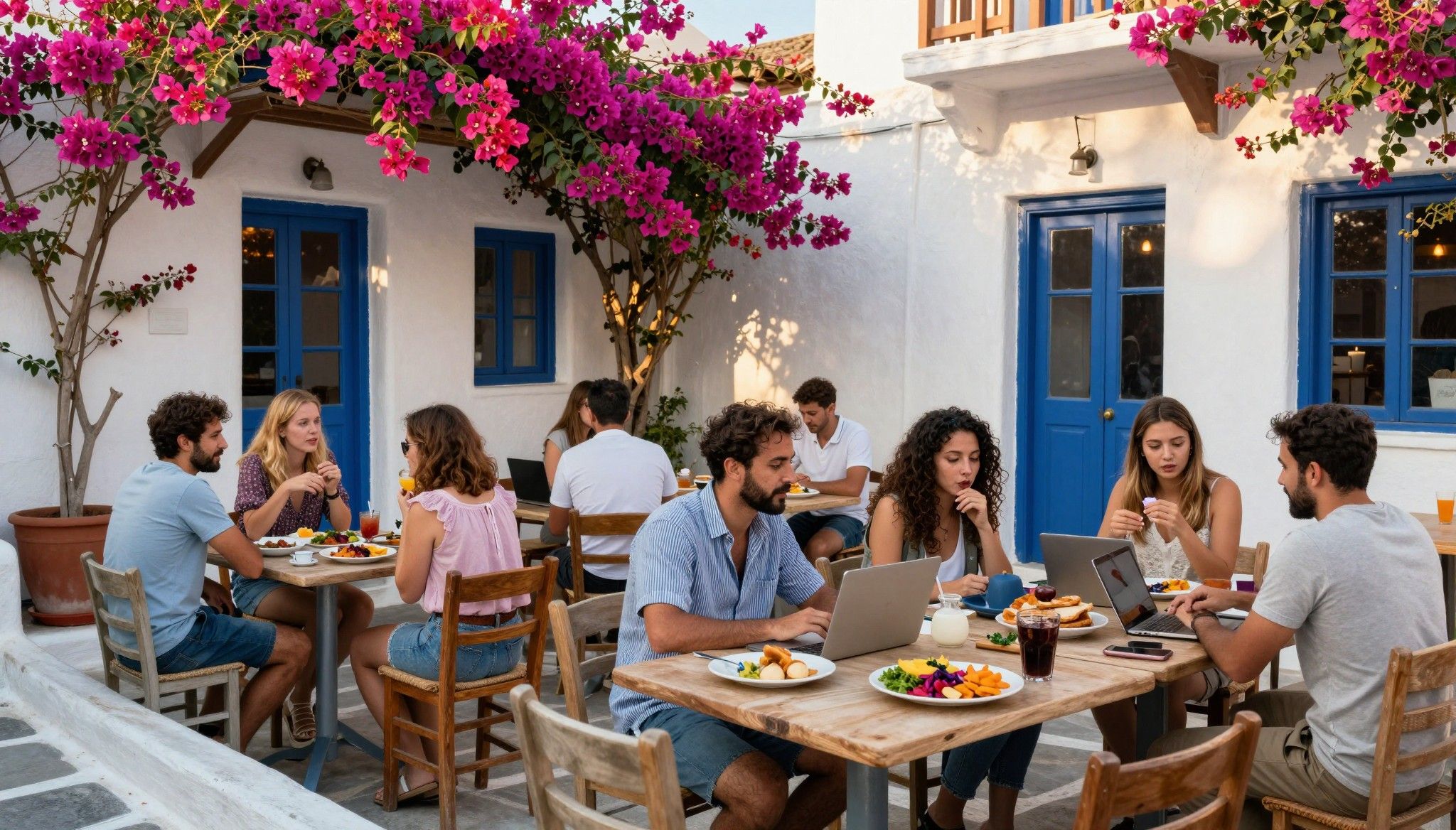
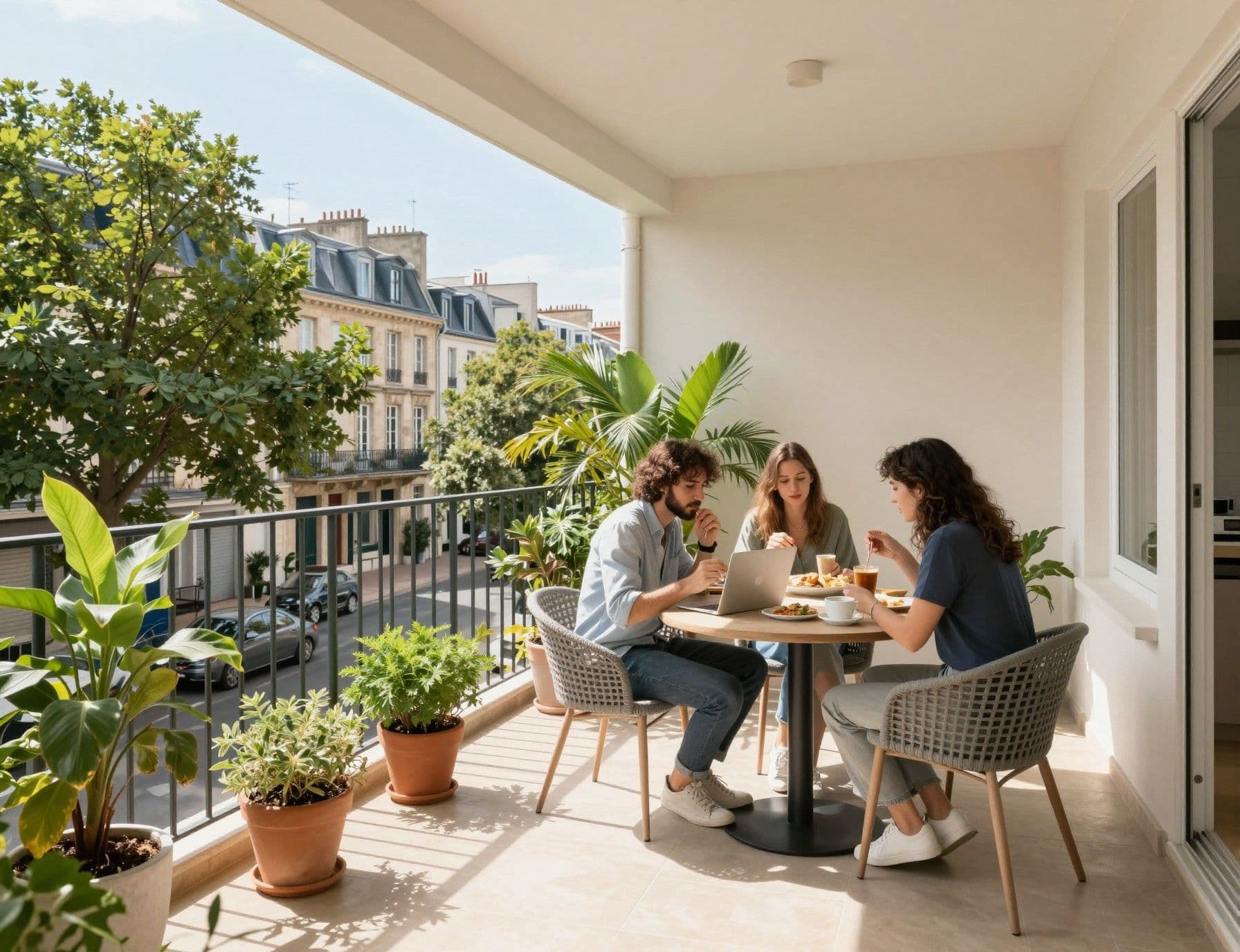
Imagine breakfast on a sunlit terrace in Aix‑en‑Provence, the scent of warm croissants, the click of a laptop as a coworking meetup plans the afternoon. France often gets boxed as “too expensive” — but dig past Paris headlines and you’ll find surprising value: hilltop villages with fast fibre, Atlantic towns where euros stretch, and Bordeaux lanes where renovated stone houses beat cookie‑cutter new builds. This guide pairs that lifestyle from-market romance with practical money moves — banking, mortgages for non‑residents, and currency tips — so you arrive ready to live, not just invest. We'll cite French sources and real estimates so you can fall in love without getting tripped up by myths.
Living the French Life (and Where It Costs Less)
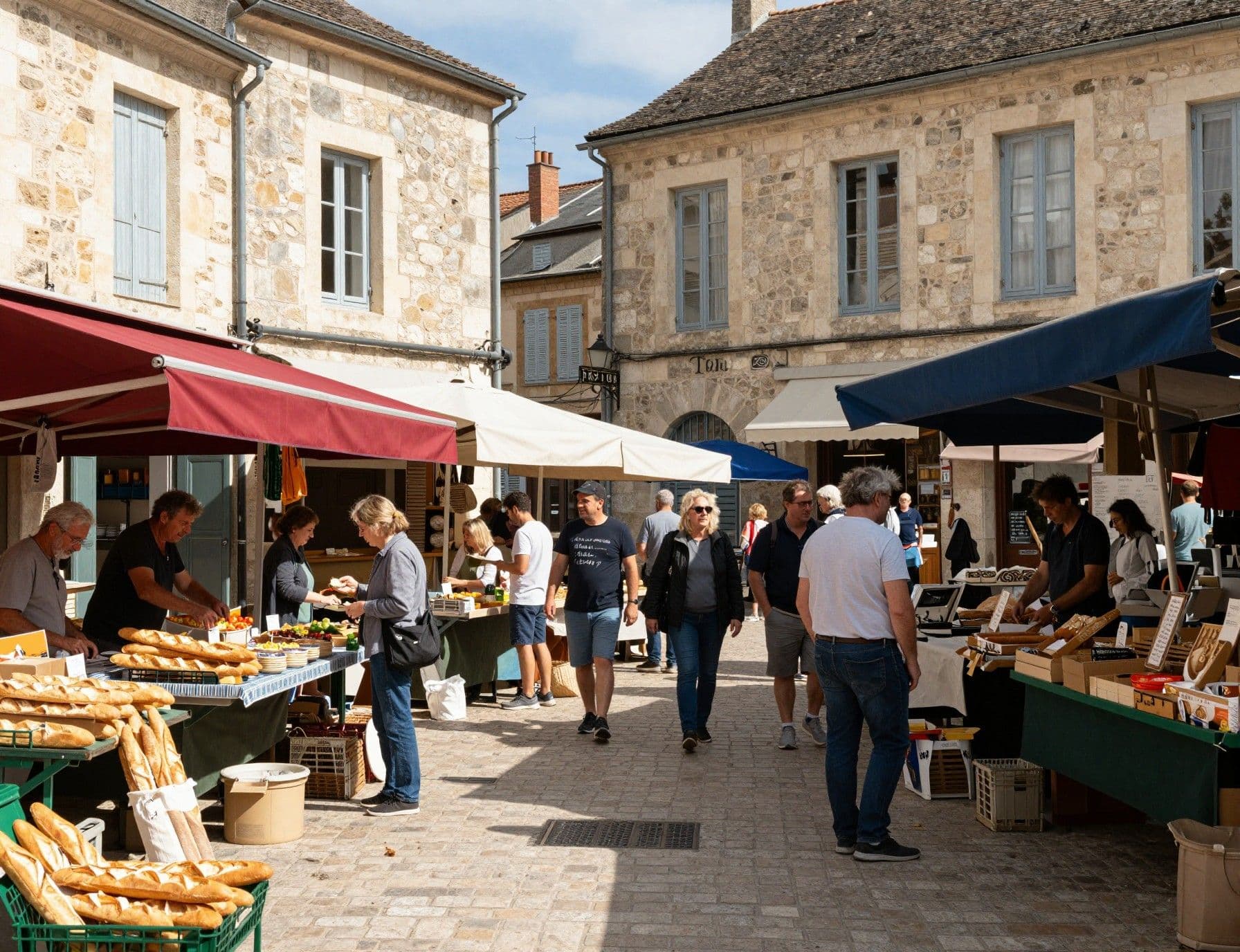
France is not a single price tag. INSEE and notarial data show national averages, but day‑to‑day life varies wildly from Nice promenades to Tarn‑hill villages. Picture early markets in Lyon’s Croix‑Rousse, surf sessions in Biarritz at dawn, and weekday aperitifs in the Marais — the cost and rhythm of life change with each street. Understanding where daily expenses, connectivity and neighbourhood culture match your work and play matters far more than headline €/m² figures. Local pockets often offer better value per lifestyle than city centre apartments that look great on paper but feel small in daily life.
Neighborhood spotlight: Marseille XIII to Bordeaux Chartrons
Walk La Plaine in Marseille and you’ll meet street markets and cheap, excellent food just a tram away from the port — creative energy that beats polished tourist strips. In Bordeaux, Chartrons mixes antique shops, riverside cafes, and wide apartments with high ceilings; it feels central without Paris prices. For the shy buyer who wants charm and connection, look at a street’s daily life: where neighbours actually hang out, which cafes have daytime Wi‑Fi crowds, and which evenings feel safe and lively.
Why seasons and festivals reshape value
Buying around truffle season in Dordogne or a summer festival in Avignon changes what you feel and what you pay. Peak festivals boost short‑term rental demand and can inflate prices; off‑season viewings reveal true neighbourhood life. If you plan remote work, factor in reliable winter internet, heating costs, and how the place feels in February, not just July.
- Lifestyle highlights to look for when scouting:
- Daily markets (e.g., Marché des Capucins, Bordeaux), fast fibre availability, a daytime café culture where people actually work, nearby coworking spaces, green space within a 10‑minute walk (parks, riverbanks), and a weekly community activity (film nights, farmers’ co‑ops).
Making the Move: Money, Mortgages and Banks
Lifestyle dreams collide with paperwork — and that’s okay. France welcomes foreign buyers, but banking, tax timelines and mortgage appetite differ by nationality and residency. Use official guidance early: registering purchases, understanding local tax obligations, and prepping bank documents will save weeks. A local bank or international private bank can be your ally when you need a mortgage in euros or a currency‑hedged repayment plan.
Property types, deposit levels and how they fit your life
A renovated 18th‑century apartment feels different from a new build: heating, insulation and room flow impact remote‑work comfort and running costs. Expect banks to ask for 10–20% deposit for residents and often 20–30% for non‑residents; proof of steady income and a French bank account shortens timelines. If you crave terraces and light for daytime work, prioritise south‑facing facades and check DPE (energy) labels for long‑term bills and rental restrictions.
Working with banks and currency tips
Open a French bank account early — it makes mortgage draws, local taxes and utility setups far smoother. Ask lenders about non‑resident mortgage policies and shop beyond global banks; regional French banks sometimes offer better terms for second‑home buyers. Consider a currency‑exchange specialist or a forward contract if you’re paying from outside the eurozone — locking a rate can protect you from spikes when transferring large deposits.
- Steps to finance a French purchase (quick playbook): 1) Get a rough affordability figure in euros including taxes and notary fees. 2) Open a French bank account and ask for a loan in principle. 3) Gather translated certified documents (ID, payslips, tax returns). 4) Compare fixed vs variable rates and ask about early‑repayment penalties. 5) Arrange currency hedging if paying from a non‑EUR account.
Insider Knowledge: Mistakes Expats Regret
Here’s the real talk: buyers often fall for pretty photos and ignore daily realities like slow summer trains, strict rental rules, or a first‑floor apartment that floods in winter. Expats regret not checking DPE energy ratings, local rental regulations, and whether short‑term rental platforms are limited in their commune. You’ll sleep better if you prioritise lived experience: visit on a weekday morning, grab coffee at the corner café, and ask locals if the street feels alive year‑round.
Cultural and community tips that impact value
French sellers and agents expect formality: fast email replies are rare, but clear, courteous questions win trust. Learn simple phrases for contracts and meetings or bring a bilingual notaire or translator. Join local Facebook groups or Meetups to test the social scene — community warmth in small towns often equals long‑term satisfaction more than an extra room.
Long‑term living: maintenance, energy and resale
Energy upgrades affect future resale and rental eligibility; homes rated G cannot be rented and many regions push renovations through incentives. Market data from INSEE and notarial reports show regional differences — stability in many city markets and more movement in coastal and rural areas. Think ahead: a modest renovation that improves insulation and internet wiring often returns more lifestyle value than a cosmetic facelift.
- Red flags that mean walk away or dig deeper:
- Unclear copropriété charges, missing DPE certificate, signs of damp or poor drainage, unusually fast cash‑only sales, and local planning disputes near the property.
Conclusion — fall for France, but arrive armed. Start with lifestyle scouting — markets, cafés, beaches, and coworking days — then layer in finance: a French bank account, a loan in principle, and a currency plan. Use notaires, local agents who understand neighbourhood character, and official guidance from service‑public and impots.gouv to avoid common traps. When you pair the mellow joy of French daily life with good financial prep, you don’t just buy property — you buy a life.
Swedish, relocated to Marbella in 2018 to chase sun and property freedom. Focus on legal navigation and tax for Nordic buyers.