Budgeting for Cyprus Life: Real Costs & Nomad Must‑Haves
Fall in love with Cyprus’ cafés, coast and community — then budget like a pro: official price benchmarks, legal checks and nomad-ready connectivity costs.
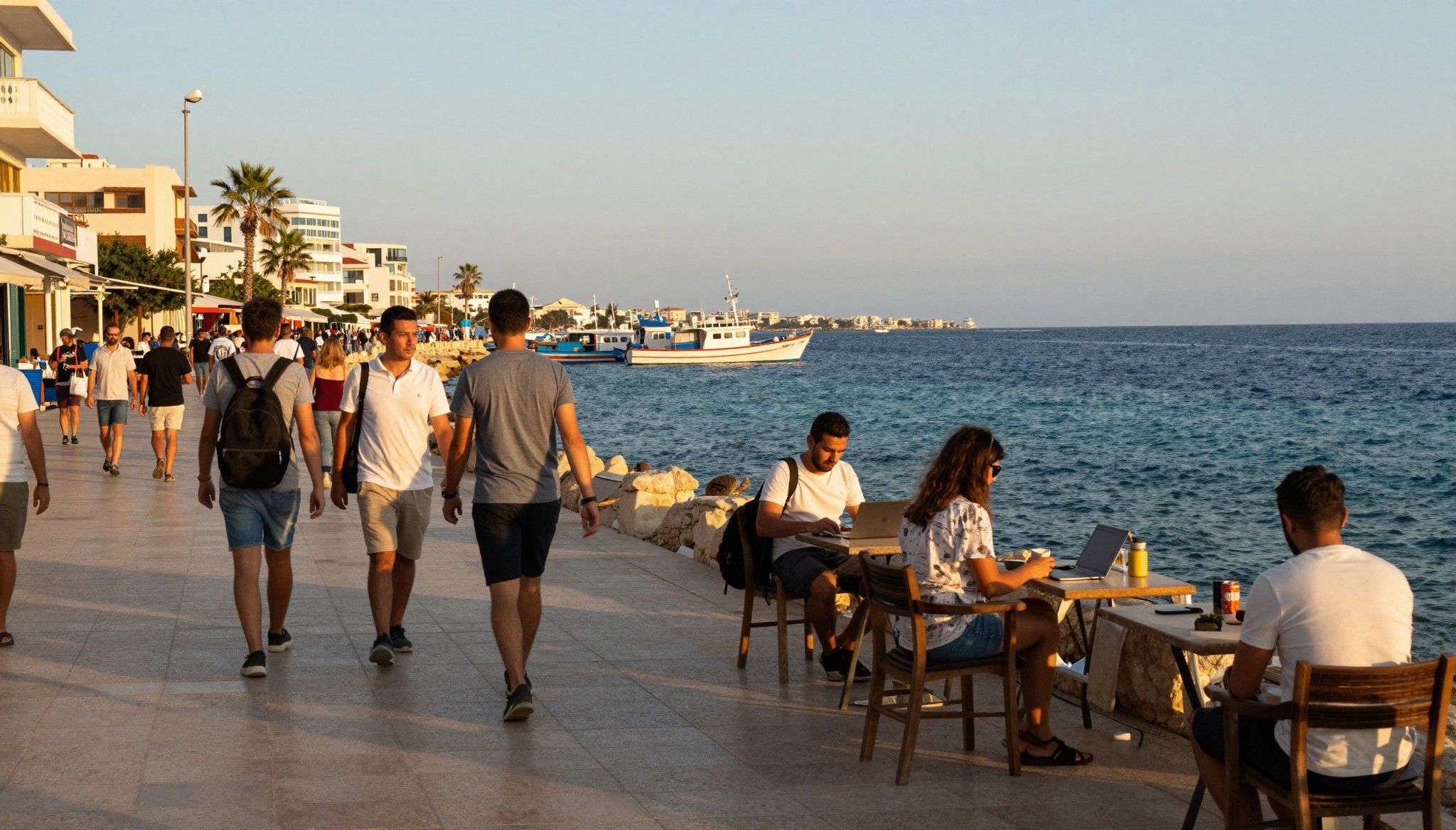
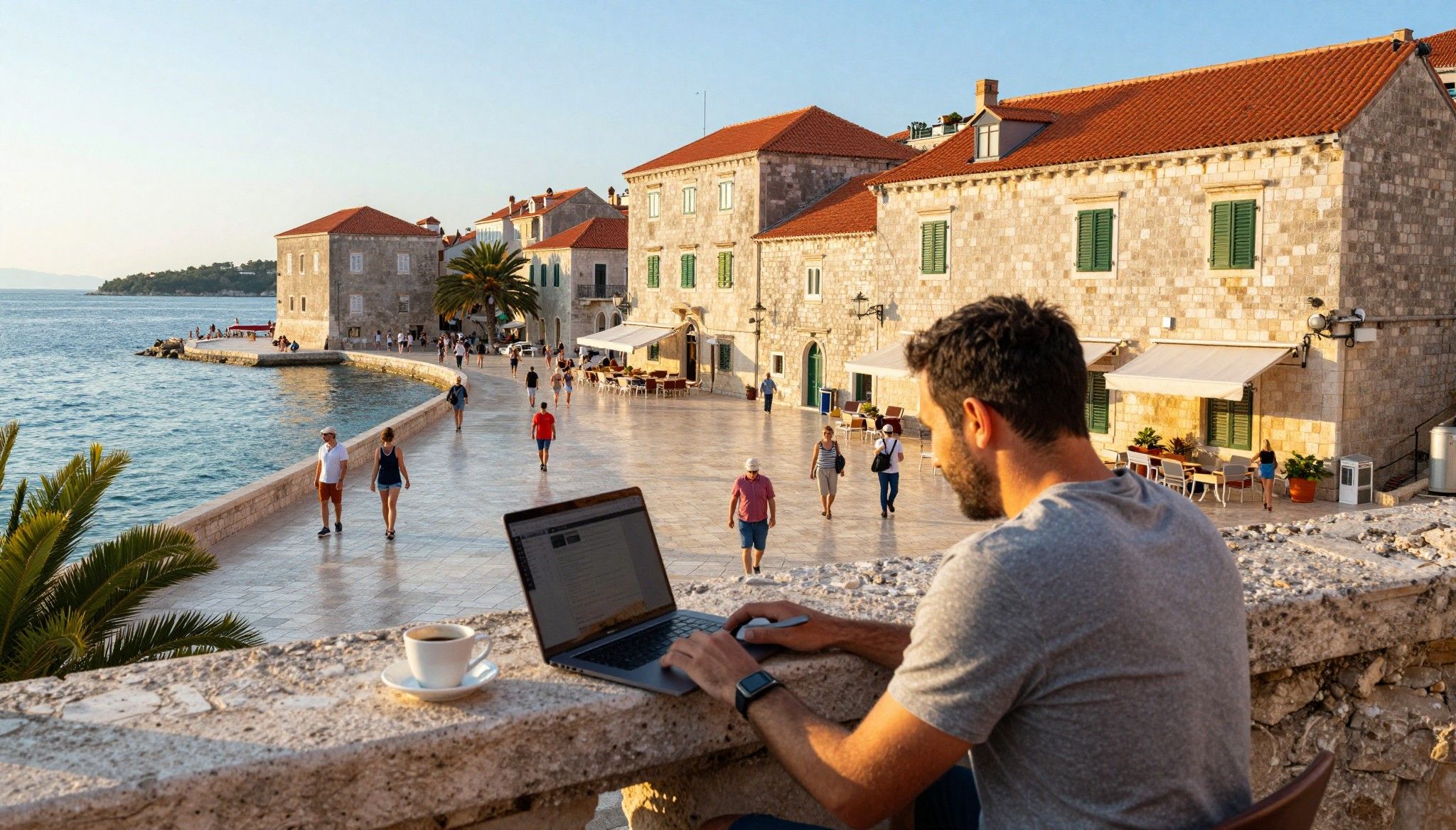
Imagine waking to a sea breeze in Limassol, grabbing an espresso from a café on Anexartisias Street and opening your laptop on a sunlit balcony where fibre internet reliably hums beneath the terrace plants. Cyprus feels like an island-sized village with a cosmopolitan pulse: slow afternoon rhythms, loud neighbourhood tavernas, and concentrated pockets of modern coworking and digital-nomad energy. But dreaming and budgeting are different languages — to turn that balcony into your address you need clear numbers, local know-how and a few island secrets. Below I’ll show you the lifestyle you’re chasing and the precise budgeting steps to make it real, with up-to-date data and local links so you can act with confidence.
Living the Cyprus life: sun, streets and small pleasures
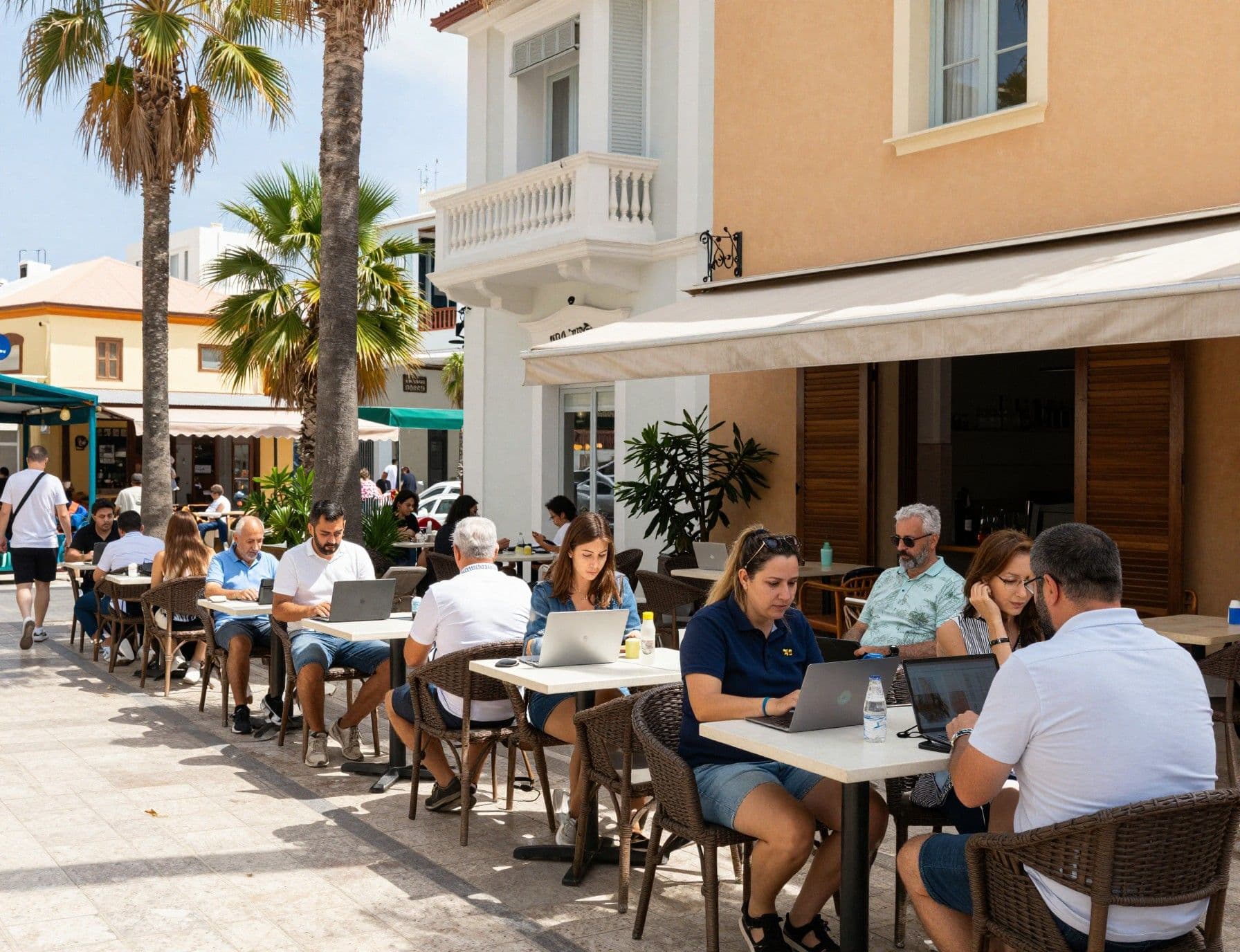
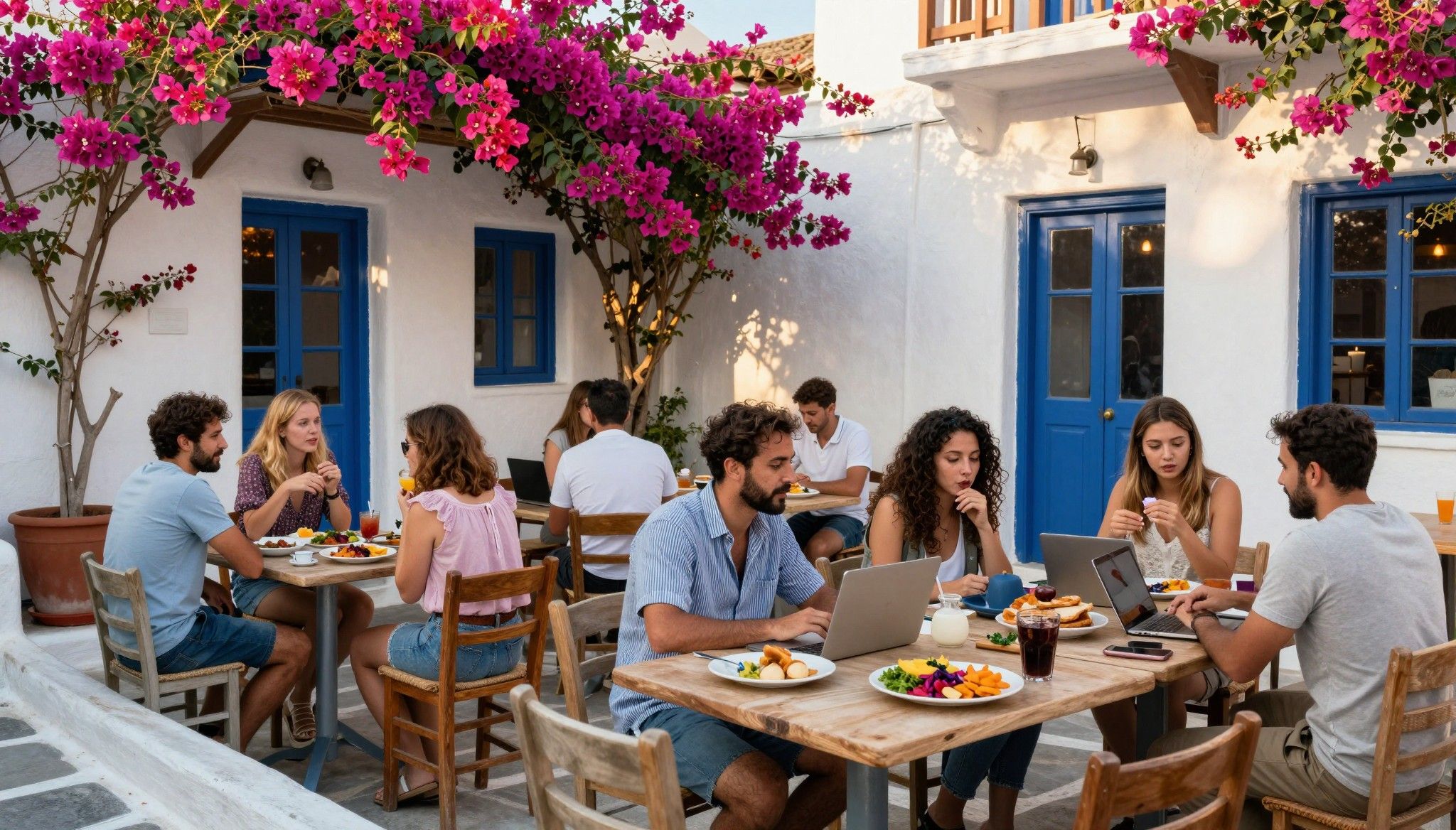
Cyprus moves in golden-hour bursts and long siestas. Mornings smell of baked bread from the village oven; afternoons are for beaches and quick swims; evenings belong to long dinners, wine and friends. Cities like Limassol and Larnaca mix a Mediterranean seaside pace with neighbourhoods that are walkable, café-heavy and surprisingly young — think rooftop bars next to century-old churches. For buyers, that combination means you’re paying for lifestyle access as much as square metres: proximity to a vibrant high street or a calm village bay will shape costs and everyday happiness.
Limassol: seaside cosmopolitan with neighbourhood soul
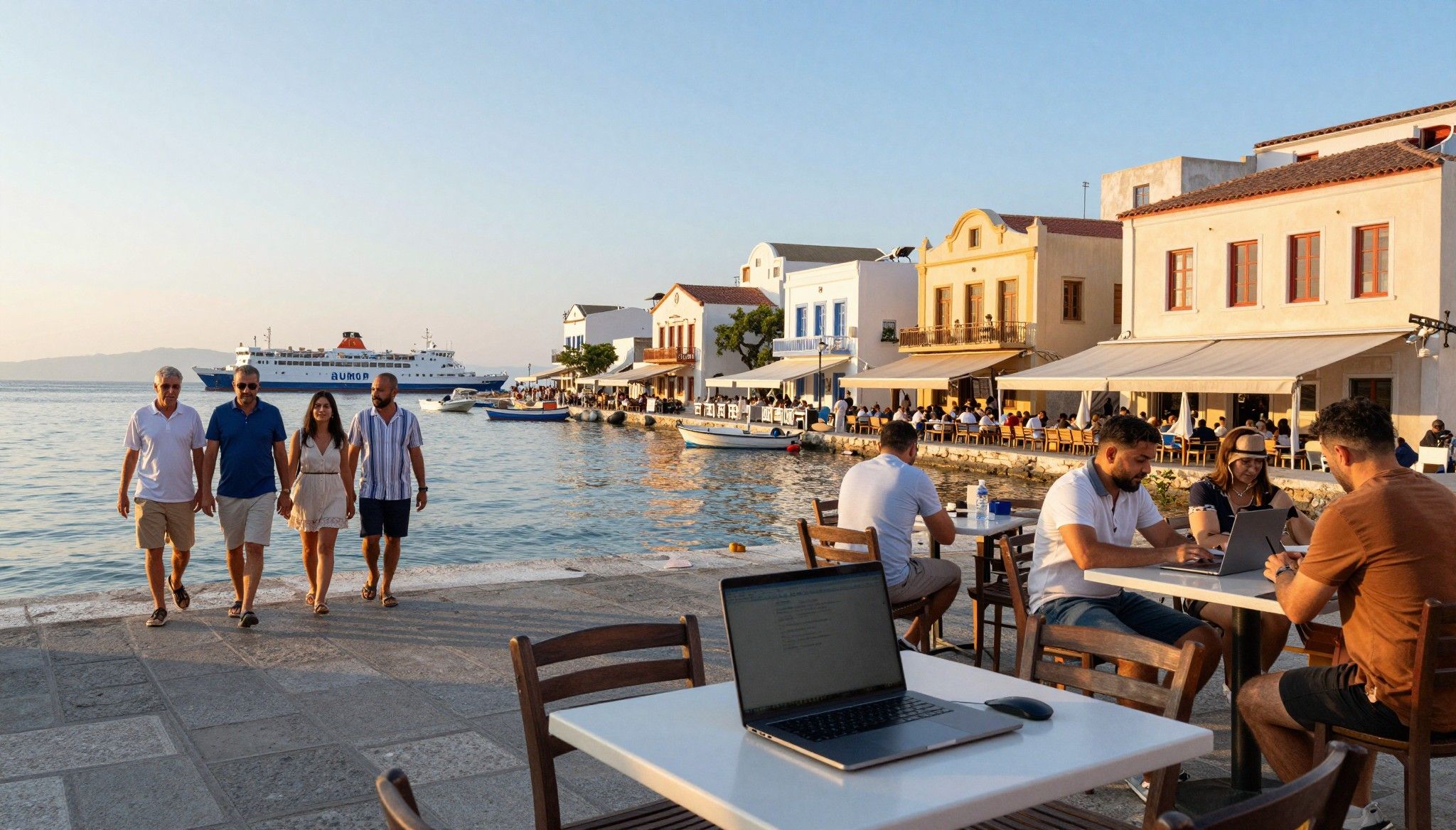
Walk Limassol’s Anexartisias and you’ll find boutique coffee shops, compact grocery stores and a surprisingly strong night scene. The old port area has been reborn into a coastline of promenades, fish restaurants and new-build apartments with rooftop pools. For nomads who want a lively morning coffee routine and accessible coworking, Limassol’s central wards give both the social life and practical perks: short commutes, cafés with power outlets and reliable broadband in many modern blocks.
Paphos & mountain villages: slow weekends and authentic life
Paphos offers a quieter seaside rhythm — historic lanes, weekly markets and taverna evenings where locals know your name. Head inland to villages like Omodos or Kakopetria and life slows further: stone houses, church bells, and home-cooked food. These areas are bliss for buyers seeking calm, space and lower prices, but they require trade-offs: drives to medical centres, fewer coworking spaces and careful checks on internet availability before signing anything.
- Neighbourhood and lifestyle highlights to scout in person
- Limassol old town cafés, promenade runs and rooftop coworking
- Larnaca marina and Finikoudes Beach for daily seaside life and compact city walks
- Paphos historic centre and coral beaches for slow weekends and community ties
Making the move: practical budgeting without the surprises
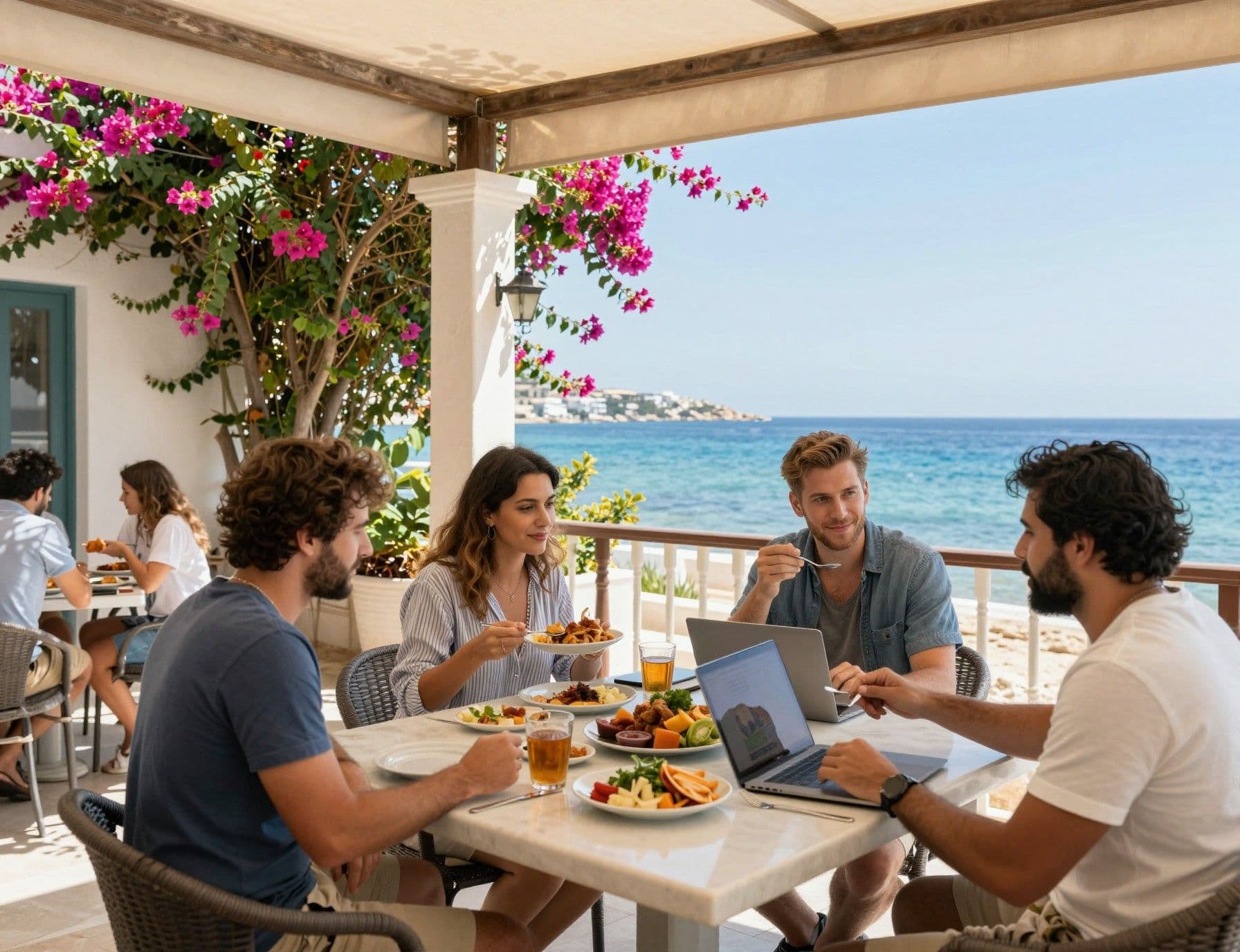
You can fall in love with a street but the sale lives in numbers. Recent official data shows modest island-wide price growth and regionally faster demand in coastal towns, so budget planning must include market movement, taxes and realistic renovation/ connectivity costs. Start with a market benchmark (use the Residential Property Price Index) and then layer purchase fees, transfer taxes and a buffer for connectivity upgrades or terrace waterproofing — especially important in coastal properties.
Property types and the real cost of living them
New-build apartments often promise modern wiring, warranties and built-in internet ducts — great for remote work — but they can command a premium. Older stone houses in villages are charming and cheaper upfront, but expect renovation budgets and higher costs to bring wiring, insulation and broadband up to nomad standards. Factor in VAT exceptions on first-use properties, municipal rates and the predictable costs in RSM’s tax outlines when you draft your budget.
Work with experts who save you money and time
A local lawyer, an agent who actually lives in the neighbourhood and an independent surveyor are your best single investment. They’ll surface issues like questionable titles, building permit gaps or properties advertised in the breakaway north that carry legal risk. For non-EU buyers, official permissions and limits may apply — an expert will map those limits and suggest legal structures to avoid surprises.
- A step-by-step budget checklist to get from dreamy to signed (practical and lifestyle-aware)
- Estimate market price using RPPI benchmarks and local listings; add 5–10% to account for near-term price movement.
- Add purchase costs: transfer fees, stamp duty, notary and lawyer fees — typically 6–10% total depending on transaction details.
- Budget renovations and connectivity: €5,000–€30,000 depending on scale; always test broadband and mobile coverage before finalising.
- Set an emergency reserve: 6–12 months of living costs if you’re moving island-wide, and plan for seasonal rental gaps if you rely on income.
Insider knowledge: expat truths, risks and seasonal timing
Expats I know wish they’d known three things: check title provenance (north/south complications still happen), test real-world broadband and visit outside the high season. Properties that look perfect in August (packed cafés, busy beaches) may reveal delivery gaps in November when shops close and internet speeds dip. The AP has covered legal disputes tied to north-of-island listings — another reminder: legal clarity matters more than a bargain.
Cultural integration and daily life realities
Cypriots prize personal relationships and neighbourhood familiarity; a friendly hello at the kafeneio (coffee house) goes a long way when you need help with a utility or local repair. English is widely used in business and services, but learning basic Greek phrases opens doors and reduces friction at municipal offices. Expect slower bureaucracy rhythms than in big northern European cities; patience and a local fixer (often your agent or lawyer) speed things up.
Long-term living: maintenance, taxes and community change
Think beyond the purchase price. Annual property maintenance, community fees for complexes and municipal charges add to your real monthly cost. Watch local development plans — marinas and new transport links can lift values but also change neighbourhood character. Use market analyses to judge whether the area is stabilising or on the cusp of rapid change before you commit.
- Practical red flags to spot on viewings
- Unclear land titles or missing permits — insist on lawyer-verified paperwork.
- Poor broadband or one-provider-only availability — check with a nomad-level speed test at different times.
- Hidden moisture, roofing issues or non-waterproof terraces — especially on coastal properties.
- Over-optimistic rental income promises from agents — verify with independent occupancy and rate data.
Conclusion: Fall for Cyprus, then budget like a local
Cyprus gives you sunlit mornings, lively neighbourhood cafés and compact towns where everything feels possible. To turn that feeling into a long-term address, start with official price benchmarks, budget realistically for conversions and connectivity, and hire local experts who protect your money and time. Visit in an off-peak month, test the internet from your future balcony, and let an on-the-ground agent plug you into the cafés, meetups and repair people who make island life easy. When lifestyle and spreadsheet align, that balcony espresso becomes home.
Swedish, relocated to Marbella in 2018 to chase sun and property freedom. Focus on legal navigation and tax for Nordic buyers.