Budget the Life: Regional Taxes, Renovation & Seasonal Costs
Fall in love with France while budgeting like a local: factor regional transfer taxes, renovation surprises, and season-driven lifestyle costs into your purchase plan.

Imagine waking up to a boulangerie queue on Rue Cler, sipping espresso on a sunlit terrace in Aix, or walking your dog past the oyster stalls of Cap-Ferret. France doesn’t sell a single lifestyle — it sells dozens: provincial calm, Riviera glow, Parisian rhythm, and vineyard time. But when I started budgeting to buy here, the dreamy vision bumped up hard against real bills. This guide stitches those two worlds together: how to keep the life-first dream while budgeting like a local buyer who knows the hidden line items.
Living French: scenes that change how you budget
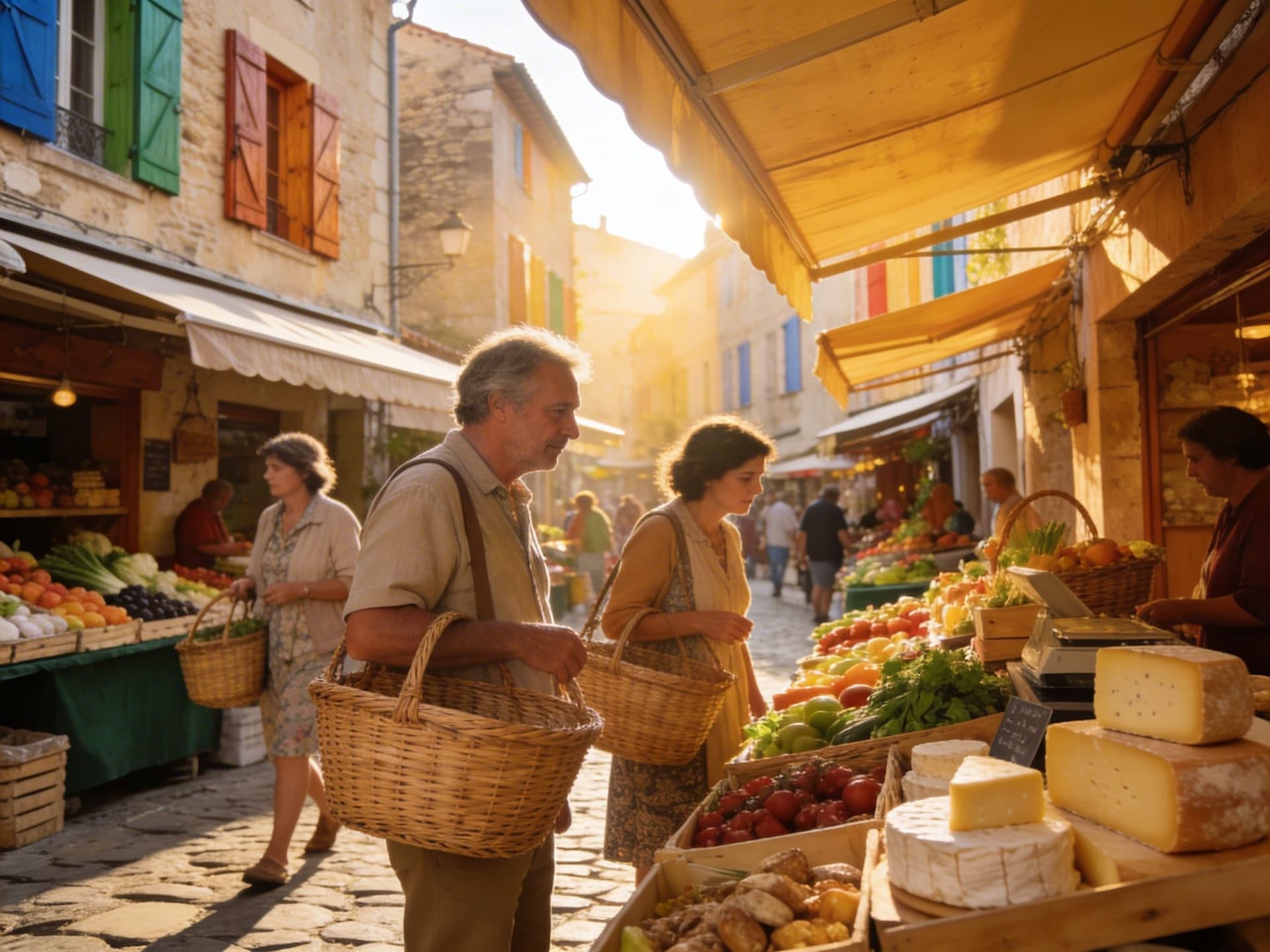
France is sensory: morning markets, late dinners, cafés where time slows. That lifestyle choice shapes what your home needs — a kitchen for market cooking in Lyon, a small courtyard for afternoon shade in Provence, or a bright studio with reliable fibre in Montpellier. Your budget must account not just for price per square metre, but for lifestyle fit: walkability, local services, and the seasons.
Neighborhood spotlight: Paris 11ème vs. Bordeaux Chartrons
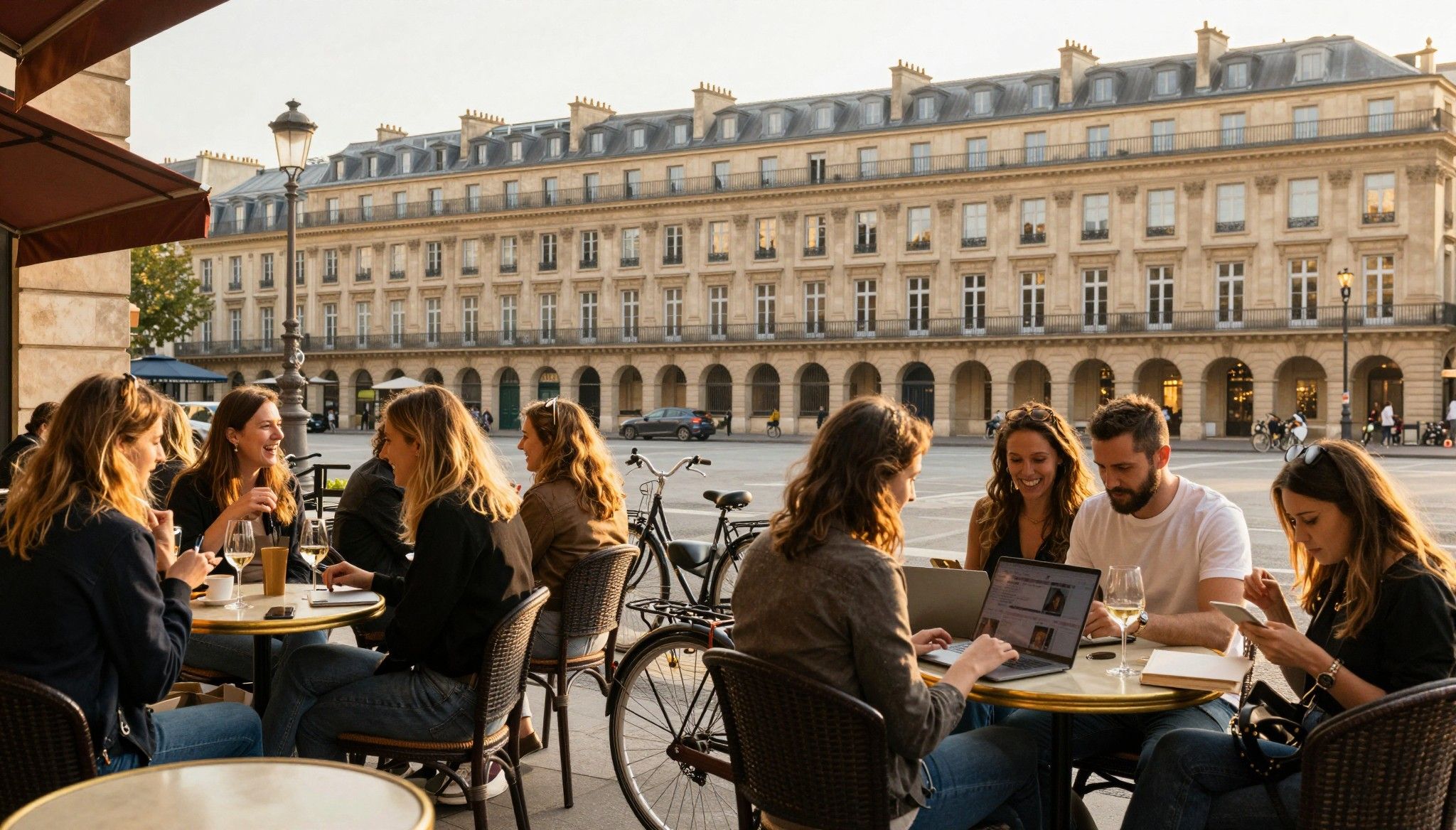
Take Paris’s 11ème: narrow streets, late-night bistros and a buzzing café-work scene. A 35 m² apartment here buys you instant sociability but often no desk and thin walls — factor renovation and soundproofing into your budget. Contrast that with Bordeaux’s Chartrons: wider streets, weekend markets by the river, affordable larger flats and easier parking. Same country, different budgets because lifestyles differ.
Food, markets and seasonality — lifestyle costs that add up
If you love weekly market runs, add storage and a larger kitchen to your costing. If you chase truffle season in Périgord, expect travel and storage costs. Coastal living (Nice, Biarritz) brings tourism-driven utility spikes in summer and higher maintenance. These are the small lifestyle choices that ripple into recurring costs and renovation priorities.
- Lifestyle highlights to budget for
- Weekly marché shopping (storage + cooking kit)
- Soundproofing and heating upgrades in older buildings
- High-season maintenance for coastal properties
Making the move: the practical budget map

Dreams meet numbers here. Recent reporting shows the market nudging back up and many departments choosing to raise transfer taxes — a reminder that closing costs in France can shift by region and year. Start your budget with three columns: purchase price, one-off closing/renovation costs, and ongoing lifestyle/maintenance costs. Use local data to refine each column.
What to expect at closing: the real 'notaire' story
When people say “frais de notaire” they often mean the total transaction taxes and fees. A large slice — the droits de mutation (DMTO) — is set locally and many departments increased allowable rates in 2025. Practically: expect ~5% extra on older properties in many departments, plus the notaire’s regulated emoluments. Plug that into your closing budget early so offers aren’t a surprise.
Property styles and how they change costs
Historic stone village house? Expect higher renovation, heating and insulation costs. A modern apartment in a new build? Lower transfer taxes and fewer immediate renovations but possibly higher monthly charges. If remote work matters, prioritise fibre availability and workspace — that can add modest renovation cost but huge lifestyle ROI.
- Step-by-step budgeting checklist
- 1) Set a 'life-fit' price range — what neighbourhood vibe and square metres match your daily routine?
- 2) Add regional transfer taxes (DMTO) — check if the department has raised to 5% and include notaire emoluments.
- 3) Estimate immediate renovations (plumbing, heating, fibre) and a 10–15% contingency for older homes.
- 4) Include recurring costs: taxe foncière, copro charges, utilities with seasonal spikes if coastal or mountain.
Insider knowledge: the things expats wish they'd budgeted for
I’ve heard the same post-purchase regrets: underestimating heating bills in older stone houses, forgetting co-ownership (copropriété) reserve funds, and skipping a local plumbing check before signing. Seasonality is another blind spot — coastal properties see utility and maintenance costs surge after the first summer of rentals or guests.
Cultural and practical corners: paperwork, language, and local norms
French paperwork rewards patience. Expect formal documents in French and timelines that respect the notaire’s pace. Budget for a bilingual agent or translator if your French isn’t confident — it saves negotiation miscues and surprise clauses. Local agents also flag things nomads might miss, like short-term rental regulations in city centres.
- Red flags that should change your budget now
- No energy performance diagnostic (DPE) or poor rating — budget for insulation/heating fixes
- Unclear copro minutes or large upcoming works — expect special assessments
- Disconnected broadband history — factor in fibre installation costs
When you pair lifestyle desire with these practical checks, your budget becomes a roadmap — not a hope. A well-prepared buyer uses local department data on transfer taxes, checks DPE and copro minutes, and asks an agent about seasonal running costs. That’s how everyday life stays magical instead of costly.
Final steps: make the offer, but budget to live the life
Before you bid, run these numbers: purchase + local DMTO (check department), immediate works + 15% contingency, and 12 months of lifestyle operating costs. Talk to an English-speaking notaire or bilingual agent early. With the right budget you won’t just buy property in France — you’ll buy a way of life that fits your work, rhythms and favourite markets.
Ready to match a neighbourhood to your daily routine? Start by picking three must-haves (fibre, weekend market, workspace) and ask local agents for comparable costs in each department — including transfer tax choices. Fall in love first, then budget like you mean it.
Dutch investment strategist guiding buyers to Greece and Spain; practical financing, tax, and portfolio diversification.