Legal Love: Notaire-First Checks to Buy in France
Fall for France’s streets, then lock in the legal checks: use notaire data, copro minutes and local surveys to protect lifestyle value and avoid hidden costs.

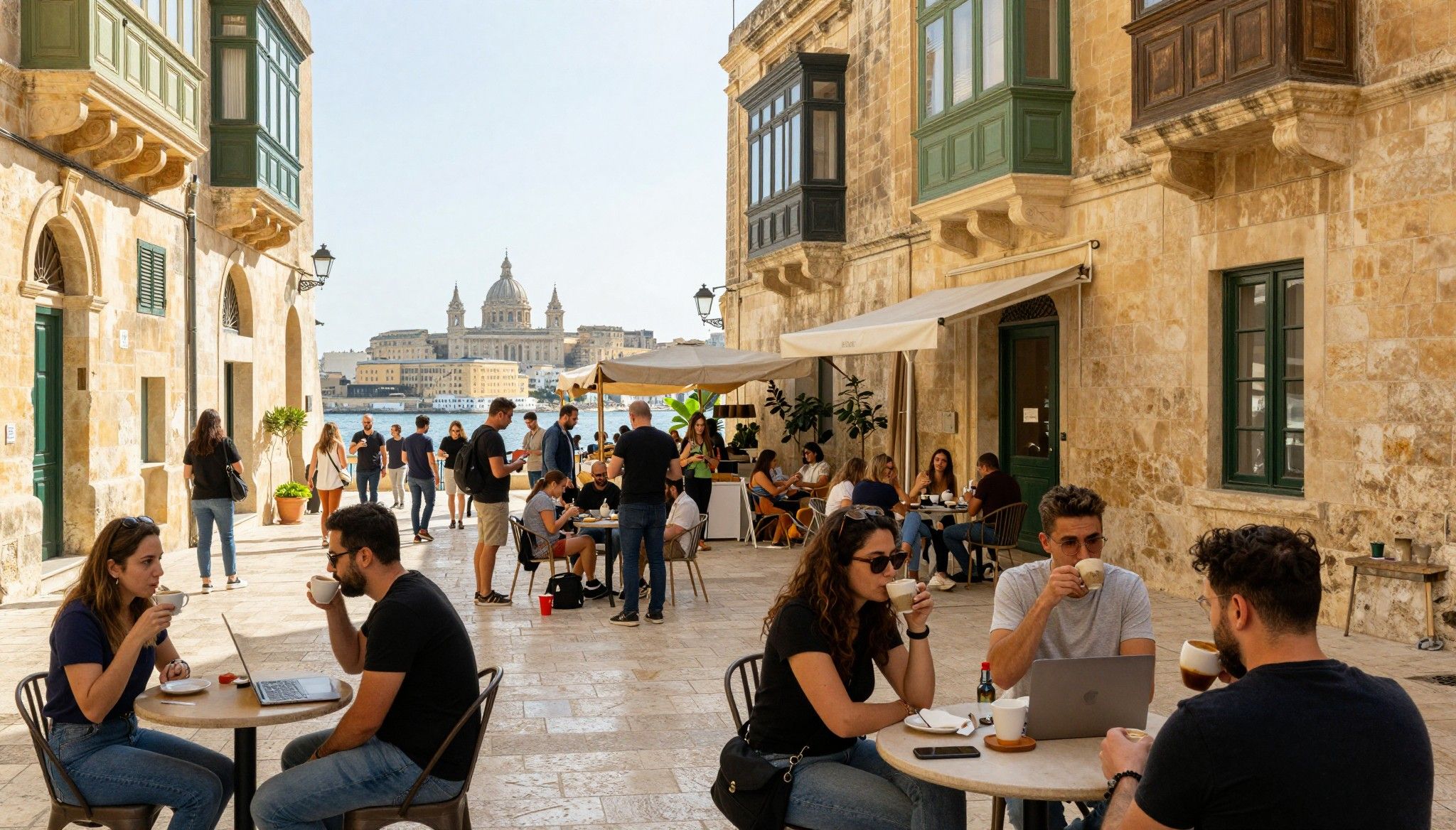
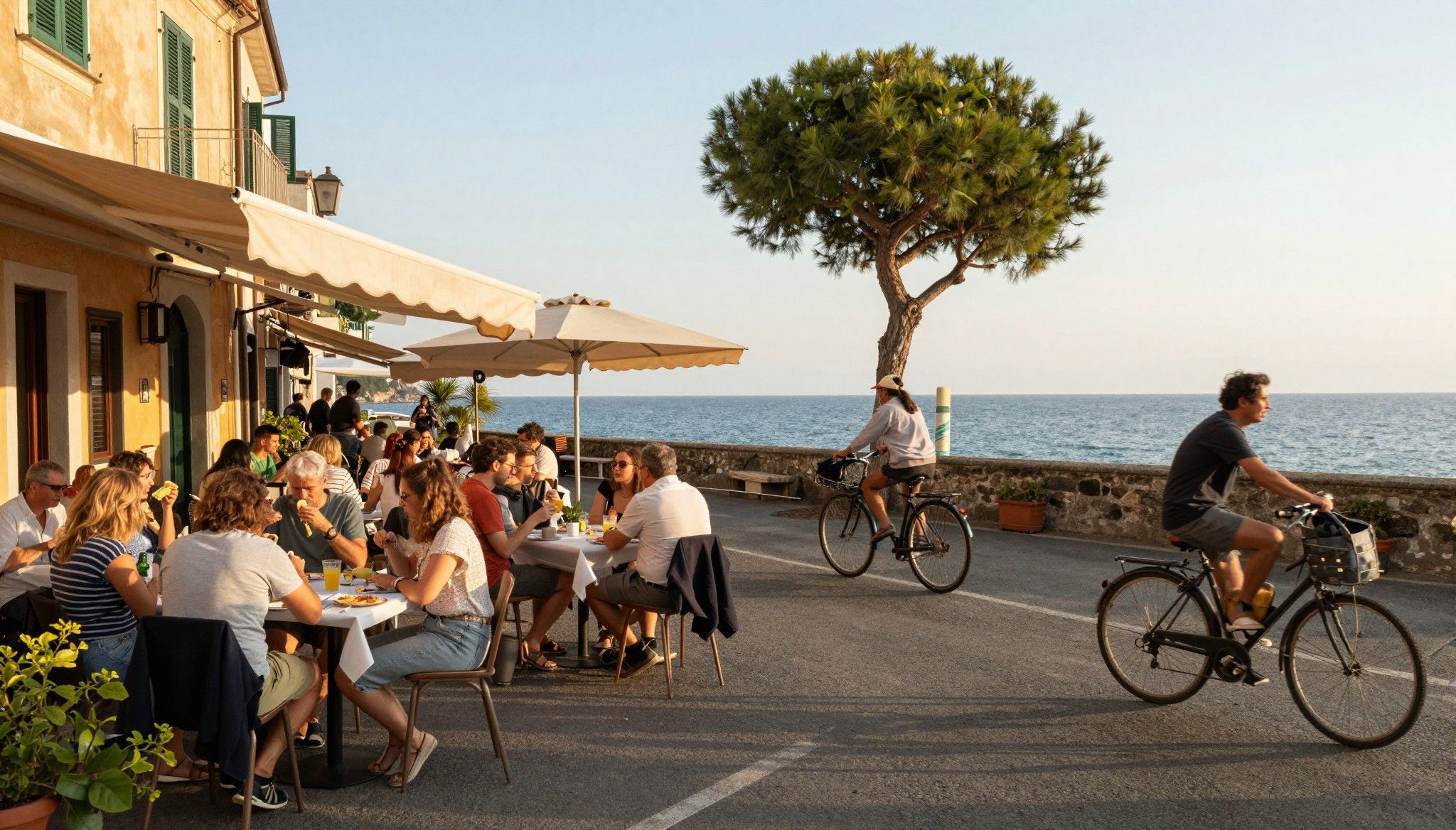
Imagine waking up to flaky croissants in the Marais, taking calls from a sunlit balcony in Nice, or bargaining for chèvre at the marché in Aix — and doing it all with the quiet confidence that your French home is legally bulletproof. Buying in France is sensual, slow, and legalistic: markets brim with cafés and character, while paperwork is a ritual. That’s why a buyer who fell in love with a street in Lyon must pair romance with checks, and a notaire who can translate more than words.
Living France: daily rhythms that shape where you buy

France isn’t a single vibe — it’s a patchwork. On a weekday morning in Bordeaux you'll pass boulangeries and wine shops; in Montpellier the beach is 20 minutes from your coworking; in Paris you trade tiny terraces for world-class museums and metros. How a neighbourhood breathes across the day — market mornings, quiet afternoons, lively evenings — should guide your property choices as much as price per square metre.
Neighbourhood pulse: real streets, real choices
Look for streets that match how you live. In Marseille, Cours Julien hums with cafés and creative energy; in Aix-en-Provence, rue Espariat is where market life folds into espresso culture; in Bordeaux the Chartrons district offers riverside walks and wine bars. These are the streets where nomads set up temporary chapters — you’ll want fibre, a cafe with a plug socket, and a grocery open past 8pm.
Local flavours & seasonality that influence value
France’s seasons are part of its charm — but they also change demand. Coastal towns swell in summer; ski villages peak in winter. Notaire-run data portals track local price swings and historic sales so you can see whether a seaside listing is a holiday-premium or a year-round bargain. That matters when estimating rental yield or deciding whether a town is a lifestyle buy or a tourist play.
- Lifestyle highlights to prioritise when house‑hunting in France
- Morning market access (name the marché: e.g., Marché des Enfants Rouges, Paris)
- Reliable fibre / 4G-5G signal and a café with plugs
- Walkable streets with mixed local amenities (from boulangerie to pharmacy)
Making the move: legal checks that protect the lifestyle

You can fall in love with light, cobbles, and a perfect terrace — but French property transfers are run by notaires, public legal officers who make sales legally binding and settle taxes and title. Their checks are where dreams meet reality: title searches, mortgage and lien checks, mandatory diagnostics (energy performance, asbestos, lead where relevant), co‑ownership minutes for apartments and local planning rules. Use official notaire portals for transparent price histories and to spot red flags early.
Key legal checks every international buyer must insist on
- Title & encumbrances: confirm the seller’s ownership and check for mortgages, servitudes or pre‑emption rights.
- Diagnostics dossier: DPE (energy), plomb (lead), amiante (asbestos), termites and electrical/gas safety reports where applicable.
- Co‑ownership files (copropriété): recent procès‑verbaux, planned works and the ‘régularité’ of charges — these determine future bills and headaches.
- Urban planning & flood/risks: municipal planning approvals and risk maps (risques naturels/technologiques) can limit renovations or require insurance.
Working with people who make paperwork feel like hospitality
Bring local experts into your love story: an English‑speaking notaire, a bilingual agent who truly knows the street, and a surveyor for major renovations. In France the buyer can appoint their own notaire (no extra official fee) to review the compromis and acte — insist on one who explains the compromis de vente in plain language before you sign. Notaires also sometimes run transparent auctions (immo‑interactif) where you can safely bid with clear rules.
6 lifestyle-first steps to due diligence
- Visit at least once out of high season — see the street empty and full so you know the rhythm.
- Ask for the last three years of copropriété procès‑verbaux if buying an apartment — they reveal upcoming levies and neighbour politics.
- Get a structural or diagnostic survey for old stone houses; energy retrofits here can be beautiful but expensive.
- Confirm broadband speed with a local provider and test a call from the property during busy daytime hours.
- Check local transport links and weekly market days — small rhythms become big quality‑of‑life wins.
Red flags that kill the romance (and how to fix them)
- Seller refuses to provide recent copro minutes or diagnostic reports — insist on them before any deposit.
- Discrepancies in title history or missing permissions for extensions — ask the notaire to explain remedies and potential costs.
- Unclear boundaries (old rural parcels) — commission a géomètre‑expert (surveyor) to pin them down before exchange.
Buying in France is part romance, part bureaucracy. Fall for the light and the street, but hire people who care about both. Start with a neighbourhood list (three streets you can picture spending weekends on), then get the notaire and a local expert to run the legal checklist. That combo keeps the joie de vivre intact while you close safely.
British expat who moved from Manchester to Mallorca in 2017. Specializes in market analysis and helping fellow Brit navigate local regulations.