Italy: Live the Life, Match the Market
Italy pairs timeless lifestyle with modern nomad needs — from Milan fibre to sleepy hilltop restorations. Use neighbourhood data and local agents to match the life you want with the right property.
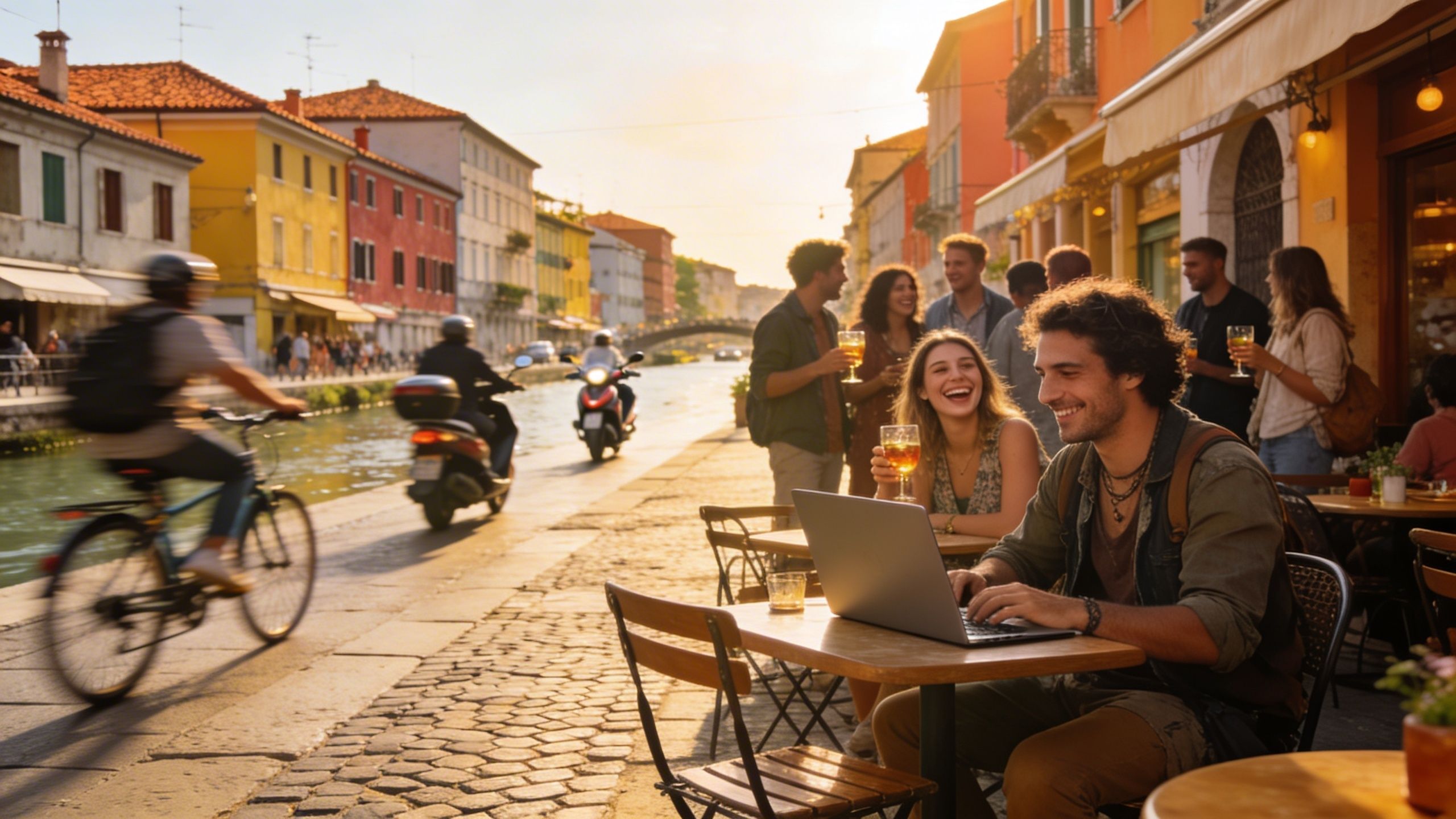
Imagine sipping an espresso on a sun-splashed cobblestone street in Trastevere, then taking a 40‑minute train to a client call with flawless fibre. Italy isn't only centuries‑old churches and postcard coasts — it's coworking patios in Bologna, weekend truffle hunts in Piedmont, and affordable hilltop restoration projects where creativity and community meet. For nomads eyeing a move, that mix of lived-in charm and surprisingly modern infrastructure is the reason Italy keeps pulling people in.
Living the Italy lifestyle: more than a romantic postcard
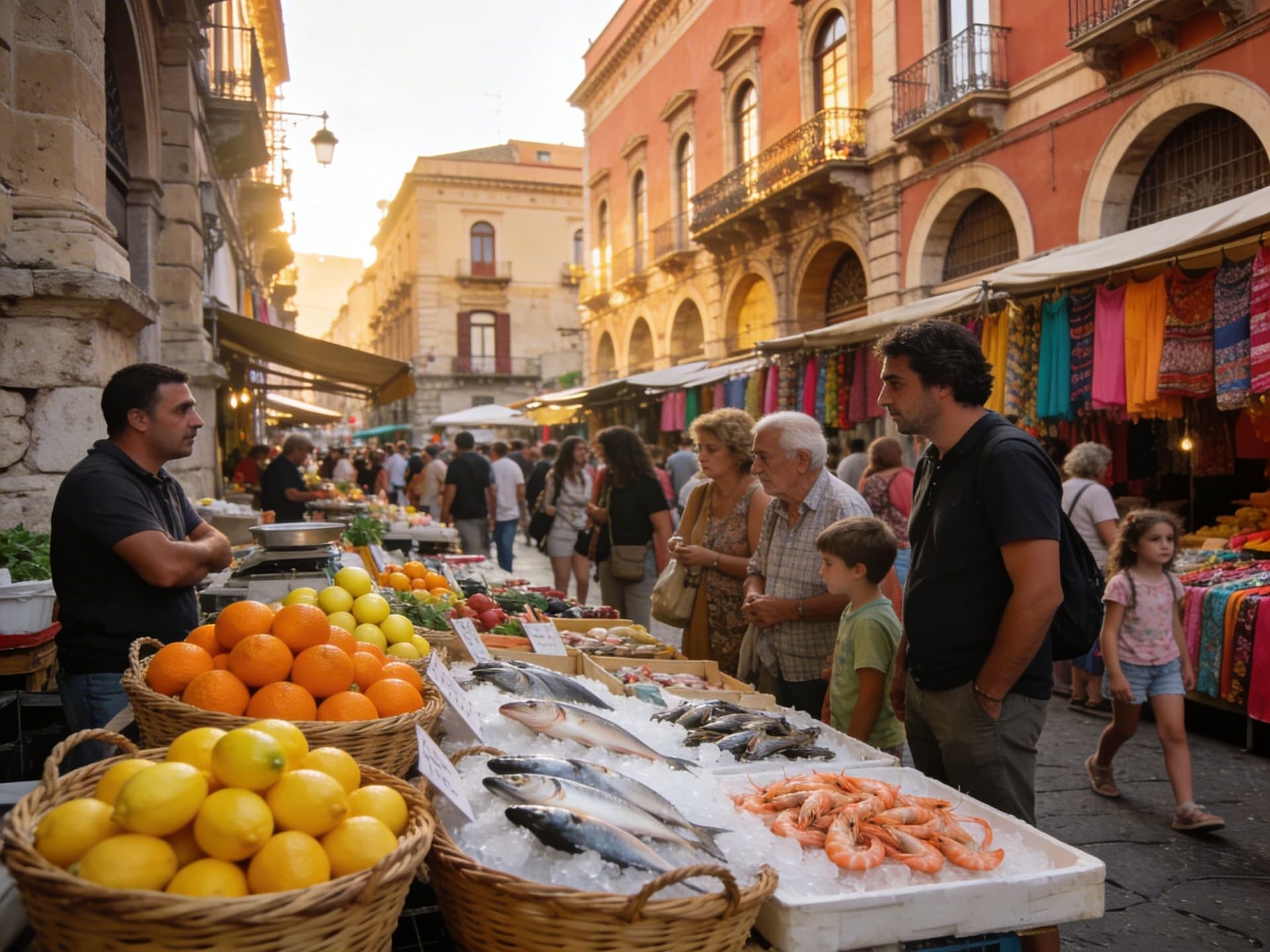
Start your morning at a market stall — fruity citrus at Palermo’s Ballarò, fresh burrata in Puglia — and you quickly see how food shapes daily life here. Streets hum: delivery scooters, bicycles, neighbours greeting each other, baristas who remember your name and your wifi password. Seasons matter: olive harvests and grape crushes set the calendar, and neighbourhood festivals turn squares into long communal dinners. That rhythm is what you buy into: community cues, slow afternoons, and public life that doubles as social infrastructure.
Neighborhood spotlights: city, coast, country — pick your daily vibe
Milan’s Porta Romana and Navigli trade cobbled charm for efficient transit, design studios and rooftop aperitivi — ideal for nomads who want a fast urban pace with reliable fibre. In contrast, Lucca’s medieval loop offers quiet mornings, tight-knit markets and cycling lanes suited to families or creatives. On the coast, the town of Cefalù (Sicily) keeps a small‑town beach culture plus an increasing number of short‑term rentals that attract remote workers chasing sun and slower rhythms.
Food, markets and weekend rituals that shape where you live
Weekends in Italy are ritual and research: a farmer’s market at dawn, aperitivo at dusk, and long dinners that stretch neighbourhood ties. Chefs and food entrepreneurs are reshaping where young expats settle — think Florence’s Sant’Ambrogio market and Palermo’s Vucciria as hubs of culinary life. If you love cooking, prioritize properties with market access and a kitchen that can host a convivial crowd; these practical choices create the lifestyle you see in travel magazines.
- Morning markets (Ballarò, Sant’Ambrogio), evening aperitivo spots (Navigli, Trastevere), coastal swims (Amalfi, Cefalù), weekend harvests (Langhe truffle season), local festivals (sagre) and regional wine routes (Valpolicella, Chianti).
Making the move: lifestyle-first, practical-second
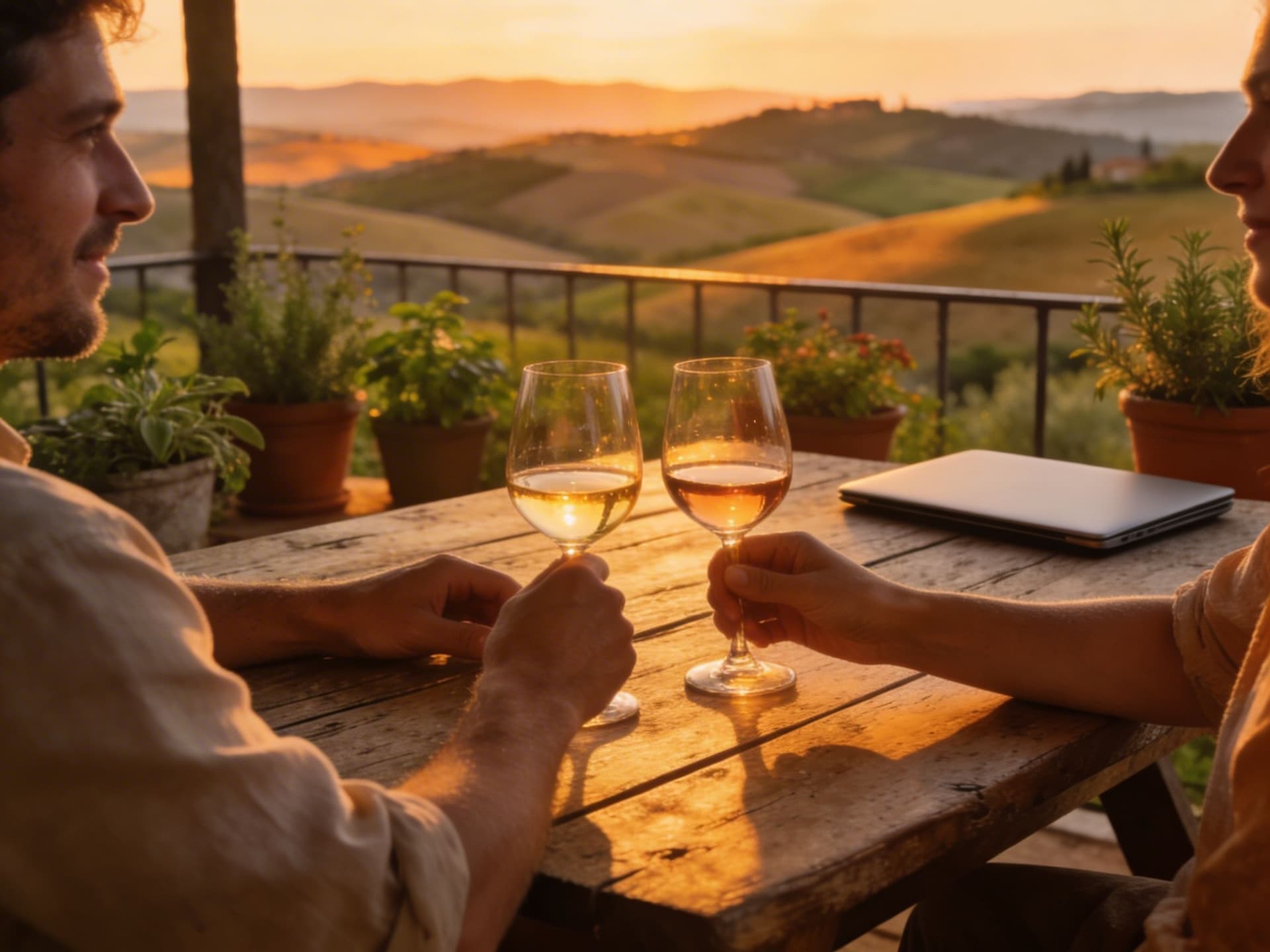
Dreams need a reality check. Prices vary wildly — from northern urban peaks in Milan and Florence to much lower per‑metre rates in southern towns — and recent market data shows steady demand from foreign buyers alongside rising rents in hot zones. That means you can find bargain restoration projects in Abruzzo or smart apartments in Turin if you’re flexible about lifestyle tradeoffs. Use data to choose the lifestyle you want, then the neighbourhood that makes it affordable.
Property styles & how they shape your day-to-day
A narrow historic flat means charming balconies, thin walls and stair-climbing cardio — perfect if you live like a local and want a central address. A renovated farmhouse gives outdoor space, a garden office and the chance to grow food, but it usually requires a car and patience for slower services. If fast, reliable internet and a quiet workspace matter, prioritise energy‑rated restorations (Class A/B) and ask agents about current fibre availability before you commit.
Working with local experts who know the life you want
- 1) Ask agencies for neighbourhood walkthrough videos and fibre speed tests. 2) Request local utility records and a list of recent building renovations. 3) Insist on speaking to at least one foreign client the agent has recently worked with. 4) Ask for a realistic estimate of annual community charges and seasonal rental demand if you plan to let the property. 5) Get a notary recommendation early — the notaio is central to closing and title checks.
Insider knowledge: the things expats wish they'd known
Here’s the candid stuff: locals prize relationships. Neighbours, baristas, and your building concierge matter more than a fancy finish. Seasonal population swings affect services in tourist towns — summers feel vibrant, but winters can be quiet and slow services may frustrate newcomers. Also, some widely-promoted bargains — think €1 house schemes — carry hidden renovation costs, red tape, and local hesitation; they’re not instant passports to bliss.
Cultural integration, language and community
Basic Italian opens doors. Learn greetings, market phrases and how to read a bar tab and the local rhythm will reward you. Join a language exchange or weekly mercato run and you’ll meet neighbors who’ll become your support network. Many expats say the single biggest help was finding one local friend who introduced them to the baker, the plumber and the town’s unspoken rules.
Long-term lifestyle: what changes after year one
After a year you’ll notice different needs: more storage for seasonal gear, a stronger preference for energy efficiency, and a clearer view on whether you prefer local or international schools, healthcare and banking ties. That’s why many nomads start with a flexible plan: rent for six months, build local relationships, then buy with a clearer sense of daily life and long-term costs.
- Test work-from-home setups, confirm 100/20 Mbps fibre availability, check proximity to a reliable courier/postal service, verify seasonal rental demand if you plan to let, and get quotes for renovating to modern energy standards.
Italy offers a life that’s tactile, social and delicious — and it’s also a market with real variation. Use local data, work with agencies that know both the streets and the legal essentials, and start in a rental if you can. When you land on the right neighbourhood, you won’t just own a home — you’ll inherit a weekly rhythm, a favourite barista, and a community that can turn a visit into a life.
British expat who moved from Manchester to Mallorca in 2017. Specializes in market analysis and helping fellow Brit navigate local regulations.