Budgeting for Croatia: Lifestyle Costs, Legal Hurdles & Seasonal Tricks
Fall for Croatia’s cafés and coast, but budget smart: understand reciprocity, regional price gaps, and seasonal costs before you buy.
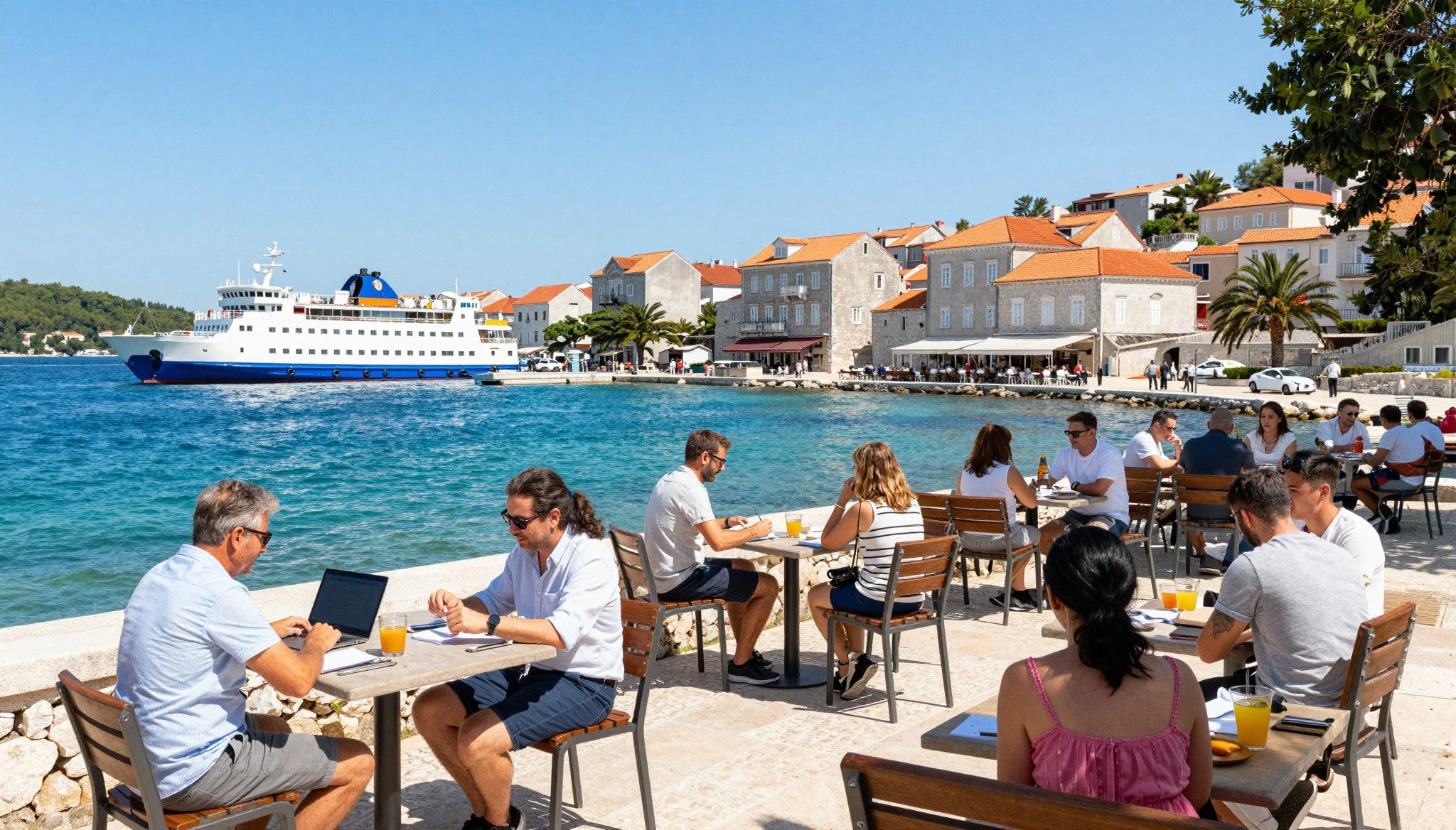
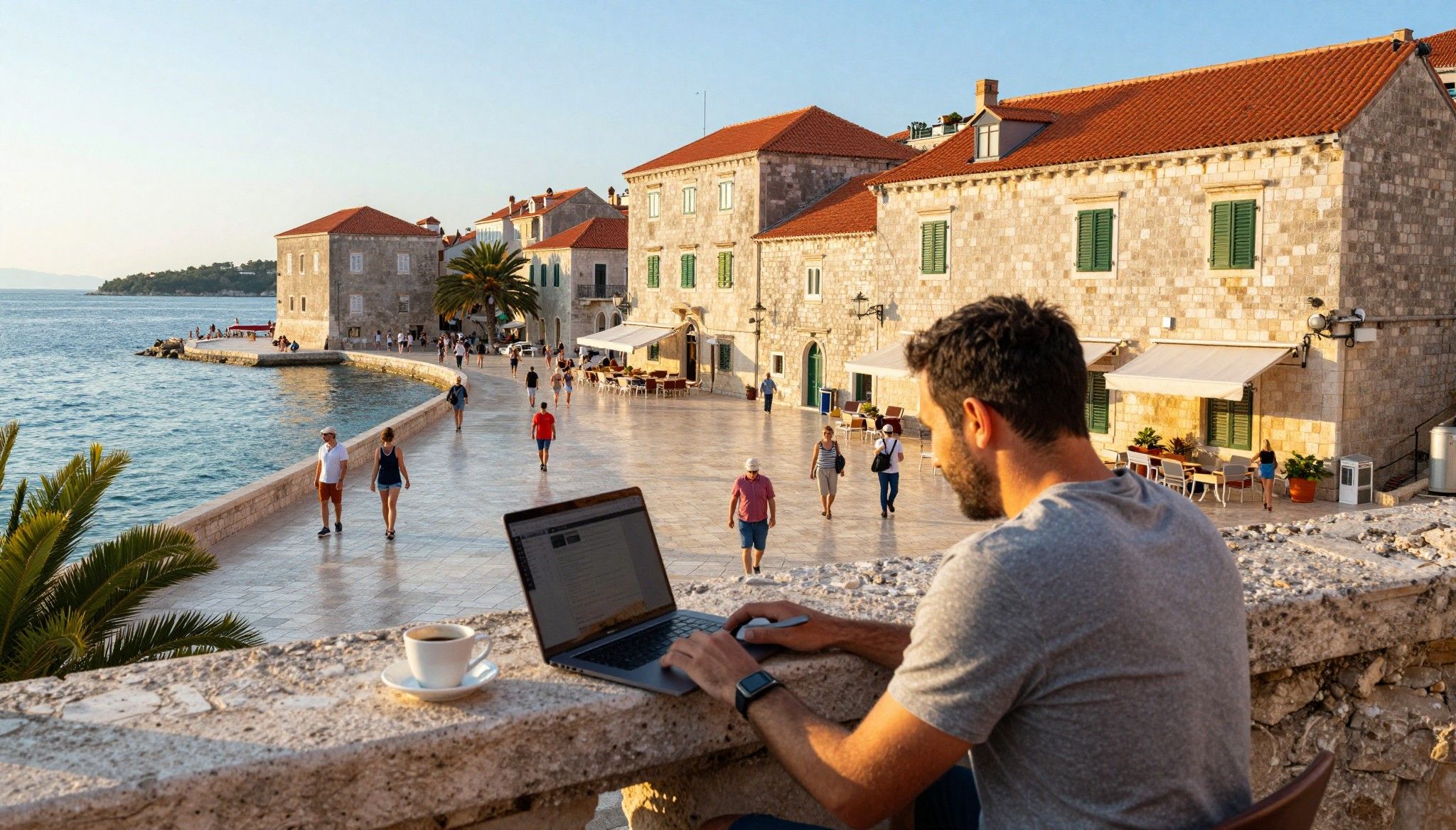
Imagine waking up to the smell of fresh espresso on Split’s Riva, trading a morning stand-up for a canyoned coastal walk in Hvar at sunset, and closing your laptop on a terrace that looks over terracotta roofs and the Adriatic. Croatia feels easy: cafés with local chatter, markets piled with black olives and flatbreads, and weekends that pivot between island hopping and village konobas. But that dreamy morning comes with numbers: taxes, reciprocity rules, search budgets and true carrying costs that will shape whether that terrace is yours. Read on — this guide mixes the love letter to Croatia with the exact budgeting steps international buyers actually need.
Living the Croatia life
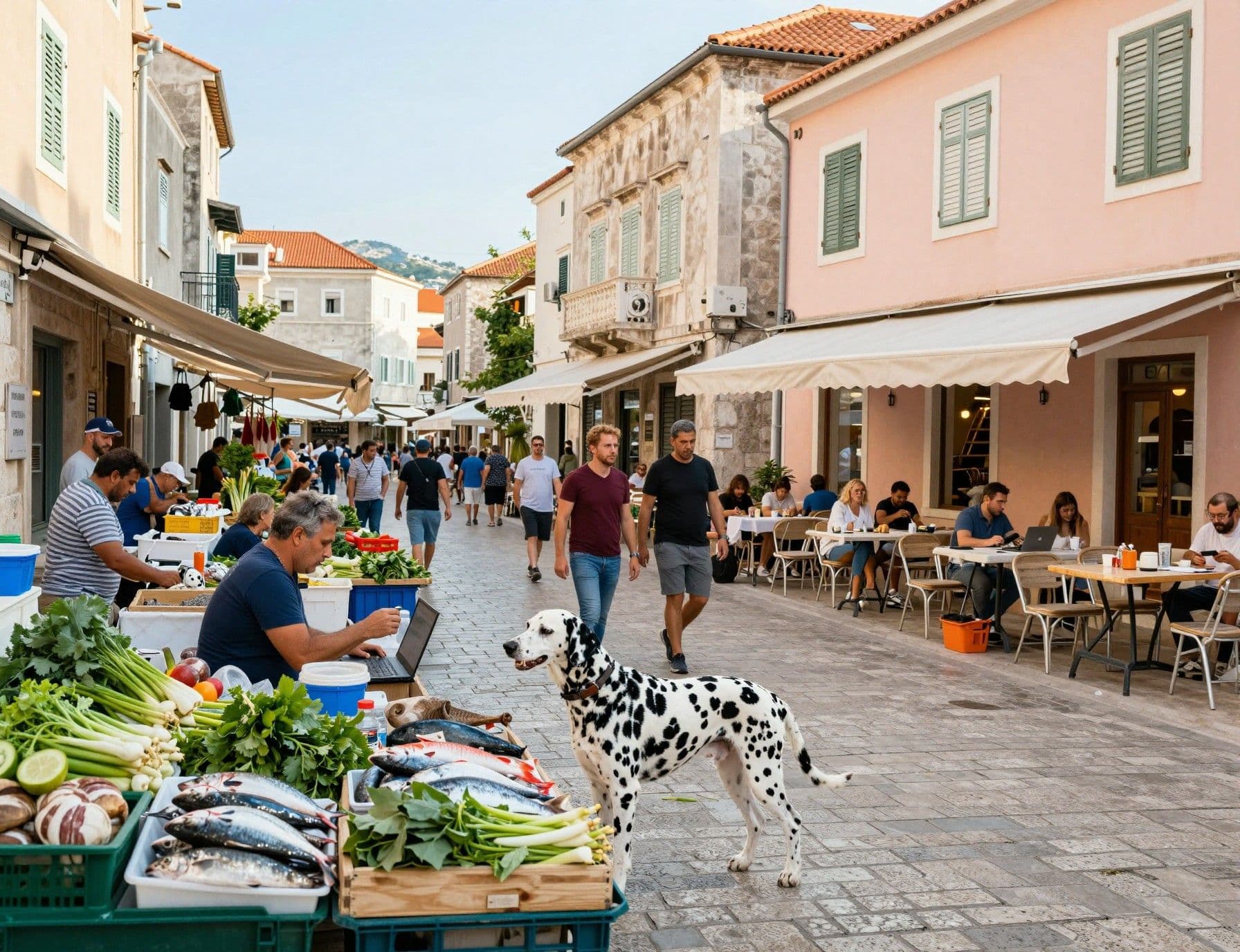
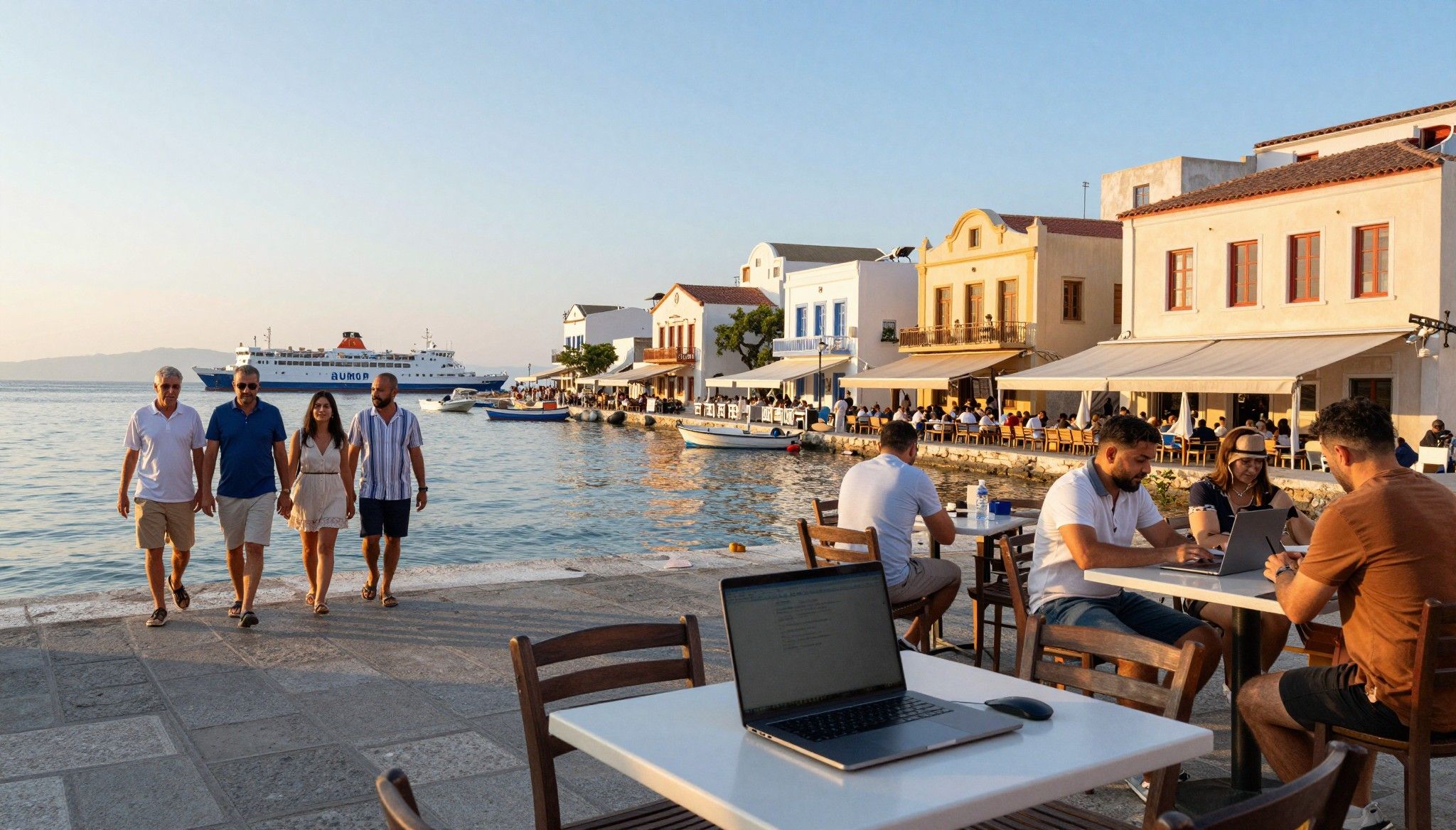
Day-to-day life in Croatia moves at bright Mediterranean rhythms: cafes pulse in the morning, quieter siesta pauses in the afternoon, and vibrant promenades fill at golden hour. Cities like Zagreb and Rijeka hum year-round with coworking hubs and street markets, while coastal towns such as Dubrovnik, Zadar, and Pula trade seasonality for postcard vistas and island ferry schedules. Behind this lifestyle beat, housing trends vary wildly by region — national indices show coastal prices and demand diverging from inland markets, so where you want to live will matter as much as what you can afford.
Neighborhood spotlight: Split’s Veli Varoš to Diocletian’s rhythm
Picture Veli Varoš: narrow stone lanes, a baker who knows your order, and a five-minute walk to the ferry. Move inland a block and you’re in a quieter residential patch where locals live, not just tourists. This kind of micro-variation is typical: two streets can feel centuries apart. For buyers wanting both community and access, look for places near local markets (Peškarija in Split) and small parks rather than main tourist strips — they deliver authentic daily life and steadier rental demand.
Food, festivals and off-season living
Croatia’s calendar shapes lifestyle: truffle season pulls eaters to Istria, summer regattas animate coastal towns, and winter festivals reveal a slower, intimate side of island life. These seasonal rhythms also influence short-term rental income windows and maintenance cycles for seaside homes. Savvy buyers use local events and seasonality to estimate real annual occupancy and to budget for high-season cleaning, off-season repairs, and utilities — things estate photos never show but your wallet will feel.
- Taste-and-feel highlights: Bačvice beach sunsets (Split), Peškarija market stalls (Split), Tkalčićeva street cafes (Zagreb), Zadar’s sea organ walks, Motovun truffle hunts (Istria)
Making the move: practical budgeting realities
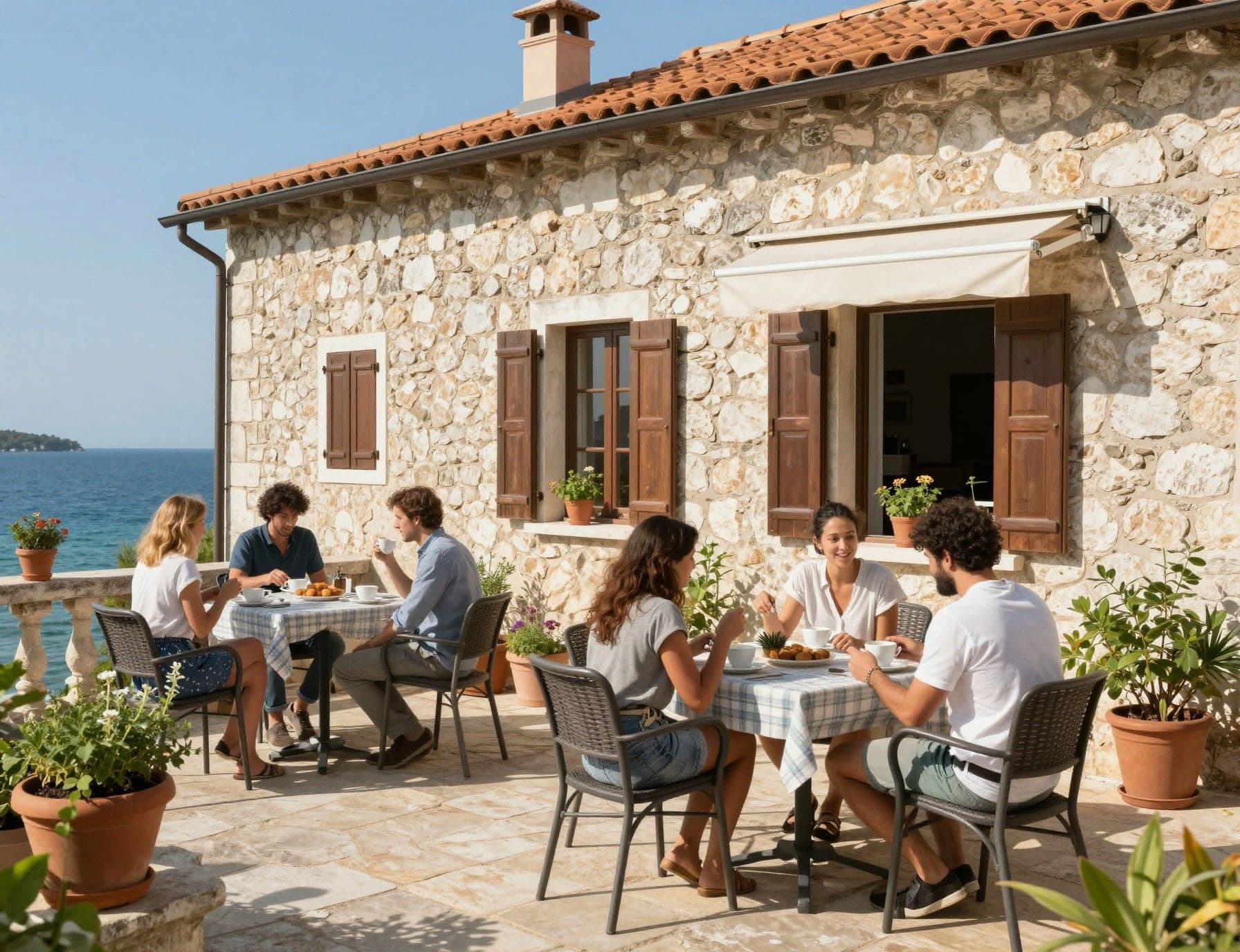
The dream apartment needs a realistic budget. Beyond the purchase price, factor in transfer taxes, notary and lawyer fees, agency commissions, ongoing utilities, and an allowance for local renovations or maintenance. Importantly, your nationality affects the timeline and paperwork — EU/EEA buyers face the simplest path, while non‑EU citizens may need reciprocity checks or ministry consent, which can add weeks and legal costs. Planning for these contingencies upfront keeps surprises small and your move on schedule.
Property types and how they affect total cost
New builds often look attractive on paper but carry higher per-square-metre prices and stricter warranty expectations. Historic stone houses in Dalmatia charm with low initial prices but usually need more plumbing, insulation and seismic upgrades — true costs you must budget into your offer. National house price indices show variation by region and new vs. existing stock; use these numbers to benchmark quoted prices against area trends before you commit.
Work with experts who match lifestyle to numbers
- Steps to blend lifestyle desires with a practical budget: 1. Map lifestyle must-haves (coworking access, ferry link, market proximity) and prioritise three non-negotiables. 2. Pull regional price data and compare three recent sold listings to set a realistic upper limit. 3. Add 10–20% contingency for hidden maintenance, municipal fees and off-season vacancy. 4. Engage a bilingual lawyer early to check reciprocity, title and any pre-emption rights that can delay closing. 5. Build a cash-flow projection if you plan to rent — include seasonal occupancy and management fees.
Insider knowledge: expat lessons and red flags
Expats tell a common story: they fell for the sea-view photo and skipped a site visit, then discovered narrow access roads, unreliable winter heating, or a noisy neighbour during olive harvest. Local quirks — like municipal pre-emption rights on island plots or seasonal utility shut-offs in remote areas — are not glamorous but can be deal-breakers. Listen to residents, visit in low season, and budget time for local bureaucracy; these small steps save major headaches later.
Cultural fit, community and language
Learning even a few Croatian phrases opens doors. Neighbourhood integration often starts in small rituals — regular markets, a favourite konoba, or weekly beach cleanups — and these are the places you’ll meet people who’ll recommend a trusted builder or electrician. For nomads, proximity to Zagreb or Split coworking spaces matters more than a central tourist address; pick a neighbourhood with community meetups and decent internet rather than purely scenic appeal.
Long-term thinking: value, upkeep and resale
Croatia’s market is maturing — demand concentrates on quality, well-located properties and sustainable developments. Think about energy efficiency, insulation and access for service crews when estimating long-term costs. If you plan to sell later, properties near year-round amenities (medical, transport, grocery) tend to hold value better than remote holiday-only spots, so factor resale and running costs into today’s budget.
- Red flags to watch for before you sign: unclear land registry entries, missing building permits, municipal pre-emption clauses on islands, no documented utility connections, and sellers who push cash-only deals.
Conclusion: fall in love consciously. Croatia gives you cafés, coastlines and a life paced by sea and market rhythms — but the best purchases are the ones that pair that dream with careful budgeting and local knowledge. Start with a three-level budget (price, contingency, annual carrying costs), hire a bilingual lawyer and a local agent who knows the neighbourhood not just the postcode, and schedule a low-season visit to test real life, not the postcard. When those pieces click, you’re not just buying a property — you’re buying a lived-in Croatian life.
Danish investor and relocation advisor focusing on Portugal and the Algarve; loves coworking culture and expat networks.