Croatia Budget: Map the Life Behind the Price
Set budgets for Croatia by mapping lifestyle choices to real regional costs—account for coastal premiums, transaction fees, seasonal running costs and legal checks.
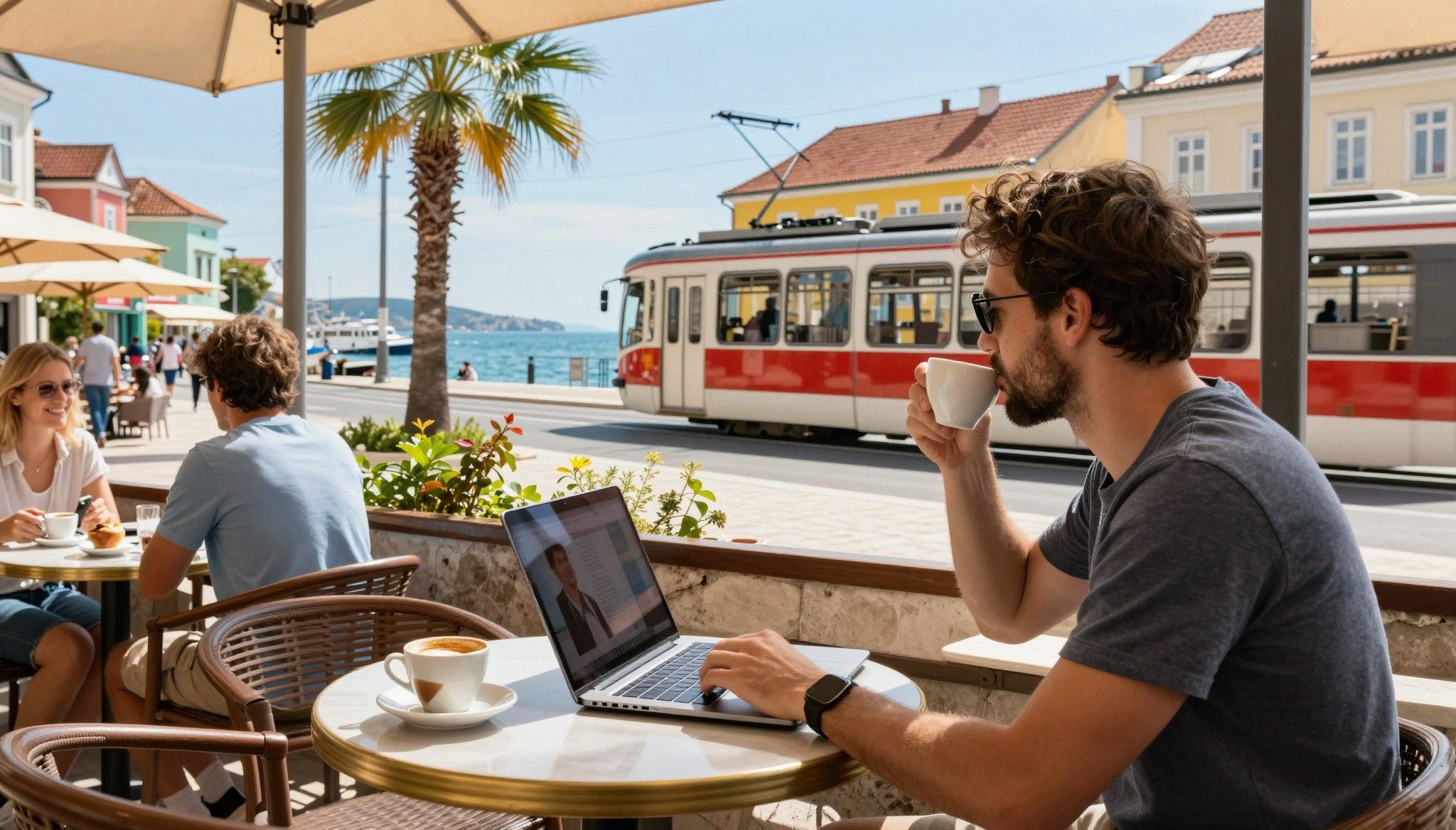
Imagine sipping espresso at Café U Dvorištu in Split’s Diocletian‑adjacent lane, laptop open, a sea breeze and a tram‑slow pace—then penciling in a 15‑minute commute to a weekend island ferry. That split between everyday ease and postcard coast is Croatia: a place where Mediterranean light shapes your mornings and seasonal tourism shapes the property market. This guide helps you set a realistic initial budget—so the dream of that terrace view becomes a spreadsheet that actually works.
Living the Croatia lifestyle
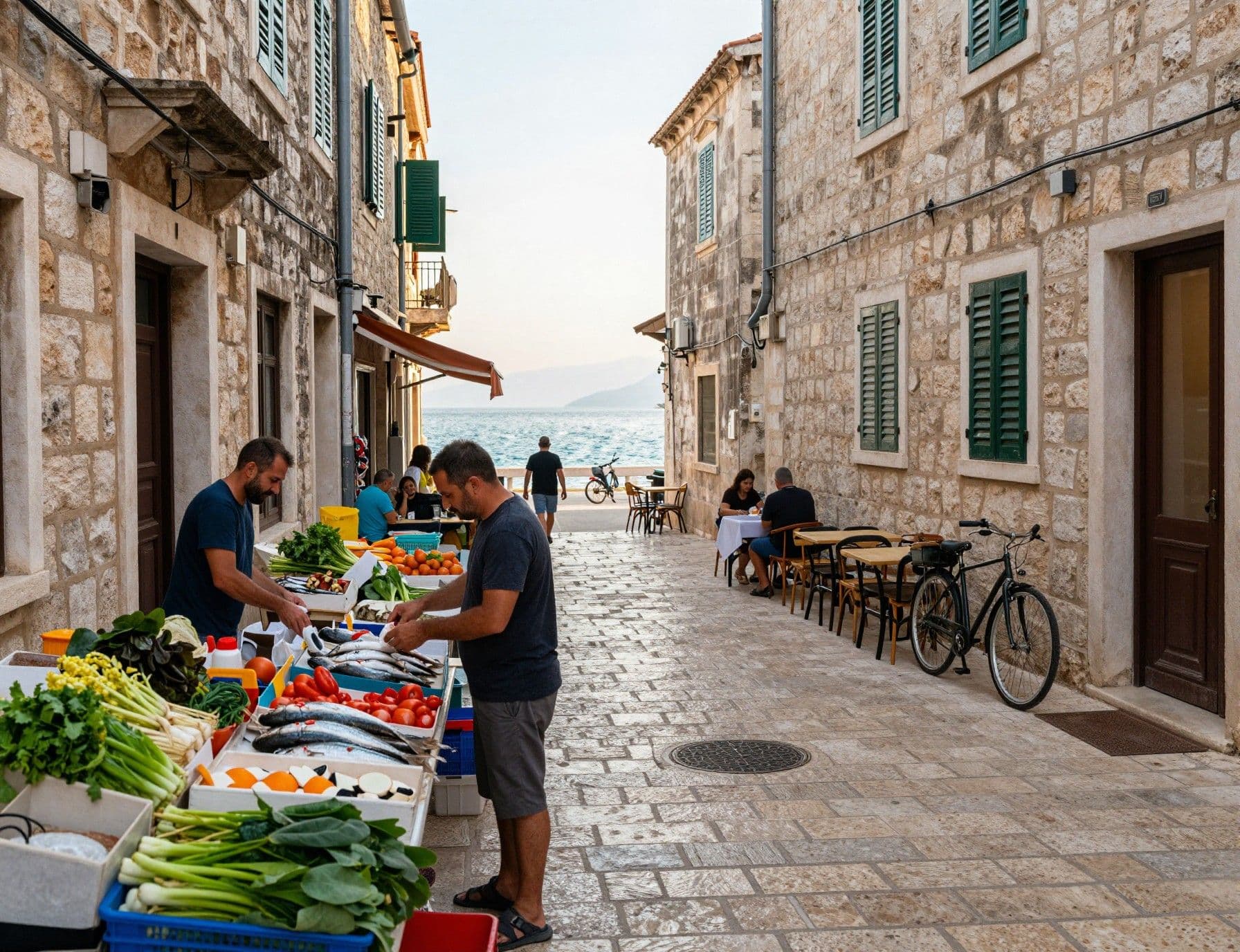
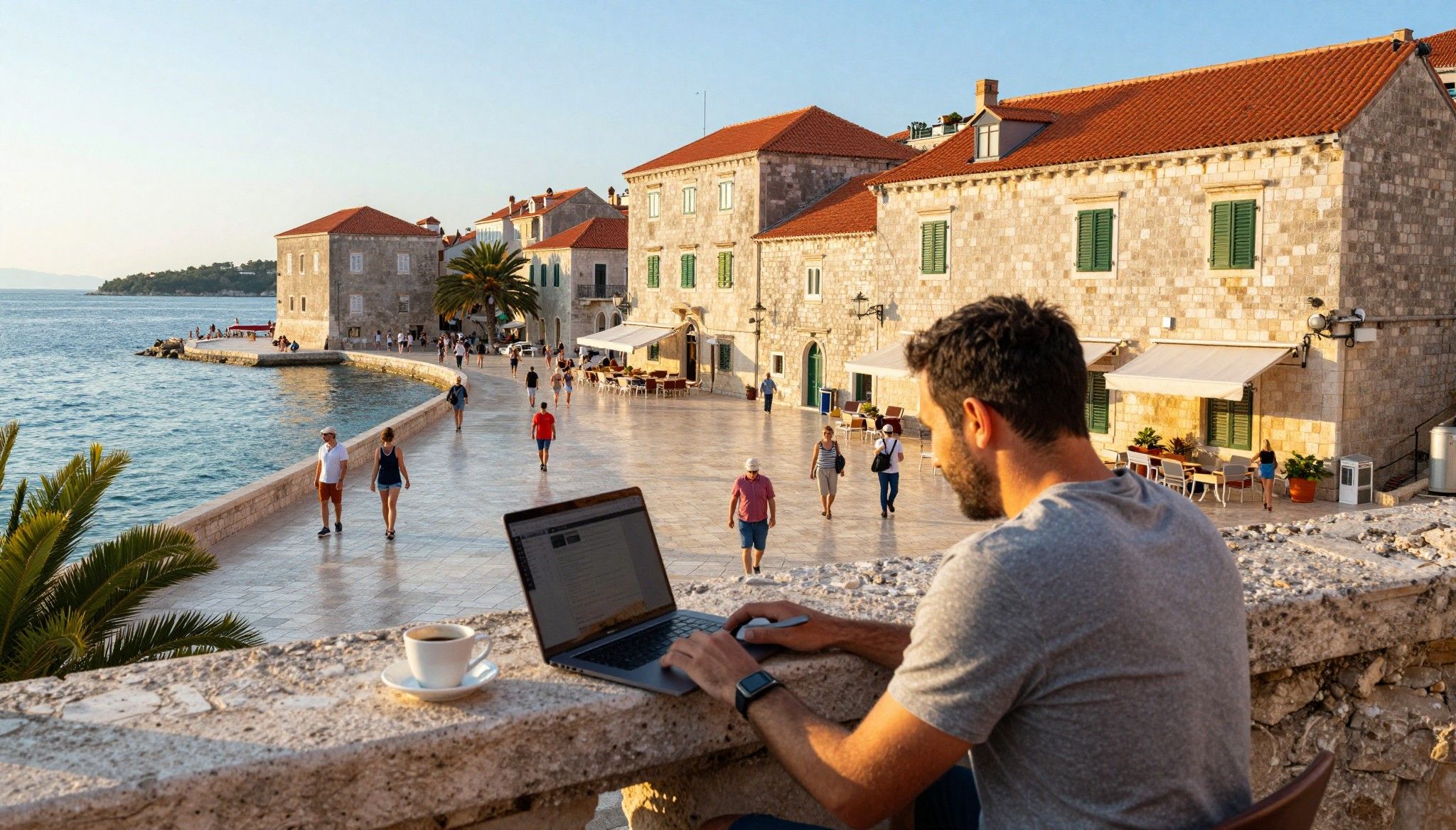
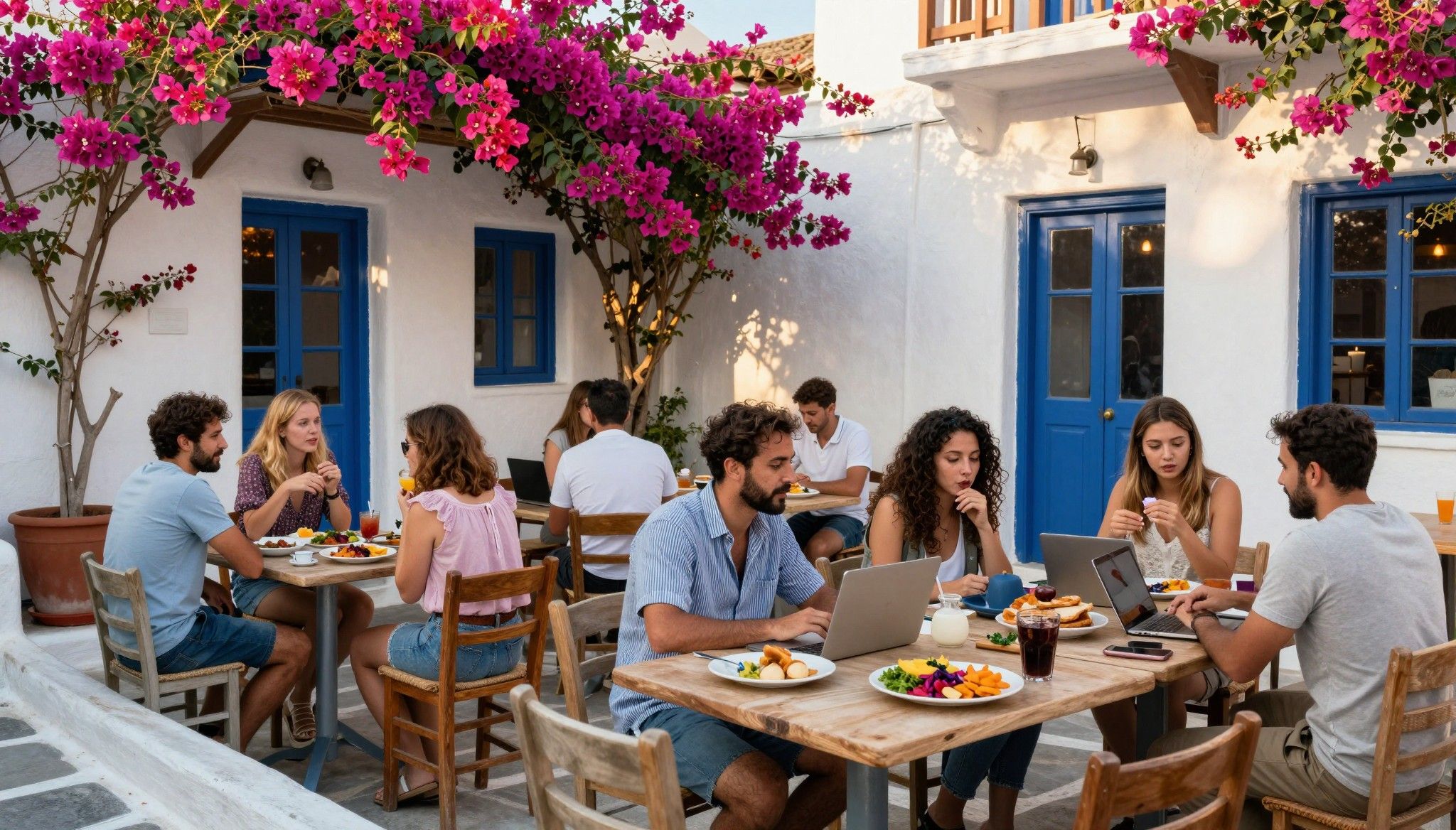
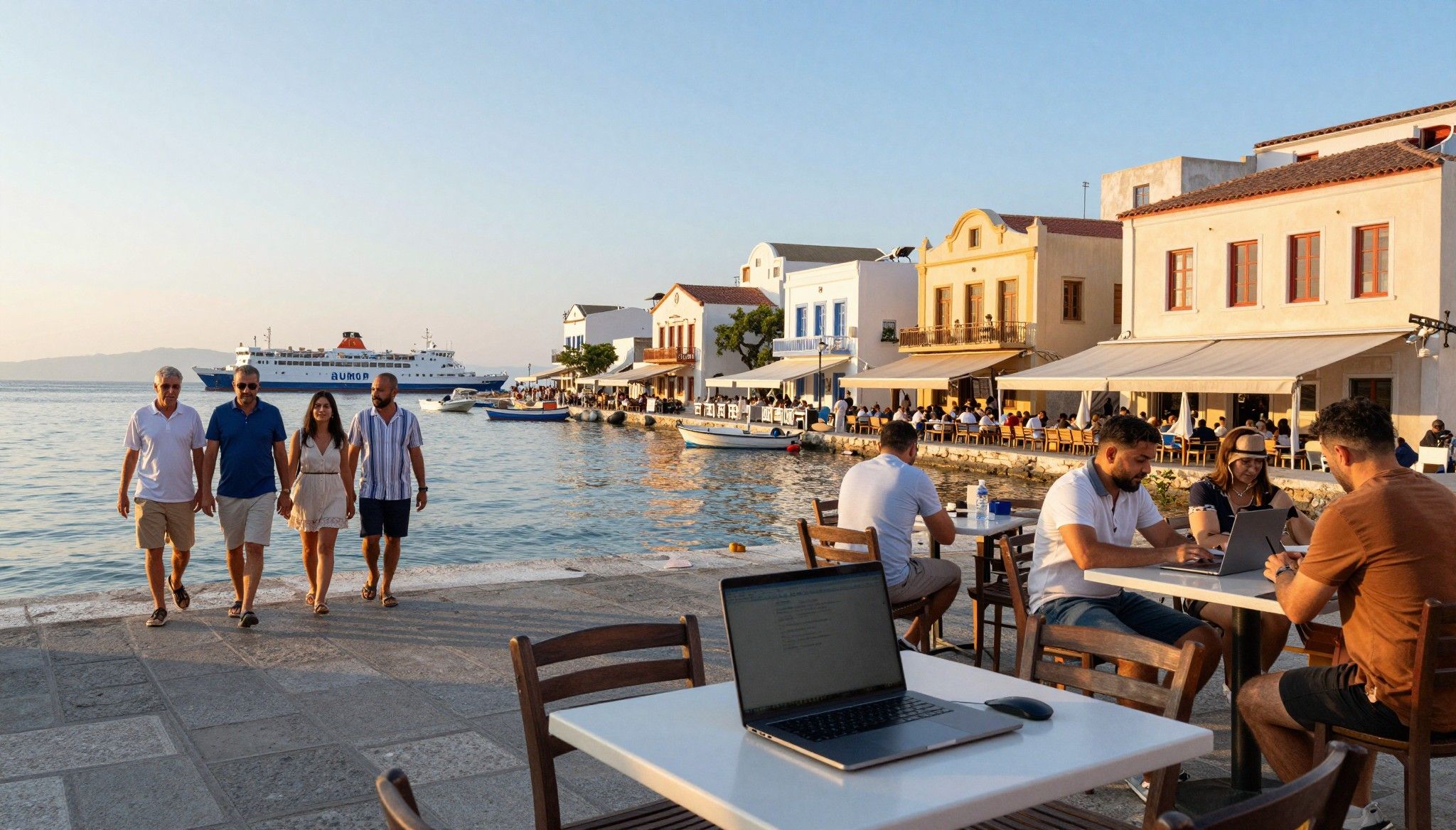
Daily life in Croatia balances old stones and modern routines. Mornings mean market runs for fresh sardines in Hvar or farm cheese in Istria; afternoons are for remote work in air‑cooled apartments or coworking spaces in Zagreb; evenings are long and social, with neighbourhood konobas spilling wine onto sidewalks. The result: you buy into a lifestyle as much as a floor area.
Coast vs city: neighbourhood snapshots
Pick Split’s Veli Varoš and you wake to fishermen fixing nets and cafés opening before tourists flood the Riva; choose Dubrovnik’s Ploče and you live under fortified views and strict conservation rules; choose Zagreb’s Trešnjevka and you get leafy streets, bakeries, and a 20‑minute tram ride to coworking hubs. Each micro‑neighbourhood defines how you’ll use a home (office nook, terrace, storage for bikes) and therefore how you budget.
Food, festivals and rhythms that shape choices
From Pula’s film festival nights to Istria’s truffle season, events change demand—and short‑term rental potential. If you want a calm winter life, inland Istrian villages or continental towns like Varaždin feel very different to Hvar in July. Those seasonal swings are why lifestyle decisions should shape budget assumptions about rental income, utilities and maintenance.
- Lifestyle highlights to map into your budget: Split’s Veli Varoš cafés; Hvar’s early‑morning fish market; Zagreb’s coworking hubs (e.g., Pionir/Impact Hub); Rovinj’s art walks; local konobas for weekly dining; ferry routes and seasonal transport costs.
Making the move: practical considerations
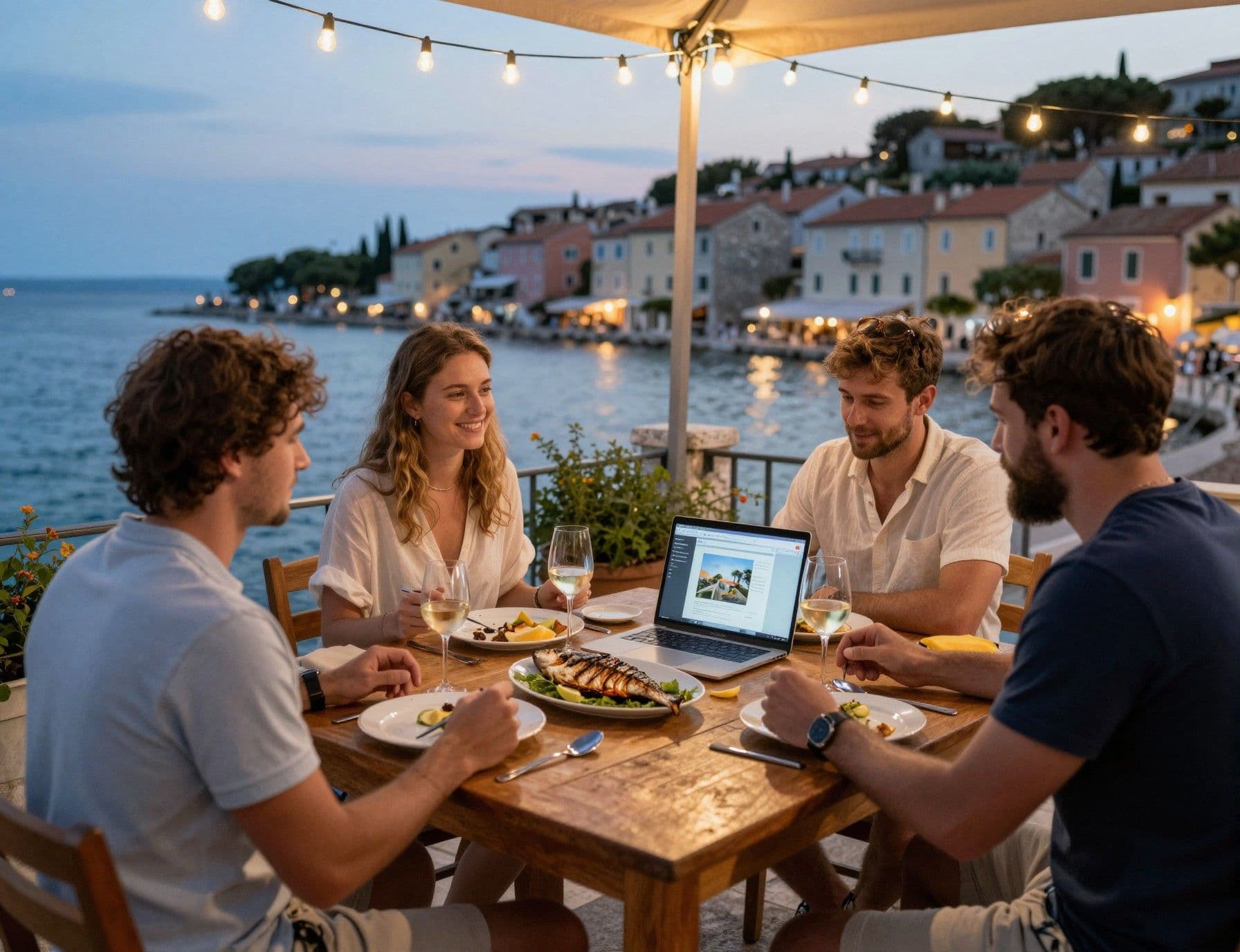
OK—dreams anchored. Now the numbers. Coastal and tourist areas have been pushing asking prices higher; Njuškalo’s 2025 analysis shows nationwide asking prices rising and sharp regional differences. That matters: a terrace in Dubrovnik can cost multiple times the same square metres in continental towns. Build a realistic total‑cost figure from purchase price, taxes, notary and registry fees, plus 2–5% contingency for unseen local costs.
Property styles and what they mean for budgets
Historic stone houses need structural and insulation checks and often more refurbishment budget. New builds bring VAT or developer guarantees but higher list prices. Apartments in coastal towns might include communal maintenance and utility surcharges. When you inspect, ask how the property performs in winter—heating bills can surprise buyers who only see sunlit summers.
Working with local experts who know the lifestyle
A good local agency does more than show listings: they introduce you to the baker, explain utility seasons, and flag neighbourhood quirks (ferry timetables, festival crowding). For nomads, insist they check internet speeds, suggest coworking spots, and estimate off‑season rental demand if you’re buying for hybrid use.
- Set your initial budget: 1) Start with a target purchase price (based on region averages). 2) Add transaction costs (transfer tax or VAT where applicable, notary & registration). 3) Add renovation/upgrade buffer (10–25% for older properties). 4) Cash reserve for seasonal running costs (ferries, tourist-season utilities). 5) Contingency (2–5%) for legal or title quirks.
Insider knowledge: what expats wish they'd known
Real talk: many buyers underestimated seasonal variability. You may fall in love with a summer scene—then discover quiet winters and higher maintenance. Foreign buyer numbers have fluctuated recently; some reports show a decrease in foreign transactions after peaks. That affects negotiation power and price momentum in certain counties.
Cultural and legal quirks to budget for
EU citizens enjoy relatively straightforward purchase rights; non‑EU buyers often require Ministry approval under reciprocity rules. Legal fees for title checks and translation are real costs. Always budget for a lawyer and local notary: they protect you from common pitfalls like unclear access rights or incomplete registrations.
Long‑term lifestyle + practical considerations
Think beyond the sale: property tax changes, evolving tourism rules, and maintenance networks. A city flat and an island house age differently—both lifestyle and long‑term costs matter. Talk to expat communities in Rovinj, Split, or Zagreb to understand service availability (plumbers, cleaners) and realistic running costs.
- Red flags and quick checks before you bid: unclear land registry entries; no utility access shown on plans; coastal protected area restrictions; inconsistent seller paperwork; missing reciprocity approval for non‑EU buyers.
Conclusion — fall in love intentionally. Croatia rewards those who design a budget around the life they want: a workspace with sea views costs different money (and upkeep) than a central Zagreb flat near coworking. Start with lifestyle priorities, convert them into concrete cost lines, bring local experts in early, and keep a small buffer for seasonality and surprises. Then book that ferry and make that espresso your morning ritual.
Dutch investment strategist guiding buyers to Greece and Spain; practical financing, tax, and portfolio diversification.