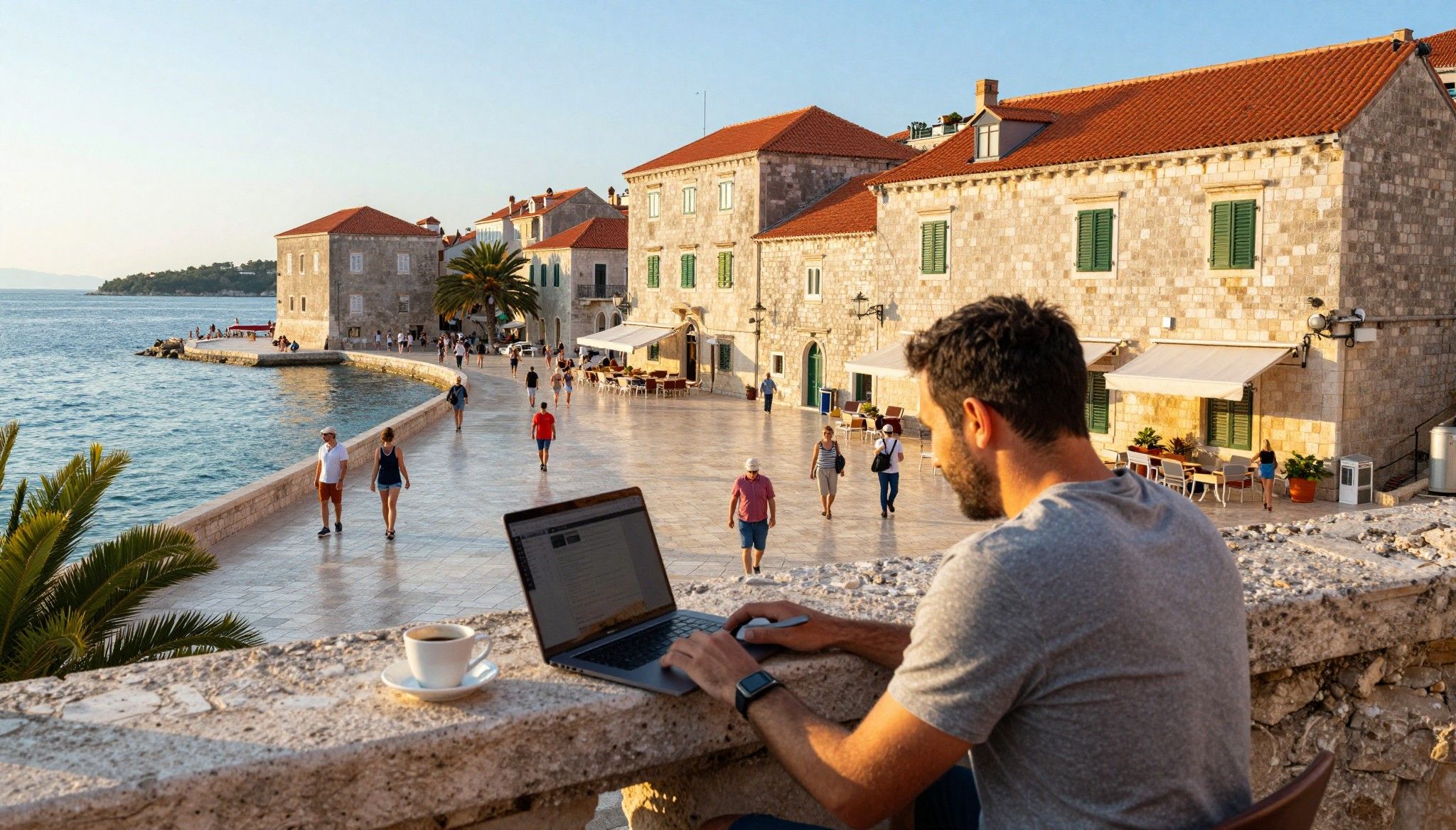
How to Budget for Cyprus: Hidden Costs Locals Know
A lifestyle-first budget guide for buying in Cyprus — from real neighbourhood costs to hidden fees, with local data and practical steps to plan your purchase confidently.
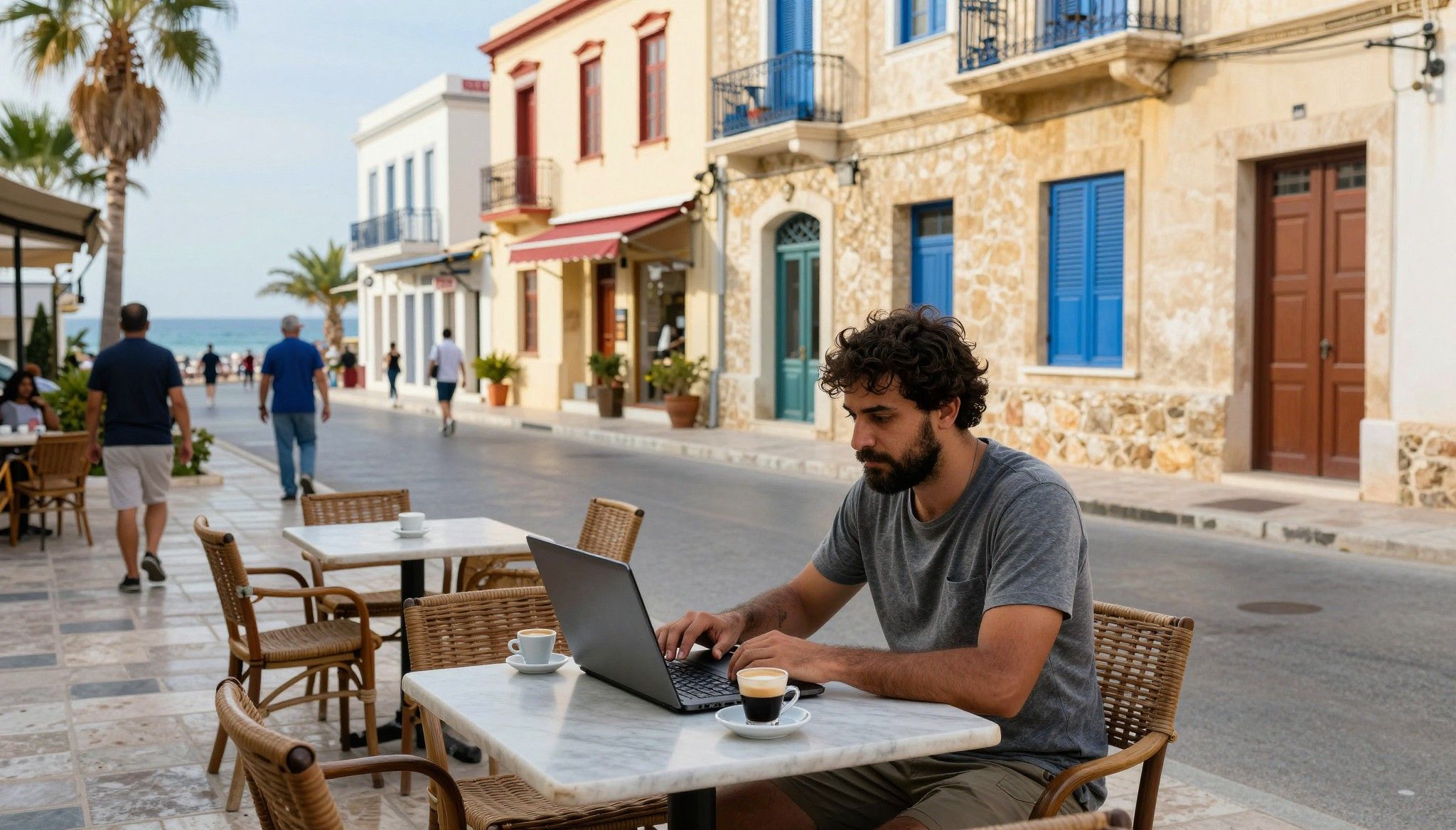
Imagine waking up in a sunlit apartment on Ledra Street, coffee in hand, laptop open, and the sound of church bells across the square — that’s Cyprus. The island moves at a golden-hour rhythm: mornings at market stalls in Nicosia, afternoons on Limassol’s promenades, evenings sharing mezze in tucked-away tavernas. For international buyers the dream is irresistible — but the budget story underneath that dream can surprise you. Here’s a friendly, street-level budgeting guide that mixes what life really feels like here with the exact costs and checkpoints you’ll need to buy with confidence.
Living the Cyprus lifestyle

Cyprus is Mediterranean warmth wrapped in villages, modern cities, and coastal energy. Picture morning espresso at To Palikari in Old Larnaca, an afternoon swim at Konnos Bay near Ayia Napa, and supper on a balcony watching fishing boats in Paphos harbour. Streets are human-scale; neighbors know your name and festivals fill the calendar. That convivial pace shapes what you need from a home — shade and cross-ventilation in summer, a cosy alcove for winter storms, and a balcony you’ll actually use.
Neighborhood spotlight: Limassol’s mixed personality
Limassol flips between slick marina developments and quiet streets where old men sip coffee on wooden chairs. If you crave coworking and networking, the Old Port and Molos promenade deliver broadband cafés and evening life. But those conveniences bump prices. Walk two streets inland and you’ll find quieter terraces and better value — the same lifestyle with a slightly longer walk to the sea.
Food, markets and weekend rhythms
Saturdays mean farmers’ markets stacked with halloumi and olives; Sundays mean family meze that last hours. Neighborhood cafes double as remote-work hubs during the week. These daily rituals are part of your budget equation — eating local saves money and smooths integration, while imported groceries, private healthcare or international school fees add chunks to monthly costs.
- Lifestyle highlights to budget for:
- Weekly farmers’ market in Nicosia (fresh produce, €20–€40 for a couple of days’ supplies)
- High-speed fibre internet (commonly €25–€45/month in cities)
- Coworking day pass in Limassol or Larnaca (€10–€20) and monthly memberships (~€120–€200)
Making the move: practical cost realities

Dreams meet math at the notary. Cyprus’s residential prices have risen in recent years, driven by demand in cities and coastal hubs — the Central Bank and local market reports show steady house-price growth. That affects not only purchase price but running costs: insurance, utility peaks in summer, and occasional levies on apartment buildings. Pin these into your budget before you make an offer.
Property types and what they cost you to live there
New seafront apartments often include amenities (pool, gym) but have service charges and higher VAT implications. Traditional village houses cost less up front but usually need renovation and energy upgrades. Think about how you’ll live: do you need a dedicated home office with quiet views (higher rent/purchase) or a compact pied-à-terre near cafes (higher per-m² price but lower maintenance)?
Work with local experts who budget like locals
A Cyprus-savvy agent or lawyer is your best budget-saver. They translate seller language, spot omitted levies in HOA rules, and estimate realistic running costs. Ask them for recent bills (electricity, water, service charge) and reserve funds for communal repairs. A good agent is not the sales pitch — they’re the translator between island life and your spreadsheet.
- Steps to build a realistic Cyprus purchase budget
- 1. Start with market price: target neighbourhood median (use Central Bank or local estate reports).
- 2. Add transaction costs: lawyer fees (1–1.5%), transfer fees or VAT implications, and reduced transfer-fee schemes when applicable.
- 3. Include running costs for 12 months: utilities, service charges, insurance, and an energy retrofit buffer (especially for older village homes).
- 4. Plan liquidity: keep 5–10% of purchase price aside for unexpected work or local tax obligations.
Insider knowledge: expat truths that change the budget
Expats quickly learn that small choices shift monthly spending more than big ones. Choosing a slightly inland street instead of the promenade reduces purchase price and service charges. Opting for a furnished apartment shortens your settling costs but can hide lower-quality fixtures. And yes — fast internet is cheap and worth budgeting for from day one.
Cultural quirks that affect money
Neighborhood networks matter. Many repairs and renovations rely on local tradespeople hired through word of mouth, and prices can vary widely. Expect cash-friendly negotiations for small jobs, and always get a written quote if you’re budgeting for renovations. Also, community decisions (block meetings) can trigger special levies — ask for meeting minutes before buying into an apartment block.
Long-term lifestyle + financial checklist
Think 3–5 years ahead: will you rent the place seasonally? Do you plan to apply for residency? These choices change tax treatment, insurance needs, and acceptable ROI. If you want a low-maintenance life, prioritise modern builds with reliable management; if you want authenticity, budget for upgrades and slower resale liquidity.
- Budget red flags to watch for:
- Missing recent utility bills or noisy communal accounts (ask for 2 years of HOA accounts).
- Unclear VAT vs. transfer-fee status on new builds (VAT may remove transfer fees but adds upfront tax).
- No energy certificate or obvious cooling/heating inefficiencies on older properties.
Conclusion: fall in love with the life, plan for the costs
Cyprus gives you mornings at the market and evenings by the sea — and it asks for clear numbers in return. Use local market reports to set realistic price targets, add transaction and 12-month running costs, and guard against unseen HOA or VAT traps with a local lawyer. Start by choosing two neighbourhoods, asking for three years of bills/accounts, and building a 10% contingency into your budget. Then go taste the halloumi — you’ll know you planned well when you can afford the simple pleasures.
Danish investor and relocation advisor focusing on Portugal and the Algarve; loves coworking culture and expat networks.