Live‑First Budgets: What France’s Charm Actually Costs
Fall in love with daily French life — then build a realistic budget: transaction fees, regional price trends, and lifestyle costs backed by INSEE and Notaires data.

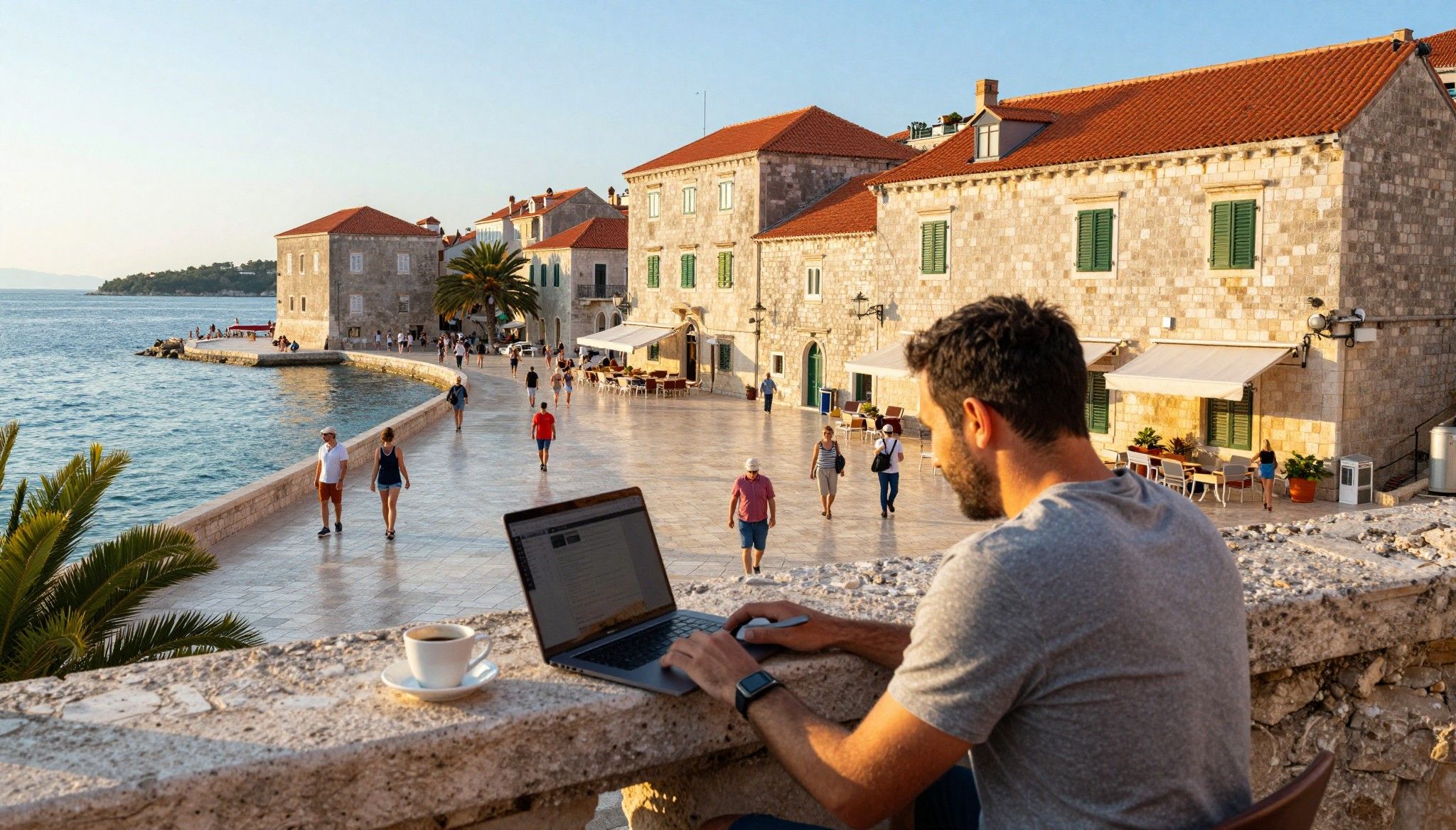
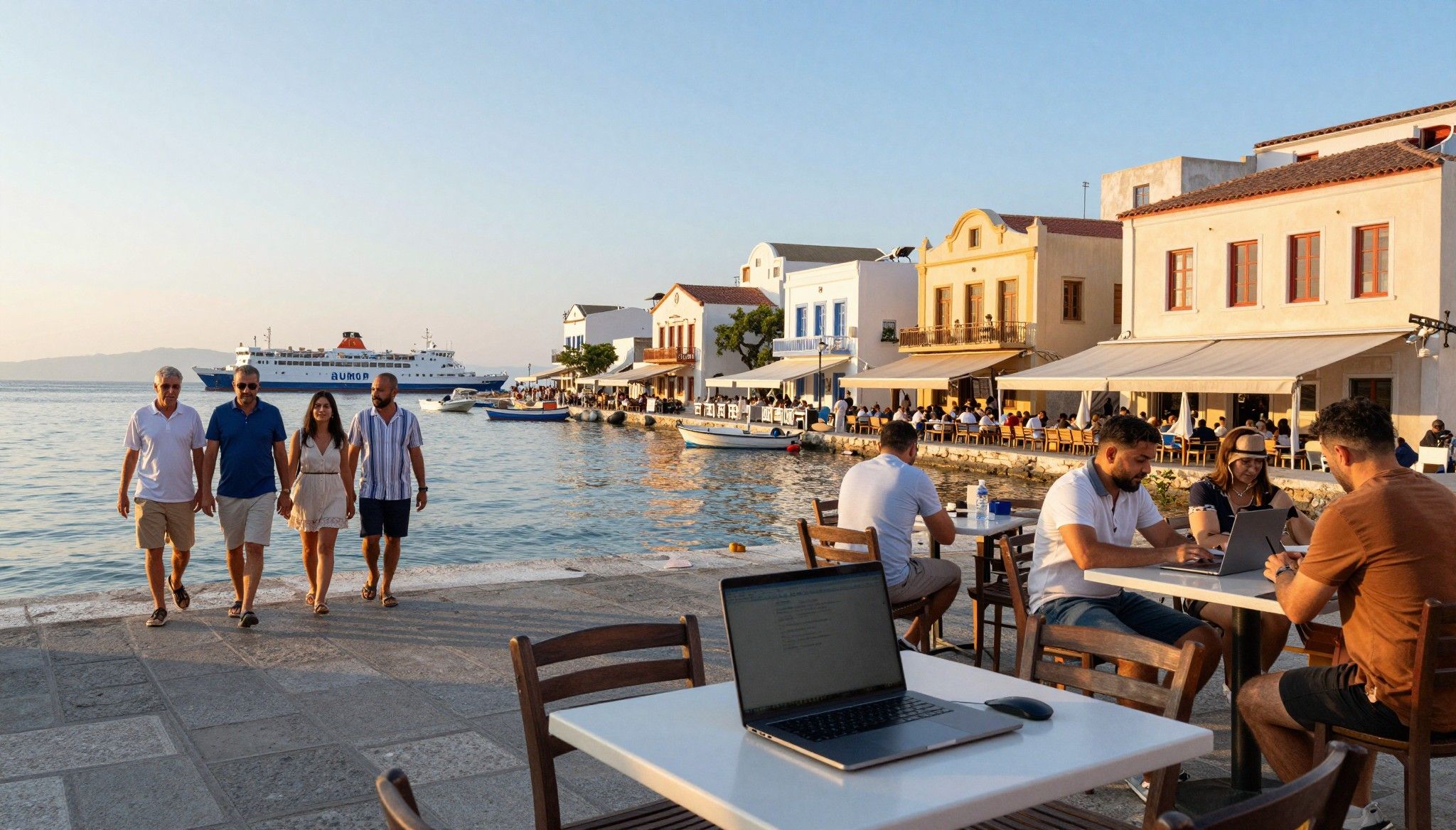
Imagine sipping a café crème on Rue des Martyrs, laptop open, a boulangerie scent drifting by, kids on scooters, and a market that turns any errand into a small celebration. That feeling — daily life as ritual — is why people buy in France. But the numbers behind that life are where most international buyers get surprised. This guide flips the usual checklist: we start with how you want to live here, then map the real, research-backed costs that make that life possible.
Living the France lifestyle
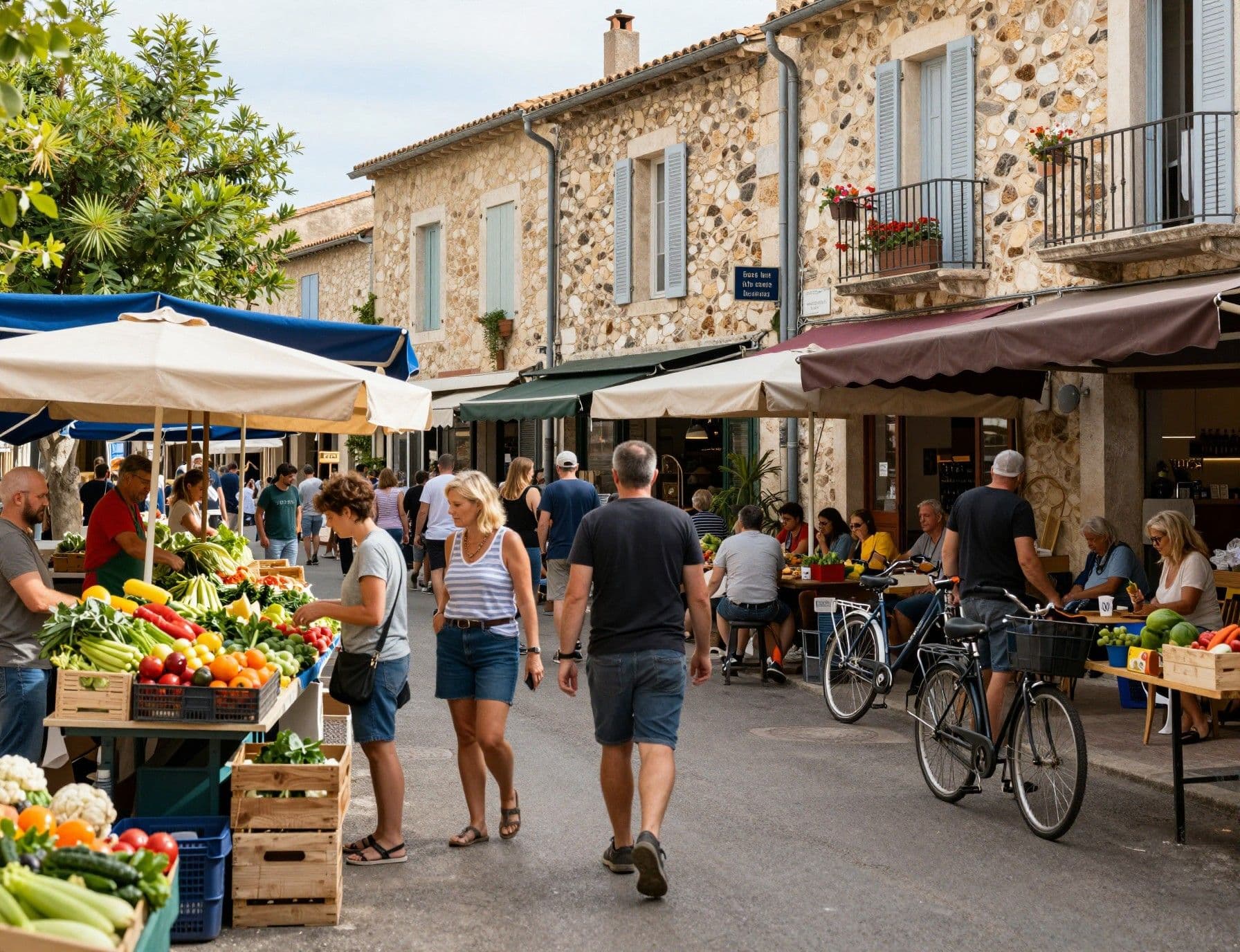
France is many lives at once: sun-soaked Provencal mornings, the tidy ritual of market day in Lyon, the salty breezes of the Brittany coast, and the canal-side rhythm of Bordeaux. Each region dictates how you’ll use a home — terraces for long suppers in the south, compact city flats with attic charm in Paris, or village houses with gardens in Dordogne. Picture your week: weekday coworking sessions, weekend marché runs, and evenings eased by good ingredients and a glass of local wine.
Spotlight: Paris arrondissements to Provençal lanes
In Paris, pick a street like Rue des Abbesses (Montmartre) and you get bakeries, indie bookstores, and short walks to coworking spots — at a premium. In Provence, places like Uzès or L'Isle‑sur‑la‑Sorgue swap bustle for markets, outdoor dining, and a gardenable plot. On the Atlantic coast, La Rochelle’s old port blends surf culture with oyster stalls. These micro-differences shape your budget: location determines whether your living room doubles as office or your garden becomes the weekend vegetable patch.
Food, markets and the rhythm of weeks
Weekends in France revolve around fresh food: mercados at 9am, fishmongers by noon, and impromptu aperitifs as the sun softens. If you love cooking, factor in proximity to weekly marchés (Rue du Nil in Paris or Cours Mirabeau in Aix) because your grocery habits change where food is a social experience. That choice affects the type of kitchen you’ll want, local storage needs, and even renovation priorities if you buy an older home.
Making the move: practical considerations

Dreaming is step one. Budgeting is step two — and it’s where most plans stall. France’s transaction costs are real and measurable: notaire fees, registration taxes, agency commissions and occasional renovation surprises. Notaires de France provides a clear example of what “frais d'achat” can look like for older properties versus new builds — this affects how much cash you must have available at signing.
Property styles and how they fit your life
A Haussmannian flat in Paris gives character and walkability, but small rooms and tricky wiring. A renovated farmhouse in Lot gives space for a garden office but may need significant insulation upgrades. New builds carry lower immediate maintenance but less charm. Think: will you host dinners, need a dedicated workspace, or want outdoor access? Those lifestyle choices change not only price but ongoing costs (heating, insurance, co‑pro charges).
Practical budget steps to set before buying
1) Total the purchase costs: price, notaire and registration taxes, agency fees, and a 5–15% cushion for renovations. 2) Factor in annual carrying costs: taxe foncière, insurance, and utilities. 3) Verify mortgage options and cross-border rules early — French banks often require local paperwork and proof of stable income. 4) Confirm internet and workspace readiness — France’s fiber rollout means many areas have excellent broadband but check local coverage before committing.
Insider knowledge (what expats wish they'd known)
Here’s the honest part: France’s market has stabilized after recent shifts (INSEE reports near‑stable prices in late 2024), but regionally things vary sharply. Coastal resorts and central Paris remain pricy, while many inland towns still offer strong value. Also, high-speed internet is widespread — ARCEP shows broad fiber penetration — but actual speeds at your address can differ from town averages. Always test on-site.
Cultural nuances that change costs
French sellers often price with neighborhood prestige in mind; the phrase “à rénover” can hide structural issues, while “proche marché” is a lifestyle premium. Laundry rooms, typical in provincial homes, reduce laundromat costs; small city flats may lack storage, triggering extra renovation spend. Locals value clear paperwork, so full dossiers and recent diagnostics (DPE, plomb, amiante) speed negotiations and reduce risk.
Red flags and hidden costs to watch for
• Old heating systems needing replacement (high immediate cost). • Poor insulation leading to high winter bills. • Incomplete copropriété minutes — they can hide upcoming repairs. • Unclear boundaries on country properties — survey costs add up. • Overlooked local taxes such as taxe foncière and special community levies.
A quick reality check: taxe foncière and other local taxes vary by commune and can shift your annual budget. Service-public offers official summaries for tax rules and who pays them. Plug in the commune name early and estimate a conservative annual amount so you’re not surprised after the purchase.
Lifestyle-proofing checklist before signing
• Visit the property at the time you’d live there (weekday work morning, market day, evening). • Bring a local friend or agent who knows neighborhood rhythms. • Run a speedtest at the specific flat/house to confirm broadband. • Ask for recent copropriété accounts and upcoming works. • Get concrete quotes for insulation, heating upgrades and kitchen costs before bidding.
Working with local experts who get lifestyle budgets
Choose agents who know the life you want, not just the price per square metre. A seller-focused agent will show features they think sell; a lifestyle-savvy advisor will probe your routine, test your Wi‑Fi needs, and map commute times to coworking spaces. Ask agencies for client stories: who have they helped move from a remote dream to a workable daily life in France?
Six questions to ask any French agent
1) Which recent buyers have you helped from abroad and what went wrong for them? 2) What are typical annual charges for this property? 3) Is fiber available at the exact address? 4) Any planned works in the copropriété? 5) Can you recommend a local architect/builder who speaks English? 6) What local paperwork will I need before mortgage approval?
Numbered steps to a fundable offer
1) Get pre‑approval or an indicative mortgage certificate from a French or international bank. 2) Commission a diagnostics pack and a short local inspection. 3) Ask the agent for a breakdown of total upfront costs (notaire + agency + immediate works). 4) Structure your offer with realistic timing — French processes respect formal earnest deposits. 5) Reserve a 5–10% renovation and contingency pot.
Why internet and workspace checks matter
France’s fiber rollout is strong on a national level, but your ability to work reliably from home depends on the building’s wiring and your floor. Confirm ethernet availability and mobile signal in the apartment. If you rely on video calls, budget for a secondary backup (4G router) during the first months while you test performance.
Conclusion: fall in love, but bring numbers
France sells a life: good food, slow weekends, and neighborhoods that become second nature. To actually live that life, pair passion with a practical budget: understand transaction costs (see Notaires), check regional price trends (see INSEE), and confirm utilities and internet at the address. When you marry lifestyle imagination with line‑by‑line budgeting, you’ll not only fall in love — you’ll stay.
Next steps: visit during market day, test broadband at the property, and ask an agency for a full upfront cost sheet including notaire and renovation estimates. Small homework now saves big surprises later — and then you can get back to imagining those café mornings for real.
Norwegian who has helped 200+ families relocate from Oslo to Spain; expert in relocation services and community integration.