Bid Off‑Season: The Winter Advantage in Croatia
Why buying off‑season in Croatia can net better prices, clearer inspections, and stronger negotiating power — backed by recent market data and practical steps.
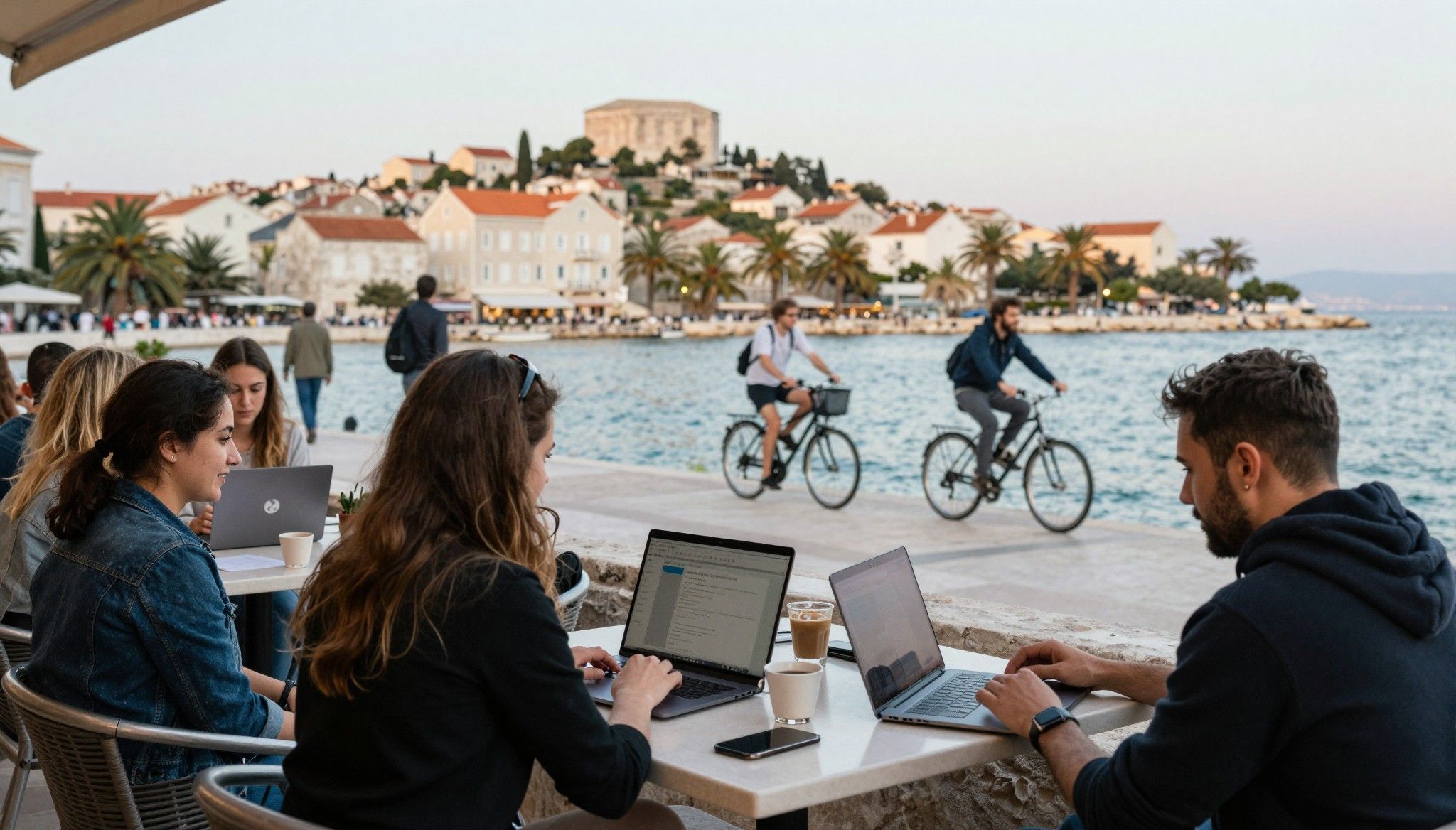
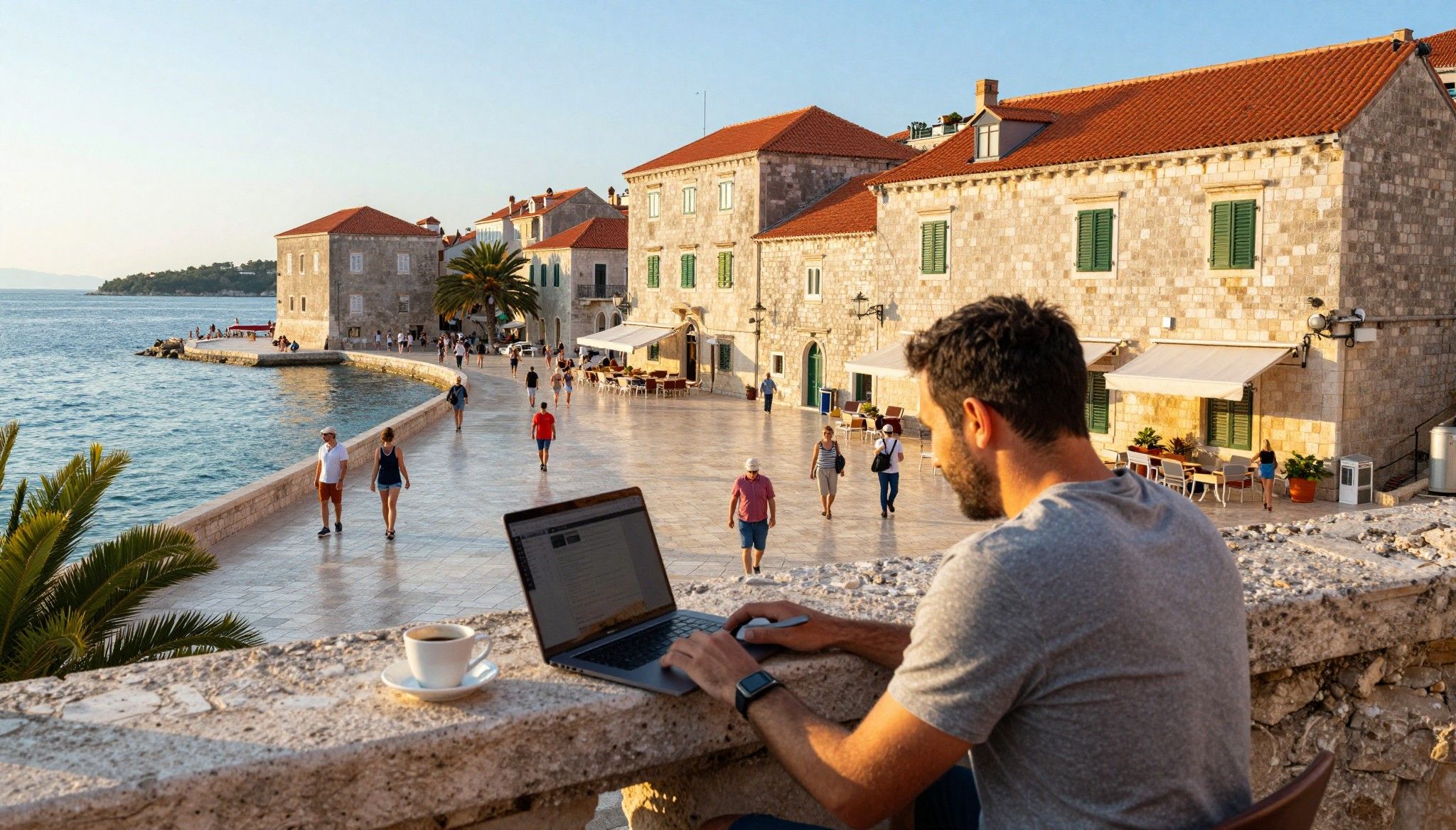
Imagine stepping out at dawn onto Split’s Riva with a cup of strong coffee, the Adriatic glassy and quiet, and knowing you put in an offer the week tourism slowed. Winter house‑hunting in Croatia feels like a secret: quieter markets, clearer sellers, and homes that show their true winter selves — insulation, heating, wind‑facing terraces. This guide flips the usual summer‑first thinking and gives you a lifestyle‑led, negotiation‑smart playbook for making offers and closing deals in Croatia when everyone else is on holiday.
Living Croatia: the daily rhythms that shape offers
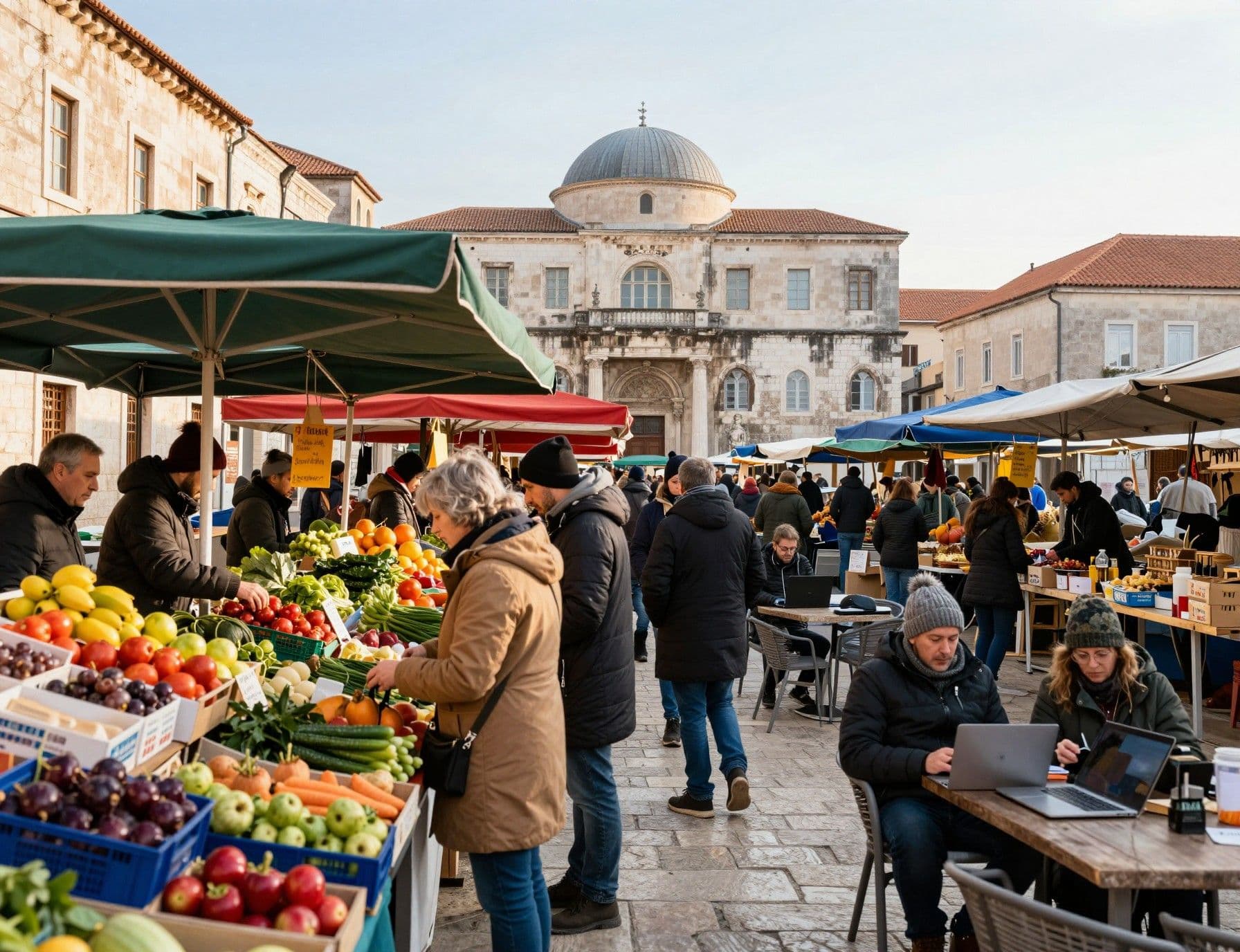
Croatia isn’t one scene — it’s coastal baroque mornings in Dubrovnik, espresso‑strewn alleys in Zagreb’s Tkalčićeva, and island slow time on Hvar. The rhythm of life matters when you place an offer: properties that sparkle in July can creak in January. Think: will that raised terrace be blasting wind and salt in winter? Will stone walls keep your apartment cozy? Buying with seasons in mind helps you prioritise features sellers overstate in summer listings.
Neighborhoods that behave differently off‑season
Zagreb hums year‑round with coworking and cafes; Split’s Diocletian Palace is a summer magnet; Istria’s hill towns quiet in winter and reveal long‑term community life. Walk streets in February and you’ll see which bars close for months, which bakeries keep morning queues, and which neighbours are real residents versus seasonal businesses — vital intel for deciding where to place a life‑first offer.
How climate and festivals reshape property value
Summer festivals and tourist rentals inflate perceived value. But outside high season you’ll discover hidden downsides: roads clogged with seasonal traffic, noise from tourist bars, and higher maintenance needs. Buying in quieter months gives you leverage to negotiate for real winter comfort and lower the premium sellers expect when demand spikes in May–September.
- Lifestyle highlights to watch when comparing properties
- Morning markets: Dolac (Zagreb) and Pazar (Hvar) — tell you about year‑round local food access
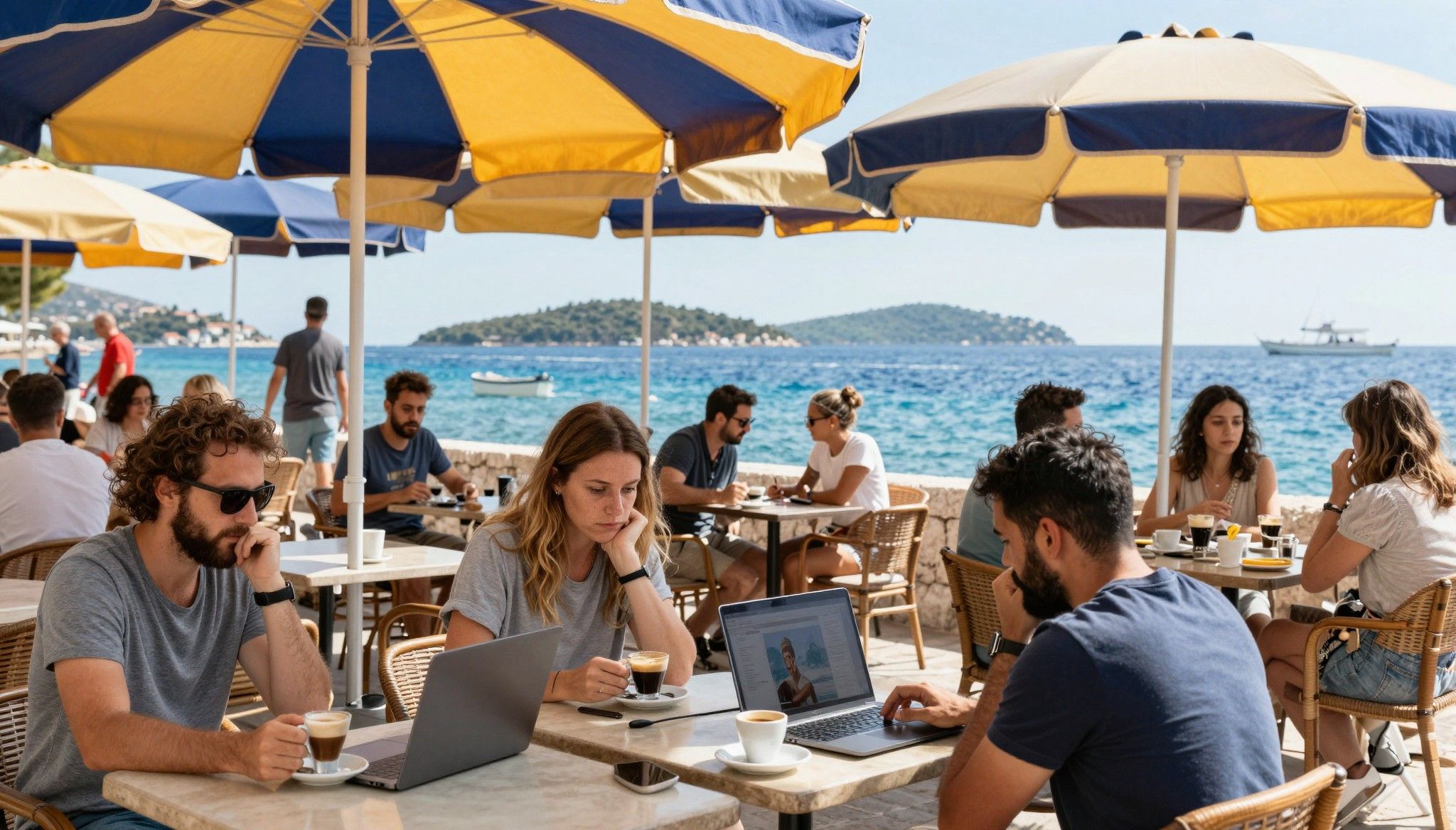
- Coworking hubs: HUB385 (Zagreb), Mara Coworking (Split) — signal remote‑work resilience
Making the offer: timing, tone and winter leverage
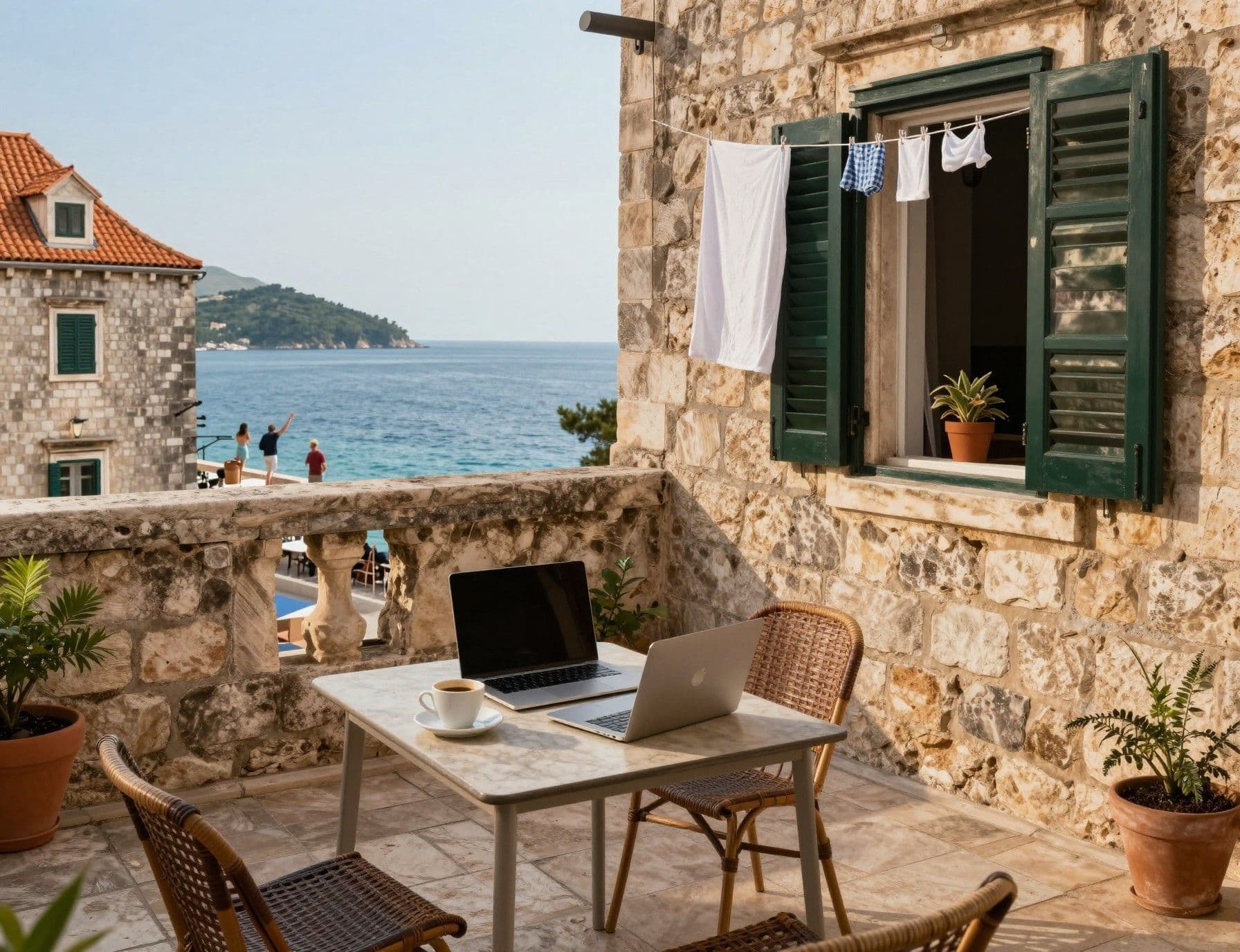
Data from recent market analyses show cooling transaction volumes and a pullback in foreign buyers, especially along the coast. That shift changes the balance of power — in winter you often face fewer competing bids, and sellers who want to close before spring can be open to more creative offers. Use timing to your advantage: a clear, well‑timed offer in November–February can beat higher headline prices in peak months.
Offer strategy that respects lifestyle and the market
Start with a lifestyle checklist: internet speed, winter heating, walkability, and access to community services. Then draft an offer that reflects inspected realities — ask for documented heating performance, insulation, and any winter‑season maintenance records. Attach a short personal note: sellers respond to buyers who show they’ll live in the home, not just rent it to tourists.
Negotiation levers to use in colder months
- Offer a faster closing window in exchange for a lower price — in winter sellers often want cash flow before spring listings return.
- Propose a conditional bid tied to a short technical inspection: you show seriousness, seller keeps market momentum.
- Bundle requests: minor repairs negotiated into the sale are more likely to be accepted when showings are scarce.
Insider knowledge: legal realities and market signals
Before you sign, remember Croatia’s legal landscape: EU citizens have straightforward purchase rights; non‑EU buyers may need ministerial consent under reciprocity rules. Work with a local lawyer and an agent who knows seasonal quirks — winter offers often require faster title checks because sellers want to move quickly when the market softens.
Practical due diligence with a lifestyle lens
Besides the usual title, encumbrance and zoning checks, test what matters day‑to‑day: sample the internet speed at different times (important for remote work), inspect heating and window seals, and visit the neighborhood at different hours. If you plan to live year‑round, ask for utility bills from winter months to see real costs.
Steps to close confidently in an off‑season buy
- 1) Lock a local notary and lawyer immediately after offer acceptance — Croatian closings are document‑heavy.
- 2) Secure funds and exchange rate protections early — market swings can change your effective price.
- 3) Arrange winter maintenance quotes as part of closing negotiations so you don’t inherit hidden seasonal costs.
What expats wish they'd known: real stories from buyers
“We toured in July and fell in love. In December the heating struggled.” A British buyer I know renegotiated after learning about poor insulation; another couple in Istria secured a lower price by agreeing to a February closing when the owner wanted quick cash. These stories show why seeing a property in low season is non‑negotiable — it reveals true living conditions and bargaining power.
How agencies help you win winter deals
- Local agencies provide seasonal comparables, advise on reasonable winter concessions, speed up legal checks, and introduce reliable local tradespeople — all critical when sellers want fast, clean closings.
Checklist before you bid
- Confirm EU vs non‑EU purchase rules if you’re not an EU citizen.
- Test internet at peak hours and request recent winter utility bills.
- Book a local lawyer and ask for ministerial consent guidance if required.
- Plan for renovation windows: winter closings let you schedule spring works before summer rentals begin.
Croatia’s landscape — cultural, seasonal and legal — rewards buyers who look past summer postcards. If you want the calm mornings, reliable broadband, and a neighbourhood that’s alive all year, make your move when the coast is quiet. Start with a lifestyle checklist, partner with a local agency and lawyer, and use the off‑season to turn dreamy listings into realistic, negotiated homes.
Ready to act? Walk neighbourhoods in low season, get winter bills, and ask an agent to draft an offer that trades speed and certainty for a better price. The Adriatic looks its best in summer, but the smartest offers are written when the sea is still.
Norwegian who has helped 200+ families relocate from Oslo to Spain; expert in relocation services and community integration.