Offer & Close in Croatia: A Lifestyle-First Checklist
Fall for Croatia’s lifestyle, then make offers that match market reality: blend local data, bilingual experts, and a practical closing checklist to win and settle confidently.
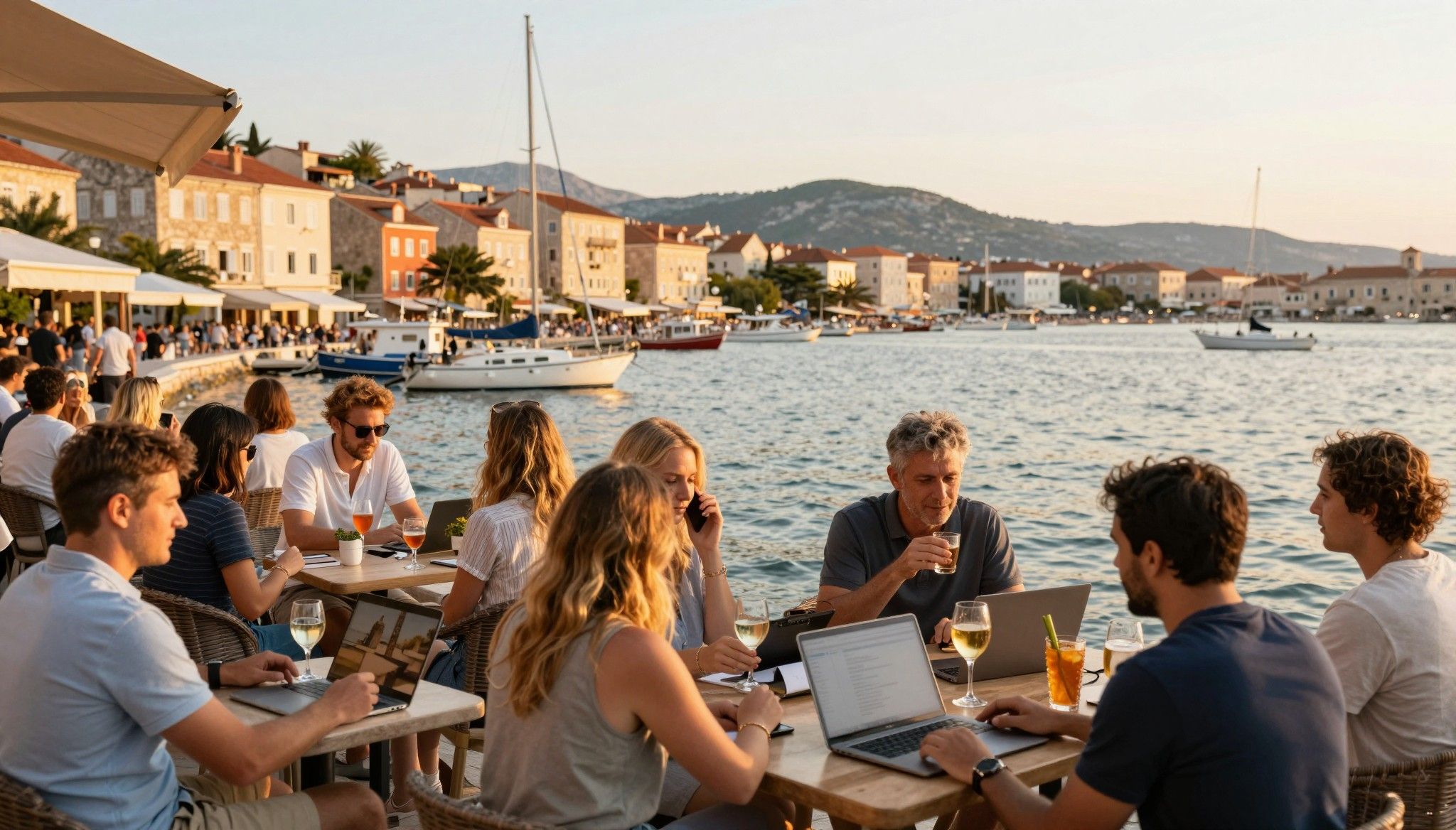
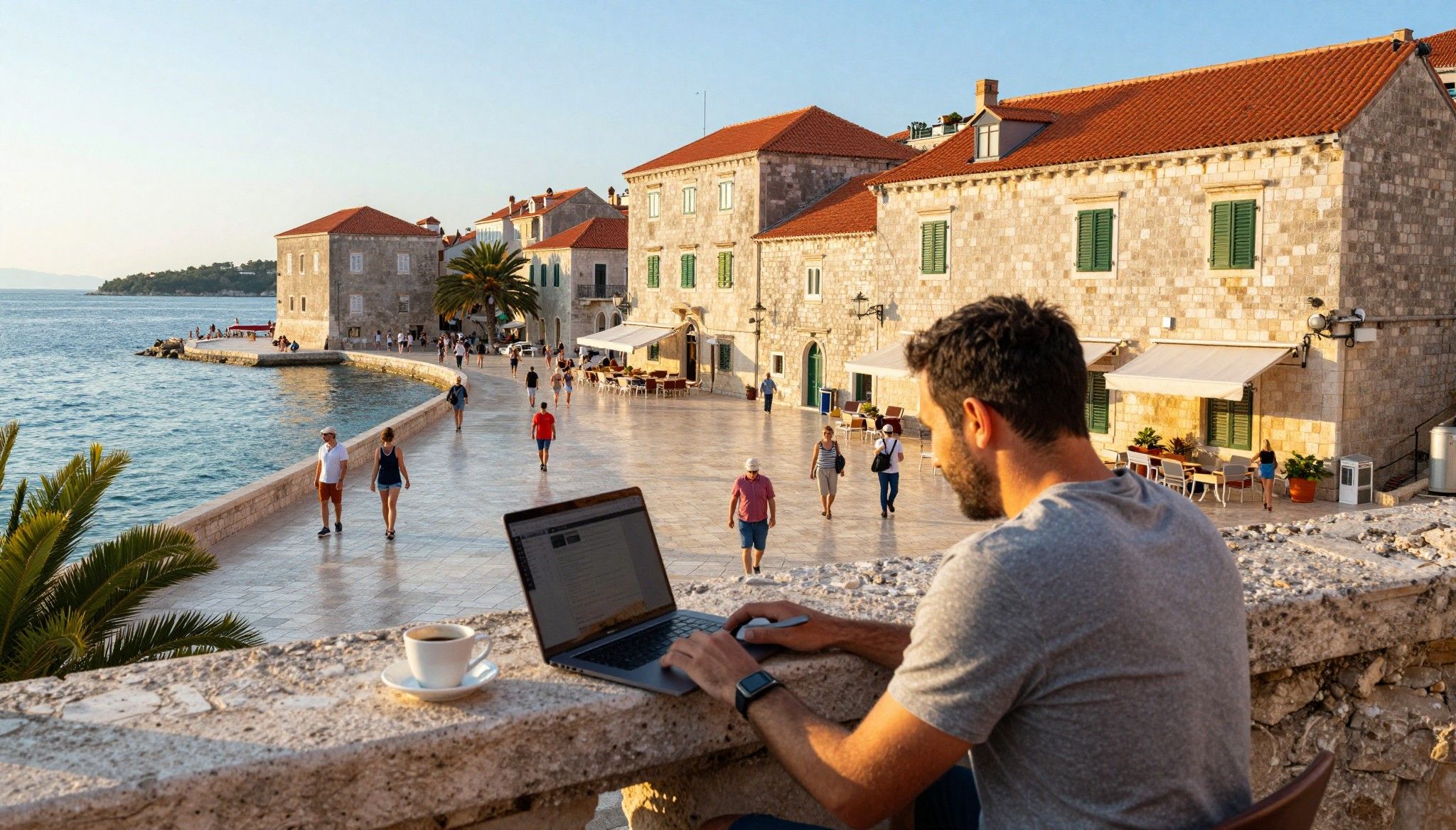
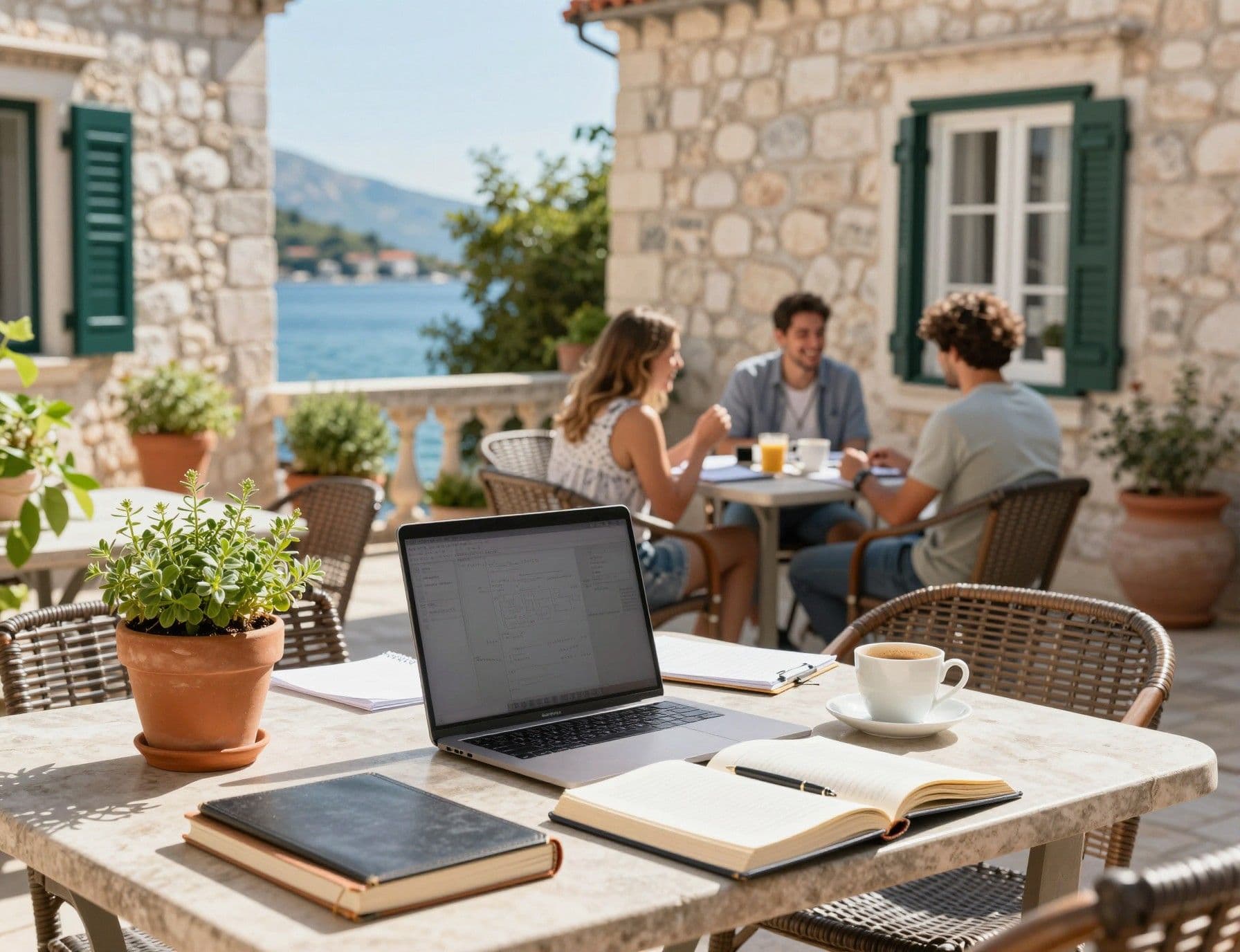
Imagine sipping a late-morning espresso on Split’s Riva, laptop open, the Adriatic light scattering over orange rooftops while a neighbour waves from a balcony. That image is why people fall for Croatia: compact historic centres, a slow Mediterranean rhythm and dramatic coastlines where neighbourhood life feels both intimate and timeless. But the romance masks a market that’s changed fast — prices up in many areas and transaction patterns shifting — so your offer strategy needs the same kind of local soul and technical precision. This guide mixes lived-in scenes (cafes, markets, island weekends) with concrete steps to write offers, negotiate and close with confidence in Croatia.
Living the Croatia life
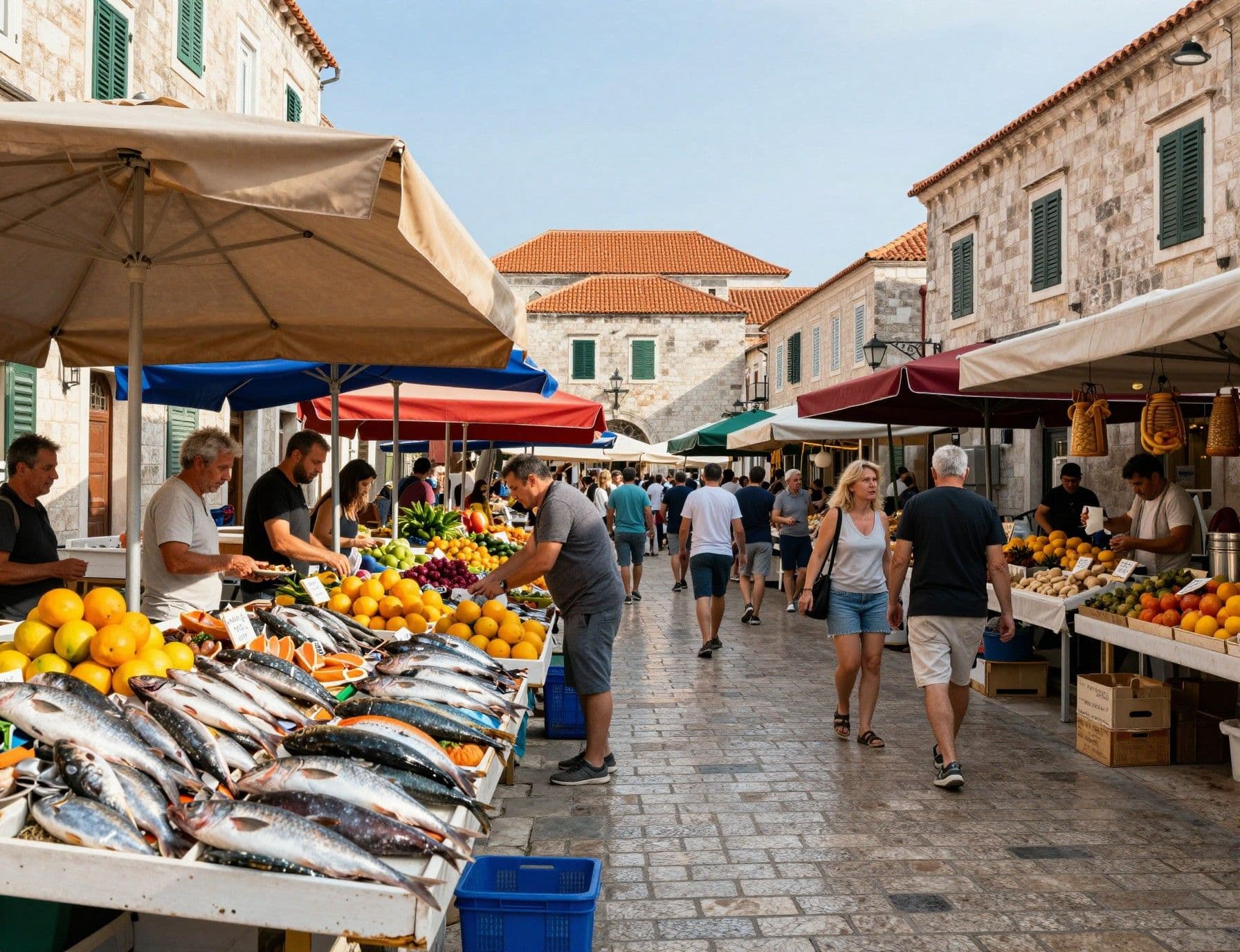
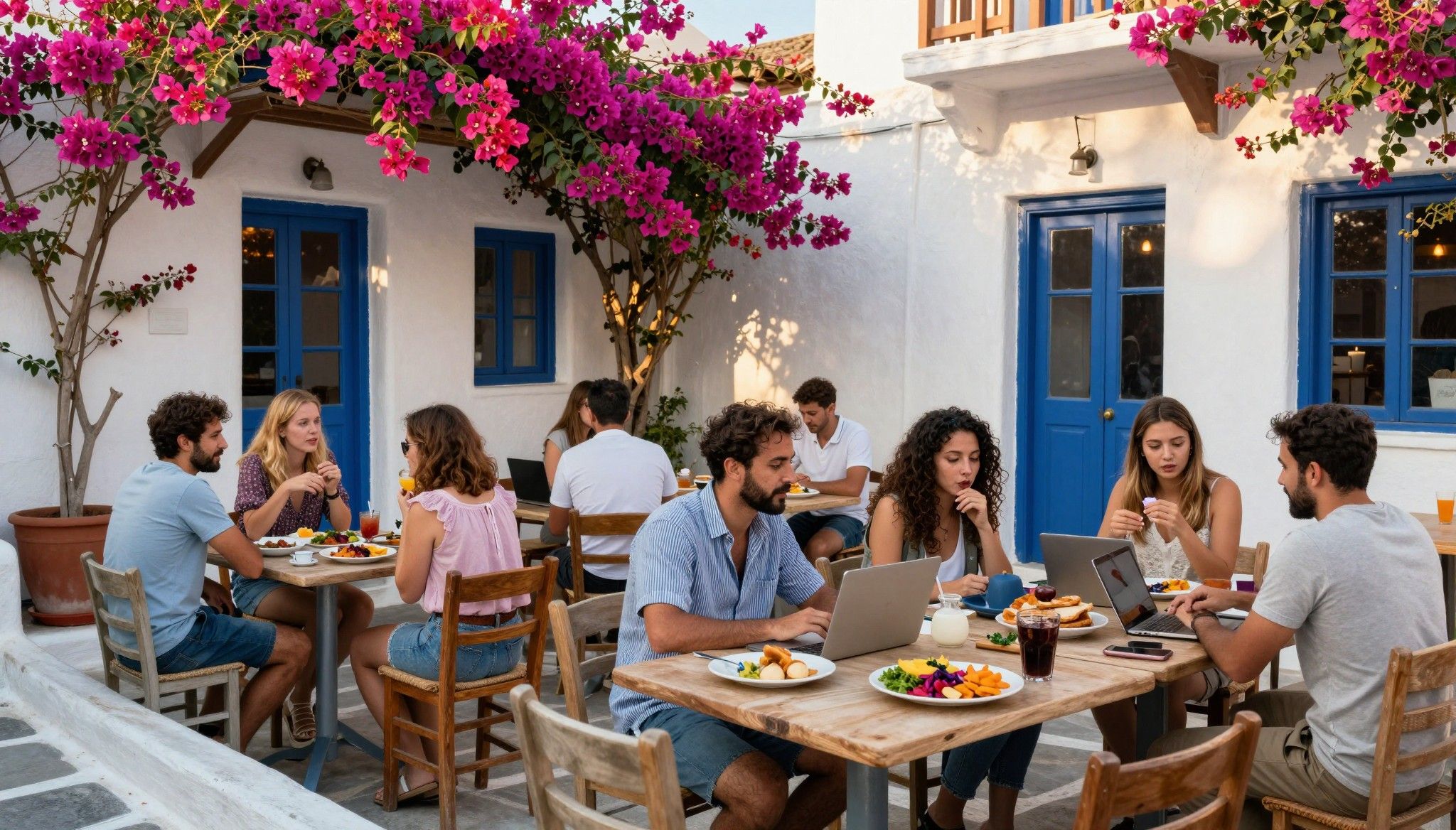
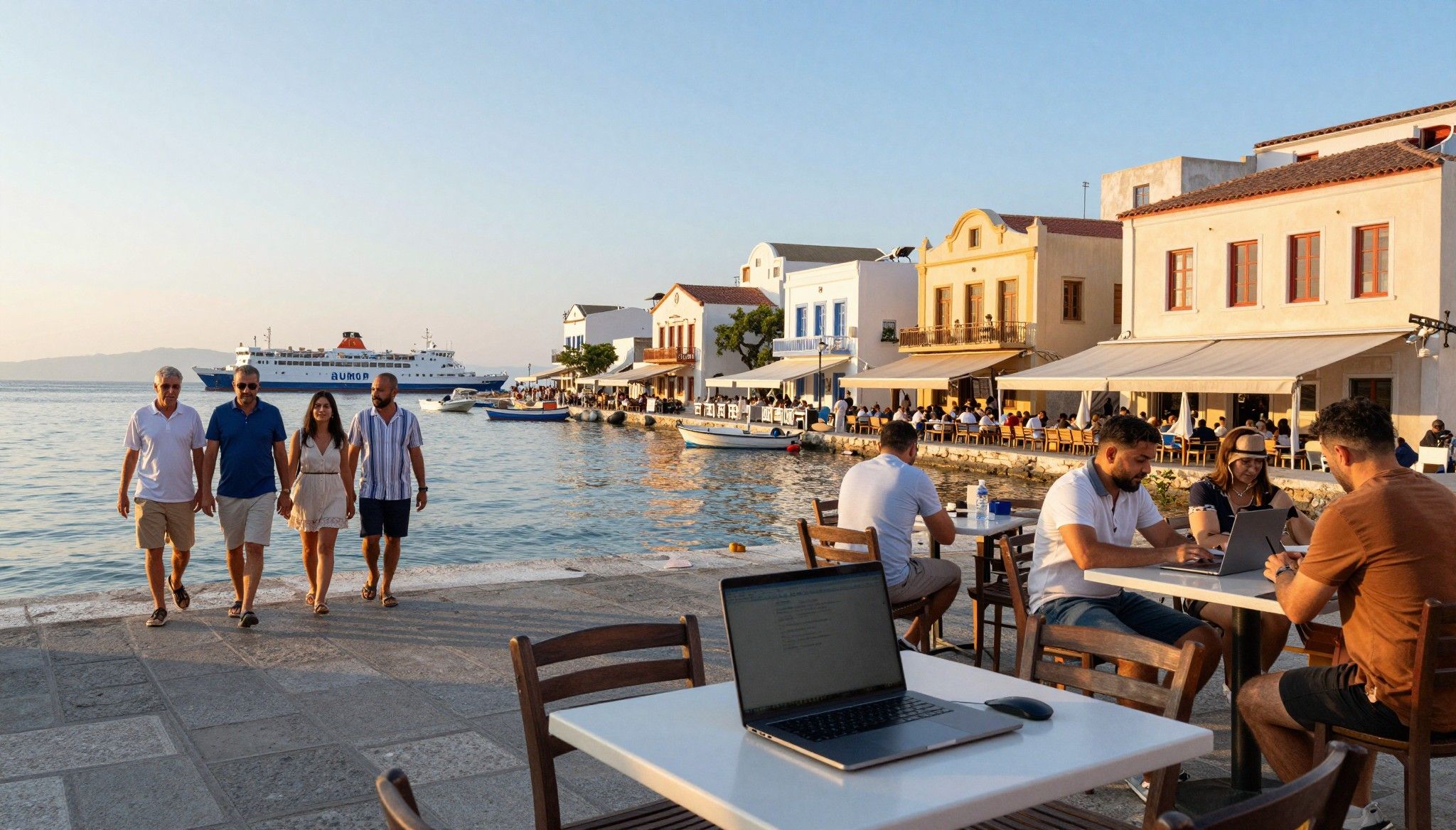
Croatia’s daily rhythm is deceptively easy to love: morning market runs, espresso pauses, a siesta-like slow hour in the heat, then busy evenings in konobas (family taverns). From Zagreb’s tree-lined streets and indie coffee shops in Trešnjevka to Hvar’s glossy yachts and tiny island villages where goats still outnumber cars, every place offers a different tempo. For a nomad, that means choices: a buzzy urban apartment with coworking access or a stone house on an island terrace where you work afternoons and swim at dawn. The right property matches your work pattern — fast internet and a quiet nook for deep focus, or community cafés and coworking spots for routine and networking.
Neighborhood spotlight — Split’s Diocletian quarter vs. Bačvice
Diocletian’s Palace is cinematic: narrow alleys, family-run konobas and that addictive late-afternoon light. Living here means footsteps, neighbours who know your espresso order and four-season cultural life — but smaller flats, older buildings and tourist peaks in summer. Walk five minutes to Bačvice beach and you get a different rhythm: morning swimmers, volleyball on the sand and casual bars that stretch into the night. If you want year-round calm, look a tram stop or two inland — you keep the vibe but avoid the constant tourist churn.
Food, markets and weekend rituals
Food is a neighbourhood glue in Croatia: fish markets at dawn in Rijeka, Istrian truffle fairs, and farmers’ stalls in Zagreb’s Dolac where vendors gossip as they weigh cherries. Weekends often mean ferry rides to an island for fresh seafood or a family-style lunch with rakija to finish. These rituals shape what you look for in a property — proximity to markets, a kitchen that invites cooking, or a terrace for long dinners with friends. When touring houses, imagine a Saturday: can you host a market-to-table meal, and is there space to dry fresh herbs on the balcony?
Make an offer that resonates (and that closes)
The market has been lively: official house-price indices show strong recent gains in many regions, especially the coast, so offers that ignore local price momentum risk losing to better-informed buyers. Yet transaction volumes have cooled in some periods as buyers digest higher asking levels, creating windows to negotiate if you come prepared. Your offer strategy should blend a realistic price benchmark, evidence of funding, and a clear timeline. Local agents and notaries expect clean, simple bids — ambiguity slows things and invites counter-offers that favour sellers.
Property types and how to value them
Stone Dalmatian houses, modern Zagreb flats, and developer apartments in Istria all carry different premiums. Coastal, renovated historic homes command a tourist premium and strong seasonal rental demand; inland family homes can be far more affordable per square metre. Check comparable sold prices, not just current listings — national statistics and local registries reveal recent sale prices and are your best baseline. Also account for renovation needs: a charming shell in an old town might need expensive structural upgrades, while a newer apartment’s monthly condo fees and utilities affect your running cost.
Step-by-step offer checklist
1) Get local comparables and a recent notarial sale record. 2) Secure proof of funds or a mortgage pre-approval (Croatia’s mortgage market is accessible but rates and loan-to-value vary). 3) Decide deposit and timing: a clear deposit (earnest money) and short due-diligence window make offers stronger. 4) Include essential contingencies: title check, no hidden encumbrances, and survey for structural issues. 5) Use a Croatian-language purchase pre-contract prepared by a trusted notary or lawyer — clarity avoids costly misunderstandings.
Insider knowledge: expat realities and red flags
Expats often romanticise coastal towns without checking seasonality and maintenance realities. Peak-summer life is vibrant but crowded; many owners shutter homes in winter or rely on local managers. Watch for three red flags: (1) properties sold ‘as-is’ without documented deeds or with complicated inheritance claims, (2) unrealistic rental-return promises from agents, and (3) utilities or access issues on small islands. When something feels too-good-to-be-true, pause — local title searches and notary confirmations usually reveal the truth quickly.
How local experts actually help
Good Croatian agents and lawyers combine on-the-ground lifestyle fit with legal clarity: they know which streets in Split stay sleepy in winter, where a terrace faces mistral winds, and which cadastral records hide liens. Their value is tactical — arranging surveys, translating contracts, negotiating realistic repairs, and lining up a notary to close. For nomads, choose agents who understand remote-closing logistics and can coordinate bankers, utility transfers and property management if you’re buying from abroad. Expect transparency on fees and a clear timeline for closing; anything vague is a negotiation risk.
Cultural quirks that affect offers
Sellers in Croatia often price emotionally — a family home may have sentimental value that pushes the asking price above market comparables. Also, personal relationships matter: a neighbourly handshake can speed repairs and access, but it doesn’t replace formal title checks. Language and timing matter too — expect slower replies in August during national holidays, and plan your offer rhythm around local calendars. Small gestures help: meeting the seller, offering a clear closing date and working through a bilingual agent builds trust and can tilt negotiations in your favour.
Lifestyle + practical trade-offs to weigh before you bid
• Choose walkability over sea view if everyday life (cafés, groceries, coworking) matters more than summer sunsets. • Prioritise reliable internet and a dedicated workspace over extra square metres if you’re remote-first. • Factor in seasonal utility costs and winter heating for stone houses. • Remember property management costs if you plan to rent the place when away. • Think long-term resale: central urban pockets and well-connected Istrian towns often outperform remote island listings.
1) Final closing rhythm — what to expect
Closing typically moves through a pre-contract, due-diligence period, and a notary final deed signing. Expect a notary to verify ID, ownership records and any encumbrances; a certified translation of the contract is essential if you don’t speak Croatian. In recent market cycles, transaction volumes have fluctuated, so speed and clarity from your side — proof of funds and flexible closing dates — help. Plan for 4–8 weeks from accepted offer to deed in straightforward cases, longer if inheritance or municipal permits are involved.
Conclusion — fall in love, but bring a plan
Croatia delivers a lifestyle that’s hard to forget: sunlit terraces, markets that smell of citrus and sea, and neighbourhoods where dinner conversations run long. But love alone won’t close a sale or protect you from hidden title issues or seasonal costs. Use local data, enlist bilingual experts, and make offers that reflect both market reality and the life you want to build. When you balance the sensory joy of Croatian days with a disciplined offer and closing plan, you’ll not only buy a property — you’ll buy a life that actually fits.
Swedish, relocated to Marbella in 2018 to chase sun and property freedom. Focus on legal navigation and tax for Nordic buyers.