Make Offers That Match Cyprus Life
Fall in love with Cyprus’s cafe-lined mornings and coastal evenings — then make offers that sellers accept: speed, clear proofs, local legal checks and lifestyle-smart terms.
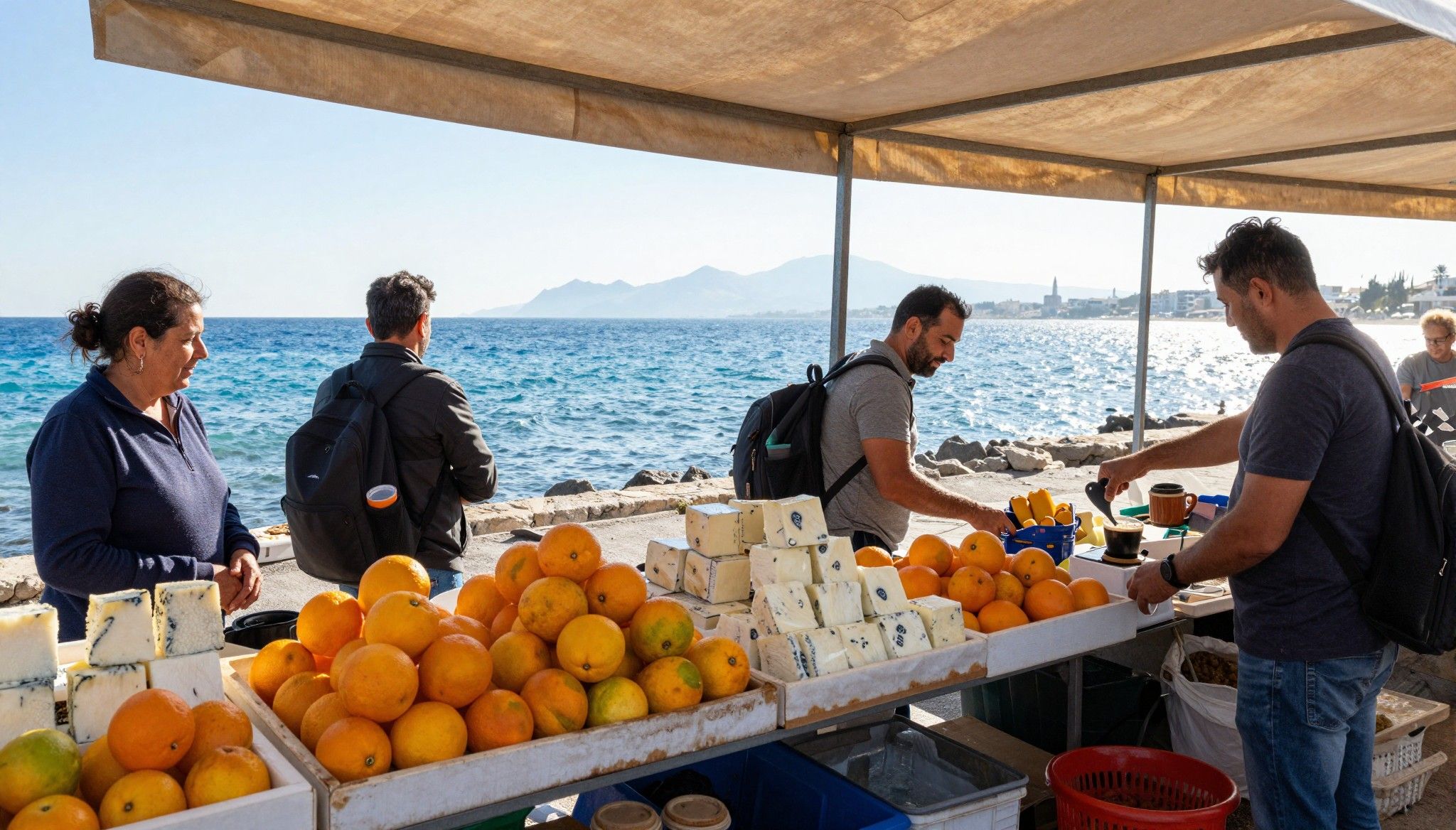
Imagine waking to a Cypriot morning: the smell of fresh halloumi on a sizzling griddle, a slow line at Makedonitissa's espresso bar, and the sea glittering beyond a low stone wall. Cyprus feels immediate — a mix of sun-washed coastlines, mountain villages where time moves slower, and cities like Limassol and Nicosia that pulse with cafes, coworking, and confident renovation projects. For international buyers dreaming of that life, the offer and closing stage is where the dream either lands cleanly or gets tangled in local rhythm. This guide blends the island’s lived-in charm with the exact, research-backed moves that help offers win and closings finish without drama.
Living the Cyprus life: the everyday that sells you on the island
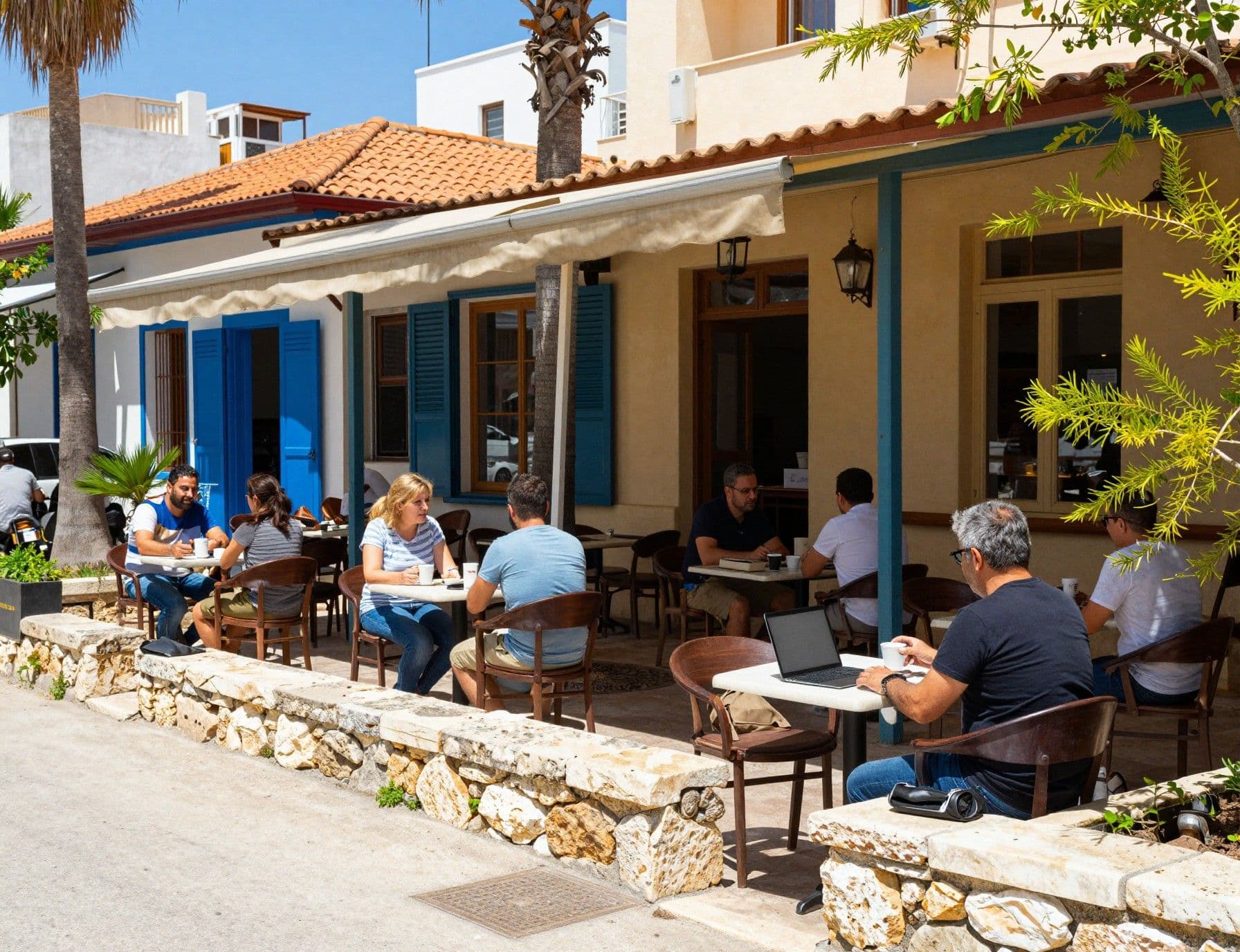
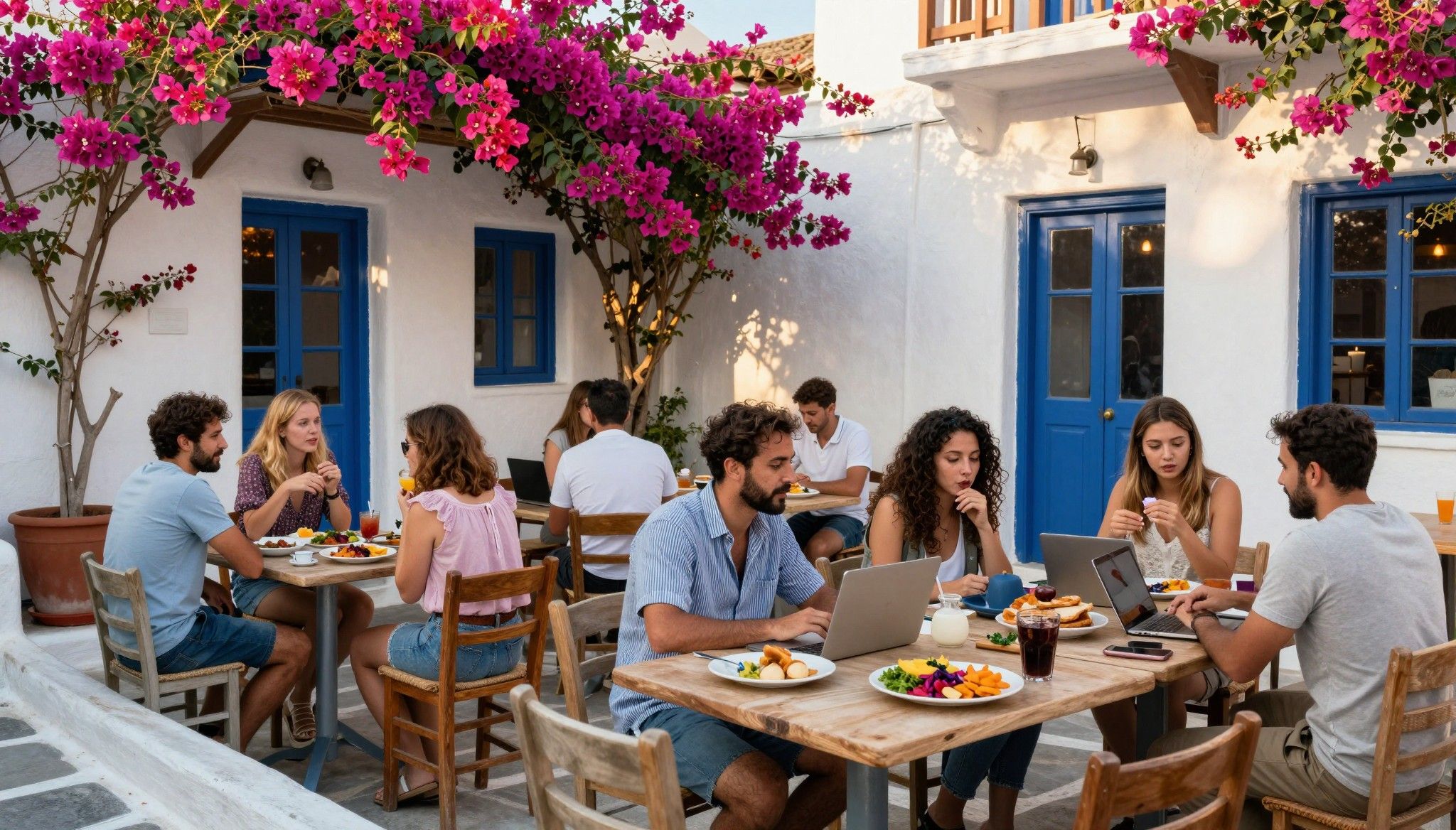
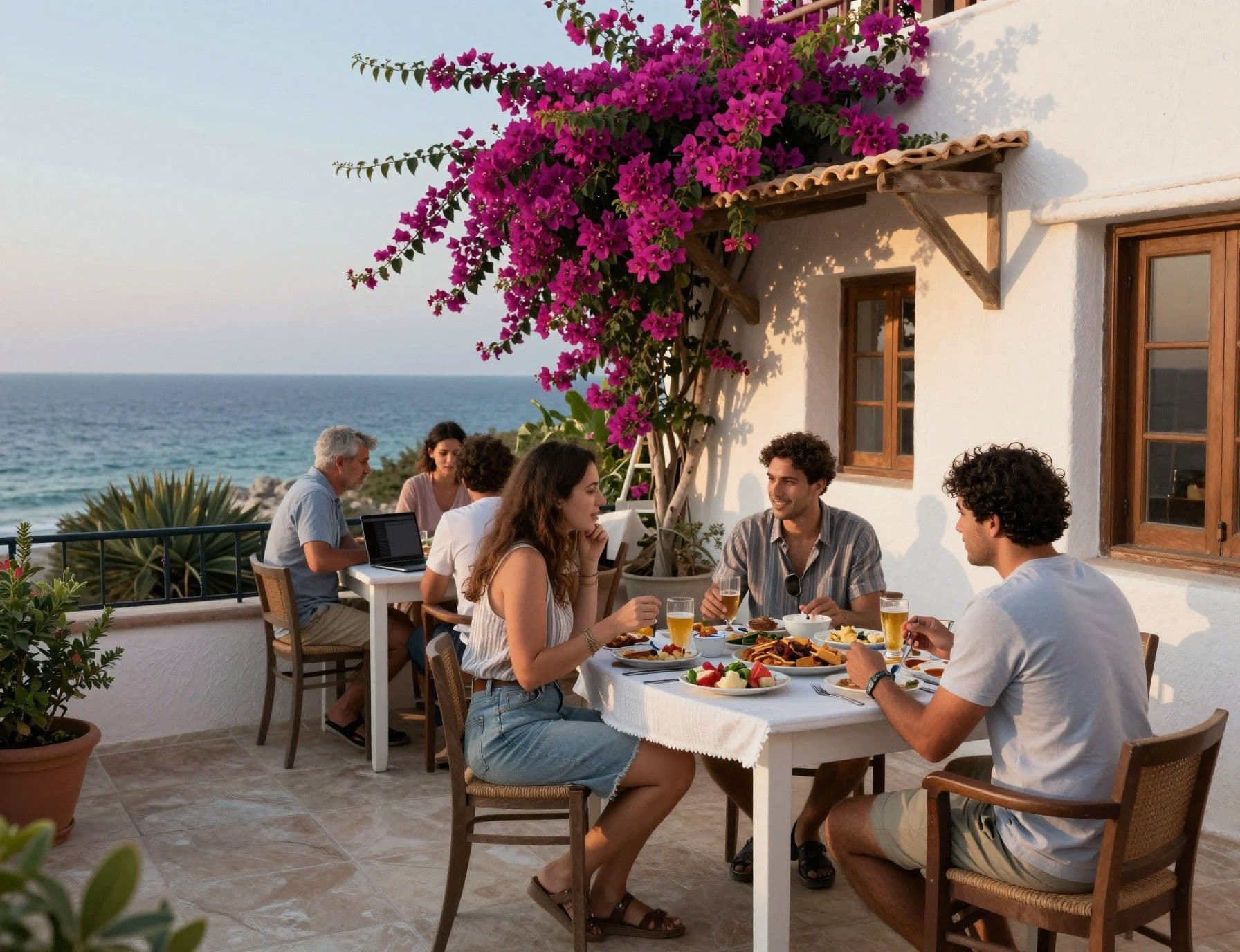
Cyprus is smaller than you picture and bigger than the postcards. Mornings start at neighborhood cafes; afternoons drift to beaches like Governor’s or secret coves around Protaras; evenings gather in tavernas where locals still know the owner. There’s a comforting social tempo: people meet for slow coffee, markets hum on Saturdays, and small streets host big conversations. For buyers, this means properties aren’t just bricks — they’re a ticket to a community rhythm. Choosing a street with the right tempo (busy pedestrian lane versus restful coastal road) will shape how you live and how fast a property rents if you plan short-term lets.
Spotlight: Limassol’s Corniche vs. Old Port lanes
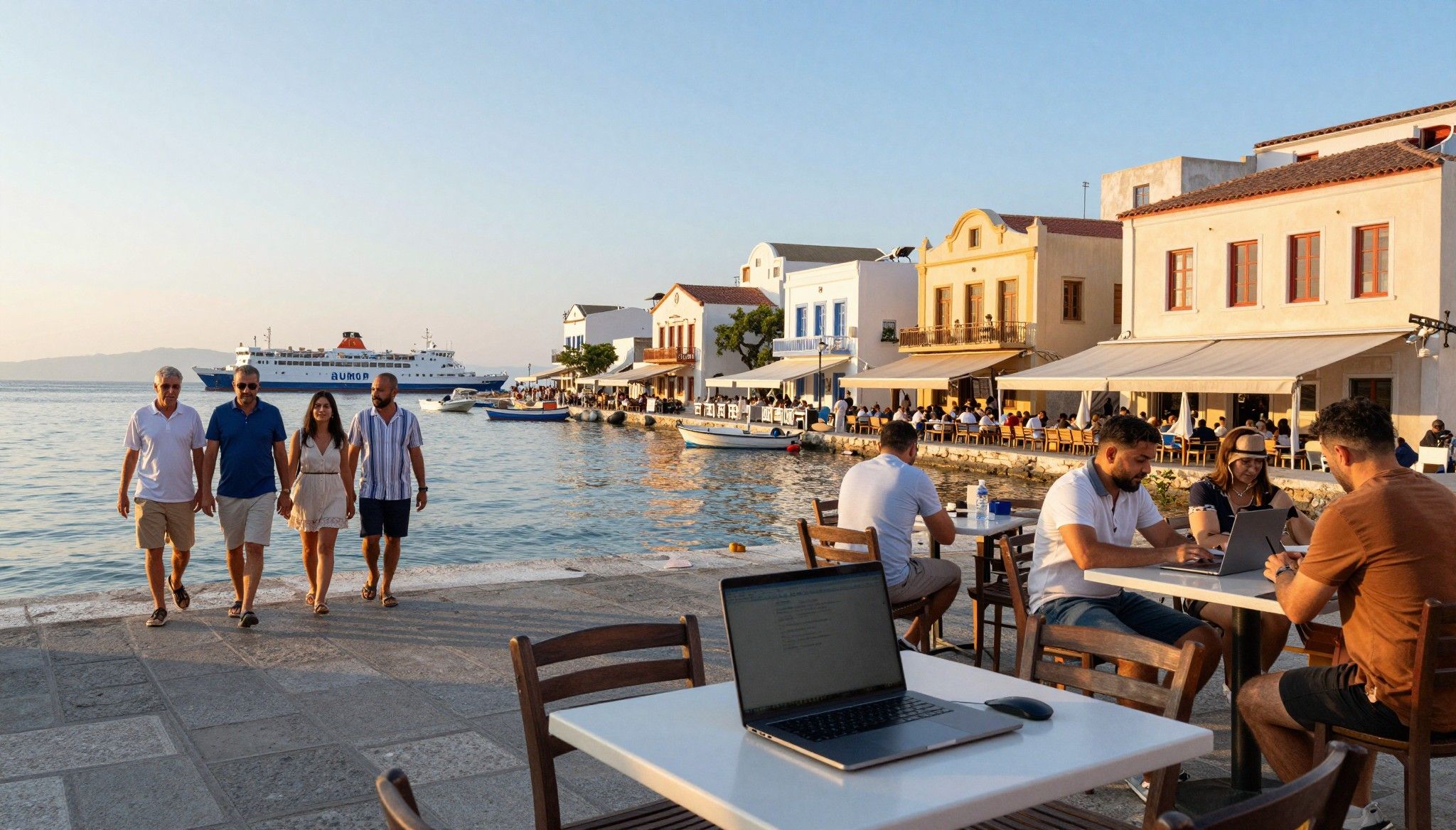
Walk Limassol’s Corniche at dawn and you’ll meet joggers, remote workers with laptops on benches, and families strolling dogs. Cross to the Old Port and narrow alleys open into hidden cafes, boutique galleries, and terraces where neighbors actually know each other’s names. If you want nightlife and coworking energy, Corniche apartments with sea views deliver that by day; if you crave slower evenings and a village feel inside a city, the Old Port’s lanes win. Agents who know both micro-neighborhoods can steer your offer to the right rhythm — and show you where sellers value quick closes over top price.
Food, markets and weekend life: where neighbors meet
Saturdays mean fruit stalls in Kato Paphos, fresh bread in Limassol’s Molos district, and mountain Sunday lunches in Troodos villages. For buyers, proximity to morning markets or a favorite taverna matters more than one extra bedroom. These lifestyle anchors often determine resale desirability and rental demand more than square meters.
- Lifestyle highlights to map when you house-hunt
- Molos waterfront (Limassol) — sunrise runs and café coworking
- Old Nicosia (Laiki Geitonia) — historic lanes, tavernas, close-knit feel
- Kato Paphos promenade — tourism-driven rental potential, seasonal rhythm
- Larnaca Finikoudes — compact city beach life and fast airport links
Making the move: offer strategy that respects Cyprus’s market tempo
Cyprus saw a strong rise in 2025 property transactions, with hotspots like Limassol and Larnaca attracting foreign buyers. That activity changes negotiating power: in busy micro-markets you need speed and clarity; in quieter villages you can craft contingent offers that protect renovation plans. Use current market data to set an offer that’s compelling but not overpaying — sellers here respond to certainty and clean conditions as much as to price.
Property types and how to tailor offers
A renovated stone village house trades differently from a brand-new Limassol flat. Sellers of restored homes often prefer buyers who appreciate the cultural value and will finish sympathetic renovations; beachfront developers prize quick, unconditional offers. Match your financing terms to the seller’s priorities: if they value speed, offer a shorter completion window with a certified proof-of-funds letter.
Work with local experts who translate lifestyle into winning terms
- Steps to make an offer that wins and closes cleanly: 1. Pre-approval or proof-of-funds letter — sellers treat this as table stakes. 2. Short, clear offer with a realistic deposit (often 5–10%) and named completion date. 3. Title search and encumbrance check ordered immediately on acceptance. 4. Use an escrow or lawyer-holding deposit to reassure the seller while you complete checks. 5. Agree on what stays (appliances, furniture, fixtures) to avoid disputes at handover.
Insider knowledge: expat pitfalls, cultural cues and closing-stage red flags
Buyers often underestimate local quirks. Cyprus still carries the echo of past investment schemes, so expect careful checks on large transfers and politically exposed persons. Another common tripwire: properties sold without clear access rights to shared spaces or streets that look public but are private. These issues usually surface during title searches or municipal plan reviews — and an experienced local lawyer spots them early.
Cultural cues that shape negotiations
Cypriots negotiate with warmth and persistence. A polite, direct offer that acknowledges the seller’s timeline can go further than a cold financial tactic. Sellers value certainty and respect — so small gestures, like accommodating a convenient viewing schedule or flexible handover, can tilt negotiations in your favor.
Red flags to walk away from
- Missing or unclear title documents (older rural plots are a common issue).
- Unresolved municipal restrictions on terraces, pools or expansions.
- Large, unexplained price drops in a development (could signal structural or legal problems).
If any of these appear during due diligence, pause. A renegotiated price isn’t always the best fix — sometimes the cleanest outcome is walking away and keeping your deposit protections in place.
When the papers are clean and the deposit is lodged, closing in Cyprus usually follows a predictable path: final contract signing, transfer at the Land Registry, stamp duty and transfer fees settled, and municipal utility transfers agreed. Use a bilingual lawyer to manage translations and municipal interactions — it saves time and protects you from small-but-costly misunderstandings.
Six practical next steps to turn love for Cyprus into a closed sale
- 1. Lock a local lawyer and translator before submitting offers. 2. Get proof-of-funds or mortgage pre-approval to shorten acceptance windows. 3. Ask for recent utility bills and municipal plans as part of your initial info pack. 4. Schedule an independent structural inspection and a title search immediately on acceptance. 5. Agree deposit handling (lawyer escrow recommended) and clear completion dates. 6. Build a 6–8 week post-contract checklist for handover and property setup.
Cyprus will sell itself to you in little sensory moments: a friendly neighbor bringing over loukoumades, late-night sea breezes, or a weekend mountain hike followed by village wine. But the magic sticks when you pair those moments with a clean offer and a tight closing playbook. Work with local agents who get both the lifestyle you crave and the legal steps that protect it — they’re the custodians who translate island life into signed contracts.
Ready to act? Start with a short local agency list, your proof-of-funds, and one lifestyle non-negotiable (beachwalk, market proximity, or quiet lanes). Bring curiosity, pack patience, and let the island’s social rhythm guide how you structure offers. When you love the life and lock the deed, Cyprus rewards you with both sun and a community that quickly feels like home.
British expat who moved from Manchester to Mallorca in 2017. Specializes in market analysis and helping fellow Brit navigate local regulations.