Offer Rhythm in France: How Local Timing Wins Your Bid
Fall in love with French neighbourhood life, then win the home: lifestyle-first offer strategies, local timing tips, and research-backed closing steps for buyers.
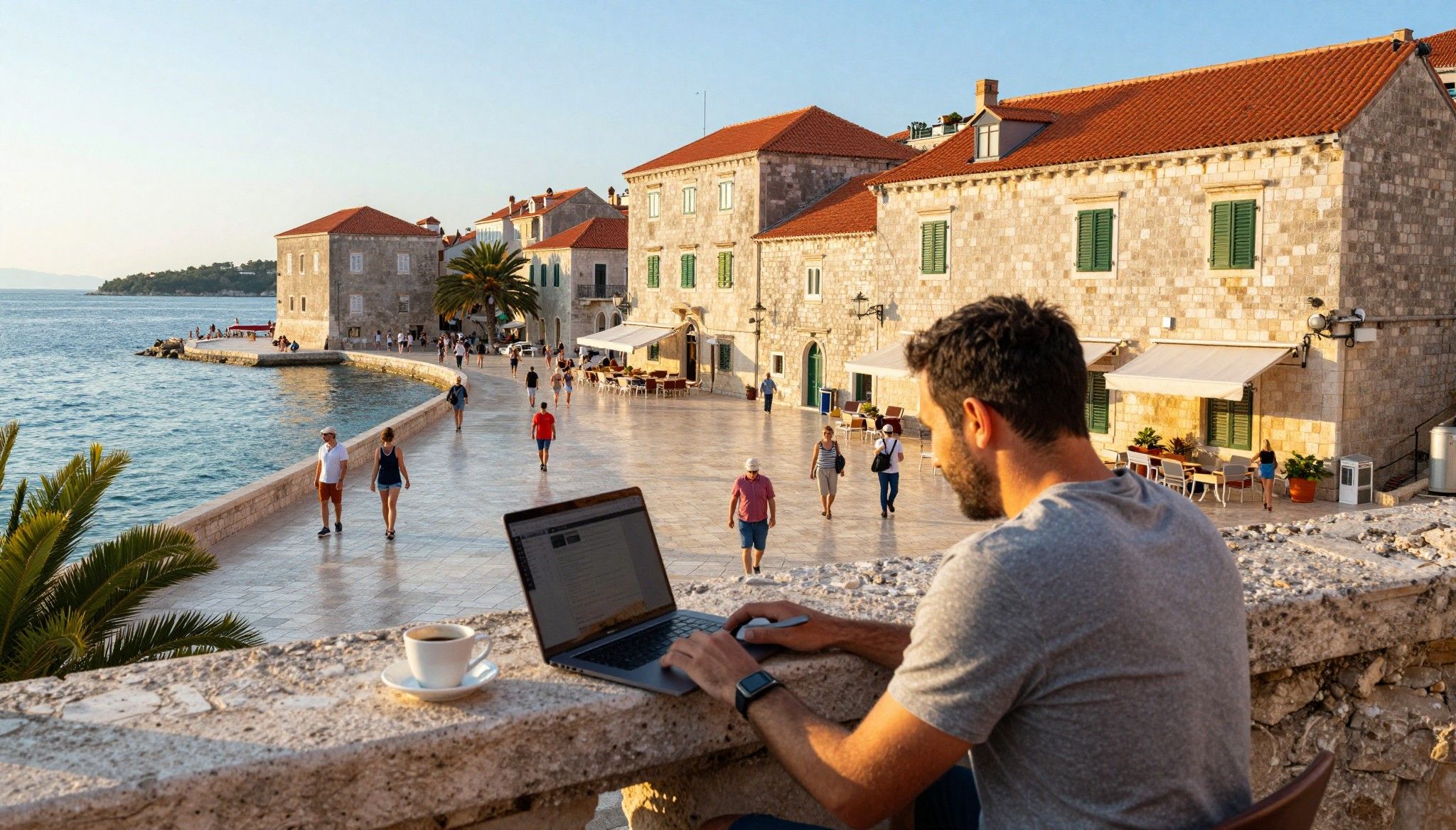
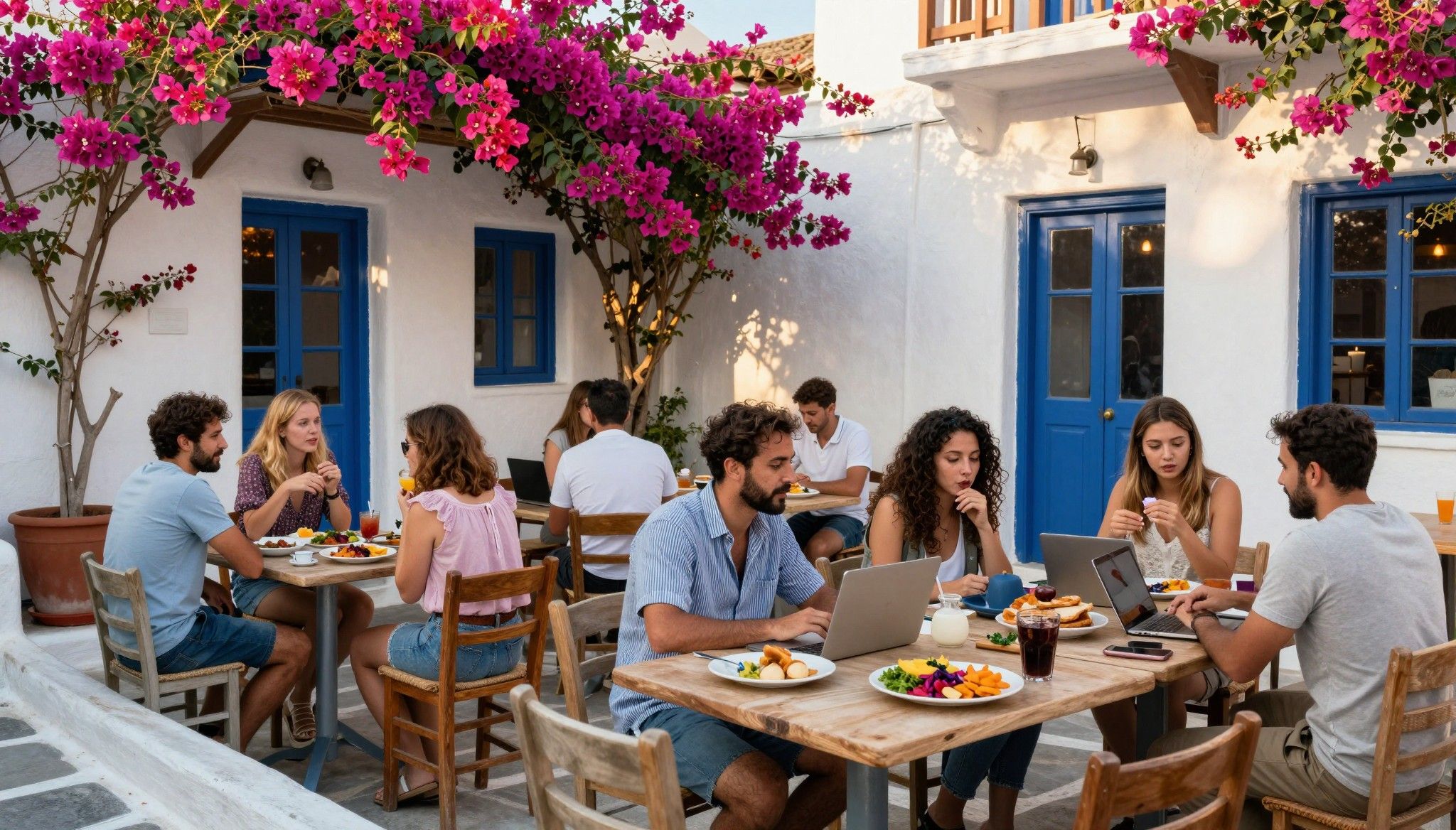
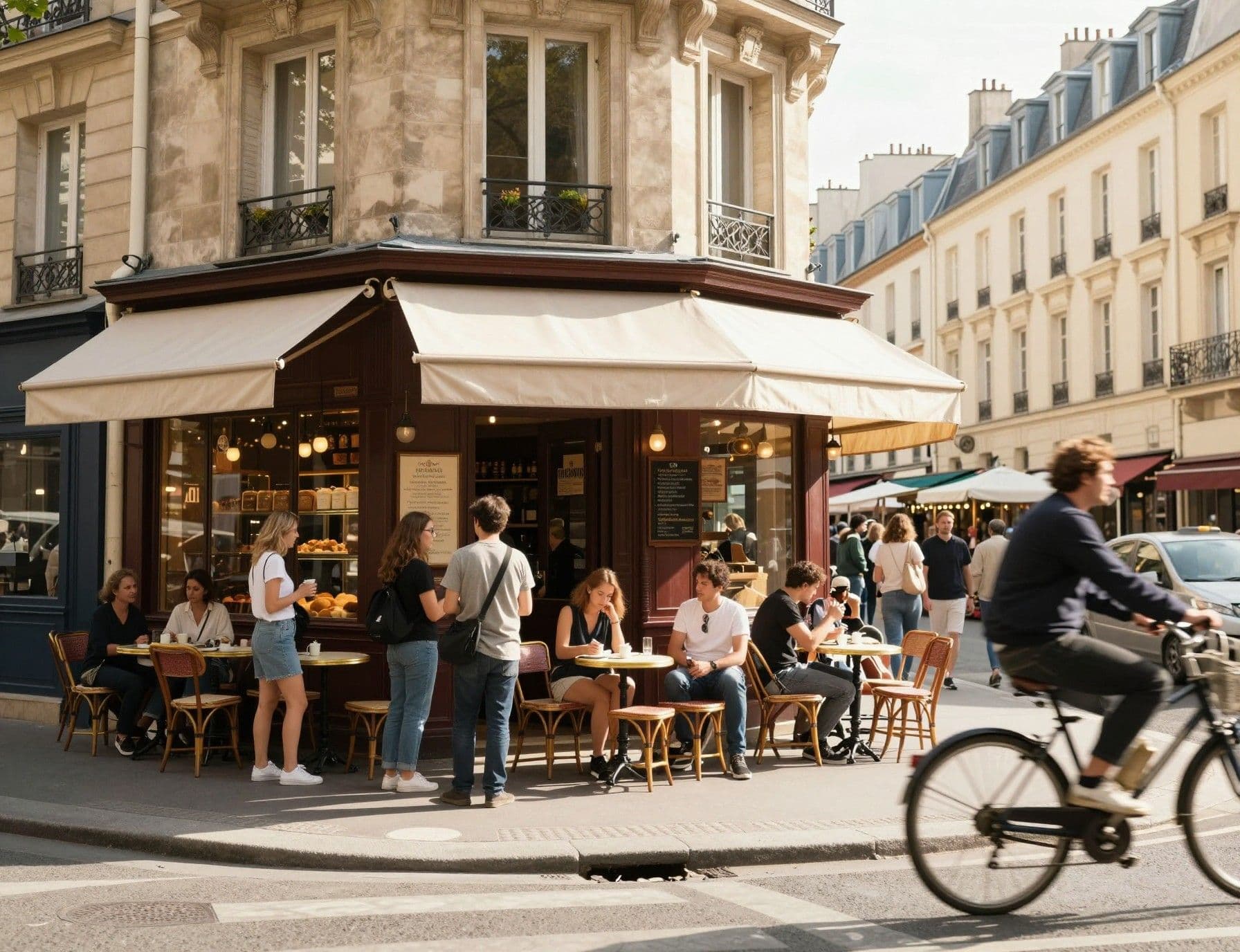
Imagine morning light on a rue with a boulangerie at the corner, the smell of fresh croissants, neighbours chatting about the weekend market — and you, laptop open at a cafe table, locking in an offer on a nearby apartment. That scene is France: slow in rhythm, insanely particular about place, and packed with tiny rituals that shape how property is bought and sold. For international buyers who fall for the lifestyle first, the real work happens when culture and timing meet contract strategy. This guide pairs the love-at-first-sight moments with research-backed offer and closing moves that actually win in French towns and cities. (Market snapshot: Notaires‑INSEE data shows a stabilising market into 2025, with pockets of renewed price growth.)
Living the France Life: Streets, Seasons, and Local Rhythm
France isn’t a single vibe — it’s a patchwork. In Marseille you’ll smell the sea and hear market bargaining by 9am; in Lyon a late‑night bouchon scene pulls people out of studios and townhouses into community life; in Brittany weekends revolve around coastal walks and weekly marchés. These daily patterns change how properties feel: terraces matter more on the Mediterranean, attic skylights count in Parisian arrondissements, and a garden is gold in rural Dordogne. When you’re buying, you must translate the lifestyle you want into the features that local people prize — and then use that language when you make your offer.
Neighbourhood Spotlight: Rue des Archives to Canal Saint‑Martin (Paris) and Beyond
Take Paris as a study in micro‑neighbourhoods: Rue des Archives has artists and late cafes; Canal Saint‑Martin draws remote workers to riverside terraces and coworking pop‑ups; the Marais mixes history and boutique life. Outside the capital, think of Bordeaux’s Chartrons for wine bars and weekend antique markets, or Nice’s Gambetta for sunlit apartment terraces and local patisseries. Each micro‑scene affects demand and which features make sellers smile — proximity to a marché, bike-parking, or a tiny courtyard can swing a negotiation in your favour.
Food, Market and Social Life: The Practical Pull of Pleasure
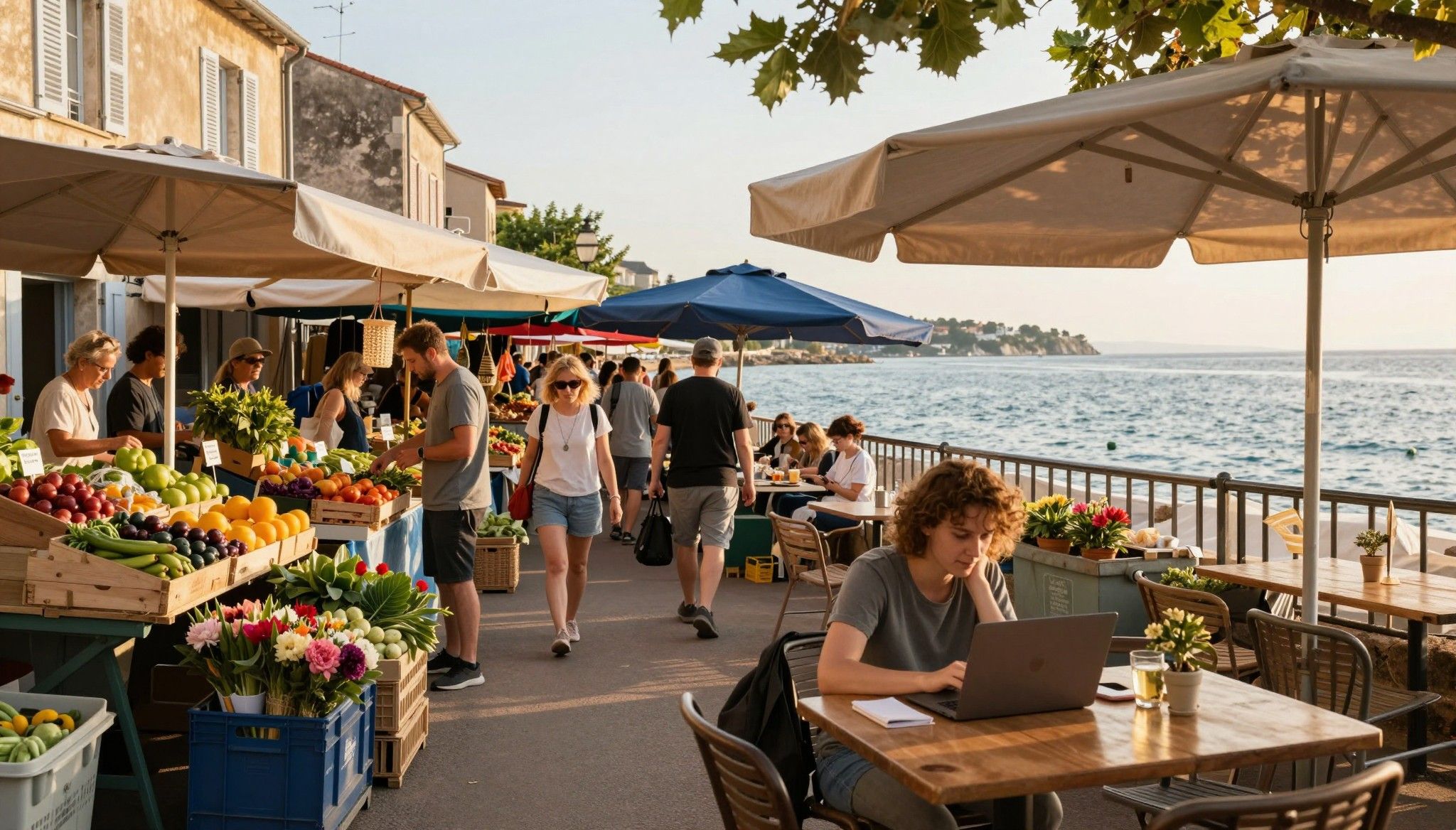
Markets, cafés, and weekly gatherings aren’t just pleasant — they’re price drivers. Buyers who prioritise living near a marché or a reliable cafe with chairs for laptop work often find better resale prospects because locals value the same. Recent INSEE and notarial data show price movements are uneven — city centres and lifestyle corridors can buck national averages — so pairing sensory priorities with hard data helps you place an offer that respects local value. Think like a neighbour when you bid; your offer should solve the seller’s timing and the community’s expectation simultaneously.
Making the Move: Practical Steps that Match the Lifestyle

Dreaming about aperitivos on a terrace is one thing; tying up a compromis de vente is another. The French process is formal: offers, promesse or compromis, cooling‑off, notary checks, then final acte. But the tactical layer — how you structure price, deposit, conditions, and timing — should reflect local market rhythm, not just a universal bidding script. Below are property‑style considerations and the local expert moves that help you translate lifestyle into a winning offer.
Property Styles: Pick what fits how you’ll actually live
An 18th‑century apartment with slim windows can feel impossibly romantic — until you try to host Zoom calls without good insulation. Likewise, a modern condo in Bordeaux may give you light, fast internet, and coworking access. Match your daily routines (work hours, social life, mobility) to the property type. Prioritise fast fibre, a quiet workspace, and usable outdoor space if you work remotely; chase traditional stone details and proximity to markets if you’re buying for the cultural life. That match narrows choices and sharpens your negotiating position.
Work with Local Experts: Agencies, notaires, and translators who get rhythm
- 1. Hire a bilingual agent who knows resale quirks and local buyer expectations; they’ll advise on offer framing and cultural signals. 2. Paired notaire review: ask your notaire early about servitudes, copropriété rules, and energy compliance that affect closing time and price. 3. Offer structure: include a realistic deposit (usually 5–10%) and sensible conditions rather than emotional high bids that collapse at inspection. 4. Timing leverage: use local calendar moments (market days, municipal council deadlines, seasonal migration) to nudge sellers who want a quick, clean close. 5. Language buffer: always get translations of key clauses before signing the compromis — small phrasing differences can change penalties and timelines.
Insider Knowledge: What Expats Wish They’d Known Before Signing
Real talk: French bureaucracy is predictable but procedural. After you sign a compromis de vente you usually have a 10‑day cooling‑off period to retract, and then the notaire’s searches and mortgage underwriting set the final timetable. Buyers I’ve worked with underestimated how long energy diagnostics or co‑ownership schedules take, which can slow closing by weeks. Also, national trends into 2025–2026 show stabilisation but local spikes: that’s why neighbourhood intel beats national headlines when you make an offer. Use the cooling‑off window strategically — it’s your safety net, not your negotiation weapon.
Cultural Moves That Close Deals
- Be personal: a handwritten note about why you love the apartment can sway a local seller. Respect timing: French sellers often prefer an orderly sequence — avoid aggressive ultimatums. Offer conditional wins: attach financing evidence rather than a contingency‑laden bid. Match local tempo: summer holiday windows, municipal tax timing, and market conventions can create natural closing advantages. Respect copro rules: small violations flagged by syndic can derail deals — ask your agent to pre‑check.
Longer‑Term Lens: How Life Changes After You Close
After closing, living in France reveals small joys and slow constraints: weekly markets, municipal bureaucracy, energy upgrades, and community association meetings. French housing surveys remind us that average dwelling sizes and standards are evolving — that matters if you plan renovations or long‑term rental. Factor renovation timelines and local planning rules into your closing offer, and budget for staged upgrades that make your place both livable and rentable. Your purchase isn’t just square metres — it’s a passport into neighborhood life that evolves over years.
Conclusion: Fall in love, then act like a local. Frame your offer around the life you want to live — proximity to the marché, morning light for work, or a terrace for aperitifs — and back it with local data, proof of finance, and cultural signals that sellers understand. Partner with agents and notaires who treat the property as a lived place, not just a price. Next step: pick a neighbourhood, get a local agent to pre‑check DPE and copro records, and craft an offer that speaks French rhythm — respectful, tidy, and irresistible.
British expat who moved from Manchester to Mallorca in 2017. Specializes in market analysis and helping fellow Brit navigate local regulations.