Why Winter Is the Smart Time to Offer in France
Why buying in France’s off‑season can be smarter: winter viewings reveal real living conditions, create negotiation leverage, and pair well with current notaire fee updates.
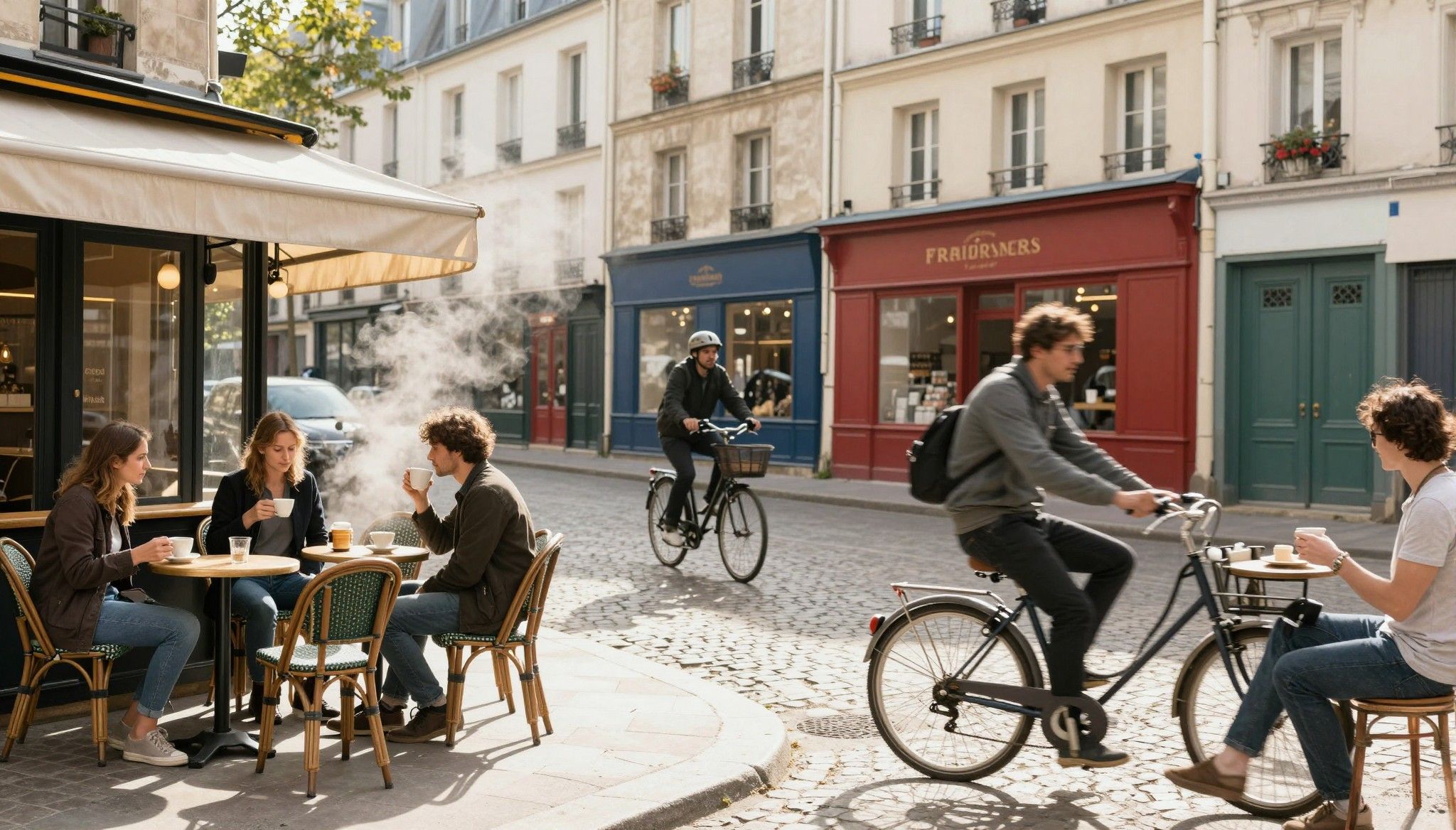
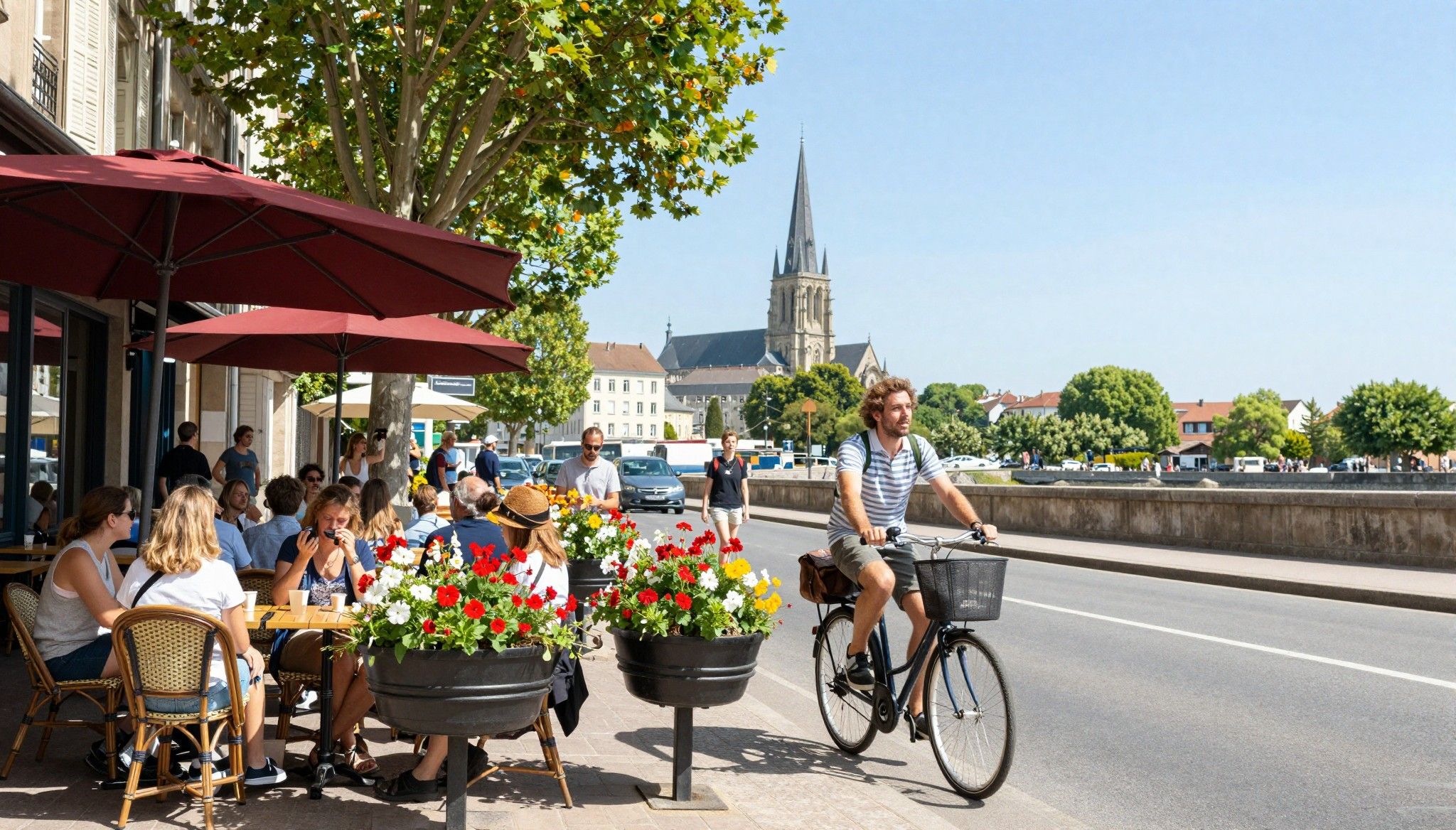
Imagine stepping out onto a crisp January morning in Lyon’s Croix‑Rousse, croissant in hand, while the streets hum softly with locals — fewer tourists, more real life. That quiet winter rhythm isn’t just romantic; for many international buyers it’s tactical. In France, slow seasons reshape bargaining power, agency behaviour and offer timing — and savvy buyers who embrace the off‑peak can win properties and protect lifestyle goals.
Living the France life in low season — why it matters
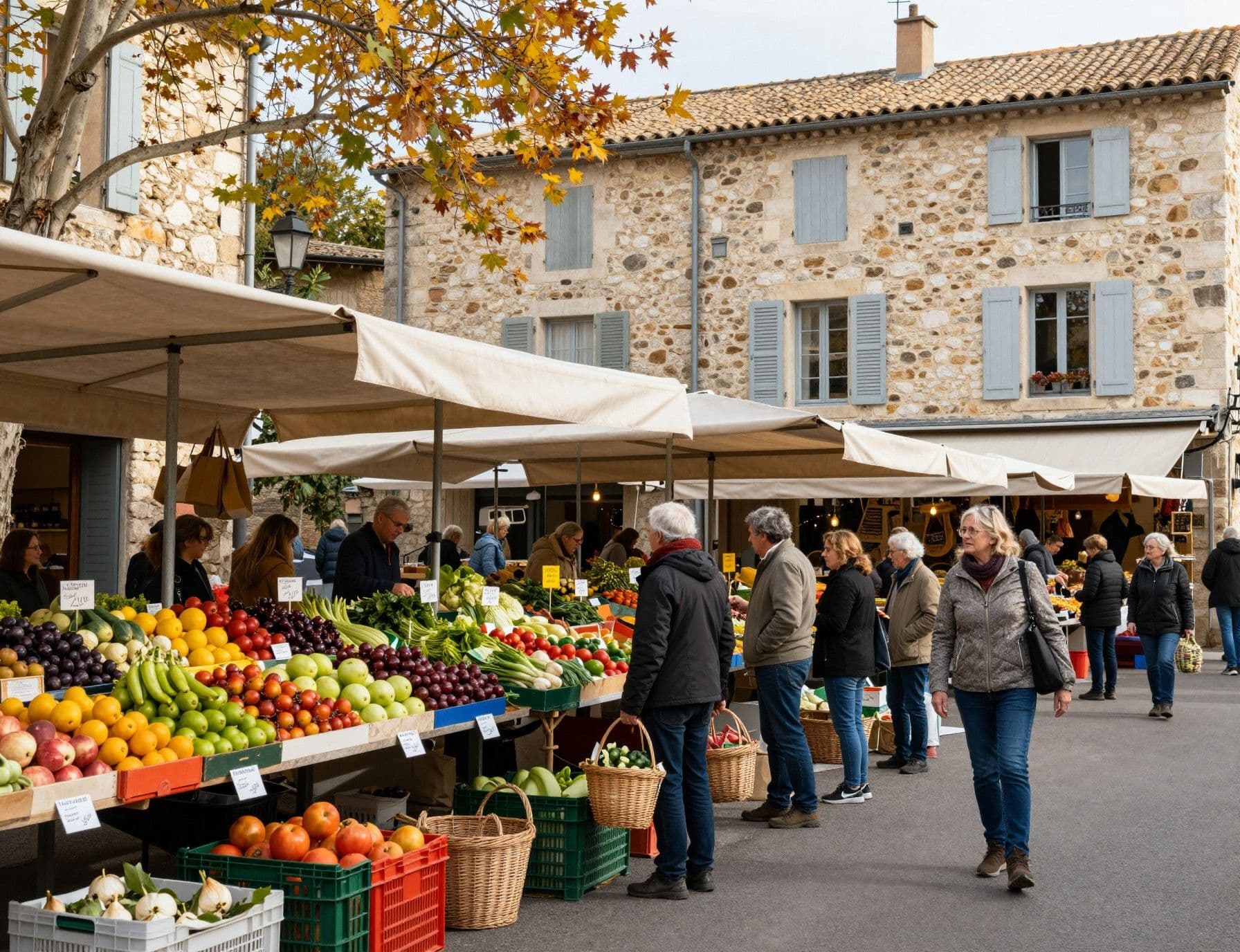
France isn’t one mood: it’s café chatter in Paris’s 11th, oyster shacks on Île d'Oléron, village markets in Provence, and surf towns that empty at the first cold snap. When you picture living here, think routine: morning markets, leisurely lunches, neighbourhood bookstores, and afternoons at a local coworking spot. Those routines change with the seasons — and understanding that shift shapes what home you should buy and when.
Neighbourhood spotlight: Paris — Le Marais vs. Canal Saint‑Martin
Wake up in Le Marais and your weekends revolve around boulangeries, tiny galleries and narrow streets. Move east to Canal Saint‑Martin and your afternoons are espresso‑fueled co‑work sessions and river walks. In winter, Le Marais keeps tourist crowds away but locals still fill the cafés — that steadier slice of daily life helps you judge whether a 35m² apartment actually fits your routine.
Coastal living: Biarritz and Nice when the beaches are silent
The Riviera is postcard perfect in summer, but try visiting in November: fewer yacht parties, more neighbourhood markets and a chance to meet year‑round residents. For buyers, that’s priceless — you see repair issues, heating needs, and the real community rather than a tourist mirage. Those winter viewings are where honest trade‑offs reveal themselves.
- Lifestyle highlights seen off‑season: workshops at La Recyclerie (Paris), oysters from Cap Ferret markets, weekday coworking at Anticafé or Morning Coworking, rooftop wine tastings in Montpellier, winter coastal walks at Plage du Veillon.
Making the move: practical considerations that pair with seasonality

Market data shows transactions and prices fluctuate through the year; lower activity months create negotiation space. According to national indices, sales dipped then rebounded recently, meaning off‑peak offers often meet sellers who are motivated or whose asking prices were optimistic during busier months. Pair this timing with crisp due diligence and you can convert lifestyle dreams into secured purchases.
Property styles: what winter reveals about how you’ll live
Visit a stone farmhouse in January and you’ll feel the draft, test the heating, and hear howling winds against shutters — everything that a glossy summer visit hides. In town, inspect insulation, single vs double‑glazed windows, and how radiators perform. These aren’t aesthetic nitpicks; they tell you whether a home supports cosy winter evenings or will become a renovation project that eats your budget and mood.
Working with local experts: agencies, notaires and seasonal insight
- How your local team helps in winter: 1) Agents who know winter demand can advise on realistic offers; 2) Notaires clarify timing for compromis and acte authentique and the mandatory 10‑day cooling period; 3) Local builders give winter repair estimates. Work with bilingual agents who specialise in expat moves so you get both cultural and seasonal intelligence.
- Seasonal practical tips: ask for recent heating bills, check roof and drainage after autumn storms, confirm broadband reliability for winter remote work, and schedule structural surveys when pests and damp are most visible.
Insider knowledge: expat realities and negotiation tactics
Here’s the real talk: winter viewings expose the lived reality of a home, and French market rhythms give tactical advantages. Sellers with properties unsold since summer may accept lower offers in colder months. At the same time, regulations — like departmental changes to transfer duties introduced in 2025 — mean budgeting must be current. Combine seasonal advantage with up‑to‑date cost estimates and you’ll avoid nasty surprises at closing.
Cultural cues that shape negotiations
French negotiations are oft‑polite and paper‑driven. A strong, clean offer paired with respect for local rituals — a clear compromis de vente, readiness to provide proof of funds, and a local accountant or bank reference — signals seriousness. In winter, add hospitality: follow up viewings with a short, friendly message referencing what you loved (and a reasonable question about maintenance). It builds rapport with sellers and agents alike.
Red flags and winter‑revealed issues
- Watch for these during off‑season visits: mould or damp smells, inconsistent heating, clogged gutters, poor insulation, signs of deferred maintenance, and short‑term rental wear in coastal town apartments.
- Step‑by‑step winter offer strategy: 1) Visit off‑peak to inspect lived reality; 2) Get a local survey and three quotes for urgent repairs; 3) Submit a clean offer with a reasonable timeline tied to the seller’s needs; 4) Lock in a notaire and confirm updated frais details; 5) Use the 10‑day cooling period smartly to finalise financing and insurance.
Long‑term lifestyle checks before you close
Ask: will this neighbourhood support weekday coworking or are cafés empty until summer? Are there year‑round medical services? How far is the nearest train station for quick trips to major hubs? These questions ensure the place supports your life beyond picturesque summers.
Conclusion: fall in love, then buy with winter wisdom. France gives you seasons of living — and the truth shows up in the cold. Use quieter months to audit a property honestly, leverage motivated sellers, and pair that advantage with current legal and fee intel. Reach out to a bilingual agent and a trusted notaire early: they turn a dreamy January boulangerie morning into an address you’ll keep for years.
British expat who moved from Manchester to Mallorca in 2017. Specializes in market analysis and helping fellow Brit navigate local regulations.