Greece: Neighbourhood Vibes, Seasonal Trade-offs & Market Truths
Fall for Greece’s daily rhythms — markets, beach mornings, rooftop work — while using Bank of Greece and OECD data to pick neighbourhoods that match lifestyle and long-term value.
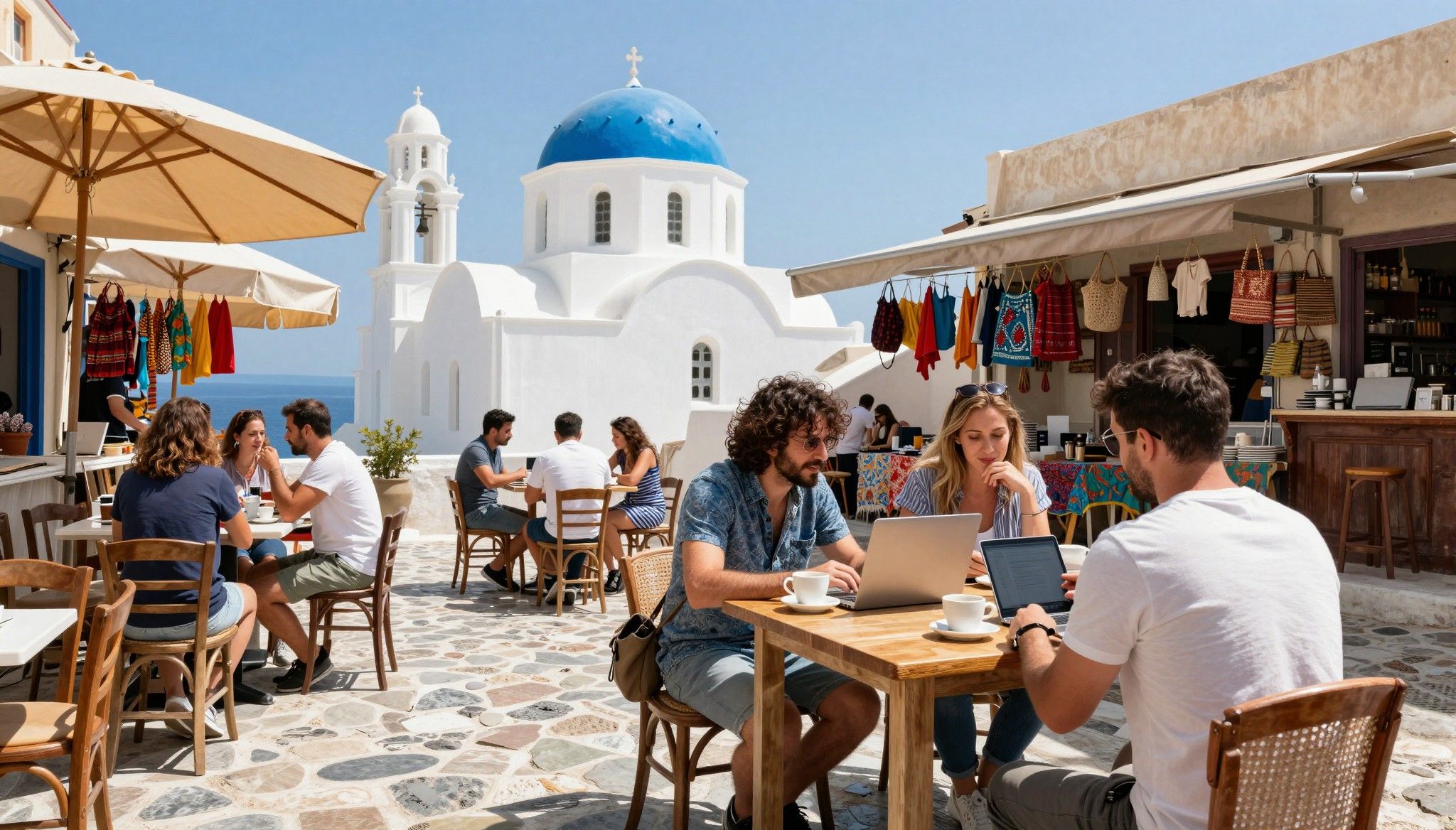
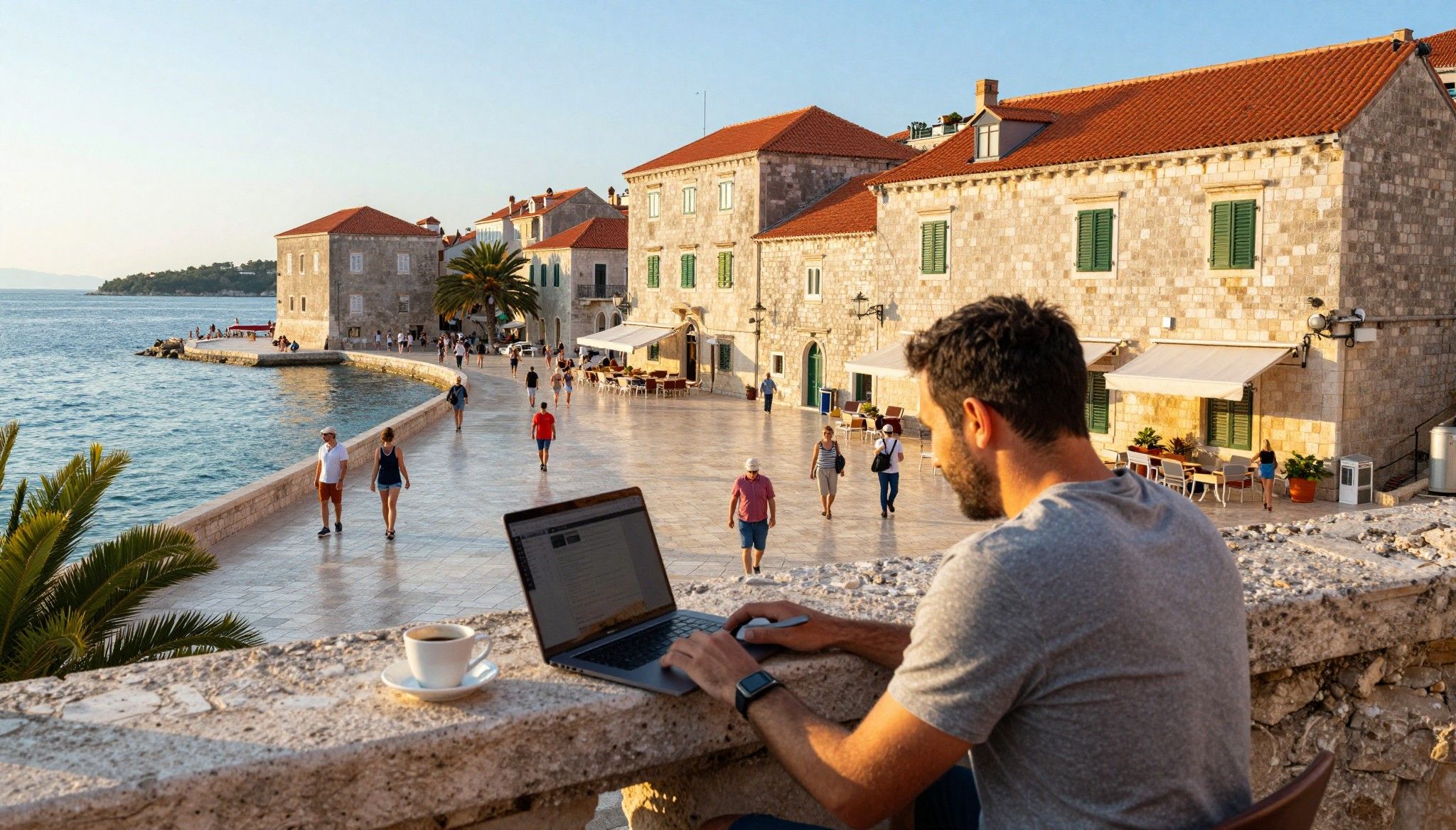
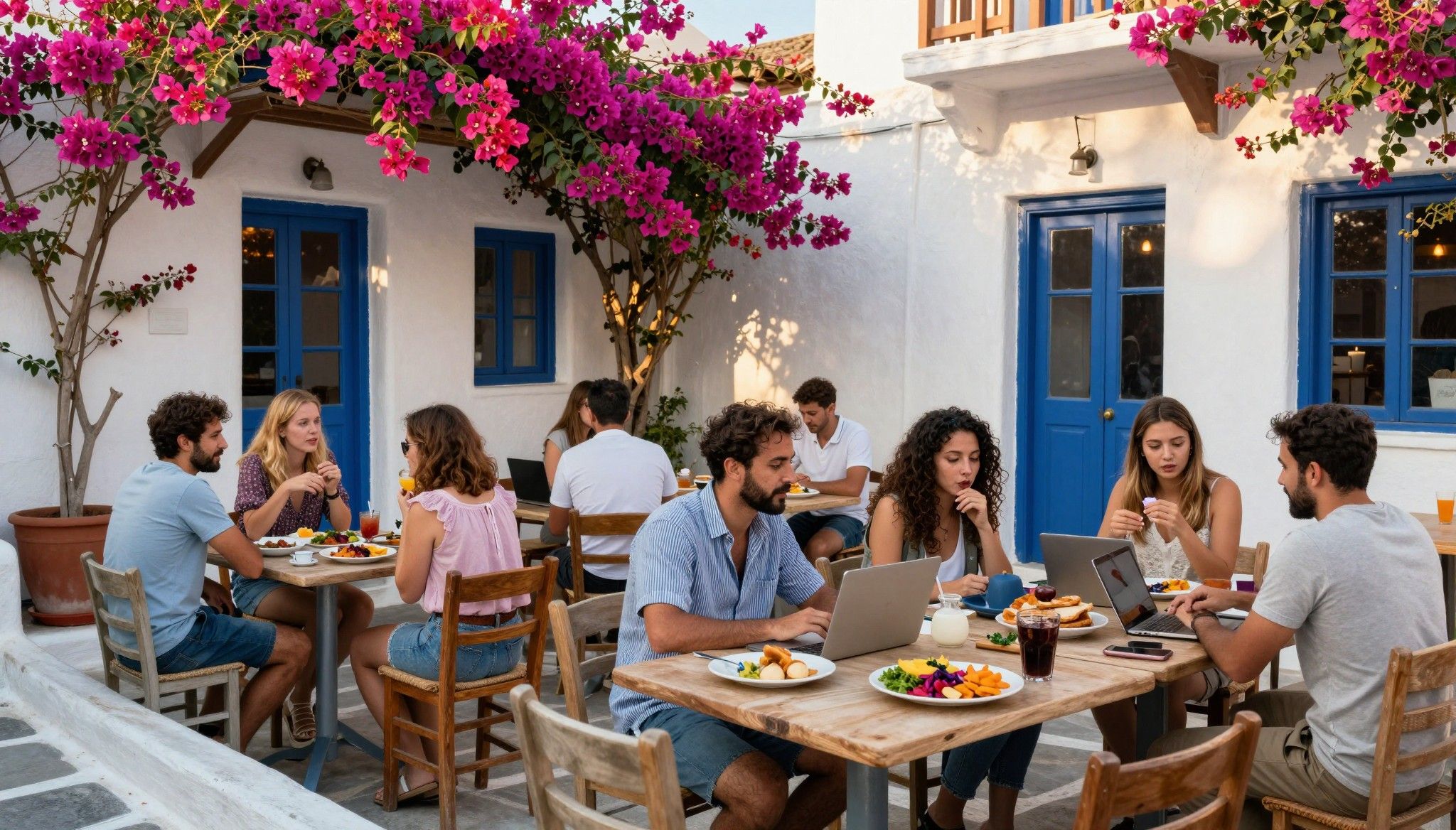
Imagine sipping espresso on a sun-warmed marble table in Plaka, then hopping on a tram to a coworking space in Koukaki — that’s the split life Greece sells. Streets hum with scooters, markets overflow with citrus and herbs, and every neighborhood has a café where people actually talk to each other. For international nomads and remote workers, Greece offers a heady combo: vivid daily life, fast-growing property markets, and pockets of surprisingly affordable living outside the islands. This guide pairs the romance with the realities — neighborhoods, lifestyle trade-offs, and the local rules you’ll care about once you decide to make the move.
Living the Greece lifestyle
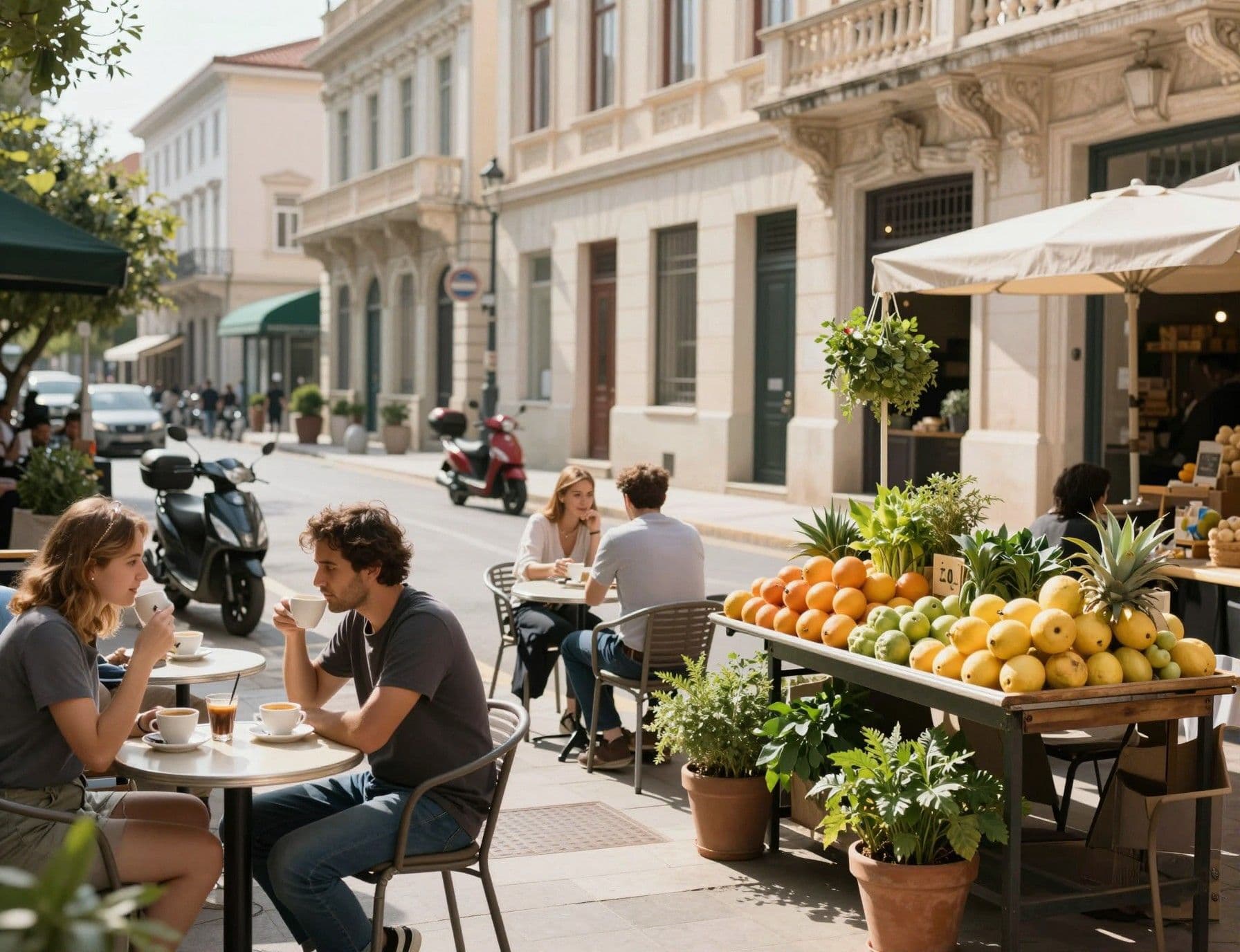
Greece moves at a friendly, tactile pace: mornings start with strong coffee and bread, afternoons drift into siesta-light pauses in beach towns, and evenings are long dinners with multiple courses. Urban neighborhoods mix Byzantine churches, neoclassical blocks, and rooftop bars with sea views. Climate shapes life — winters are mild in Athens and sharper inland, summers fill islands with late-night tavernas and sea-swimming routines. As a buyer, this matters: orientation, shutters, and terraces aren’t aesthetic extras here — they’re how you live seasonally.
Athens neighborhoods: From buzzy to serene
Athens is more than its ruins. Koukaki feels like a neighbourhood that grew up around friendly tavernas and creative studios — great for daily café work and evening social life. Exarchia is rawer, full of bookshops and activist energy; it’s cheap by Athens standards but can be noisier at night. Glyfada and Voula on the Athenian Riviera give you beach mornings and coastal cafés, with a different pace and higher property price tags. Spend a week sampling each if you can — the street-level vibe is the ultimate decider.
Islands and coasts: the seasonal trade-off
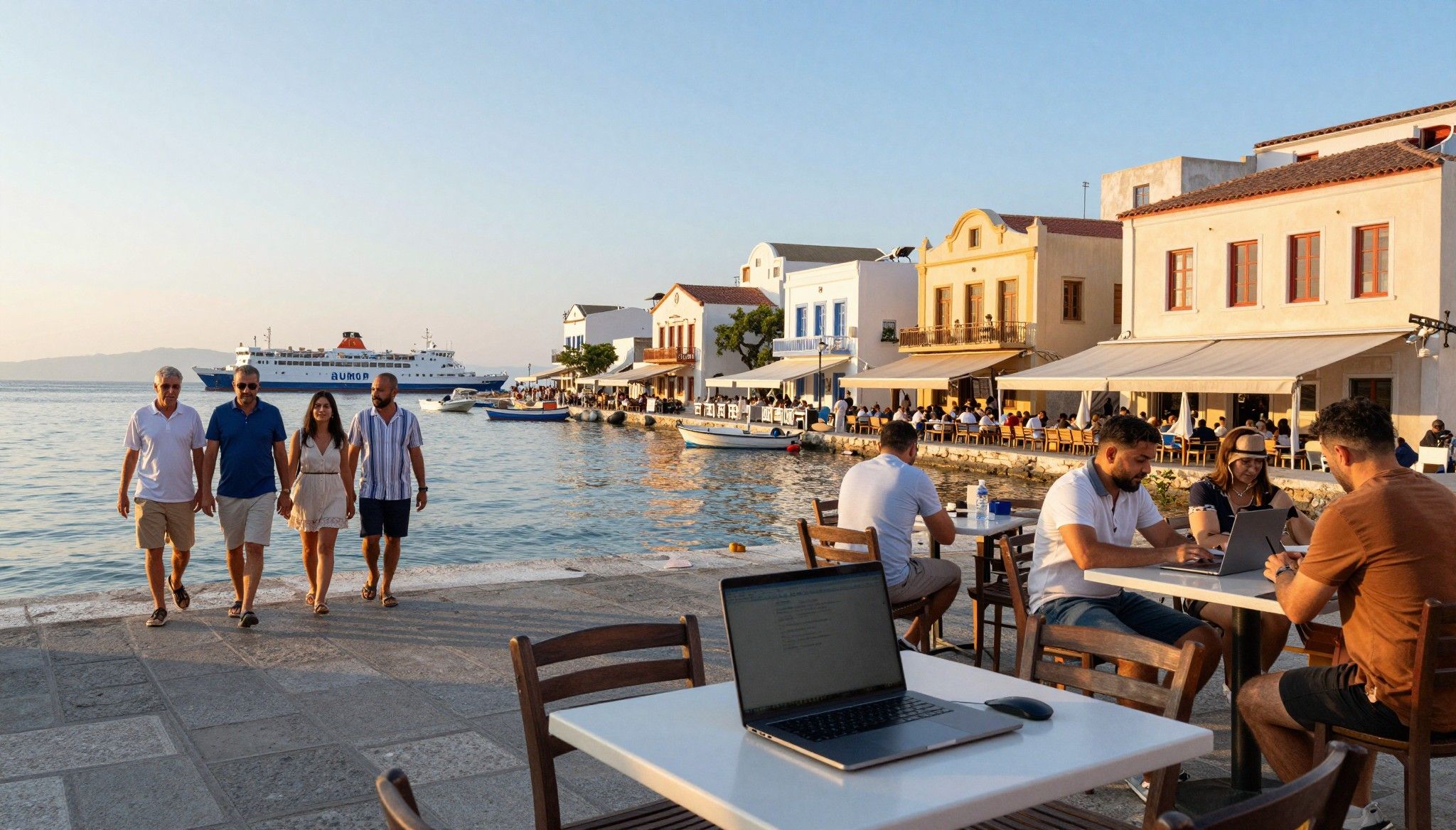
Island life is cinematic: mornings on a small beach, afternoons snorkeling, evenings under lantern-lit tavernas. But islands are seasonal economies — services and community are concentrated in summer. Rental yield and tourism demand spike in summer months, and that seasonality affects maintenance costs, resale windows, and when you’ll actually use the place. If you need year-round reliable services and strong fast internet, coastal towns on Crete or Corfu and pockets of Athens offer better steady options than tiny Cycladic villages.
- Koukaki cafés and rooftop coworking; Glyfada beachfront runs and evening dining; Exarchia bookshops and activist street art; Chania old port markets and daily fish tavernas; Naxos inland villages for farm-to-table life; Voula promenades and family-friendly beaches
Making the move: practical considerations

The dream of a sunlit terrace is real — but so is a market that has seen strong price growth recently. Bank of Greece and OECD reports show house prices rising in urban areas over the past few years, with demand concentrated in Athens, Thessaloniki and popular islands. That means timing and local knowledge matter: you can still find value, but you won’t stumble into it by chance. Work with on-the-ground agents who understand micro-neighborhood trends and can spot streets where locals still buy, not just tourist-facing listings.
Property styles and how they shape life
Neoclassical apartments in central Athens are compact, high-ceilinged, and perfect for city living with easy café access. New builds near the coast emphasize terraces and parking — useful if you’re trading city life for sea. Traditional island houses (stonework, small courtyards) are romantic but can require costly seismic upgrades and insulation improvements. For remote work, prioritize a dedicated workspace, lift access if you have heavy tech gear, and south-facing balconies for winter light.
Working with local experts who know the lifestyle
- 1. Choose agents who show properties at different times of day so you can sense noise and light. 2. Ask for recent neighborhood transaction examples — not just asking prices — to understand real market movement. 3. Work with a lawyer experienced in Greek title searches; islands sometimes have complex ownership histories and informal additions. 4. Check internet providers and mobile signal maps before you commit — reliable connections are non-negotiable for nomads. 5. Consider property managers who handle off-season upkeep and rental logistics if you plan to rent in summer.
Insider knowledge: what expats wish they'd known
Expat life in Greece is full of small surprises. Simple things — like shops closing midday in summer, or a neighbourhood’s calendared religious festivals — shape your rhythm more than a glossy brochure. Many new residents wish they’d tested a neighborhood in winter before buying: the off-season reveals whether a place is truly lived-in year-round or just a summer stage. Also, some property features sellers highlight (open-plan ground-floor units with no shutters) are lifestyle negatives when the hot months arrive.
Cultural integration and building community
Learn a few Greek phrases, join local markets, and volunteer at community events — these are the fast tracks to being seen as a neighbour, not a seasonal visitor. Small rituals matter: bringing treats to your floor’s cleaner, or attending a village panigyri (saint’s day) will connect you faster than online expat groups alone. For families, neighborhood schools and pediatricians are localized resources you can’t outsource; visit them in person and ask other parents for their honest takes.
Long-term lifestyle: how life changes after you buy
After you buy, routines solidify: your favorite cafe becomes a co-working spot, local vendors remember your taste, and property quirks become familiar comforts. Expect seasonal flux — friend groups swell in summer and contract in winter — so plan social and workspace flexibility into your purchase. From a practical angle, follow market signals: urban prices rose strongly in recent years, so prioritize quality location over over-optimistic future appreciation if you intend to live there longer term.
- Check internet providers and upload speeds; verify title and municipal permits; test the neighbourhood in both high and low season; prioritise south-facing light and shutters; budget for seismic retrofitting and insulation in older homes; ask for recent local sales, not just listing prices
Greece is a place that seduces with daily rituals: market mornings, seaside swims, and long dinners that stitch community together. If you pair that lifestyle-first view with local market intelligence — Bank of Greece and OECD data tell you prices have been rising — you’ll pick a neighborhood that feels lived in and sustainable. Next steps: spend at least a fortnight living in your shortlist neighborhoods across seasons, line up a bilingual lawyer and a local agent who shows you streets that locals actually buy on, and verify internet and municipal permits before signing. Ready to start? Agents who live the life can help you find the street where you’ll feel at home.
Danish investor and relocation advisor focusing on Portugal and the Algarve; loves coworking culture and expat networks.