Greece Neighbourhoods That Match the Life You’ll Live
Fall for Greece’s rhythms: match neighbourhood vibes and real infrastructure to your remote work life, then buy with lifestyle-first practical checks.
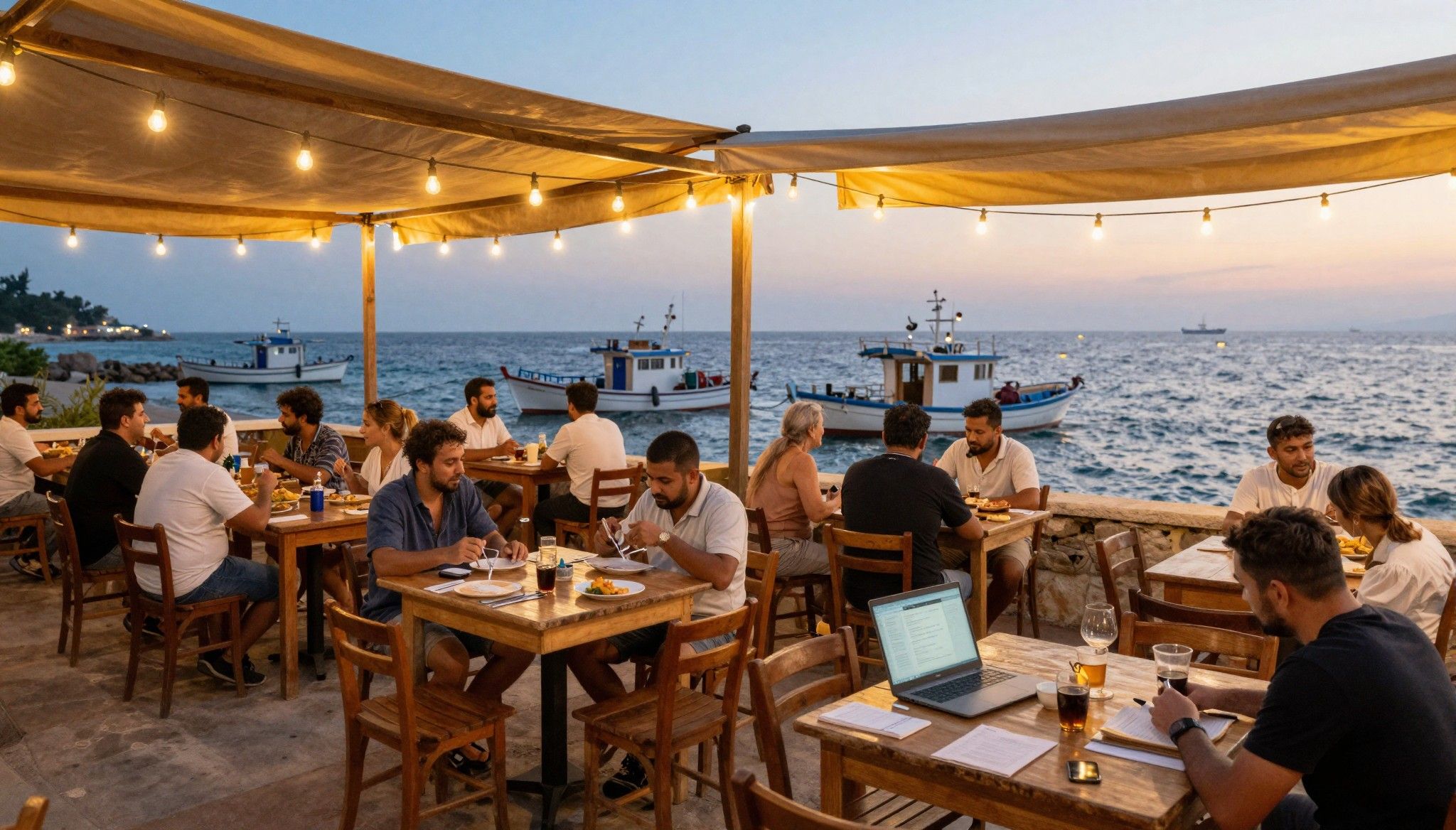
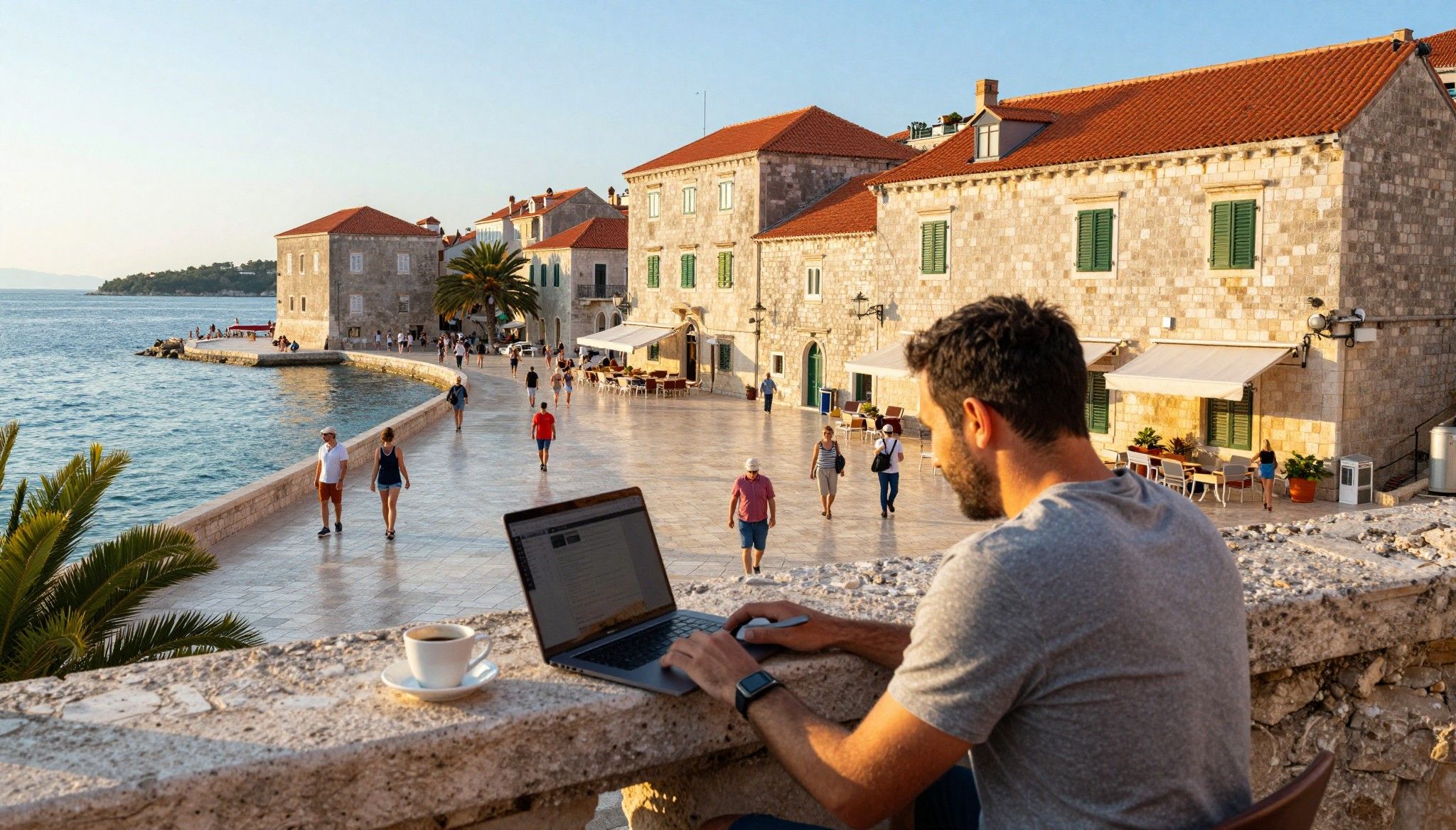
Imagine waking to a corner kafeneio in Koukaki where old men sip filter coffee beside students with laptops, then walking fifteen minutes to a seaside taverna for grilled octopus at sunset. Greece moves at two tempos at once: slow, sensory island life and quick, entrepreneurial urban bursts. That mix is why nomads and families both fall for it — and why your neighbourhood choice will determine whether you live like an islander or like a city worker. Below I’ll show you the neighbourhood vibes that actually matter, then match them to the property types, workflows, and agencies that make the move practical.
Living the Greece lifestyle
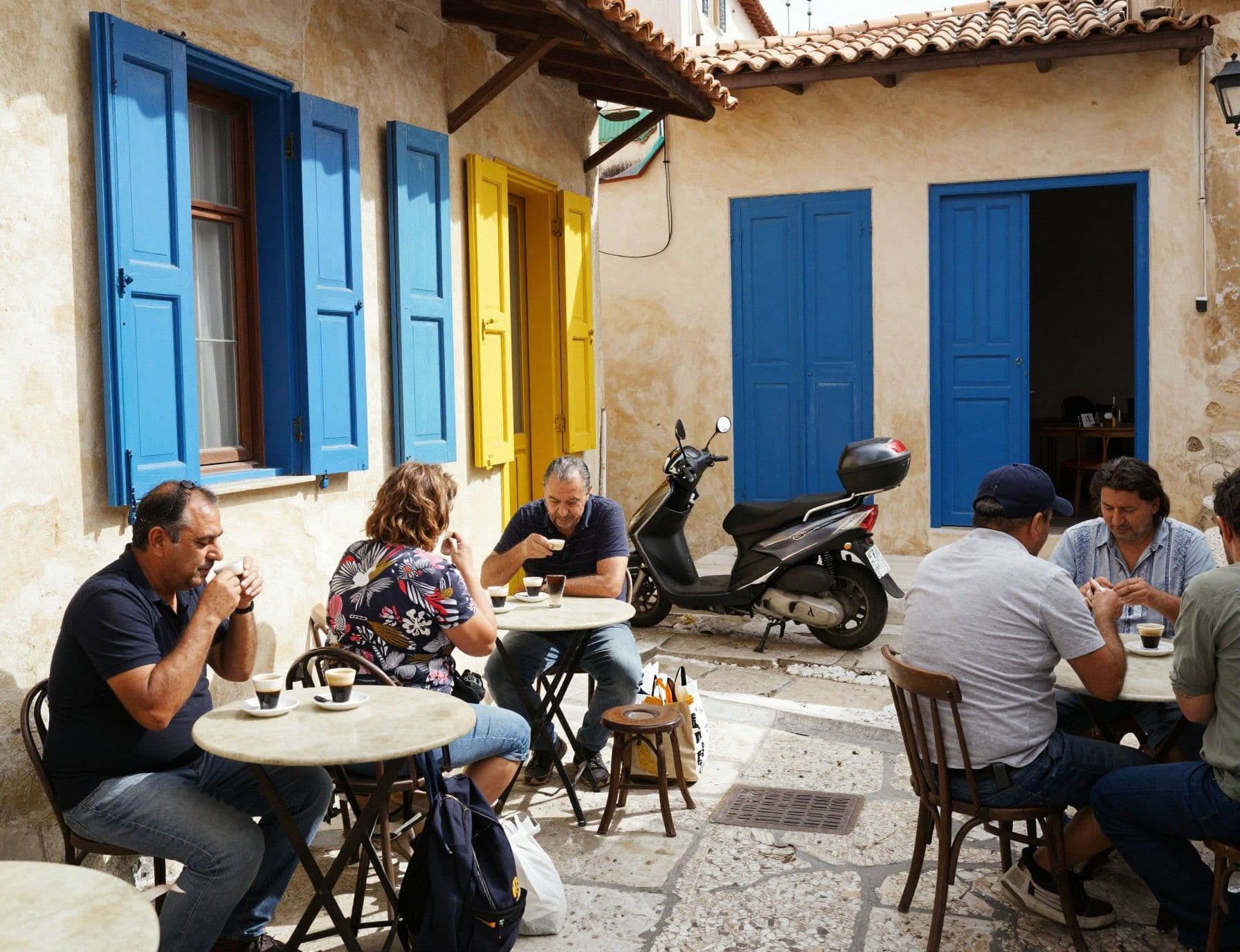
Greece is tactile: markets smell of citrus and herbs, streets glow with painted shutters, and rooftop terraces turn into evening salons. Days are shaped by espresso breaks, long lunches, and late-night strolls (volta) — but there are big differences between Athens, Thessaloniki, mainland towns and the islands. For remote workers, the real question isn’t ‘Greece or not?’ but ‘which rhythm fits my workday and my weekends?’
Athens: hip neighbourhoods with city energy
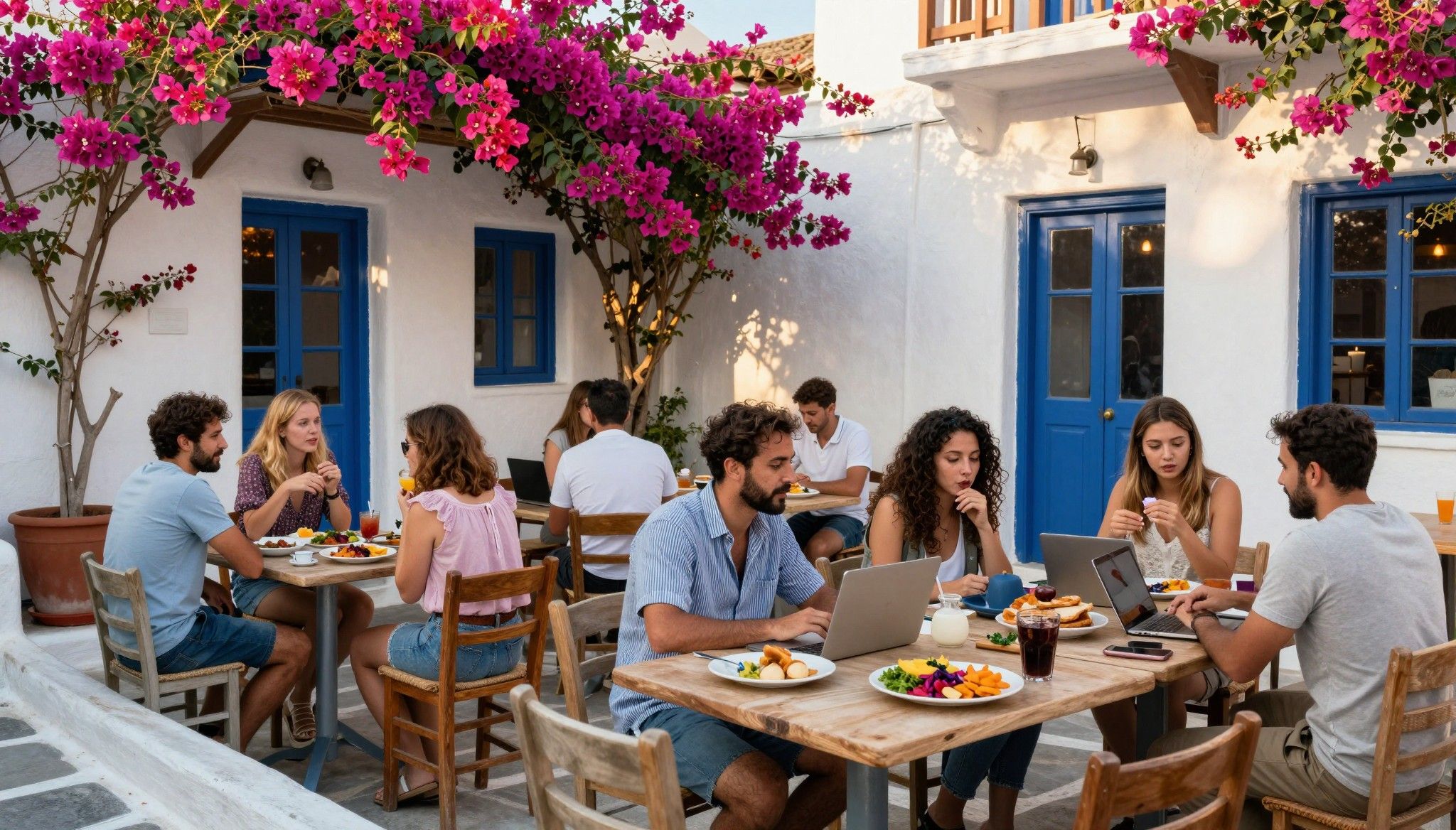
In Athens, Koukaki, Petralona and Pangrati feel residential and social at once — cafes with good Wi‑Fi, coworking spots, and bakeries that deliver morning kouign-amann. Walkability is high: you can live near a metro stop and reach both parks and the historic centre. Expect lively nights, regular meetups for founders and creatives, and a rental market that rewards being close to transport and cafés.
Islands vs mainland: weekend trade-offs
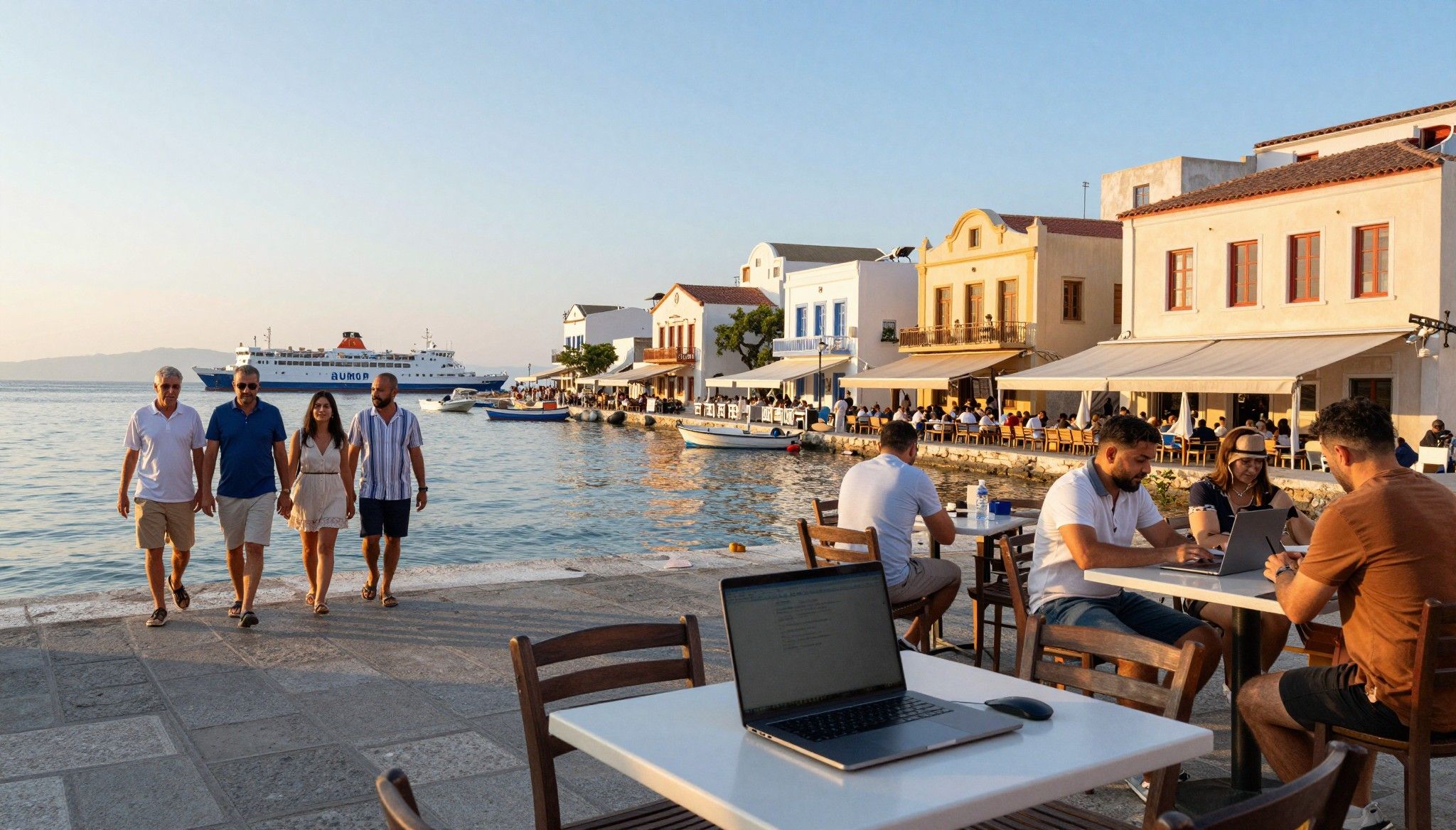
Pick an island like Naxos or Paros and weekends become beach-hopping and slow meals; admin tasks and bank visits are rarer but still necessary. Mainland coastal towns — Nafplio, Kalamata — blend easier year-round services with more stable prices. For nomads who need fast, reliable internet and frequent flights, islands with strong ferry/flight links (Mykonos, Santorini) trade convenience for tourism-driven costs.
- Lifestyle highlights worth mapping to your search: 1) Morning espresso in Koukaki; 2) Sunset drinks on Paros’ Kolymbithres; 3) Weekend farmers’ market in Ano Poli, Thessaloniki; 4) Coworking + rooftop in Glyfada; 5) Local taverna on Nafplio’s harbour; 6) Early-morning swim at Vouliagmeni.
Making the move: practical considerations that protect the lifestyle

Your day-to-day life depends on infrastructure (internet, healthcare, transport) and on property specifics (terrace, insulation, shutters). Market momentum has been positive: official Bank of Greece notes show apartment prices rising in recent years but growth is moderating, which creates windows for negotiation in non-prime areas. If you plan to work remotely, also confirm residency and visa routes — Greece’s digital nomad framework is public and worth checking early in your process.
Property styles and how they affect remote work life
Stone island homes mean thick walls and cool summers but small windows and tricky internet cabling. Modern Athens flats offer bright rooms and easy coworking access but often smaller terraces. If you want an apartment that doubles as an office, prioritise fiber availability, a dedicated desk niche, and a south-facing terrace for afternoon light. Don’t fall for sea-view listings if you need year-round comfort — many seafront homes lack insulation and quiet in winter.
Work with agencies who know daily life, not just legal paperwork
- Steps to match lifestyle with a property search: 1) Map your weekly routine (flights, grocery runs, coworking hours) before neighbourhood scouting; 2) Ask agencies about real fiber providers and measured speeds in the exact apartment; 3) Visit at least once off-season to test noise, transport, and local services; 4) Get a local fixer quote — many island homes need modest retrofits for remote work; 5) Negotiate on items that impact life (AC, shutters, internet installation) rather than headline price.
Insider knowledge: expat reality checks and seasonal truths
Expats often romanticise summer life — but Greece’s real test is winter. Several islands quiet to near-sleep in low season, changing access to shops, clinics, and community. Internet speeds have improved but remain variable by island and building; remote workers should validate measured speeds or consider Starlink/fixed wireless for reliable performance. Knowing these seasonal swings keeps the fantasy intact while avoiding surprises.
Cultural integration: small customs that shape neighbourhood life
Smile, learn the basic greetings, and accept that small favours build trust in Greek communities. Neighbours will ask about your family and your plans; attending a local kafeneio or the church festival (panigiri) is social currency. Language classes help more than you think — they unlock invitations, tradespeople, and the best tavernas off the tourist grid.
- Long-term lifestyle + practical checklist: 1) Confirm local healthcare access and nearest clinic; 2) Factor in seasonal rental demand if you’ll rent out part-time; 3) Budget for retrofits (heat, insulation, AC) if buying older stock; 4) Plan for bank account and tax registration early; 5) Keep an emergency fund for off-season maintenance.
I moved here with a laptop and a vague plan. Six months later I had a neighbourhood coffee that became a remote‑work hub, a local fixer who speaks English, and a tiny terrace that made evenings feel like vacations. The secret was living like a local first: spend a month as a renter, meet neighbours, test internet at different times of day, then instruct your agency to search for properties that pass those real‑life tests. Agencies who act as lifestyle matchmakers — not just lawyers — are the ones that save you time and disappointment.
Two practical next steps: schedule an off-season scouting trip and bring a shortlist of agencies who specialise in the neighbourhood rhythms you want. Use the Bank of Greece notes to understand price momentum and consult official digital-nomad residency pages for up-to-date visa requirements. Finally, test real internet speeds in any property visit — measured results beat promises.
Ready to fall in love responsibly? Start with lifestyle mapping, validate core infrastructure (internet, healthcare, transport), and choose an agency that treats your daily life as the priority. When travel plans and property choices line up, Greece doesn’t just become a place you visit — it becomes the place you live well.
Norwegian who has helped 200+ families relocate from Oslo to Spain; expert in relocation services and community integration.