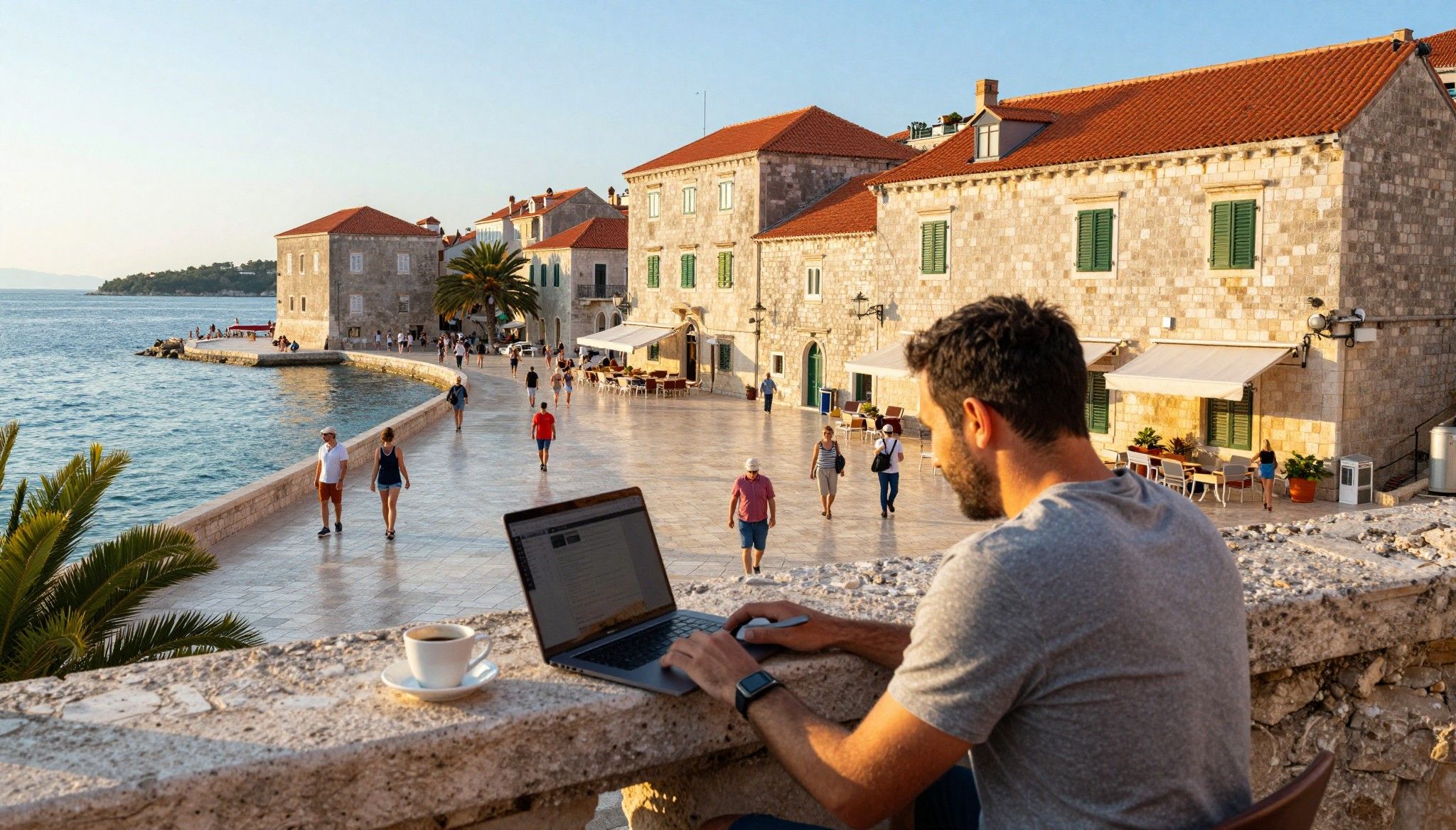
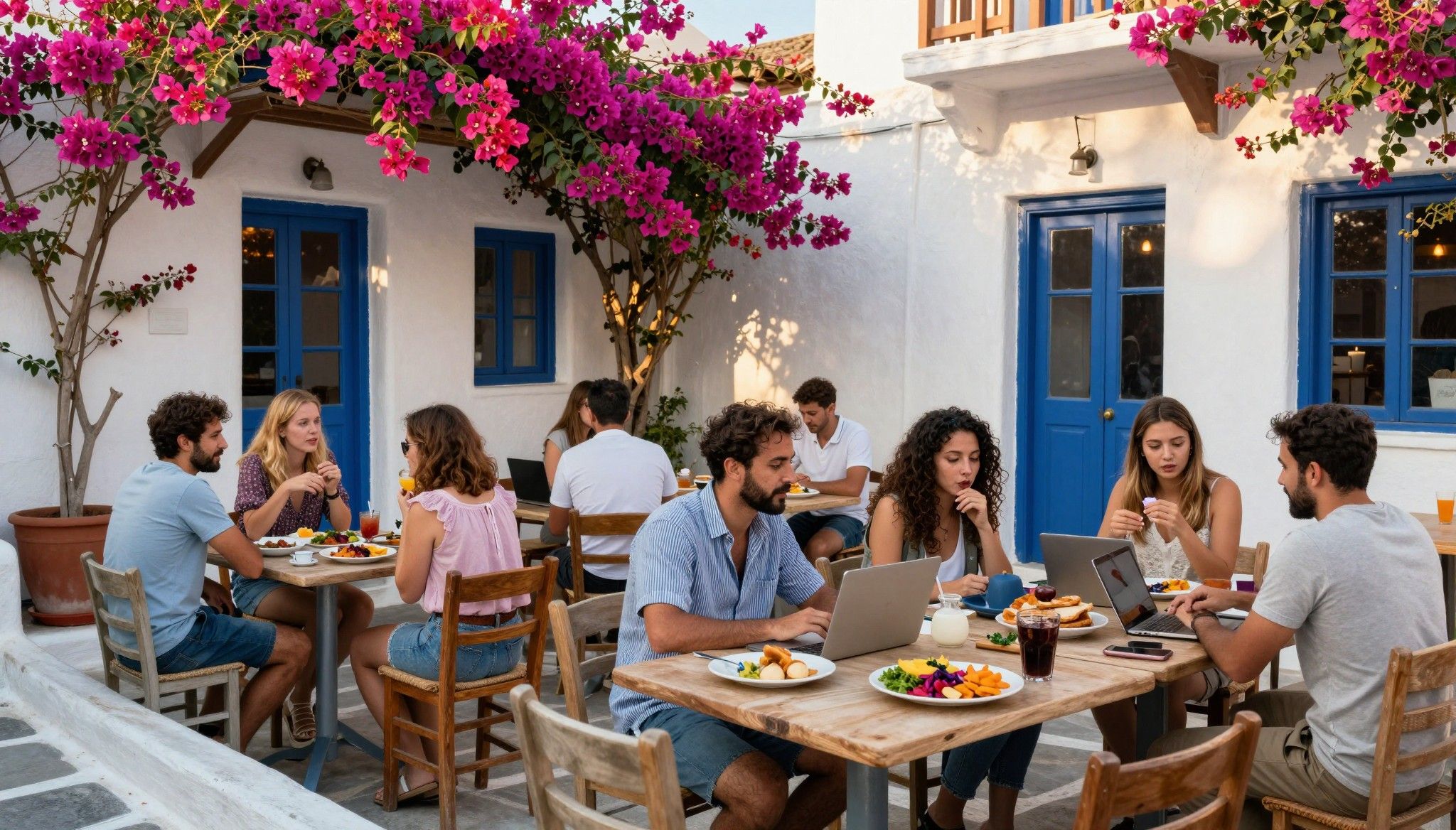
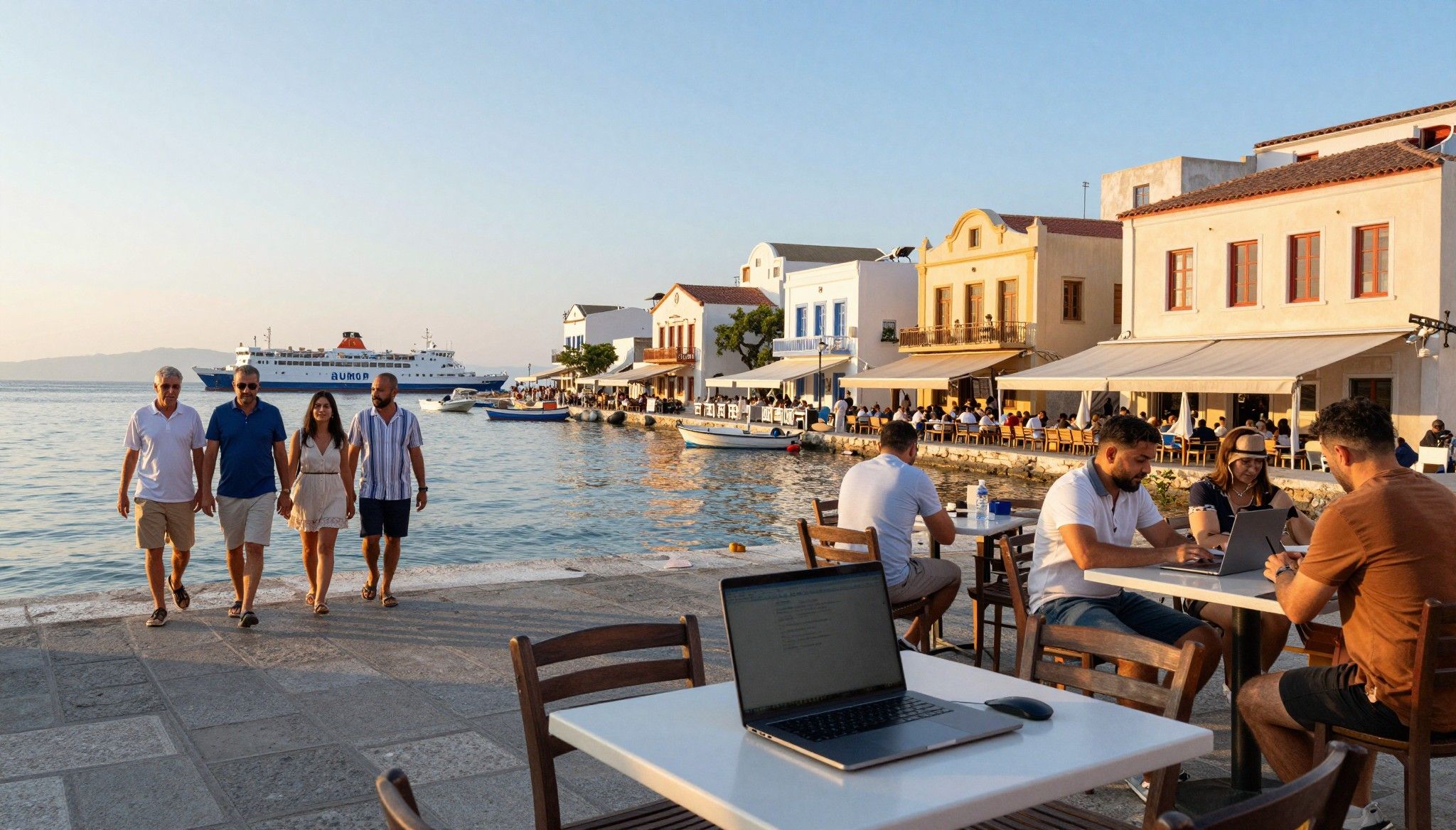
Italy Neighbourhood Rhythms: A Nomad’s Lifestyle Checklist
Italy offers a mosaic of neighbourhood rhythms for nomads — choose streets with markets, reliable fibre, and coworking access to match lifestyle with lasting value.
Imagine stepping out at 8am onto a cobbled piazza in Bologna, espresso in hand, then settling into a sunlit apartment with a table for work and a balcony for late‑afternoon aperitivo. Italy is less a single place and more a patchwork of rhythms: seaside mornings in Puglia, market noise in Palermo, bike lanes and coworking hives in Milan. For nomads and remote workers, those rhythms decide neighbourhood choice as much as price — and sometimes more.
Living the Italy lifestyle
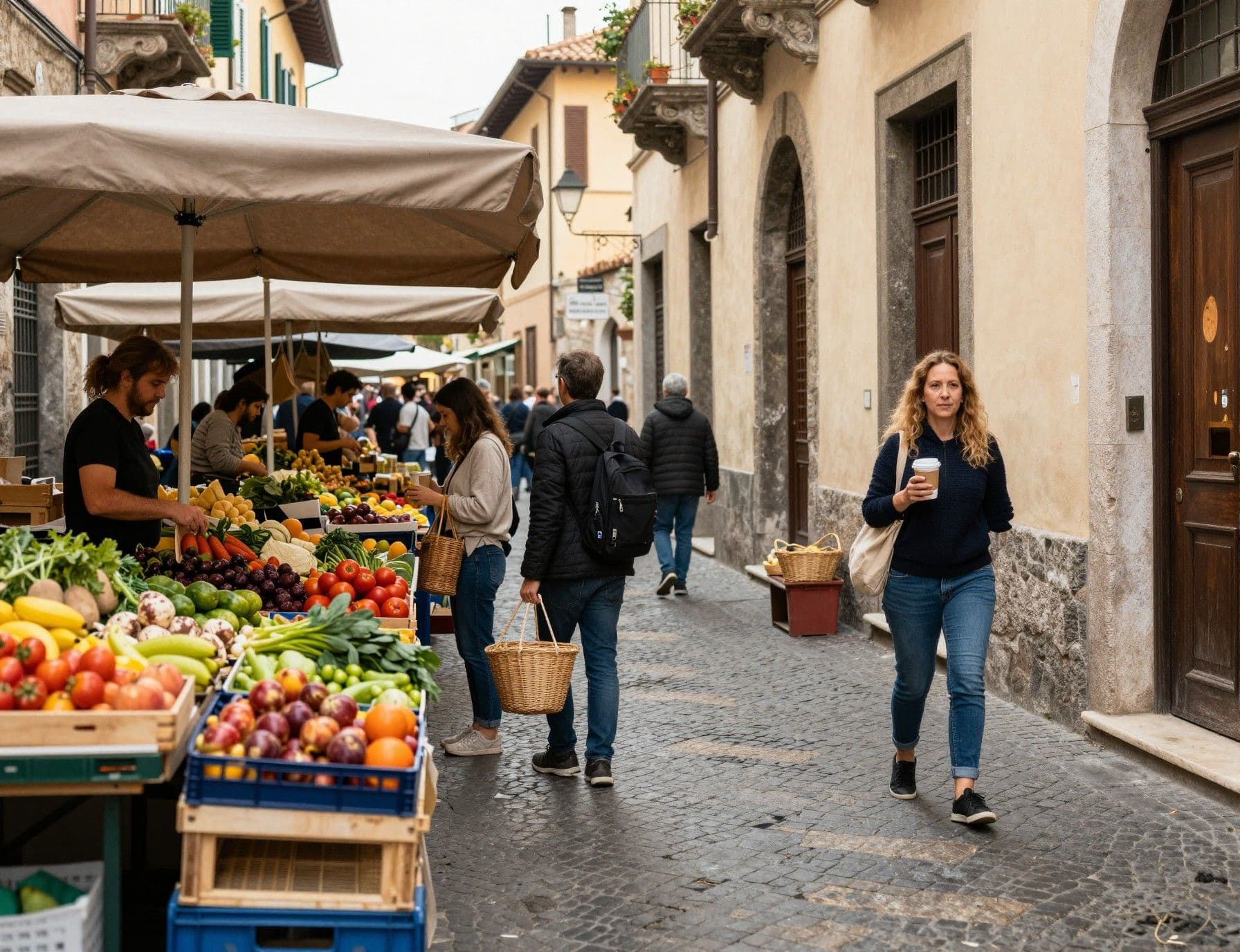
Daily life here moves at human pace. Mornings mean market runs for vegetables, late afternoons mean bar chats and passeggiata. In historic centres like Florence’s Oltrarno or Naples’ Chiaia you live among artisans and cafés; in suburban pockets outside Rome you trade that intimacy for space and calmer commutes. The physical texture — stone staircases, shuttered windows, small terraces — shapes how you work and play. If your day needs reliable internet and a peaceful desk, check the street-level scene before you fall for a photo.
Neighbourhood spotlight — Milan: Isola & Navigli
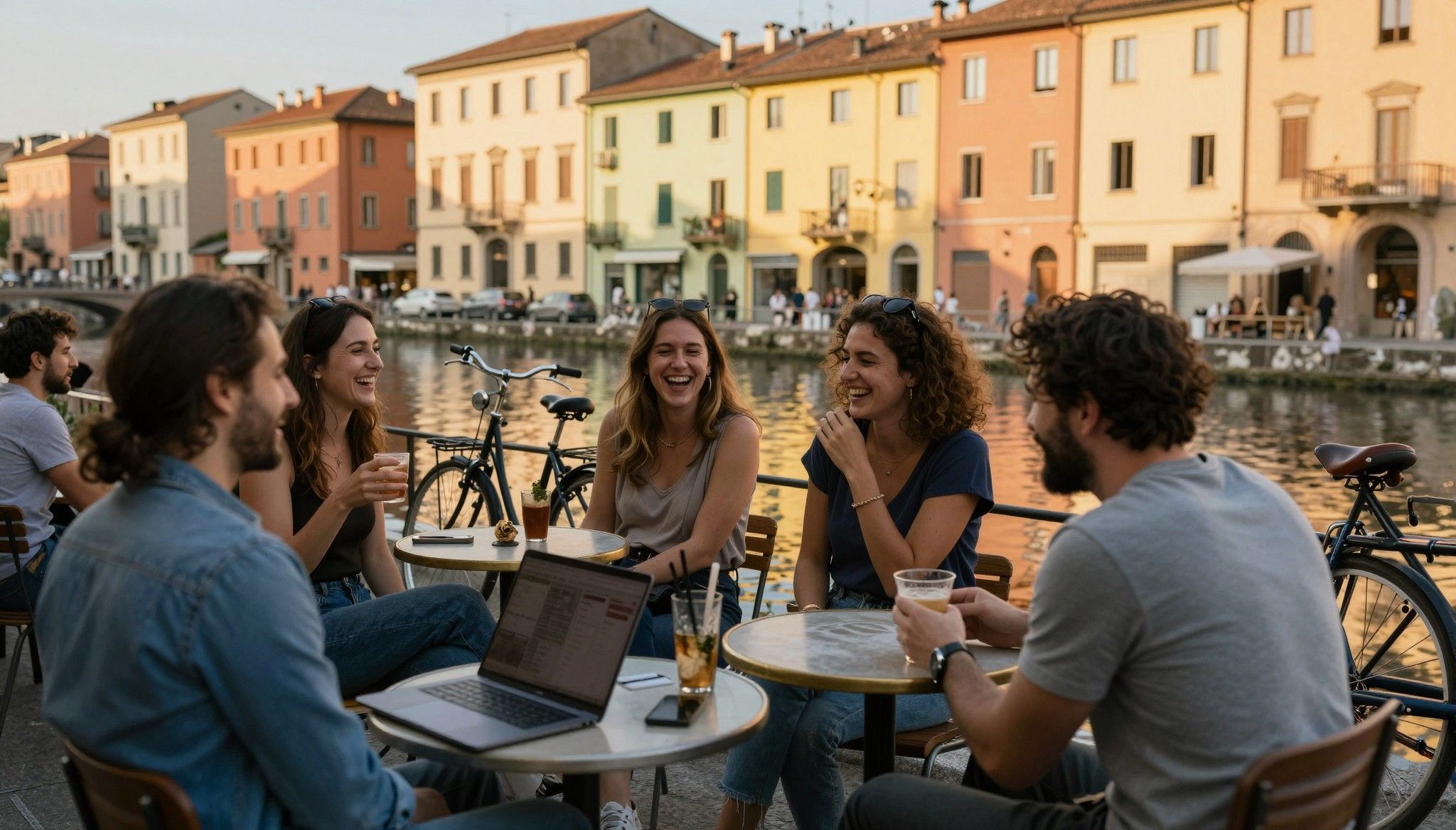
Picture working from a canal‑side café in Navigli, then hopping to a bright coworking loft in Isola where designers and startup founders gather. Milan’s north‑west pockets pack the best infrastructure for nomads: dozens of shared offices, fast cafés, and regular meetups. The neighbourhood hums on weekday mornings and turns lively at night with aperitivo culture — perfect if you want balance between focused work and social life.
Why it works: Isola gives access to metro lines and late-night food, Navigli gives canalside leisure and weekend markets. For buyers, small apartments with a dedicated corner for work or a convertible terrace are the sweet spot: not massive, but designed for living and remote work.
Food, markets and seasonal life
Markets are where you meet the place. Think Campo de' Fiori in Rome at dawn, fishermen selling octopus on the Amalfi coast, and tiny bakers in Turin who know your name. Seasonal shifts matter: summer brings beach crowds and short‑term rental demand; winter reveals real neighbourhoods where locals stay. If you crave authentic daily life, prioritize areas with weekly markets and year‑round cafés over tourist-heavy strips.
- Morning espresso at a bar on Via del Corso (Rome); weekend produce at Mercato Centrale (Florence); evening aperitivo along Naviglio Grande (Milan); seaside swims at Spiaggia dei Conigli (Lampedusa); Sunday passeggiata on Lungomare Trieste (Naples).
Making the move: practical considerations
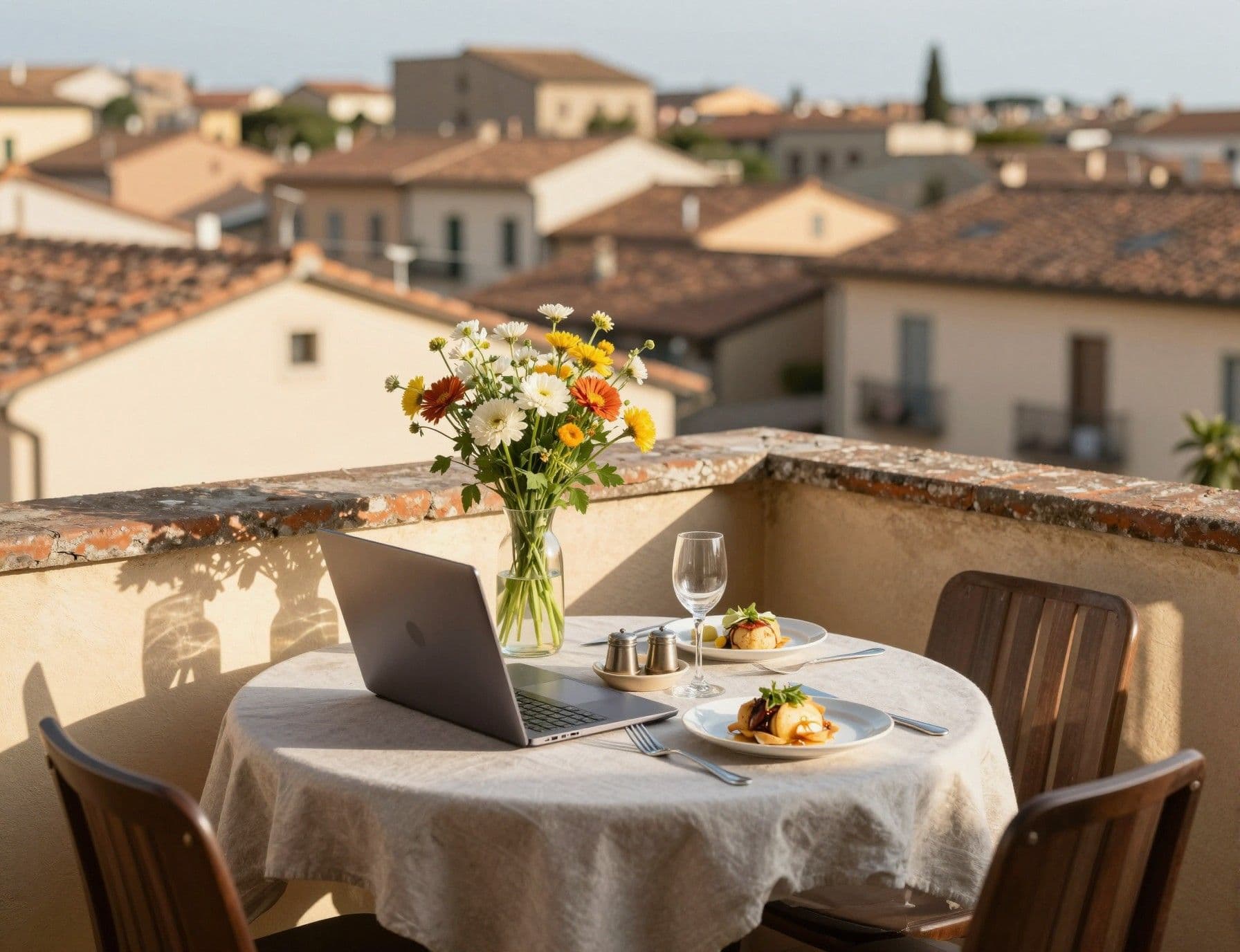
The dream has numbers behind it. Italy’s market saw increased foreign interest through 2025 and resilient activity in prime cities, with institutional investment also rising. That means choices — but also competition in hotspots like Rome, Venice and Lake Como. Translate lifestyle tradeoffs into checklist items: how close is the nearest coworking space, how noisy is the street in the evening, and does the apartment get stable broadband?
Property styles & how they shape daily life
From compact centro storico apartments to sunlit Puglian trulli and modern Milanese flats: each type changes how you live. Historic apartments have character (high ceilings, shutters) but may lack insulation and outdoor space. Modern builds offer elevators and parking but less charm. Choose by daily routine: if you work from home, prioritize light, an uncluttered workspace, and proof of reliable fibre optic lines.
Working with local experts who know the lifestyle
Local agents do far more than show houses — the right one knows which streets are quiet on Thursdays, which cafes have consistent Wi‑Fi, and which neighborhoods are becoming hubs for creative communities. Ask agents for walk‑through video of the apartment’s internet speed test, neighbours’ profiles, and a map of evening amenities. A cultural‑savvy agent will save you months of trial-and-error.
- 1) Request a live video showing midday and evening noise. 2) Ask for documented broadband speed tests. 3) Visit (or request) a local market tour to check daily life. 4) Get the agent to introduce you to a current resident for an honest take. 5) Confirm local council rules if you plan short‑term renting.
Insider knowledge: expat truths and red flags
Real expat life blends the romantic and the mundane. The new digital nomad rules (published 2024) make longer stays easier for many remote workers, but bureaucracy and family reunification can be slower than expected. Expect language bumps in local offices and prepare for slower service culture in small towns. These aren’t deal-breakers — they’re part of the rhythm — but knowing them ahead keeps the move joyful rather than frustrating.
Cultural integration, language and everyday community
Learn the local routine: say "buongiorno" at shops, get used to late dinners, and join community events — weekly markets, sagra festivals, or language tandems. Small gestures open doors. For families, scout international schools in Rome, Milan or Bologna; for solo nomads, find meetup groups and coworking spaces that hold regular socials. Community makes Italy feel like home.
Long-term lifestyle and practical watchpoints
Think beyond the first year: neighbourhoods evolve. Areas that feel young now may gentrify quickly — rising demand can be great for capital growth but change the community vibe. If you want stability, prefer established residential pockets with steady services. If upside and an energetic scene matter more, target emerging quarters near new transport links or university campuses.
- Check these before you buy: documented transaction history for the unit; building maintenance records; local council zoning for rentals; neighbours’ occupancy (owned vs. holiday lets); proven fibre optic availability.
Conclusion: Italy is a mosaic of irresistible daily lives — market breakfasts, late sunsets, and neighbourhoods where everyone seems to know one another. Match the lifestyle you want (busy city, surfer coast, quiet hill town) with property features that support remote work and community. Use a local, lifestyle-savvy agent to translate feelings into usable checklists. Then pack your bags and get ready to pick a street where the espresso always tastes like home.
Swedish, relocated to Marbella in 2018 to chase sun and property freedom. Focus on legal navigation and tax for Nordic buyers.