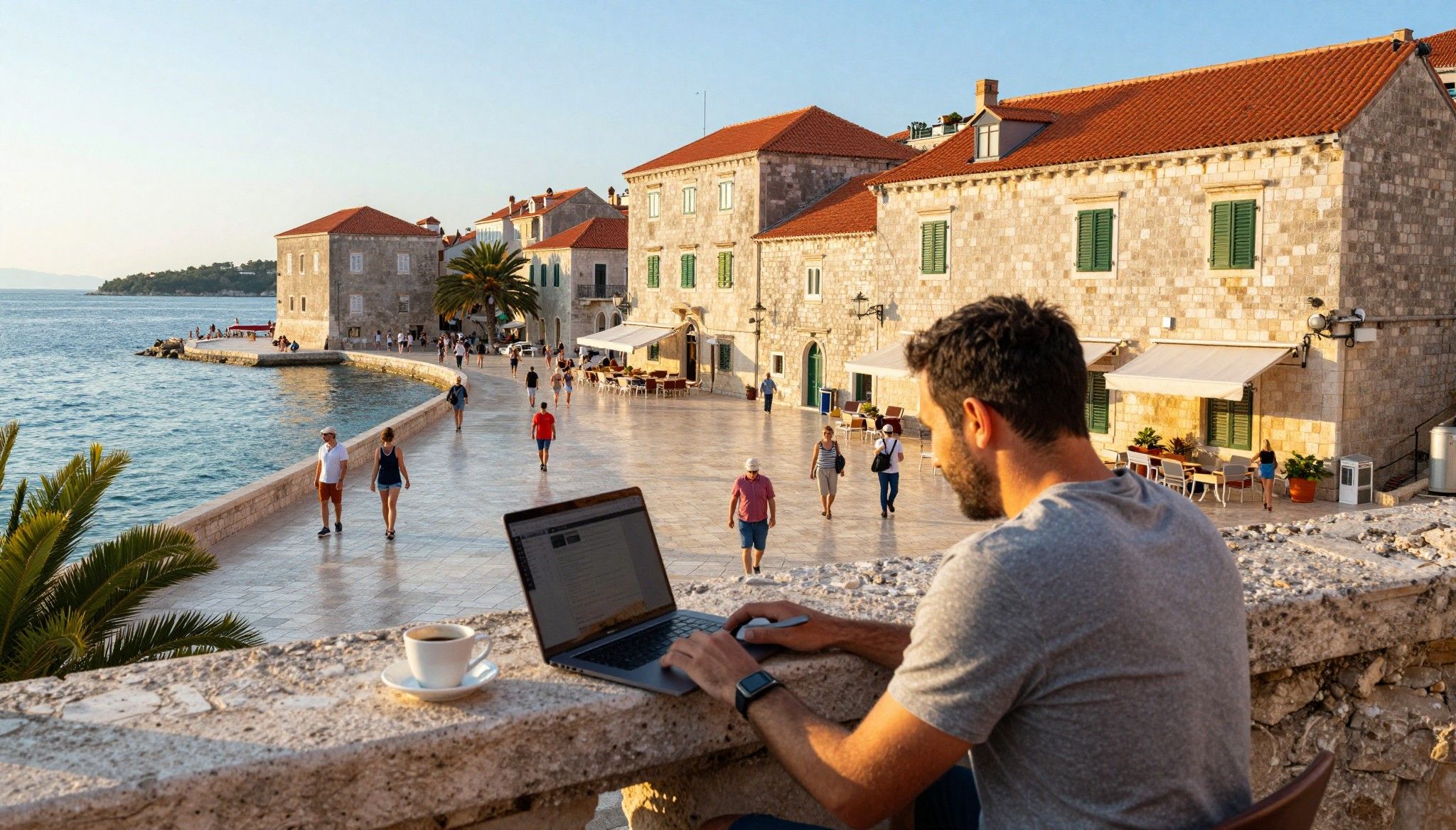
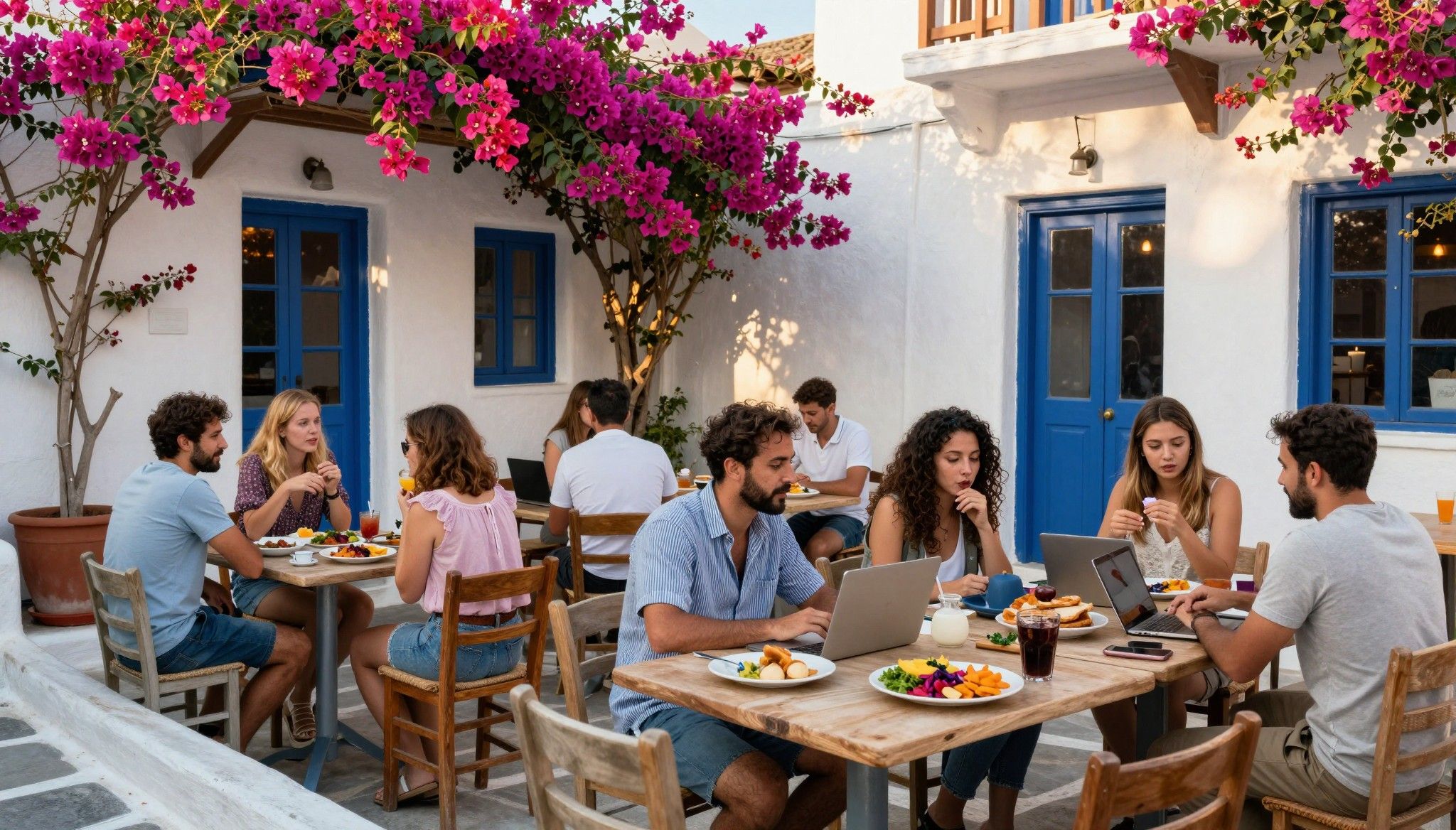
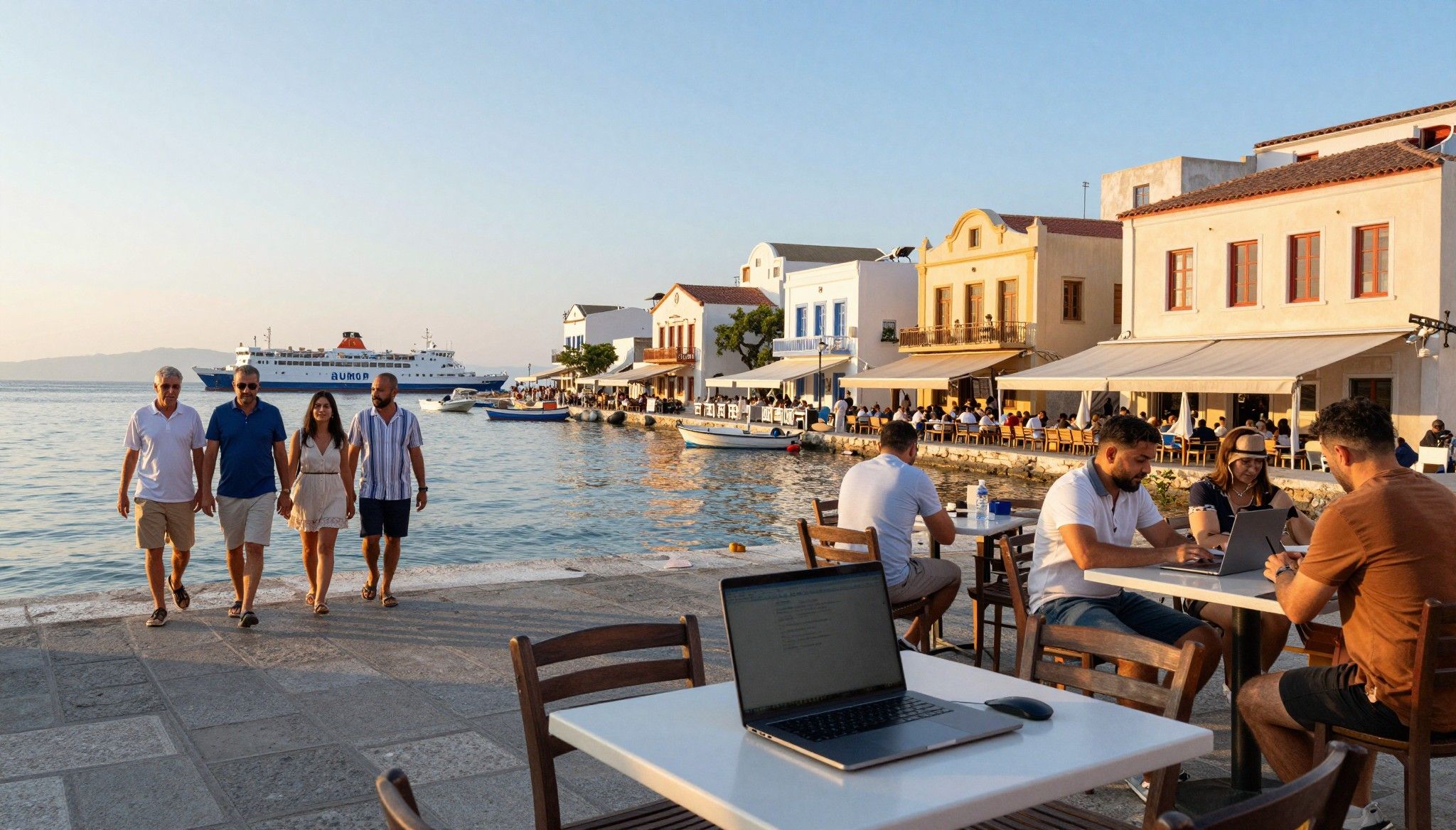
Italy Neighbourhood Vibe & Street‑Level Checklist
Fall in love with Italy’s daily rhythms — then lifestyle-proof your purchase with street-level checks, internet tests, and local-agent intel.
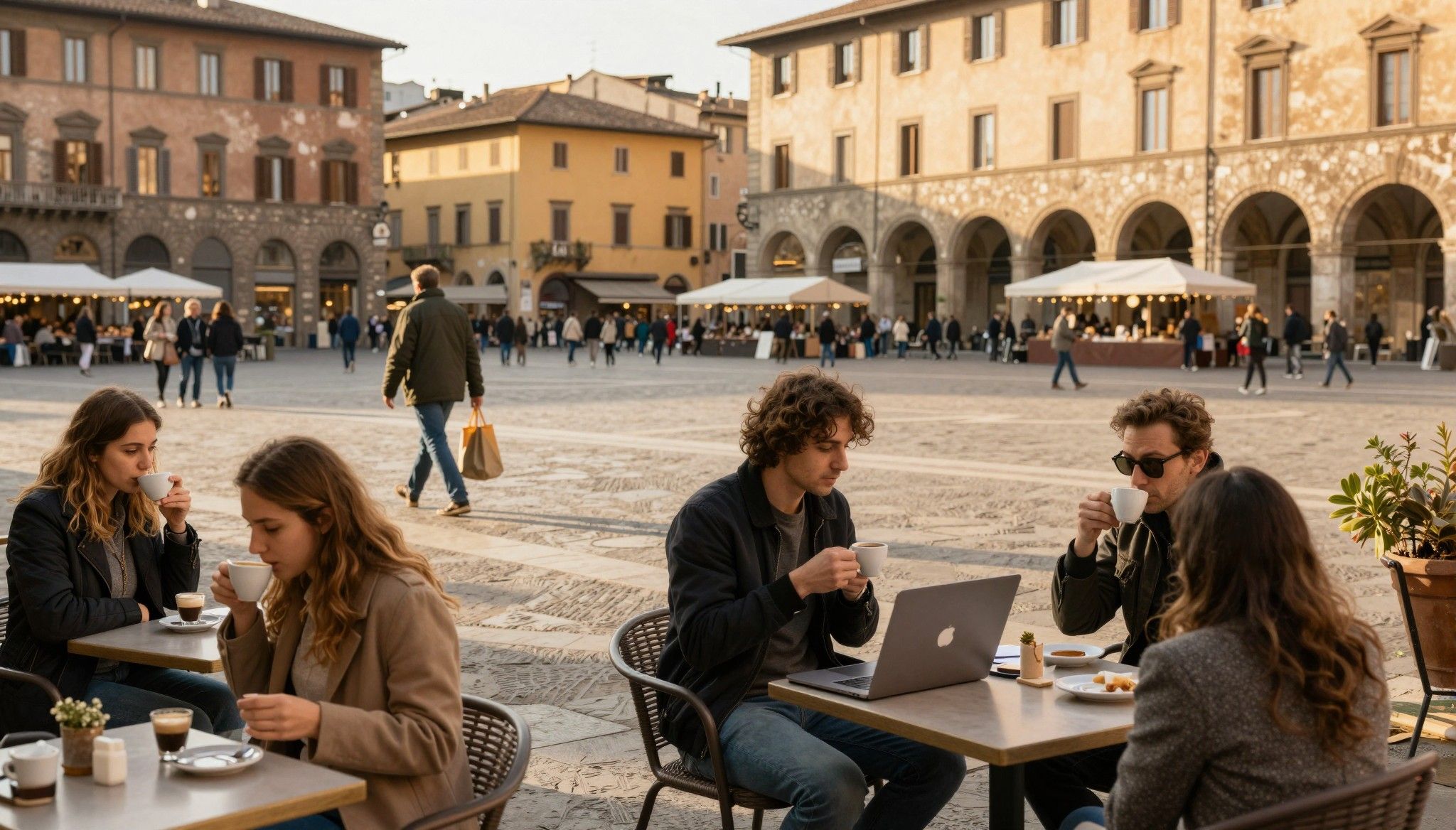
Imagine sipping an espresso on a sun-warmed piazza in Trastevere, cycling past ochre palazzi in Florence at golden hour, then closing your laptop in a Navigli canal-side café — and knowing your home base fits that rhythm. Italy isn't one life; it's a bouquet of lives. This guide helps international nomads fall for those daily scenes — and pick the neighbourhood that actually supports them.
Living the Italy lifestyle
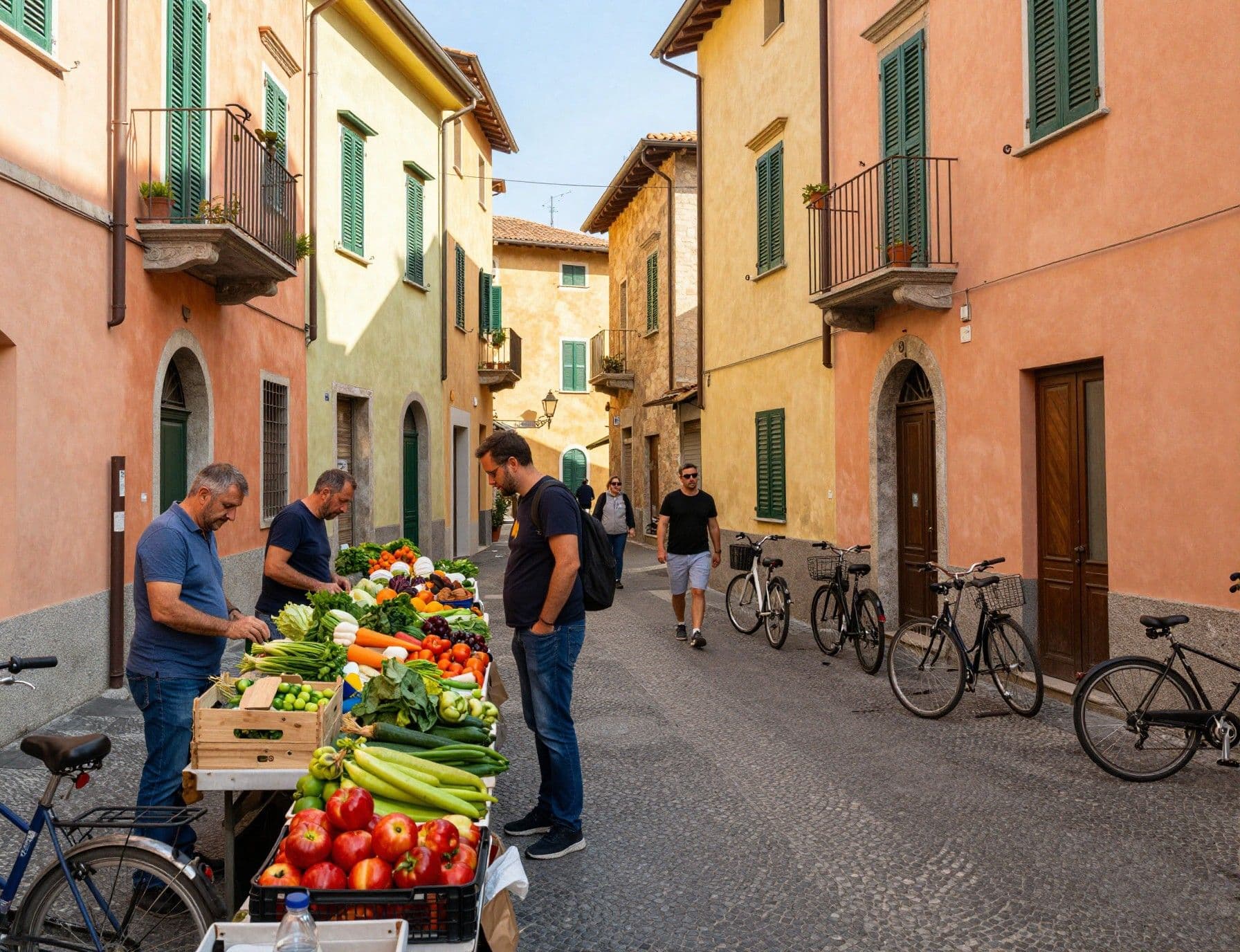
Italy moves at a human pace. Mornings mean barista banter and cornetti; afternoons are siesta-light and strolls; evenings unfurl around aperitivo and late dinners. Urban neighbourhoods pulse with street markets and tiny grocery shops, while coastal towns trade nightlife for sea breezes and slow sunsets. Recent market reports show growing foreign interest — but lifestyle fit, not price alone, determines long-term happiness. (See recent market notes.)
Rome: cobbles, contrasts, and pocket neighbourhoods
Picture Trastevere’s narrow lanes and buzzing trattorie for evenings out, then Prati’s broad avenues and family-friendly parks for quieter days. If you crave Roman ritual — morning market at Campo de' Fiori, evening passeggiata along the Tiber — choose a pocket neighbourhood where cafes, greengrocers and a reliable metro line coexist. Safety is local: many central Rome streets feel lived-in and safe at night, but check lighting and foot-traffic on the specific block.
Milan & North: fast, fashionable, work-first
Milan is Italy’s business engine. Expect smarter public transport, denser coworking options in Porta Nuova and Isola, and higher per-square-metre prices — Milan can feel like a long-term career move as much as a lifestyle one. Choose Navigli or Brera for canal-side cafés and creative energy, or Porta Romana for quieter residential streets with solid broadband.
- Lifestyle highlights to chase in Italian neighbourhoods
- Morning espresso rituals at a neighbourhood bar (e.g., Caffè Greco in Rome or Pavé in Milan)
- Weekly outdoor markets (Florence’s Mercato Centrale, Palermo’s Ballarò) for cooking at home
- Coworking day passes — try hubs in central Milan or co-living spaces on the Amalfi Coast for seasonal work-life balance
Making the move: practical lifestyle-proof checks
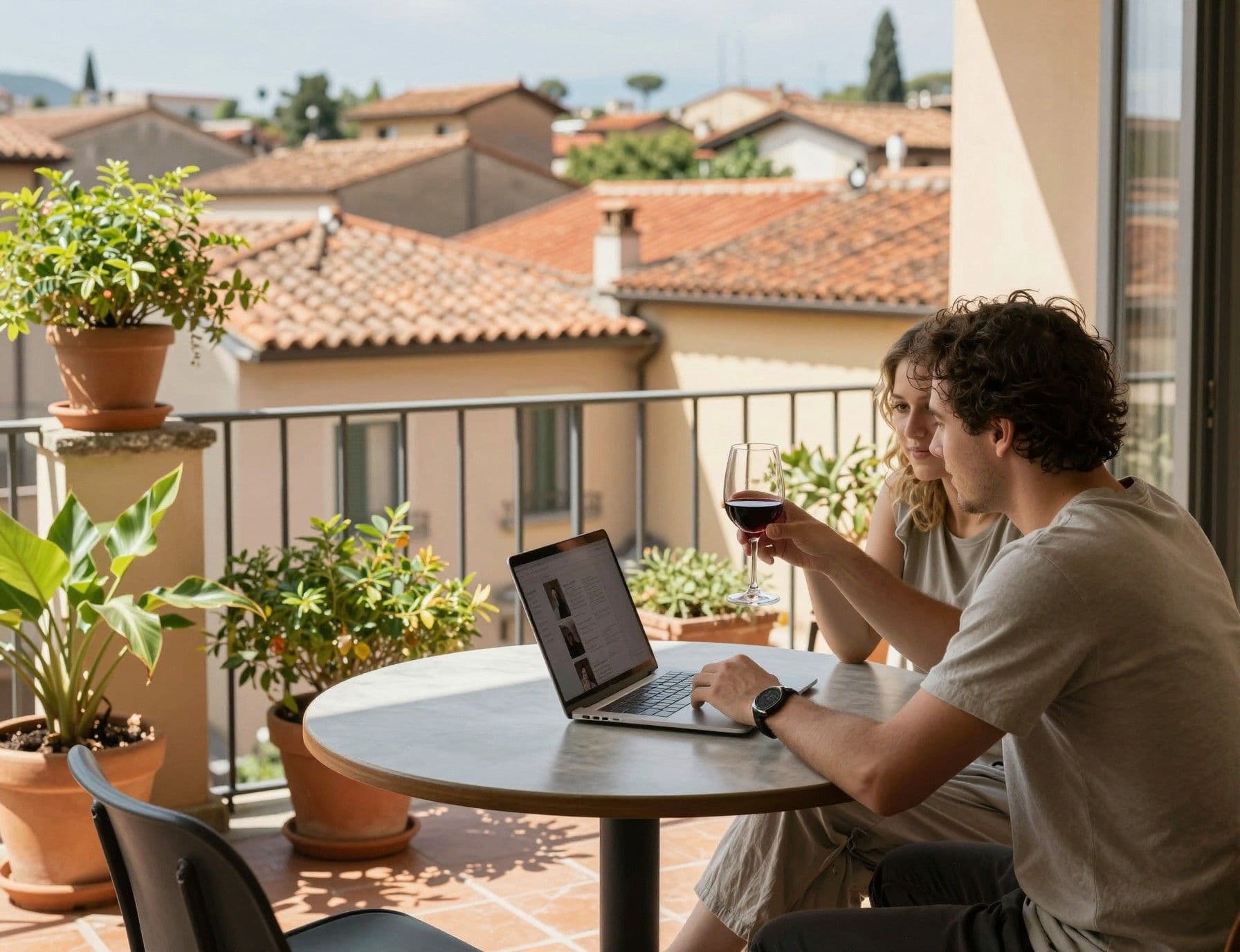
Falling for a piazza is easy; locking a lifestyle-friendly purchase takes a checklist. Start with internet speed, then layer on commute times, grocery access, and local noise rhythms. Use an Italian buying guide and local agent to translate lifestyle wants into concrete property features — balcony orientation, quiet courtyards, built-in shutters for summer heat, or insulation for hilltop winters.
Property styles that suit a nomad life
If you’re remote-first, aim for sunlit bedrooms that double as calm work nooks, reliable fiber or 4G backup, and communal entryways with neighbours who look out for one another. In cities, restored palazzo flats give charm but can lack elevators; modern conversions in peripheral blocks trade character for convenience and parking. On the coast, terraces and shutters win over marble floors if you plan long summers outside.
How local experts help preserve the lifestyle you bought into
A local agent who knows the neighbourhood rhythm points out noisy evenings, garbage-collection schedules, and which streets flood after heavy rain. They’ll advise on renovation permits, seismic upgrades (important in some regions), and realistic rental demand if you plan to list nights or months. Use their street-level intel to match a property’s bones with how you want to live.
- Steps to lifestyle-proof a purchase
- Check fixed-line and mobile speed on the exact address; test with a week-long SIM or temporary coworking membership.
- Walk the route you’d commute at 8 a.m. and 6 p.m. on a weekday, and on a weekend evening — time it.
- Ask neighbours about seasonal noise (tourist influx in summer, market days) and check municipal websites for event calendars.
- Confirm local services: proximity of a pharmacy, post office, and a versatile grocery; these matter more than a bigger living room.
Insider knowledge: expat truths and myth-busts
Real talk: some myths glue decision-makers to wrong assumptions. Not all coastal towns are overpriced; inland Puglia villages often offer far more living value. Flood risk doesn't automatically wipe out prices — repeated exposure does — so check historical events, not just a single chart. Local knowledge beats glossy listings every time.
Making friends, not just neighbours
Join language cafes, volunteer at a market stall for a morning, or take a weekly cooking class. Small rituals — the same barista, the same Saturday market — build belonging. Seek neighbourhoods with active community groups (check local Facebook groups or Meetups) rather than transient tourist pockets if long-term social life matters.
Long-term reality: seasons, maintenance, and resale
Think seasonally: many coastal towns quiet down for winter; heating costs and maintenance cycles differ dramatically between alpine and Mediterranean zones. Ensure loft insulation or air-conditioning as appropriate. Also, check resale appetite in the micro-market — some villages see steady investor interest while others depend on seasonal tourism.
- Key red flags to watch for before you sign
- Unclear property paperwork or missing cadastral maps — push for full documentation and a notary review.
- No local references for renovation work or agents who avoid direct neighborhood introductions.
- Promises of rental yields without comparable local listings or occupancy rates.
Conclusion: Italy is a lifestyle-first purchase. Start with where you want to spend Saturdays, then translate that scene into the property features and neighbourhood checks above. A trusted local agent plus one week living test (co‑working pass, local SIM, guided walks) will save months of buyer’s remorse. Fall in love deliberately — and bring an expert who knows the street.
British expat who moved from Manchester to Mallorca in 2017. Specializes in market analysis and helping fellow Brit navigate local regulations.