Buy Where You’ll Live: Italy’s Neighbourhoods That Outshine Hype
Italy’s real estate mix rewards lifestyle-first choices: modest national price growth, strong city demand, and micro-neighbourhood value gaps — buy where life fits you.
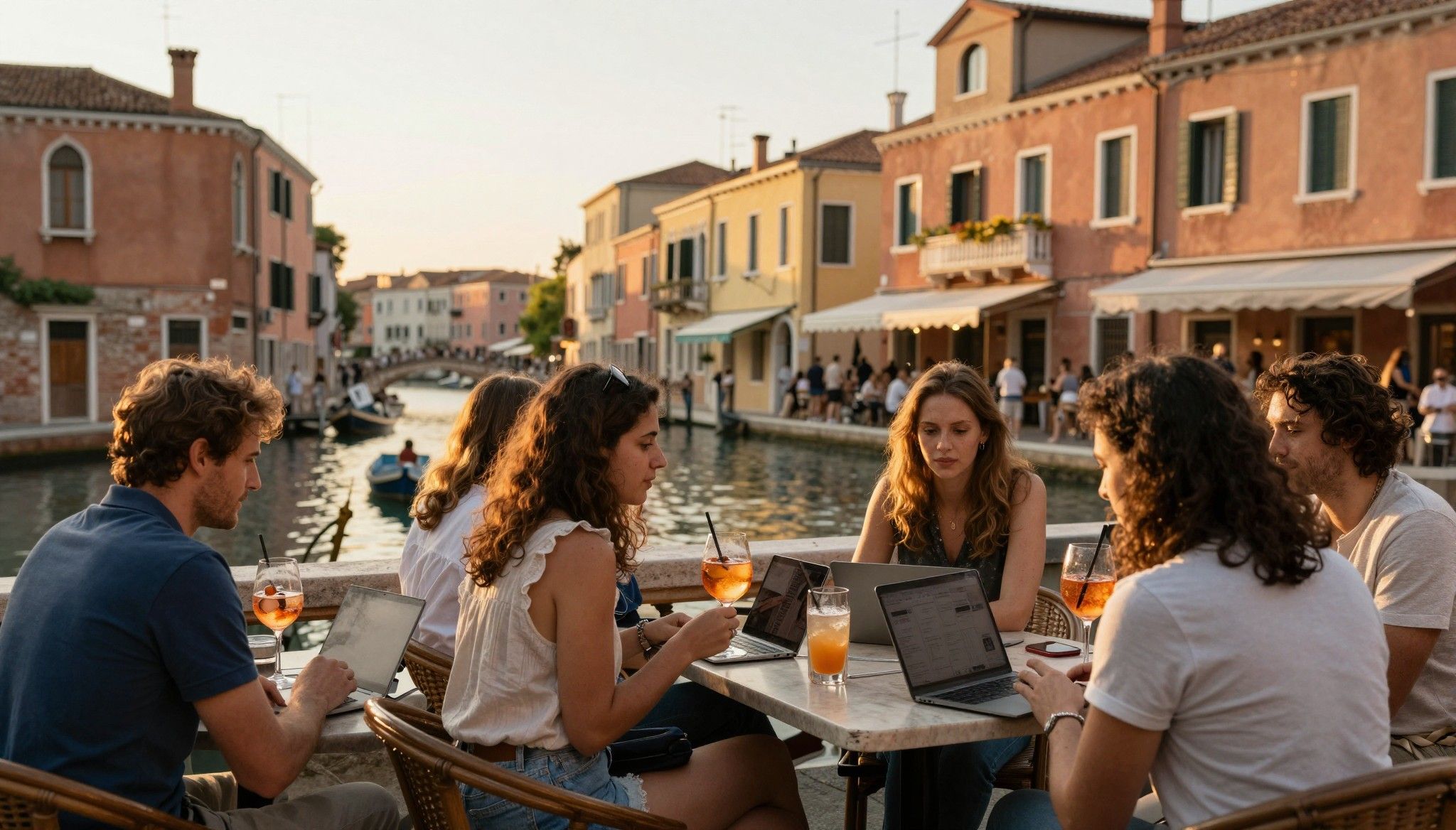
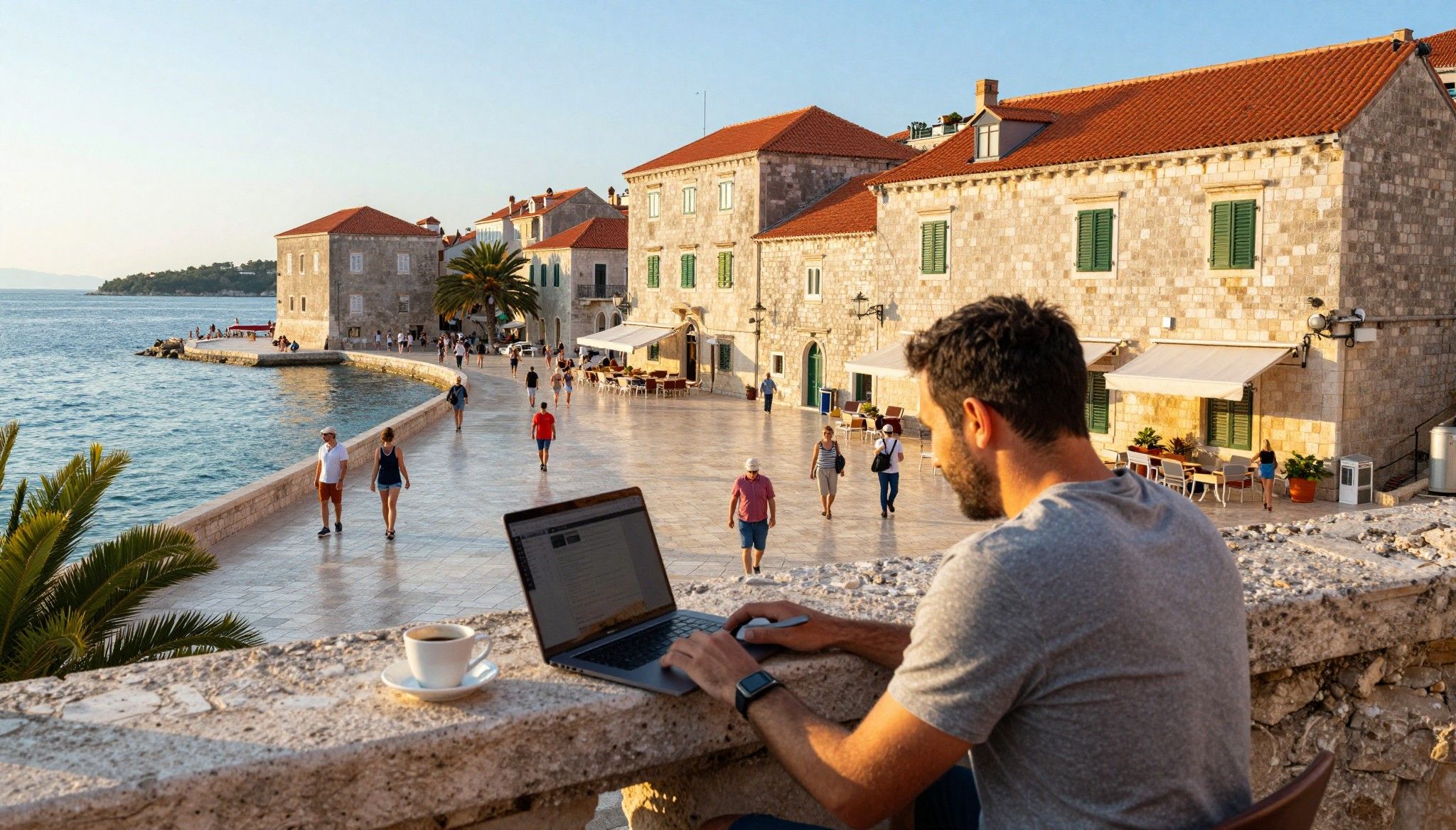
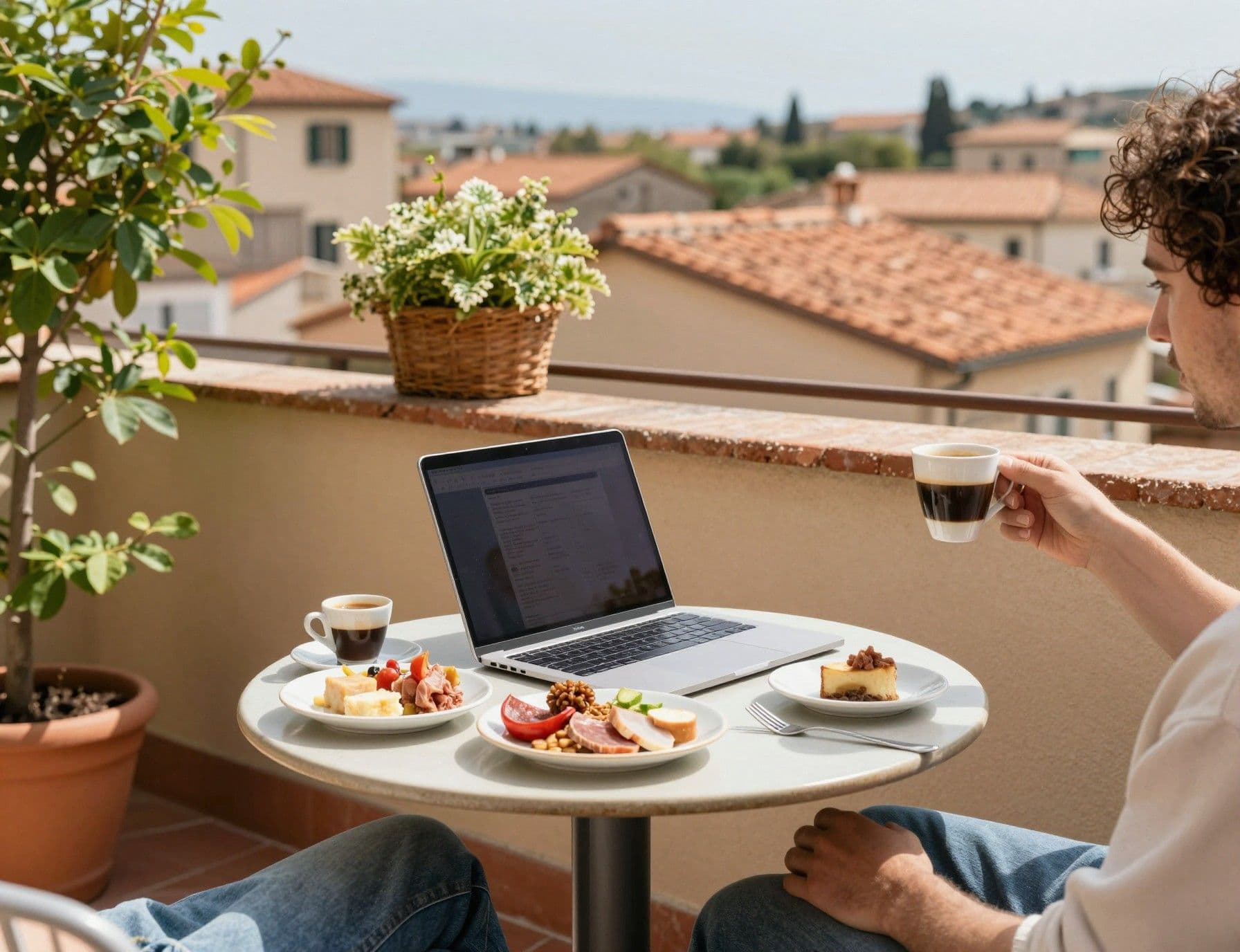
Imagine stepping out at dawn for an espresso on a narrow cobbled street, then opening your laptop at a sunlit cafe with the Duomo or the sea in view. Italy feels like a series of slow mornings, loud markets, and long dinners — and that rhythm shapes where people buy. For international nomads, that daily texture matters as much as price per square metre. Recent market trends also matter: demand is steady and prices are rising modestly, so lifestyle choices and timing affect both happiness and value.
Living the Italian Life — What You Wake Up To
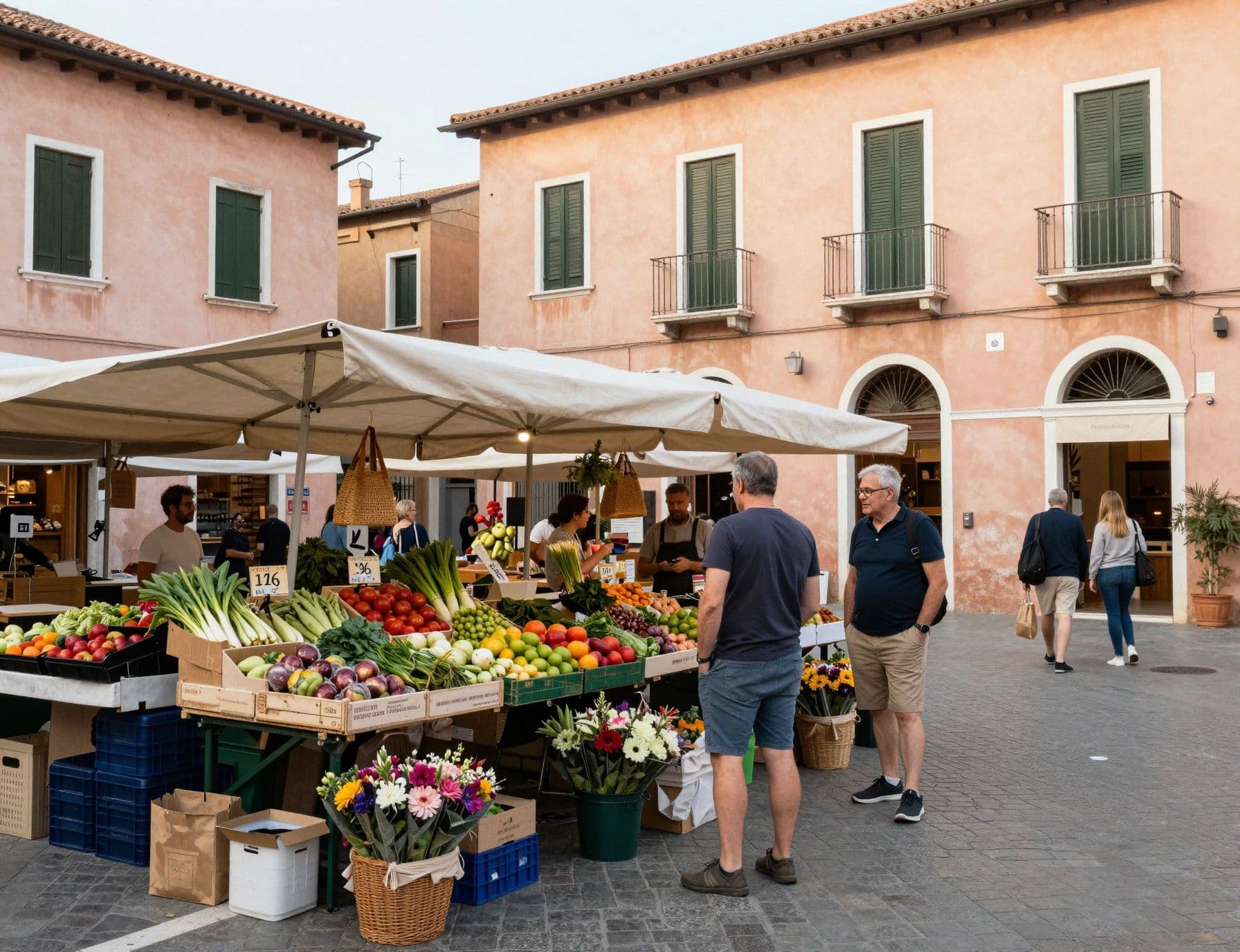
Italy is not one mood but many: Milan hums with espresso-fueled workdays and sleek design, Bologna smells of ragù and university life, coastal towns offer salt air and slow afternoons, while hilltop villages trade traffic for sweeping views. If you crave morning markets, head for Mercato di Campo de' Fiori in Rome or Mercato Centrale in Florence. If you want surf and sunsets, scouting Liguria or Puglia neighborhoods changes your calendar from boardrooms to beaches. Knowing which daily scenes you want will determine the type of property and the neighborhood you should target.
City-by-city vibe: Where locals actually live
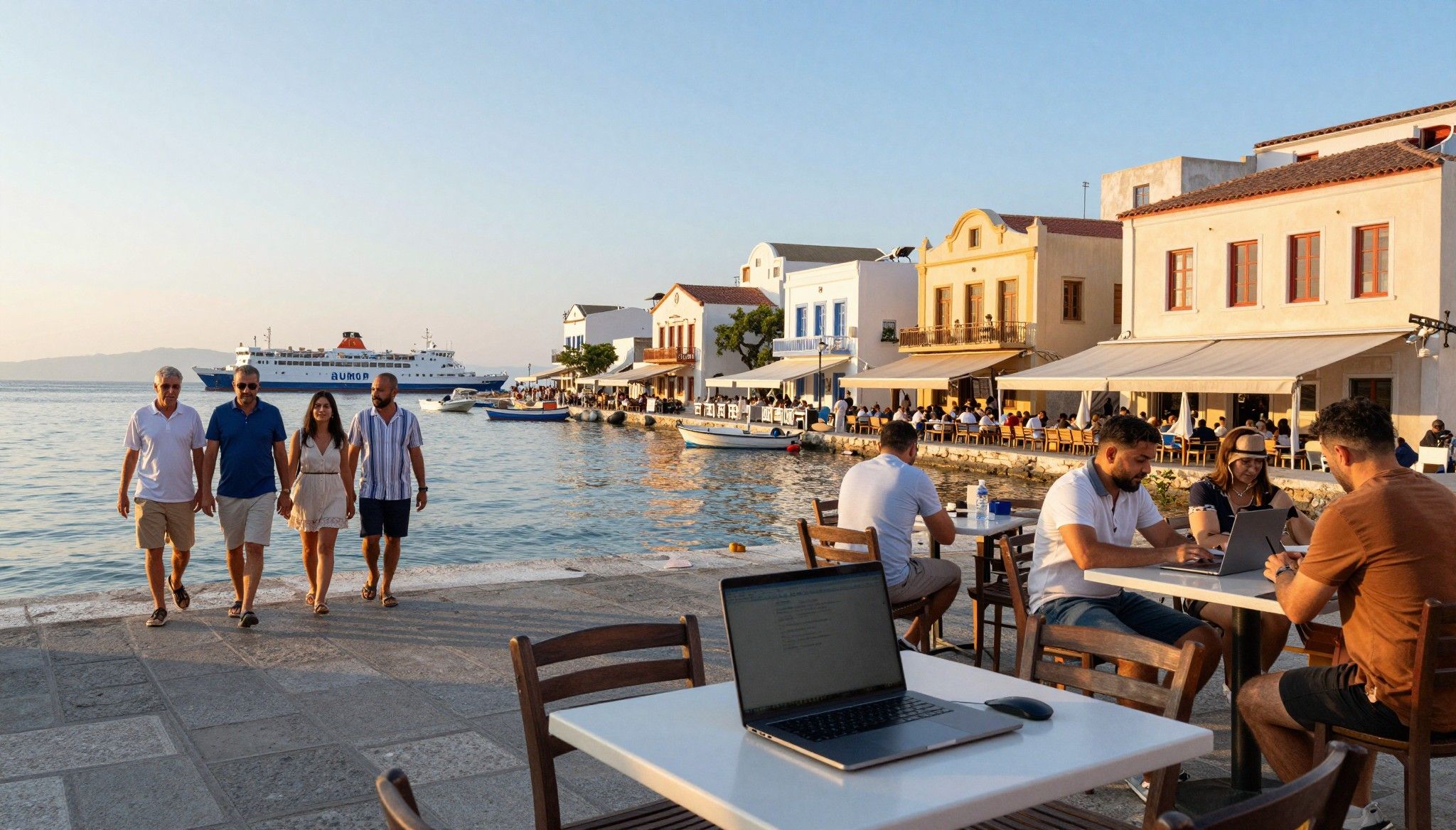
In Milan, try Navigli for canal-side nightlife or Isola for coworking and creative energy; in Rome, Trastevere delivers medieval streets and aperitivo culture while EUR offers quieter residential blocks. Florence’s Oltrarno keeps artisan shops and quieter piazzas, perfect for slow afternoons and studio space. For a coastal nomad life, Procida’s pastel lanes or Polignano a Mare’s clifftop terraces feel like living inside a postcard. These are the streets where neighbors know each other and where daily routines — from bakery visits to evening passeggiate — become part of your life.
Food, markets and the social calendar
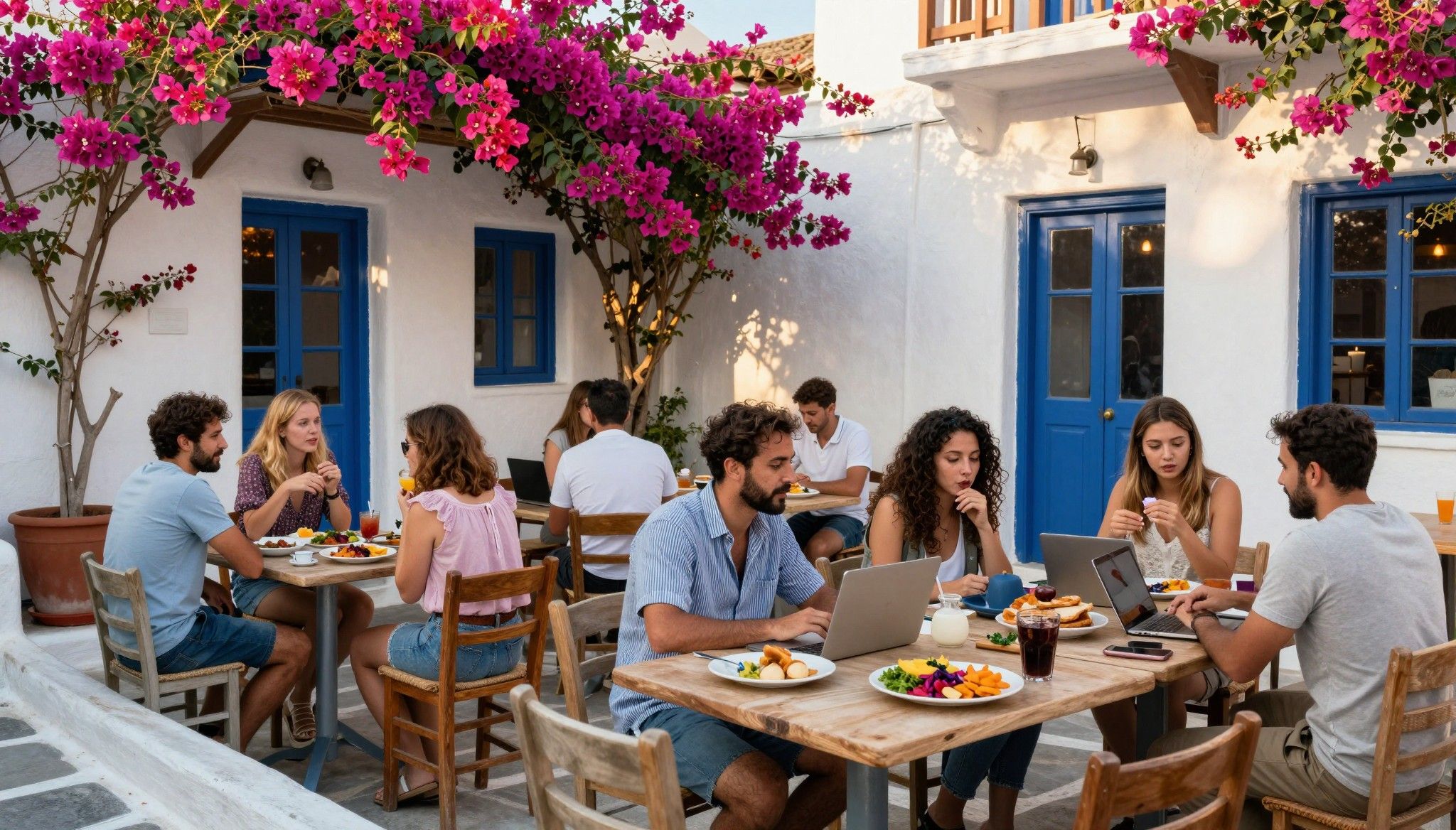
Picture buying vegetables from a vendor who remembers your name, joining a trattoria’s weekly pasta night, or picking up fresh focaccia at the Saturday market. Seasonal rituals — olive harvests in Tuscany, truffle fairs in Piedmont, sagra nights in small towns — give life to neighborhoods. Nightlife is local: cocktail bars in Milan, wine bars in Verona, and seaside seafood shacks in Sicily. Those rhythms influence property choice: you’ll want a kitchen if you cook with market produce, or a terrace if evenings are social.
Making the Move: Practical Living Meets Property Reality
Dreams meet figures here. Italy’s housing market has shown modest growth and resilience: national price indices rose year-on-year, while forecasts suggest slow, steady increases rather than sudden spikes. That means lifestyle-driven choices often win over speculative gambles — buy where you want to live, not where you expect a quick flip. Work with data, but let the daily life picture guide neighborhood selection.
Property styles that fit the nomad life
Stone apartments in historic centres promise immediate atmosphere yet often have quirks: small windows, narrow staircases, and strict heritage rules. Newer builds on city outskirts give light, lifts, and fast fibre — better for home offices. In coastal and rural areas, look for terraces, covered loggias and outdoor kitchens; winter insulation matters more than you’d expect in hill towns. Match the property’s physical layout to your daily routine: workspace, reliable internet, and peaceful evenings.
How to blend lifestyle needs with buying steps
- Identify what daily life requires (quiet workspace, terrace, market access). Contact a local agency with expat experience and good reviews — ask for examples of similar client stories. Arrange a short scouting trip timed to local life (market day, weekday mornings, and an evening out). Prioritize internet speed and coworking proximity as non-negotiables for remote work. Include a flexible renovation budget if you crave a kitchen or workspace overhaul.
Insider Knowledge: The Unsaid Rules of Italian Neighbourhoods
Expat lessons come fast: don’t assume 'central' equals convenient, and don’t dismiss a neighborhood just because it’s quieter. Many buyers waste time chasing headline districts when nearby lesser-known streets offer better value and local life. Investment flows into Italy remain strong, particularly in cities, so offering quickly and with local knowledge pays. Agencies that know micro-neighbourhoods and local sellers are your secret weapon.
Cultural cues that change how you live
Italians prize close-knit streets and weekday rituals: bakeries open early, many shops close mid-afternoon, and Sundays can be surprisingly quiet outside tourist hubs. Learning a few Italian phrases, respecting hours, and showing interest in local traditions opens doors. For families, proximity to parchi and schools in neighborhoods like Parioli (Rome) or San Frediano (Florence) matters more than glamorous views. Social integration often improves quality of life more than square metres do.
Practical red flags and local checks
- Ask for recent condominium minutes (spese condominiali can be high). Verify heritage restrictions on renovations in historic centres. Check internet options — not all old buildings support fibre without work. Confirm local zoning if you plan short-term rentals; rules vary by comune. Get a neighbourhood sound check: late-night activity can differ block-by-block.
In Italy, life transforms slowly but richly: markets, festivals, and neighborhood cafes become the backdrop for daily work and play. For nomads, Italy offers great internet speeds in many cities and abundant coworking options, but the best fit comes from matching micro-vibe to your routine. Book a two-week live-test stay, use a local agency that shows you real days (not staged viewings), and plan a renovation buffer for making the place yours. Buy for the life you want, supported by local experts who know how to turn neighbourhood charm into a sustainable daily rhythm.
Norwegian who has helped 200+ families relocate from Oslo to Spain; expert in relocation services and community integration.