Buy the Life: Italy Neighbourhoods That Match How You’ll Live
Italy’s neighborhoods are lifestyle blueprints—pair sensory walks with market data, speed tests, and neighborhood‑savvy agents to buy the life you want.
Imagine this: a narrow cobblestone lane in Trastevere where a barista knows your name, a sun-drenched terrace in Puglia for weekend cookouts, and a Milanese coworking filled with young founders at 9 a.m. Italy feels like living inside a slow, delicious story — and yes, you can make that story your daily life.
Living the Italian lifestyle
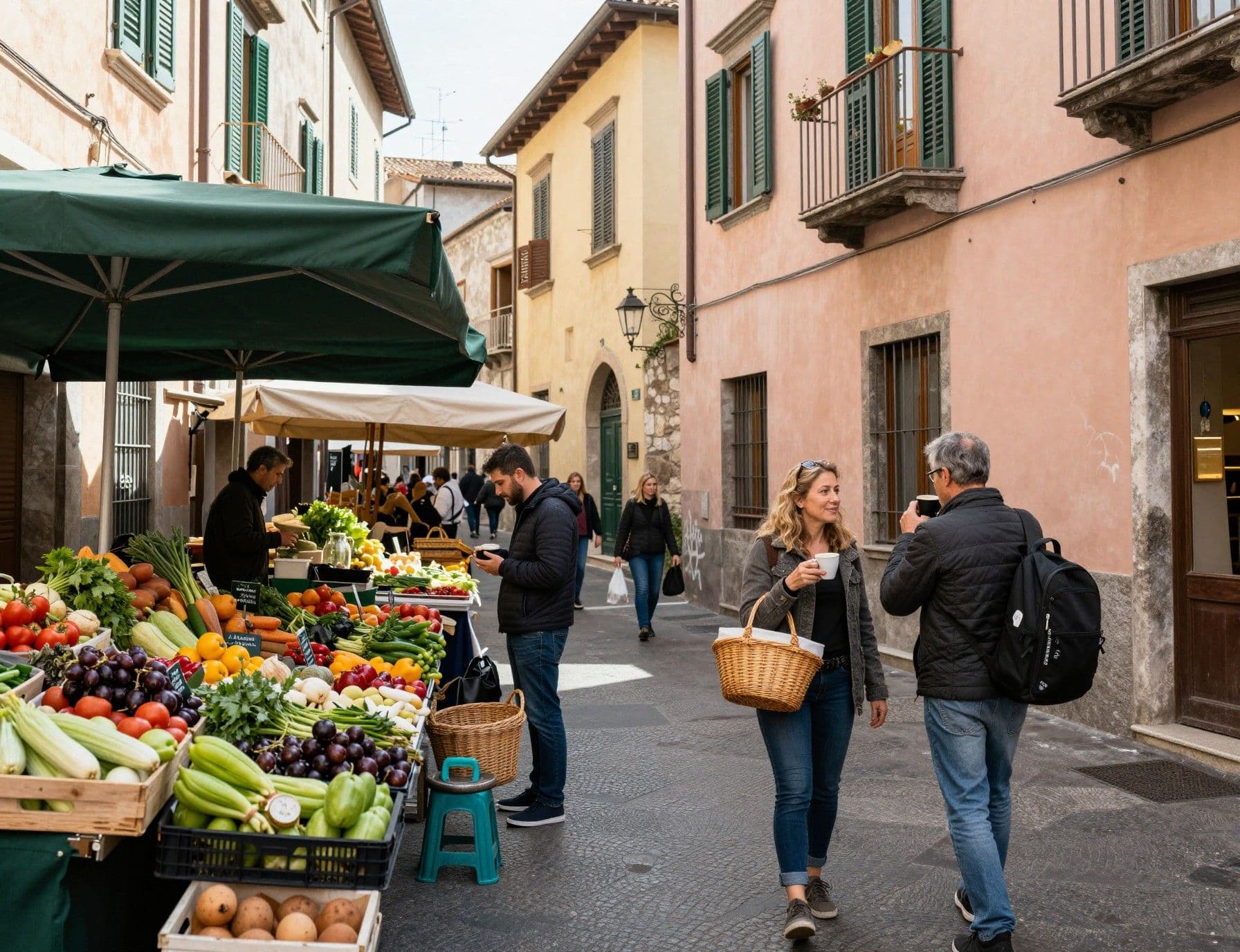
Daily life in Italy is tactile: you’ll taste seasons in markets, hear scooters thread historic streets, and find long lunches are still a thing. Cities pulse differently — Milan moves fast, Bologna hums with food culture, Rome balances ancient and chaotic, while coastal towns trade bustle for slow beach rhythms. These textures shape the kind of property you’ll want: a compact apartment for piazza life, a country house for produce gardens, or a seaside flat with a balcony for aperitivo sunsets.
Neighborhood spotlight: Trastevere, Navigli, Brera
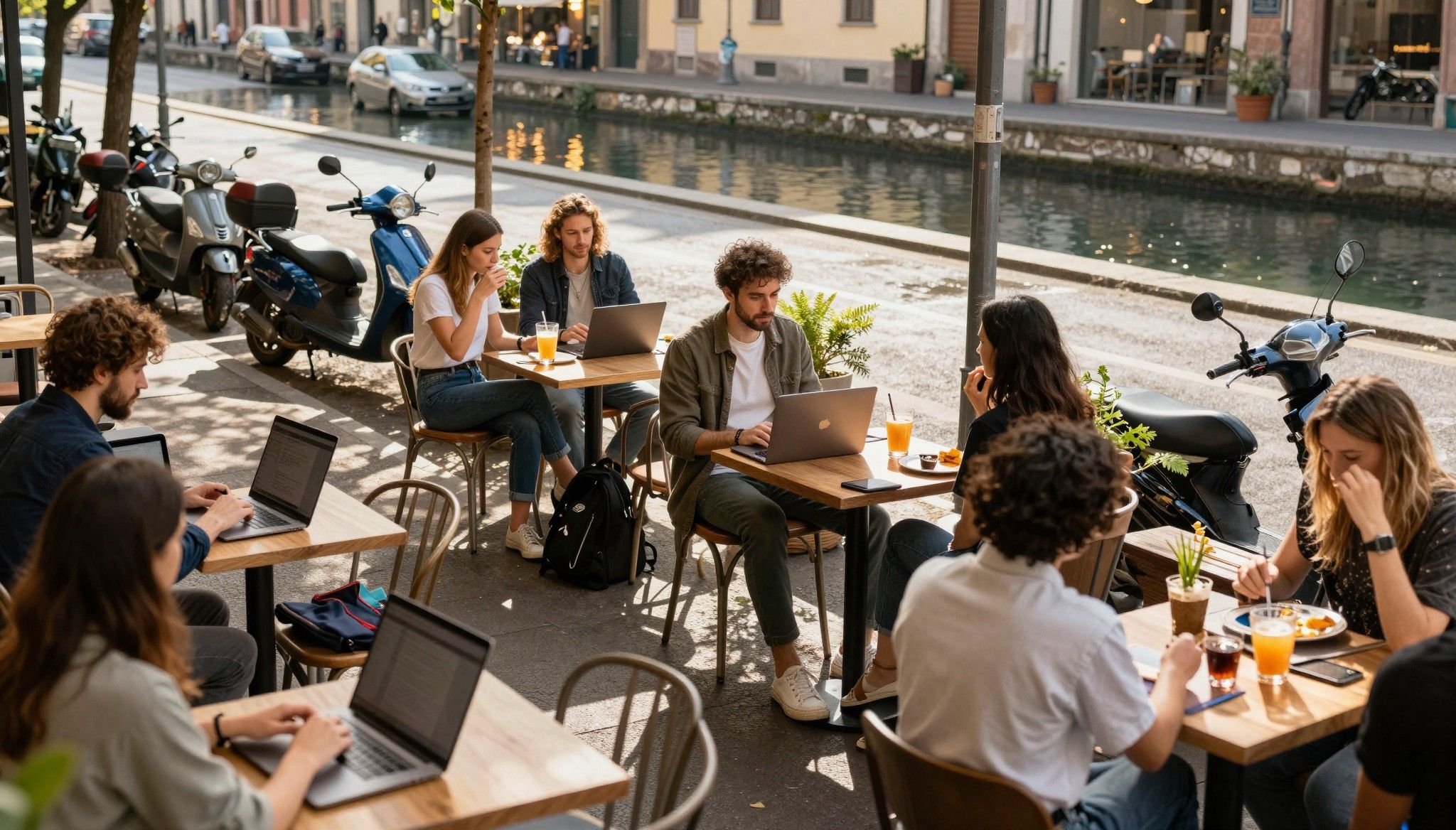
In Rome’s Trastevere, expect ivy-draped buildings, tiny osterie, and alleys that come alive after 7 p.m. Milan’s Navigli offers canalside cafés and evening aperitivo culture — perfect if you want cafés doubling as work spots. Brera is for art-lovers who want cobbled streets, galleries and quieter mornings. Each neighborhood’s vibe matters more than headline prices: you buy into a rhythm as much as a roof.
Food, markets and the everyday social life
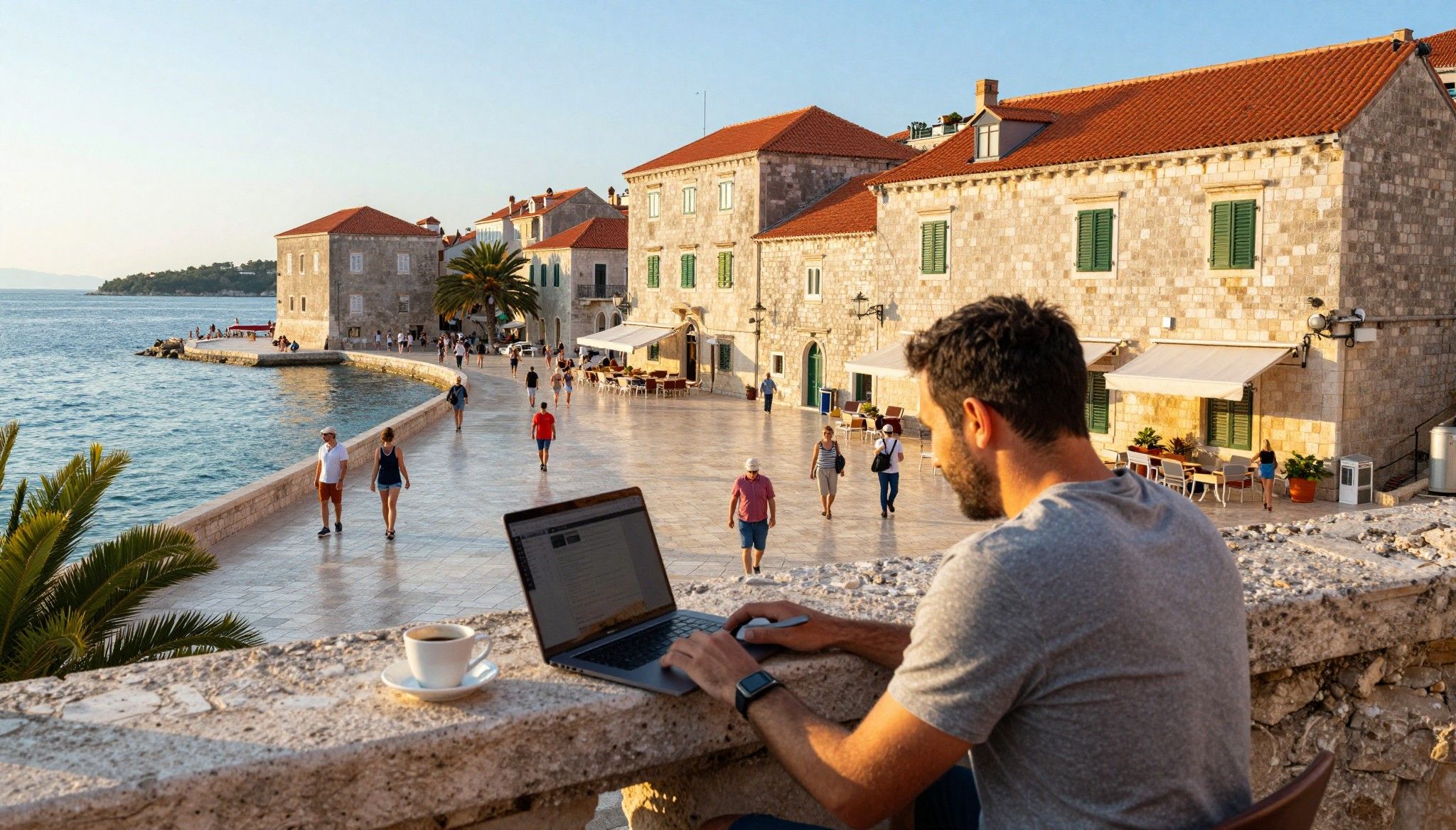
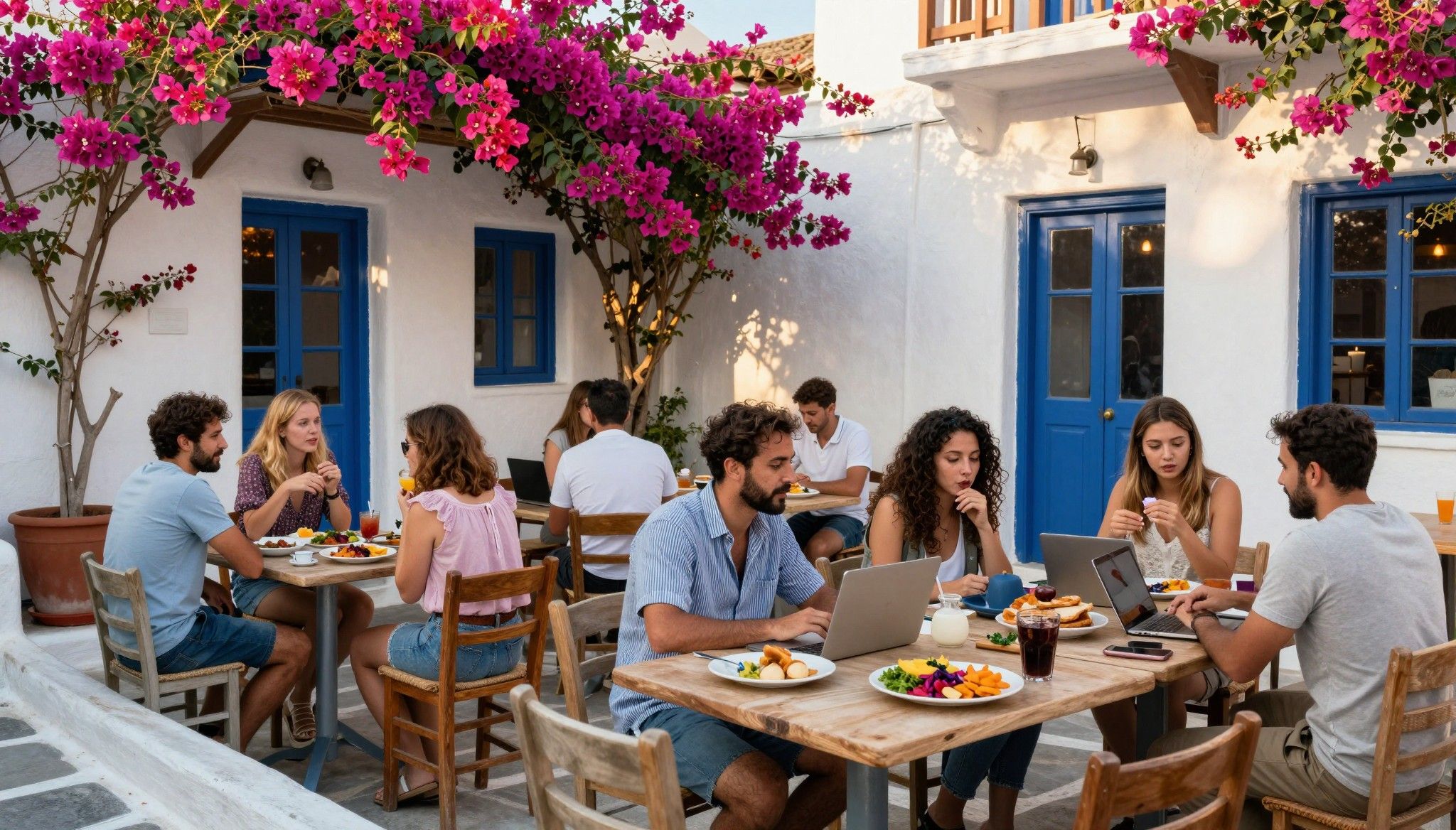
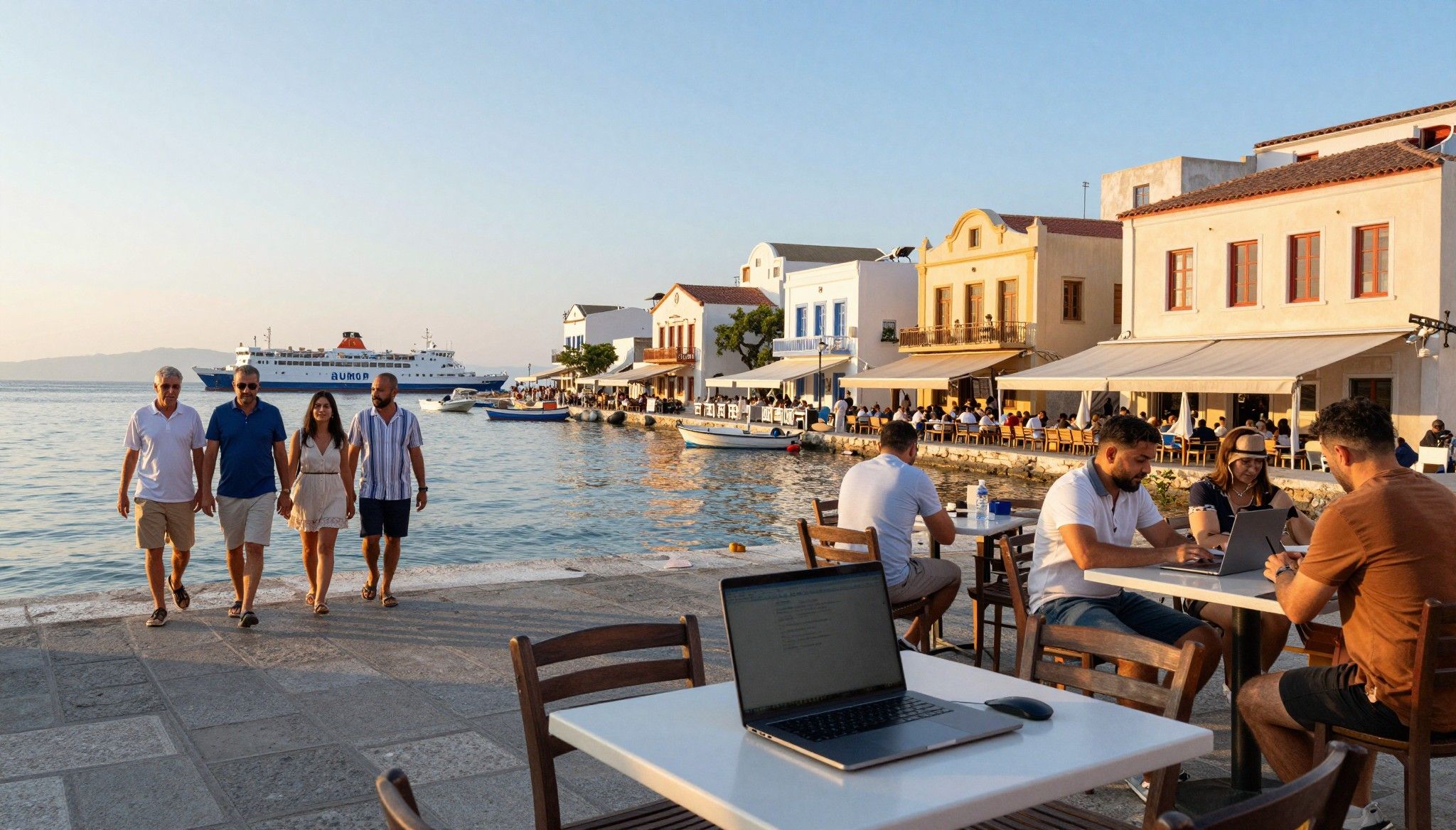
Picture wandering a Saturday mercato — stalls heavy with citrus, fresh burrata, and whole fennel — then settling at a café with an espresso and your laptop. Italy’s social life centers on food and place: neighborhood bars, the market vendor who remembers you, and evening passeggiate. For remote workers, cities like Milan and Rome now pair this lifestyle with growing coworking scenes and reliable cafés with decent Wi‑Fi.
- Walkable piazzas and daily markets in historic centers
- Canal-side café workspaces in Navigli and Venetian sestieri
- Sunlit terraces in Puglia and Sicily for slow-season living
- Mountain escapes in the Dolomites for active, nature-first months
Making the move: practical considerations
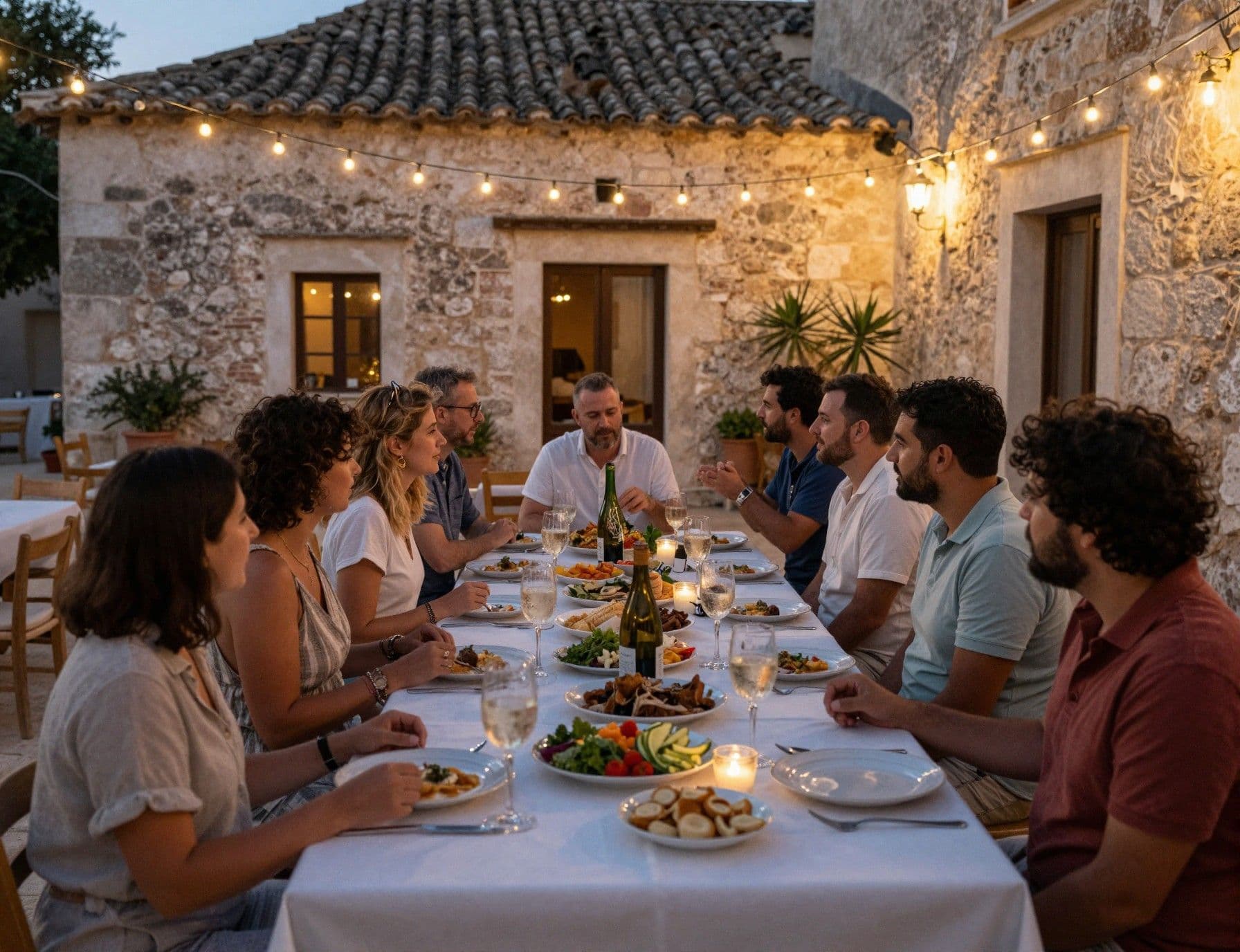
The romance of Italy is real — and so are market realities. Recent market summaries show rising foreign interest and steady sales volumes, especially in cities like Rome and Milan. That means more competition in tourist and central-city neighborhoods, but also pockets of value if you look to secondary towns, suburbs or inland hilltop villages. Translate lifestyle priorities into property specs before shopping.
Property styles and how you’ll live in them
Historic apartments: vaulted ceilings, narrow kitchens, and light that filters through shutters. Great for piazza life, but think AC, insulation, and workspace ergonomics. New builds: modern plumbing, elevators and larger kitchens — better for year‑round remote work. Rural stone homes: space, land, and true indoor‑outdoor living, but plan for renovation timelines and local contractor sourcing.
Working with local experts who know the lifestyle
A neighborhood-savvy agency will match the life you want to the right micro‑location. Ask agents about commuter times, café Wi‑Fi quality, where expats actually shop, and which streets flood (yes, that’s a thing). Agencies that specialize in relocation or digital‑nomad clients can help check internet providers, recommend coworking spots, and connect you to trusted renovators.
- Define lifestyle priorities (workspace, market access, social life). Check internet providers and local speeds; request recent speed tests from the agent. Visit neighbourhoods at different times (morning market, siesta, evening aperitivo). Get a local agent/referral who knows remote‑worker needs and contractor networks.
Insider knowledge: expat truths and seasonal hacks
Expats often learn the hard way: living in Italy is not one thing — it’s many rhythms stitched together. Summer can be blissful but tourist-packed; winter gives you local routines and better negotiation leverage. Italy has recently moved to formalize digital‑nomad pathways, so plan visa and insurance ahead, and don’t assume instant access to healthcare without registration.
Cultural integration, language and community
Learn a few phrases and join local groups: mercato mornings, yoga classes, language cafés or expat meetups. Italians value relationship-based services — a recommended plumber or the barista’s tip on a reliable courier go far. Getting involved slowly is rewarded with deeper neighborhood ties and practical favors when you need them.
Long-term lifestyle and practical pick-me-ups
Think about seasonality: set up heating and insulation if you’ll be here in winter, or ensure shading and AC for hot summers. If you plan to rent occasionally, research regional short‑let rules in Lazio, Lombardy or Sicily. Build relationships with a bilingual notary and an accountant early — they make residency, tax and rental paperwork far less stressful.
- Ask an agent for recent speed test screenshots (important for remote work).
- Visit neighbourhoods in low season to feel the real rhythm and negotiate better deals.
- Get referrals for local renovators before you sign on stone houses or restorations.
- Schedule 3 neighbourhood visits: morning market, afternoon work session, evening social. Request written internet/utility details before offer. Ask the agent for 12-month running costs from the current owner (utilities, condominio).
If Italy’s charm has you ready, start with lifestyle priorities: where will you work, who will your weekend friends be, and what rhythm do you want? Then loop in a local agency that understands both the market data (where foreigners are buying now) and the small things that make daily life sing — the café with steady Wi‑Fi, the breezy terrace for evening dinners, the local market that never closes on Sunday.
Next steps: shortlist three neighbourhoods that match your daily life, schedule in-person visits across seasons if possible, and ask agents for concrete proof points: speed tests, recent utility bills, and contractor references. Italy rewards patient, lifestyle-led buyers — get the rhythm right and you’ll buy more than a home; you’ll buy the life.
British expat who moved from Manchester to Mallorca in 2017. Specializes in market analysis and helping fellow Brit navigate local regulations.