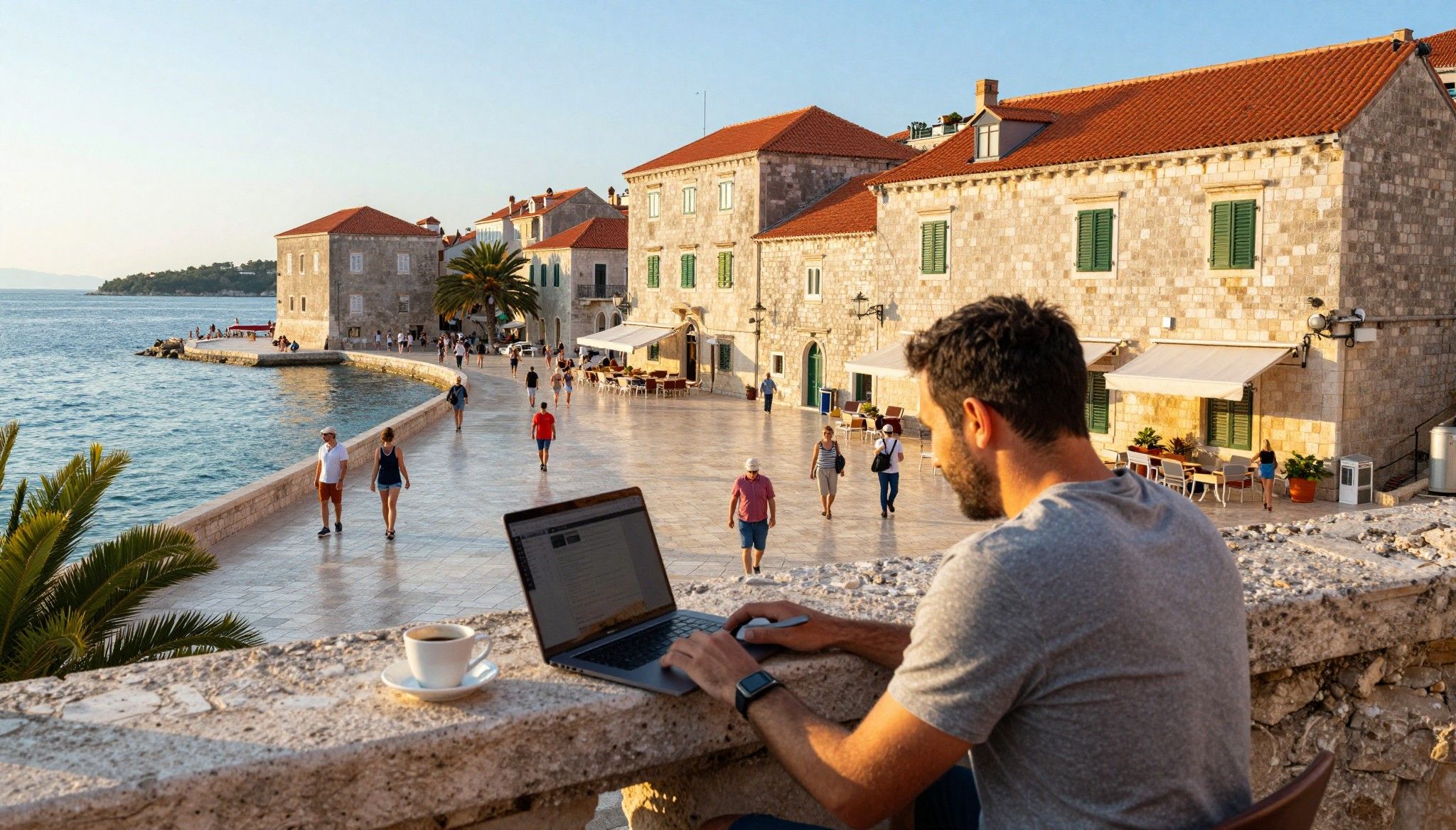
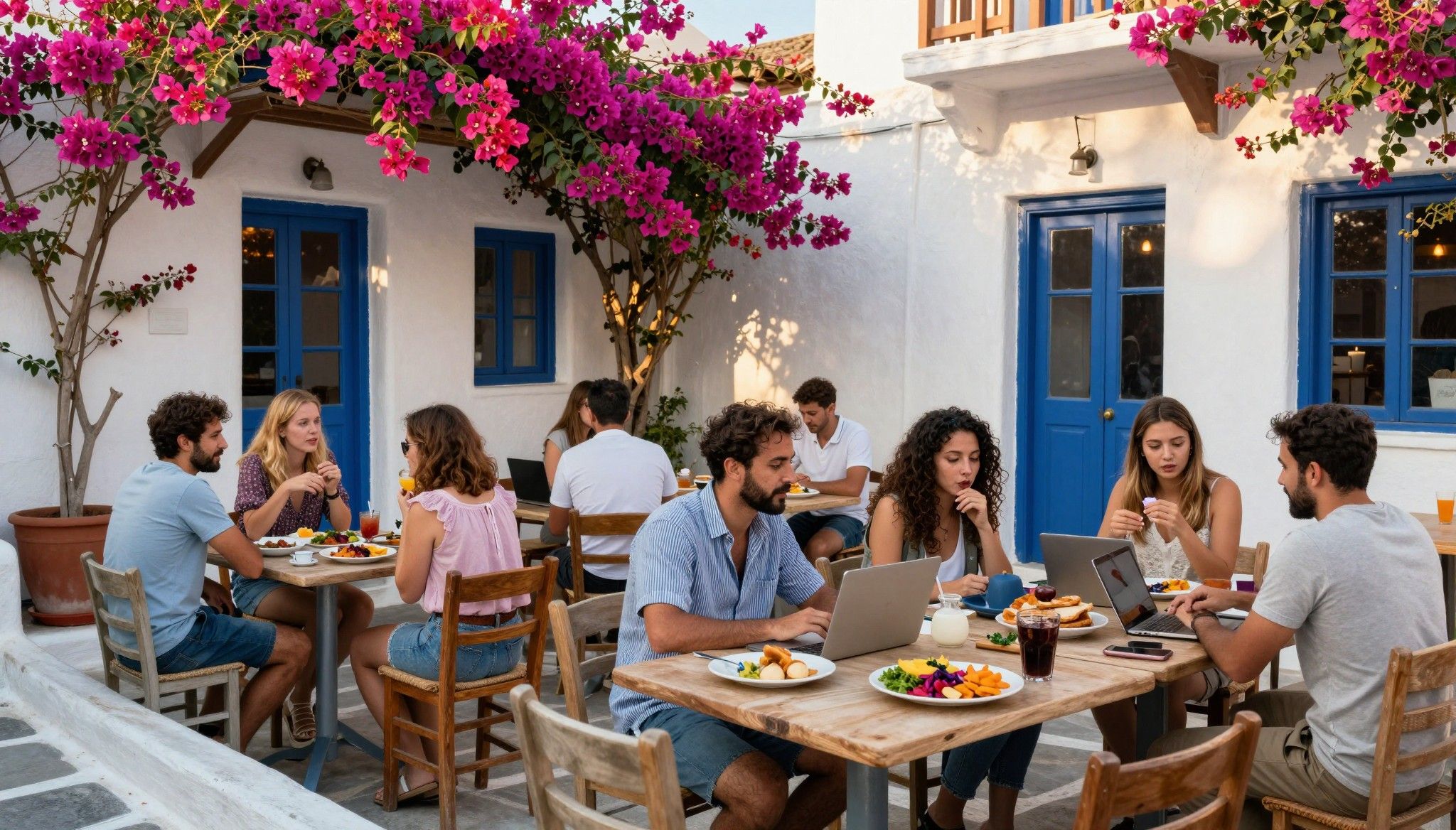
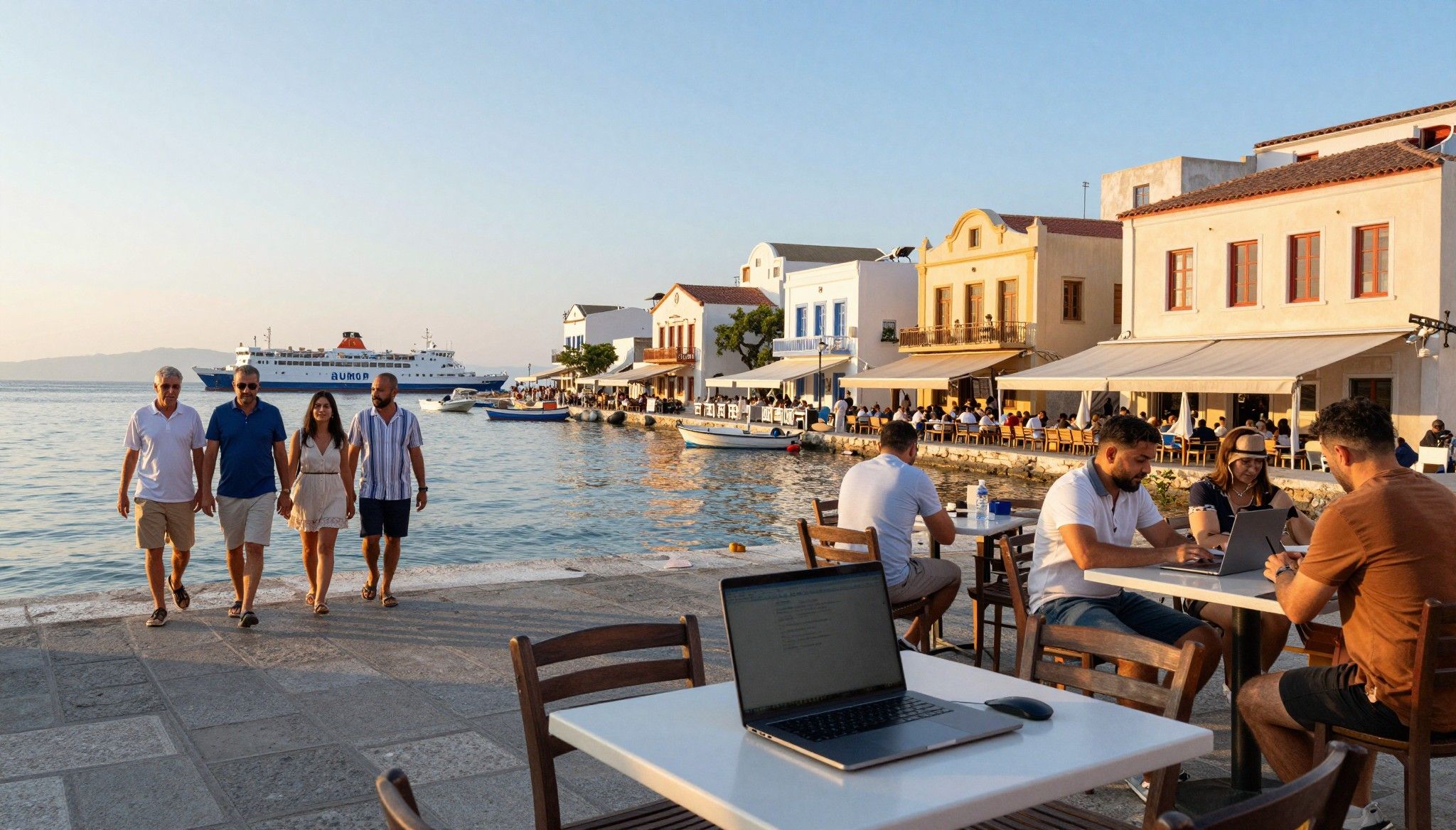
Why Italy’s ‘Expensive’ Areas Mislead — A Street-Level View
Discover Italy through streets locals love: lifestyle-led neighbourhood choices, connectivity realities, market signals and practical checks backed by recent reports.
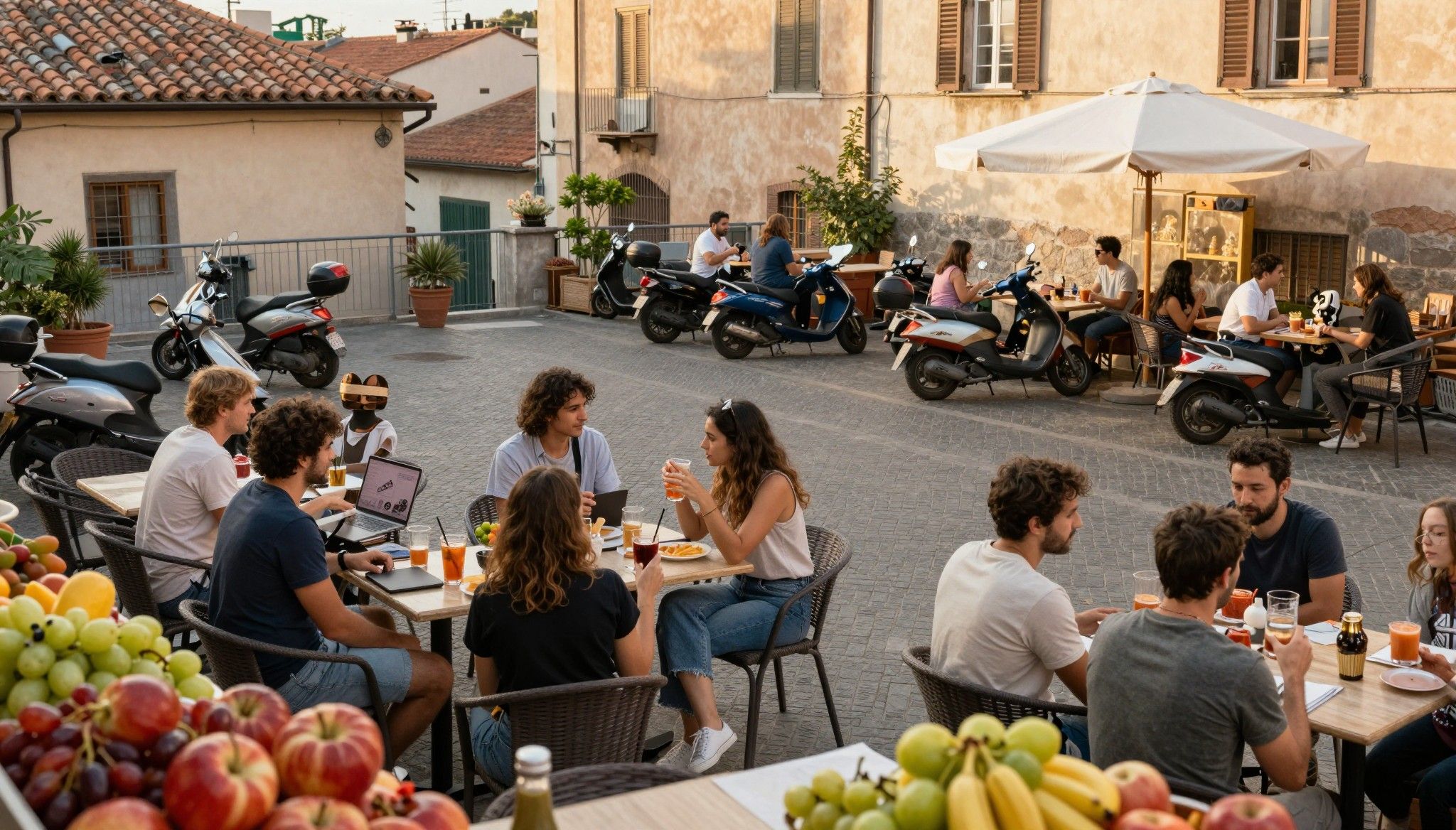
Imagine sipping espresso on a shady Piazza in Bologna, later switching to a rooftop workspace with reliable fibre and a view of terracotta roofs. Italy moves at human speed—long lunches, late markets, and social plazas that act as living rooms. That relaxed rhythm masks surprising market activity: pockets of high demand, fast-moving neighbourhoods and excellent value where guidebooks still whisper “avoid.” This piece shows the Italy most nomads miss: where local life and smart buying align.
Living the Italy lifestyle — city by city, street by street
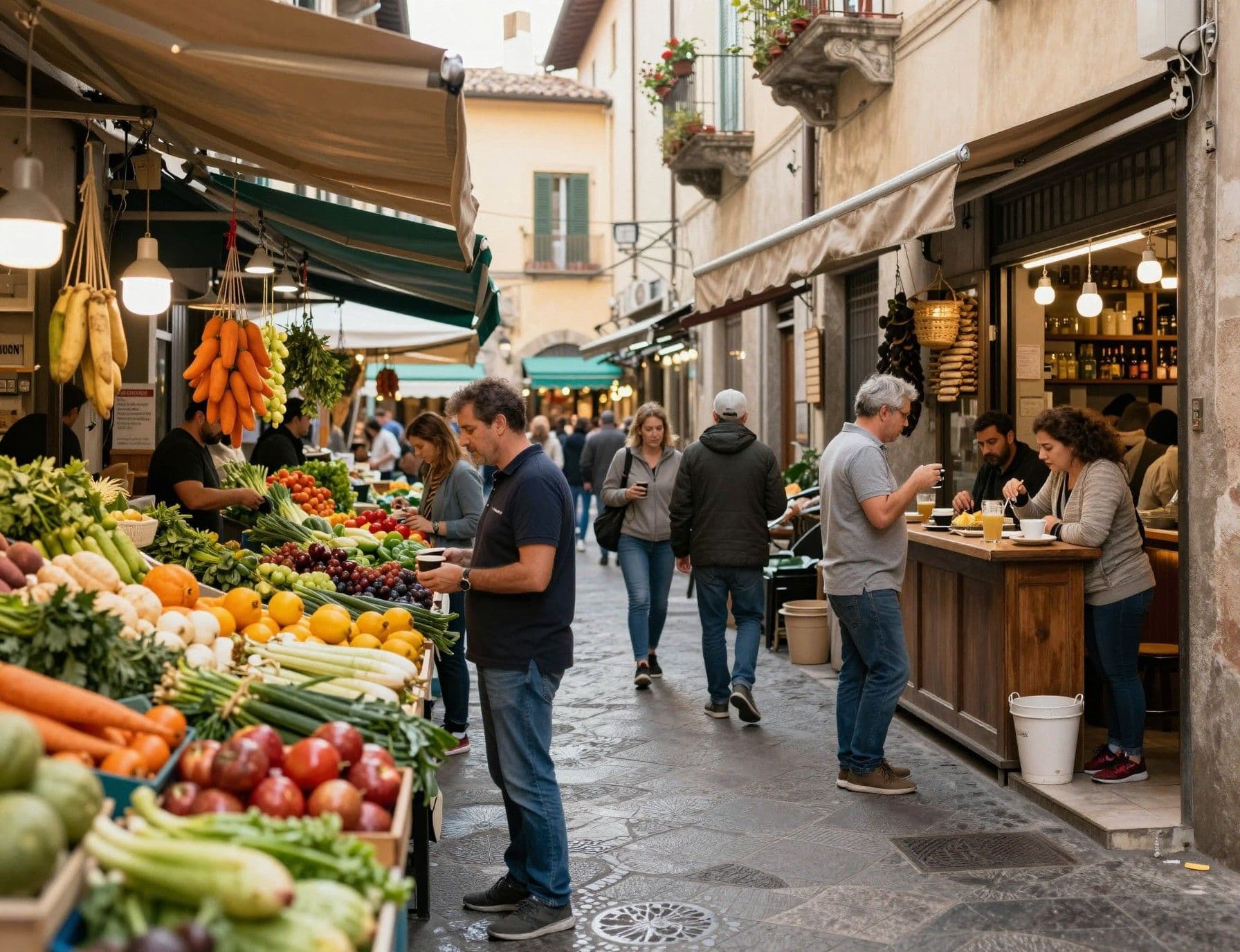
Italy is sensory: citrus and espresso aromas, scooters weaving through narrow lanes, market stalls that shout the day’s catch. But it’s also increasingly practical for remote work — major cities show strong fixed broadband and urban fibre upgrades that make rooftop Zoom calls normal rather than heroic. Expect wildly different feels: Milan’s efficient, design-savvy neighborhoods; Rome’s layered history and slow summer tempo; Palermo’s colorful street markets and lower prices. Knowing the vibe of the street — not just the city name — changes where you want to live and work.
Hot streets locals buy: beyond the tourist map
Skip the postcard centre and look where Italians actually live: in Milan, the up-and-coming Isola (via Borsieri) blends coworking, aperitivo bars and short commutes. In Florence, San Niccolò’s lanes and small grocery shops feel local while being a 15-minute walk to the Duomo. In Naples, Vomero’s terraces and family-run bakeries offer quieter day-to-day life with strong rental appeal. These streets give you real community — bakeries you visit weekly, baristas who learn your name, and neighbours who keep an eye on your plant while you travel.
Food, markets and weekday rhythms that shape where you buy
Your morning commute in Italy may start with a market run. Neighborhood markets and the weekly mercato decide where families settle; proximity to a market or a trusted cafe can add intangible value to a property. Food scenes also influence seasonal life — coastal towns hum in summer while hilltop villages breathe in spring and autumn. For buyers, that means thinking beyond square metres: choose a street with a market you love and you’ve already bought into daily life.
- Lifestyle highlights to look for on a street level:
- A weekday morning bar with regulars (friend-making fuel).
- An accessible mercato within a 10–15 minute walk for fresh produce.
- A small public park or square where neighbourhood life happens.
- Coworking or café Wi‑Fi that reliably supports afternoon work sessions.
Making the move: practical considerations that match the lifestyle
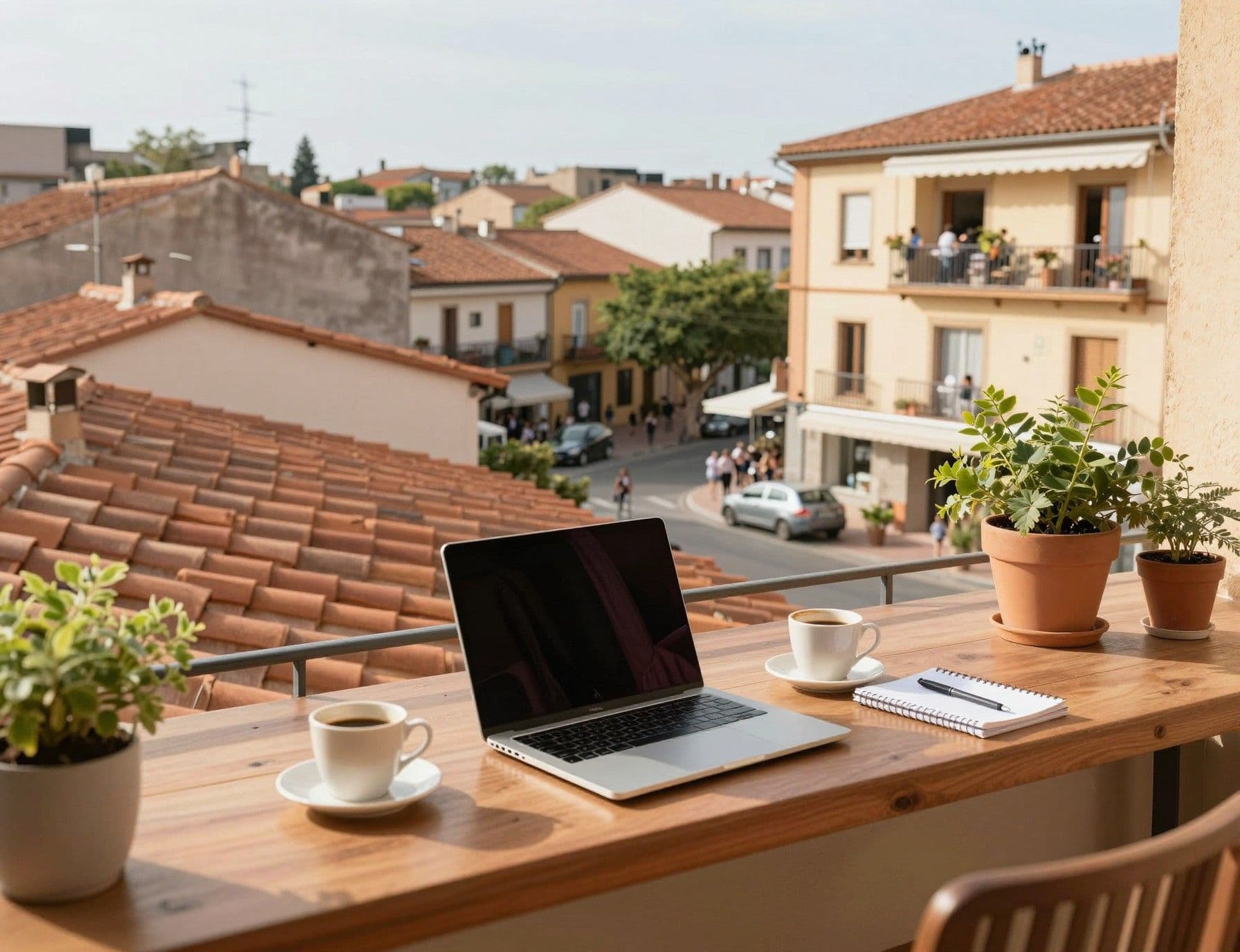
Dreams meet deeds: the Italian market is diverse and regionally split — some central neighbourhoods are brisk sellers while second-tier towns offer real value. Recent commercial and residential reports show foreign demand growing in luxury and mid-market segments, but opportunities abound off the beaten path. That means pairing lifestyle choices with local market intelligence: the right agency will tell you which streets are heating up and which remain steady community spaces.
Property types and how they inform daily life
A medieval centro storica flat offers atmosphere but usually thinner walls and stairs — great if you want history and walkability but less ideal for constant conference calls. Modern apartments or renovated lofts in peripheral neighbourhoods give better workspace layouts, faster internet, and often terraces for afternoon breaks. Farmhouses and small villas in Tuscany or Puglia offer space and gardens for long stays, but factor in seasonal isolation and transport times when planning year-round remote work.
Work with agencies who see beyond listings
Choose agents who live local lives — those who can name the best coop, the reliable plumber, and the weekday coworking spot. The right agency will preview comms (internet providers and typical speeds) and introduce you to neighbours or expat groups before you sign. They also know seasonal market rhythms: offer timing that respects local patterns, not just price lists.
- Steps to marry lifestyle and purchase (quick winning checklist):
- Book neighbourhood reconnaissance visits on weekday mornings and evenings to feel real life.
- Ask agencies for recent comparable sales on the exact street, not the city average.
- Confirm typical broadband providers for the building and check real-world speeds at different times.
- Test-sit a potential workspace (cafés, coworking) during a week-long stay before making an offer.
Insider knowledge: expat truths and surprising trade-offs
Expats say the surprise isn't language or bureaucracy — it's rhythm. Shops close mid-afternoon, municipal services run on local timing, and coastal towns feel empty in winter. Connectivity improves rapidly in cities, but rural and hilltop areas still vary. Check coverage maps and ask agencies for recent speed tests; a city centre flat may give you consistent 200+ Mbps while a nearby village will be unpredictable.
Cultural cues that change your daily routine
Make time for aperitivo — it’s how neighbours meet. Learn the rhythm of waste collection and local recycling rules; these practicalities shape apartment life. Building committees (condominio) decide heating, renovation works and shared-spaces rules; meeting the administrator early avoids surprises. These are small social systems, but they define comfort.
Long-term lifestyle realities
Climate and long-term risks matter. Research shows repeated flood exposure can dent prices in the most-affected areas, even if single events don’t. Think multi-decade: seaside properties are lovely, but check flood plans, insurance availability, and municipal mitigation projects. Investing in slightly inland pockets often gives the same lifestyle with lower long-term risk.
- Red flags locals know before you buy:
- Buildings with unclear condominio records or missing recent invoices.
- Neighborhoods with few weekday services (shops, pharmacies) outside tourist season.
- Properties dependent on a single unreliable broadband provider.
- High insurance premiums or limited flood coverage in coastal zones.
Conclusion: Italy rewards those who buy life, not just a view. Choose streets where café owners remember your order, markets set your weekly menu, and reliable internet lets you work from a balcony. Pair that lifestyle checklist with a local agency that understands neighbourhood rhythm, can verify real speeds and guide you around seasonal traps. If you want, start with a short reconnaissance stay on a weekday, bring a checklist, and ask an agent to arrange neighbour meet‑ups — you’ll find which Italian street feels like home.
Norwegian who has helped 200+ families relocate from Oslo to Spain; expert in relocation services and community integration.