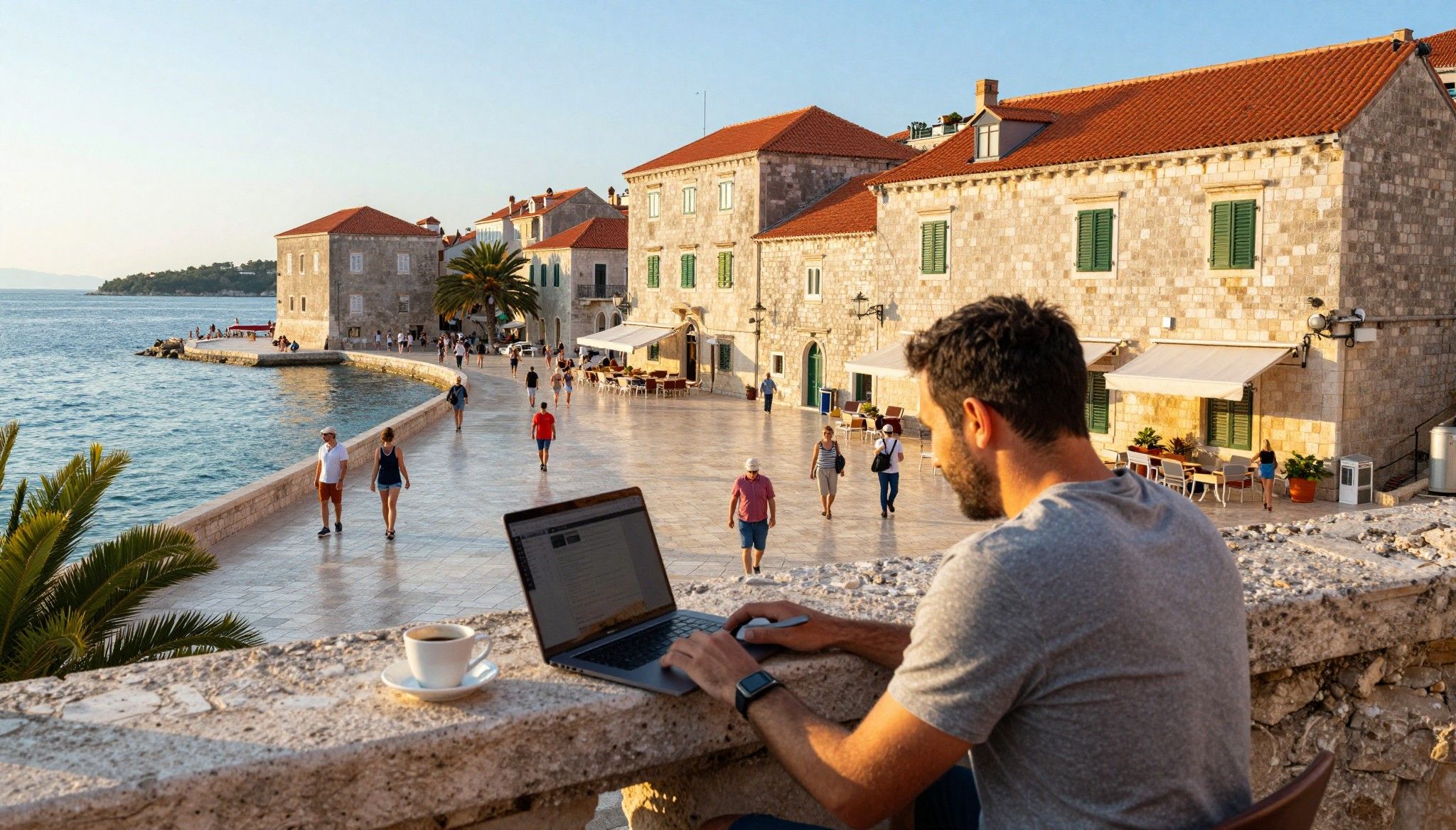
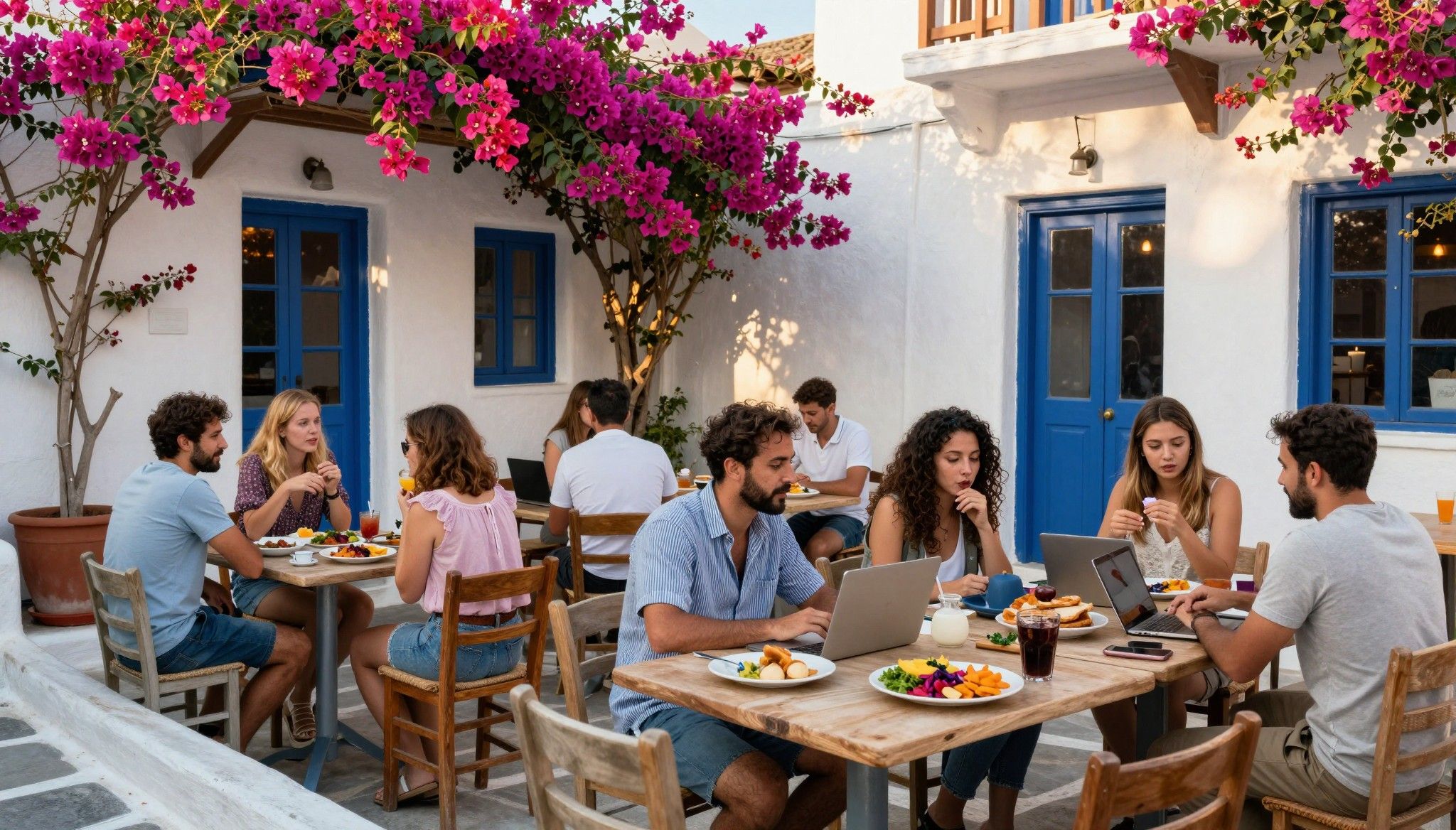
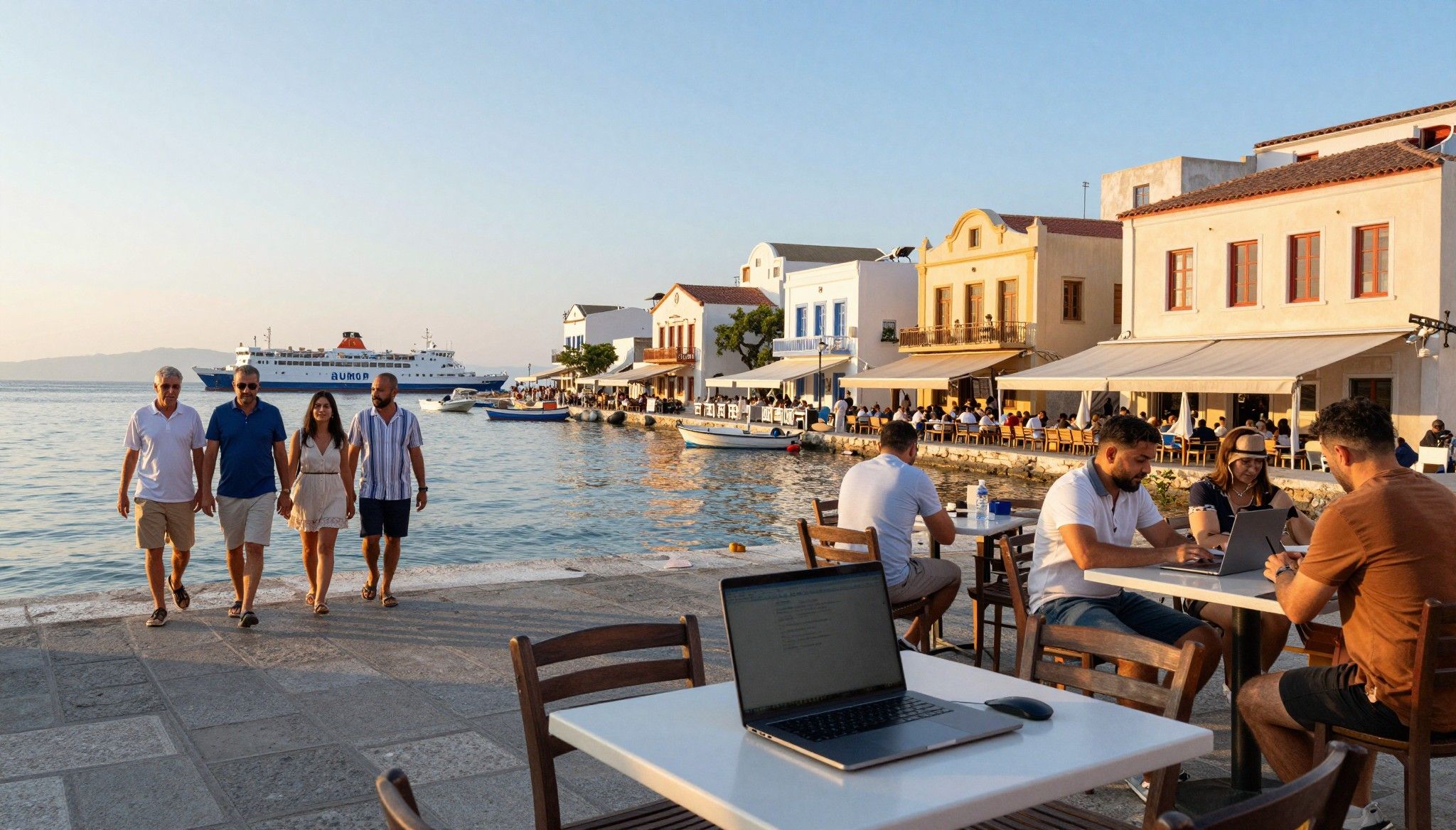
Italy: Where Your Euro Stretches Farther
Italy’s charm hides bargains and trade-offs — visit off‑season, test fibre and commute, and pair lifestyle instincts with ISTAT and portal data to find real value.
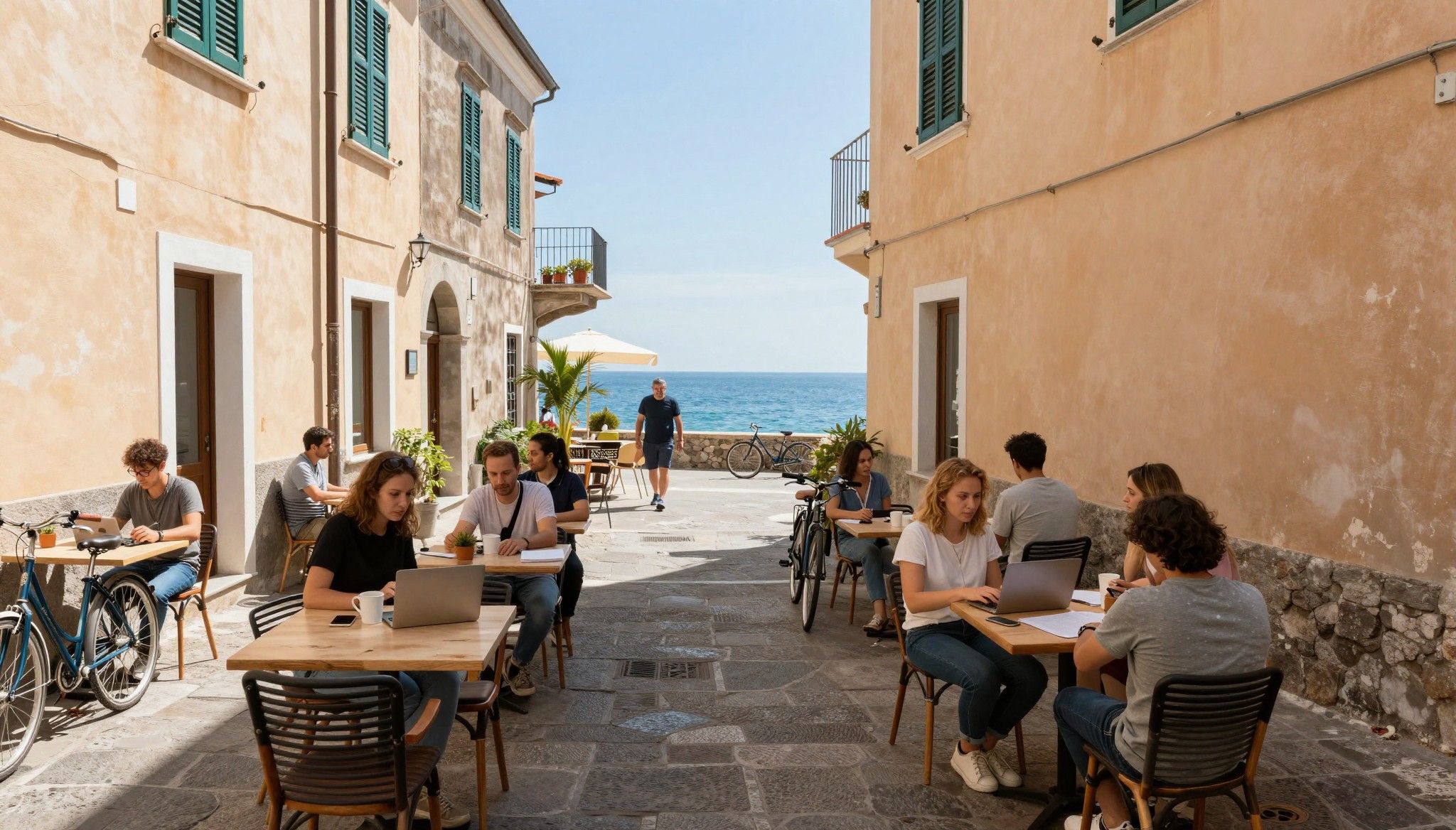
Imagine sipping an espresso at Piazza Vittorio in Rome, then catching a fast train to a seaside aperitivo in Liguria by sunset. Italy is less a single place and more a set of daily rituals — morning markets, lively caffès, slow dinners, and neighbourhood squares that become living rooms by twilight. For a nomad, that variety is the point: you can have mountain air one weekend and a Mediterranean commute the next. But beneath the romance lie real trade-offs and surprising bargains that most guides ignore.
Living the Italian life (but not how you expect)
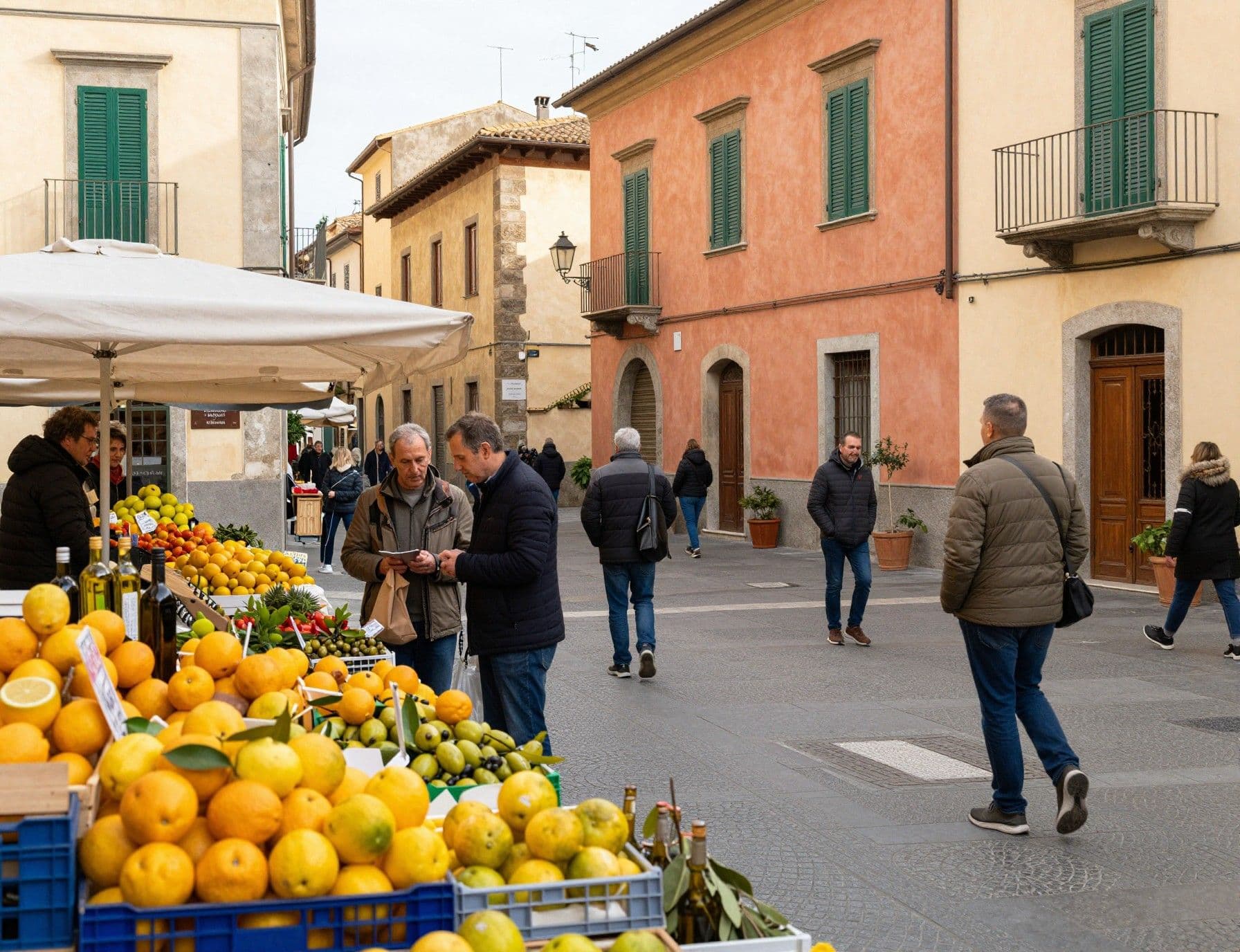
Italy’s vibe is local before it’s national: in Milan you’ll find late-night aperitivo scenes and coworking rooftops, in Bologna university energy and food markets, while Puglia’s towns hum with olive-oil rhythms and low-key beaches. The trick for international buyers is matching the neighbourhood rhythm to your work day: quiet mornings for focused deep work, buzzing late afternoons for social life and networking.
City heartbeat: Milan, Rome, Naples
Milan feels global: tech meetups, co‑working districts like Isola and Porta Nuova, and short commutes if you pick neighborhoods like Brera or Navigli. Rome’s historic centro is intoxicating but quieter suburbs such as Pigneto or Monteverde blend local life with better value. In Naples, waterfront promenades and tight-knit neighborhoods deliver intense local colour and bargains many buyers miss.
Countryside & coast: Tuscany, Puglia, Liguria
If you dream of stone farmhouses and vineyards, Tuscany’s towns (Siena, Lucca, the Val d’Orcia) give you that life — but also higher restoration costs and seasonal tourism. Puglia and parts of Calabria give you dramatic coastlines and lower entry prices, while Liguria’s cliffside towns are walkable and charming but demand careful due diligence for access and maintenance.
- Lifestyle highlights: local markets (Mercato Centrale, Florence), cafés (Caffè Gilli, Florence; Sant’Eustachio, Rome), beaches (Marina di Alberese, Puglia), coworking hubs (Talent Garden, Milan), food experiences (Bologna’s Quadrilatero), seasonal festivals (Palio di Siena).
Making the move: practical considerations that match the life
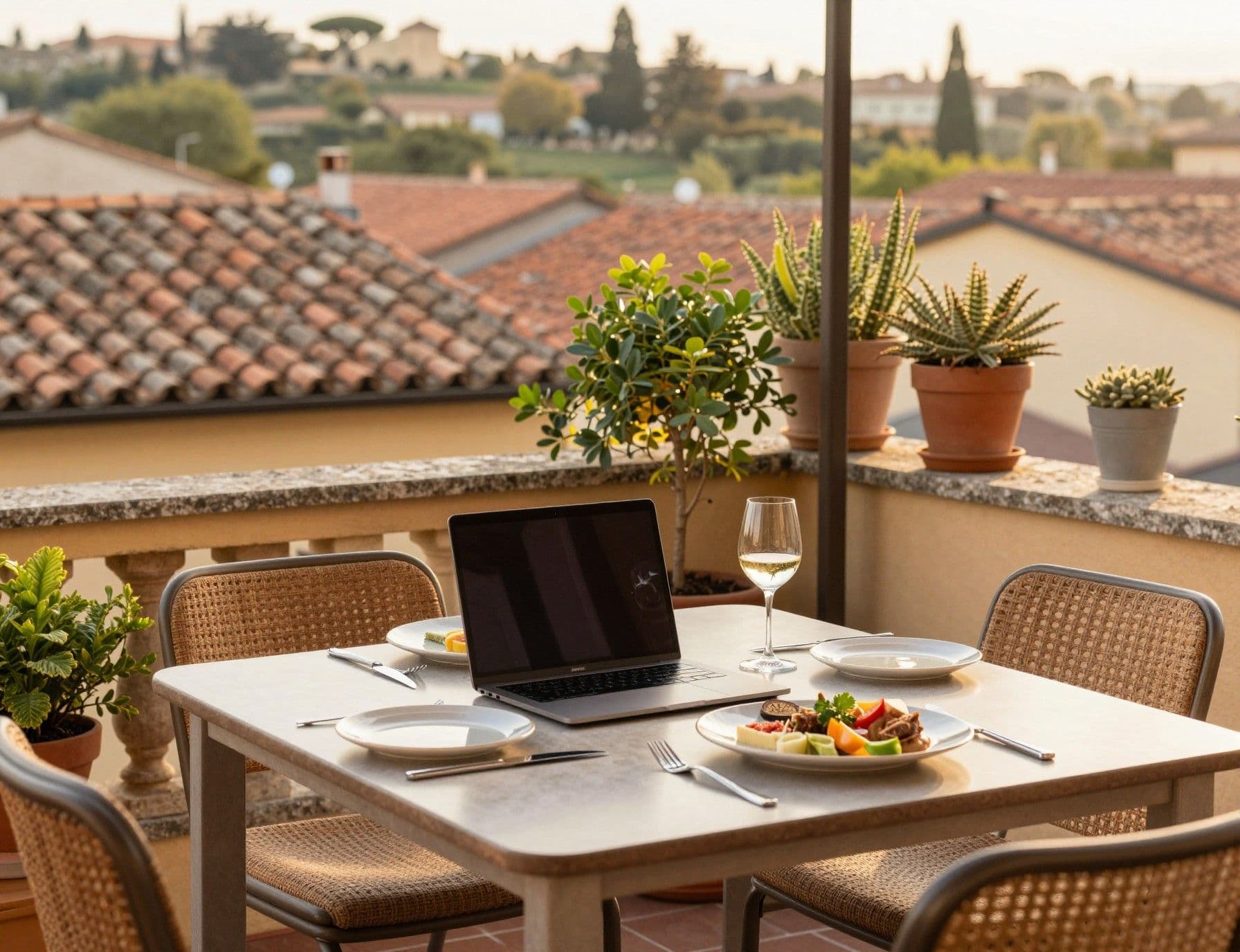
Dreams are the hook, but numbers keep the door open. Recent ISTAT data show modest year‑on‑year house price growth in 2024–2025 while listing portals report city-by-city variation: some provincial towns remain affordable even as demand rises in major cities. That means a smart strategy mixes lifestyle priorities with local market data — and a local agent who understands both.
Property types: historic flats, rural restorations, and seaside apartments
A medieval apartment in an old centro will charm you, but expect quirks: plaster walls, narrow staircases, and older systems. Newer coastal apartments often come with balconies and easier maintenance but can carry a premium near tourist hotspots. Rural houses give space and gardens at lower price points — but factor in renovation, plumbing, and access costs before falling in love.
Steps that blend lifestyle and legality:
- 1) Pick three neighborhoods with different vibes (historic centre, commuter suburb, coastal town). 2) Visit off-season to test day-to-day life and noise/footfall. 3) Ask agencies for utility records and recent maintenance invoices. 4) Check local transport links and internet options (fibre availability near major towns). 5) Request recent comparable sales, not just asking prices.
Insider knowledge: what expats wish they’d known
The most common regret? Buying a postcard view instead of a livable rhythm. Expats often choose a tiny scenic flat with poor light or no workspace and then discover the day-to-day grind — stairs, delivery hassles, weak Wi‑Fi. Another surprise: many ‘cheap’ towns see rising demand and shrinking supply, so momentum can make a bargain vanish fast. Combine on-the-ground visits with market reports to avoid impulse buys.
Culture, community and the language you don’t need to be fluent in
You don’t have to speak perfect Italian to belong, but learning basic phrases opens doors — and neighbours. Join local market mornings, small volunteer groups, or language exchange meetups in cafés. Many nomads plug into coworking events in cities like Milan, Bologna and Florence to build networks quickly. Over time, those local ties make maintenance, admin and even negotiation easier.
Longer-term thinking: how life changes after year one
Year one is discovery; year two is routines. Your neighbourhood choices will show up in grocery lists, weekend plans and the size of your social circle. Plan for flexibility: if rental income is part of the plan, choose areas with year-round demand (university towns, transport hubs) or invest in small, well-located apartments that appeal to professionals and students.
- Quick red flags to watch for: missing building certificates, unclear road access (important in hill towns), no fibre internet nearby, unusually low utility bills that hide structural problems, and an agent who resists providing past sale prices.
If you want help translating lifestyle into a shortlist of real properties, work with local agencies who specialise in international buyers and neighbourhood matching. They act as cultural interpreters — pointing you to a café where digital nomads meet, the fast train you’ll use for weekend escapes, and the builder who understands old stone houses.
Conclusion: Italy rewards the curious buyer. Fall in love with the routines — morning markets, espresso counters, aperitivo conversations — and back that romance with data. Visit off-season, compare neighbourhoods by day and night, check fibre and commuting times, and insist on recent sale comps. Do that and your dreamy Italian life becomes a lived-in reality.
Danish investor and relocation advisor focusing on Portugal and the Algarve; loves coworking culture and expat networks.