Street-by-street Malta: Where your day-to-day determines value
Malta’s compact charm rewards lifestyle-first buyers: choose streets that fit your workday, test broadband at the door, and trade hustle for sea-air calm where it matters.

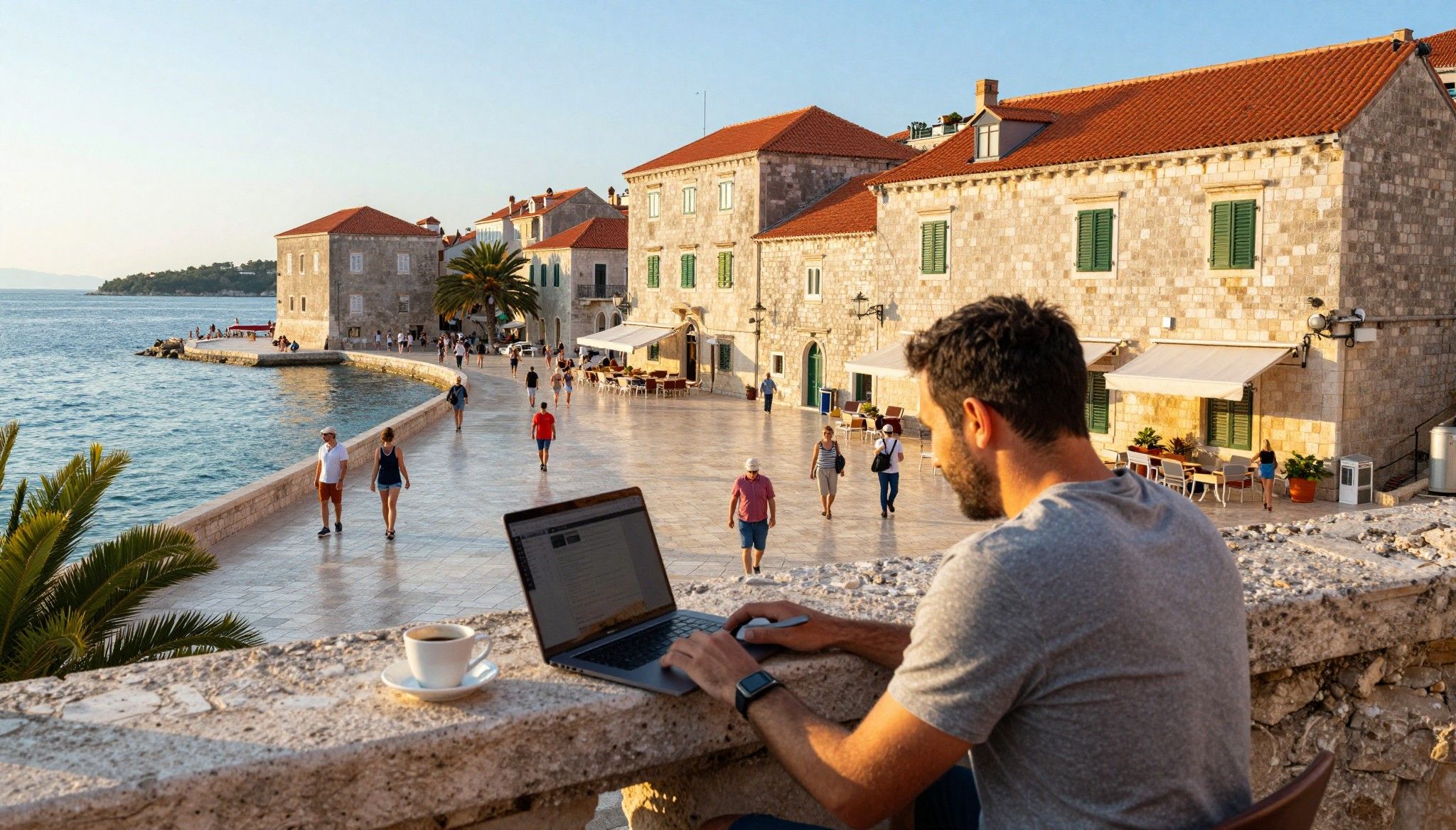
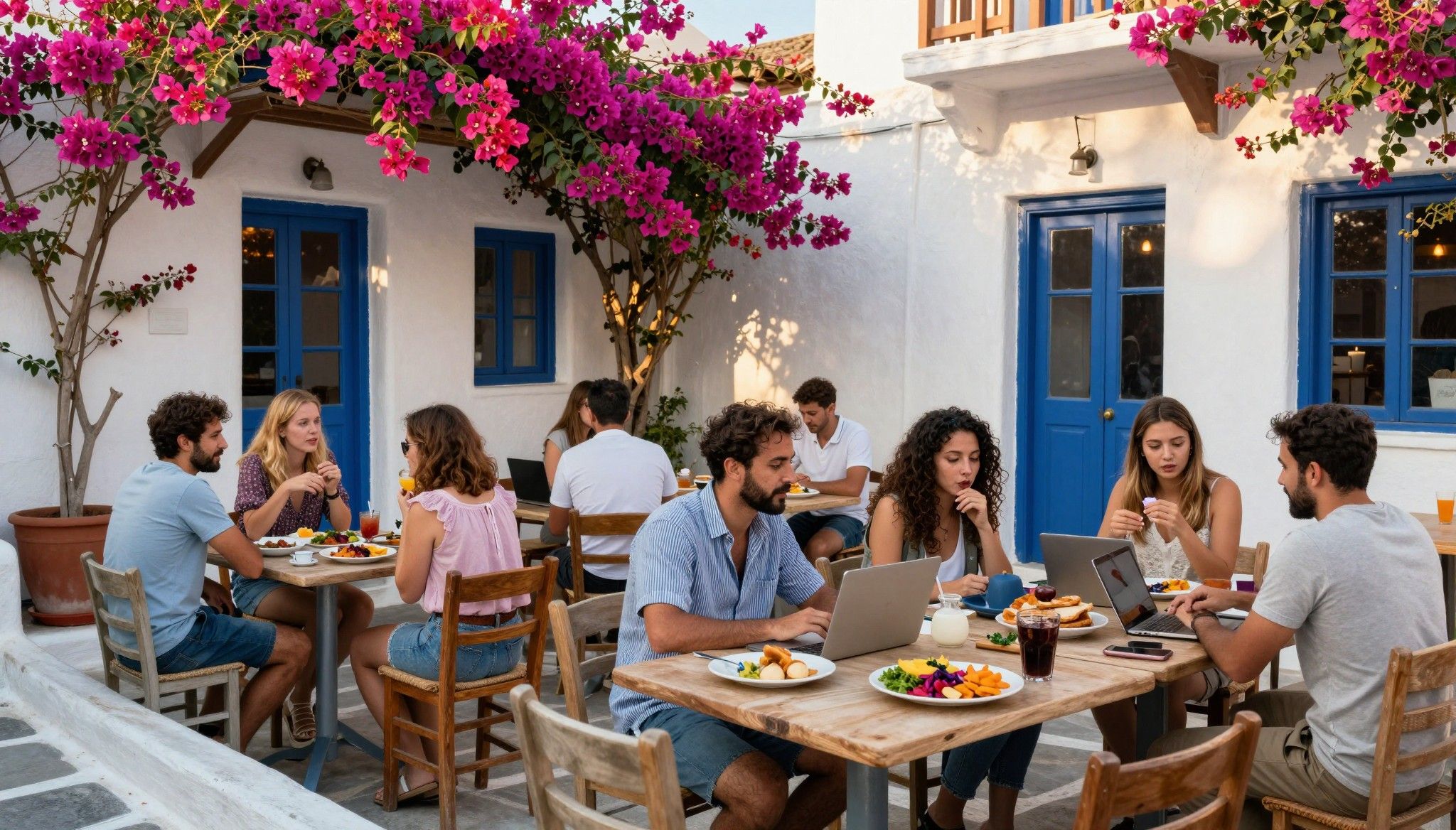
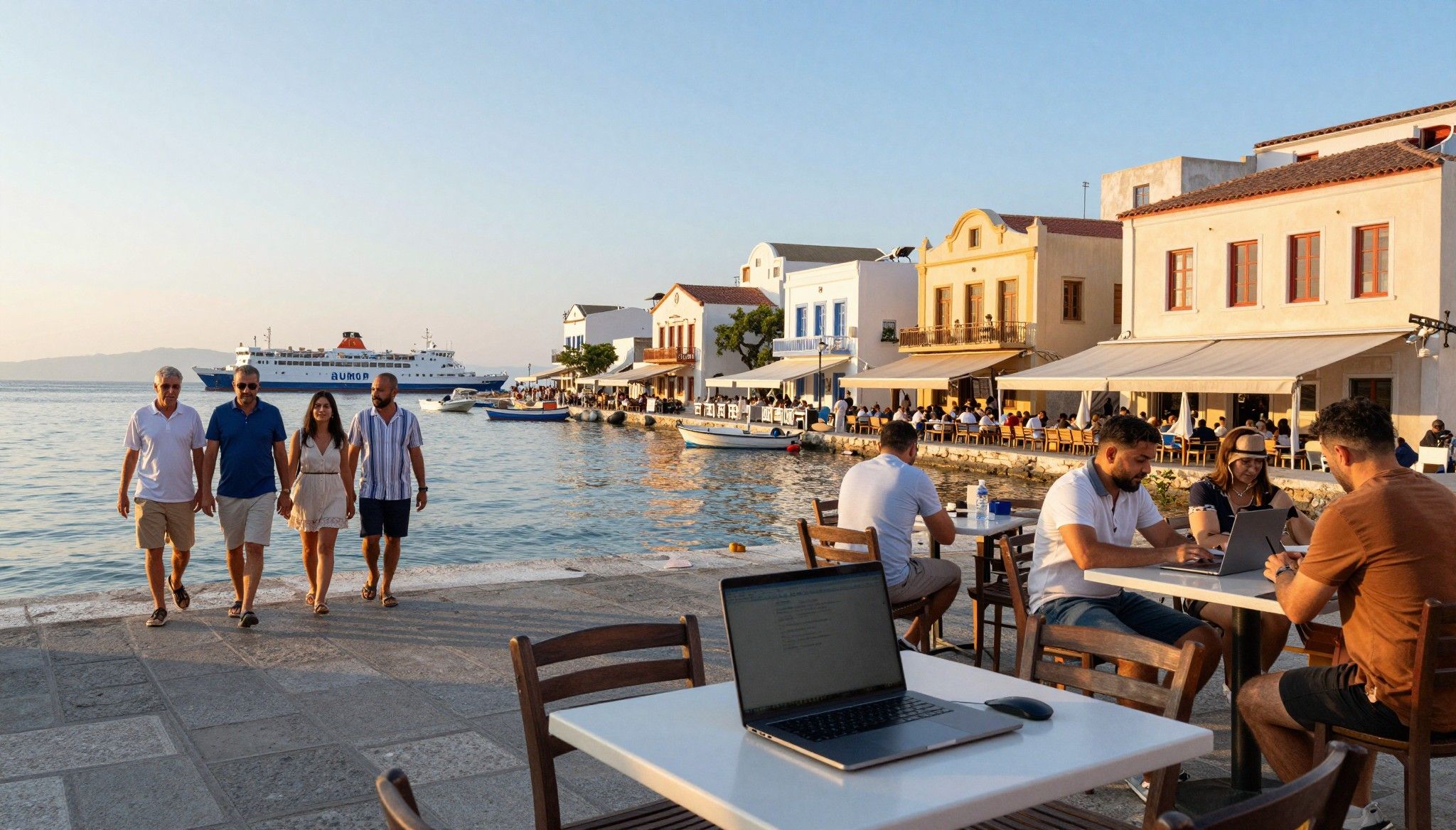
Imagine starting your morning with an espresso on a limestone balcony in Valletta, then walking five minutes to a coworking café where colleagues are a mix of Maltese designers and remote developers from Lisbon. Malta is compact — the sea is never far, the streets are sun-warmed and loud with scooters and chat. For international buyers this intimacy is intoxicating, but it also means location choices matter in ways they don’t in larger countries: one street can change your whole day-to-day.
Living the Malta life: compact, caffeinated, coastal
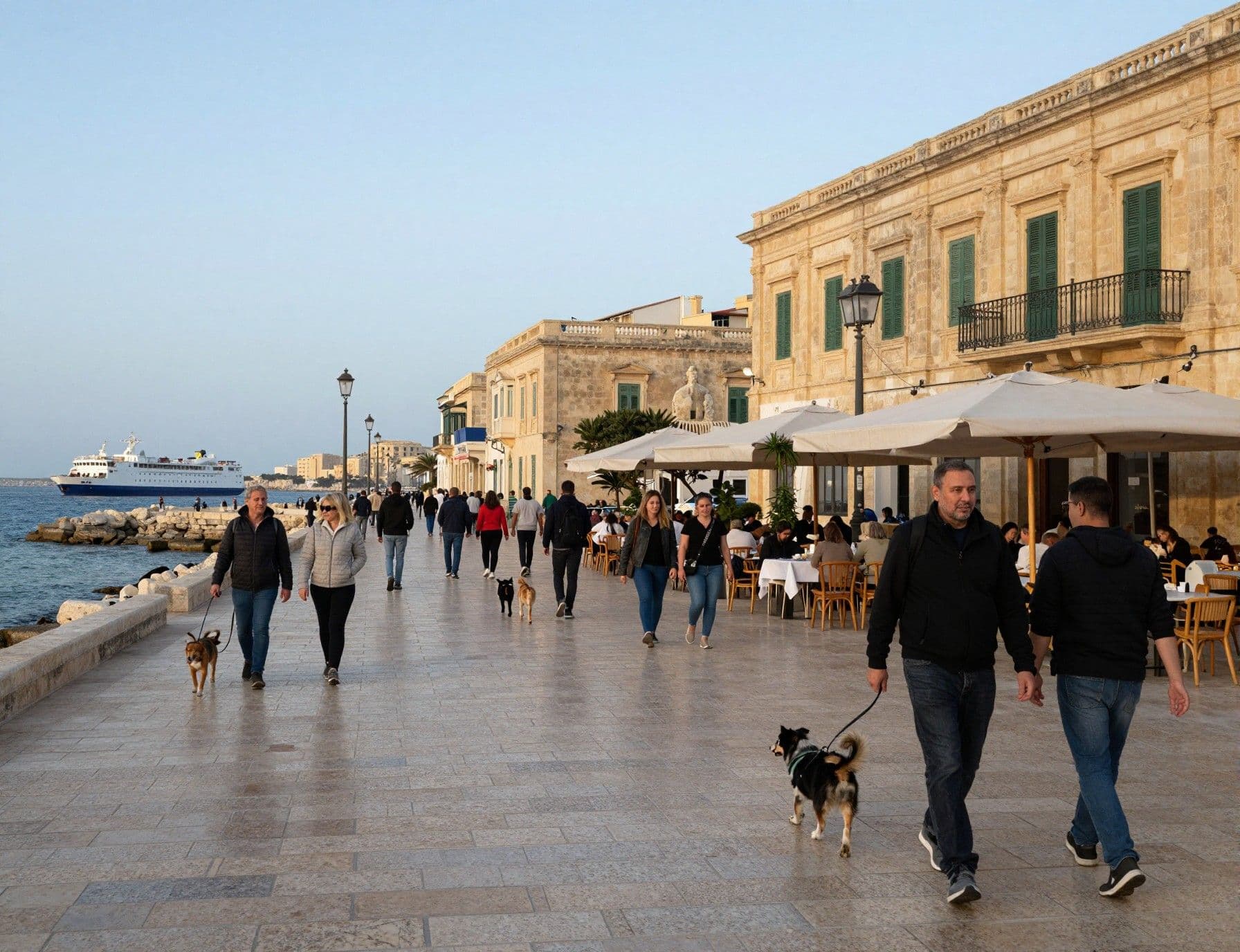
Daily life here is bright and deliberate. Streets are narrow and social; cafés, neighborhood bakeries and band clubs anchor weeks. That density explains why property feels expensive at a glance: demand is concentrated on a tiny island and prices have been rising — Malta’s PPI recorded steady growth in recent quarters. But the rhythm of life is the real draw: quick commutes, strong English-language usage, Mediterranean food culture and a surprising mix of modern coworking infrastructure.
Valletta, Sliema & St Julian’s: the social triangle
Valletta hums with history — palazzos, rooftop bars and narrow alleys that open onto the Grand Harbour. Sliema and St Julian’s are where you’ll find sea-front promenades, brunch culture and the highest concentration of coworking spaces. If you want day-to-day convenience, lively nightlife and easy access to international schools and services, this triangle delivers. Expect higher asking prices and denser apartment living here, but also the shortest commutes to cafés and coworking hubs.
Marsaxlokk, Mellieħa & Gozo: salt-air calm and space
Head east or north and life opens up: Marsaxlokk’s fish market on Sundays, Mellieħa’s sandy bays, and Gozo’s slower pace offer gardens, terraced houses and larger interiors than the main island. Buyers trading hustle for calm can often find better value per square metre, though resale liquidity may be lower. For remote workers, these areas are paradise — quieter, with bigger outdoor spaces — but always check commute times to St Julian’s or Valletta on weekdays.
- Lifestyle highlights to scout in person
- Morning espresso on Strait Street, Valletta — a perfect quick walk-and-work loop
- Weekend fish brunch at Marsaxlokk market, followed by a sea-swim
- Coworking café in Sliema with 1Gbps fibre and community meetups
- Sunset aperitifs in Mdina’s quiet bastions — old town romance after work
Making the move: lifestyle needs that shape property choice
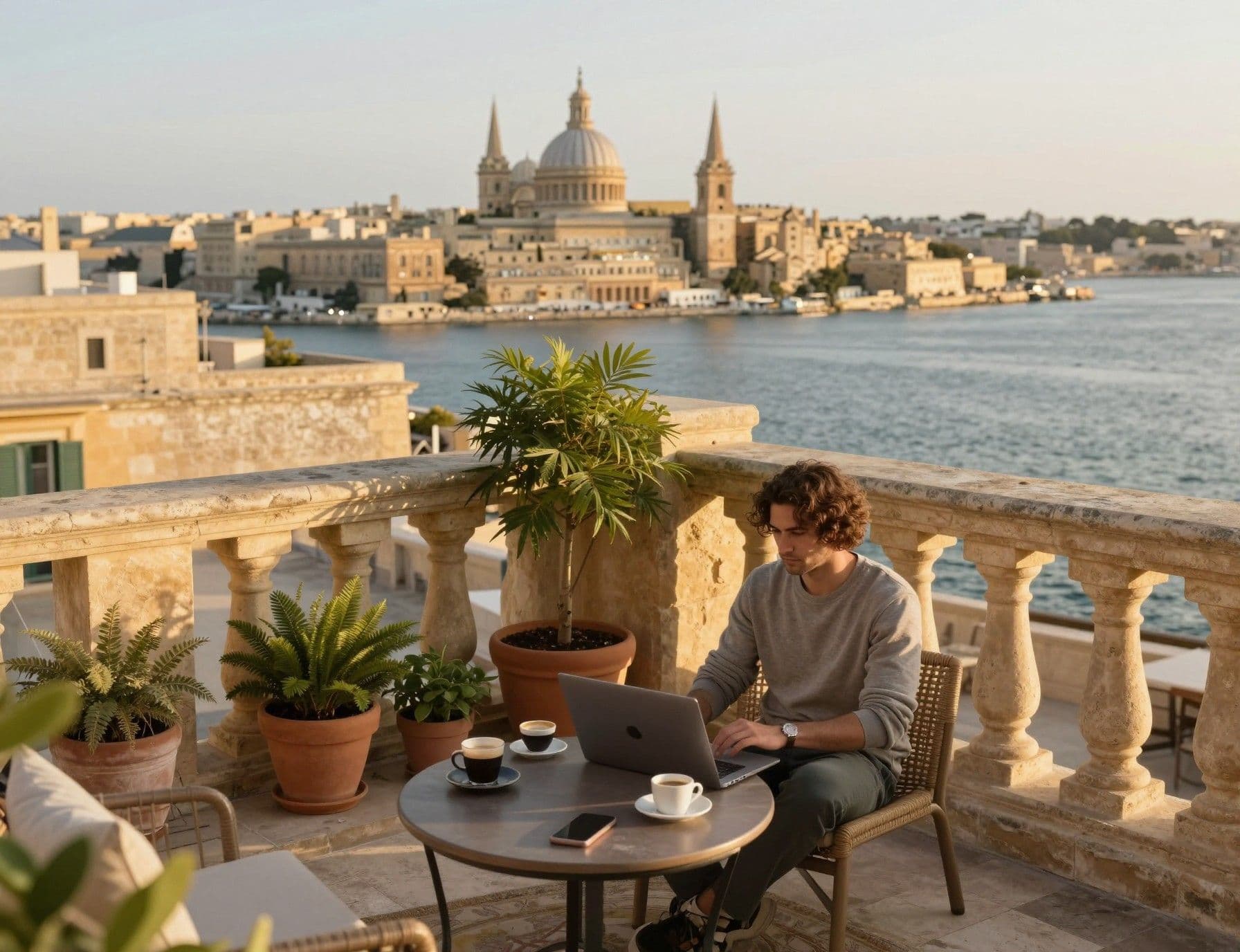
Your property decision should start with a simple question: which part of Maltese life do you want every day? If coworking, cafés and short social commutes matter, pick Sliema/St Julian’s/Valletta. If outdoor space, privacy and a garden matter more, consider the north coast or Gozo. Recent market reports show steady national price growth, so location choices influence both lifestyle and medium‑term value. Workflows matter: fibre availability, balcony space for calls, and quiet streets for concentration are real estate features — not luxuries.
Property styles and how you’ll actually live in them
Maisonettes and converted palazzos give high ceilings, stone details and rooftop terraces — magical for lifestyle photos and alfresco work calls. Modern apartments deliver predictable wiring, lifts and communal facilities. Houses of character and farmhouses (rare and pricier) come with space but often need renovation and planning clearances. Match property type to work patterns: if you’re on video calls all day, prefer sound-insulated modern builds; if you prize charm and rooftop views, accept quirky maintenance.
Agencies, experts and the local checklist
- How local agents help you land the lifestyle home:
- 1) Match neighbourhood micro-vibe to your daily routine — they’ll take you down the right streets and cafés.
- 2) Check utilities & broadband: agents can confirm fibre availability and typical upload speeds at specific addresses.
- 3) Advise on renovation permits and neighbourhood restrictions for palazzo restorations.
- 4) Introduce property managers and short‑term rental realities if you plan to rent when you’re away.
Insider knowledge: what expats wish they'd known
Real talk from people who moved here: Malta feels small quickly. Your social radius becomes your neighbourhood. That’s brilliant if you like close-knit weekends; it’s annoying if you crave anonymity. Seasonal rhythms matter — summer brings tourists and vibrant nightlife in hotspot towns, while late autumn and winter reveal the quieter local pulse. Many expats say they underestimated maintenance costs for older stone homes and overestimated the ease of finding off‑street parking near beach towns.
Language, culture and making a social life
English is widely spoken, which lowers the friction when you arrive. Still, learning Maltese wins friends and unlocks local networks — band clubs, village feasts and cafés are where you’re invited in. For nomads, community meetups in coworking spaces and language classes are the fastest way to build a consistent social calendar. Expect warm neighbors, and an island culture where hospitality often means food and time shared.
Long-term life: growth, resale and real expectations
Malta’s limited land supply and steady inward migration support long‑term demand. Expect consistent, moderate price appreciation rather than explosive swings. That makes Malta a place to buy for lifestyle first and capital gain as a welcome side effect. If you plan to rent out your place, check local short‑term rental rules and expected yields — agency partners will have up‑to‑date occupancy figures.
- Practical next steps — quick checklist before you put in an offer
- Visit at least twice: a weekday and a weekend to feel weekday commutes and weekend energy.
- Test broadband speed at the exact property address and ask the agent for recent speed test screenshots.
- Ask for recent utility bills and any communal maintenance records for apartments and palazzos.
- Speak with a recommended property manager about rental demand if you plan to sublet.
Ready to fall in love and act? Work with an agent who treats your lifestyle as the brief, not just a price range. Ask them to map a week of life — cafes, commutes, grocery runs — around any property you like. That’s how buying in Malta stops being a transaction and becomes the start of a life.
Swedish, relocated to Marbella in 2018 to chase sun and property freedom. Focus on legal navigation and tax for Nordic buyers.