Malta Neighbourhoods: Live the Life, Buy the Street
Fall for Malta’s compact Mediterranean rhythm — then buy smart: track NSO price indices, prioritise fibre and terraces, and choose agents who know each street’s value.
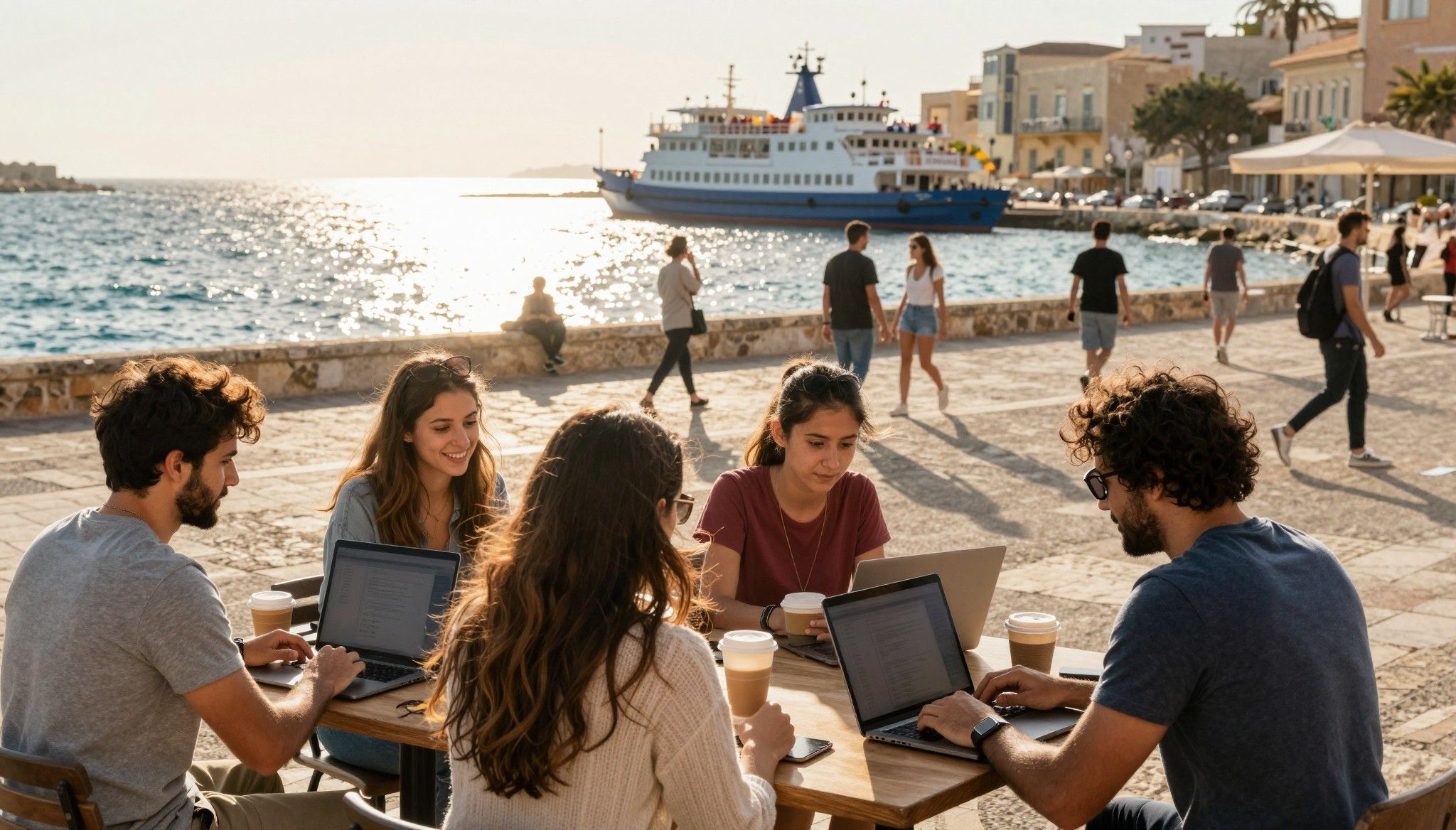
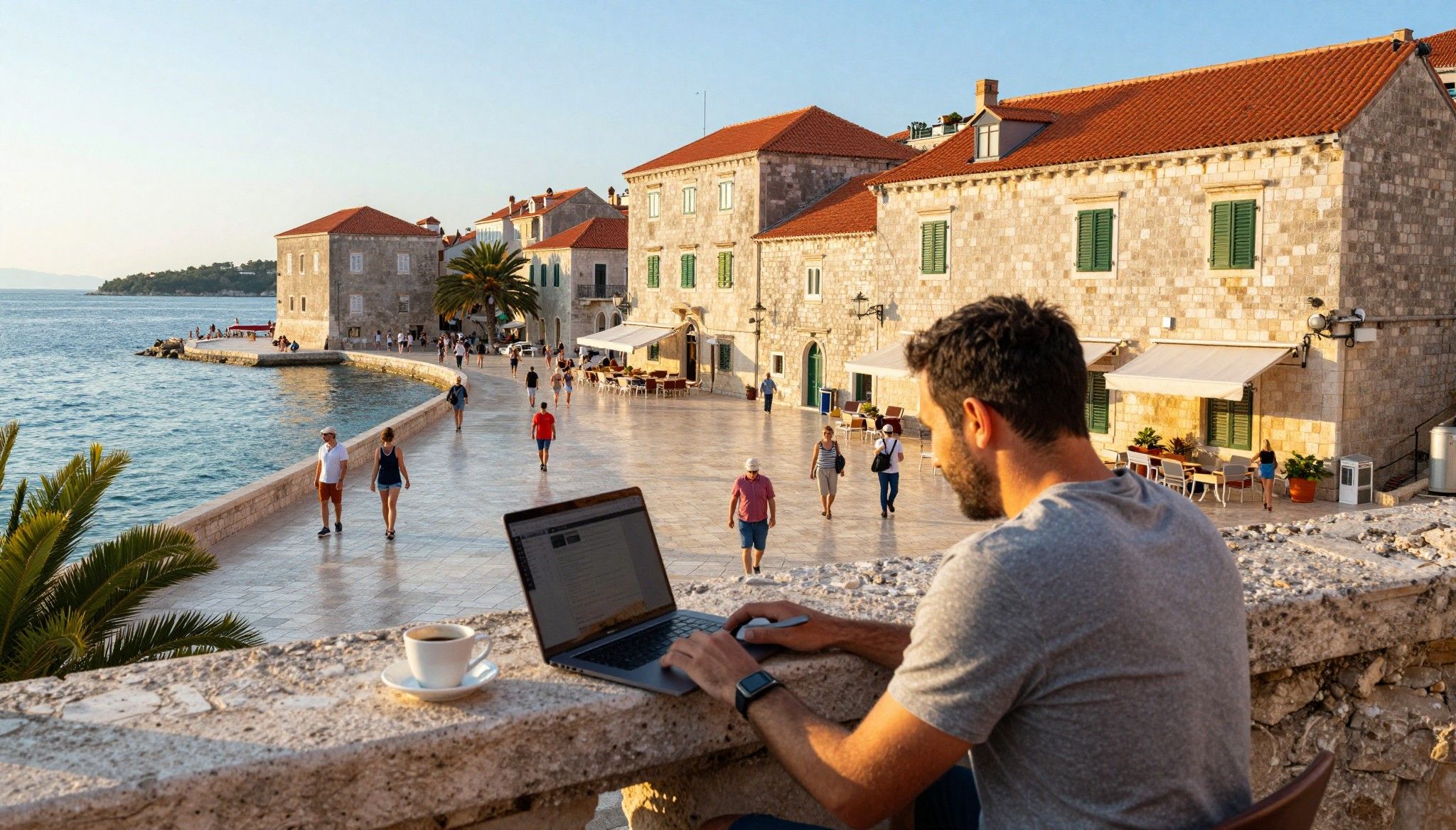
Imagine stepping out of a sun-warmed townhouse onto Triq ir-Repubblika in Valletta, espresso steam cutting through sea air and a coworking laptop bag slung over your shoulder. That contrast — ancient streets and modern remote-work rituals — is Malta’s daily rhythm. For nomads who crave Mediterranean light, fast cafés, and compact neighbourhoods where everything fits in a 20-minute loop, Malta feels like a sweet, surprisingly practical dream.
Living the Malta lifestyle
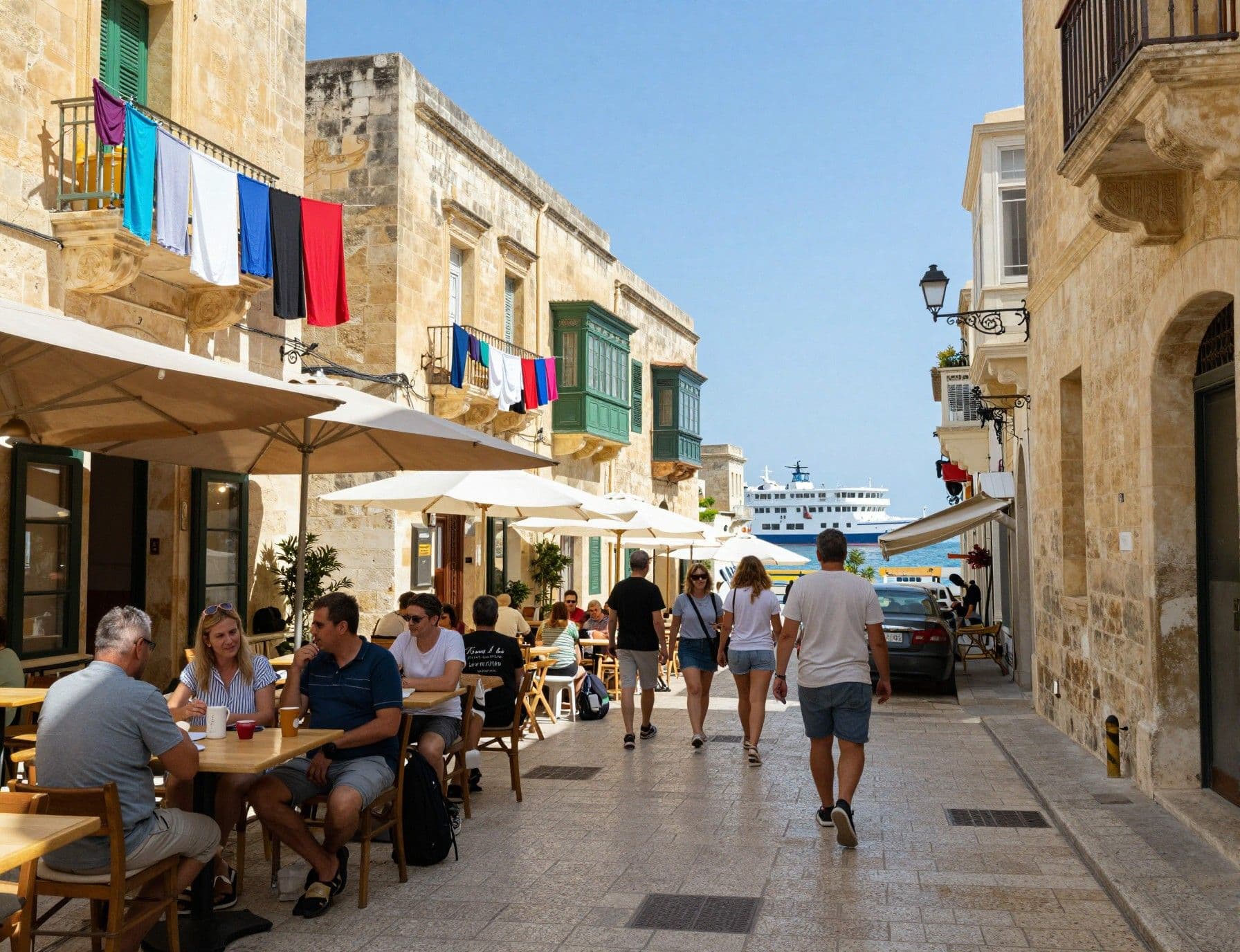
Malta is compact and social. Days begin with market runs at Marsaxlokk, drag into lunchtime on Sliema promenades, and often end on rooftop terraces above St Julian’s. The island’s size makes weekend escapes to Gozo routine; you’ll quickly learn which kafè serves the best pastizzi on a rainy Wednesday. Official data shows prices rising but stabilising in pockets — the lifestyle premium is strongest along the north and harbour fronts. (See RPPI data for the latest price trends.)
Valletta & The Three Cities — history as a backyard
Living in Valletta is like having a living museum as your neighbour: limestone palazzos, narrow lanes, and a cafe culture that spills onto quays at sunset. Walkability is unbeatable; you can join theatre nights at Teatru Manoel and still be home before midnight. The Three Cities (Birgu, Senglea, Cospicua) give you character-filled harbour views and quieter streets — perfect if you want historic texture without the constant tourist hum.
Sliema, St Julian’s & Paceville — where nomads plug in
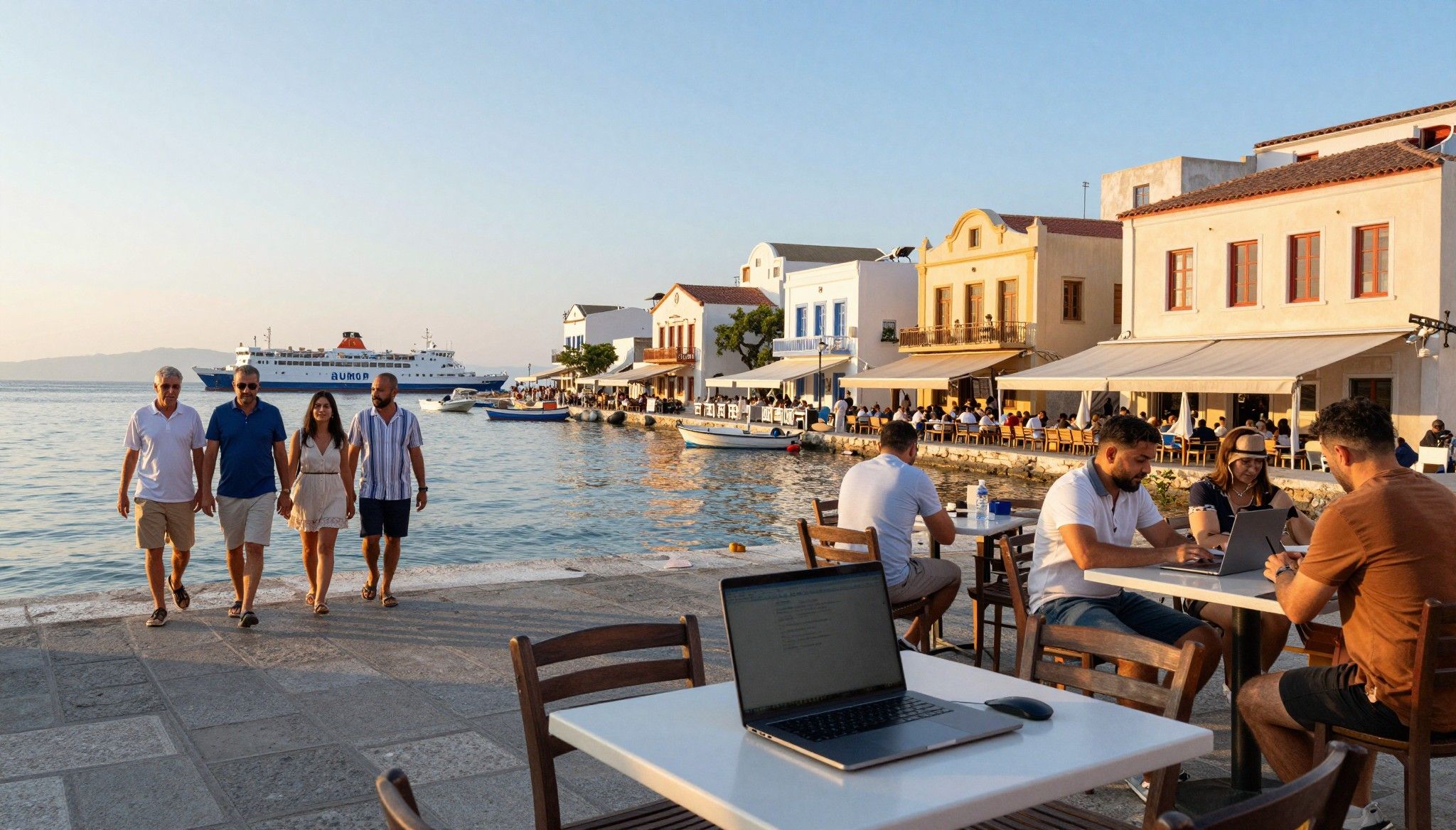
If you measure life by coworking, cafés with reliable Wi‑Fi, and easy ferry links, Sliema and St Julian’s are the hubs. Expect modern apartments, seafront promenades, and an abundance of short‑stay options. Paceville is lively at night; families often avoid it, but for social nomads it’s a magnet. Local market reports note that advertised and transacted prices are highest in these northern coastal belts.
- Lifestyle highlights: Valletta theatre nights, Marsaxlokk fish market, Sliema promenade morning runs, rooftop terraces in St Julian’s, Gozo weekend escapes, quiet cafés on Strait Street
Making the move: lifestyle-led practicals
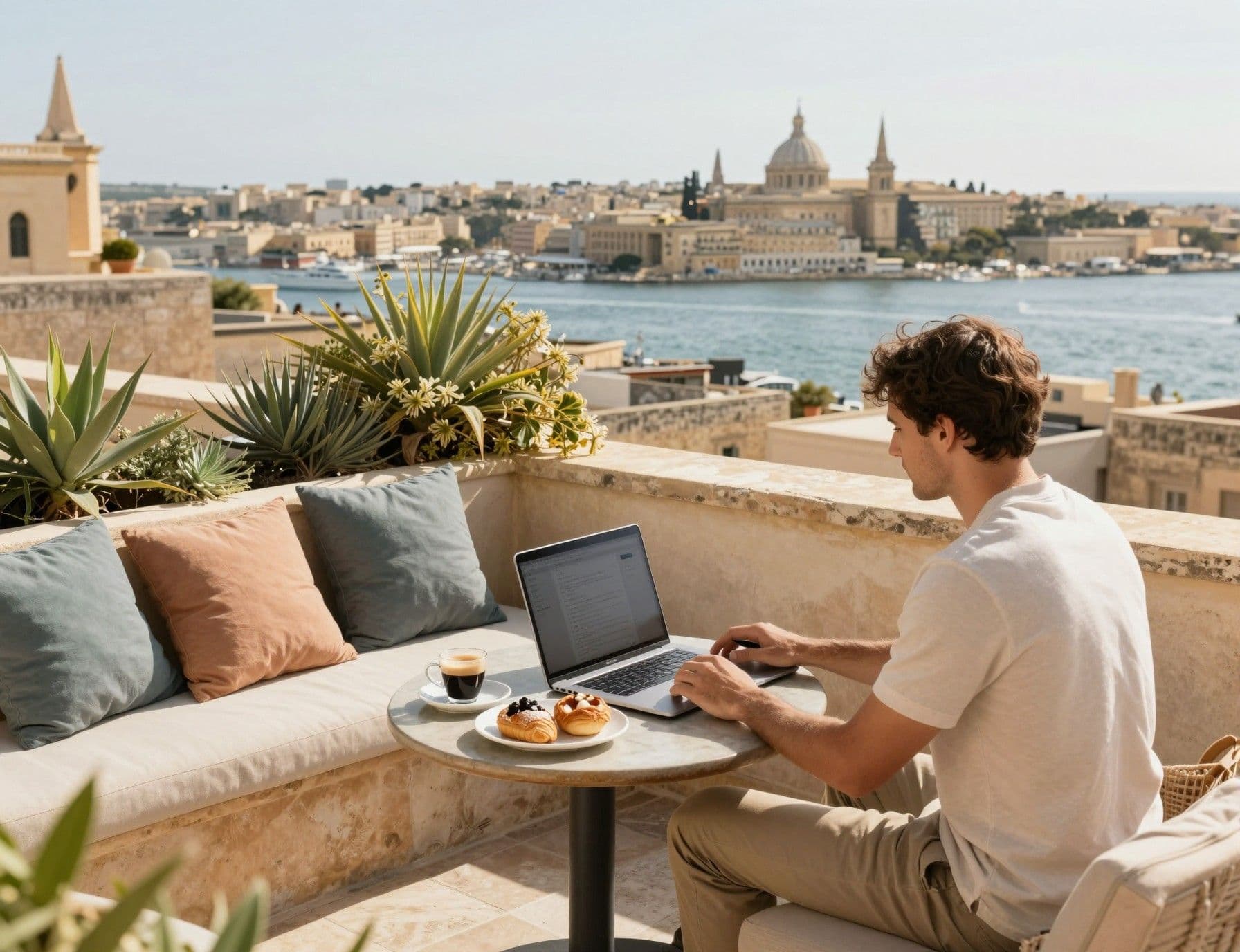
Dreams of café mornings must meet paperwork realities. Malta’s market is small, and price shifts are visible fast — the NSO and local banks publish regular indices you’ll want to watch. Your property choice should balance three things: daylight and airflow (for older stone houses), internet and workspace layout (for remote work), and proximity to the services that make life easy (supermarkets, healthcare, and community hubs).
Property styles & how you’ll live in them
From narrow Valletta townhouses to modern Sliema apartments and village maisonettes inland, each type shapes daily routines. Older stone homes offer thick walls (cool summers) but often need updates for plumbing and high-speed broadband. Newer builds give open-plan workspaces and lifts — great if you value ergonomics and coworking commutes. Think beyond square metres: terraces, rooftop access, and insulation matter more than an extra bedroom when you work from home.
Working with local experts who speak lifestyle
- 1. Pick agents who understand nomad needs: fast internet, permitted workspaces, and short‑term rental rules. 2. Ask sellers for recent speed tests and utility histories; fibre availability can vary by street. 3. Prioritise properties with outdoor space — balcony or roof — for meetings with a view. 4. Get a local architect or surveyor to inspect older stone properties for damp and wiring before bidding.
Insider knowledge: expat truths and red flags
Expats love Malta for its English use and compactness, but quickly learn the island’s micro-market quirks: small streets can mean limited parking, and coastal premiums climb steeply. Recent reports show rising transaction values and a denser concentration of value in prime harbourside areas. That means your agent’s street-level knowledge is worth premium attention — the same apartment one block inland can be materially cheaper.
Cultural integration, language, and community
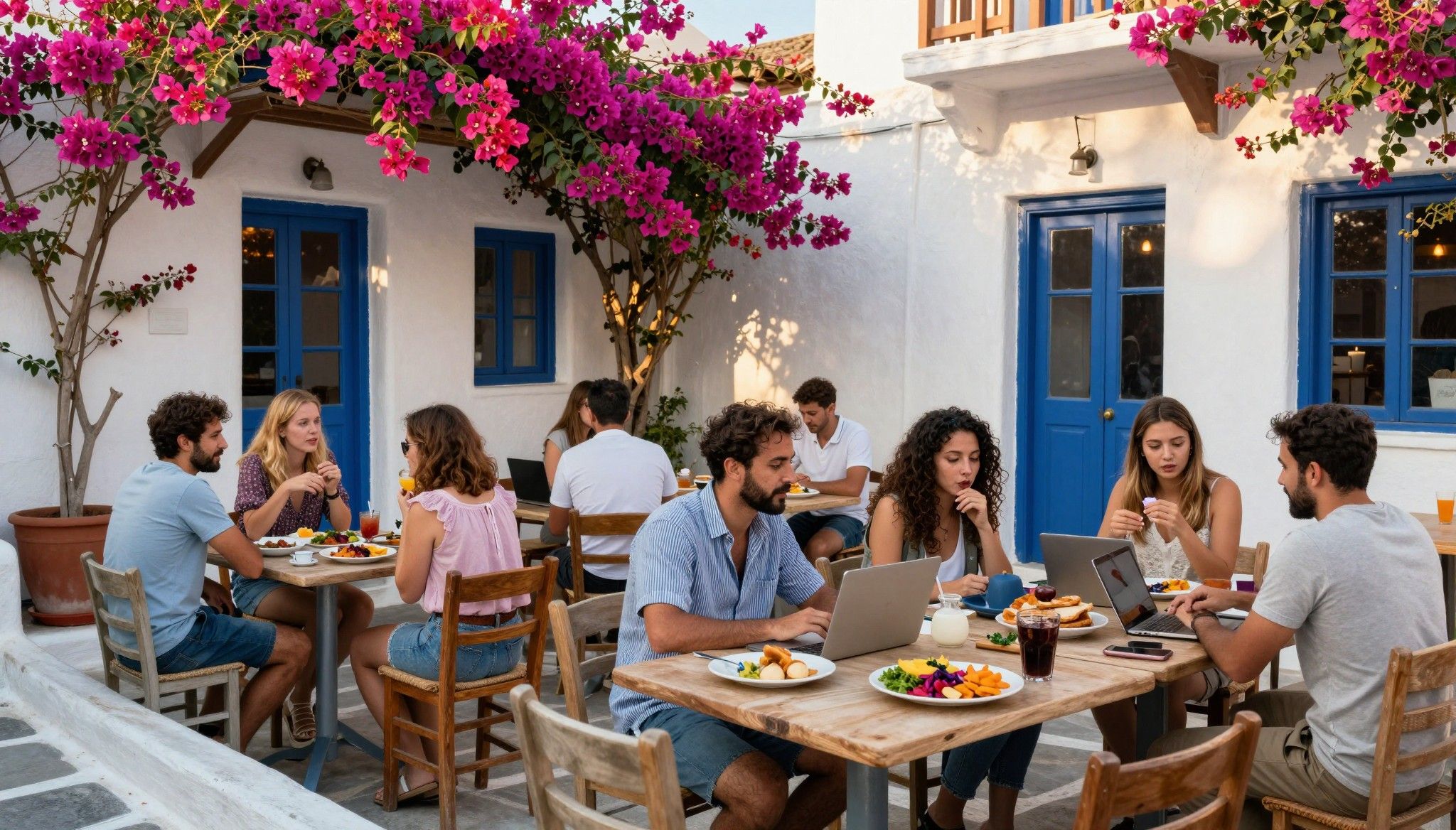
English is an official language, but learning Maltese opens doors at neighbourhood festas and local markets. Join weekly meetups (coworking events in Valletta and Sliema are common) and volunteer at village festas to meet neighbours. Expect slower bureaucratic rhythms — patience and a smile go far in making practical matters smoother.
Long-term lifestyle + practical considerations
Think five years ahead: will you want rental income when you travel? Is the property easy to maintain from abroad? Factor in property management, seasonal demand (summer rental peaks), and evolving neighbourhood dynamics — areas near new hospitality developments often shift fast. Use local market indices to time offers sensibly rather than chasing hype.
- Red flags to spot: unclear title history, missing planning permits for rooftop changes, no recent electrical rewiring certificate, inconsistent broadband availability, high service fees without clear itemisation
If Malta has a real estate myth, it’s that the island is uniformly expensive. The truth: premium pricing concentrates along certain coastal strips and historic cores. Inland villages, older terraced houses, and pockets of Gozo offer genuine value if you prioritise lifestyle over seafront bragging rights. Start neighborhood scouting on foot, bring a local agent, and cross-check prices with NSO and CBM indices to separate buzz from real value.
Conclusion: Malta gives you Mediterranean mornings, tight-knit neighbourhoods, and a lifestyle that blends ancient streets with modern remote work. Use official indices, pick agents who know which lanes have fibre, and prioritise lived-in features — terraces, airflow, and proximity to community hubs. When you marry lifestyle wants with street-level market data, Malta stops being a postcard and becomes home.
Norwegian who has helped 200+ families relocate from Oslo to Spain; expert in relocation services and community integration.