Malta Neighbourhoods: Lifestyle vs. Market Trade‑Offs
Think beyond postcards: Malta offers compact, varied lifestyles—but rising prices, seasonality and infrastructure matter. Visit off-season, test internet, and match property type to daily life.

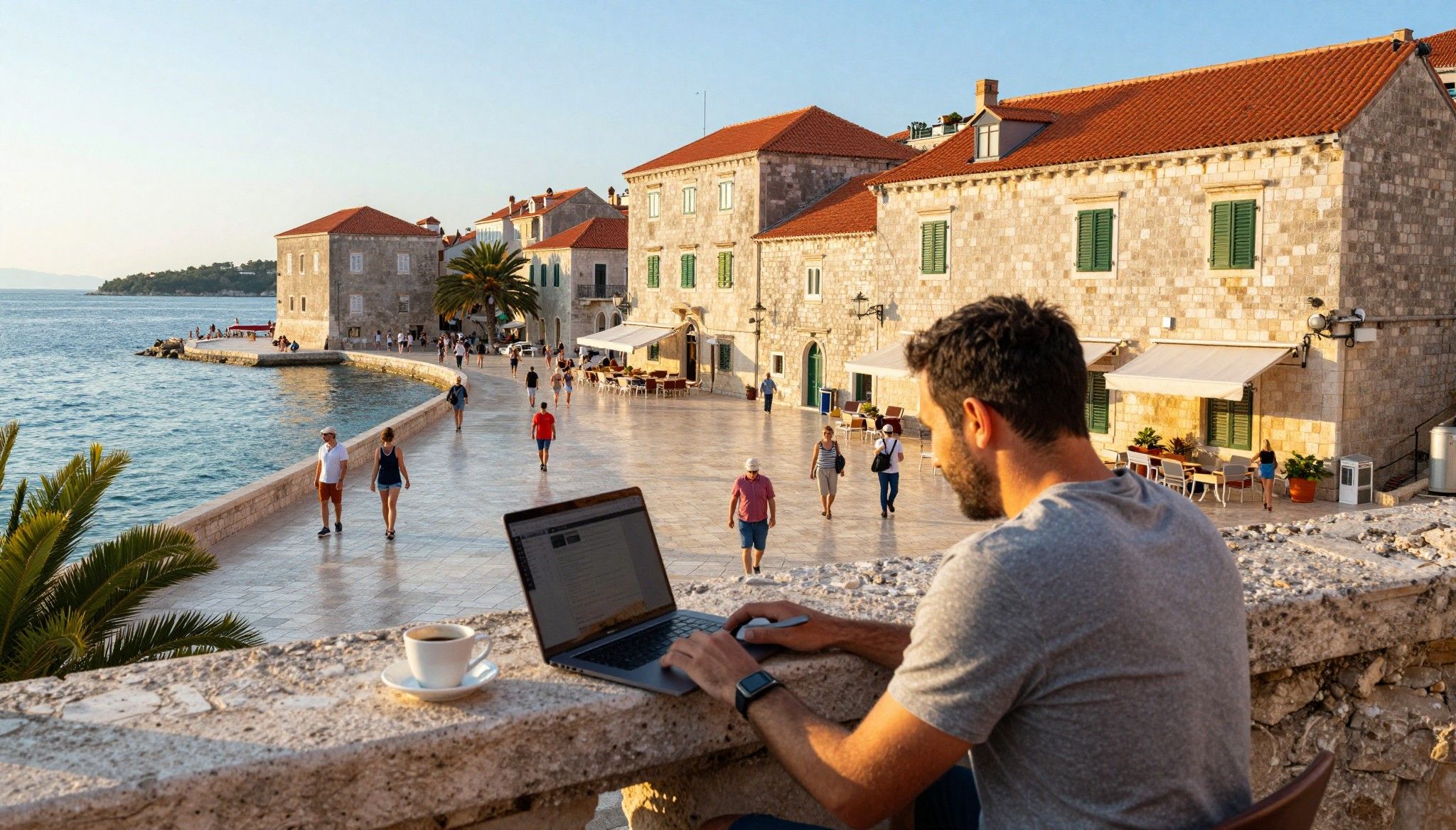
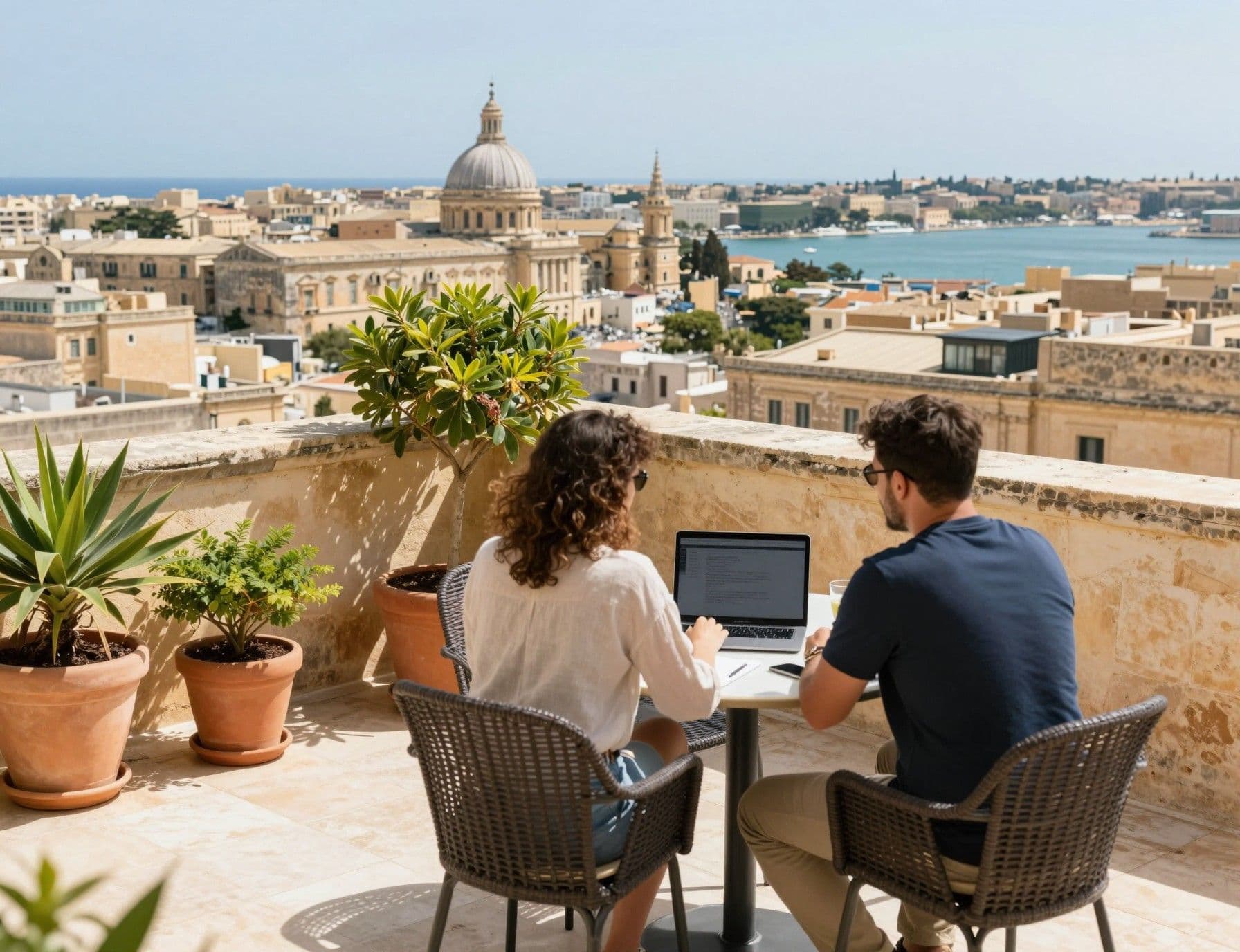
Imagine finishing a work sprint on your laptop at a sun-warmed café in Sliema, then walking five minutes to catch the golden light over the Strand. In Malta, days are measured in espresso shots, sea breezes, and late-afternoon passeggiata walks through limestone streets. For international buyers dreaming of a compact Mediterranean life, that rhythm is addictive — but the market moves fast, and lifestyle choices change what you should buy. This guide pairs the sensory pull of Maltese neighborhoods with data-backed realities so you fall in love wisely.
Living the Malta Lifestyle
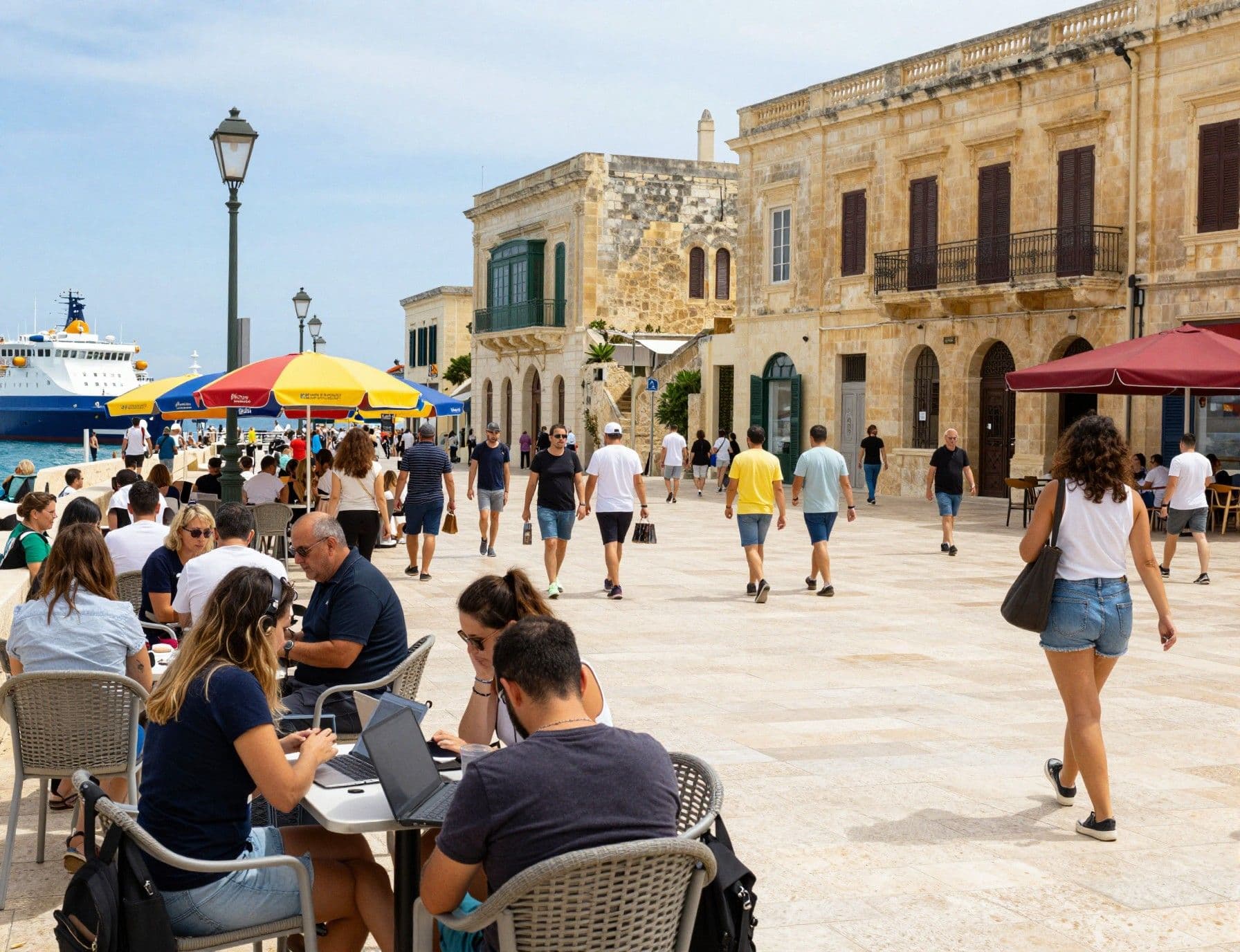
Malta feels like a string of villages stitched along the sea. Valletta's baroque lanes pulse with museums, rooftop bars and government life; Sliema and St Julian’s hum with cafés, coworking options and expat-friendly amenities; Marsaxlokk and the South offer slower fishing-town rhythms. Summers are social and loud, winters mild and pleasantly quiet — the island's size makes it easy to swap scenes in a day. For a nomad or remote worker, that variety means you can test lifestyles without uprooting entirely.
Valletta & The Three Cities — history, rooftops, espresso
Picture narrow streets, limestone façades and a rooftop aperitivo as the sun drops behind Fort St Elmo. Valletta is compact and theatrical — perfect for someone who wants museums, theatre nights and a walkable daily life. Properties here tend to be historic apartments and characterful townhouses; many have modest footprints but enormous personality. If you value immediate culture and short commutes to cafés and coworking, Valletta delivers — but expect premium for that convenience and character.
Sliema & St Julian’s — sea promenades and coworking
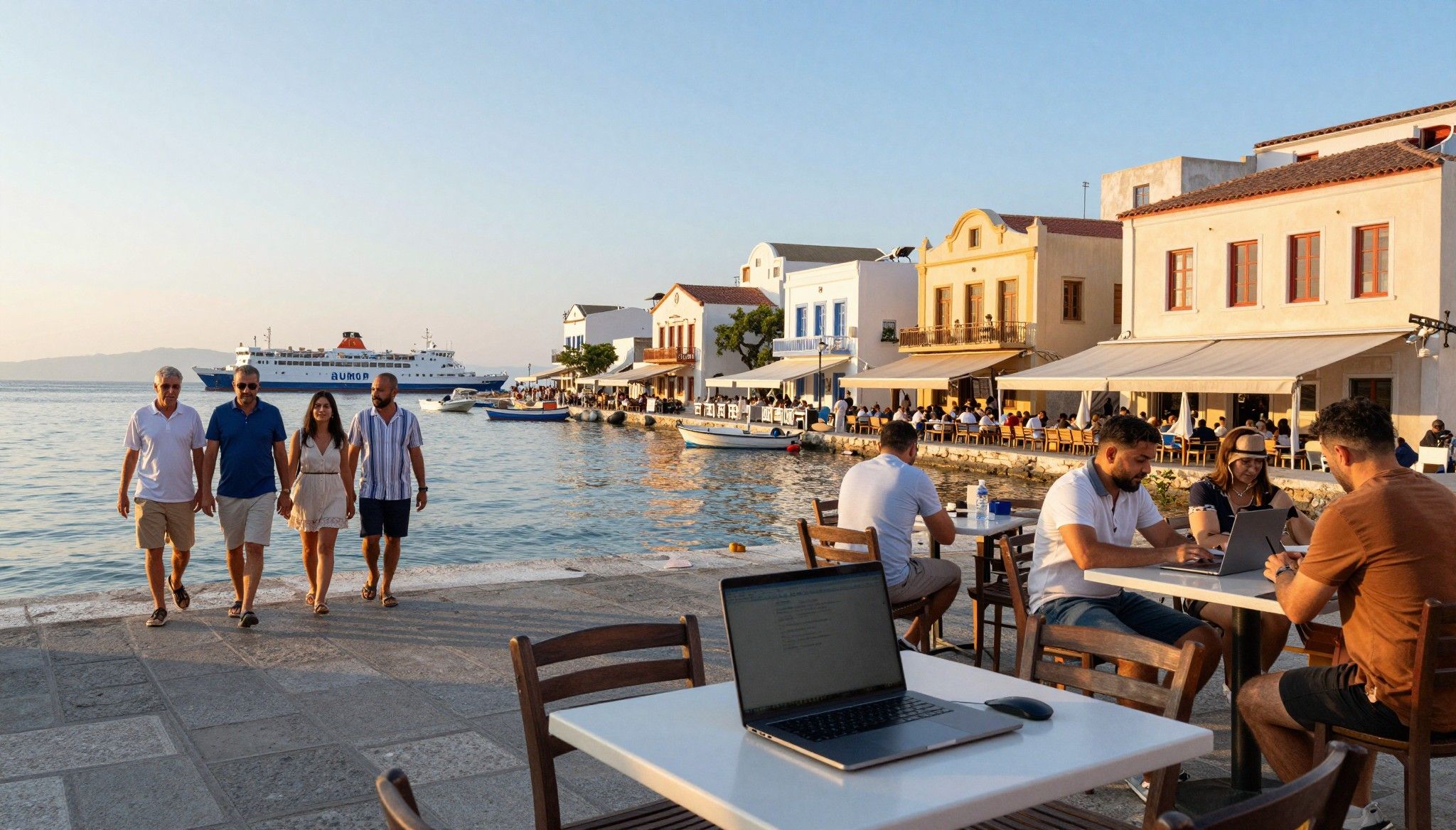
Sliema and St Julian’s are the practical heartbeat of expat life: fast cafés, reliable ferries, and a cluster of coworking spaces that cater to remote professionals. The promenade in Sliema is an everyday luxury — morning runs, afternoon phone calls with sea views, and tapas-style dinners at sunset. Apartments and modern conversions are common here, often offering easier access to broadband and serviced amenities. For remote workers who want social life and dependable infrastructure, this is often the first stop.
- Lifestyle highlights: Valletta rooftop aperitivos; Sliema Strand runs and cafes; Spinola Bay evening dinners; Marsaxlokk fish market Sundays; Mdina evenings for quiet walks; Golden Bay weekend swims.
Making the Move: Practical Considerations
Dreams aside, Malta's market shows steady price growth in recent years. Official figures from the NSO and multiple industry reports document consistent rises in the residential price index, meaning timing, location and property type materially affect value. That data matters if you plan to buy as a live-in nomad, a rental investor, or a hybrid owner. Work with numbers and local expertise — not just beautiful photos — to match lifestyle to long-term affordability.
Property styles & how you’ll actually live in them
Maltese homes range from tiny historic apartments with high ceilings to modern seafront developments and tower-block flats. Smaller, characterful homes in Valletta and Mdina are romantic and walkable but offer less storage and often no private parking. Newer developments in Sliema and Pembroke provide better internet infrastructure and outdoor terraces — helpful if you work from home. Match the property to your routine: rooftop terraces for social life, quiet courtyards if you need focus, and proximity to ferries or bus routes if you plan island-hopping.
Working with local experts who know the lifestyle
- 1. Choose an agency that knows the neighborhood vibe, not just listings — they’ll point out noise patterns, summer crowds, and actual commute times. 2. Ask for wired internet speed tests and nearest 4G/5G coverage maps before committing — remote work depends on it. 3. Confirm permit history and rooftop/terrace rights — many Maltese homes have shared roof ownership quirks. 4. Check short-let regulations if you plan to rent part-time; Malta’s policy environment changed recently and affects income potential. 5. Request recent utility bills and building maintenance records to avoid surprise communal charges.
Insider Knowledge: What Expats Wish They’d Known
Expats often romanticize Malta and then bump into everyday realities: summer crowds in coastal hotspots, higher asking prices in small island markets, and the paperwork rhythm of local bureaucracy. The locals' relaxed pace is wonderful — but it can frustrate buyers used to instant replies. Real insight: visit in both high and low season, test your commute during rush hour, and chat with neighbours over coffee to learn the real noise, delivery and community patterns.
Cultural integration, language and making friends
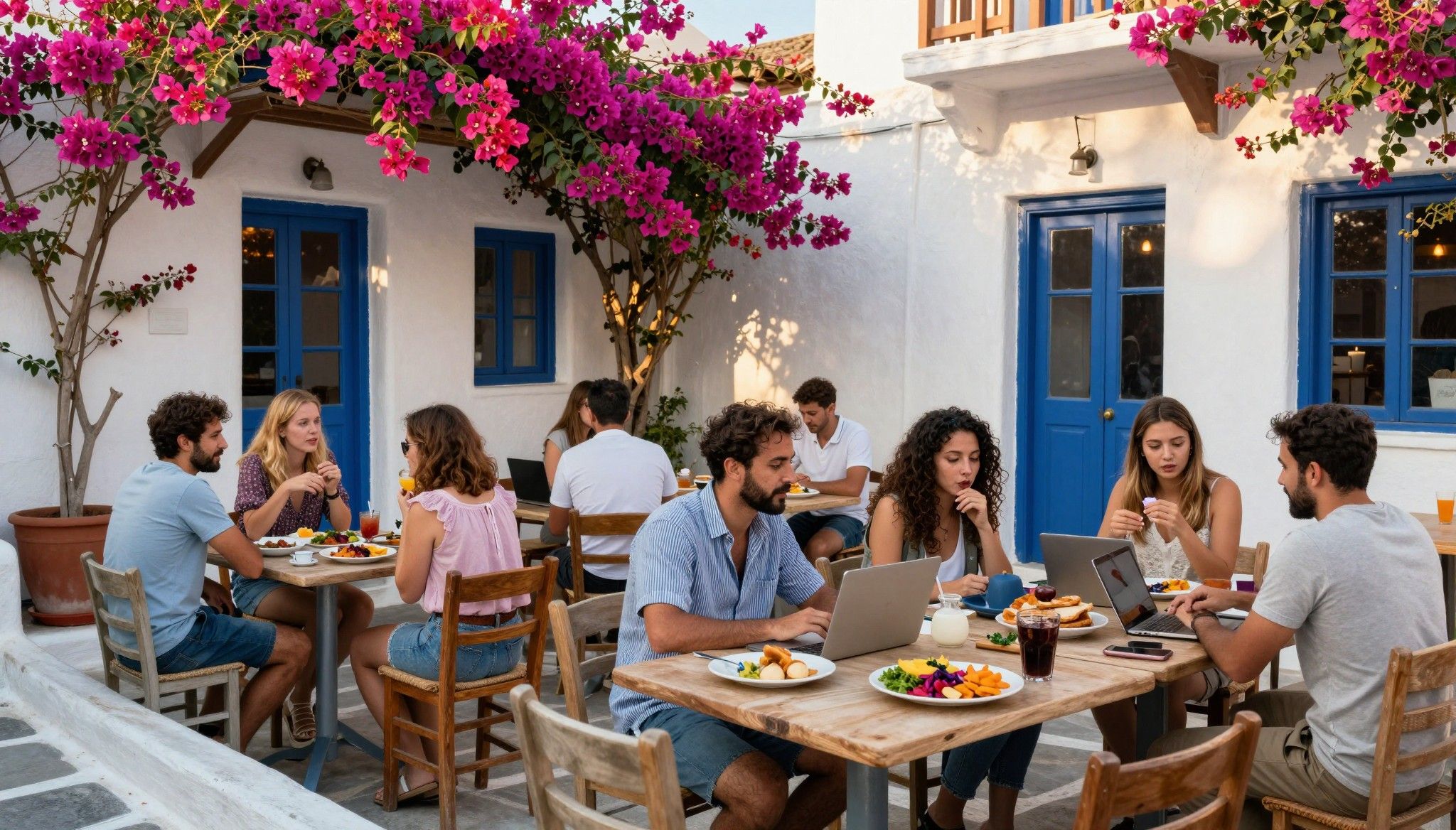
Maltese people are warm and English is an official language, which makes first months easier for many internationals. But there are unspoken social norms — family-centered weekends, late dining hours, and pride in local traditions — that shape daily life. Join local clubs, volunteer at festas, or take a Maltese cooking class to meet people beyond the expat bubble. Small gestures — learning a few Maltese phrases or shopping at the local market — go a long way toward belonging.
Long-term lifestyle & practical watchpoints
If you’re thinking long-term, consider maintenance costs for limestone buildings, potential for sea-salt corrosion on shorefront properties, and evolving rental yields in tourist zones. Some reports indicate rental yields are under pressure as prices rise faster than rents, so crunch the numbers if rental income matters. Also think about life stages: a tiny Valletta flat is dreamy short-term, while a Pembroke townhouse might better suit a family or long-term remote-worker setup.
- Practical next steps: Visit in both summer and winter; run internet speed tests on-site; request recent RPPI or agency comparables; meet at least two agencies that specialise in your target neighbourhood; budget for building maintenance and communal fees.
Malta asks you to balance romance and realism. That rooftop aperitivo will be even better when it’s paired with a property that supports your day-to-day work, friendships, and long-term finances. Start by picking the lifestyle you want — quiet island mornings or social coastal evenings — then use local data and a trusted agency to find the specific street that delivers it. When in doubt, rent first: live a few months in Valletta, Sliema or Marsaskala and see which rhythm grabs you.
Danish investor and relocation advisor focusing on Portugal and the Algarve; loves coworking culture and expat networks.