Why Valletta Isn’t the Whole Malta Story
Valletta dazzles, but nomads often thrive in Sliema, Gżira or quieter south towns — combine lifestyle trial stays with RPPI market checks to make the right Malta buy.
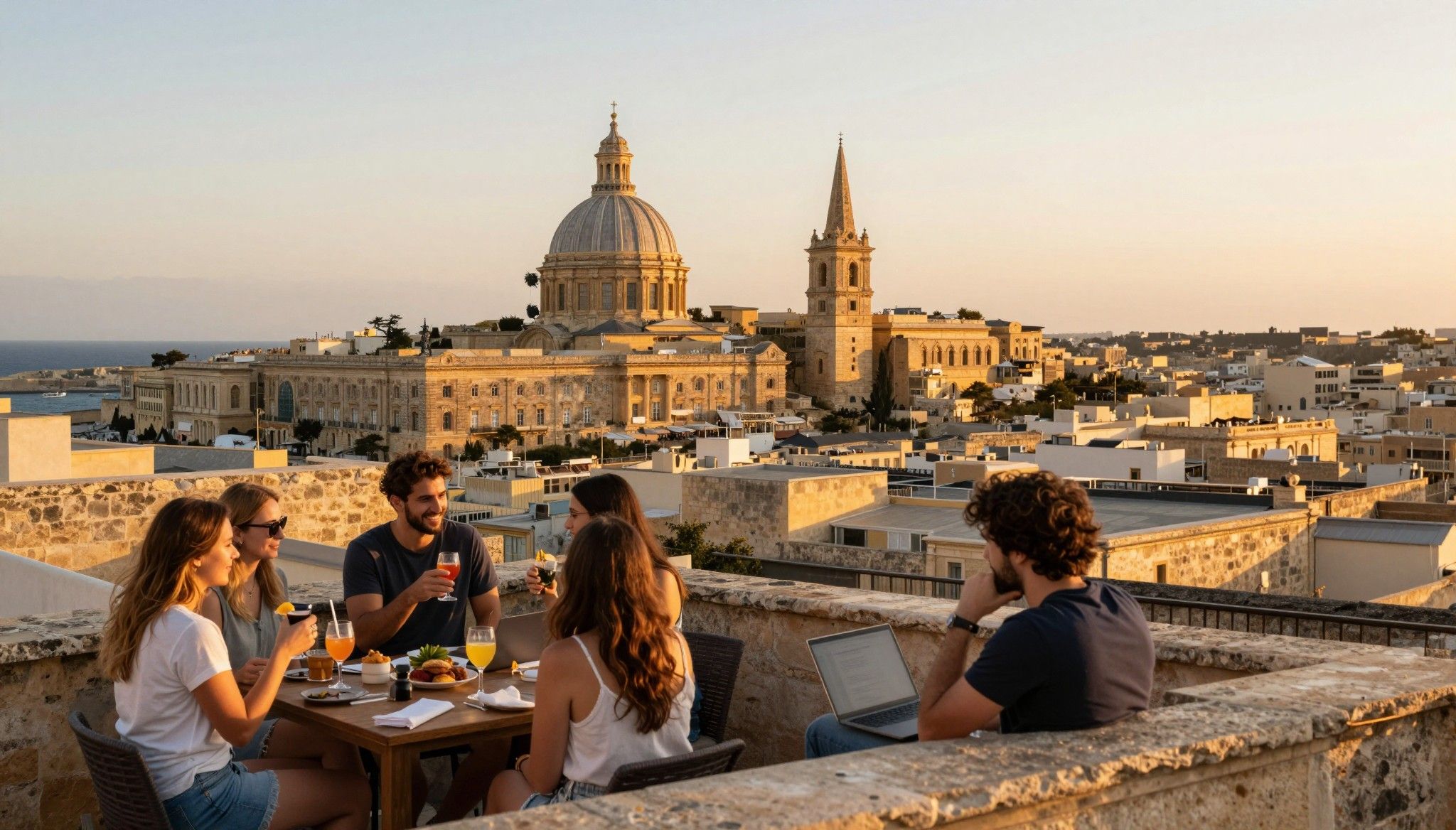
Imagine sipping a late‑morning espresso on a Valletta balcony, sunlight ricocheting off honey‑stone walls, church bells and the murmur of ferries in the harbour below. It’s cinematic — and it’s also seasonal. Valletta dazzles in high season, but living here year‑round is different from the postcard. This piece flips the tourist script: where Malta’s charm becomes everyday life, which neighbourhoods actually support remote work, and the local market facts you’ll want before making an offer.
Living the Malta life: more than postcards
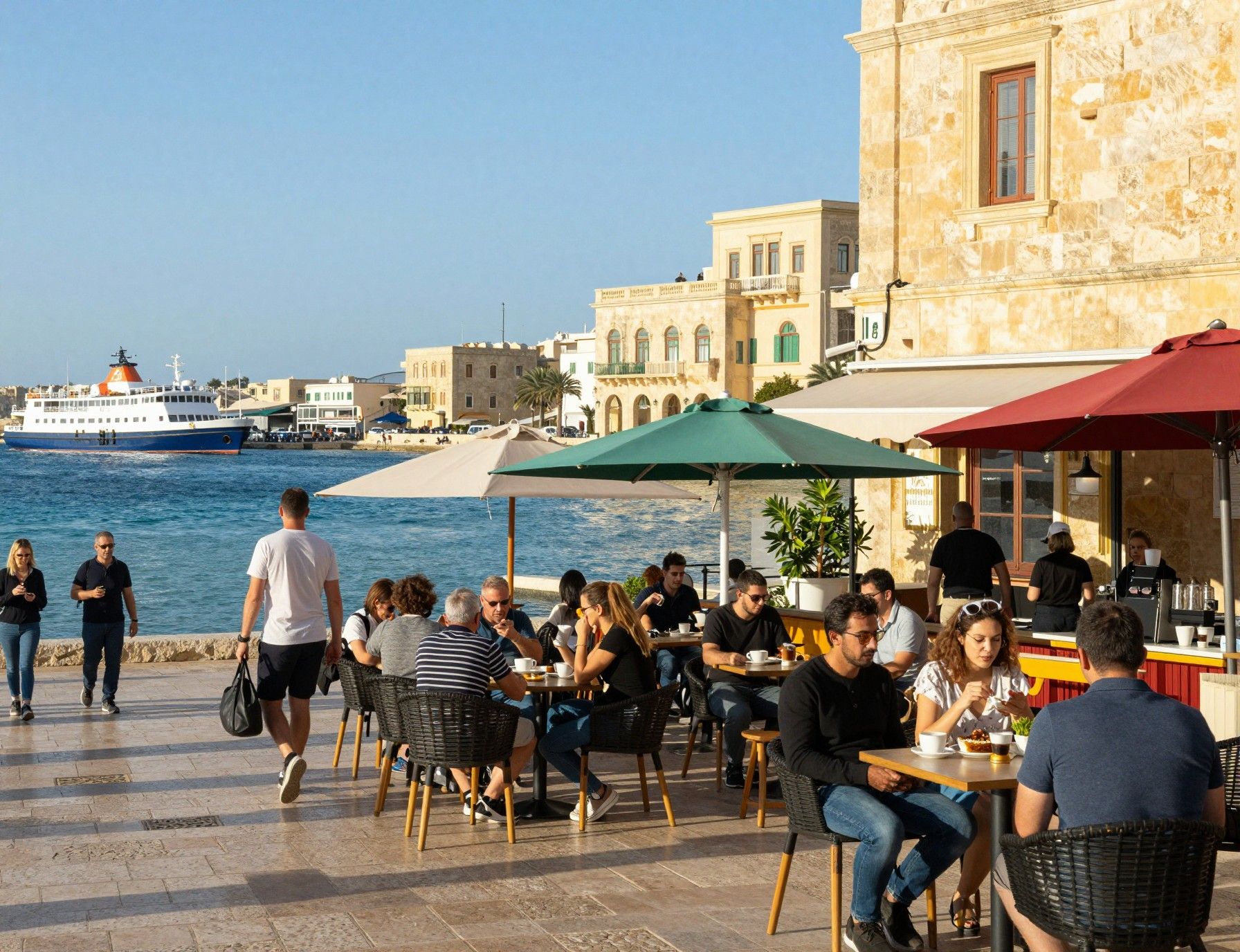
Malta is compact and intense — three islands, a handful of towns, and a rhythm that’s Mediterranean slow in the mornings and energetic by evening. Days are walked: promenades in Sliema, cafés in Gżira, markets in Marsaxlokk. English is an official language, so settling in feels smoother than on many European islands. But this density brings trade‑offs: small streets, thin soundproofing in old houses, and pockets that swell with tourists in summer.
Valletta: theatrical, historic — and not always practical
Valletta is a dream for culture lovers: baroque facades, tiny artisan shops, rooftop bars with panoramic views. But its narrow lanes, tourist footfall, and limited parking make daily life — grocery runs, taking a dog out, or productive remote work with quiet Wi‑Fi — more challenging. Many expats love weekend Valletta and choose to live in nearby quieter streets instead.
Sliema & Gżira: waterfront, cafés, coworking-friendly
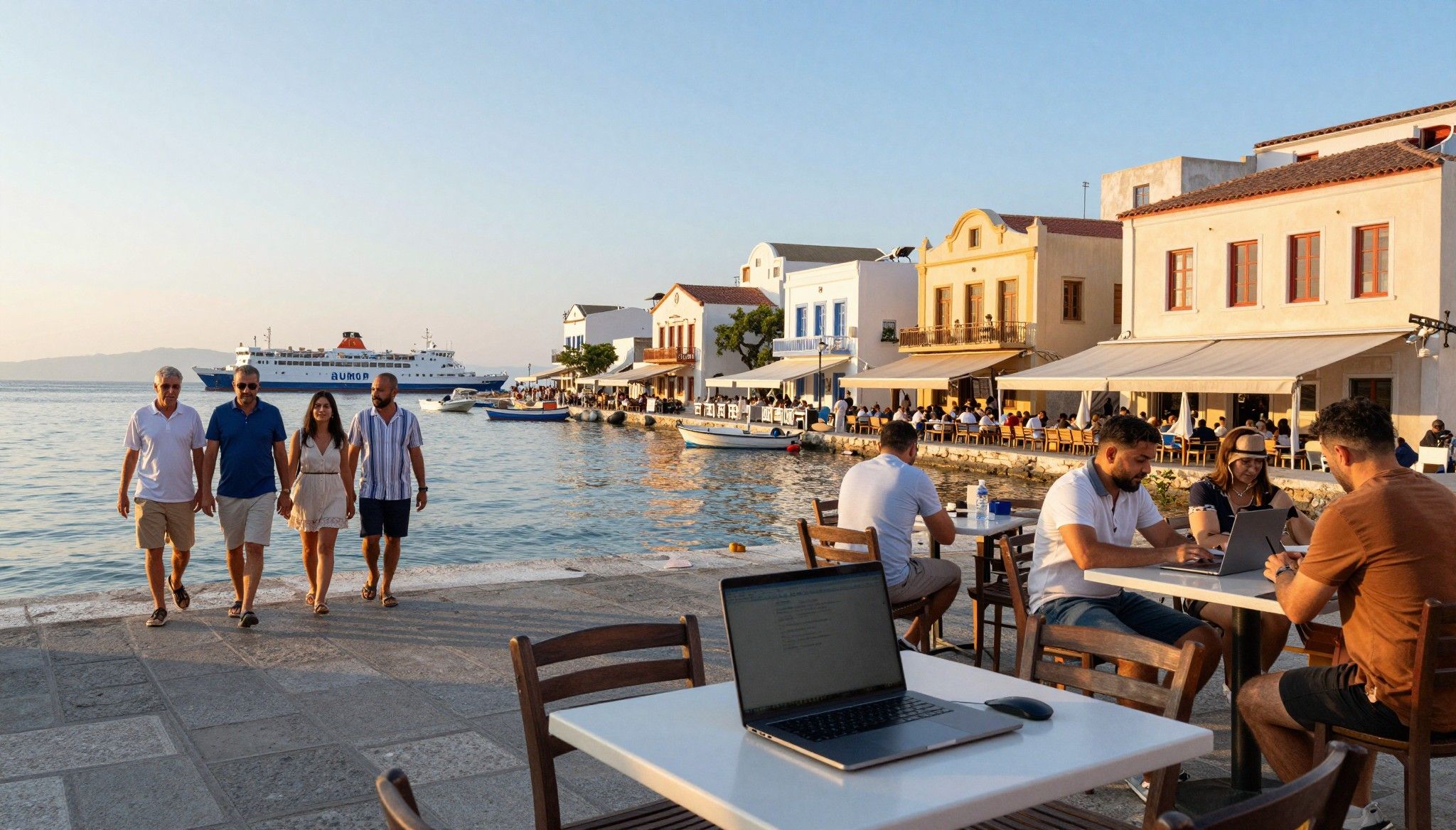
If you want sea promenades, lively cafés, reliable ferries to Valletta and a selection of coworking spots, Sliema and neighbouring Gżira are where remote workers gravitate. You’ll find modern flats, better broadband options in many buildings, and a social scene that makes making friends easier. Expect higher rents for waterfront views, but easier daily logistics than in the capital.
St. Julian’s & Paceville: nightlife vs. work-life balance
St. Julian’s — and its party heart, Paceville — pulses late. If you crave bars and restaurants, this is lively. If you need deep focus from home, pick a quieter street or look for modern developments with good glazing. For many nomads, a compromise works: live a short walk away and use local coworking spaces by day, sample the nightlife selectively.
- Lifestyle highlights to scout in neighbourhoods
- A morning espresso on Tower Road (Sliema) and a ferry into Valletta; weekend fish‑markets in Marsaxlokk; rooftop sunsets in Valletta’s Strait Street; coworking meetups in Gżira; coastal walks from St. Julian’s to Balluta Bay.
Making the move: lifestyle-first practicalities
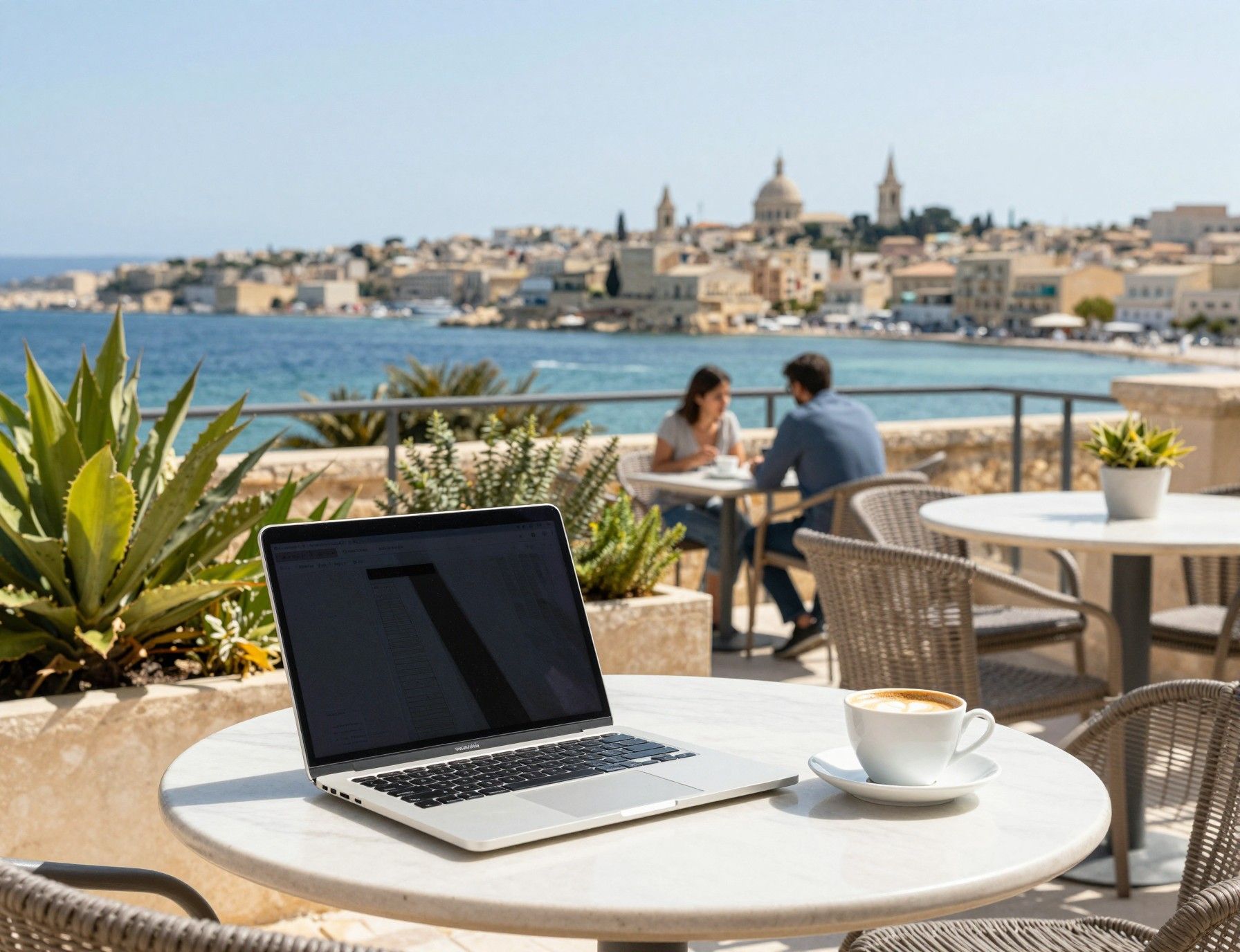
Dreams meet reality in the local market. Malta’s Residential Property Price Index grew in early 2025, showing steady demand and a market where supply is tight in coveted spots. That means being realistic about trade‑offs: an apartment with a tiny terrace in Valletta costs premium lifestyle points, while a bigger home in Żabbar or Mellieħa offers space but different daily rhythms. Use market data to set flexible priorities.
Property types that match nomad life
Maltese maisonettes and modern apartments are the most common buys for internationals. Maisonettes give terraces and outdoor space; modern builds often have better insulation, elevators and bundled parking. If you work from home, prioritise a bright room for a proper desk, stable broadband (ask providers for building-level speed tests), and a terrace for breaks.
Local experts who solve lifestyle trade-offs
Good local agents do more than show homes — they translate neighbourhood rhythm. Ask them about noise patterns (weekend festivals, ferry timetables), broadband history in the building, and nearby coworking options. Agencies with relocation experience can also connect you to local utilities, satellite SIMs, and community meetups so you land in a neighbourhood that fits your week‑to‑week life.
- Steps to match lifestyle with property (practical + lived experience)
- 1) Live‑test: spend 10–14 days in two different neighbourhoods at different times (weekday mornings, weekend evenings). 2) Check building broadband: request recent speed tests and ask neighbours in local Facebook/WhatsApp groups. 3) Ask agents about quieter streets, not just show‑flat façades. 4) Budget for soundproofing or shutters if you choose historic centres.
Insider knowledge: what expats wish they’d known
Three practical truths from people who made the move: tourist centres are gorgeous but noisy; smaller towns give space but fewer international services; and the fastest path to community is regular spots — a café, a yoga studio, a coworking. Many expats recommend choosing a neighbourhood by weekly rhythms (market days, ferry schedules, evening noise) rather than just aesthetic charm.
Cultural fit: language, rituals and weekdays
Maltese life mixes British‑influenced logistics with Mediterranean sociality — shops close mid‑afternoon in some areas, Sundays can be quiet, and local festas animate neighbourhoods with fireworks and band music. Learning a few Maltese words earns smiles; joining a local club or volunteering at a festa accelerates friend‑making more than attending expat meetups alone.
Longer-term view: where life and value align
Data shows steady price growth rather than runaway spikes — demand is strong and supply tight in central coastal towns. For buyers aiming to live and work long‑term, consider neighbourhoods with incremental growth (Gżira, Paola, parts of south Malta) where you can get more space for the same budget and still be within easy reach of cafés and coworking.
- Red flags to spot early (lifestyle + market)
- Unreliable building broadband history; properties advertised as “quiet” adjacent to festival streets; flats with no outdoor space in summer; lack of natural light in traditional cellars marketed as studios; unclear title history on very old townhouses.
Conclusion: fall in love, then check the facts. Malta’s compact scale means the life you want is often a street‑choice away from the life you see in photos. Start with lifestyle priorities — morning light, afternoon sea breezes, rooftop aperitifs, easy coworking — then back them with data: local price trends, broadband records, and on‑the‑ground agent intel. Book two week‑long neighbourhood trials, talk to residents, and pick a local agent who knows the rhythm, not just the listings. That’s how you end up with a home that looks like a holiday postcard and feels like everyday life.
British expat who moved from Manchester to Mallorca in 2017. Specializes in market analysis and helping fellow Brit navigate local regulations.