Greece: Fall for the Life, Buy with the Data
Fall for Greece’s everyday rhythms — then buy with data: rising prices, Golden Visa shifts and rental rules reshape where nomads should look.
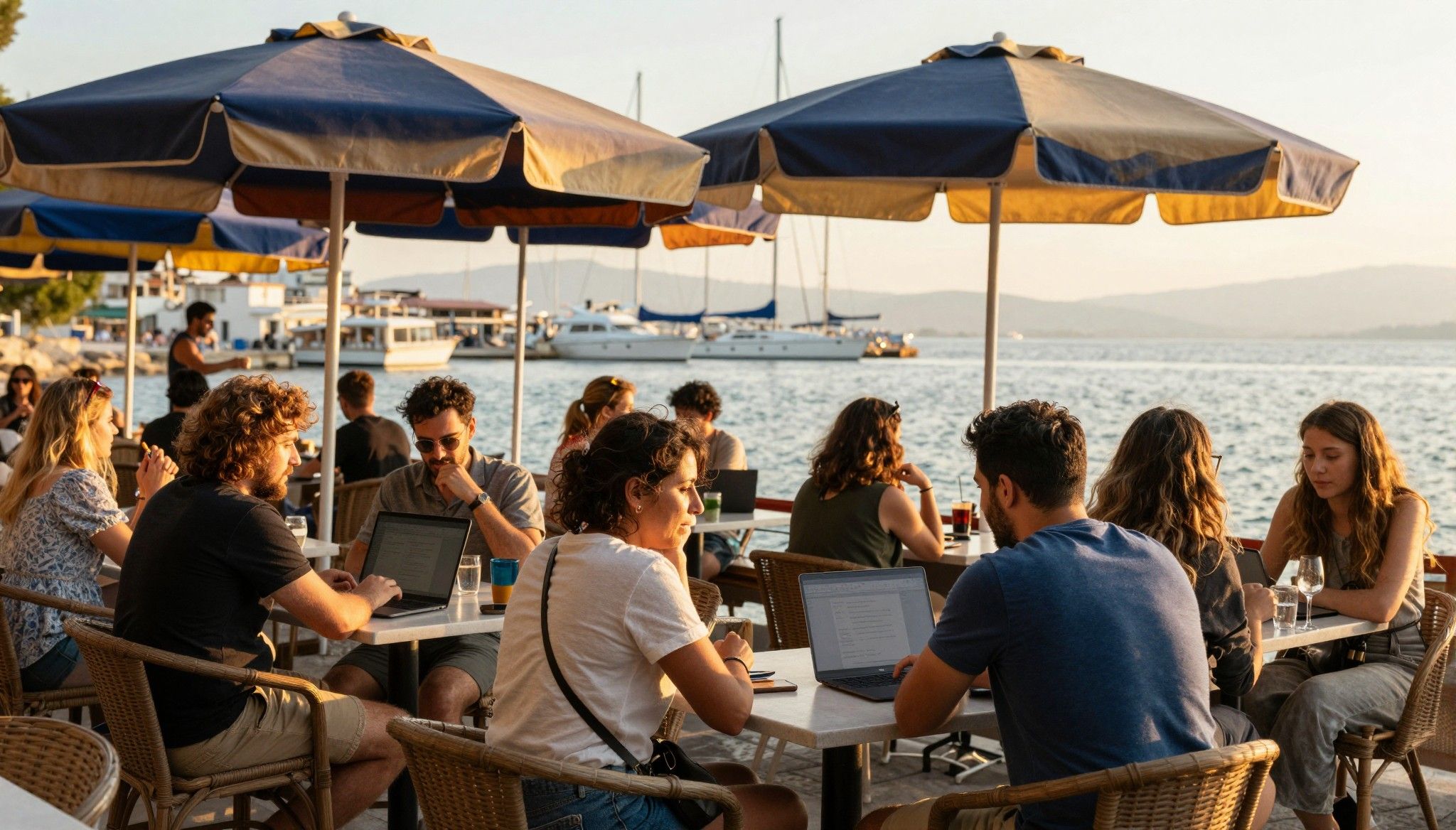
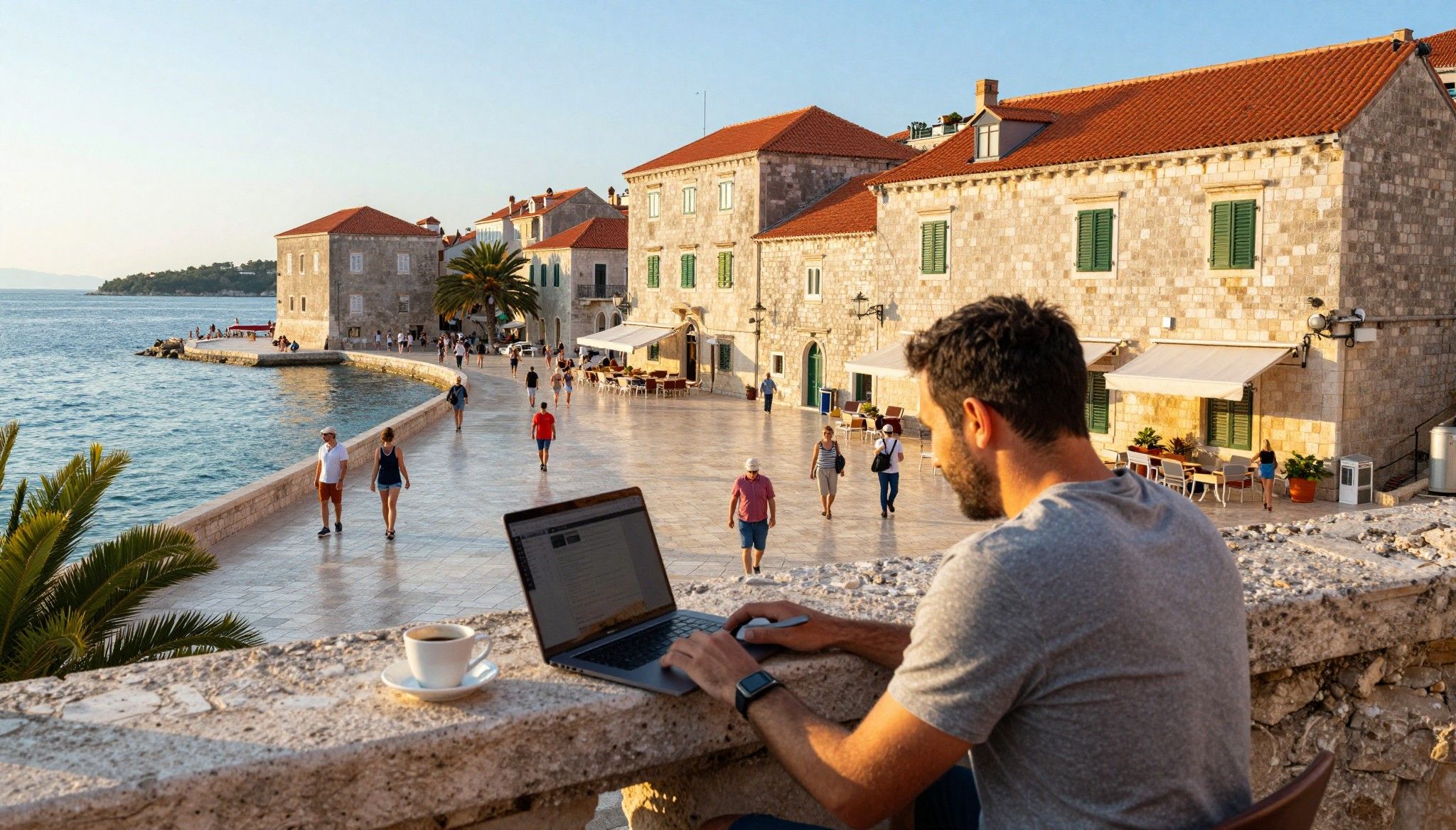
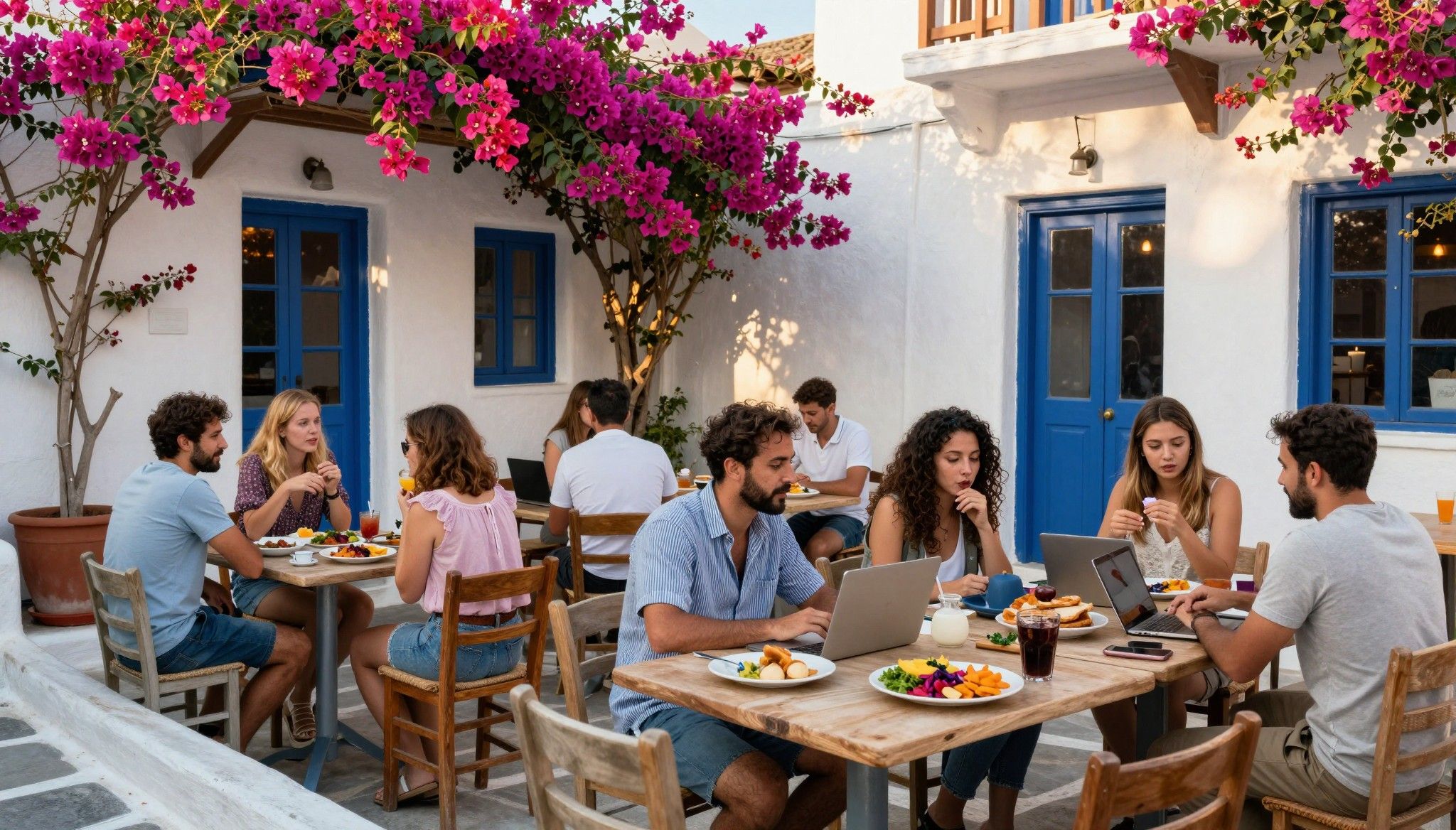
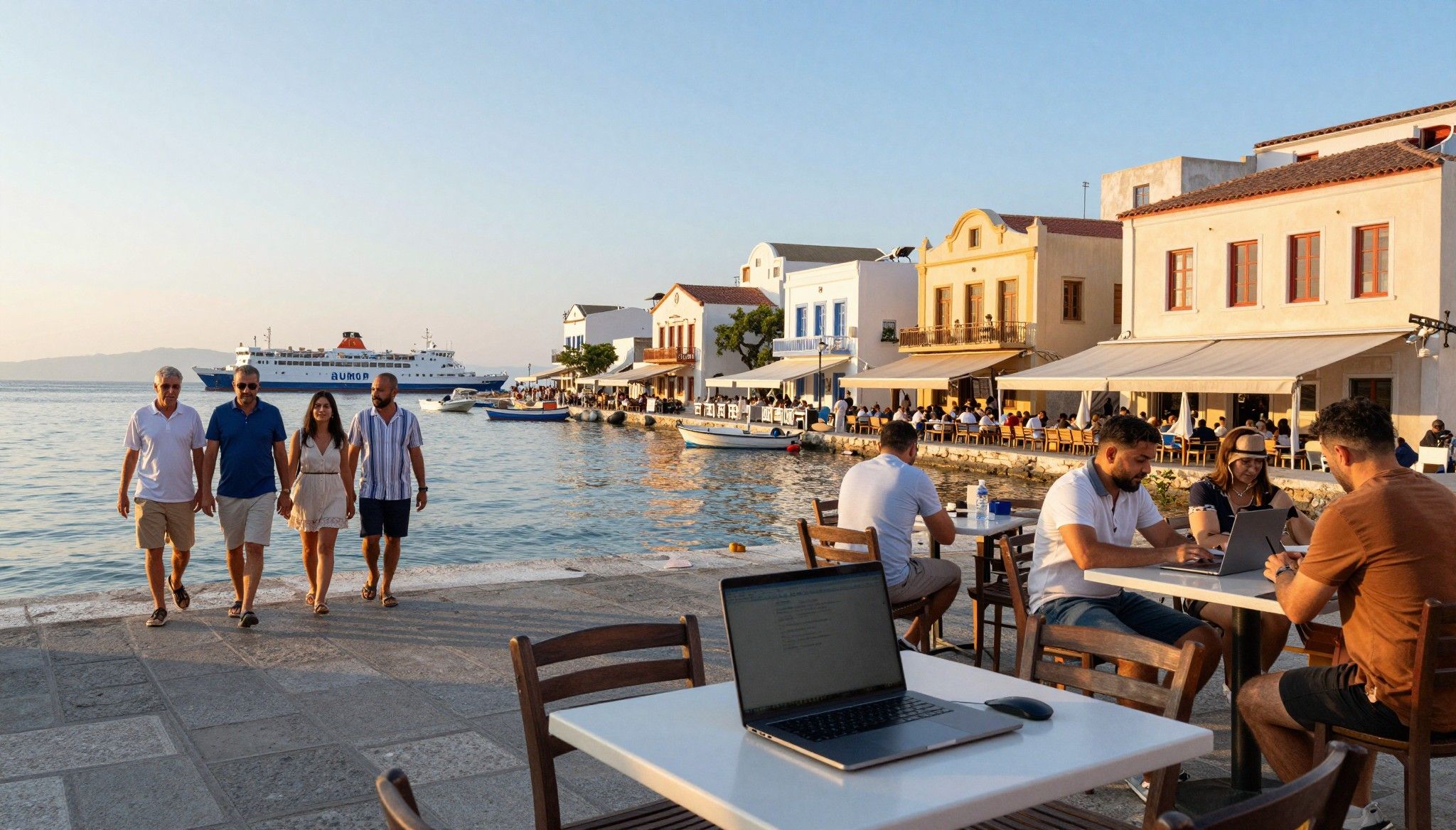
Imagine waking to an espresso steam drifting down a narrow street in Psirri, walking five minutes to a coworking space with sea-blue tiles on the terrace, and closing the laptop for a sunset swim on the Athens Riviera. Greece has that slow joy — long lunches, loud markets, ritualed coffee catches — but also a surprisingly modern infrastructure for digital nomads: solid cafés with fast Wi‑Fi, growing coworking scenes, and seasonal pockets of high-yield short‑term rentals. This story is for the person who wants the bougainvillea and the broadband: love-language for the Mediterranean lifestyle, plus the reality-checks you need to buy here with confidence.
Living the Greece Life: Sunlit Routines and Neighborhood Rhythms
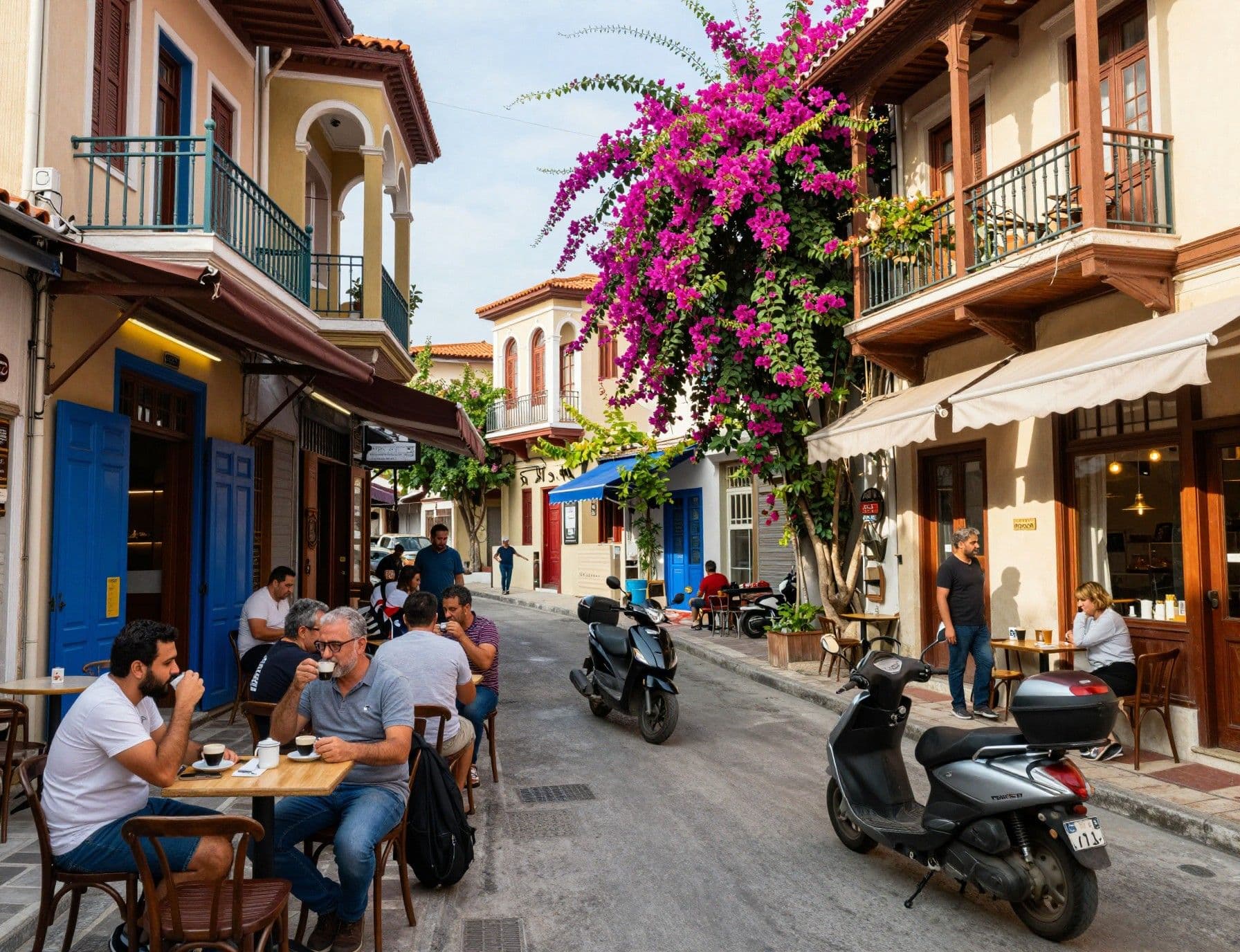
Greece feels like a set of daily rituals stitched across regions. In Athens you’ll hear the clack of espresso cups and see scooters zigzagging past neoclassical facades; in Chania you’ll eat fish straight off the grill beside Venetian harbor light; on Naxos you’ll climb lanes where goats outnumber cars and mornings unfold slowly. The climate shapes how you live: long grilling summers invite rooftop dinners, wet winters favor cozy kafeneia where locals gossip, and shoulder seasons are the secret windows for house hunting when islands feel like private towns.
Athens: Neighborhoods that actually live
Forget broad brush labels like “Athens centre.” If you crave vintage cafés and street art, Psirri and Metaxourgeio pulse with music nights and late tavernas. Want a seaside, family-friendly vibe with marinas and lunchtime promenades? Glyfada on the Athens Riviera gives yacht-side cafes and leafy shopping streets. For quiet mornings and local bakeries, Koukaki’s steps toward the Acropolis are unbeatable — each Athens pocket has a clear personality that will shape how you use a flat or terrace all year.
Islands vs Mainland: What the seasons do to life
Your island home can be two lives: packed and lucrative in July, ghost‑quiet in November. That seasonal swing affects everything from neighbours to delivery services; some islands now limit short‑term rentals and basement conversions after recent regulation debates, which changes rental income math for investors. Mainland towns like Thessaloniki or smaller Peloponnese villages keep steadier year‑round communities, so choose according to whether you want tourist energy or slow local rhythms.
- Lifestyle highlights: streets, tastes and micro-rituals
- Morning espresso at TAF in Psirri, followed by a co‑working sprint.
- Weekend fish meze at Chania’s old harbour, then a sunset walk past Venetian arches.
- Sunday farmers’ market in Kifisia for oranges, olives and a slow kafeneio chat.
Making the Move: Practical Considerations That Protect the Lifestyle
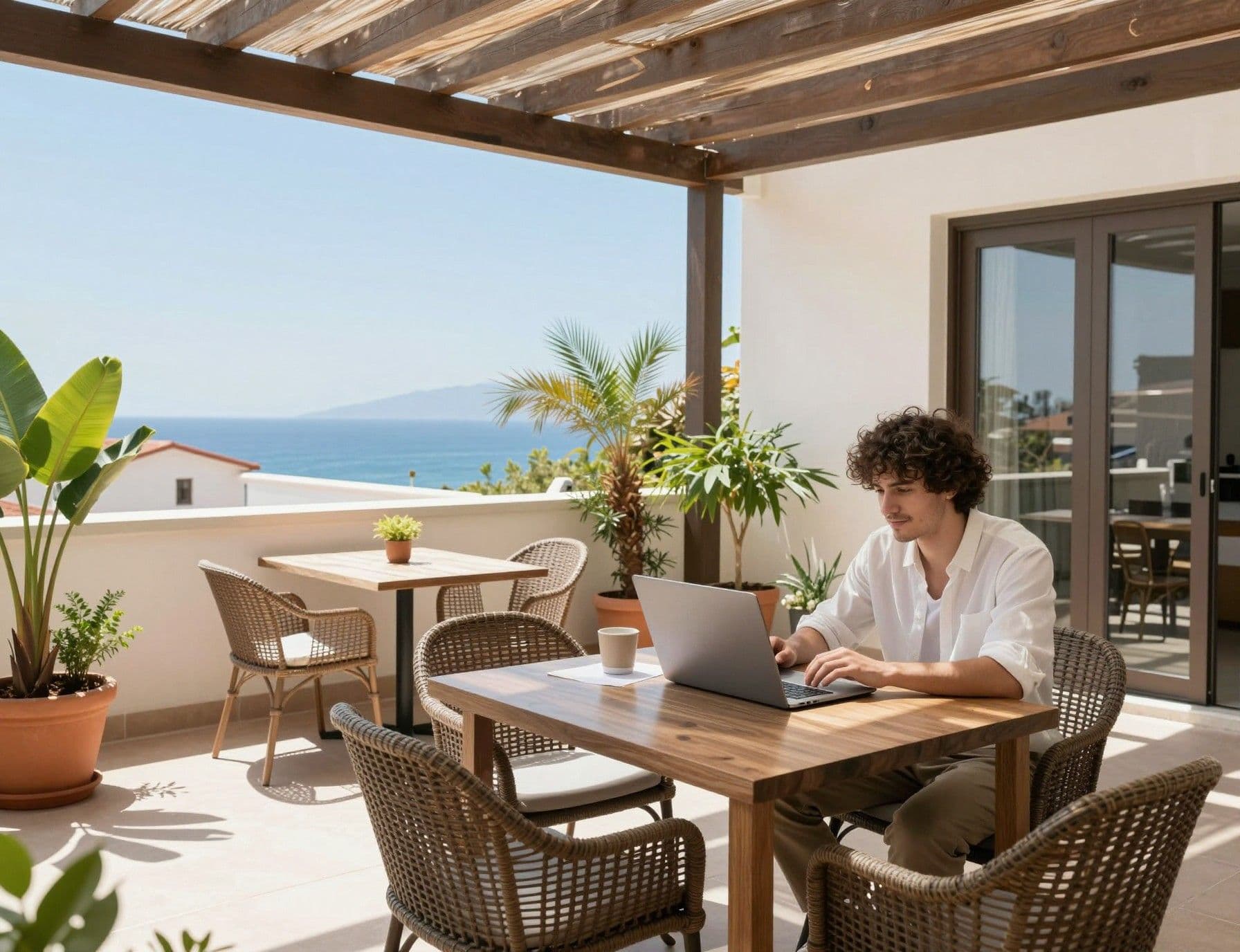
Loving the life is step one; protecting it is step two. Greek residential prices have been rising in recent years, driven by tourism demand, renovation costs and urban recovery, so plan with current price data and local comparables from sources like the Bank of Greece and recent market reports. That means: pick areas where the day-to-day rhythm matches your work needs (transport, internet, close cafés for calls) and understand how seasonal rental rules or Golden Visa thresholds can change returns and eligibility.
Property types: How architecture decides daily life
A neoclassical apartment in central Athens gives high ceilings and character — great for a spacious home office but often needing insulation upgrades and electrical rewiring. New-builds on the outskirts bring modern plumbing, reliable heating and easier maintenance, but sometimes less soul. Island stone houses offer terraces and outdoor living that are priceless in summer, but think through water supply, winter access and cooling/heating systems for year‑round comfort.
Working with agencies: lifestyle-first search
Find an agency that asks where you’ll work, not just how many bedrooms you want. Local agents who know wifi speeds, nearest coworking spaces, elevator reliability, and seasonal neighbour profiles will save weeks of false leads. Expect them to show you late‑afternoon visits (to test light and noise), and insist they check short‑term rental rules if you plan to offset costs with lets. Treat agents as lifestyle translators who can match a terrace view to your sunset routines.
- How to blend lifestyle and checklist when choosing a property
- Visit neighborhoods at three times of day: morning, late afternoon, and weekend; note noise, delivery activity and café life.
- Test internet at the property during working hours and ask for recent speed test screenshots tied to the exact apartment.
- Ask the agency about seasonal running costs (water, A/C, heating) — islands often have higher utilities and summer maintenance fees.
- Check short‑term rental rules and tourist-license freezes in central areas; these impact yield and the community vibe across seasons.
Insider Knowledge: What Expats Wish They Knew Earlier
Expat veterans talk less about paperwork and more about rhythms: where to buy for friends, where to buy for quiet. Many newcomers assume the Golden Visa is the same as before — thresholds were raised in 2024 for places like Attica and big islands, so don’t expect the old €250k entry everywhere. That reality reshapes demand: higher thresholds squeezed some buyers inland and made certain coastal towns pricier relative to local wages.
Cultural cues that change where you live
Greece runs on relationships. A friendly doorman, a local kafeneio owner, or a neighbour who knows the plumber will make your life easier than any contract clause. Learn basic Greek greetings and show up at the local market: these small acts open doors to off‑market flats and honest tips about building quirks. Integration pays in both happiness and practical problem solving.
Long-term view: How your life will evolve here
Expect your relationship with Greece to change. Year one is thrill and discovery; year three is neighborhood friends and routine carpentry fixes. Markets also evolve: as regulations, tourism flows and construction costs shift, places that feel cheap today may feel different in five years. That’s why buy for the life you want, not only the price per square metre.
- Expat red flags to watch
- Basement conversions marketed as “sea‑view studios” — check light, ventilation and legal use.
- Listings without full title deed details or with unclear community fee histories.
- Properties whose rental math assumes uninterrupted peak‑season bookings; stress‑test your returns for shoulder months.
Conclusion: Fall in love, then lock in the life. Greece gives you lantern-lit evenings, market mornings, and a very real chance to build a home that fuels both work and adventure. Start by visiting targeted neighbourhoods out of season, bring a local agent who prioritizes your daily habit patterns, and verify price trends and regulatory shifts using Bank of Greece data and recent market reports. When you pair the bougainvillea with careful due diligence, the lifestyle becomes sustainable — and the move becomes a brilliant long‑term story.
Danish investor and relocation advisor focusing on Portugal and the Algarve; loves coworking culture and expat networks.