How Italy’s Smaller Cities Outperform the Hype
Smaller Italian cities and coastal towns often deliver better nomad lifestyles and value than headline markets — backed by ISTAT and industry data.
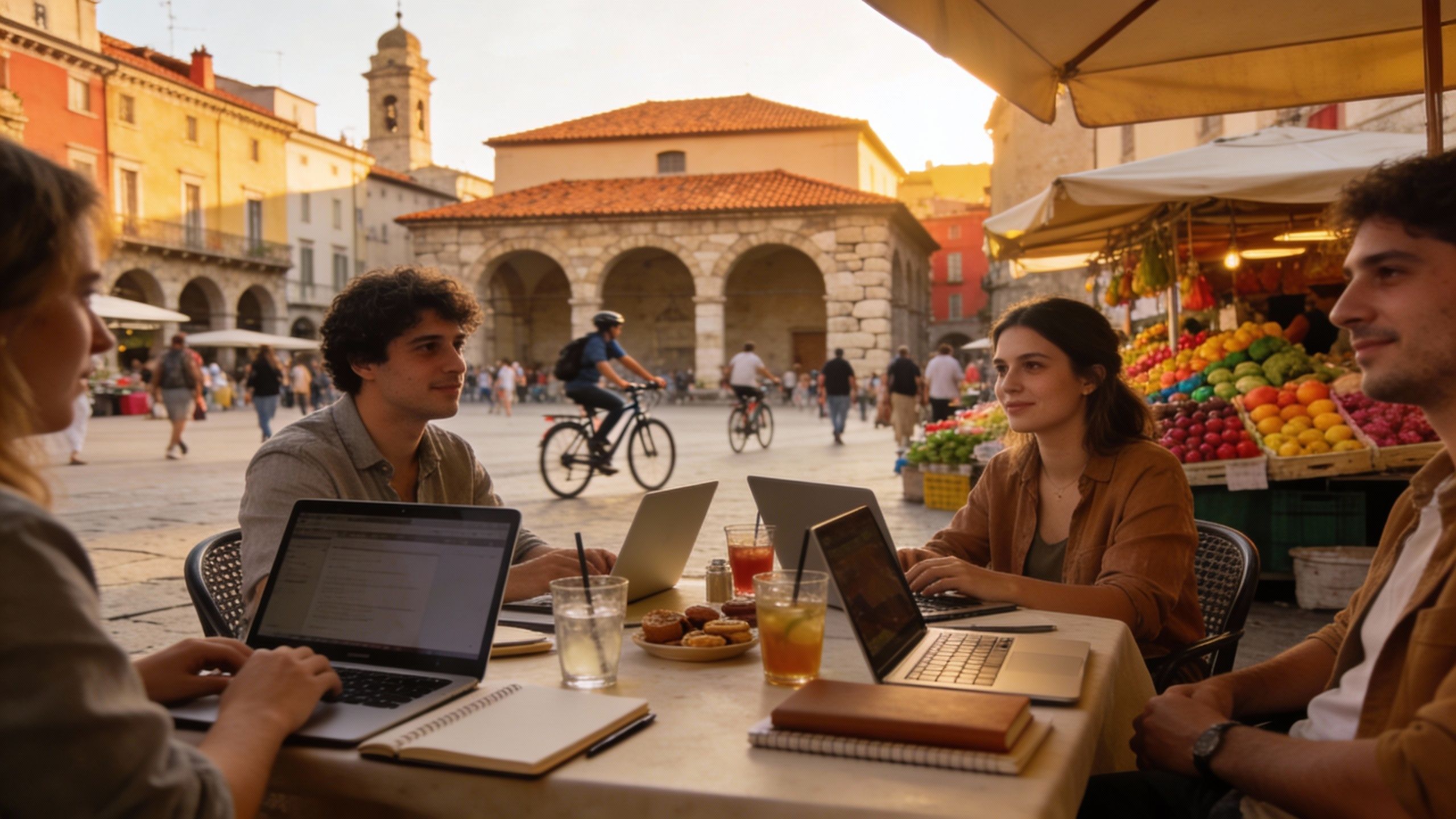
Imagine sipping espresso at dawn in a tiny piazza in Parma, then joining a late‑afternoon coworking session in Bologna before a sunset walk across the Po Valley. That rhythm — markets at 8, long lunches, productive late afternoons — is Italy. It’s also why the country’s property story isn’t just about Rome and Milan: lifestyle beats headline prices, and smaller cities and unexpected coastal towns are quietly winning the nomad heart.
Living the Italy lifestyle
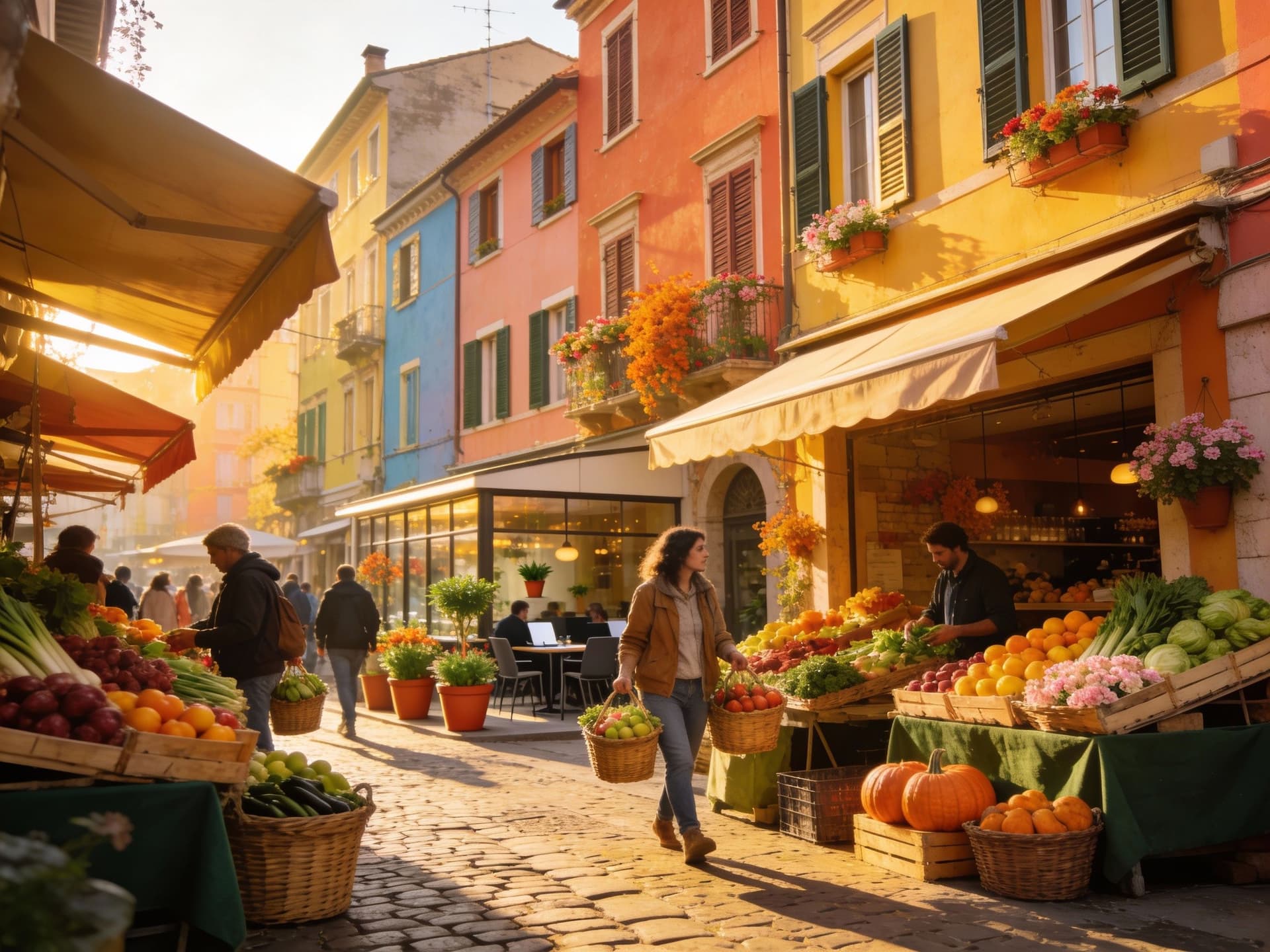
Italy moves slowly and colourfully. Morning markets trade basil and cherries; baristas know your order; streets hum with scooters and chatter. For remote workers, that translates to neighbourhood cafes with reliable Wi‑Fi, piazzas for evening work‑break walks, and a culture that prizes long meals and community. Don’t picture a single Italy — picture dozens: medieval hill towns, university cities, industrious northern hubs, and sunlit southern coasts, each with its own tempo and property logic.
Neighbourhood spotlight: Bologna’s Santo Stefano & Porta Saragozza
Walkable arcades, student-run aperitivo bars, and a fast train to Florence: Santo Stefano offers history and a vibrant daytime community. Porta Saragozza, with parks and villas, gives quieter streets and terraces — a combo many nomads want: cafe culture for work, parks for midday breaks, and a short commute to coworking hubs in the city centre.
Food, festivals and the daily rituals that shape lives
From morning markets in Palermo to truffle festivals in Alba, food anchors life in Italy. Weekends are for markets, vineyards, or the sea; neighbourhood trattorie become regulars’ second living rooms. For buyers, that means properties with small kitchens and outdoor space can deliver huge lifestyle value — and often better rental appeal than a glass‑box studio when marketed to long‑stay visitors.
- Lifestyle highlights: historic markets (Florence Mercato Centrale), evening aperitivo spots (Navigli, Milan), coastal walks (Amalfi’s Path of the Gods), student scenes (Pisa’s Borgo Stretto), regional food fairs (Alba truffle fair), hill-town vistas (Assisi and Orvieto).
Making the move: lifestyle-first practical considerations
Dreams meet paperwork faster than you think. Italy’s national data shows steady sales growth and moderate price rises in recent years, but regional differences matter. Smaller provincial capitals often show lower entry prices and faster lifestyle payback — better piazzas, stronger community feel, and surprisingly good rental demand from students or slow‑travelers. Use national reports to spot broad trends, then zoom into neighbourhood listings and local agency tracks.
Property styles and how you’ll live in them
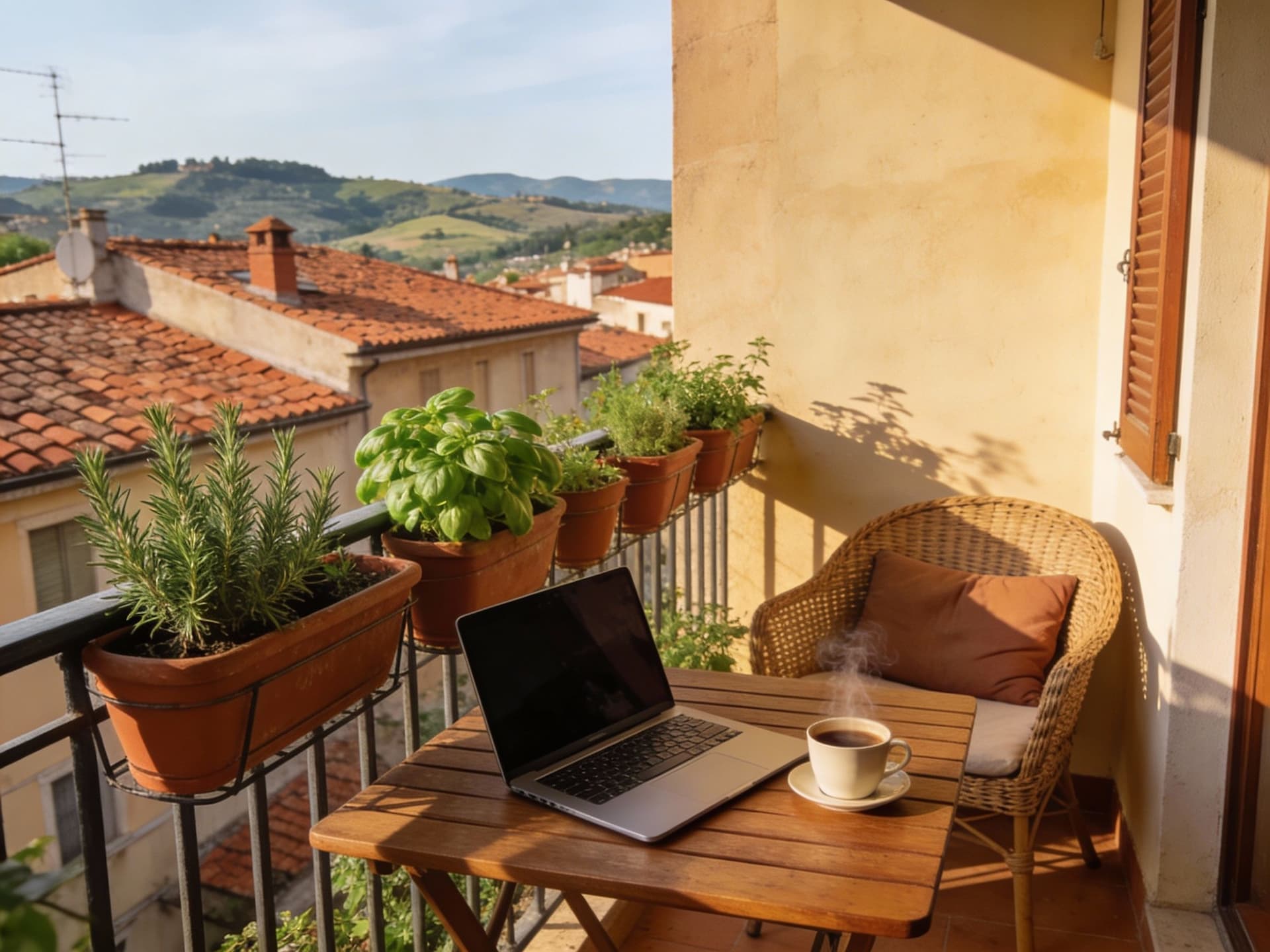
Medieval apartments with timber beams, 1960s Milanese flats with balconies, and renovated farmhouses in Puglia all answer different nomad needs. If you work on laptop all day, prioritise natural light, a quiet corner for a desk, and strong broadband access over marble finishes. Outdoors matter: terraces, courtyards, or quick access to the sea are lifestyle multipliers that also boost long‑stay rental value.
Working with local experts who get the lifestyle
- 1. Ask agencies about neighbourhood routines: where the morning market is, which cafes have reliable Wi‑Fi, and when streets are quiet. 2. Meet a local notary early: they’re the gatekeepers of paperwork and will flag rip‑offs. 3. Insist on seeing broadband speed tests for the property and nearby coworking spaces. 4. Check seasonal transport — some coastal towns feel deserted in winter; that affects services and rentals. 5. If you plan to rent out, target student towns, university cities, or slow‑travel hotspots for steadier income.
Insider knowledge: expat truths and seasonal realities
Real talk: national HPI rose year‑on‑year in recent quarters, but that masks the best opportunities. Istat shows modest nationwide rises; local markets diverge. Many expats I know bought outside headline cities — Parma, Lecce, Lucca — and found faster community integration, lower running costs, and strong long‑stay rental interest. The secret: smaller places give you a neighbourhood life rather than a tourism show.
Cultural integration, language and making friends
Learn a few market phrases, join a language exchange or a weekly cooking class, and show up at the local cafe regularly. Italians reward consistency. For nomads, that’s how you move from visitor to neighbour. Look for towns with active cultural calendars or universities — they provide instant communities and English‑friendly scenes without replacing authentic local life.
Longer-term lifestyle and property upkeep realities
- 1. Renovation timelines can be slow: expect permits and historic‑building rules in old towns. 2. Heating and insulation matter — many older homes need upgrades for winter comfort. 3. Factor in local property management if you’ll rent: cleaning, guest check‑in, and winter closures. 4. Budget for community fees in condominium buildings and for occasional structural checks in seismic zones.
Conclusion: Italy rewards slow love. Start with where you want your weekday mornings to feel like: a sunny terrace, a lively university square, or a coastal promenade. Use national data (Istat, Nomisma/Idealista) to choose regions, then work with neighbourhood‑savvy agents and a reliable notary to lock the practicalities. Do that and you’ll buy more than a property — you’ll buy a life.
Swedish, relocated to Marbella in 2018 to chase sun and property freedom. Focus on legal navigation and tax for Nordic buyers.