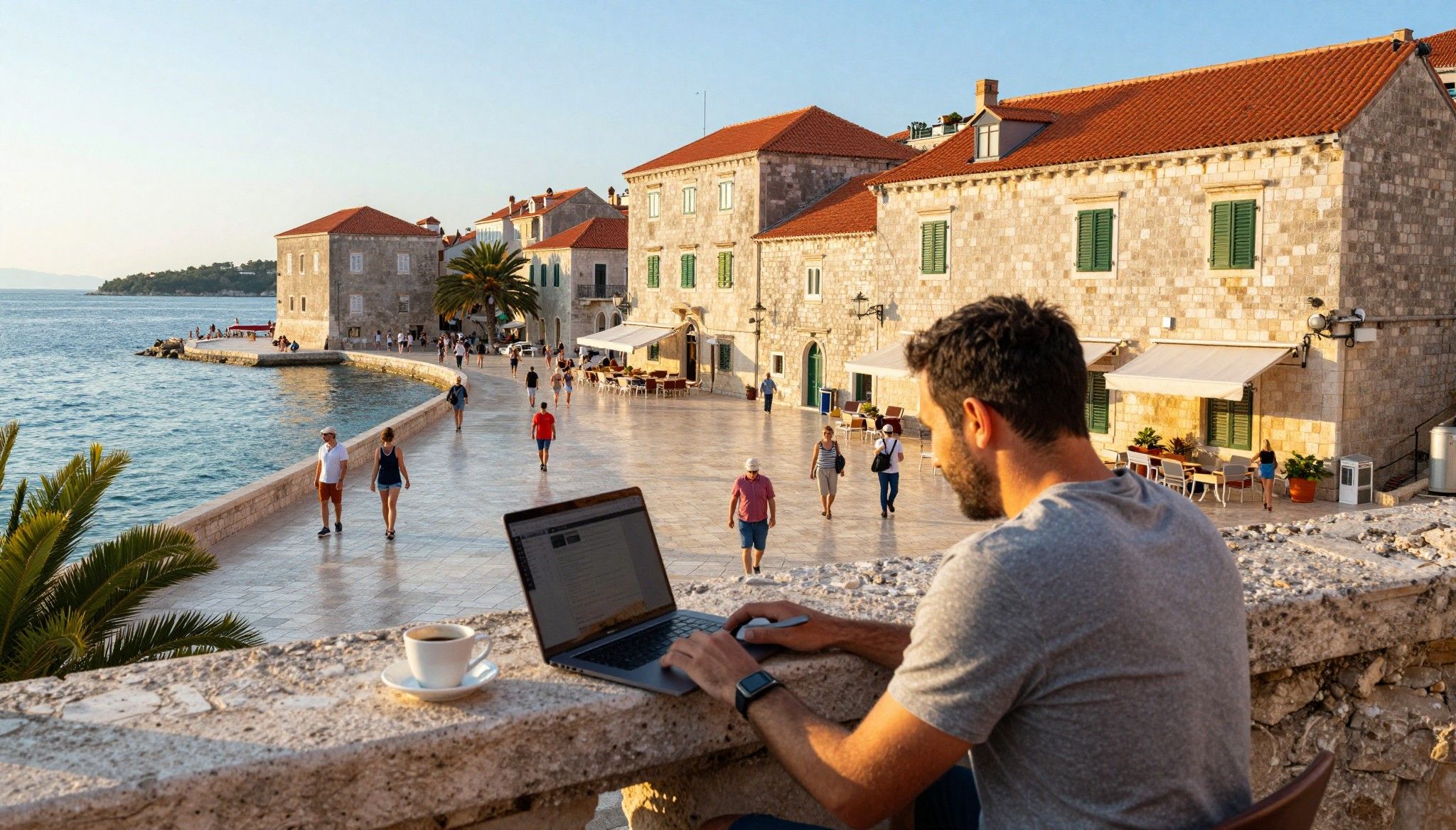
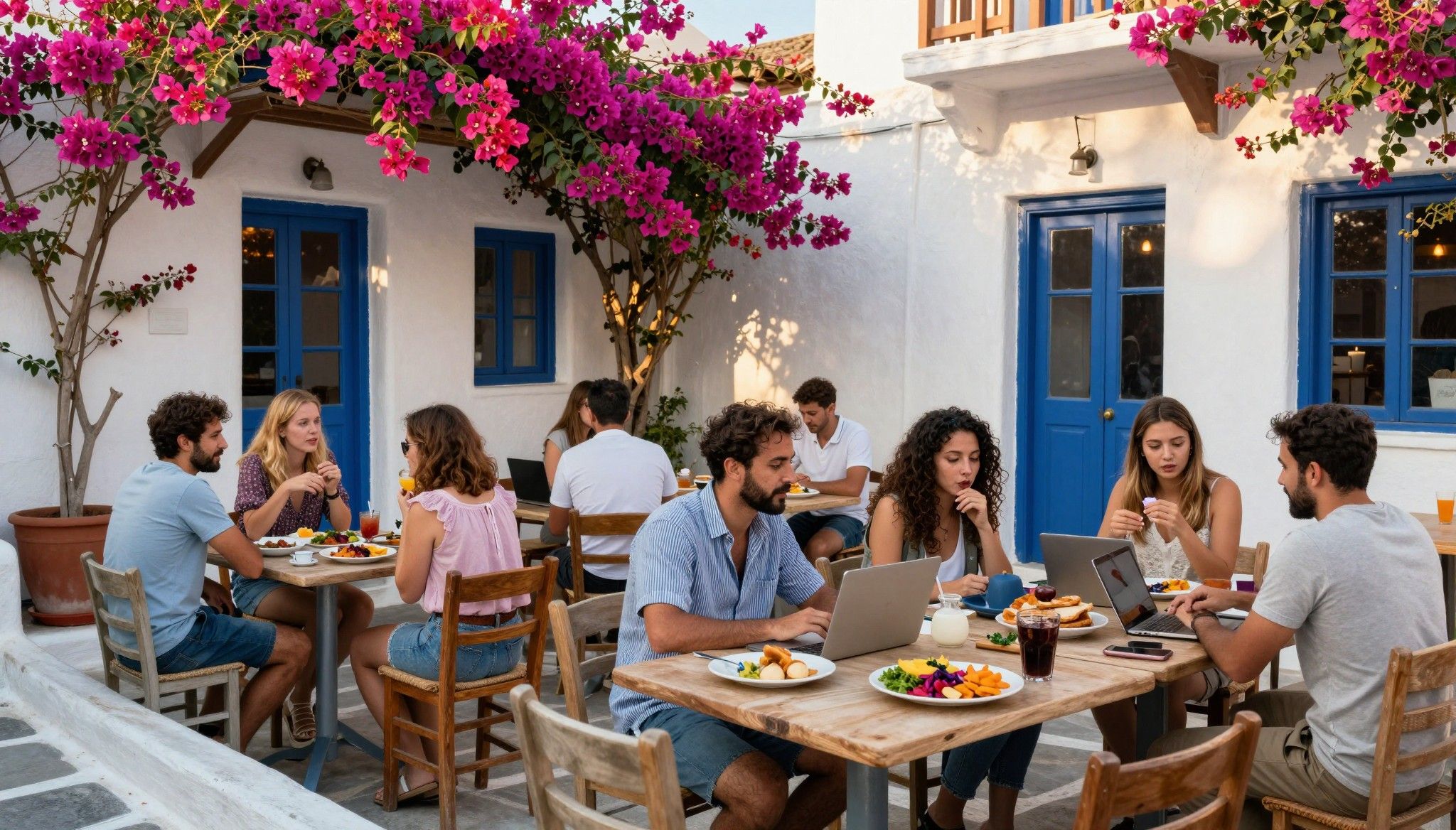
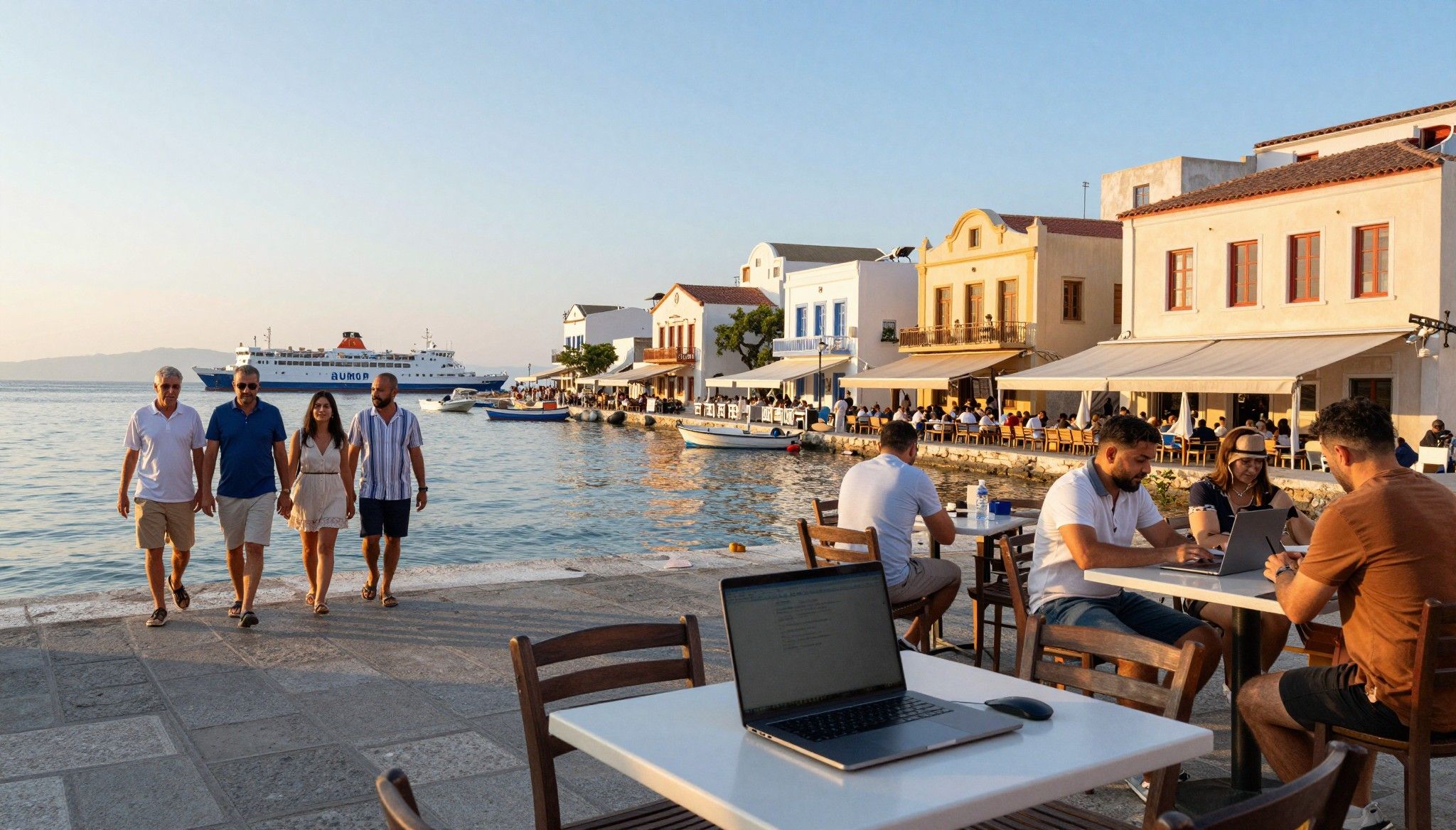
Italy’s Price Myth: Buy the Rhythm, Not the Hype
Italy’s charm hides regional price nuance — pick the rhythm you want (city coworking, market mornings, coastal weekends) and buy where lifestyle and infrastructure align.
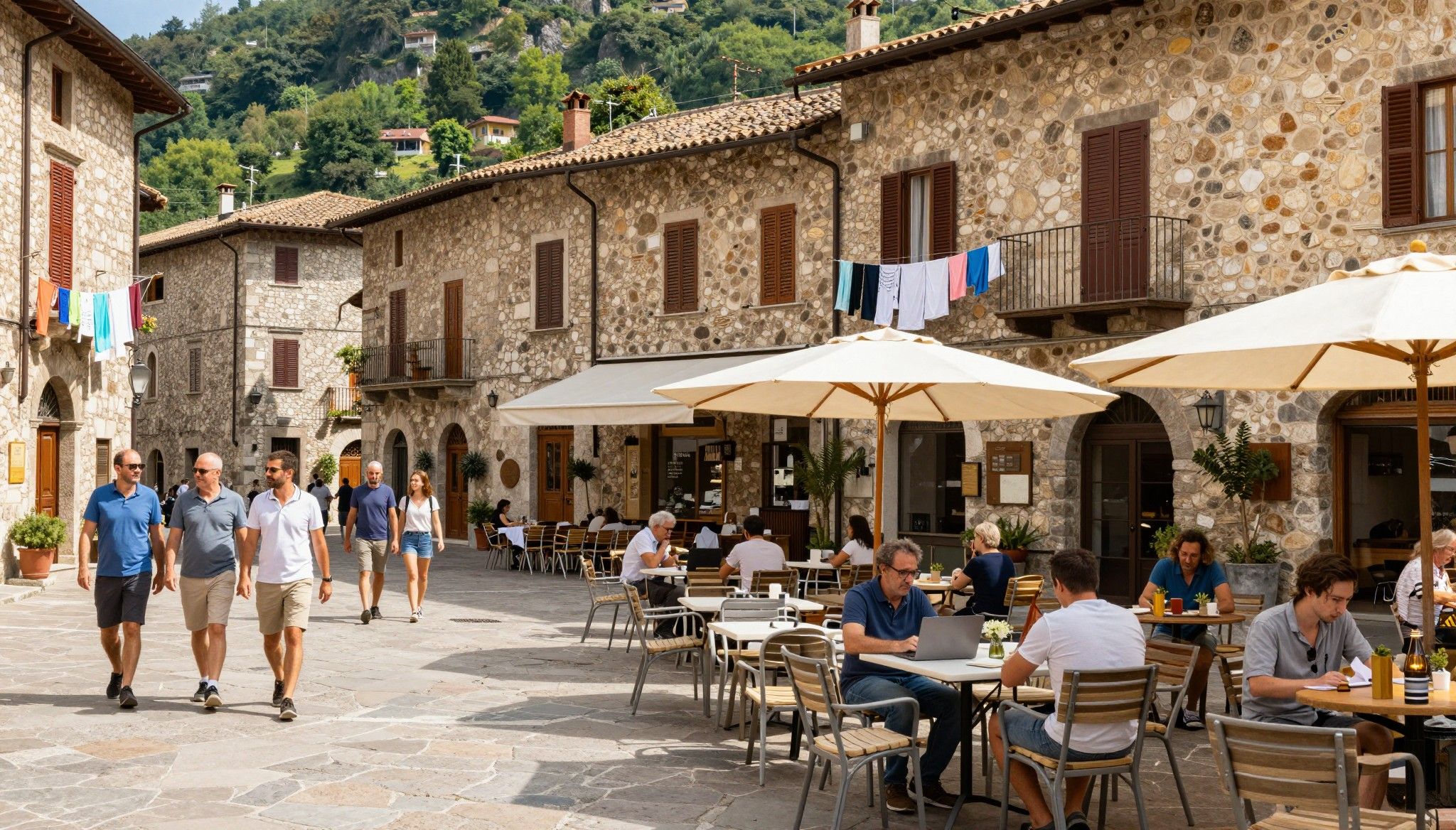
Imagine sipping an espresso on a sun-warmed balcony in Trastevere, then hopping onto a high‑speed train to Milan for a design gig. Italy lives in flavors and slow mornings, but it’s also quietly modern — great fiber in big towns, buzzing coworkings, and neighbourhoods where long lunches are a social ritual. That contrast — historic streets and practical digital infrastructure — is why many nomads and remote professionals are surprised when they actually compare costs with other Western markets. Recent ISTAT house‑price data shows growth but also nuance between regions, which matters more than the old 'Italy is expensive' headline.
Living the Italy lifestyle
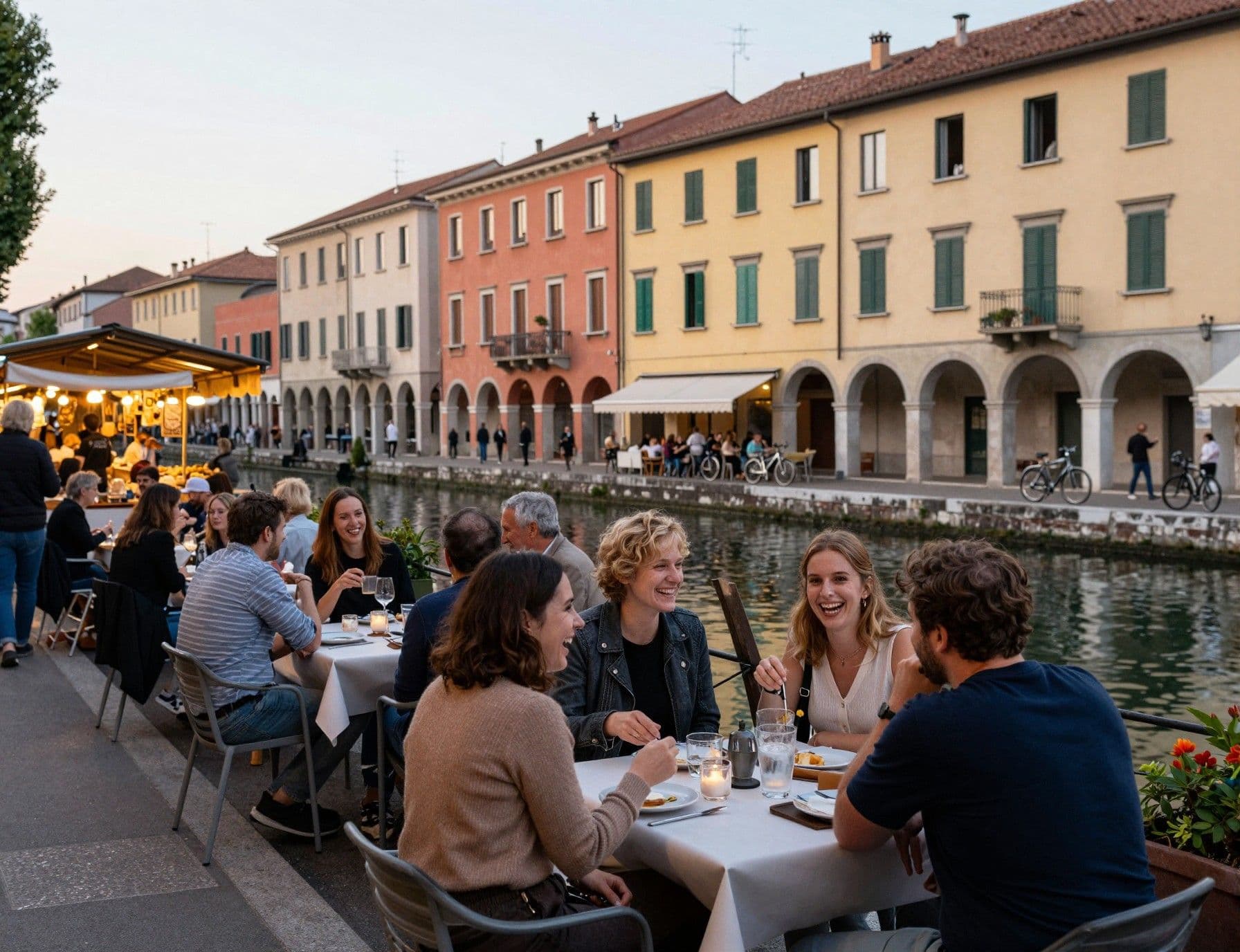
Italy isn’t one vibe — it’s a dozen. Mornings mean cornetti and espresso at a corner bar; afternoons might be a marché visit for fresh produce; evenings are for passeggiata, the ritual stroll that animates every piazza. Walkable streets, local markets, and an obsession with good food shape daily life. For a nomad, that translates into days punctuated by cafés with plug sockets, rooftop terraces with views, and neighbourhood rituals that make integration feel effortless.
Neighbourhood spotlight: Milan — Navigli, Brera, Isola
Pick Milan and you get design energy and coworking density. Navigli pulses with canal‑side aperitivi and cosy cafés that double as work nooks; Brera is artful, cobbled and perfect for creative freelancers; Isola blends start‑ups and family life near Porta Nuova. Each area has different rent and resale dynamics — and each rewards a buyer who prioritises walkability and reliable broadband over headline square‑metre prices.
Food, markets and weekend rituals
From Palermo’s street‑food lanes to Bologna’s slow‑cooked ragù, food anchors community life. Weekends mean farmers’ markets (mercati), trattorie that remember you, and neighbourhood festivals where you’ll learn the best places to buy olive oil and local produce. For buyers, proximity to markets and a lively social scene often matters more than a skyline view when choosing a long‑term neighbourhood.
- Lifestyle highlights: walkable historic centres, canal-side aperitivi in Milan, morning markets in Palermo, beach mornings in Liguria, hilltop vineyard weekends in Tuscany, coworking hubs and rooftop cafes in Rome and Bologna.
Making the move: practical considerations

Love the lifestyle first — but bring data to the table. National averages hide strong regional splits: northern cities and prime Tuscan pockets command premiums while inland southern towns and many coastal villages remain far more affordable. Official stats and central‑bank surveys show modest national growth in 2025, with sharper rises in select cities — so location choice (and the right local agent) determines whether you’re buying a lifestyle or a headline investment.
Property types and how you’ll live in them
Choose a historic centro apartment for charm and walkability, but expect smaller rooms and thicker walls that can hinder Wi‑Fi if not upgraded. Newer builds on city outskirts offer open plans and terraces — better for remote work layouts. In the countryside, renovated farmhouses bring space and a garden office, yet they require maintenance and reliable internet setup. Match the property’s bones to how you work: a dedicated workspace, good light, and a quiet street matter as much as an original beamed ceiling.
How agents help you buy the lifestyle, not just a home
Local agents translate neighbourhood rhythms into property matches — they know which streets are noisy on market mornings, which buildings have fast fiber, and which cafés become remote‑work hotspots. Good agents also coordinate technical checks, connect you to reliable installers, and advise on local residency or nomad‑visa options so your move is lifestyle-first but paperwork‑clean.
- Step-by-step move checklist: 1) List your nonnegotiables (fiber, workspace, market access). 2) Shortlist 3 neighbourhoods and test‑stay for a week. 3) Ask agents for real broadband speeds and past rental yields. 4) Budget for renovations and condominium (condominio) fees. 5) Confirm residency/visa requirements and local tax consequences.
Insider knowledge: expat truths and seasonal realities
Expats often say they underestimated two things: the social pull of neighbourhood rituals, and the seasonal swings. Coastal towns boom in summer and quiet down in autumn; mountain and lake areas fill on weekends and are calm midweek. Coworking density is concentrated in the north — Lombardy hosts the majority of spaces — so if consistent daily coworking access is crucial, focus your search there or around major university towns.
Language, integration and making local friends
Learn basic Italian phrases and show up to local markets and aperitivi — Italians reward curiosity and friendly effort. Join community language exchanges, local running clubs, or cooking classes; these are low‑cost high‑impact ways to become part of a piazza’s social fabric. Many buyers find that integrating socially reduces turnover costs and makes renovation and property management conversations far easier.
Longer-term outlook: resale, rentals and sustainability
Italy’s market is fragmented: tourist hotspots and major cities usually hold value better, while inland villages can be bargains with slower turnover. If you plan to rent when away, target areas with steady year‑round demand (university towns, business hubs, transport links). Factor in energy upgrades and earthquake-proofing where relevant — these boost long‑term value and appeal to conscious buyers.
- Red flags locals warn about: 1) Unclear condominium rules and unpaid condominio debts. 2) Buildings without recent seismic safety checks. 3) Promises of fiber without test results. 4) Off‑market deals that skip proper notary checks. 5) Price drops that come with structural or legal strings attached.
Conclusion: Italy sells a life — the trick is buying the right part of that life. Start with the rhythm you want (market mornings? beach weekends? city design energy?), then match neighbourhoods and property types. Use local agents who live the neighbourhood, verify broadband and building health, and test the lifestyle with a short stay before committing. Do that, and Italy stops being an abstract dream and becomes a lived, daily delight.
Swedish, relocated to Marbella in 2018 to chase sun and property freedom. Focus on legal navigation and tax for Nordic buyers.