Malta: Live-First Moves That Match a Tight Market
Malta’s compact, sun-drenched lifestyle is magnetic — but rapid price growth and tight supply mean buyers must pair lifestyle goals with local market strategy and on-the-ground expertise.
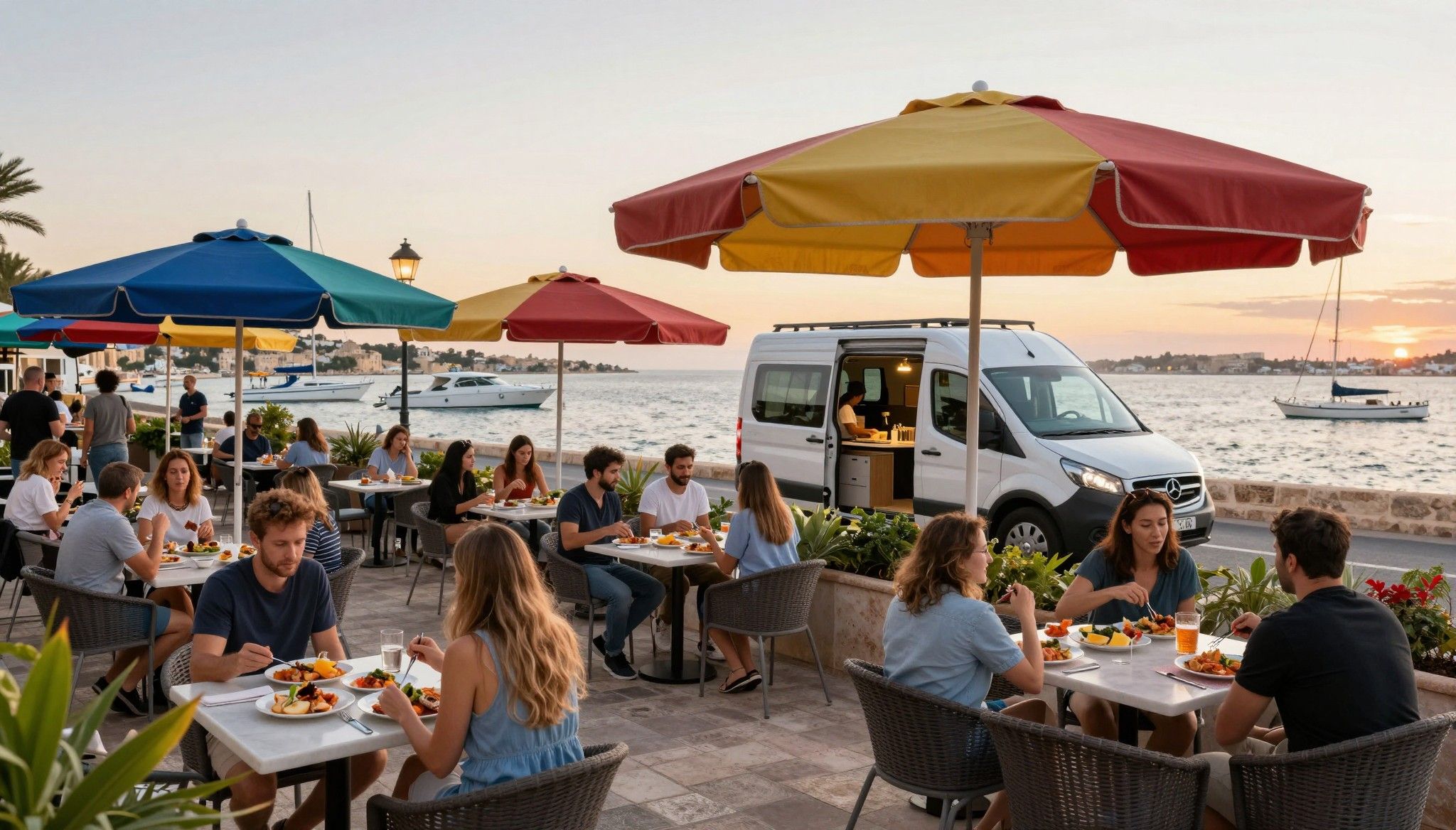
Imagine stepping out at 8am in Valletta: espresso steam, limestone glinting, a ferry’s hum in the harbour and narrow streets that somehow still feel like a secret. Malta is small but intensely textured — neighborhoods change every few minutes on foot, making weekends feel like mini-breaks. For international buyers this compactness is addictive: proximity to sea, sun and a surprisingly global community. But the market is brisk, and the lifestyle you picture needs a strategy to match — place first, process second.
Living the Malta life: daily rhythms and real streets
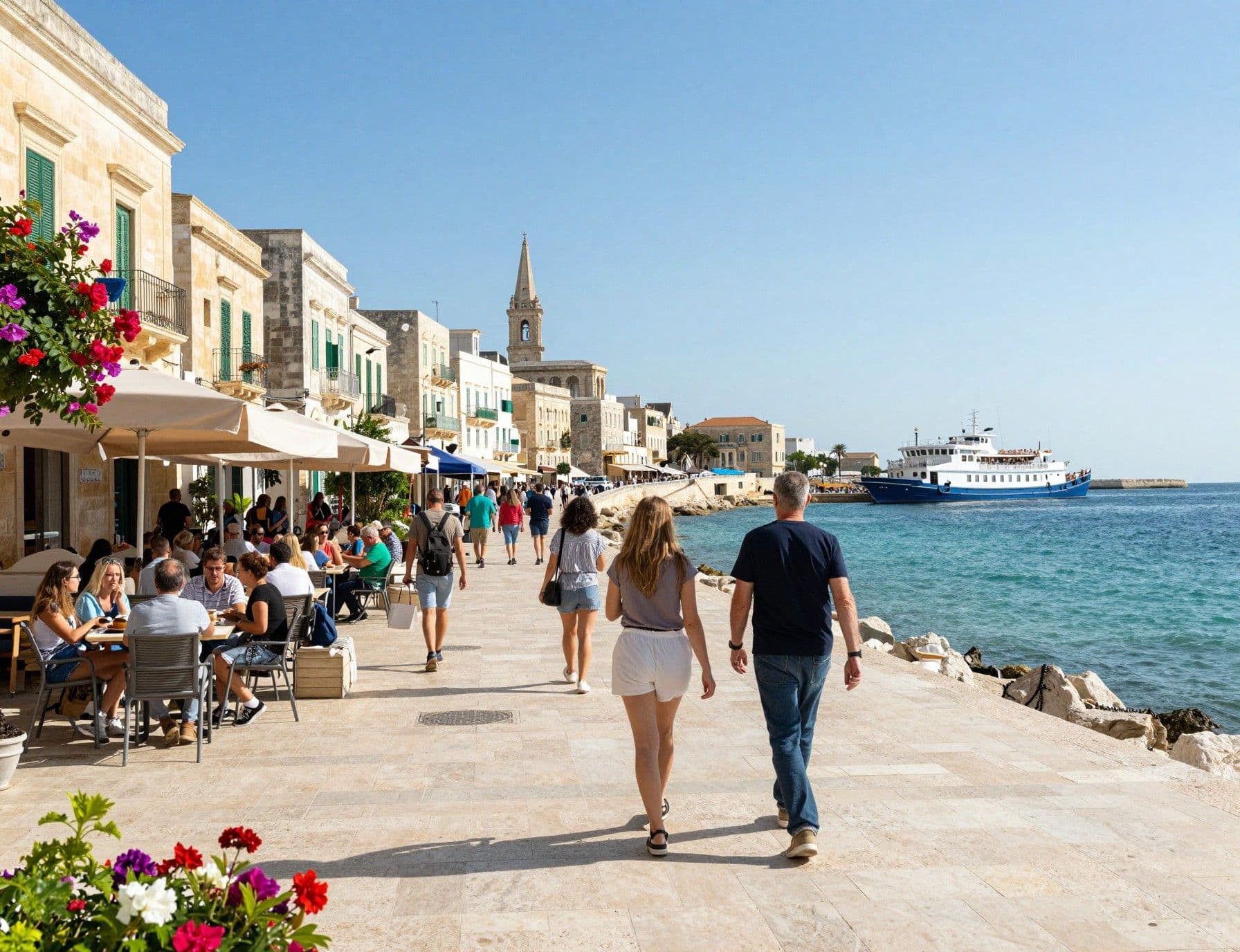
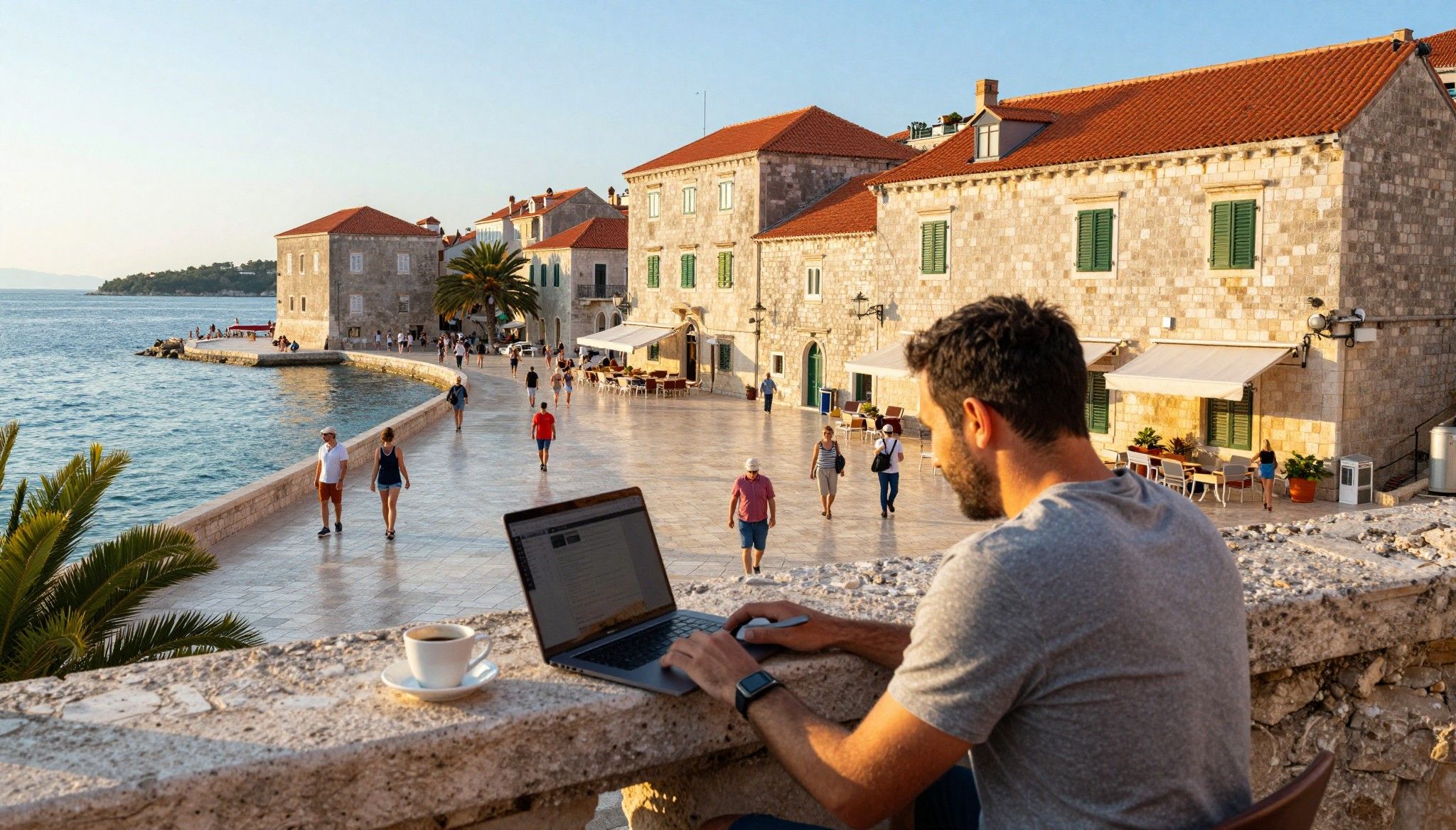
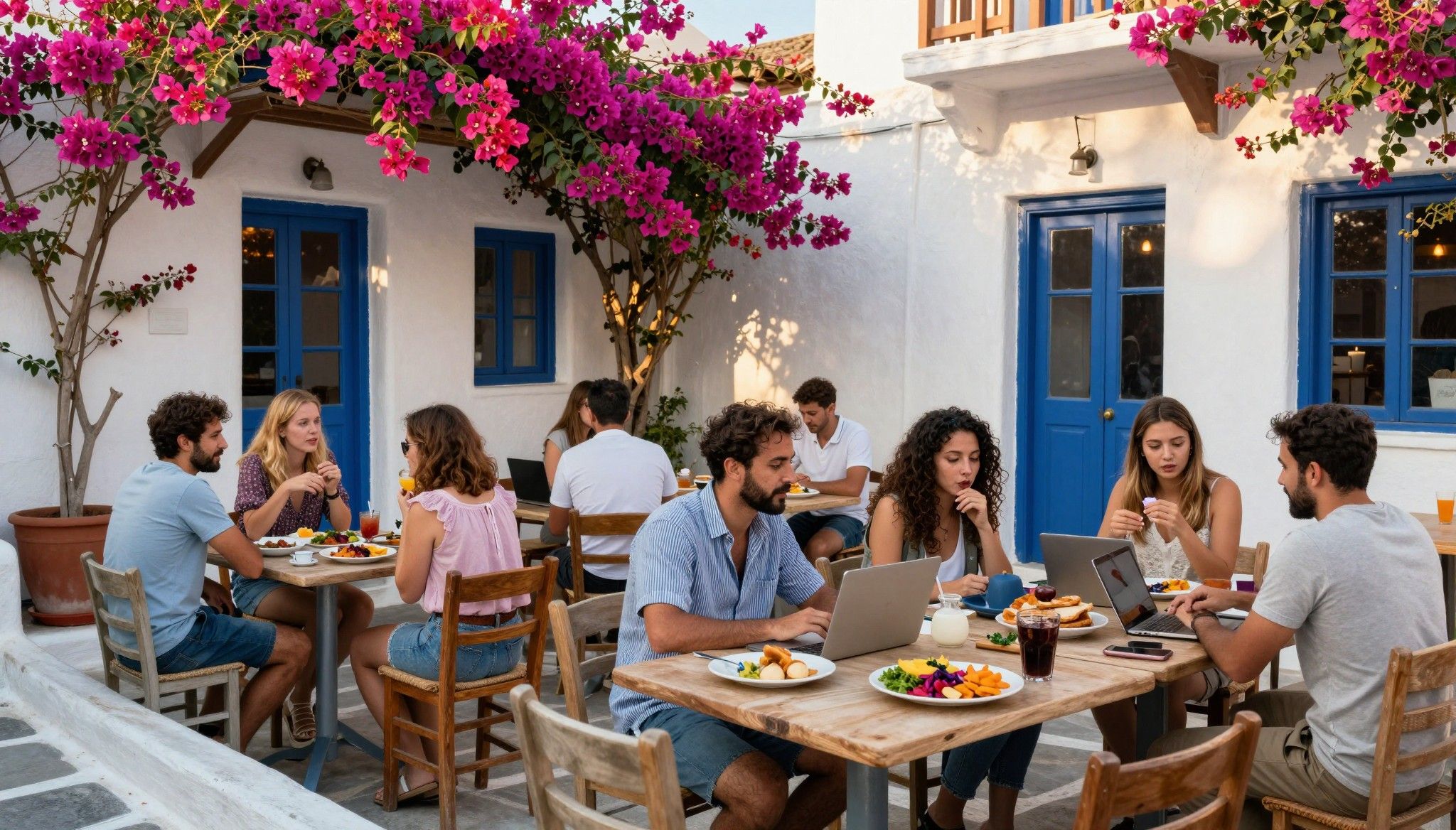
Malta’s everyday charm is about texture: stone terraces, rooftop balconies, and cafés that double as coworking spots. Mornings are for markets and bakeries; afternoons drift toward beaches or cliff-side walks; evenings are for seafood, live music and long dinners under lamp-lit squares. English is widely spoken, so the language barrier is low, but local rhythms — siestas of sorts and late-night social life — shape where you’ll want to live. Think less about square footage and more about which small square, bay or street you want to wake up to.
Valletta & The Three Cities — historic heartbeats
Valletta’s baroque streets and cafes make it theatrical and walkable — perfect if you want museum days and harbour sunsets within a 10-minute stroll. Across the water, the Three Cities (Vittoriosa, Senglea, Cospicua) offer quieter streets, waterfront promenades and practical houses with more space for the money. Both areas suit buyers who prioritise culture, cafés that open early and a constant sense of neighbourhood life. Expect older buildings with character — and renovations that can transform a tiny apartment into a luminous work-from-home studio.
Sliema, St Julian’s & Pembroke — social hubs and coworking
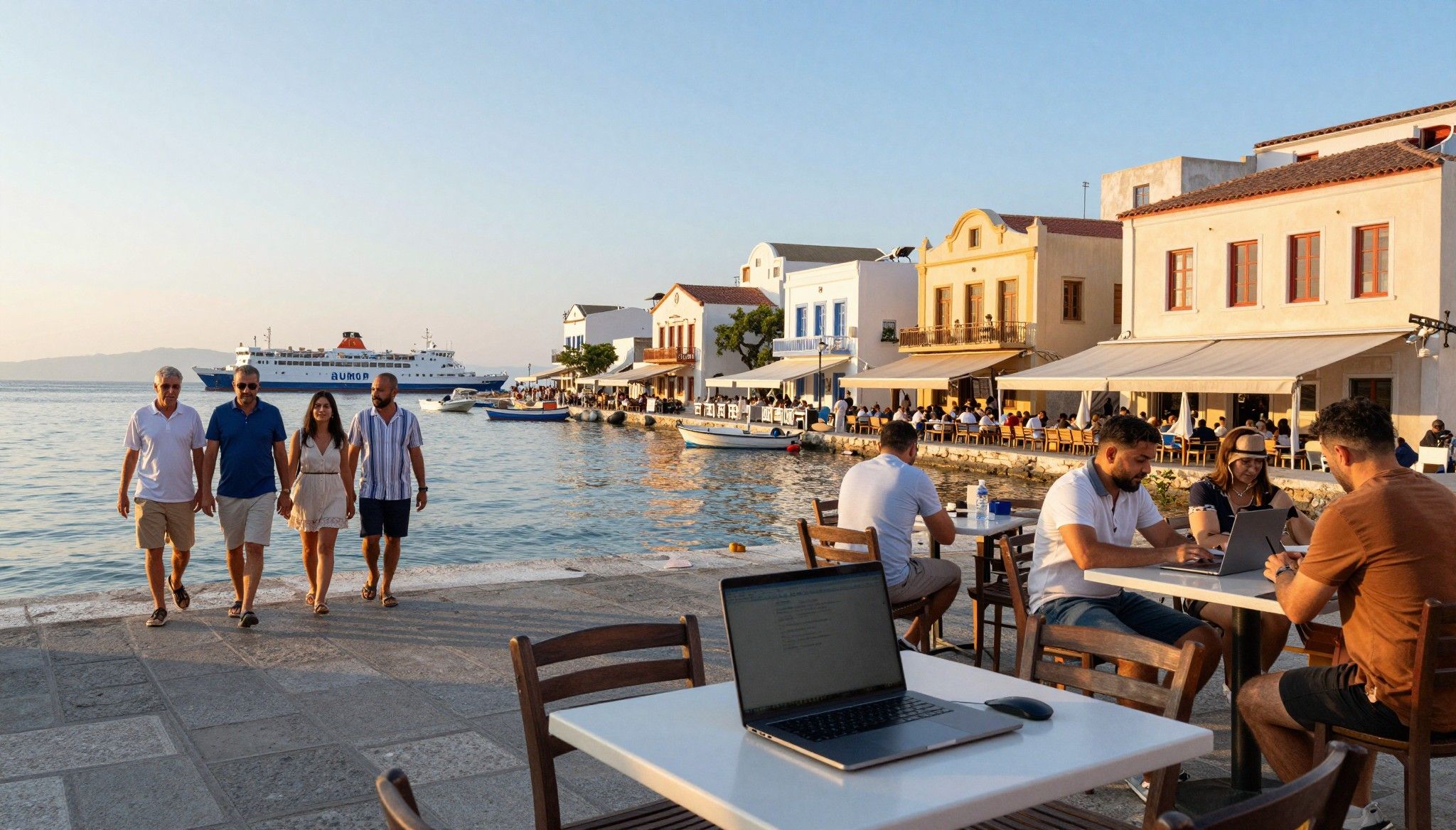
Sliema and St Julian’s are the islands’ social engines: seaside promenades, cafés that turn into bars, and the densest selection of coworking spaces and short‑term rentals. Pembroke and nearby Swieqi give you quieter residential streets while keeping clubs, restaurants and transport close. These areas are ideal for nomads who want reliable cafes to work from, fast fibre or 4G hotspots, and a lively after‑work scene. Agencies report steady demand here for 1–3 bedroom apartments that combine views with connectivity.
- Morning espresso at Caffe Cordina (Valletta); sunset walk on Sliema promenade; weekend dive at Golden Bay; fish supper in Marsaxlokk; coworking session at a St Julian’s hub; rooftop aperitivo in Birgu.
Making the move: blending lifestyle wishes with market reality
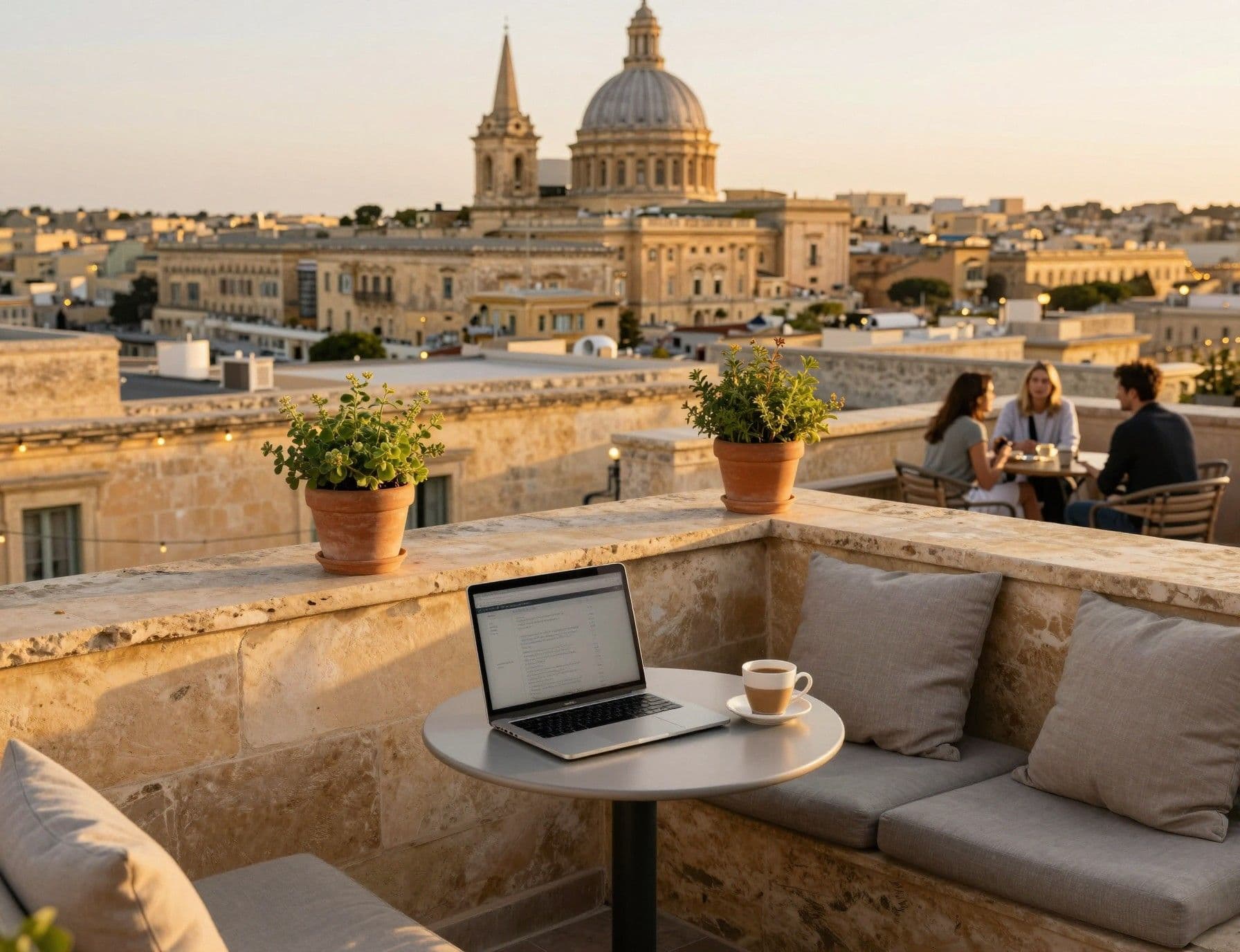
Dreams must meet data. Recent Maltese reports show continued price growth and tight supply — the Residential Property Price Index jumped in 2024–25 and construction activity is rising but not always in the neighbourhoods nomads want most. That means being clear on trade-offs: pay a premium for centrality and sea views, or get more space inland and commute a short drive. Use local market reports to time viewings and temper emotional bidding on picture-perfect terraces.
Property styles that match the life you want
Terraced houses and converted townhouses give you rooftops and character; modern blocks in Sliema and St Julian’s offer lifts, parking and easier maintenance; new builds in Pembroke or SmartCity deliver amenities and better soundproofing. If remote work matters, prioritise a sunny balcony or a spare room for a dedicated office and verify broadband options. Rental-yield data suggests central areas have strong demand but lower yield percentages — so decide whether you’re buying for lifestyle, income, or both.
How local experts turn lifestyle briefs into listings
- Work with agents who know micro-neighbourhoods, not just price lists. Ask for walk-through videos, roof-rights details, and an estimate of running costs (AC, water, community fees). Insist on seeing the broadband map and nearest coworking spots. Request recent comparable sales within the same street — Malta’s streetside premiums can be dramatic. Finally, ask agents for off-market leads: small sellers and inherited maisonettes often change hands quietly.
Insider knowledge: what expats wish they'd known
Expats often tell the same truths: you’ll fall for a terrace and then hate the stairs, you’ll underestimate the noise in summer and you’ll be surprised how quickly amenities become part of your identity. Seasonal tourism alters the feel of St Julian’s and Sliema between June and September, while Valletta stays cultural year-round. Local customs — late dinners, strong neighbour networks and the importance of rooftop ownership — influence both daily life and resale prospects. Knowing these nuances helps you choose a home that stays lovable all year.
Language, community and making Malta home
English makes settling practical — government services, schools and many businesses operate in English — but learning Maltese opens doors to deeper friendships and local networks. Expat groups cluster around St Julian’s, Sliema, and Gzira, while longer-term families often choose quieter towns like Mosta or Mgarr. Join a language café, a weekend dive club, or a local festa team — these are the real ways to become part of island life. Time invested in community returns as richer, more stable lifestyle benefits.
Long-term life: how your choice ages with you
Think five years ahead: will you want a family room, or will you prefer to downsize to a pied-à-terre? Coastal apartments command attention but can face maintenance issues linked to sea air; inland homes offer lower maintenance but less view value. Check building management and roof-ownership clauses now — these greatly affect long-term costs and renovation choices. If rental income matters, choose well-connected spots near hubs where demand is year-round, not purely seasonal.
- Do a broadband check before you bid; prioritise roof-ownership for terraces; verify building permits for conversions; ask for recent utility bills; meet neighbouring residents when you view.
Malta can give you Mediterranean mornings, a social calendar that fills itself, and neighbourhoods small enough to learn in weeks. The price is a market that rewards local knowledge and a will to compromise on either space or centrality. If you want life centred on sea, cafés and community — start with a short search in Valletta, Sliema or St Julian’s and bring a local agent who treats lifestyle wishes as the brief, not an afterthought. Book virtual viewings, ask for roof-right confirmations and get a sense of neighbour rhythms — then let the island do the rest.
British expat who moved from Manchester to Mallorca in 2017. Specializes in market analysis and helping fellow Brit navigate local regulations.