Malta: Love the Life, Check the Market
Malta offers compact Mediterranean living and strong market momentum. Fall for neighbourhoods first, then use local data and agents to match lifestyle with smart buying moves.
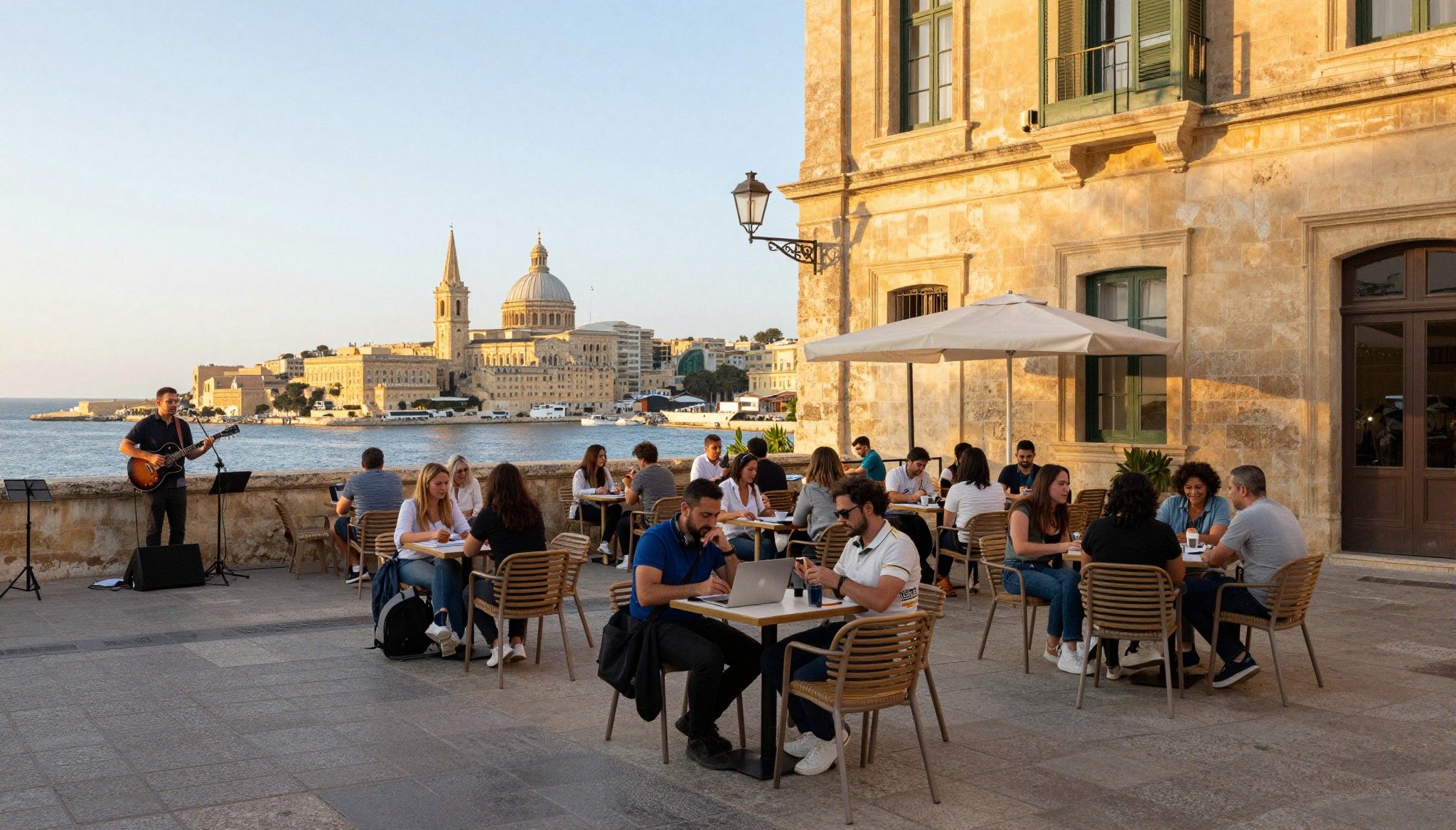
Imagine sipping espresso on a sunlit Sliema promenade, laptop open, sea breeze hitting your face while a tram bells in the distance. Malta fits into your day the way a perfectly brewed coffee fits a morning — compact, bright, and full of small surprises. But the island’s property story isn’t only postcard-perfect; it’s a fast-moving market where buyers who love the lifestyle still need sharp strategy and local streetwise knowledge. Recent market analysis shows steady price growth and strong rental demand — great for lifestyle-minded buyers who also care about return and liquidity.
Living the Malta Lifestyle

Life in Malta is tactile: limestone facades, narrow lanes that open to bright piazzas, and a coastline that doubles as your weekend living room. English is an official language, cafes and co-working hubs hum from morning till late, and neighbourhood rhythms change dramatically between Valletta’s baroque hush and St Julian’s buzzy nightlife. That compactness means you can live near the sea and be downtown in 20 minutes — but it also concentrates demand, which shows up in national price indices and transaction data.
Valletta & Three Cities: history as a neighbour
Picture morning walks past aubergine-coloured doors and late afternoons at boutique wine bars overlooking the Grand Harbour. Valletta and the Three Cities are for people who want living history right outside their window — narrow streets, tiny squares, and apartments with character. These areas reward buyers with atmosphere and tourist-season rental premiums, but expect smaller unit sizes and renovation quirks: be ready for heritage constraints and specialist contractors when you restore old beams or sash windows.
Sliema, Gzira & St Julian’s: seaside social life
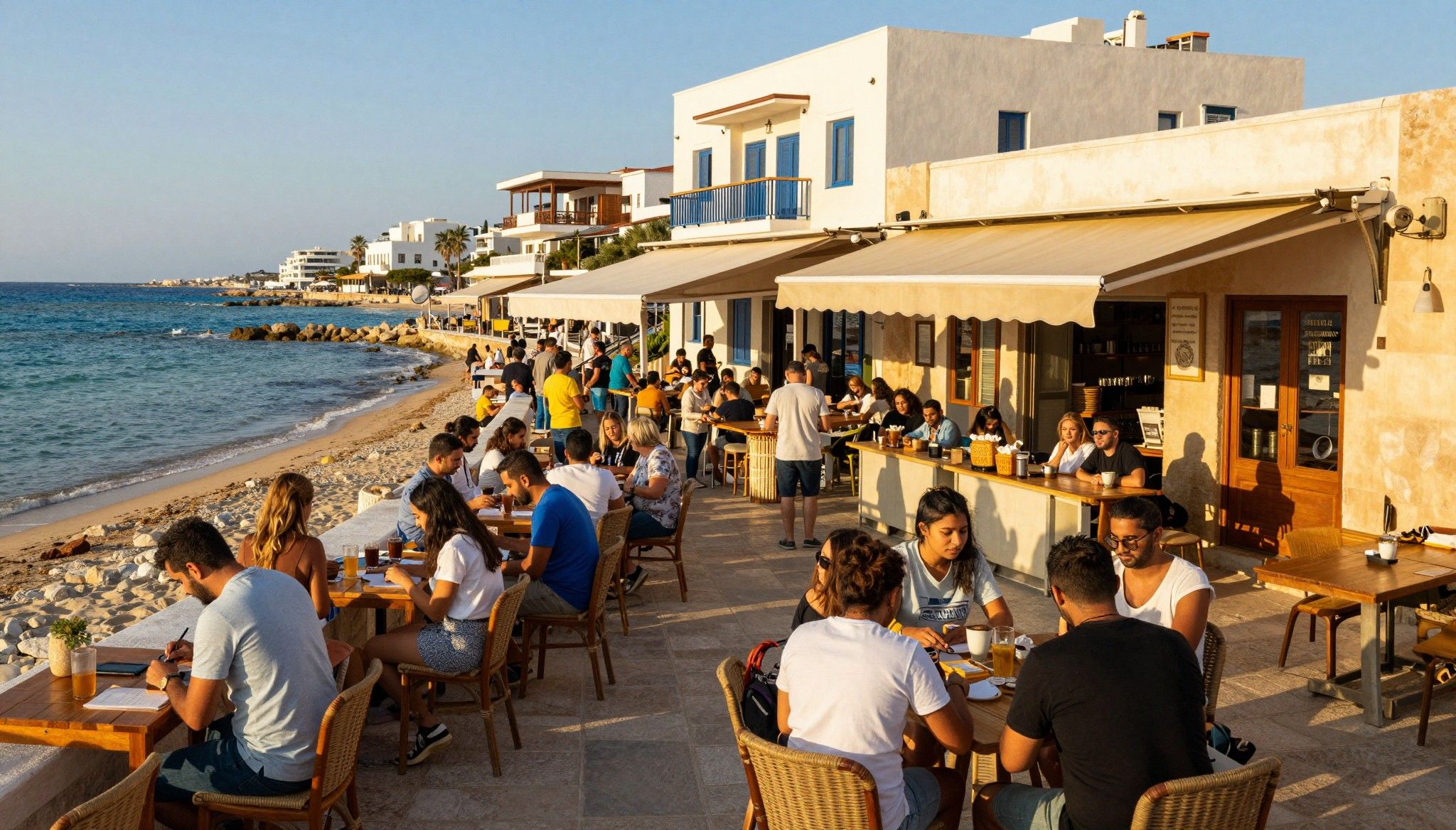
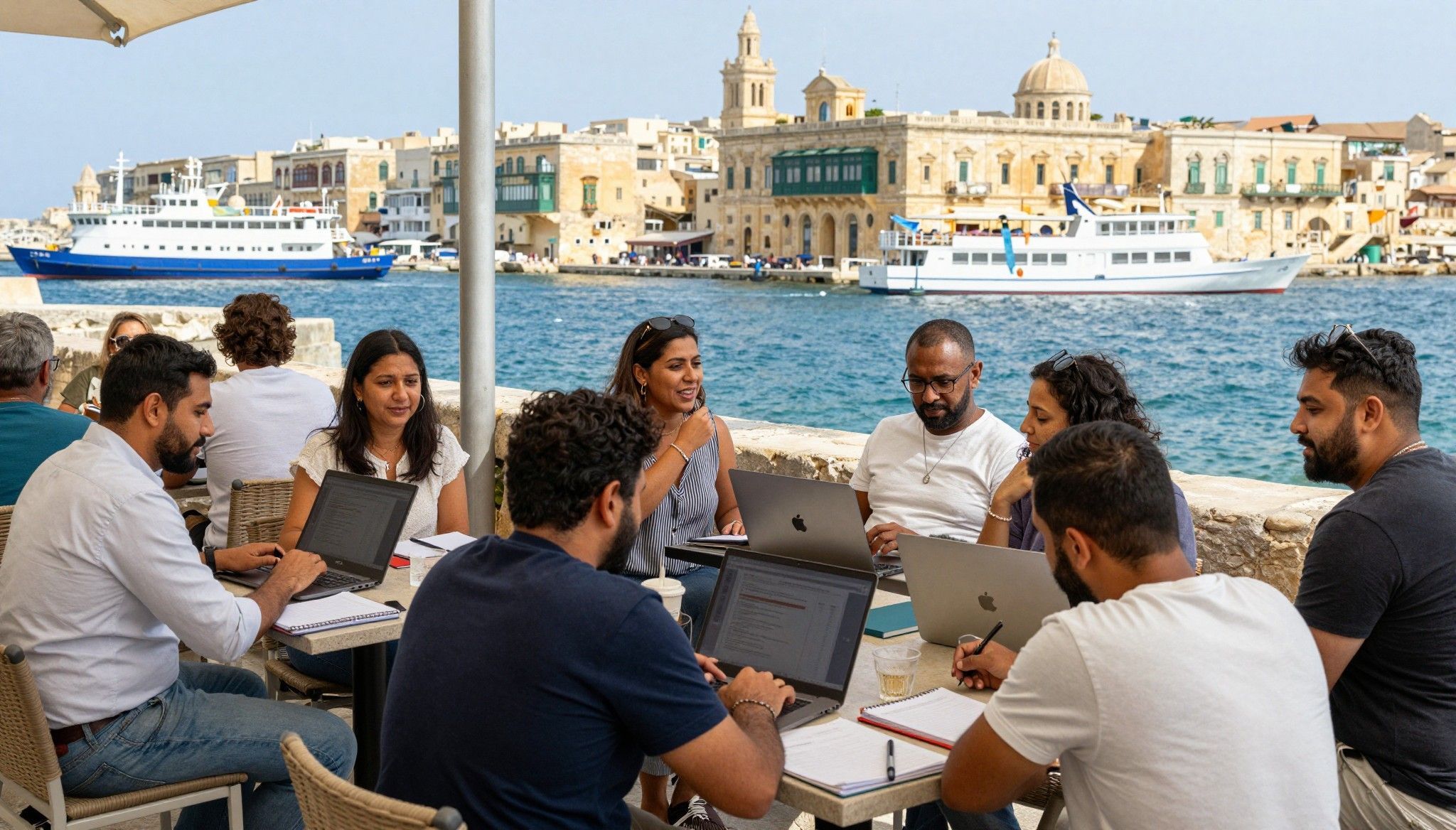
If you want cafés, coworking, and walkable seafronts, Sliema and St Julian’s deliver. Expect bustling shopping streets, rooftop bars, and a steady stream of short-term and longer-term renters — attractive if you plan to rent out when you’re away. These neighbourhoods have high connectivity and coworking options, but that popularity drives higher asking prices and competition at viewings, especially for turnkey apartments with sea views.
- Lifestyle highlights to sample before buying:
- Early-morning market at Marsaxlokk for fresh seafood and a photographic Sunday ritual
- Sunset drinks on Sliema promenade followed by coworking nights in Gzira cafés
- Historic walks and theatre nights in Valletta — great for long-term cultural immersion
Making the Move: Practical Considerations
The romance of island life meets a market with momentum. Malta recorded price increases in recent years and a solid volume of transactions — evidence that demand remains strong. That’s good for buyers who value liquidity and rental income, but it also means you should be picky: location, floor level, and indoor-outdoor space can swing both rentability and resale value. Work with local data and agents who understand micro-neighbourhood trends, not just island-wide headlines.
Property styles & how they shape life
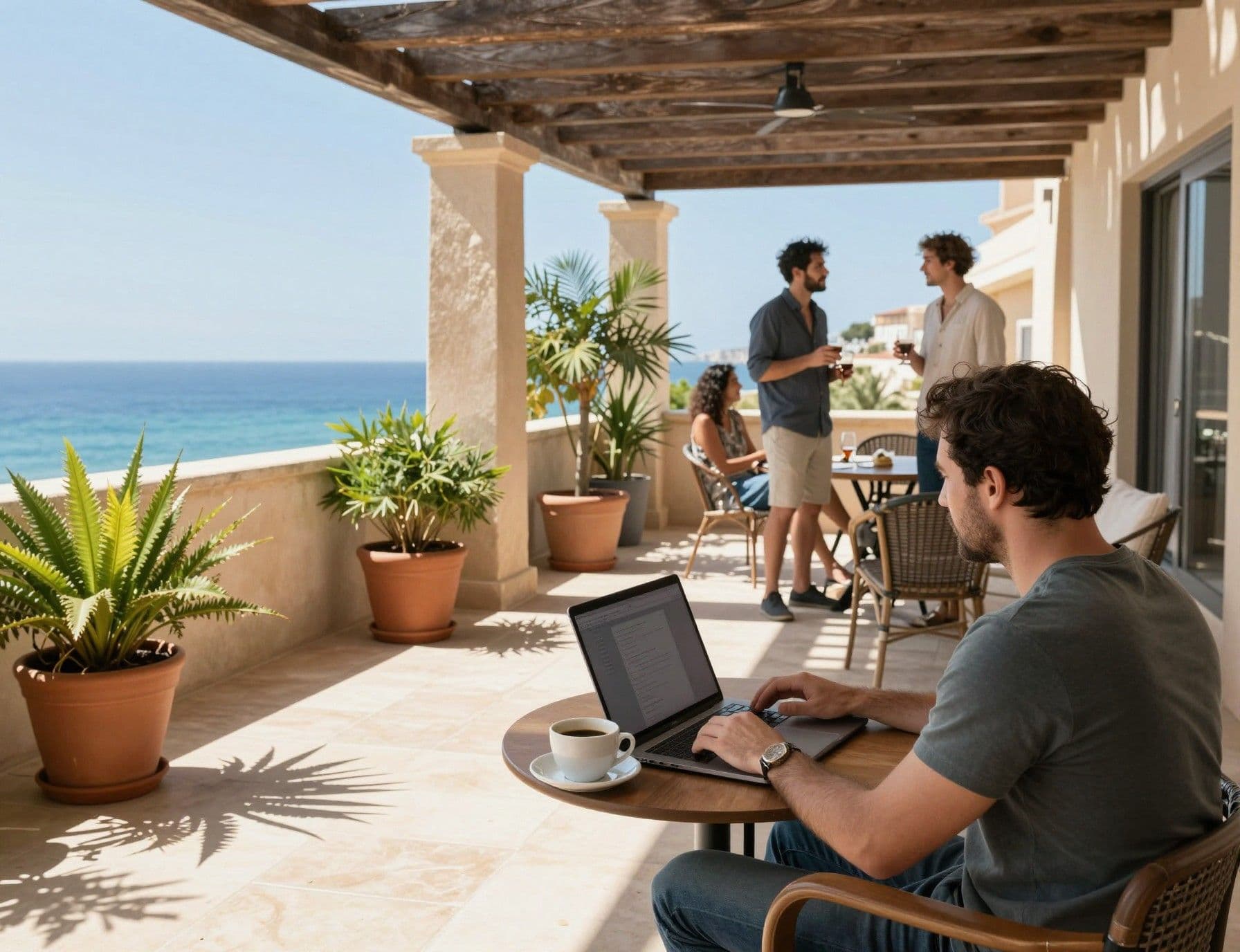
From converted Valletta maisonettes to modern apartments in Pembroke, property types in Malta dictate daily routines. Maisonettes give you terraces and alfresco dinners; modern apartments near St Julian’s give convenience and coworking proximity. If remote work is key, prioritise dedicated workspace, stable broadband (check local providers for FTTH availability) and a balcony or terrace that doubles as an outdoor office. Don’t overpay for a sea view if it means losing usable indoor workspace.
Working with local experts who get the lifestyle
Choose agents who live the life they sell: ask where they work, which coworkings they recommend, and whether they’ve handled properties with heritage restrictions or added terraces. Local solicitors, architects, and project managers are essential if you plan renovations — Malta’s limestone buildings require specific techniques. A good agent will save you months in paperwork, explain residency options tied to property choices, and match property features to how you want to spend weekdays and weekends.
- Step-by-step lifestyle + practical checklist:
- 1. Spend at least one month living in the neighbourhood you’re eyeing to test commute, noise, and community fit.
- 2. Confirm broadband type and speed at the exact address; remote work depends on consistent upload as much as download.
- 3. Ask your agent for recent comparable deeds (not just listings) to verify true sale prices versus advertised asks.
- 4. If renovating, secure local contractors and a structural inspection for older limestone walls before you sign.
Insider Knowledge: What Expats Wish They'd Known
Expats tell the same few surprises: utility setups can take longer than expected, renovation timelines stretch, and seasonal noise (festivals, festas) is part of living here — sometimes delightfully so, sometimes at 2 a.m. Also, residency rules have evolved recently and tie into property choices for many buyers. Knowing the exact legal thresholds and minimum property requirements for programmes like the Malta Permanent Residence Programme can change whether buying makes sense for you.
Cultural integration and the social scene
Join a local supper club, an expat Facebook group, or a coworking community in Valletta or Msida and you’ll meet neighbours faster than with paperwork. English and Maltese are used interchangeably; learning basic Maltese phrases earns genuine warmth. Remember: Maltese social life is communal — festas, band marches, and church events shape weekends. Being present at these moments accelerates integration more than any formal networking event.
Long-term lifestyle and value considerations
If you plan to stay, favour properties with adaptable spaces: a room that converts into a home office, a terrace you can cover, and good insulation against Mediterranean heat. Affordability pressures exist — reports show rising asking prices and tighter price-to-income ratios — so prioritise what you’ll actually use daily over flashy extras. Over time, neighbourhoods with true community assets — markets, small grocers, reliable transport — tend to hold value better than those that rely solely on tourist footfall.
- Red flags local buyers watch for:
- No deeds or unclear title history — insist on solicitors checking Land Registry records.
- Units with over-optimistic rental projections based on peak-season rates only.
- Properties with serious moisture or structural signs in limestone walls that haven’t been professionally assessed.
Conclusion: Fall in love, then check the fine print. Malta can be the Mediterranean base you dreamed of — compact enough to feel instantly familiar, diverse enough to keep life interesting. Start with lifestyle scouting trips, work with agents who live the life they sell, verify prices with public data and deeds, and factor in residency rules early. If you aim to blend remote work, sea access, and neighbourly culture, Malta rewards patient, informed buyers with a uniquely intimate island life.
Norwegian who has helped 200+ families relocate from Oslo to Spain; expert in relocation services and community integration.