Why Italy’s Neighbourhood Beats Matter More Than Price
Fall in love with Italy’s daily rhythms—piazzas, markets and terraces—then match that lifestyle to practical checks: internet, seasonality, and local experts.
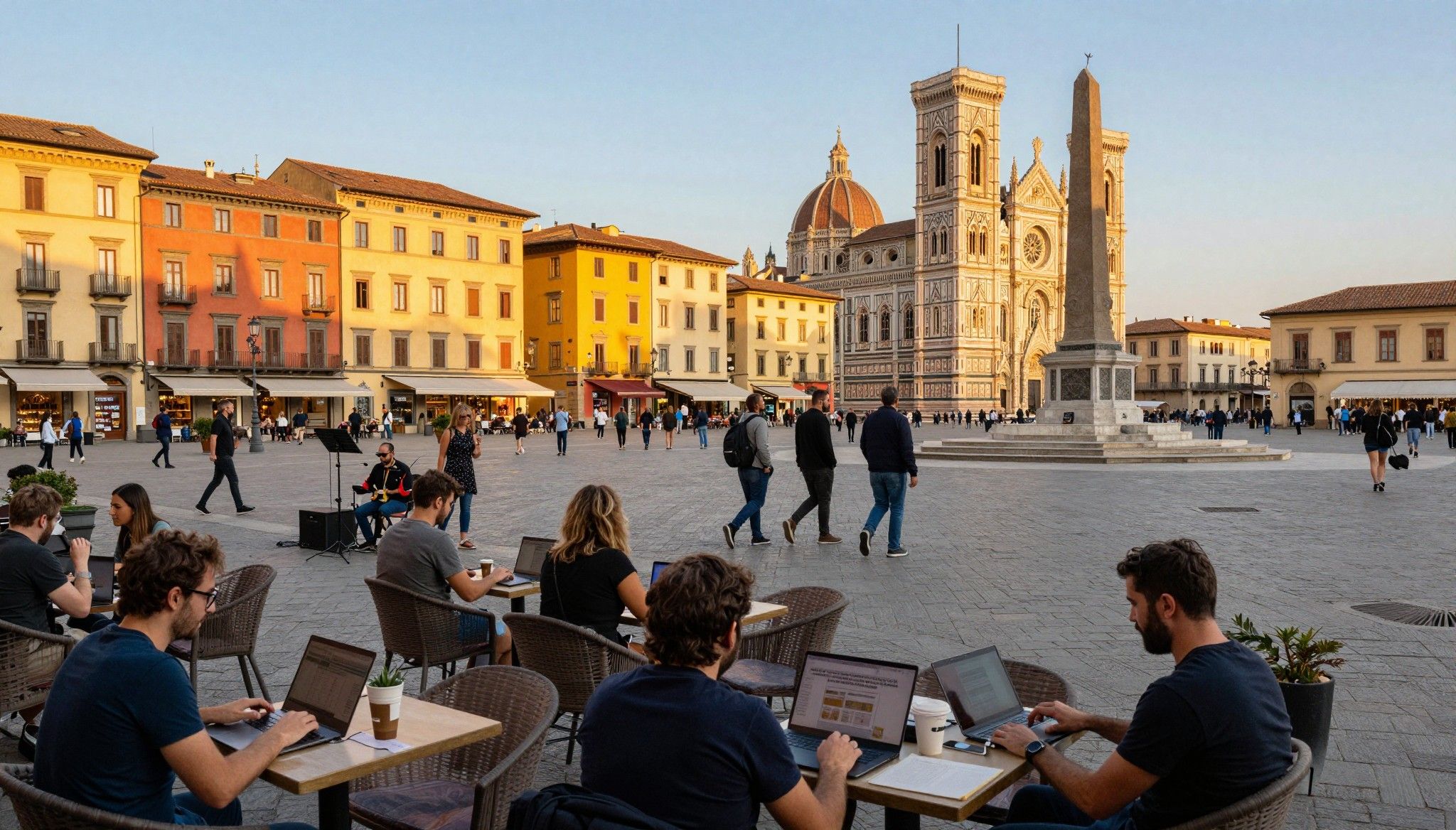
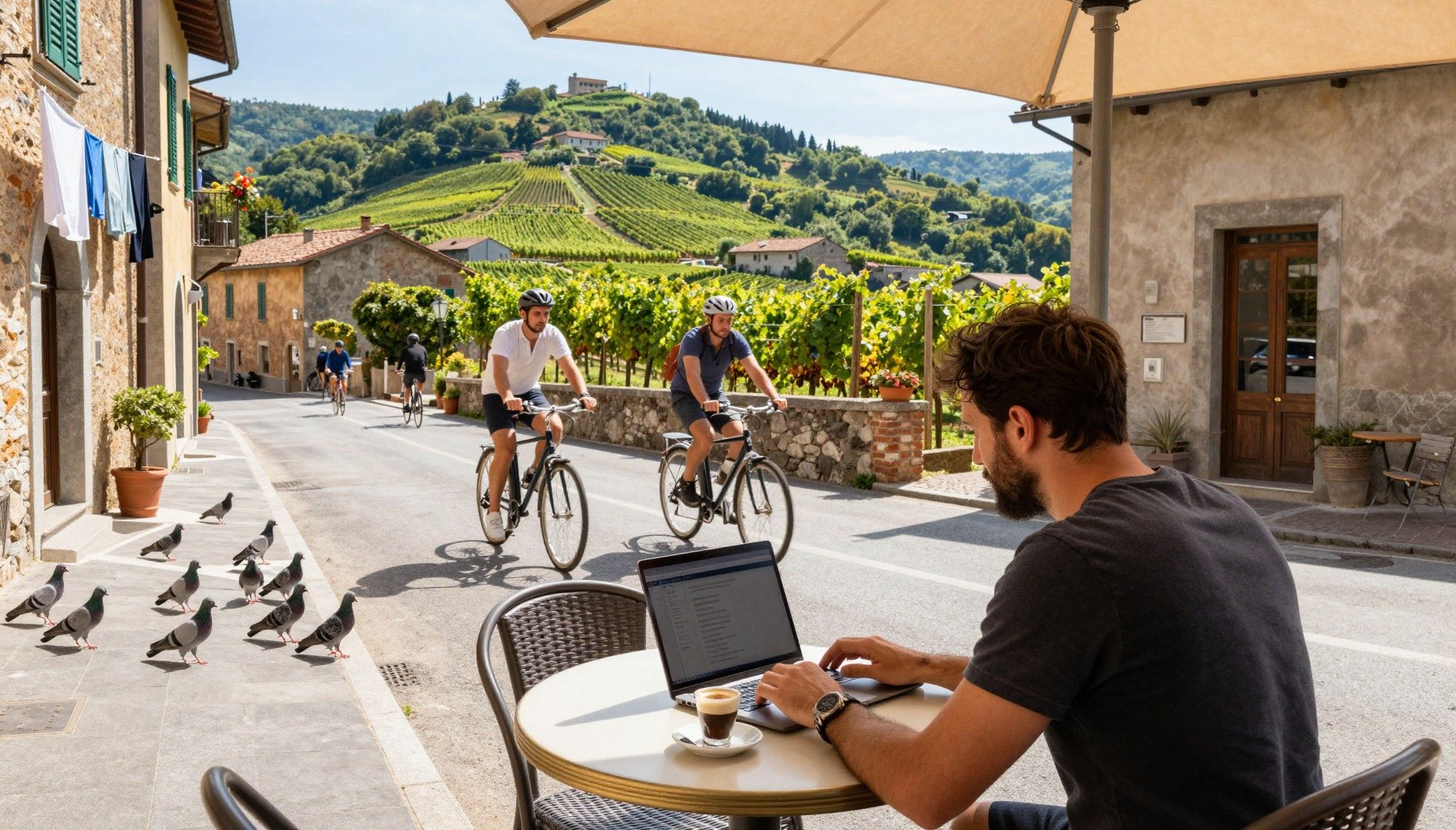
Imagine sipping an espresso at 9am in a sunlit piazza in Bologna, then taking a 30‑minute train to a coworking loft in the old town. Italy isn’t a single mood — it’s a patchwork of daily rituals, markets, and neighbourhood rhythms that fold into your workday. For international buyers, that variety is the thrill and the trade‑off: you get lifestyle everywhere, but the right neighbourhood makes or breaks your daily life.
Living the Italy lifestyle — city beats, coastal calm, and hilltop slow
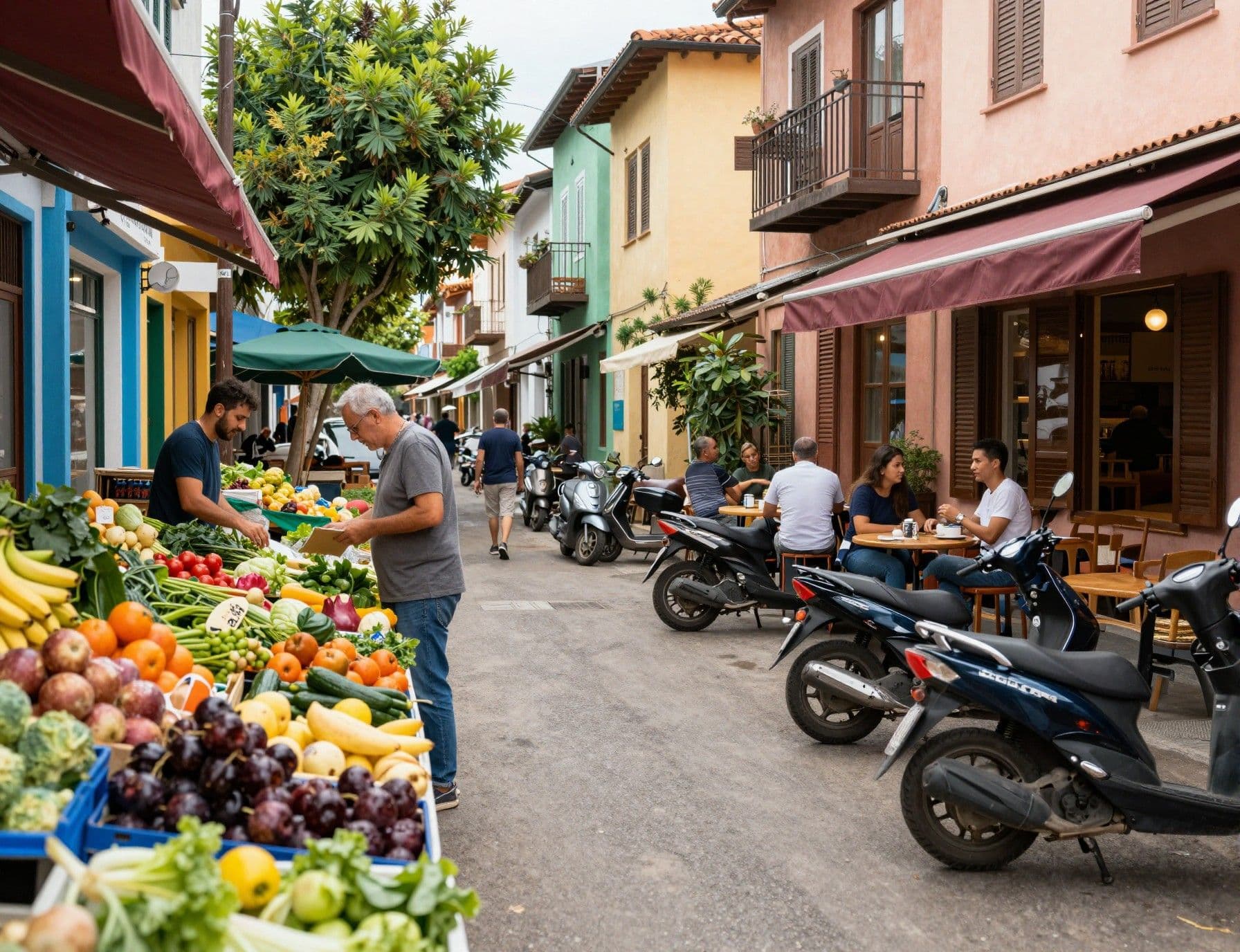
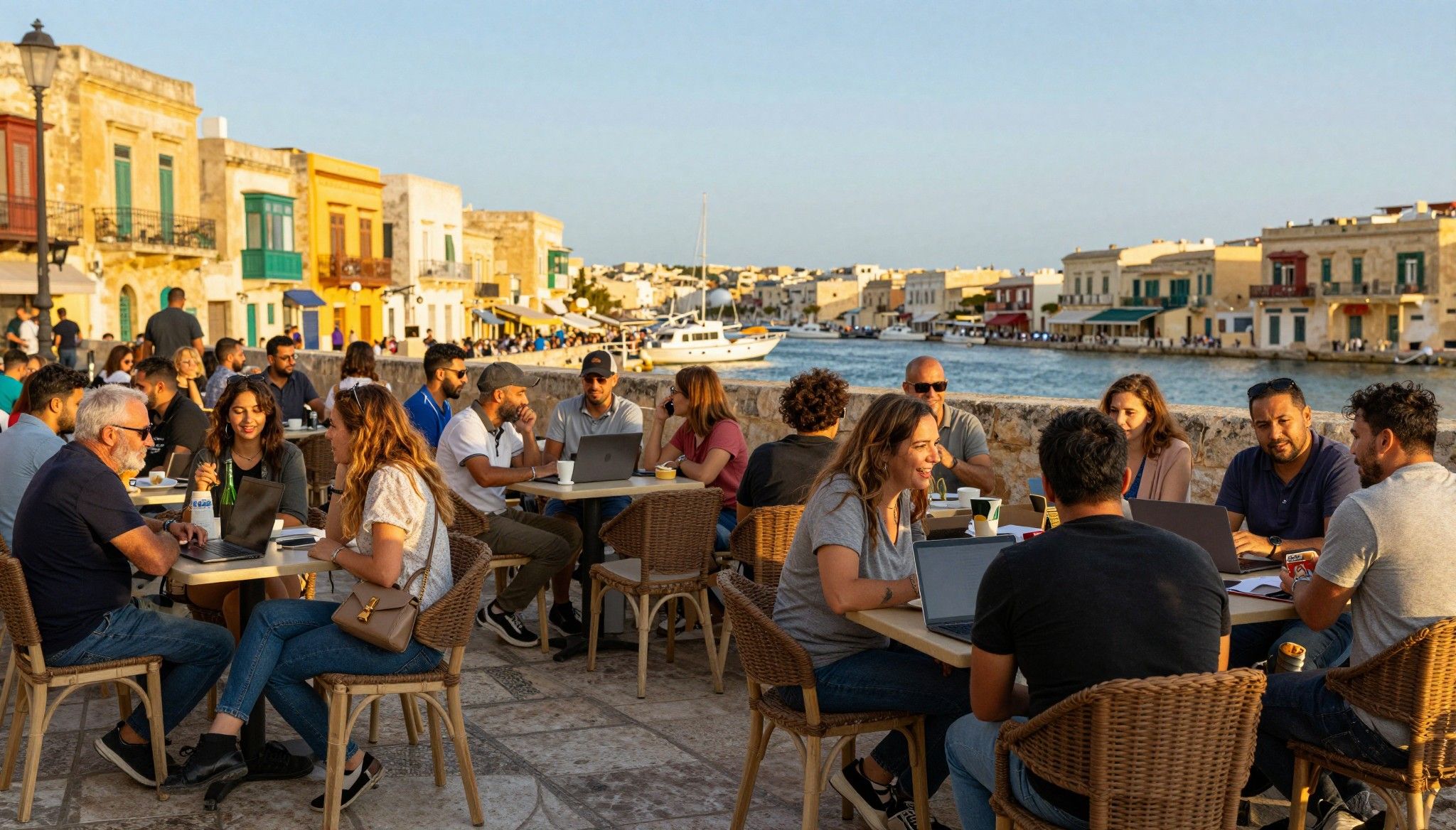
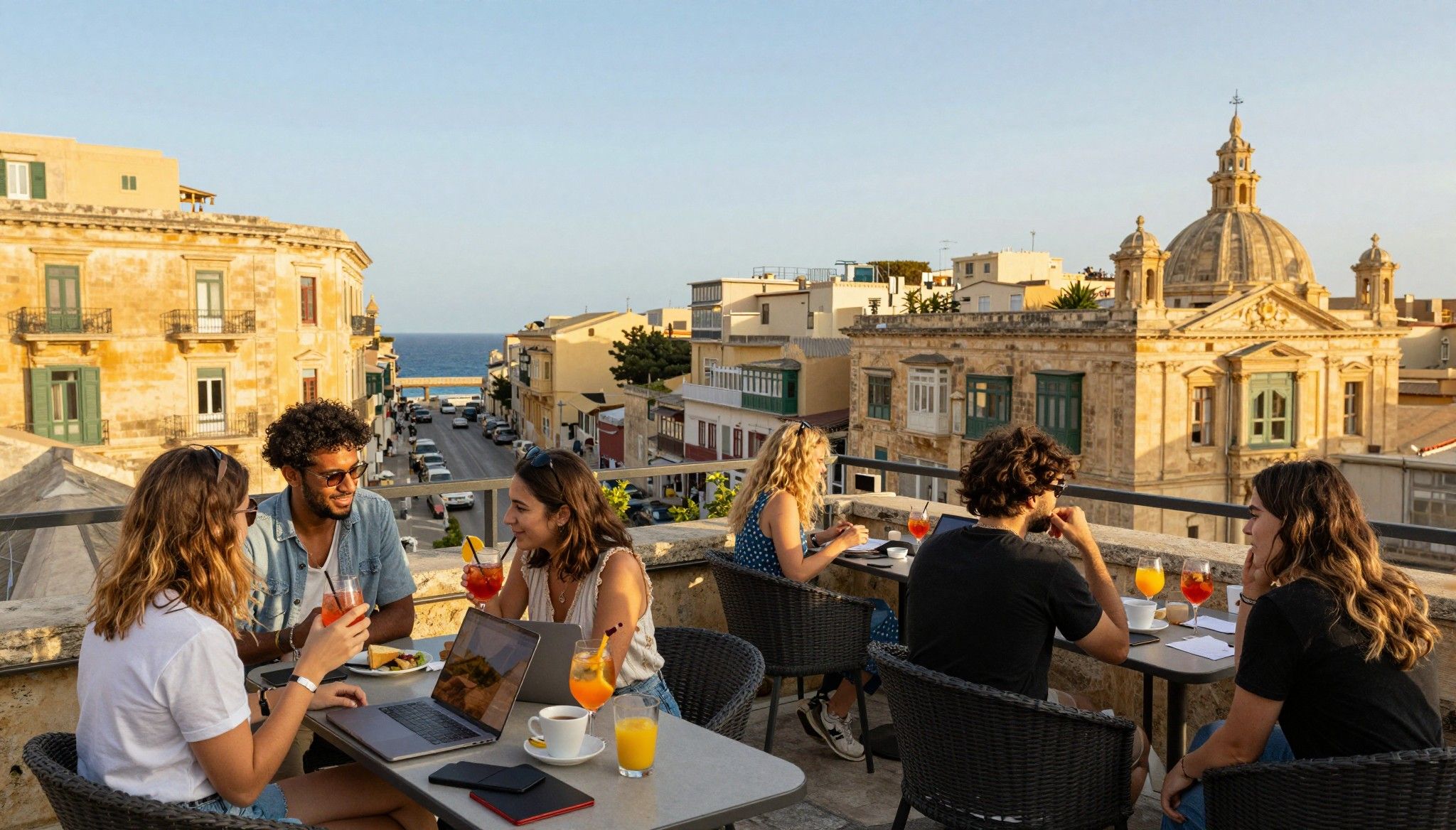
Italy organizes life around places: piazzas, bakeries, morning markets and passeggiatas. In Milan you’ll feel the pulse of design and fast‑paced cafés; in Naples the streets hum with neighbourhood vendors and late‑night pizza culture; along the Amalfi Coast mornings are for coastal walks and afternoons for coffee with a sea view. These daily patterns shape what you need from a property — a quiet terrace for focused work, a fast café for calls, or a nearby market for weekly ritual. Market reports note rising foreign interest in lifestyle-driven locations, especially city centres and high-quality rural retreats.
Neighborhood spotlight: Navigli (Milan) vs. Trastevere (Rome)
Picture Navigli on a Saturday: canals, design shops, espresso bars overflowing with laptops. It’s walkable, great for meetups, and packed with coworking options. Contrast that with Trastevere’s cobblestones and late‑night trattorie — brilliant for social life, less consistent for quiet work during peak tourist months. Both deliver the Italian dream, but they suit different nomad rhythms: Navigli for structured hybrid work; Trastevere for creatives and people who value dinner culture over strict desk hours.
Food, markets and ritual — where lifestyle lives
Italy’s daily life is scaffolded by food: morning espresso, a market run at Mercato Centrale (Florence) or Mercato di Testaccio (Rome), and aperitivo rituals that anchor evenings. That rhythm impacts property choice — proximity to fresh markets and vibrant cafés often trumps a second bathroom in desirability. Higher‑end reports show buyers willingly paying premiums for properties near strong food scenes and authentic neighbourhood hubs.
- Walkable lifestyle highlights: - Mercato Centrale (Florence) visits and neighbourhood eateries - Morning espresso spot: Bar Luce in Milan’s Fondazione Prada area - Sunset passeggiata along Lungomare Caracciolo in Naples - Weekend truffle markets near Alba (Piedmont) - Coworking + gelato afternoons in Bologna’s Quadrilatero
Making the move: lifestyle needs that must meet market reality

Dreams need scaffolding. Before you fall for a rooftop terrace, check the practical: internet consistency, commute to key services, noise patterns by season, and property energy class. Recent industry outlooks show steady buyer interest and modest price growth — great for confidence, but it also means prime lifestyle spots are competitive. Pair lifestyle scouting with early local-market intel to move quickly when the right property appears.
Property styles that match nomad life
Choose an apartment with a sunny nook or terrace if you work at home; prioritize solid mobile reception and at least one dedicated work corner for calls. In rural Tuscany, stone farmhouses offer space and privacy but expect longer drives and variable broadband; coastal condos give outdoor living but can be seasonal and pricier in summer. Renovation projects can be magical, but factor in time, permits and local craftsmen availability.
Working with local experts who know the rhythm
A local agent who lives the neighbourhood is worth their weight in espresso. They’ll tell you which streets are noisy on festival weekends, where the best short‑term rentals sit, and which buildings have reliable heating (important in older structures). Agents tied to reputable networks and with translations-ready contracts save time and avoid surprises — especially when buying from abroad.
- Steps to match lifestyle with purchase: 1. Make a two‑week lifestyle visit focusing on daily routines, not just sightseeing. 2. Measure internet speeds at potential properties during peak hours. 3. Ask agents about building noise, sun exposure, and nearby markets. 4. Secure a local contacts list: notary, architect, and a property manager for remote ownership.
Insider knowledge: things expats wish they'd known sooner
Expat reality: language helps more than you think. A handful of well‑placed Italian phrases smooth renovations, market haggling and apartment handovers. Also: seasons dramatically change neighbourhood energy — a cliffside town that’s sleepy in January might be electric in August. The new Italian Digital Nomad Visa (introduced 2024–2025) opens longer stays for remote workers, but residency rules, taxes and healthcare registration still require local steps many buyers underestimate.
Cultural and seasonal realities
Plan for August (Ferragosto) rhythms: many businesses close, services slow, and bargaining power shifts for rentals and services. Winter in alpine towns brings heating costs and different maintenance needs. Understand the seasonality of your chosen spot — it affects rental demand, utility costs and your daily mood.
Connectivity reality check
Average fixed broadband speeds in Italy are much improved, with many city locations reporting 100+ Mbps average downloads by 2025–2026. Still, rural and historic zones can be patchy. Always run a live speed test at different hours and ask sellers for recent provider bills before committing.
- Red flags and local quirks to watch for: - No recent electrical/diagnostic certificate for older apartments - Unclear condominium minutes about upcoming restorations - Properties listed with vague floorplans (ask for exact sqm and ceiling heights) - Seasonal access issues (narrow roads, limited winter services) - Promises of ‘fast fibre’ without documented provider availability
How life evolves after you move: community, routines, and small rituals
Six months in you’ll trade checklists for routine: a favourite barista, a neighborhood fruit seller who remembers your coffee order, a walking route for calls. Italy’s social fabric rewards small, repeated interactions. Investing in local relationships — the building janitor, the market vendor, the neighborhood association — pays bigger dividends than an extra bedroom when it comes to feeling at home.
Sustaining the lifestyle and property value
Properties near lively markets, good transport links and high‑quality cultural amenities tend to hold value and rent well. Prioritize adaptable spaces (a clear workspace, reliable utilities) so your place can be both a home and an income generator when you travel.
- Practical next steps for dreamers ready to act: 1. Visit for a 10–14 day scouting trip focused on routines, not tourism. 2. Have a shortlist of 3 neighbourhoods and run live internet and noise checks. 3. Engage a bilingual agent and a local notary early to clarify fees and timelines. 4. Build a local network: property manager, architect, handyman — they’ll save you months of stress.
Italy rewards patience and curiosity. Fall for the mornings, the market stalls, the conversations over wine — then bring the practical tools so the romance becomes a sustainable life. When you pair lifestyle-first scouting with a sharp local team, Italy can be both your office and your playground.
Conclusion: Ready to start? Book a lifestyle scouting visit, map your daily routines, and loop in an agent who gets nomad life. Small choices — which piazza you buy near, whether the apartment gets sun at 9am — shape the life you’ll love in Italy.
Dutch investment strategist guiding buyers to Greece and Spain; practical financing, tax, and portfolio diversification.