Live Like a Local: Italy’s Visa, Coworking & Value
Italy blends piazza life, strong coworking cities and new nomad visas—buy where locals live, verify broadband, and match visa timing to lifestyle.
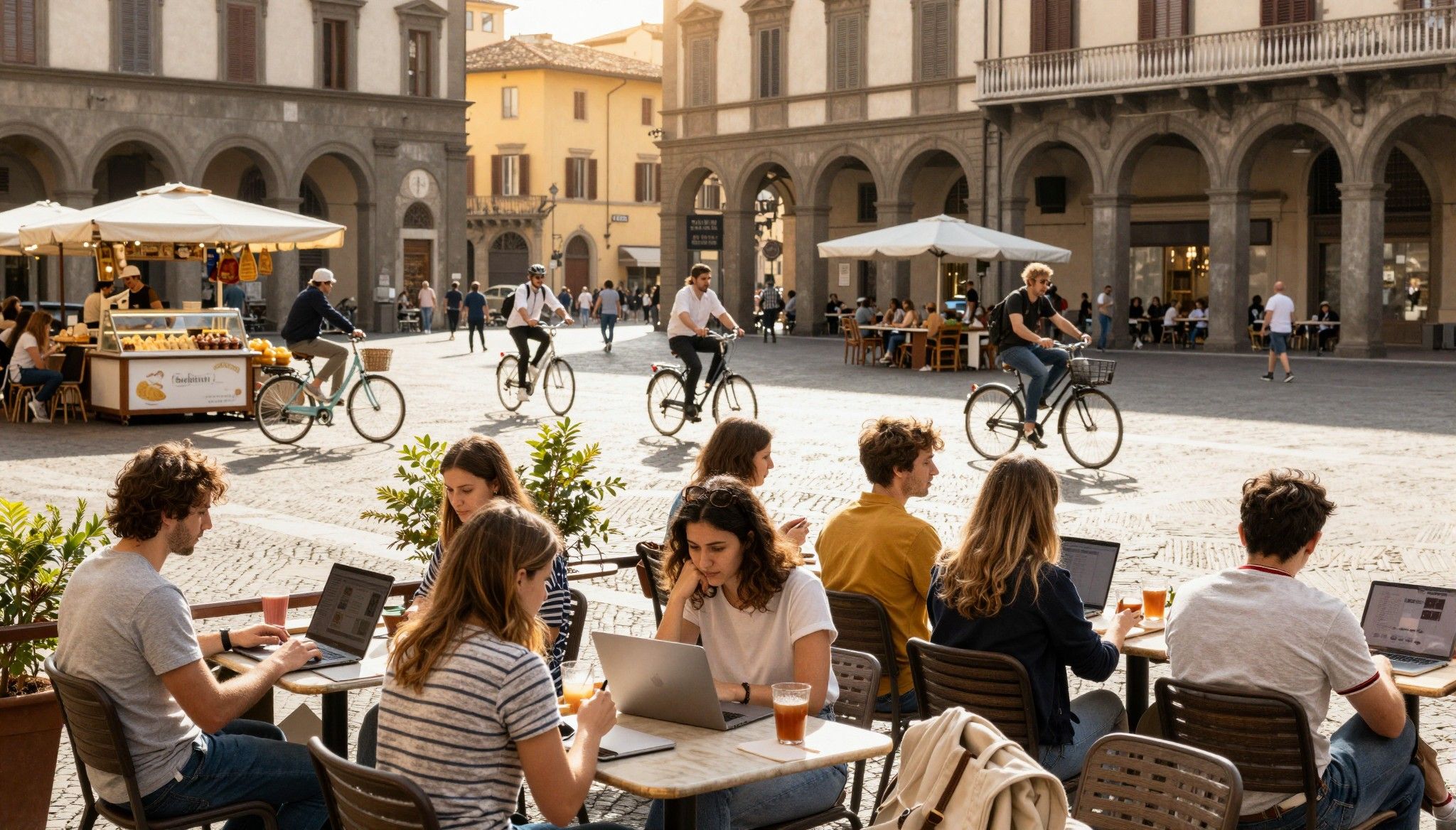
Imagine sipping an espresso on a sun-warmed piazza in Siena, laptop tucked beside you, then biking home through olive groves as dusk settles. Italy lives in flavors, slow mornings, and street rhythms—yet it also has coworking hubs, solid broadband pockets, and new visa paths that make a longer stay realistic. This piece pairs that easy, lived-in charm with the concrete visa and market realities international buyers actually need. Read on for contrarian insights about where life is sweetest in Italy and how to make the move without losing the romance.
Living the Italy lifestyle — daily rhythms and real streets
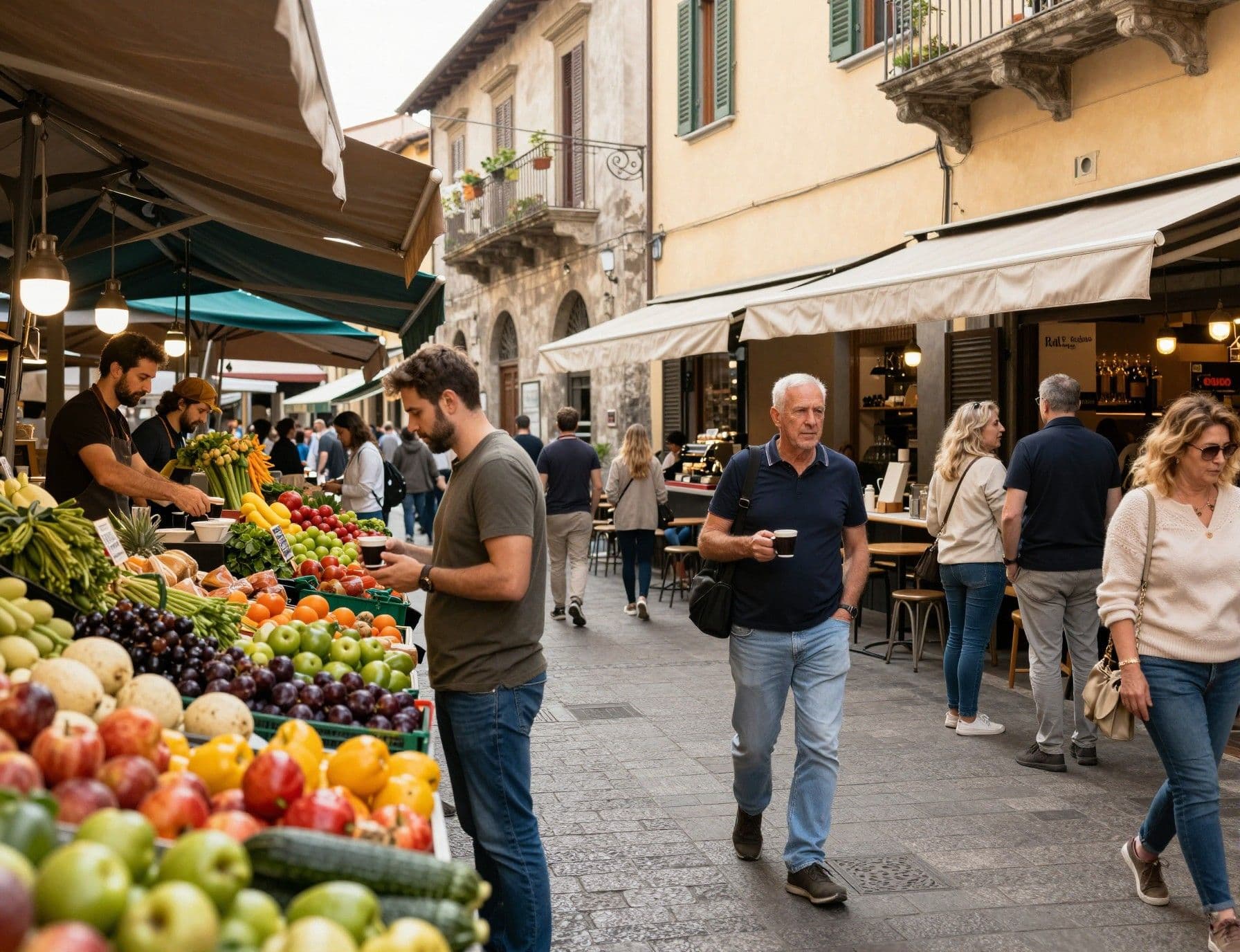
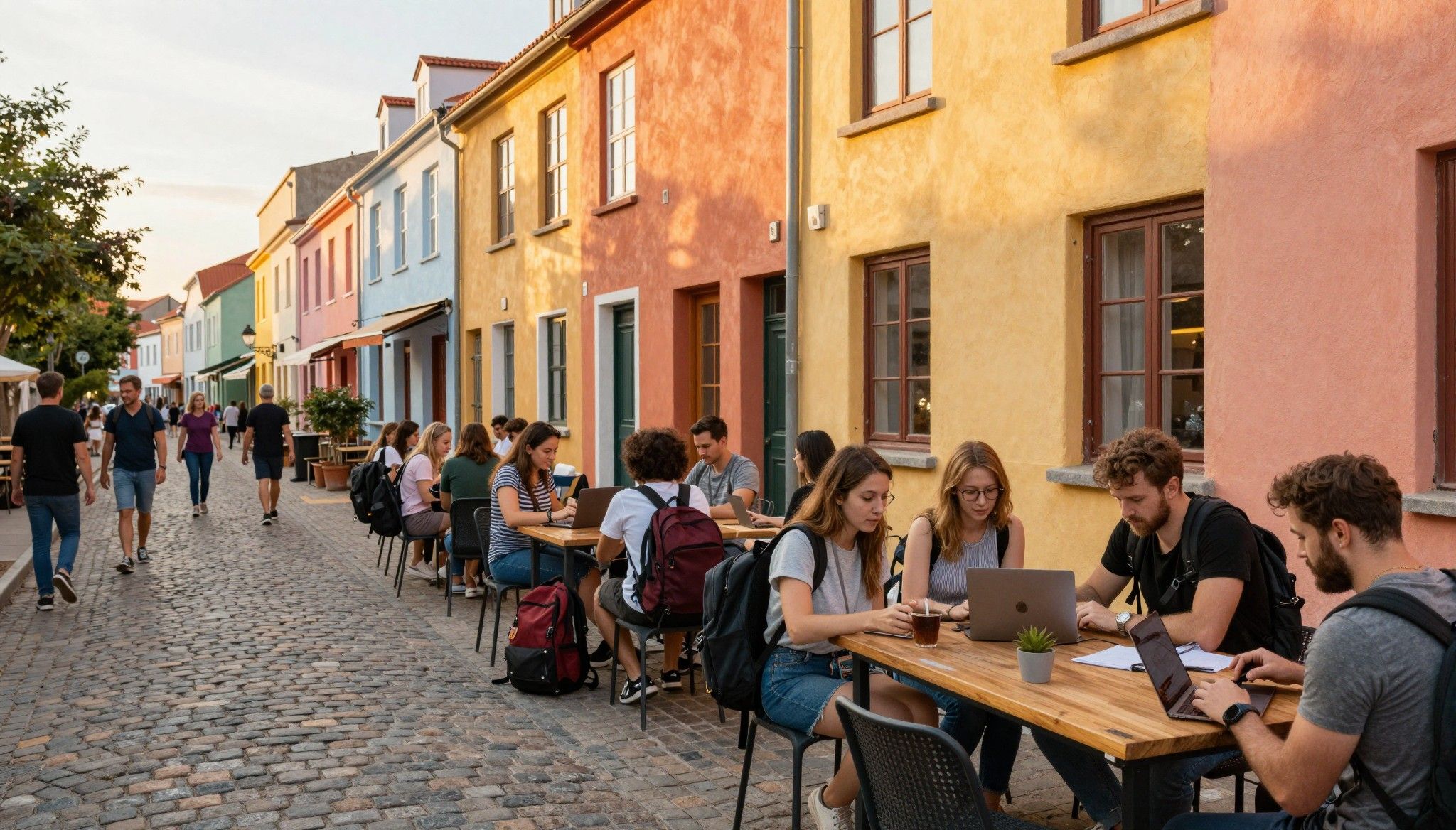
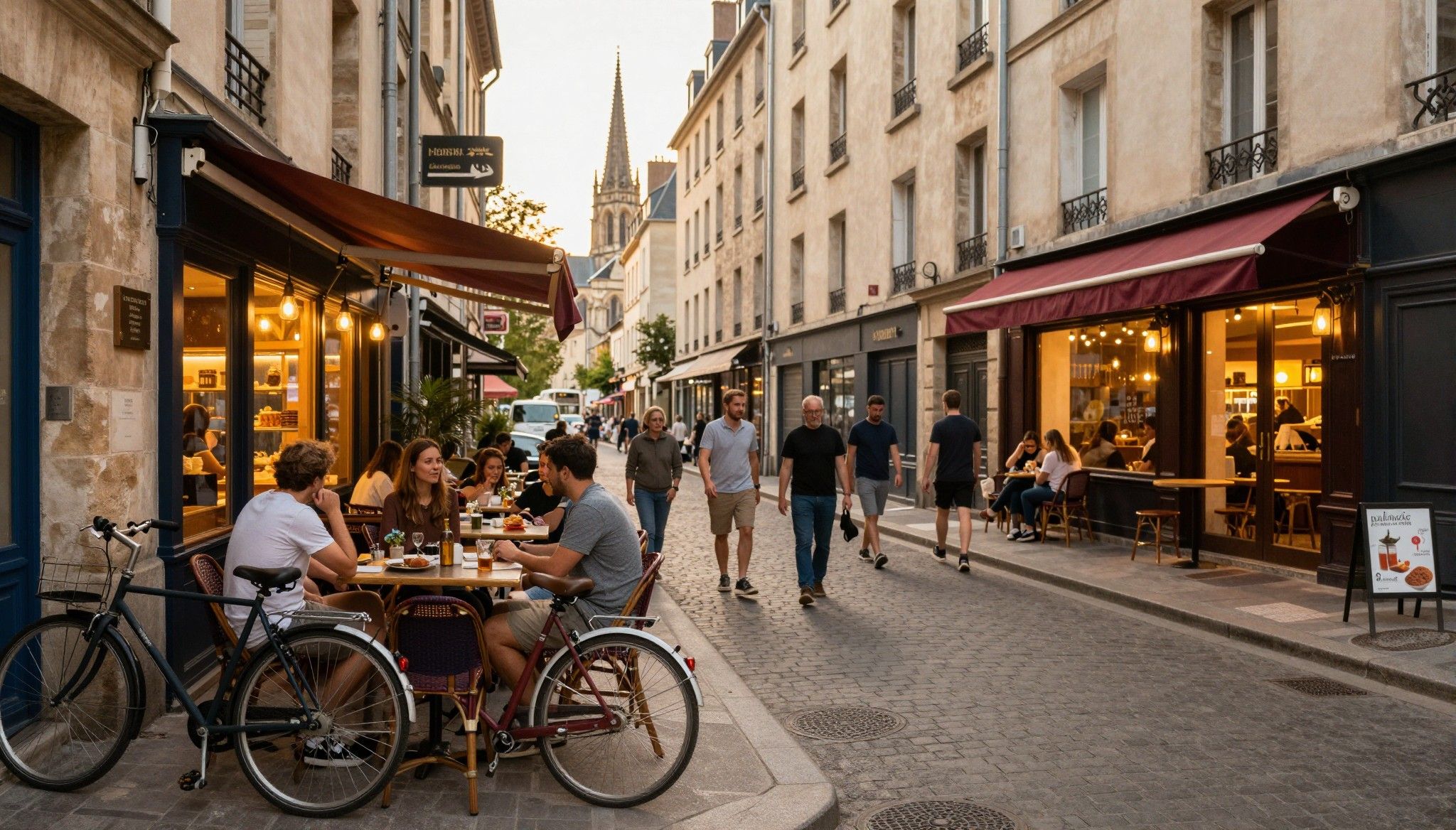
Italy isn’t a single vibe; it’s many. Mornings mean market stalls overflowing with citrus in Palermo, while in Bologna the scent of ragù drifts from narrow porticoes. Days blend work and life: a late-morning café call, an afternoon at a coworking space, then an evening aperitivo with neighbors. For nomads who want both beauty and function, Italy offers neighborhoods where you can actually build daily routines, not just vacation snapshots.
City pulse vs. small-town calm: pockets that work for remote life
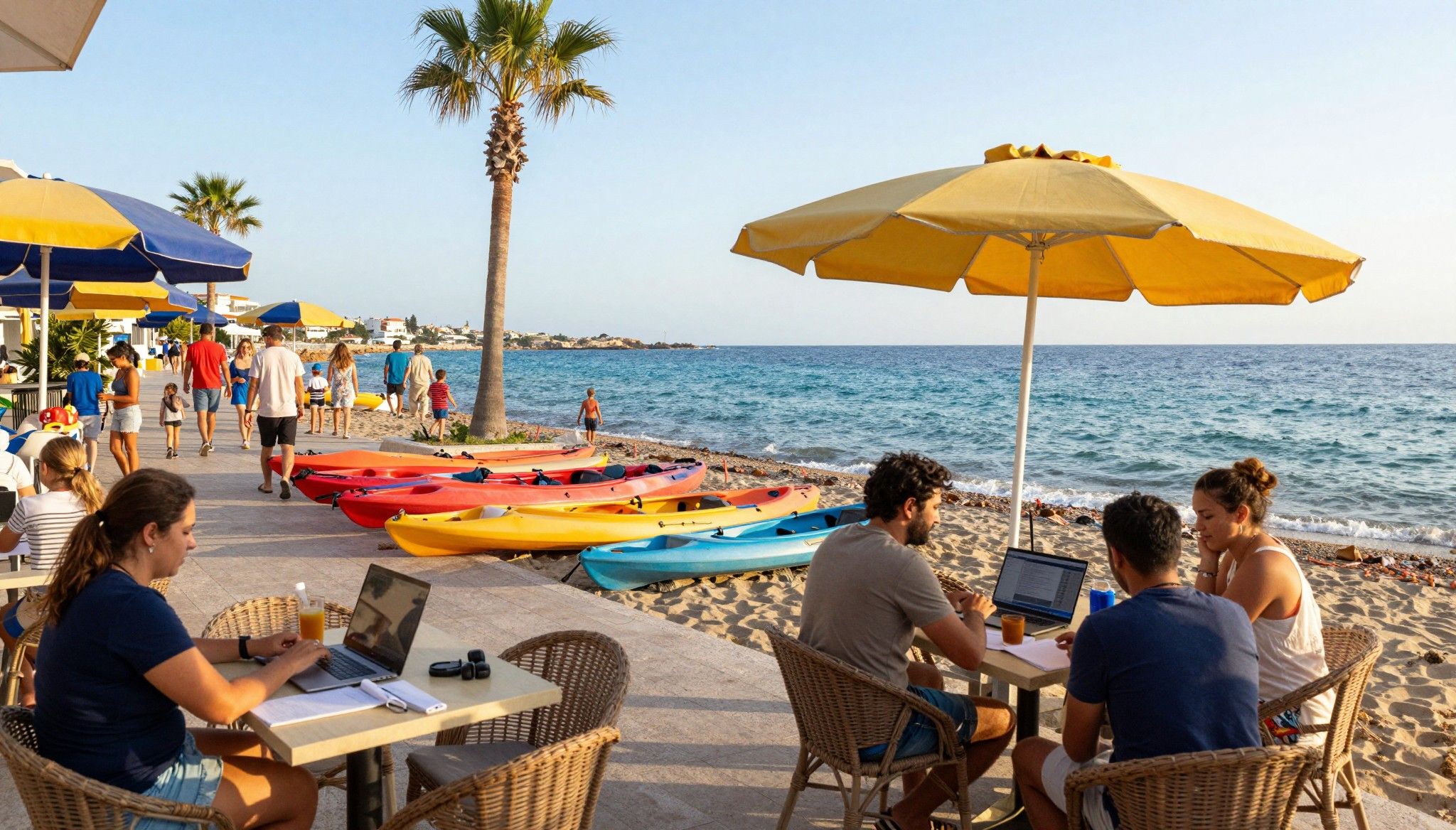
If you need a dense coworking network and fast meetings, Milan and Rome are obvious. Milan’s concentration of coworking spaces and startups makes it the obvious choice for networking and reliable coffee-shop Wi‑Fi. Smaller cities—Bologna, Turin, and Florence—offer lower rents with strong cultural scenes and enough coworking options to keep remote life comfortable. Southern towns like Lecce or Tropea trade bustle for beaches and value; you’ll need to pick pockets where broadband and community meet your work needs.
Neighborhood snapshots: where locals actually buy
Look beyond tourist streets. In Rome, Monti and Pigneto hum with cafés and creative studios—I’ve sat at Via Urbana and watched freelancers trade briefs at a table. In Milan, Porta Romana and Isola offer quiet residential side-streets with easy tram access and lively bars. On the coast, Levanto (Liguria) and Cefalù (Sicily) are beloved by Italians for year-round life, not just summer rentals. These are the blocks where community matters: a morning market, a barista who knows your name, a grocery that stays open late.
- Lifestyle highlights to scout during a visit: morning markets (Mercato di Campo de’ Fiori, Rome), coworking in Bovisa (Milan), evening passeggiata on Via San Leonardo (Bologna), Levanto’s surf-friendly beach, Palermo’s Ballarò market, and an aperitivo at a canal-side bar in Navigli.
Making the move: lifestyle-driven practical considerations
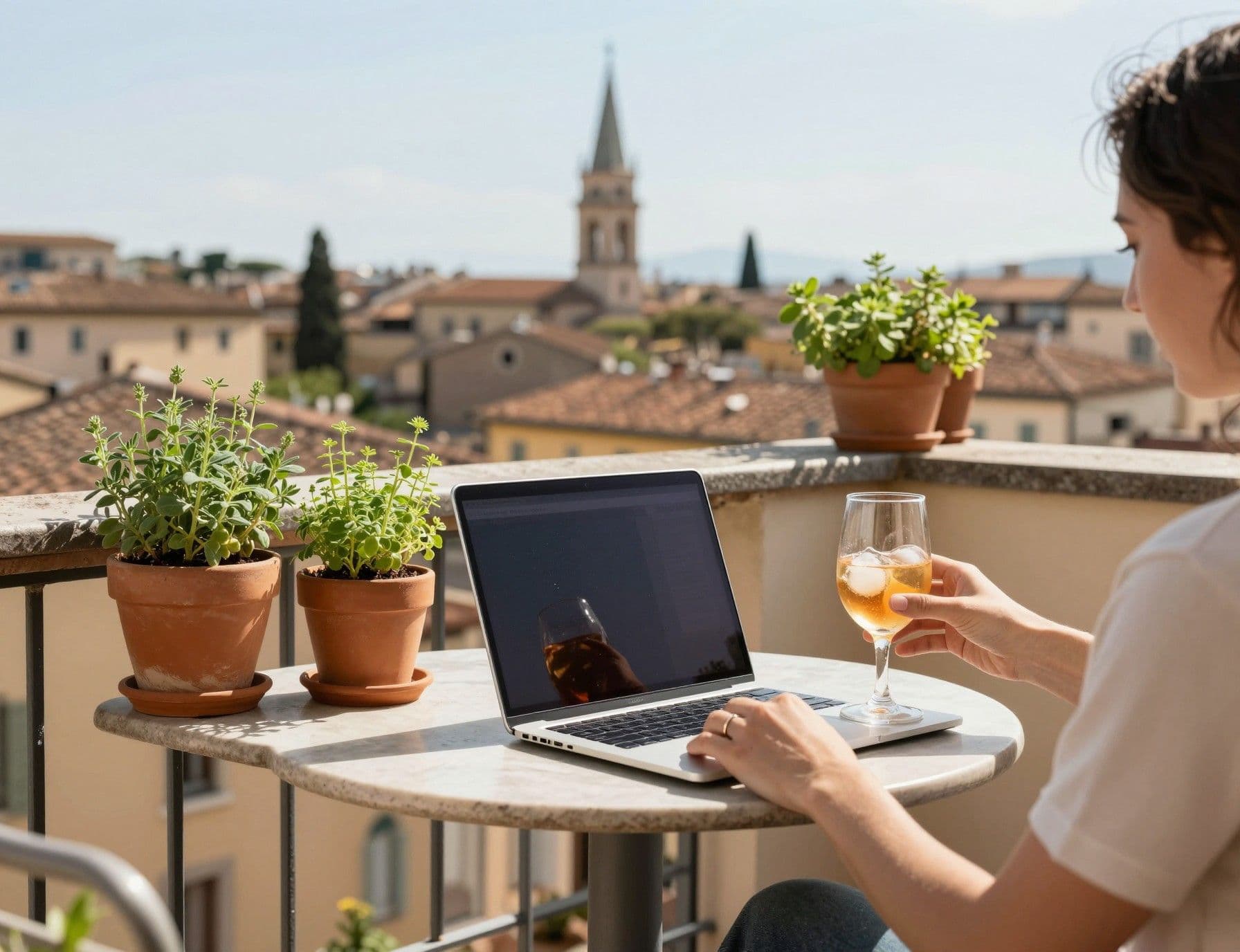
Dreams collide with paperwork—and that’s okay. In 2024 Italy introduced a new digital nomad/remote worker visa that officially opens a window for remote professionals to stay longer. But rules, income thresholds, and consular practices vary, so treat the visa as an entry ticket that still needs local steps: residence permits, health coverage, and tax thinking. Pair your lifestyle wish-list with the visa type that supports it—elective residency if you can self-fund, or the digital nomad/remote-worker route if you earn remotely.
Visa spotlight — Elective residency vs. Digital Nomad Visa
Elective residency is for people with substantial passive income who want to live in Italy without local employment; it’s a clear but financially strict path that often requires proof of significant, stable funds. The digital nomad visa (established by decree in 2024) fits qualified remote workers and freelancers with minimum income and insurance requirements, and it typically leads to a one-year permesso that can be renewed. Which suits you depends on income type, family needs, and how permanent you want residency to be.
Property styles & what they mean for daily life
From lofts in converted Milanese factories to stone farmhouses in Umbria, property type shapes routine. City apartments usually offer walkability and short commutes to coworking, while country homes give space for terraces, gardens, and seasonal produce. Market reports show modest, steady price growth in many monitored areas—so match your budget to the lifestyle: a compact historic flat near a coworking hub beats a distant villa if your work needs reliable connectivity and community.
- Steps to align lifestyle with buying strategy: 1. Visit neighborhoods for a week to test morning routines, commute times, and Wi‑Fi speed. 2. Check local coworking options and ask about monthly drop‑in rates. 3. Shortlist properties within a 15‑minute walk of a market or café you love. 4. Confirm broadband providers and an engineer visit before making an offer. 5. Discuss residency visa timing with your agent so you can sign confidently.
Insider knowledge: expat truths and contrarian takes
Here’s the real talk: Italy’s ‘expensive’ image often misses nuanced pockets of value. Cities have expensive centers but nearby districts and mid-sized regional towns offer similar vibes at lower prices. Also, the beach illusion—coastal towns blow up in summer but quiet off-season—can be a blessing for buyers who want year-round community. Savvy nomads buy where locals live year-round, not where tourists flood for three months.
Cultural notes that change where you’ll actually be happy
Neighborhood life in Italy runs on relationships. Shop at the same alimentari, learn basic phrases, and you’ll open kitchens, invitations, and local trust faster than any formal network. Expect slower public bureaucracy but warmer human service—your postal worker or barista can become a daymaker. For remote workers, that means aligning property choice with places where neighbors gather and daytime life isn’t flipped upside-down by tourism.
What expats wish they’d known: consulate practices vary, visa categories evolve, and tax implications depend on your length of stay. Use a local accountant early if you plan to stay past six months. Also, pick an agent who understands nomads—someone who will test broadband, size up local communities, and time offers around your visa application dates.
- Red flags to watch when buying in Italy: • No broadband verification in the listing. • Seller won’t allow an engineer/inspector visit. • Property lacks formal heating or insulation details for winter. • Agent avoids discussing local residency registration (anagrafe/Questura steps). • Neighborhood dies outside summer months—check off-season energy.
Conclusion — fall in love first, then close smart. Italy gives a life rich in flavor, community, and everyday beauty—if you pair that dream with local knowledge and the right visa. Start with lifestyle scouting trips, confirm coworking and connectivity, and line up a local agent who treats community fit as a non-negotiable. When you do it this way, your Italian move feels like a natural unfolding, not a paperwork sprint.
Dutch investment strategist guiding buyers to Greece and Spain; practical financing, tax, and portfolio diversification.