Why Italy’s micro‑neighbourhoods matter more than headlines
Italy’s lifestyle beats headlines: choose micro-neighbourhoods for year-round living, verify exact-address broadband, and align property type with how you’ll actually live.
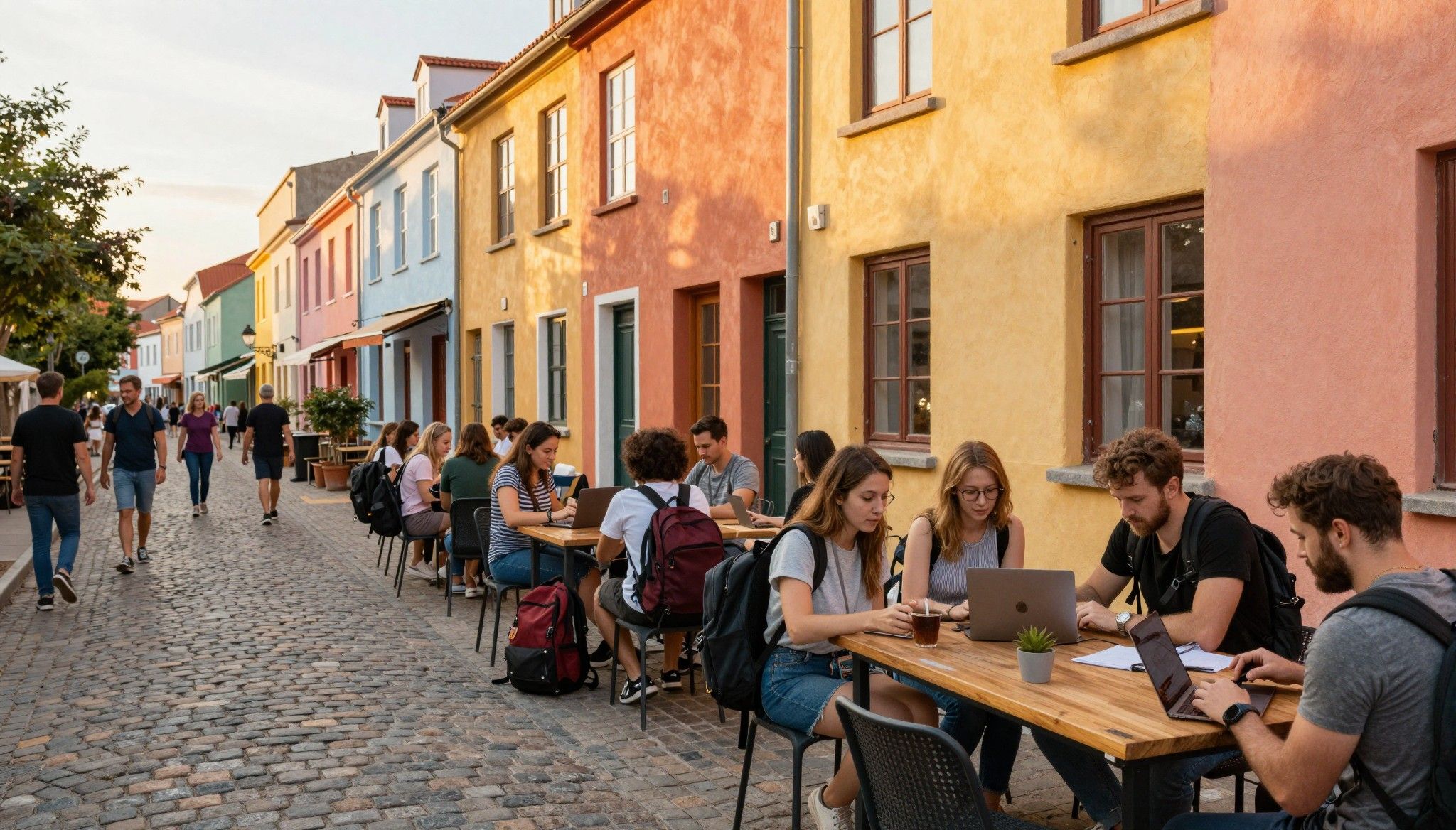
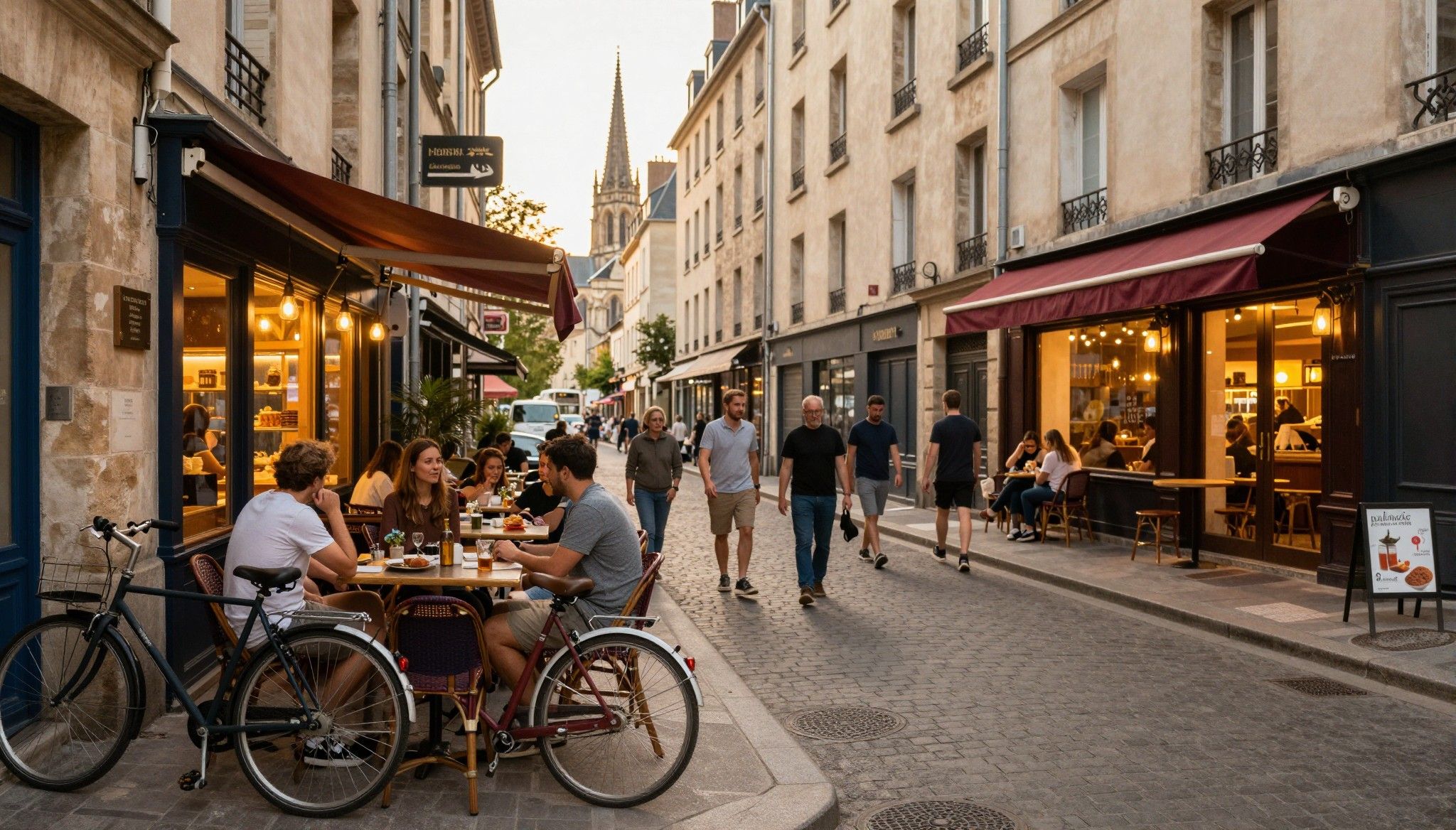
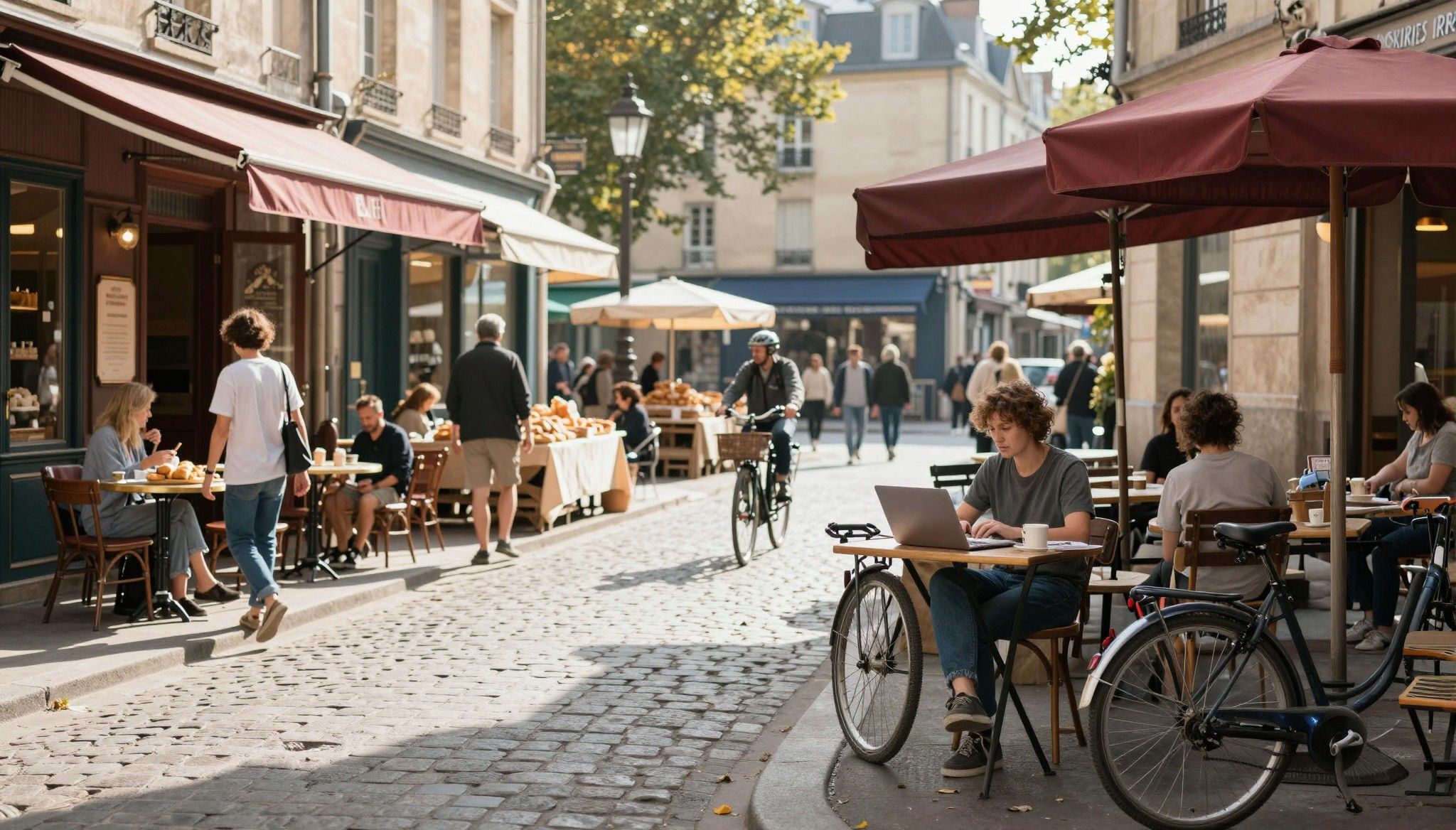
Imagine waking to a bakery’s siren song, taking calls from a sunlit balcony in Trastevere, then sprinting for a lunchtime cicchetti crawl in Venice’s Dorsoduro. Italy melts the daily into the delicious — lively piazzas, late-afternoon espresso rituals, and neighborhoods that feel like extended families. For remote workers and nomads, that rhythm shapes where you want to live: cobbled lanes with cafés that double as daytime offices, seaside towns with breezy rooftop desks, and hilltop villages that trade speed for serenity.
Living the Italy lifestyle
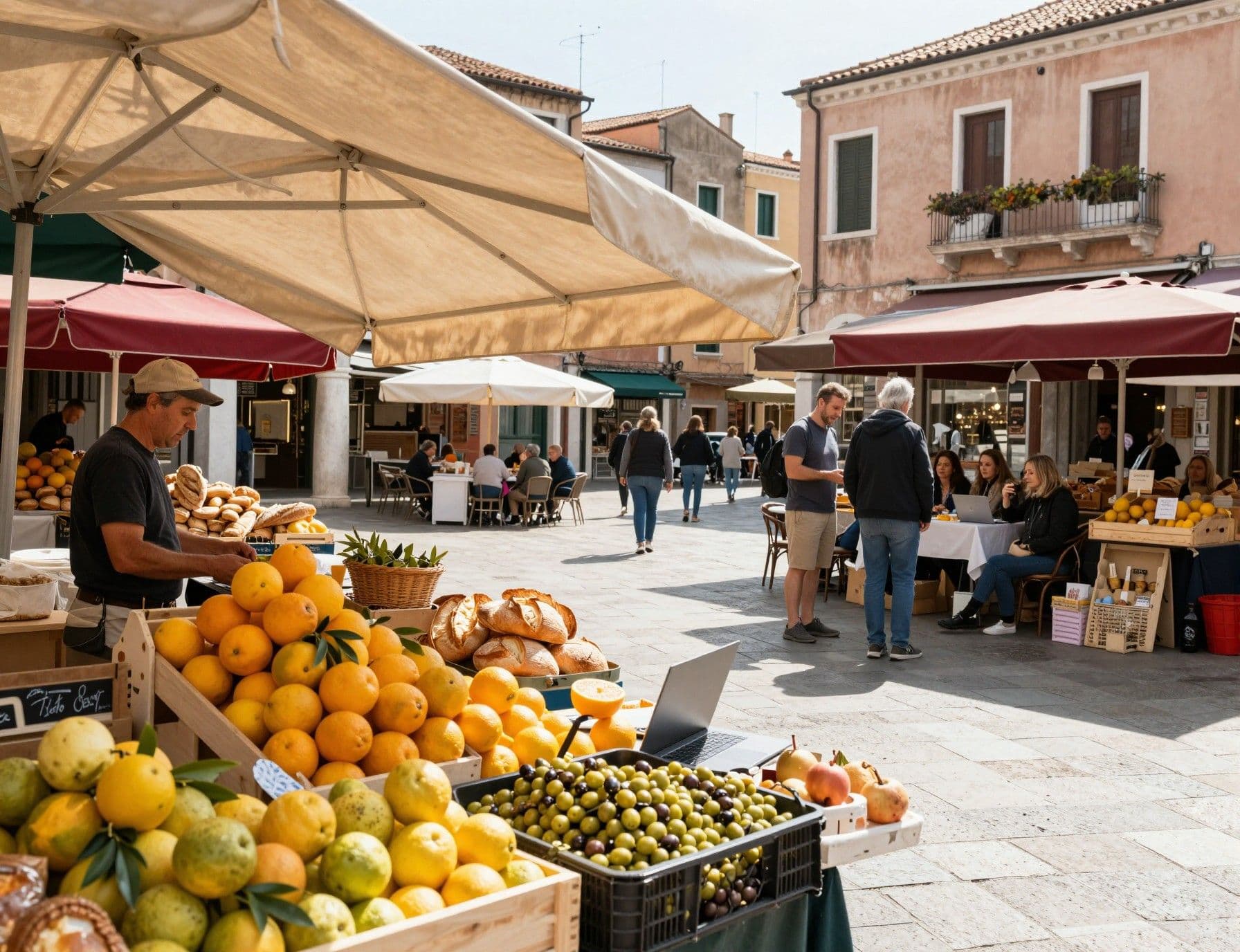
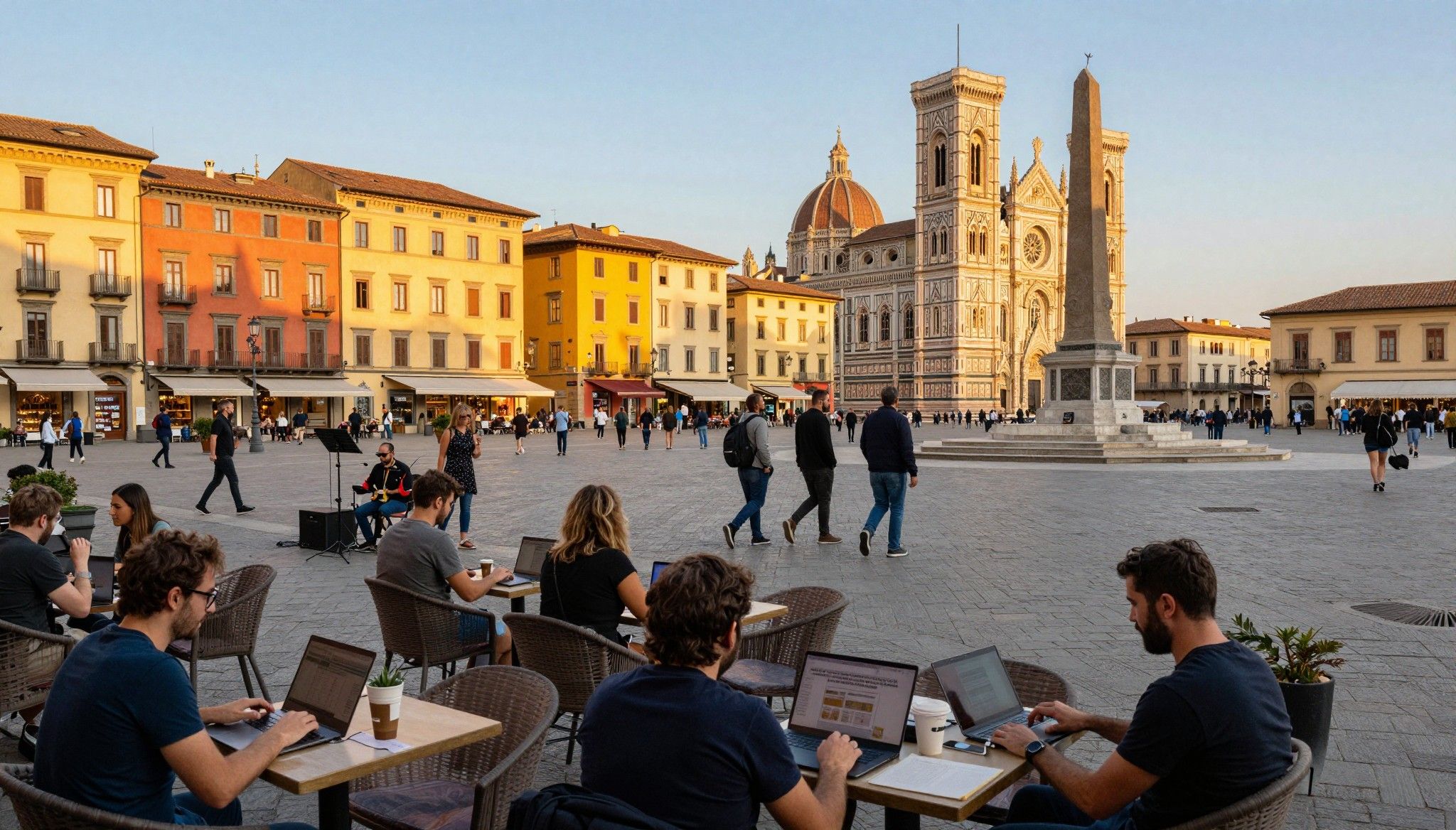
Italy is a collage of micro-lives. Milan hums with coworking and design studios; Rome mixes ancient ruins with vibrant neighbourhood bars; Bologna smells of ragù and student energy; Puglia and Sicily offer slow summers, seafood markets and sun-baked lanes. Connection matters — many cities now deliver reliable broadband and plenty of cafés with plugs — but expect variation between historic centres and suburban pockets. Picture yourself choosing between a high-ceiling apartment in Florence’s Oltrarno or a sea-facing terrace in Polignano a Mare.
Neighbourhood spotlight: Rome — Trastevere vs. Prati
Trastevere is postcard-perfect: winding alleys, trattorie with nightly chatter, and rooftop aperitivi that stretch the evening. It’s social, slightly touristy at peak times, and ideal if you want street-life as your background noise. Prati, north of the Vatican, is calmer, cleaner and favours families and professionals — quieter streets, elegant bakeries, and quicker access to international schools and administrative hubs. For nomads who want camaraderie, Trastevere; for those needing calm and logistics, Prati.
Food, markets and weekend rituals
Weekend life in Italy runs on markets. In Palermo you’ll barter for Sicilian citrus; in Florence you’ll linger over pecorino at the Sant’Ambrogio market; and in Naples the pizza scene runs like a religion. These rituals double as social infrastructure: cafes where freelancers meet, markets where neighbours swap tips on builders, and festivals that knit new arrivals into community life. For anyone buying property, proximity to weekly markets and a beloved café is as valuable as square metres.
- Lifestyle highlights: cafes, beaches and offbeat gems
- Trastevere’s evening vibrancy and rooftop aperitivo spots
- Navigli canals in Milan — brunch, coworking and canal-side strolls
- Polignano a Mare cliffs and terraces for summer-focused nomads
Making the move: practical considerations
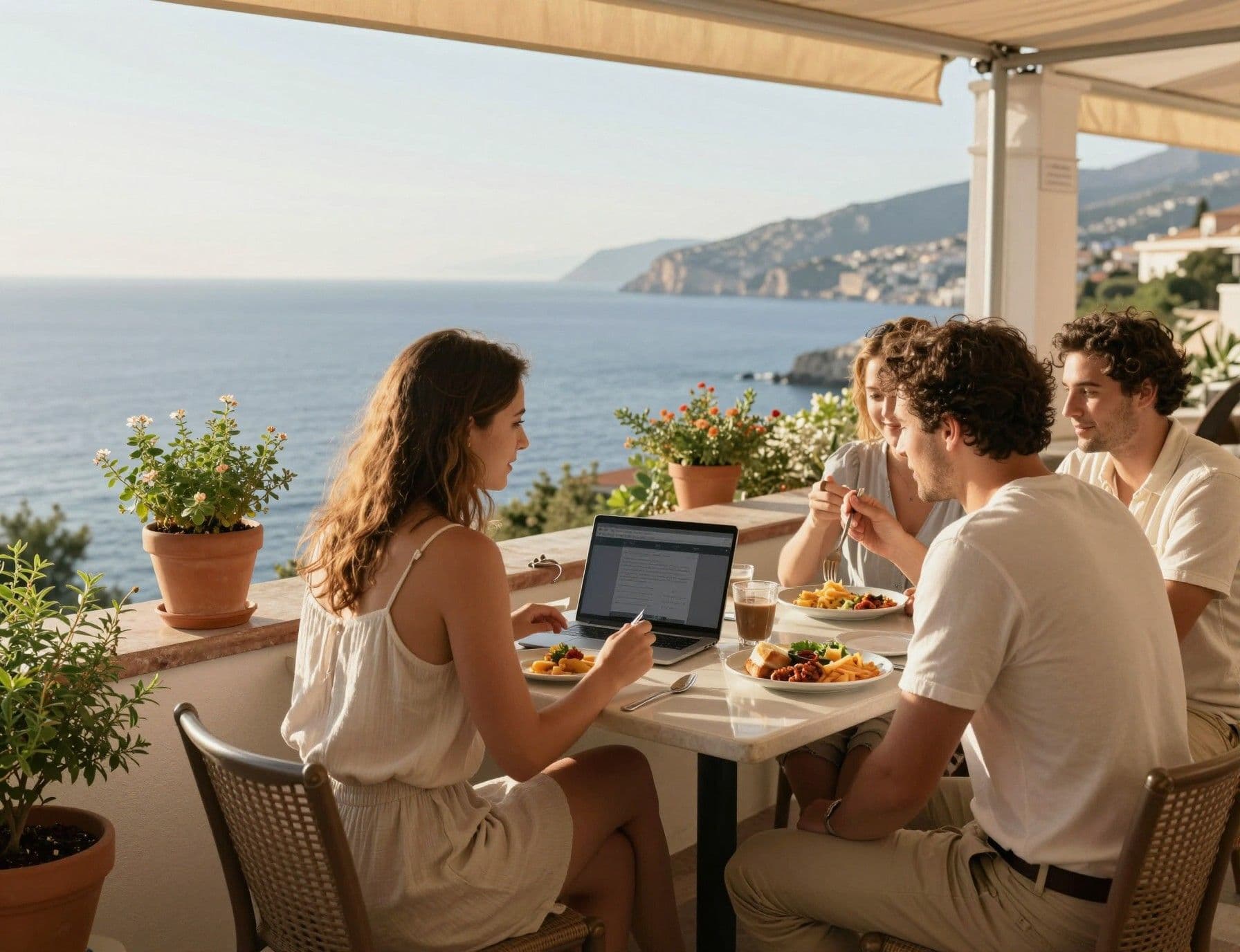
The romantic image of Italy meets paperwork. Market data show national house-price growth resumed into 2025, with local pockets moving faster than others (ISTAT and Agenzia delle Entrate). That means timing and neighbourhood choice matter: city-centre flats can appreciate steadily, seaside towns swing with seasons, and rural renovations offer long-term value if you’re ready to commit. Work with local agents who know OMI price bands and can spot where tourist hype inflates listings.
Property styles and how they shape daily life
Historic apartment: cathedral views, creaky shutters and thin walls — magical but expect renovation rules and condominium meetings. Newer builds: better insulation, elevators and nimble layouts for desks and wifi. Villas and farmhouses: big outdoor life, potential agriturismo rental income, but think logistics — access, utilities, and local suppliers. Choose by how you want to live: terraces and natural light for remote work, small kitchens if you’ll eat out, or workshop space if you plan renovations.
Working with local experts who know the lifestyle
A bilingual agent, an architect who understands historic rules, and a local fixer who knows the nearest market and plumber will save you months. Agencies that specialise in remote-worker needs can pre-check internet options, suggest apartments with dedicated desk areas, and point to neighbourhoods with coworking hubs. If visa or tax questions matter, consult immigration specialists — Italy has been rolling out digital-nomad-friendly measures and it pays to verify current eligibility.
- Steps to marry lifestyle with logistics
- Pick two neighbourhoods: one for daytime life (coworking, groceries) and one for weekends (sea, countryside).
- Check fixed-broadband speed at the exact address (not just the street) and ask for recent ISP test results.
- Ask agents about seasonal rental demand if you plan short-term lets — coastal towns spike in summer; cities rent year-round.
Insider knowledge: what expats wish they'd known
Longer-term life in Italy changes how you measure value. Expats often say the first year is about ritual — learning garbage days, favourite bakeries, and the rhythm of municipal market days. Expect bureaucracy, but also expect a rich local network once you show up and participate. Many who move here report that community access — neighbours who recommend a reliable builder or a good dentist — becomes the real return on investment.
Language, community and day-to-day social rules
Even basic Italian opens doors. Learn greetings, market bargaining phrases, and how to navigate polite disagreements in condominium meetings. Attend local sagre (food festivals) and neighbourhood aperitivi — they’re accelerators for friendship. For families, local schools and after-school sports are community hubs; for nomads, meetup groups and coworking socials are the easiest path to belonging.
Long-term lifestyle and market foresight
If you plan to stay more than five years, look beyond tourist hotspots and prioritise neighbourhood services: reliable healthcare, easy rail links, and schools if relevant. Market forecasts through 2026 suggest moderate national growth but strong local variance — that means micro-location matters more than the macro headline. Investing in properties with flexible layouts (convertible rooms, separate guest access) preserves both lifestyle and rental potential.
- Red flags to watch for before you bid
- Lack of documented condominium minutes (reveals upcoming special assessments)
- No proof of recent electrical/plumbing updates in older buildings
- Unclear internet availability at the specific address
- Excessive seasonal reliance (a summer-only rental town if you need year-round income)
Conclusion: Fall for the life, then build the plan. Italy seduces with sensory richness: markets, music, and meals that stitch into daily life. But that life is unlocked by local knowledge — agents who know which streets keep quiet in winter, lawyers who read cadastre notes, and neighbours who point you to the best pasticceria. Start by shortlisting two neighbourhoods, verify exact-address broadband, and meet a local agent who works with remote professionals. Then go taste the life before you sign.
Norwegian who has helped 200+ families relocate from Oslo to Spain; expert in relocation services and community integration.