How France’s Lifestyle Shapes Mortgages, Fees & Currency
Fall in love with daily French life — then budget for mortgages, notaire costs (≈7–8% resale), cross‑border banking and cultural timelines to close with confidence.
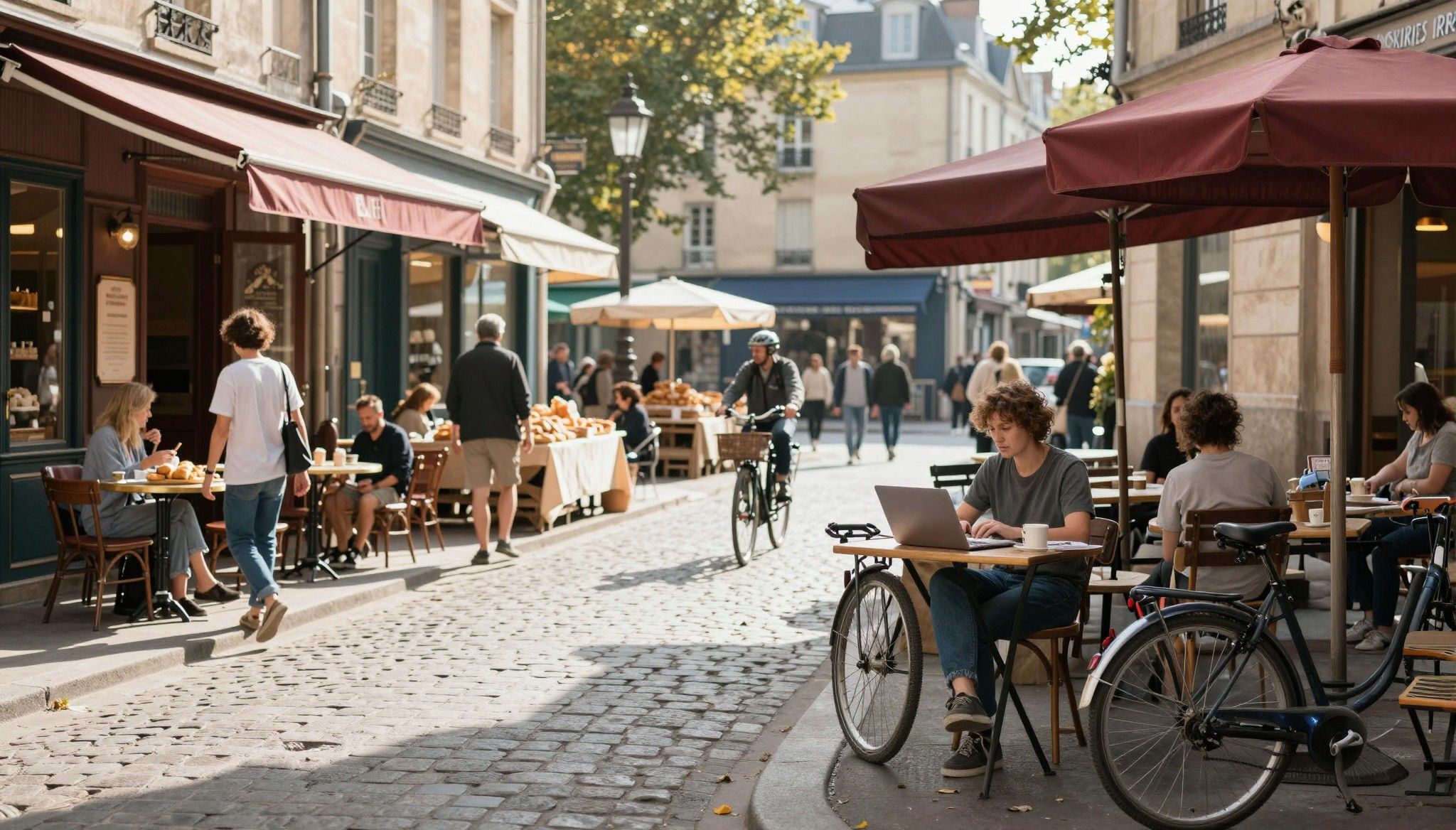
Imagine sipping espresso on Rue Cler, laptop open, the smell of warm baguettes drifting by — and knowing exactly how to move your savings, get a mortgage, and close without surprise fees. France feels like a lived-in dream: stone streets, sunlit terraces and markets where neighbors still greet each other. But the money side matters: mortgages, notaire costs, cross-border banking and currency moves will shape whether that dream stays effortless or becomes a headache.
Living the French Life — sensory first, practical second
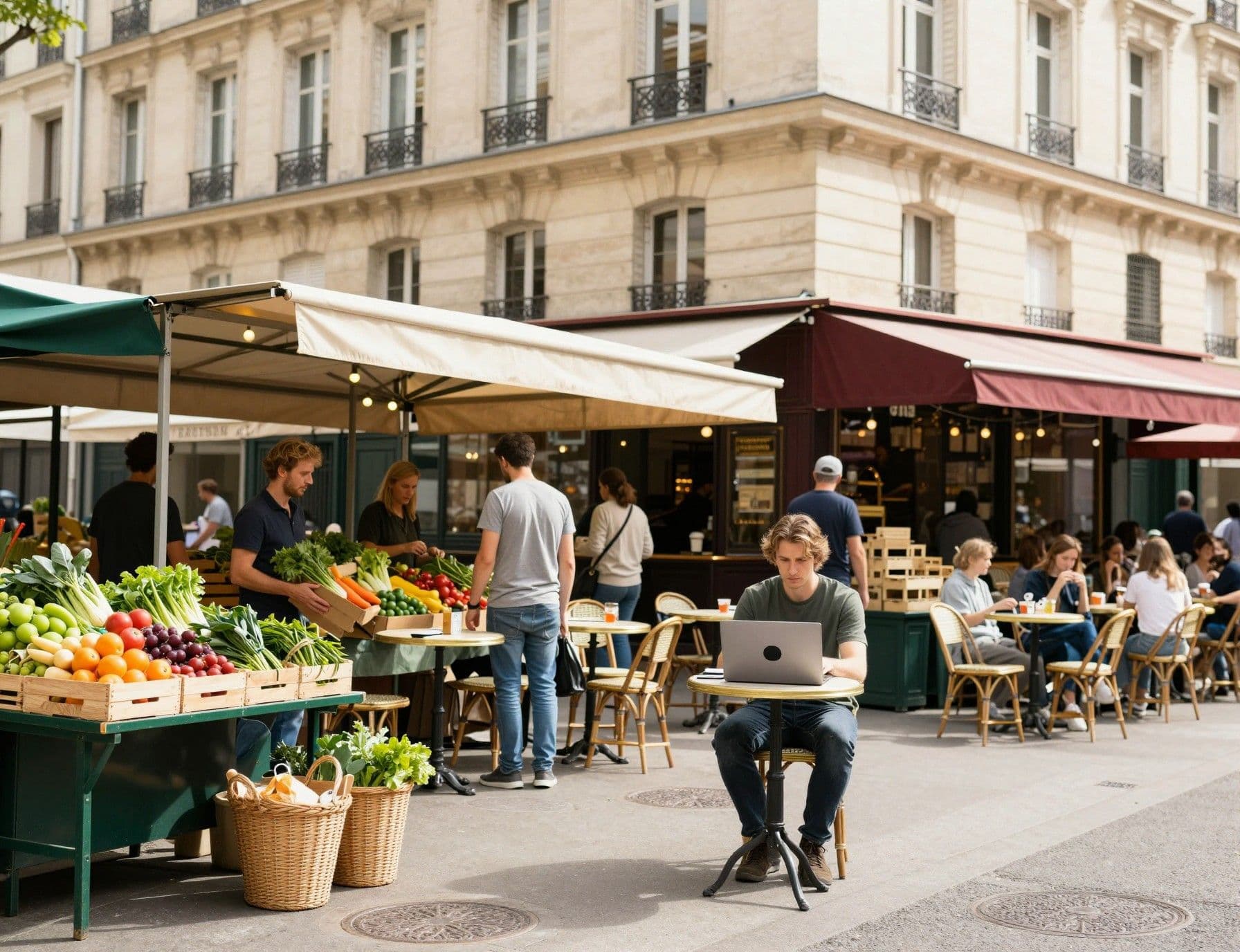
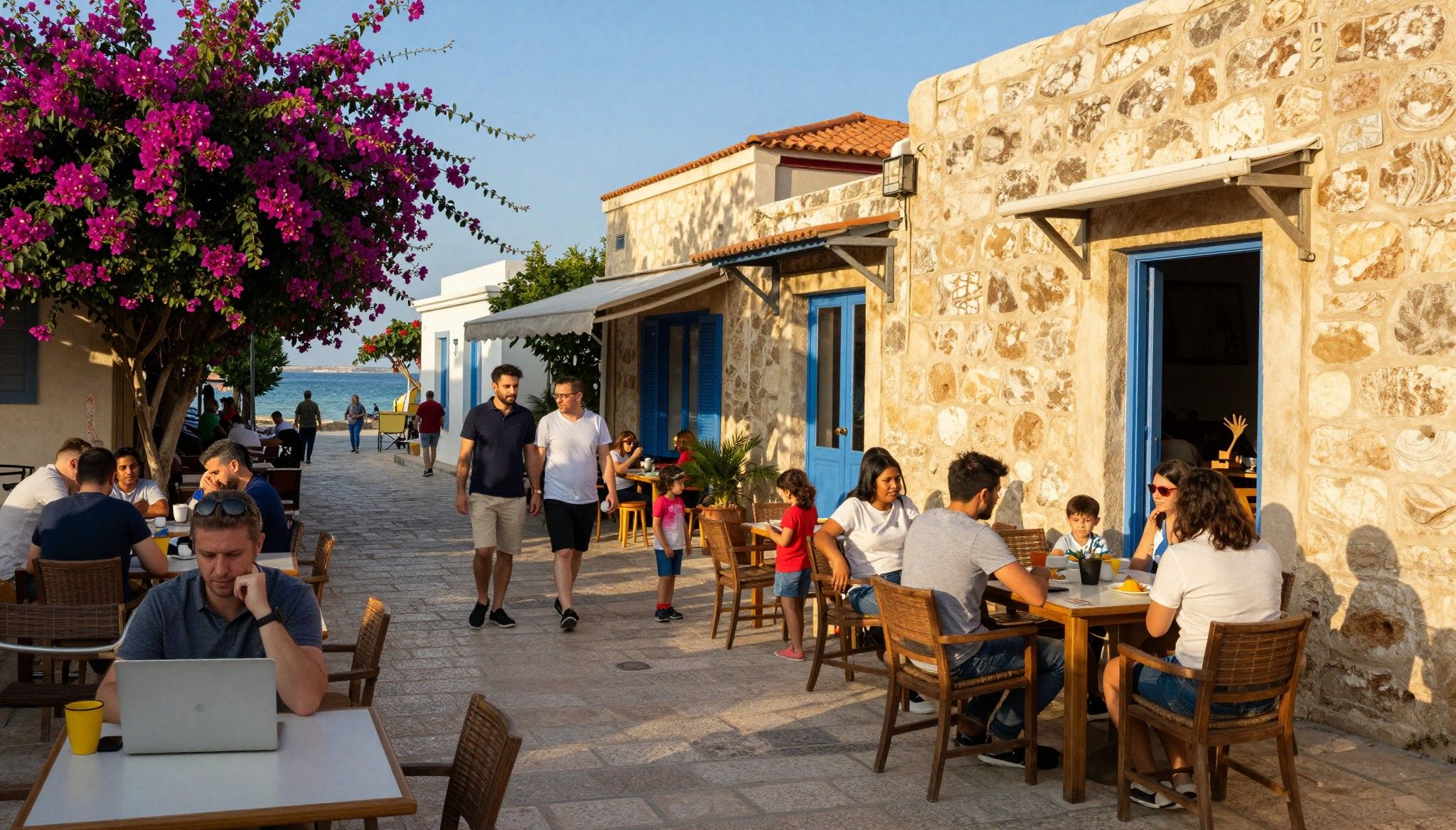
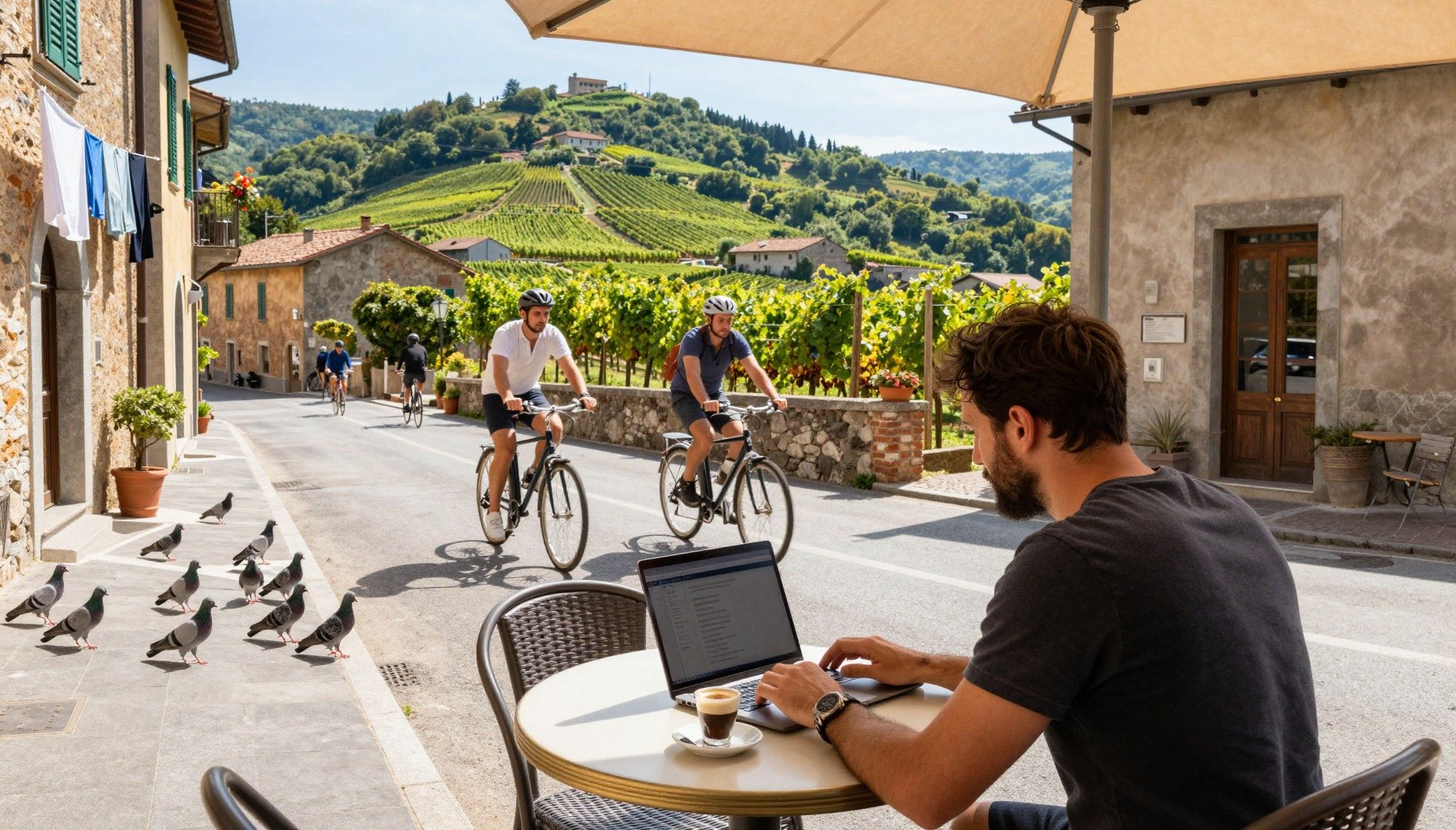
France is many lives in one country. In Paris you’ll trade morning metro scrambles for late-night bistronomy; along the Riviera you wake to pelicans and pastel market stalls; in Bordeaux or Lyon your weekends revolve around markets, wine bars and cobbled lanes. For nomads, it’s the mix that’s intoxicating: reliable high‑speed internet in city hubs, quiet countryside lanes for long-focus workdays, and cafés that double as neighbourhood offices.
Neighbourhood snapshots: where life actually happens
In Paris, try the Marais for late‑afternoon walks between galleries and falafel stands, or Canal Saint‑Martin for slow mornings and strong coffee. Nice’s Old Town is tile-roofed chaînage and weekend markets; Antibes hides calmer beaches with attractive apartment values. Nantes and Bordeaux blend vibrant food scenes with lower rents than Paris, while towns like Aix‑en‑Provence feel like living inside a Provençal postcard.
Food, rhythm and seasons — how lifestyle guides location choice
Markets set the weekly tempo: Saturday marché in Rennes or Lyon changes how you shop and cook. Summer festivals animate villages and push up short‑term rental demand; winter brings cozy wood‑fired restaurants and quieter buying windows. Think about whether you want festival energy (and tourist prices) or off‑season calm when choosing region and property type.
- Taste of local life: specific highlights to imagine
- Sunday morning at Marché d’Aligre (Paris) — fresh cheese, flowers and neighborhood banter
- Coastal work breaks along Promenade des Anglais (Nice) or a late-afternoon swim near Antibes
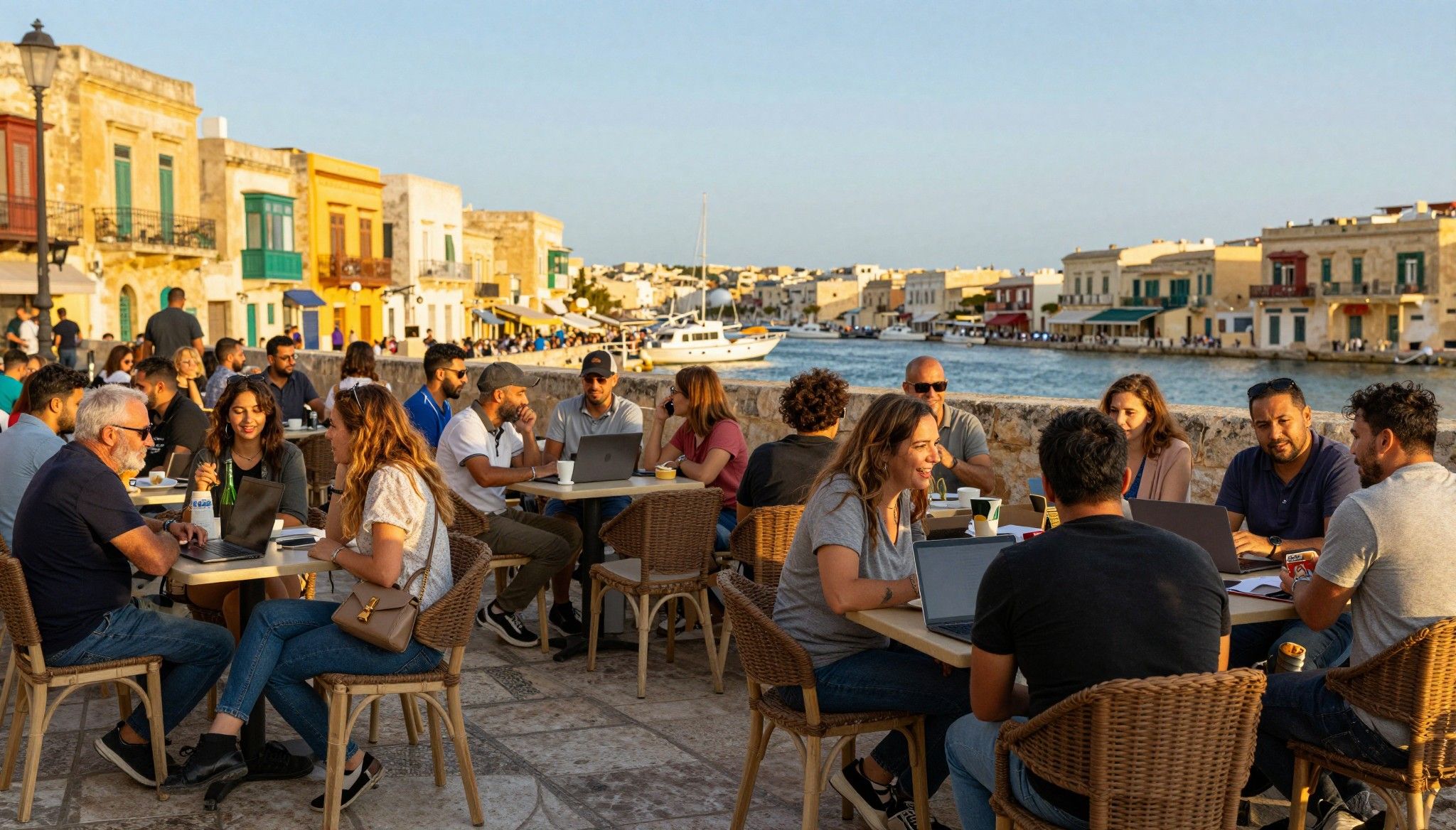
- Coworking drop‑ins in Paris (650–750 spaces intra‑muros) and regional hubs like Bordeaux and Marseille for networking days.
Making the move: money, mortgages and cross‑border banking

Dreams meet decimals here. Expect notaire and registration costs to be a meaningful chunk of the purchase: roughly 7–8% for resale homes and 2–3% for new builds — that’s taxes and administrative payments collected by the notaire, not only theirs to keep. Knowing this early changes offer size, renovation budget and monthly affordability.
Mortgage reality: what banks will (and won’t) do
French banks lend to non‑residents, but expect lower loan‑to‑value (commonly 70–80%), careful income verification and requests for French bank accounts or local tax representation. Fixed and variable rates are available; shopping between French lenders and international banks can save thousands over a 20‑year loan.
Currency and transfer moves that protect your buying power
- Lock a rate with a currency broker when you have a deposit in another currency
- Open a French euro account early to simplify deposits, mortgage repayment and tax paperwork
- Consider staged transfers for large purchases to avoid poor timing on volatile FX days
- Practical steps to line up finance (order matters)
- 1) Get a realistic budget including 7–8% notaire fees (resale) and 4–6% agent costs; 2) Approach 2–3 French lenders for pre‑approval; 3) Open a French bank account and speak to a currency broker; 4) Confirm mortgage conditions before waiving the cooling-off period.
Insider knowledge: what expats wish they'd known
Here’s the real talk: paperwork moves slower than you expect and cultural norms matter. The délai de rétractation (14‑day cooling off) is a buyer safety net — use it for surveys and confirming finance. Agency listings often include agent fees in the asking price, so ask for the breakdown. Above all, a good notaire and agent who speak English (or your language) save time and anxiety.
Cultural/practical nudges that change outcomes
- Embrace local timing: many sellers list in spring; make short, decisive offers in quieter months.
- Ask for diagnostic reports (diagnostics immobiliers) — they’re mandatory and reveal renovation costs.
Longer-term lifestyle and tax notes to plan for
Owning in France invites local taxes: property tax (taxe foncière), annual residence taxes and eventual capital gains rules for non‑residents. Use a local tax adviser early if you plan rental income or longer-term investment. Small paperwork missteps can cost more than a negotiation win.
- Key red flags to spot before you sign
- Missing energy diagnostics (DPE), unclear boundaries in the cadastre, or seller requests to skip legal delays — all reasons to pause.
- Unexplained agency fee structures or demands for immediate large transfers without escrow protections.
Next steps: how to turn this love affair into a signed deed
Start with lifestyle: pick two neighbourhoods and spend a week there working from cafes and a coworking hub. Parallel that with practical prep: get a French bank account, secure pre‑approval and budget the notaire and tax costs. Line up a bilingual agent and notaire who get nomads — they’ll translate both language and local custom into real wins.
When you’re ready, ask your agent to run a purchase timeline and wire schedule so you’re never surprised. France rewards patience and local knowledge; pair curiosity with preparation and you’ll not only fall in love — you’ll close with confidence.
Conclusion: live the life, plan the numbers. France gives you markets that smell of lemon and stalls where locals argue about cheese — but it also has concrete rules, predictable fees and cultural rhythms. Treat the buying process as part of the adventure and bring trusted local experts along for the ride.
British expat who moved from Manchester to Mallorca in 2017. Specializes in market analysis and helping fellow Brit navigate local regulations.