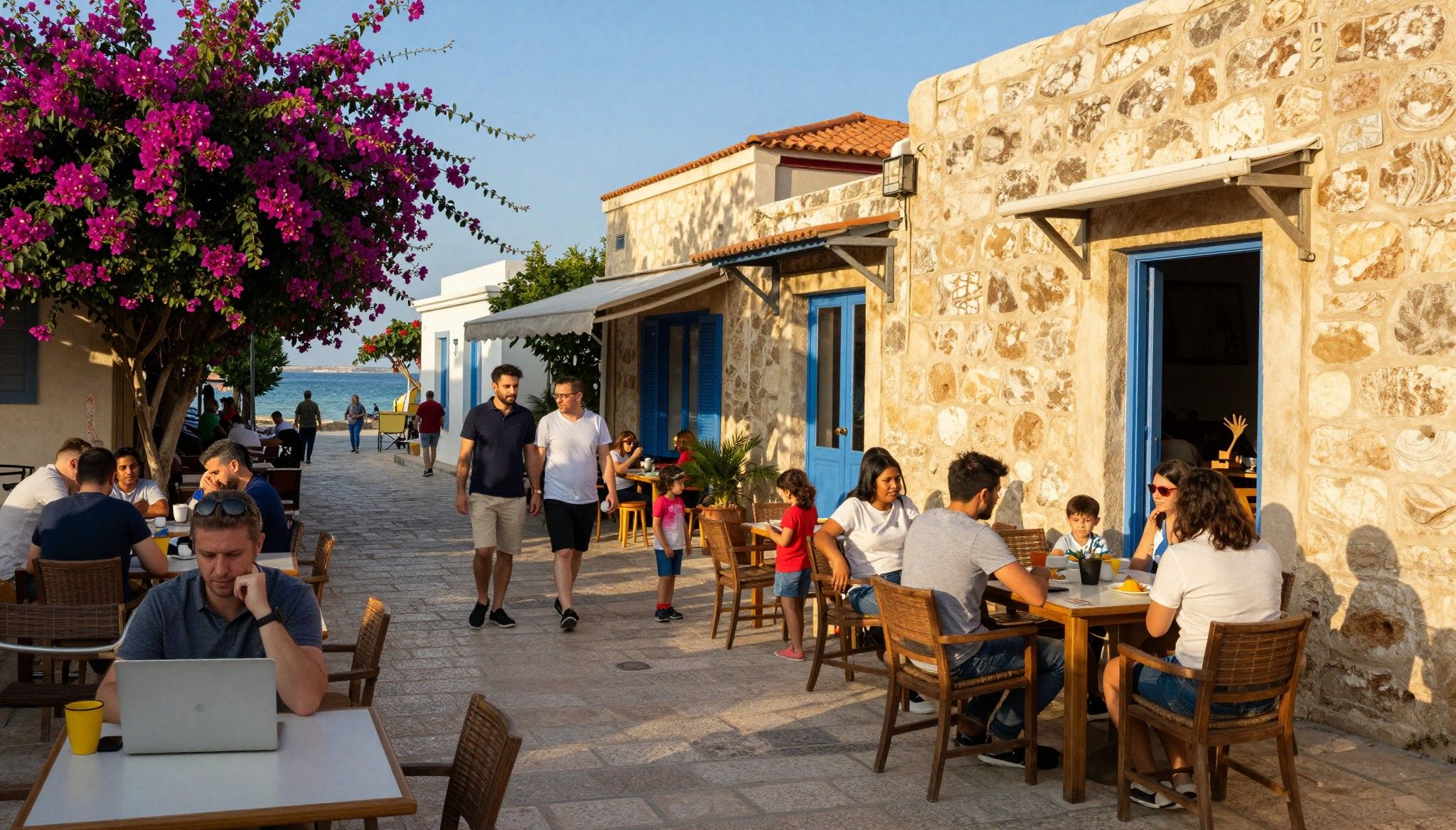
Skip the Sea‑View Hype: French Title Checks That Save You
Fall for French street life, then protect the dream: essential title checks, diagnostics and local tax changes (post‑2025) that every international buyer must confirm.
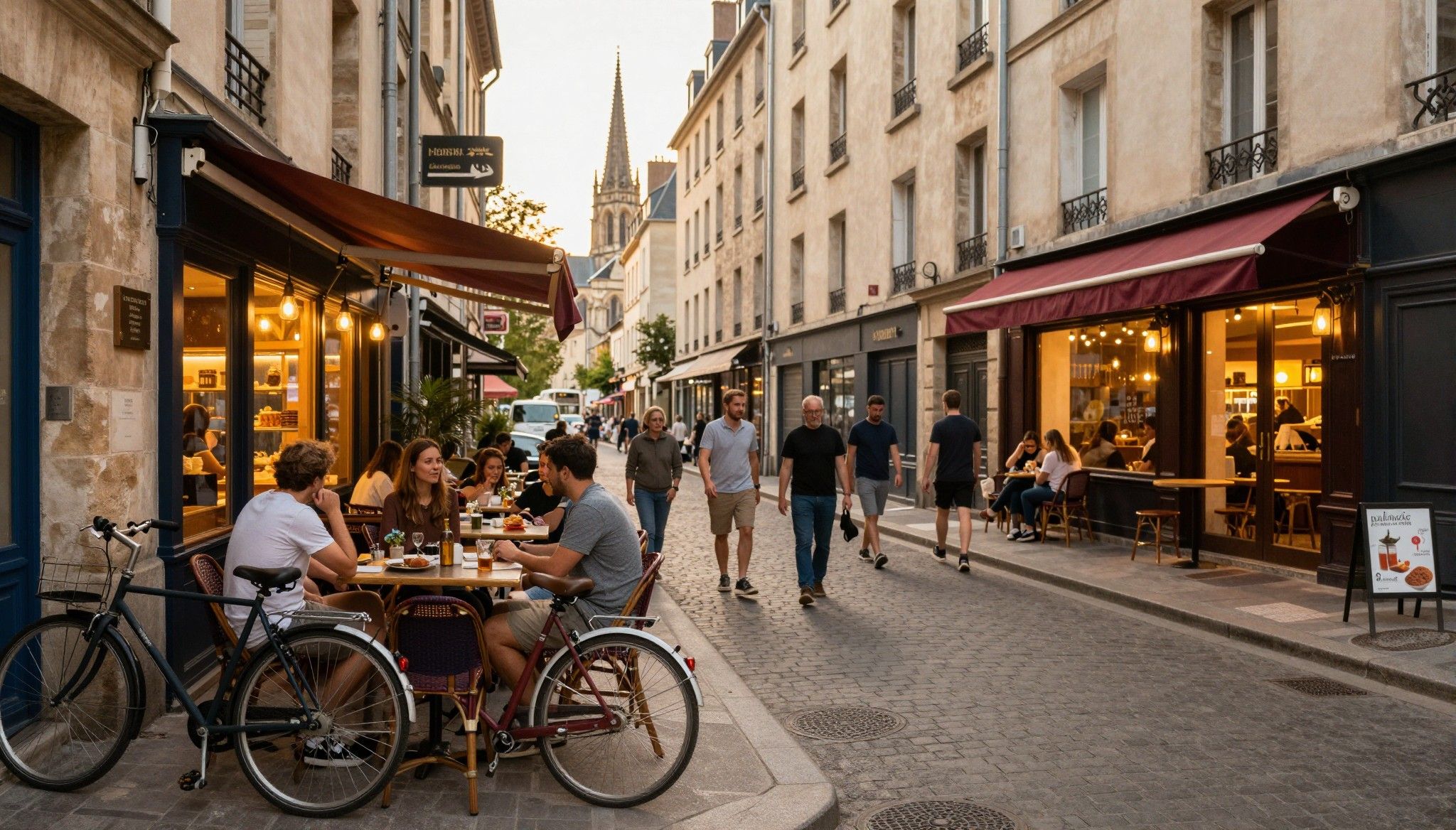
Imagine sipping an espresso on rue Cler while a boulangerie warm-up drifts by, then stepping back into a cool stone apartment with thick shutters and a view over a quiet courtyard. That sensory France — markets, cafés, late dinners, and easy weekend escapes to vineyards or coastlines — is why people move here. But the romance and the paperwork collide fast: title quirks, required diagnostics, and new departmental stamp duty rules can turn a dream into a headache. This guide blends that lived-in, café‑side joy with the exact legal checks that keep your French purchase secure.
Living the French Life: sunlight, markets and micro‑neighborhoods
France isn’t one vibe — it’s neighborhood-by-neighborhood theatre. Mornings in Lyon’s Croix-Rousse buzz with market stalls and pastries; Nantes’ Île de Nantes hums with creatives; in Biarritz surfers trade waves and café tables. The point for buyers is simple: lifestyle decisions must drive property checks. If you want morning markets and fast fibre, your due diligence should include noise studies, fibre maps and local planning rules, not just roof age or sea views.
Spotlight: Paris outskirts — the neighbourhood locals don’t shout about
Some arrondissements and suburbs have reputations that scare off tourists but attract locals for good reason — affordability, short commutes, and real community life. Places like parts of the 19th or the quieter sections of Saint-Ouen combine bakeries open at dawn, park access, and quicker access to coworking hubs. For a buyer who values community and workspace over postcard views, these areas mean you’ll spend less on purchase price and more on lifestyle. Practically, that changes your due diligence: check co-ownership (copropriété) rules, upcoming urban projects, and local nuisance permits before you make an offer.
Food, markets and the week rhythm — where property meets daily life
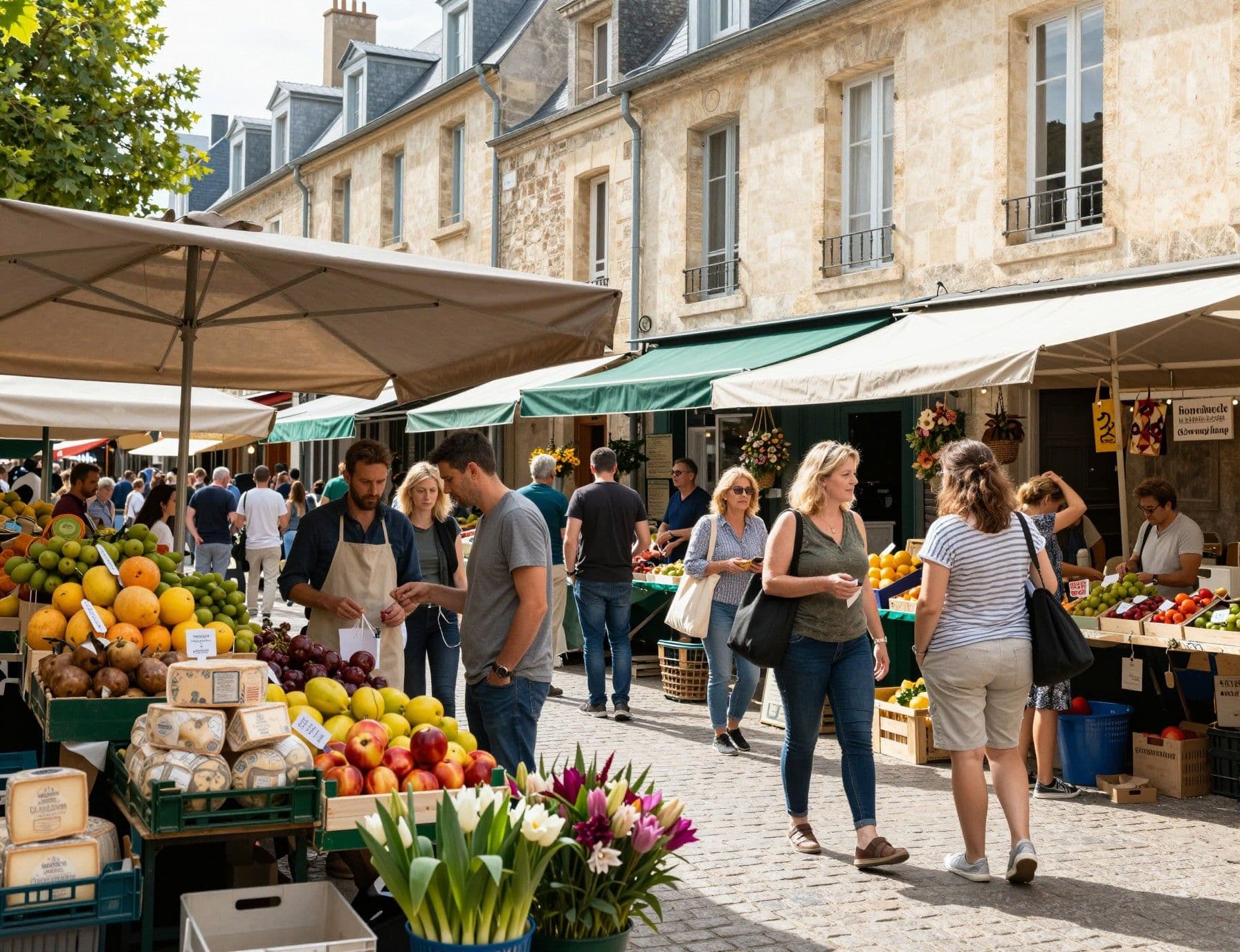
In France the weekend market is a civic ritual. Town squares, like Nice’s Cours Saleya or Bordeaux’s Marché des Capucins, set the tempo of life and affect property desirability. When you house-hunt, walk a Saturday morning in the area you’re buying — smell the produce, watch foot traffic, and ask vendors about seasonal floods or noisy fêtes. Those impressions translate into tangible factors you must check legally: flood risk maps (plan de prévention des risques), local event permits, and traffic changes that can affect resale value.
Making the move: practical checks that protect the lifestyle you fell for

Once you’ve fallen for a street and a sunrise, the paperwork matters. French sales hinge on a notaire (notary public) and a Dossier de Diagnostic Technique (DDT) — a set of mandatory technical reports. The DDT includes energy performance, asbestos, lead, termites, and gas/electrical checks where relevant. Skipping or misreading those reports is where dreams run into renovations and unexpected costs. Get the notaire’s early read on what documents are missing so you don’t inherit a renovation surprise.
Property types & what to look for in the files
A stone village house, a Parisian haussmannien flat, and a Provençal villa all bring different legal plots. For old village houses check servitudes (right-of-way), co‑ownership rules for flats, and the state of shared structures like roofs and façades. For coastal villas verify shoreline setbacks and permissions for pools or extensions. Your checklist should map the lifestyle you want (terrace dining, workspace, pet access) to the legal files that permit it.
How local experts protect your lifestyle: 1) to 5)
1) Hire a bilingual notaire or translator early so you read the compromis (pre‑sale agreement) without surprises. 2) Commission a structural or roofing survey if the DDT flags issues — an extra report can save you tens of thousands. 3) Ask for the copropriété minutes (procès-verbaux) from the last three years — they reveal upcoming works and special levies. 4) Pull up the local urban plan (PLU) and flood maps to confirm you can build that terrace or studio. 5) Compare recent comparable sales with local estate agents who know where nomads actually live and work.
Insider knowledge: legal traps, timing and the money that changes fast
A big recent shift: from April 2025 many departments raised the main stamp‑duty component of frais de notaire up to 5% for older properties. That’s a local political decision and it changes budgets by thousands depending on department. Always ask your notaire to run an exact frais de notaire quote before signing the compromis. Also verify mortgage conditions early: French banks will want the full DDT and notarial paperwork before finalising a loan, and timelines can lengthen if reports are incomplete.
Red flags nomads should watch for
• Missing DDT reports or reports older than statutory validity — ask for fresh diagnostics. • Vague copropriété minutes or frequent emergency levies — probe past budgets. • Unclear servitudes or access rights that affect parking or garden use. • Properties in recent departmental DMTO increases without price adjustments — budget accordingly. • Sellers unwilling to allow independent surveys — treat as a deal breaker.
Long-term lifestyle checks — what your future self will thank you for
Think beyond closing: is there reliable fibre for work? Are there nearby international schools if your family grows? What are seasonal realities — summer crowds on the Côte d’Azur or winter road closures in mountain villages? Those lifestyle details are due diligence too: request ISP coverage maps, check school capacity data, and review seasonal access reports. These checks protect both daily happiness and the property’s future resale appeal.
When you’re ready to act: 1) get a pre-offer dossier together (budget, mortgage pre‑approval, ID, proof of funds) so you can move quickly on a good property; 2) instruct a notaire and ask for an itemised frais de notaire quote tied to the department; 3) commission any extra surveys the DDT suggests; 4) read the compromis line-by-line with a translator or trusted agent. Acting fast and informed turns French romance into a secure purchase.
Conclusion: fall for the rhythm, then check the fine print. France rewards those who pair curiosity with caution — stroll markets, chat with neighbours, imagine the life you want, then let the notaire, local agents and diagnostics lock it in. If you want help turning a favourite street into an offer-ready dossier, a good local agency will be your translator, translator-of-habits, and paperwork sherpa all at once. Ready for the next step? Start by asking for a notarial quote and a DDT checklist for your chosen department.
British expat who moved from Manchester to Mallorca in 2017. Specializes in market analysis and helping fellow Brit navigate local regulations.