Small Homes, Big Life: Malta’s Compact Living Advantage
Malta rewards buyers who embrace compact living: smaller homes in central pockets often deliver more daily life, stronger resale and better remote‑work fit than larger, isolated properties.
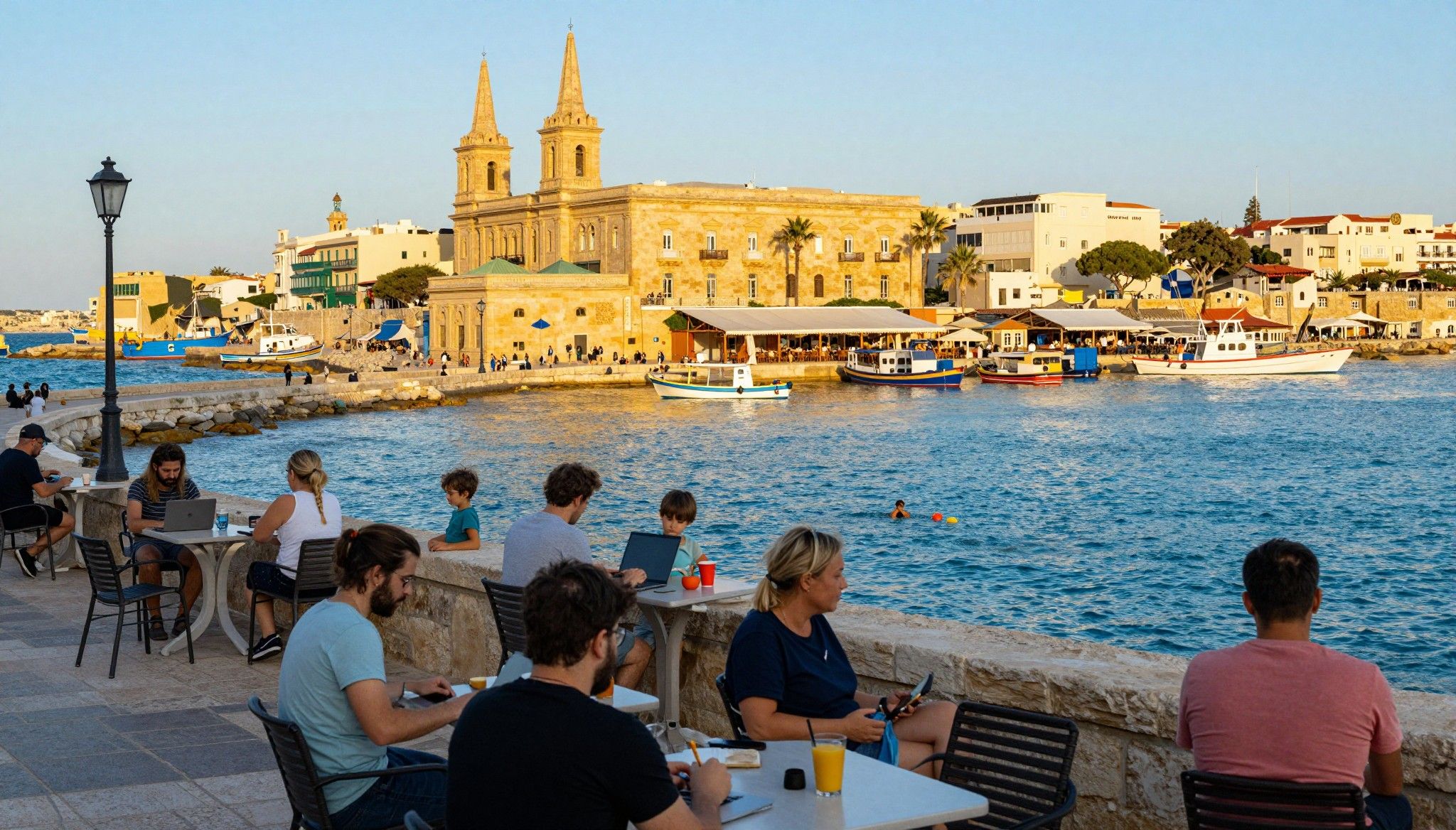
Imagine stepping out at dawn into a narrow street in Valletta, espresso steaming, limestone glowing pink as fishermen unload crates at the nearby marina. In Malta, neighbourhood life moves at a human pace — compact, bright, full of corners to discover — and that intimacy changes how you think about space, work and home.
Living the Malta life: small streets, big senses
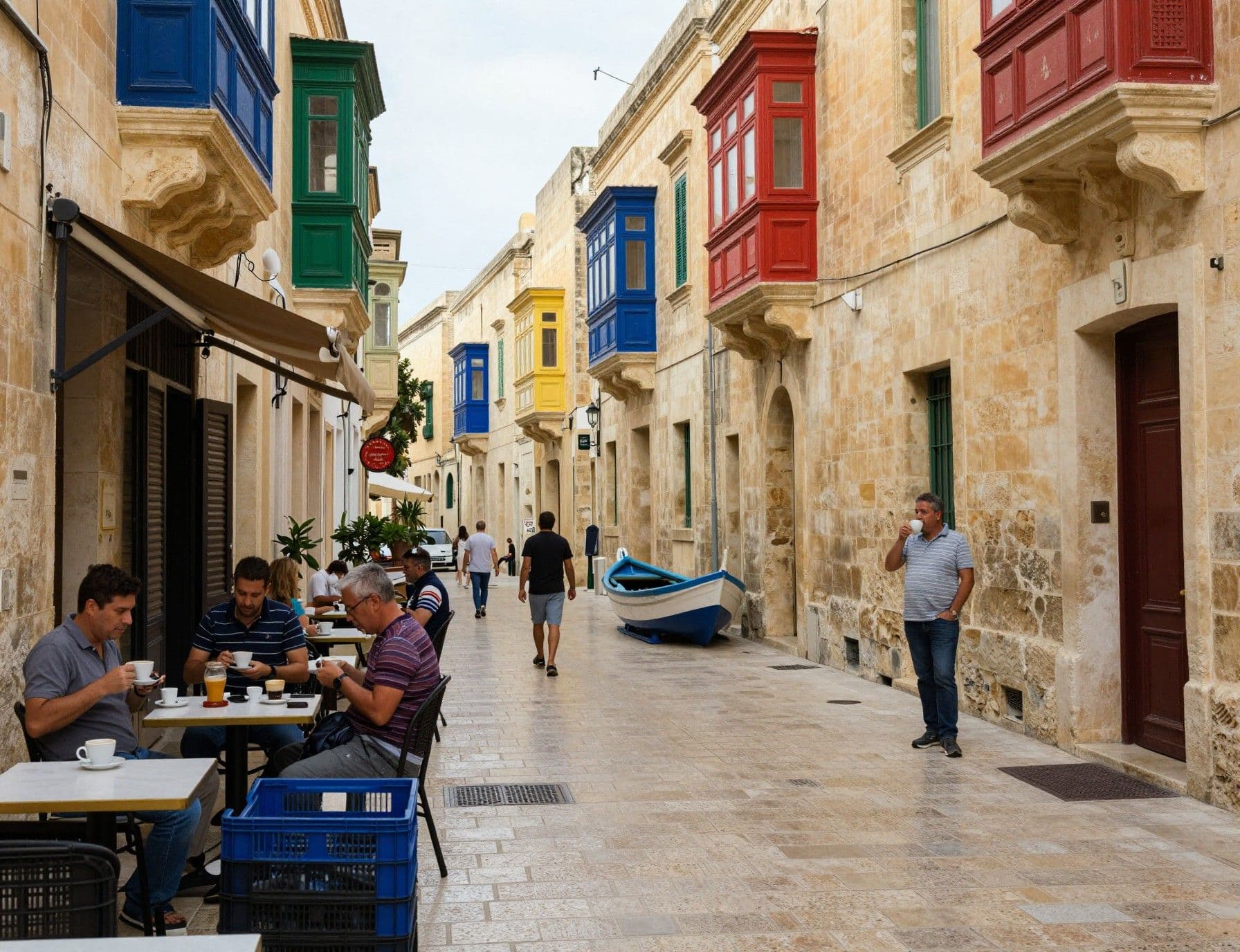
Malta is a mosaic of micro‑moments: rooftop terraces with sea views, lunchtime markets in Marsaxlokk, late-night band clubs in Sliema. The island’s scale means your grocery shop, coworking space and favourite beach can be a 20‑minute bike ride apart. For many international buyers, that compactness is the lifestyle win — less commuting, more neighbourhood rituals, and a sense of being plugged into local life the moment you arrive.
Valletta & The Three Cities — history that’s also a commute saver
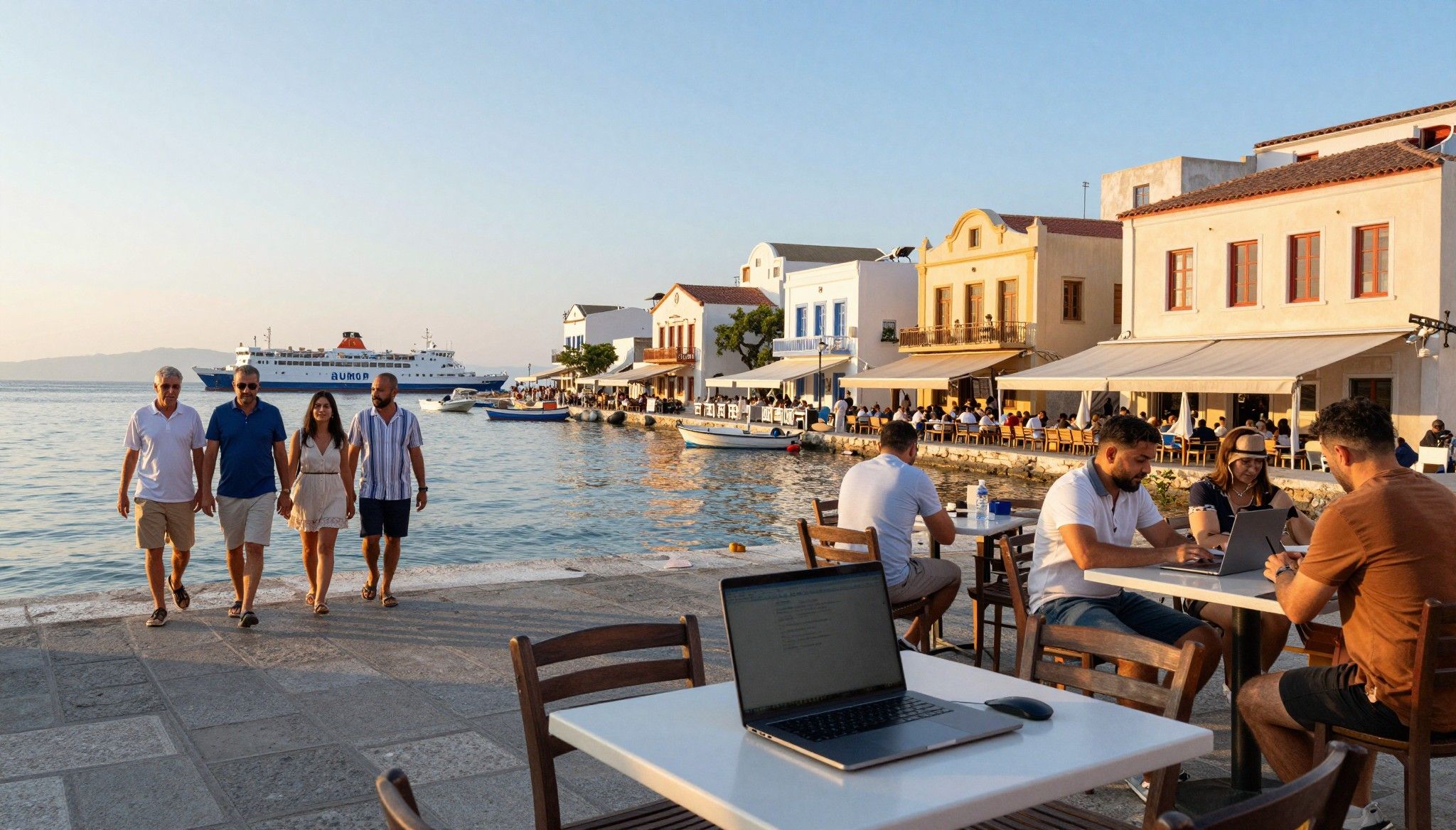
Valletta and the neighbouring Cottonera towns hum with layers of history. Walkable streets mean living in a smaller apartment still feels generous: you trade square metres for piazzas, cafes and evenings on the bastions. Peak season brings more tourists (the National Statistics Office tracks clear seasonality), but off‑season life is calmly local — ideal if you want a lively social scene without living inside the tourist bubble.
Sliema, St Julian’s & Pembroke — the modern nomad hubs
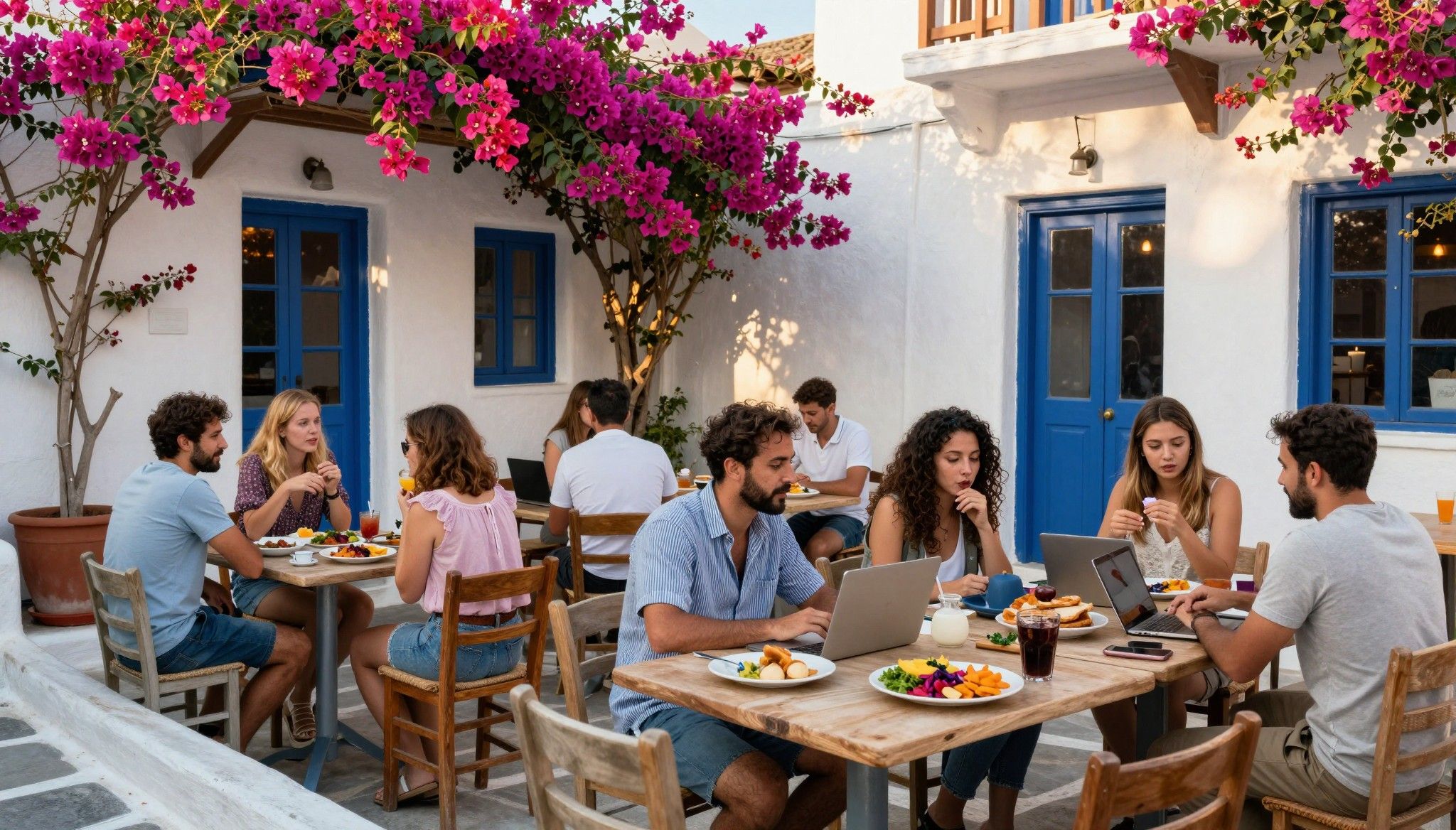
If you want cafés with 5G, coworking and a busy expat scene, Sliema and St Julian’s deliver. High-rise apartments and newly finished conversions mean terraces and light-filled interiors are common, though prices and short‑let activity rise accordingly. Pembroke and nearby northern suburbs offer quieter streets and family-friendly parks while keeping you within easy reach of the action.
- Lifestyle highlights to try on: Café culture at Pjazza San Ġorġ, brunch on Spinola Bay, sunset swims at Golden Bay, Sunday market bargains in Marsaxlokk, coworking meetups in Sliema.
Making the move: lifestyle-first property choices that actually work

Dreams meet data here: Malta’s market has shown steady price growth and strong demand for central, well‑connected homes (see recent market analysis and industry reports). That means compact apartments in desirable pockets often outperform large, isolated houses for both liveability and resale — but you need to match property type to how you’ll actually live.
Property styles — what small homes actually offer
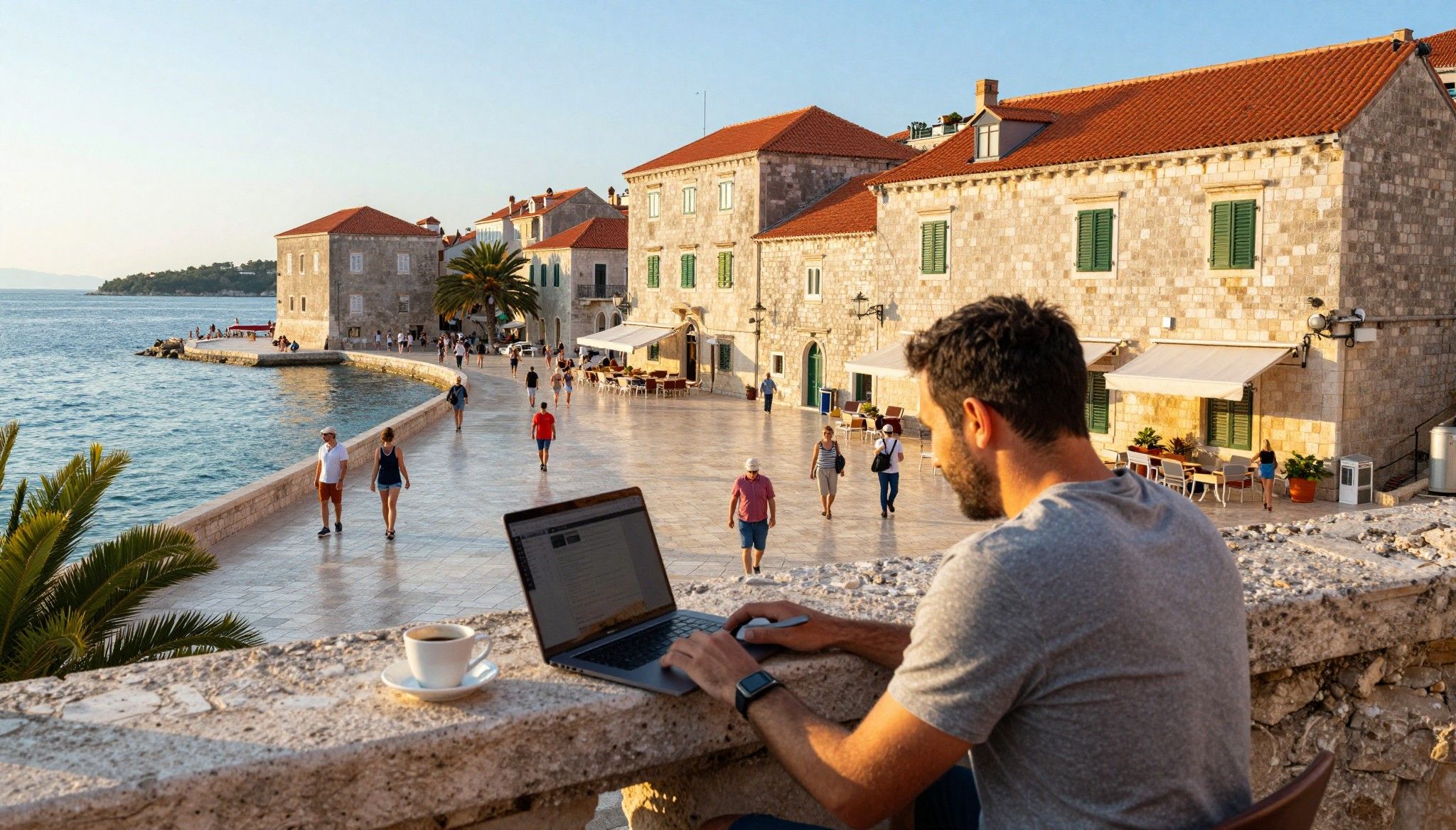
A 60–80 m² Valletta apartment with a balcony can feel more luxurious than a larger inland flat because it buys you views, walkability and social life. Converted townhouses and ‘houses of character’ bring high ceilings and period details, while modern blocks in Sliema and St Julian’s prioritise amenities — gyms, parking and communal terraces — that shape your daily routine.
Why work-from-anywhere nomads should prioritise these features
- Checklist for choosing a Malta pad: 1. Reliable broadband and a sunny spot for daytime calls. 2. A café or coworking within a 15-minute walk. 3. A balcony or terrace for breaks and social life. 4. Proximity to seasonal beaches if you value weekend swims. 5. Flexible rental rules if you plan short lets while you travel.
Insider knowledge: the small surprises that shape life here
Expats often tell the same three surprises: summer is vivid and busy, winter is quietly social; short‑lets cluster and shape neighbourhood atmospheres; and English being an official language means settling in is unexpectedly smooth. Tourism intensity data shows the island’s population swells seasonally — excellent for social life, a real factor for buyers who want either bustle or calm.
Cultural fit: blending in without losing yourself
Maltese social life orbits around food, festa calendars and neighbourhood clubs. Learn a few Maltese words, show up at a local festa, and you’ll be invited to dinners. That ease of access affects where you buy: a small flat near a community square often unlocks richer social life than a larger unit miles from the action.
Longer-term thinking for nomads and investors
- What to factor into a Malta buy: 1) Seasonality of demand and short‑let regulations. 2) Neighborhood resilience — central pockets retain value. 3) Building condition — older stone homes need different maintenance. 4) Local agency know‑how — pick agents who understand lifestyle fit, not just price.
So picture it: morning calls on a sunlit terrace, a 10‑minute walk to a coworking brunch, afternoons at a nearby cove, and evenings joining a band club for a local festa. That’s Malta’s compact promise — you sacrifice some indoor space and gain an outsized daily life.
If you’re ready to act, start by mapping lifestyle priorities (noise, commute, beach access) against market signals like PPI growth and transaction volumes. Work with a local agency that can show you lived-in examples — not glossy listings — and ask about internet speed, insulation, and terrace sunlight. Those micro-details decide whether a small Maltese home feels like a cosy launchpad or a compromise.
Ready to fall in love with Malta for real? Book neighborhood viewings at different times (dawn market, midday quiet, evening festa) and treat the first month as a test drive: rent, meet locals, check connectivity. When you buy, aim for lifestyle match first, price second — in Malta, that’s where the long‑term joy lives.
Dutch investment strategist guiding buyers to Greece and Spain; practical financing, tax, and portfolio diversification.