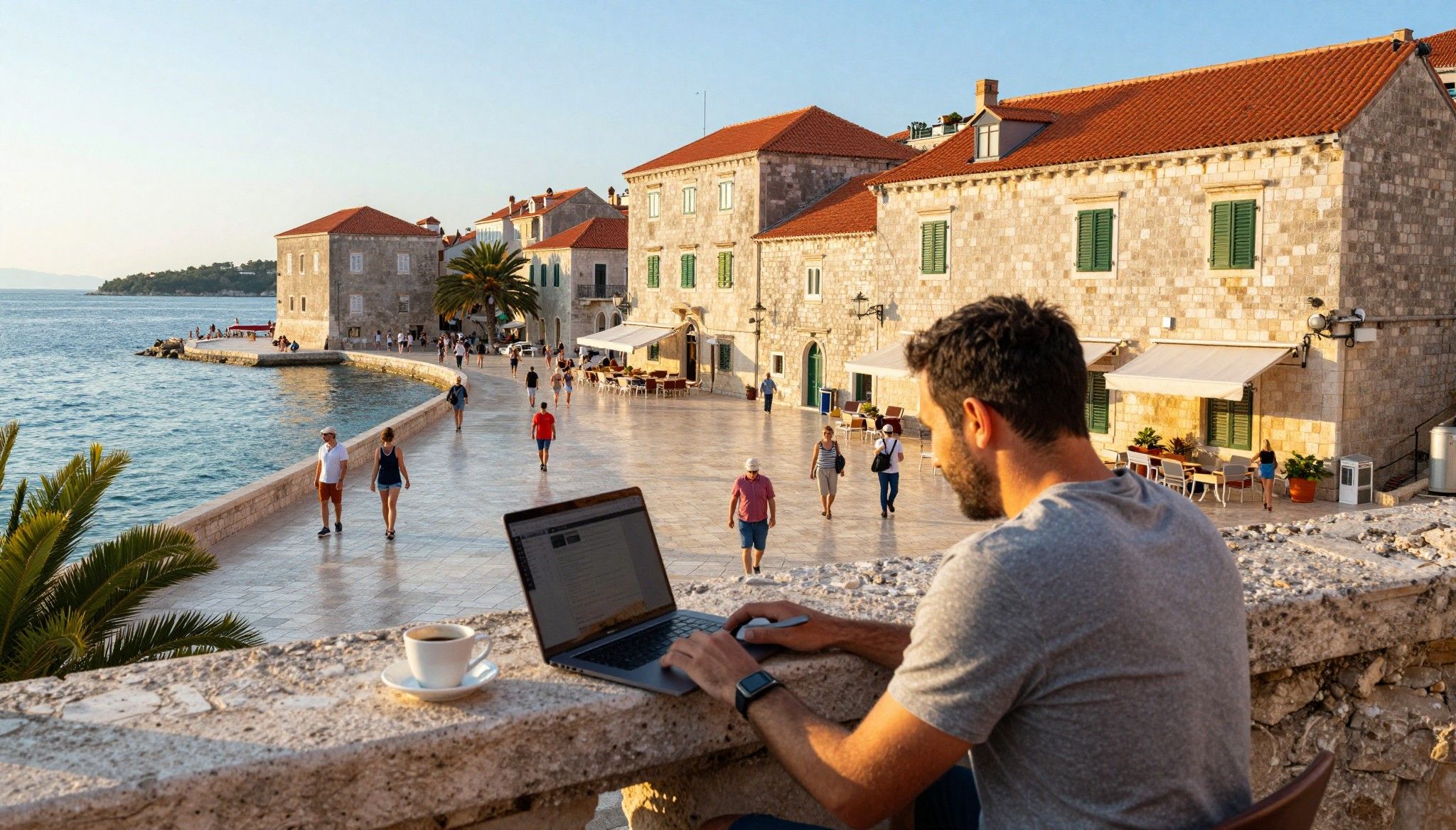
Greece Life: Lifestyle Wins, Residency Routes, Real Risks
Why Greece's lifestyle sells itself—and why nomads should pair sunny rituals with smart, data-backed home search and residency planning.
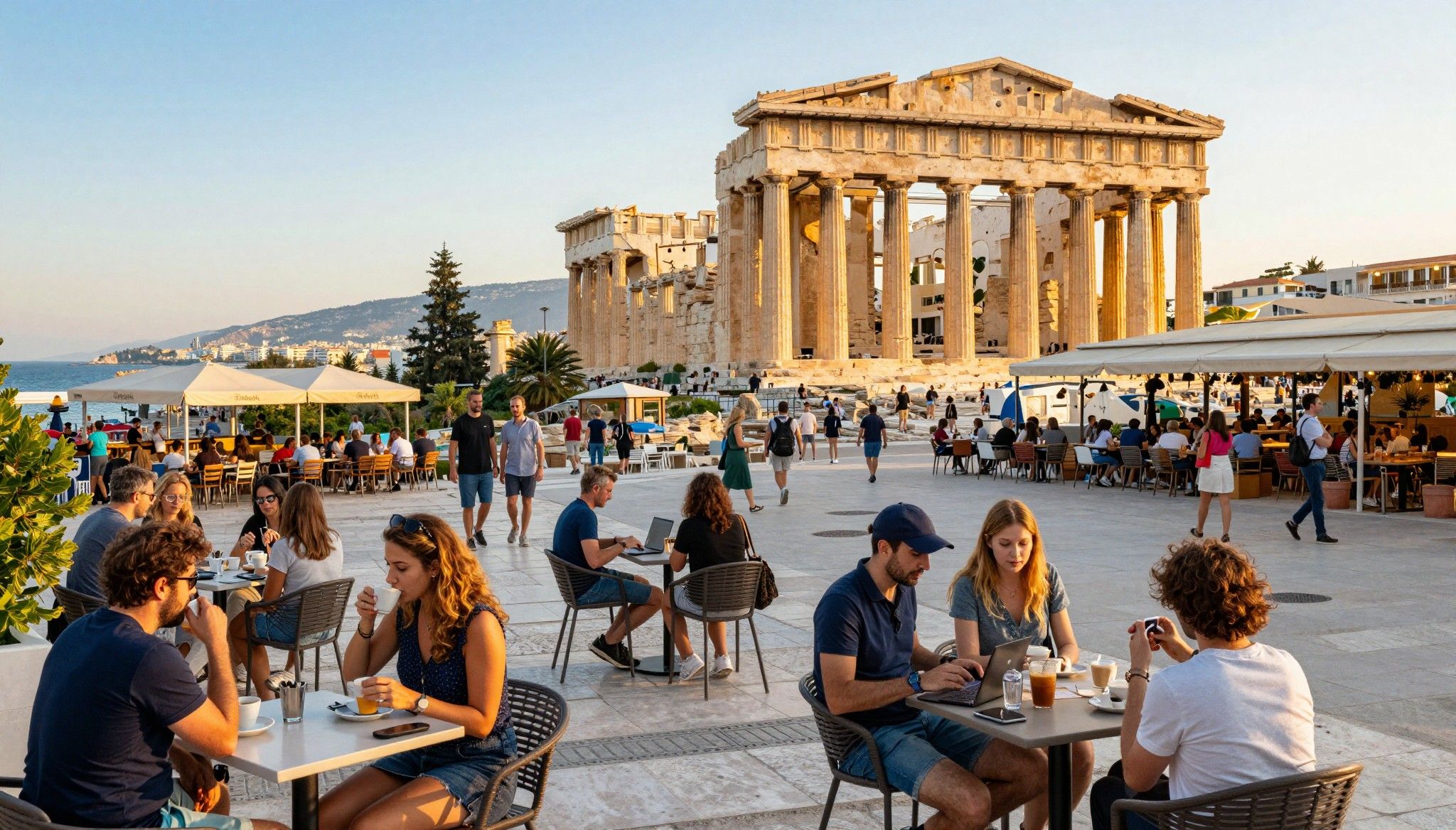
Imagine sipping a late-morning espresso on a sun-warmed marble square in Plaka, then walking five minutes to an ancient ruin for a mid-day roam. That ease—history, sea breeze, lively markets—is Greece's everyday magic. But for remote workers and nomads, the real question is how that magic fits into daily life: fast internet for video calls, a quiet terrace to work afternoons, and a residency path that matches your timeline. This piece blends the sensory thrill of Greek living with the concrete facts you need to make a confident move.
Living the Greece life: streets, seasons and small pleasures
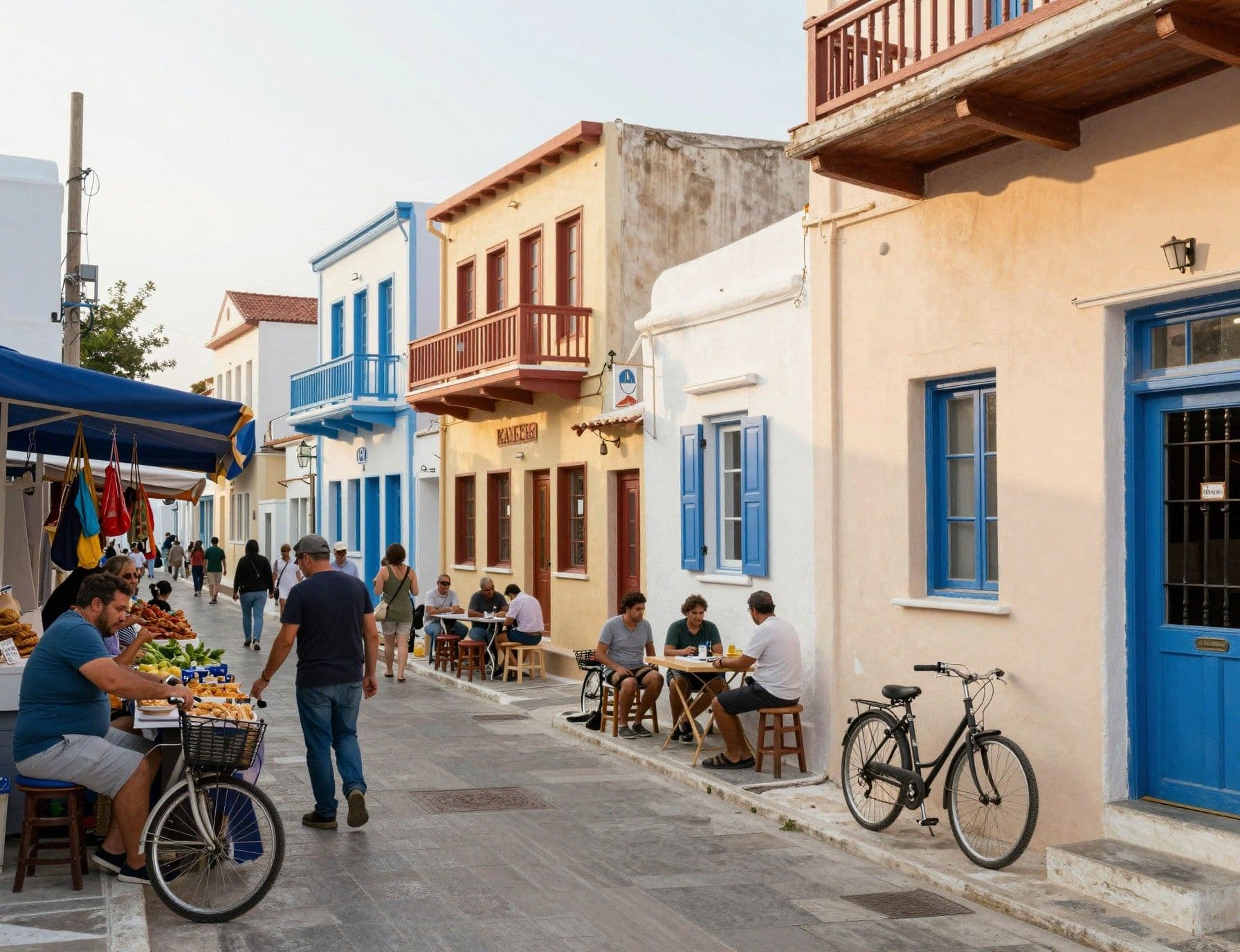
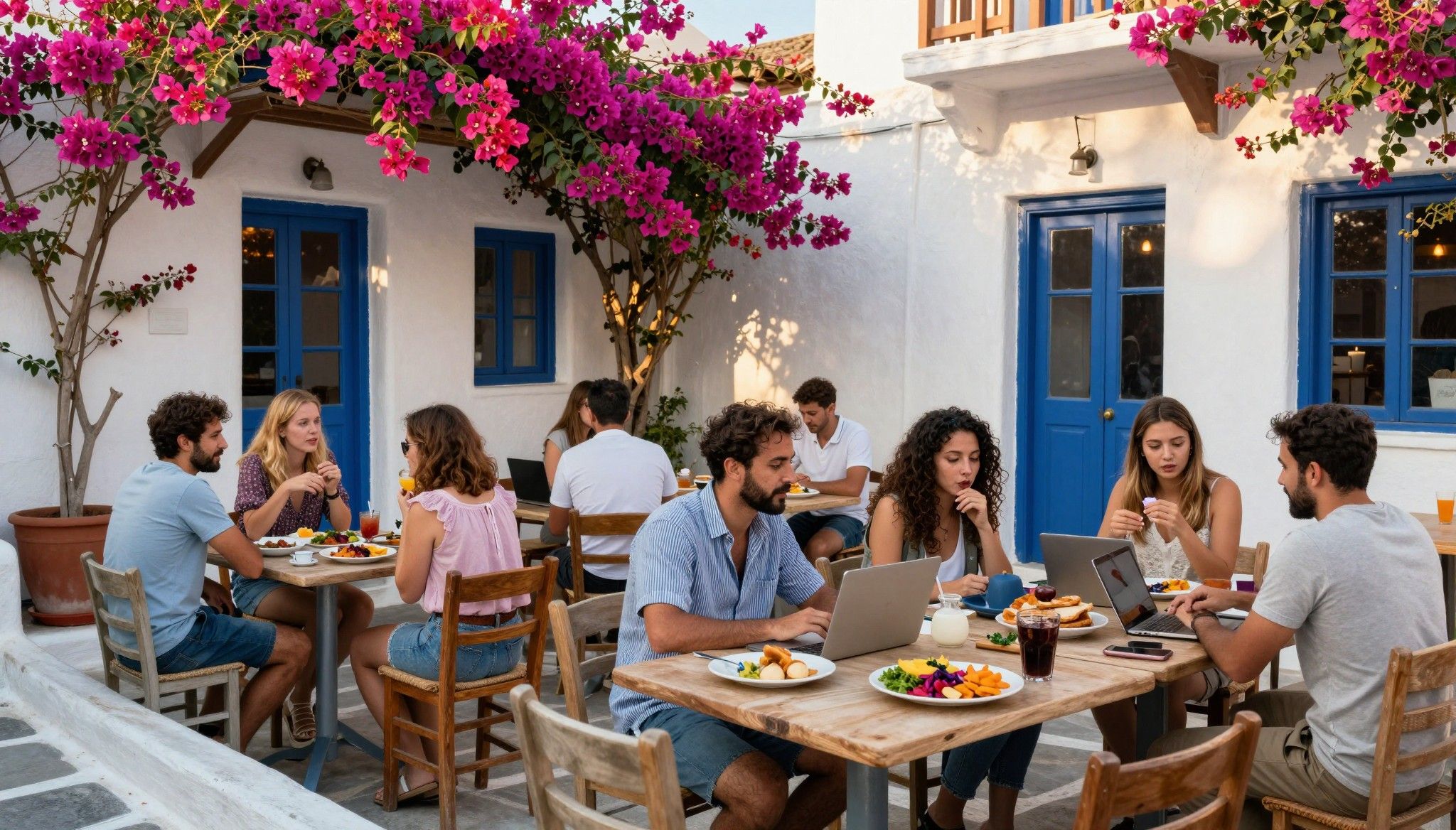
Greece moves at different speeds: Athens hums all year with cafes, museums and coworking spaces; island life (Naxos, Paros, Syros) is relaxed and seasonal; northern cities like Thessaloniki blend food markets with a youthful cultural scene. Daily life is tactile—fresh bread from the local bakers, neighborhood kafeneia that double as offices, and weekends that revolve around sea swims or tavernas. Expect loud, friendly banter and a late-day rhythm where evenings stretch over long dinners. For nomads, that means you can have an urban routine one month and an island routine the next without giving up community or convenience.
Athens neighborhoods that feel like different countries
Step between Kolonaki's tree-lined boutiques, Psyrri's buzzy street art and Koukaki's cafe terraces and you'll feel like you're moving through three small cities. Exarchia, once known for student activism, now hosts creative co-living and quiet manuscript cafés. Walkability is huge: you can live close to theaters, grocery markets and a coworking hub and rarely need a car. When viewing properties, look for apartments on lower-noise streets with shutters and balconies—Greek life happens outdoors, so terraces are not a luxury but a lifestyle feature.
Islands vs mainland: more than a view
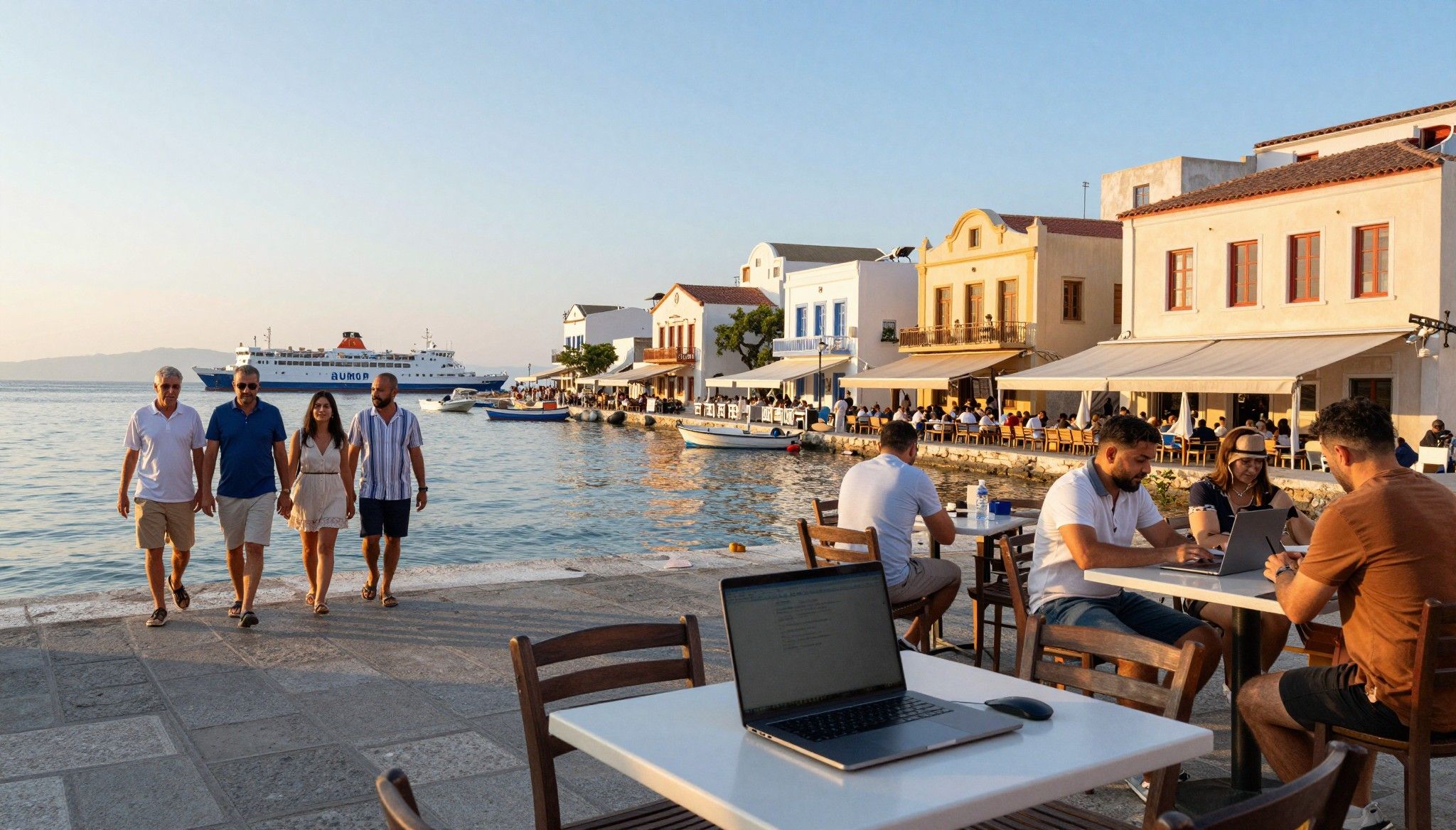
A Mykonos villa sells on summer nightlife and rental upside; a Naxos cottage sells on long-term calm and lower living costs. Islands amplify seasonality: services and price swings between high and low season are sharp. On the mainland—Thessaloniki, Crete's Heraklion, or the Peloponnese—public services and year-round communities make settling easier for families and remote workers who dislike three-month closures. Think beyond the view: check ferry frequency, municipal services, and whether the village has a reliable clinic and grocery options in winter.
- Lifestyle highlights to try before you buy
- Morning espresso at Mokka in Koukaki, Athens; a supermarket run at Varvakios Market; sunset aperitivo on Naxos' Agios Prokopios; a weekend hike in Mount Parnassus; coworking day at The Cube in Thessaloniki; island farmers' market on Syros.
Making the move: visas, market reality and property types

Greece offers clear residency pathways that matter to buyers: the investment-backed Golden Visa remains popular for freedom of Schengen travel, while ordinary residence permits suit long-stay remote workers. Recent Bank of Greece data shows strong foreign demand in 2024–2025, so expect competition in tourist hotspots. That means thinking fast but smart: define what you need—year-round service, rental yield, or seasonal escape—and let that map to the right property type.
Property styles and how they shape your life
Stone village houses ground you in slow rhythms and community; modern Athenian flats plug you into high-speed internet and coworking; new-build seafront condos offer low maintenance and rental-ready layouts. For nomads, prioritize: reliable broadband (ask for actual Mbps, not 'good connection'), flexible indoor workspace, and outdoor shelter for all seasons. If you plan to rent, choose layouts with simple kitchens and separate guest access to maximize bookings without disrupting your life.
Work with agencies that get nomad life
- 1) Ask agencies about broadband, coworking proximity, and seasonal utility costs. 2) Request three-year rental histories in tourist areas to judge income volatility. 3) Insist on clear titles and a local lawyer—Greek title searches are straightforward but require local expertise. 4) Verify municipal rules for short-term rentals and renovation permits before committing.
Insider knowledge: what expats wish they'd known
Expats often romanticize island summers and forget long, quiet winters. Services thin in off-season and some cafés close for months. Locals prize relationships: a friendly neighbour or a reliable fixer saves more time and money than searching listings alone. Expect bureaucracy to be patient but precise—appointments, stamped forms and local tax numbers are part of the ritual. Prepare for small daily joys (neighbourhood tavernas, spontaneous seaside swims) and small frictions (administrative pace, seasonal closures).
Cultural integration: language, rhythms and community
Basic Greek will open doors—learn greetings, market bargaining lines and how to order at a taverna. Join local clubs: sailing, climbing, or a language exchange to meet both locals and expats. Use community events, church festivals and neighborhood markets to build trust. Remember: Greeks are direct and warm; show curiosity and patience and you'll be invited into real life quickly.
Long-term life and practical nods
- Set expectations for rising prices in tourist hotspots; verify healthcare access for long-stays; use local banks for utility bills and tax registration; budget for seasonal heating or air-conditioning costs; plan for at least one extended trip during high season to test rental logistics.
If you want the Greece life without surprises: try living in your target neighbourhood for a month first, join local Facebook groups, and hire a bilingual lawyer who will walk you through title checks. Agencies are your lifestyle matchmakers—pick one that measures broadband, community, and seasonality as carefully as square metres. With the right local team, you get the sun and sea plus the practical scaffolding to make it last.
Conclusion: Greece gives you a life that moves slowly in all the right ways—long dinners, sea-scented mornings, and neighborhoods that feel owned by people rather than investors. Back that dream with data: check recent Bank of Greece figures on price trends, understand residency routes like the Golden Visa, and pick an agency that treats lifestyle as part of due diligence. Then book that one-month stay, test your work setup, and see if the rhythm fits—Greece rarely disappoints when you're prepared.
British expat who moved from Manchester to Mallorca in 2017. Specializes in market analysis and helping fellow Brit navigate local regulations.