Italy: Live-First Moves, Visa Routes & Market Reality
Italy’s irresistible rhythms pair with visa routes like the digital-nomad and elective-residence options; blend lifestyle scouting with local market data to buy wisely.
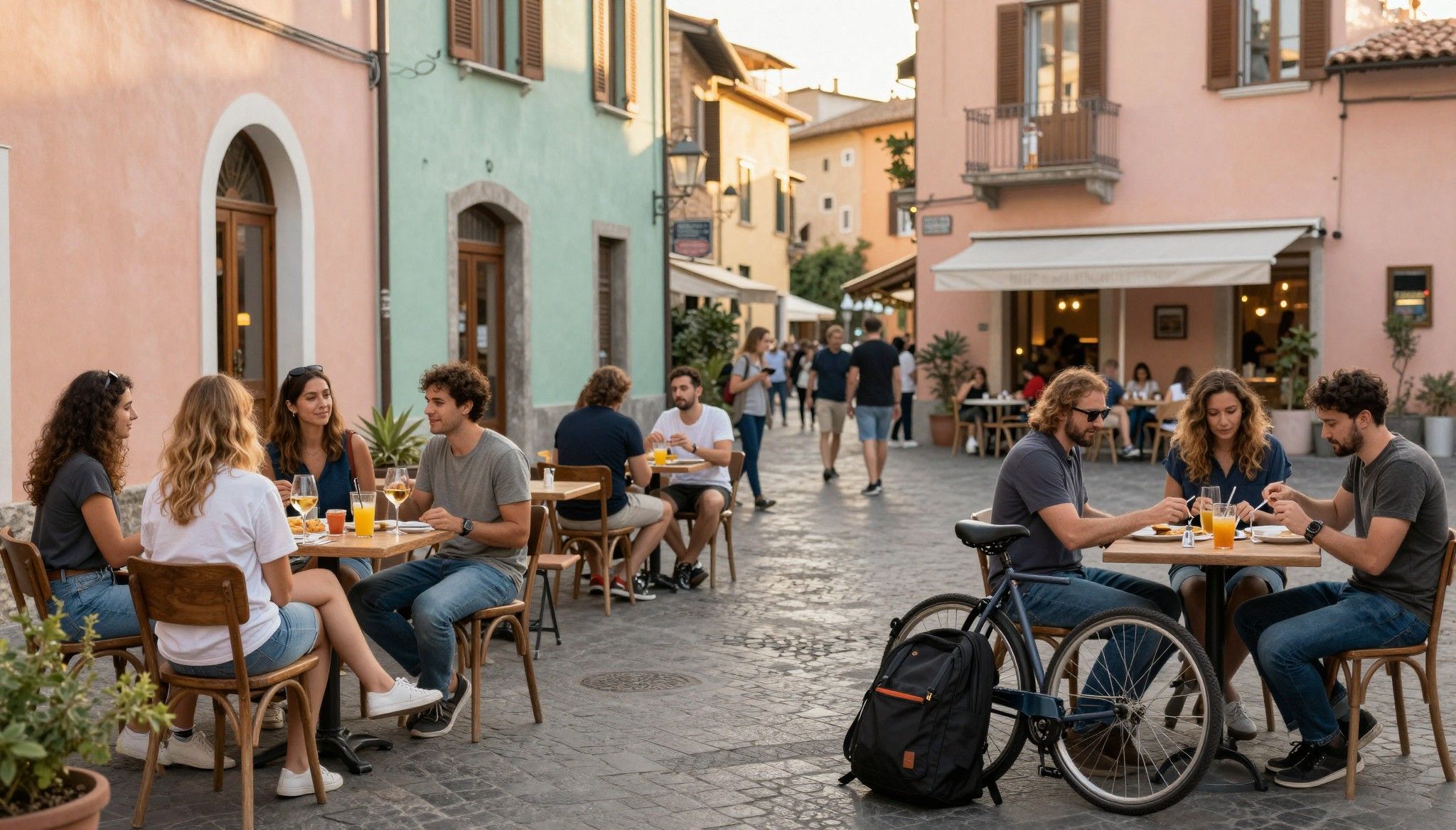
Imagine waking up to the smell of espresso on a narrow street in Trastevere, or trading an afternoon surf for aperitivo on a Ligurian bluff. Italy feels like a living postcard — piazzas that hum, mercados where vendors call out the day’s catch, and long, slow dinners that stretch into the night. For international nomads and remote professionals that’s the appeal: cultural density, food that’s an everyday event, and neighbourhood rhythms that make even routine weeks feel like a holiday. But the lifestyle comes with decisions — where to land, which visa makes sense, and how the market is moving right now.
Living the Italian life: what it actually feels like
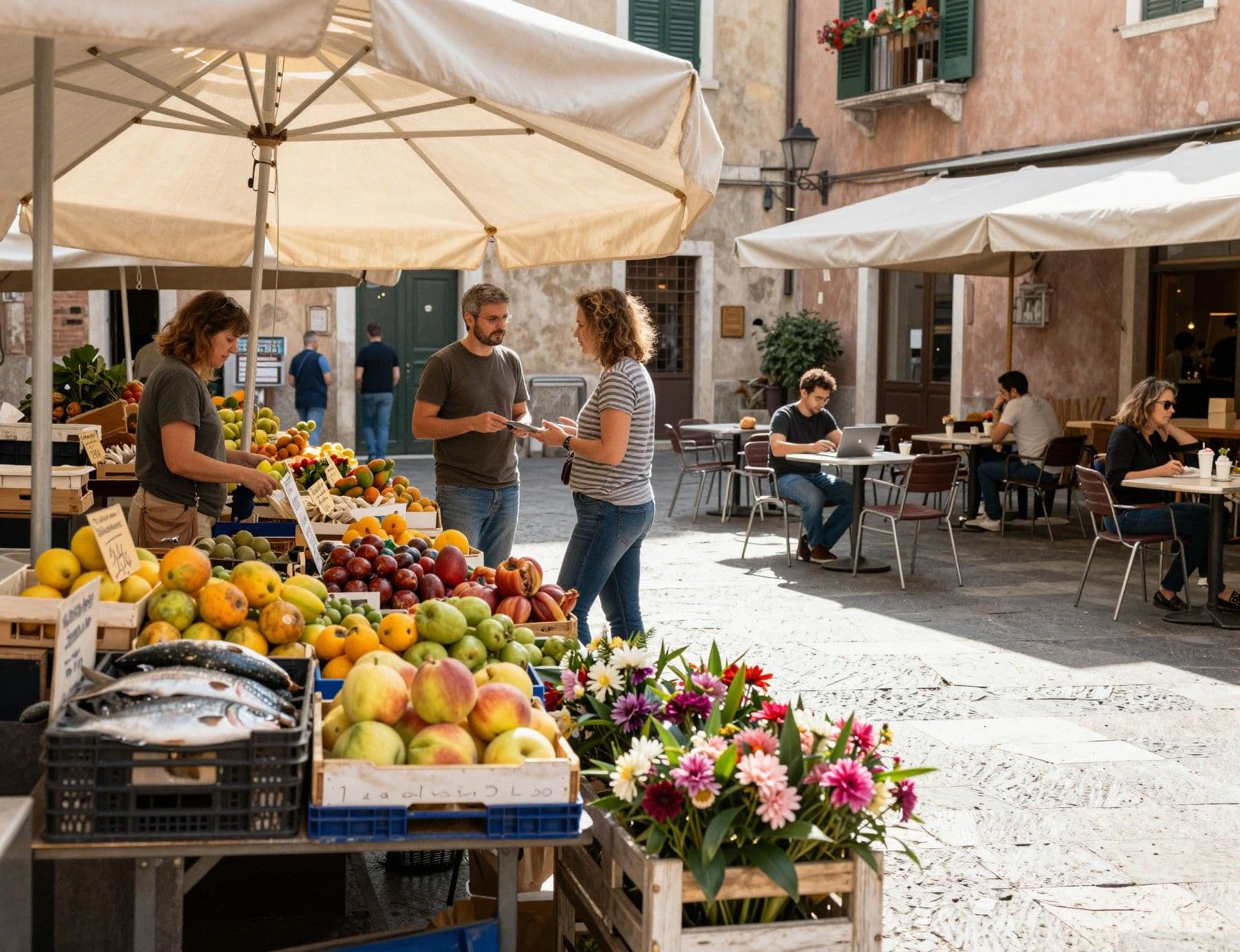
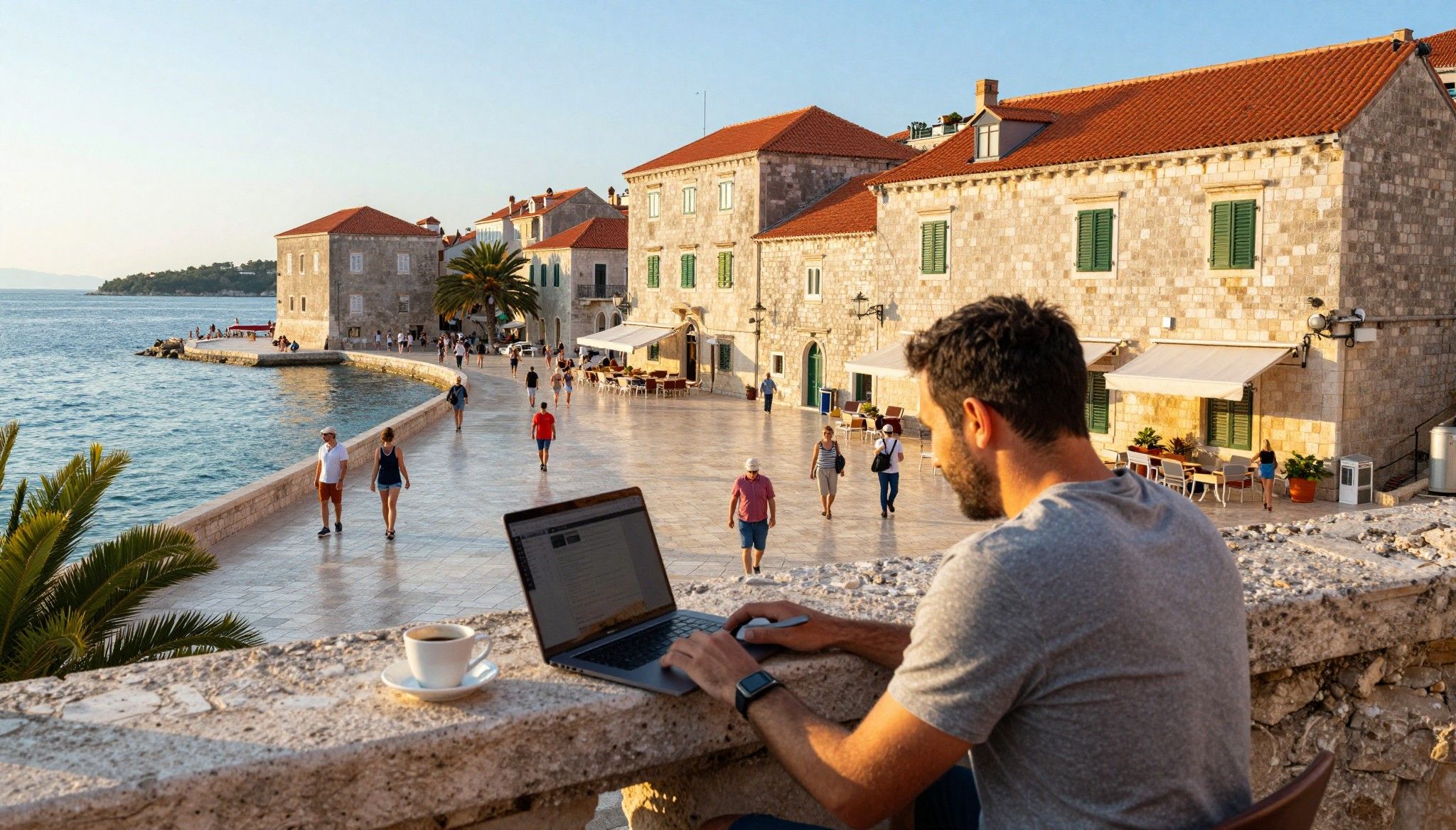
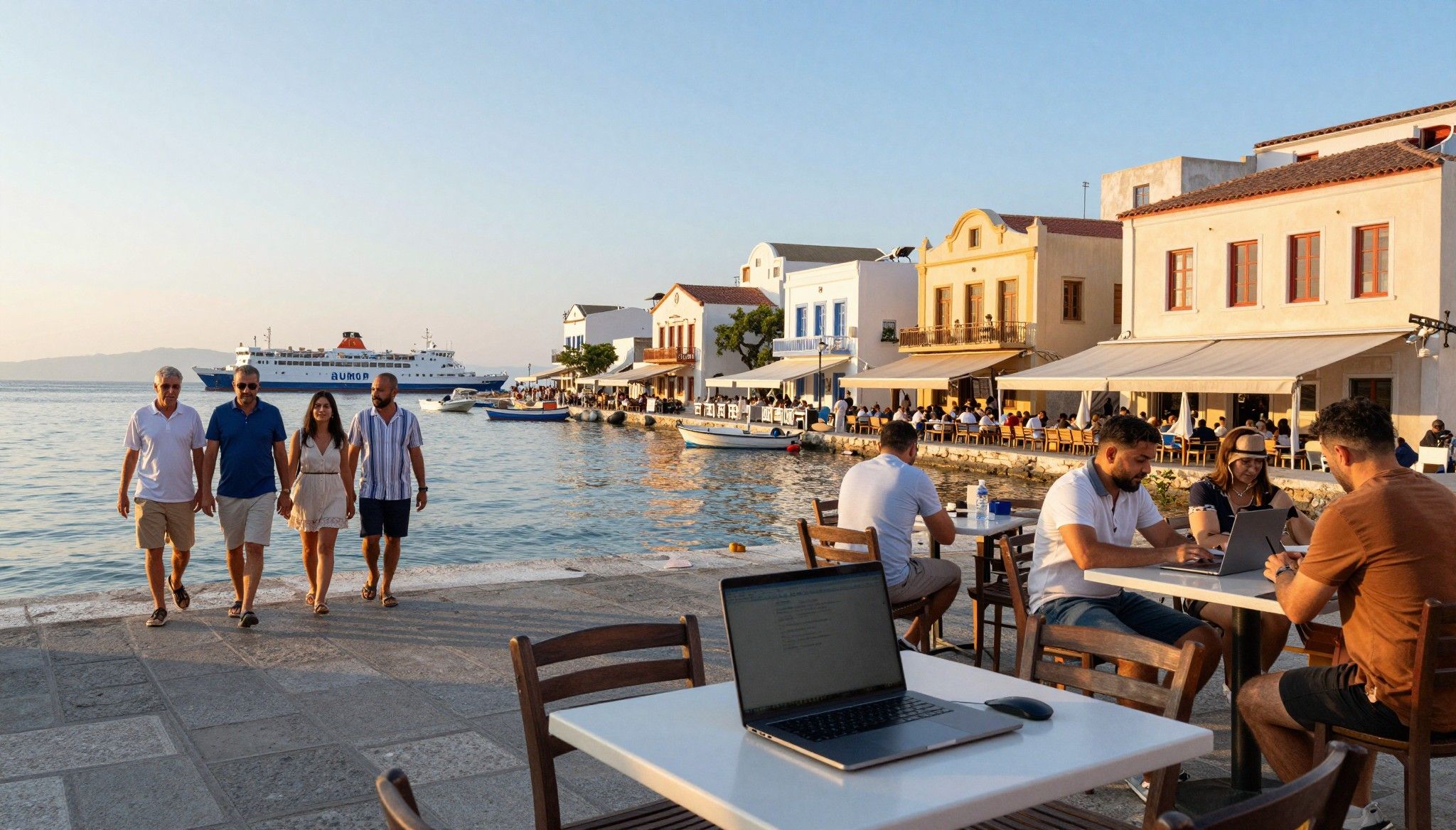
Life in Italy moves at two paces at once: the slow, social pulse of cafés and weekly markets; and the efficient, practical pulse of Italian logistics — trains that run between cities, local buses, and neighbourhood shops that close for an hour at midday. In cities like Rome and Milan you’ll find a mash-up of history and coworking spaces — think a morning espresso on Via del Governo Vecchio, a midday session at a bright coworking hub, and an evening passeggiata through a piazza. Coastal towns from Cefalù to Puglia’s Polignano a Mare offer beach mornings and seafood dinners; inland hill towns in Tuscany and Umbria give you slower rhythms, seasonal markets and garden-to-table living. Across regions, the sensory constants are the same: excellent coffee, late dinners, and streets that reward walking.
Neighbourhood spotlight: Rome’s Trastevere vs Milan’s Navigli
Trastevere is all ivy-clad façades, tiny trattorie and a labyrinth of cobbled lanes where neighbours still buy bread from the same forno their grandparents did — perfect if you crave immediacy to Italian life and a strong local community. By contrast, Navigli in Milan is creative, canal-side, buzzy with bars and design studios; it’s where digital creatives and startup crowds overlap with vintage markets and late-night aperitivi. Both areas offer walkability, reliable cafés for remote work, and strong short‑stays demand — but the vibe is different: the Roman neighbourhood rewards leisurely immersion whereas Navigli fuels late nights and project-based networking.
Food, markets and the slow-weekend ritual
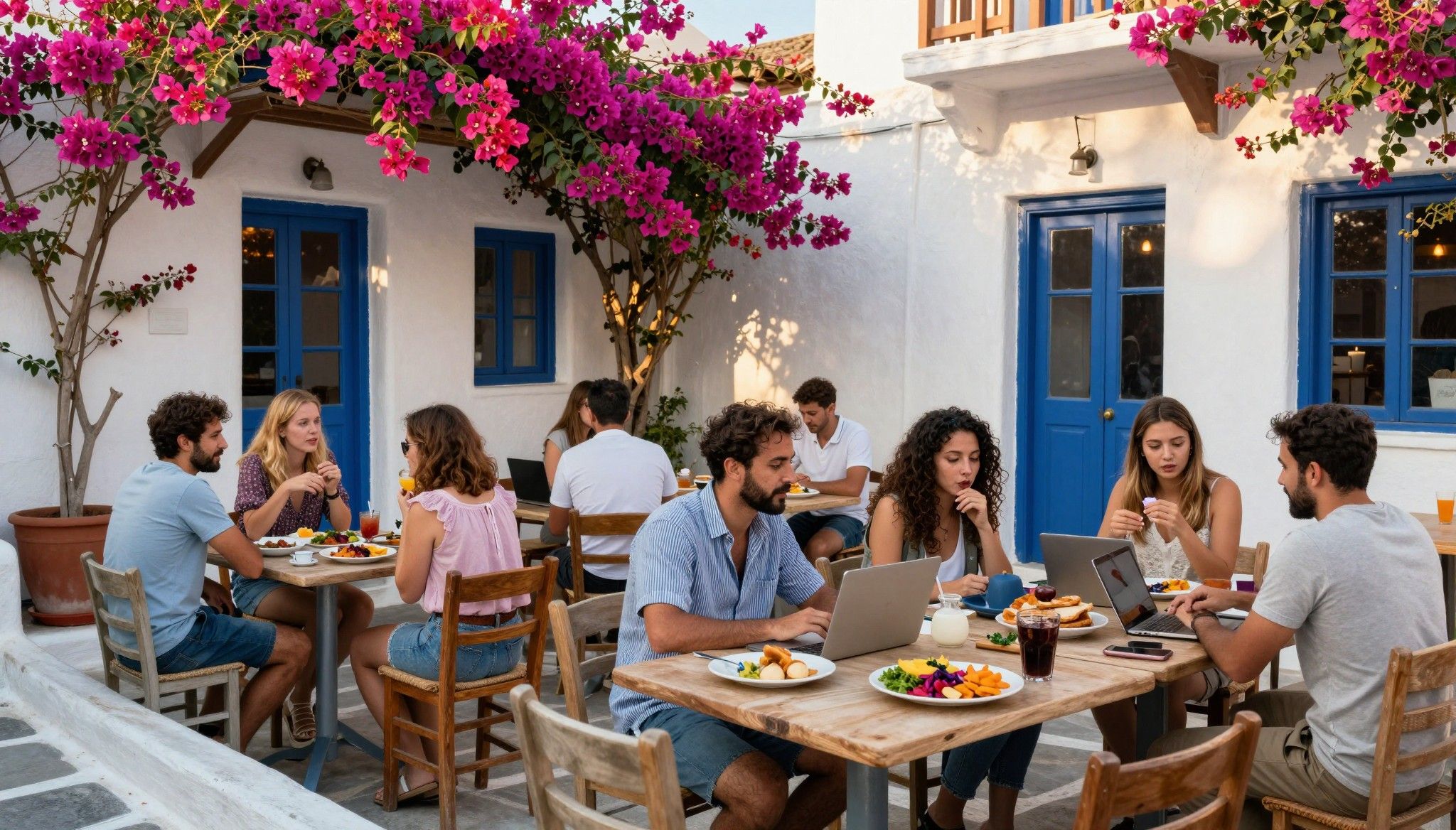
Weekends in Italy often center around markets: morning strolls through Campo de’ Fiori in Rome, fish-buying rituals in Genoa’s Mercato Orientale, or a Sunday farmers’ market in Florence’s Oltrarno. These rituals shape daily life — seasonal fruit dictates breakfasts, and local butchers know your name. For nomads, that means easy access to fresh produce for home-cooked meals, plentiful alfresco cafés for afternoon calls, and community hubs where friendships begin. It’s not just food; it’s how you meet neighbours and feel rooted fast.
Making the move: lifestyle-minded practical considerations
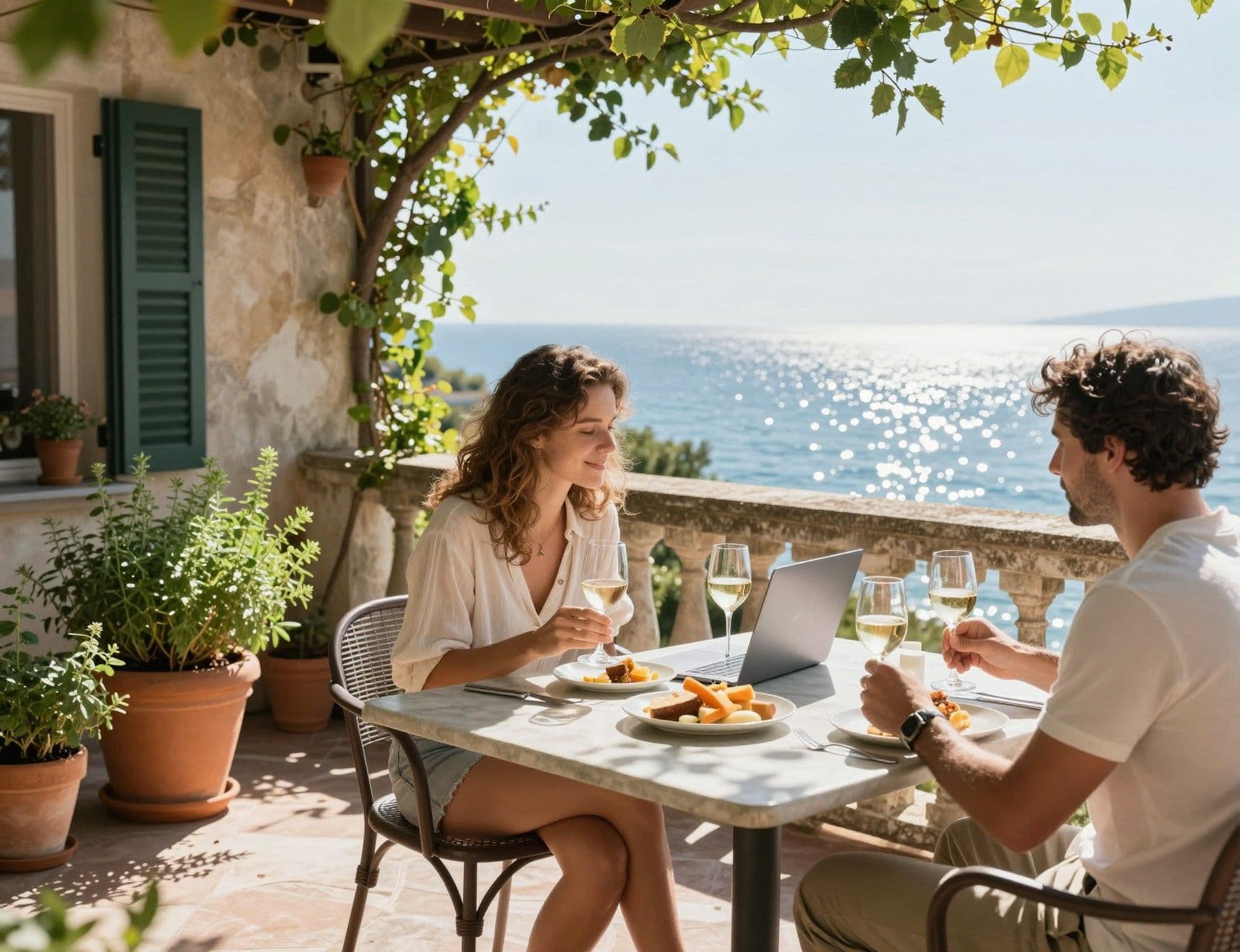
You can romanticise Italian life until you’re booking tickets — but your property plan needs realism. The market has been showing steady, modest growth; official figures report year-on-year house price gains and regional variation (northern cities often lead). That matters because your buying power, rental yield expectations, and negotiation room depend on the city or region you pick. Think of lifestyle and market as a pair: pick a place you’ll genuinely use, then align budget and visa strategy to that rhythm.
Property types that match the nomad life
If you work remotely, prioritise reliable internet, quiet daytime spaces and a comfortable balcony or terrace — a small historic apartment with thick stone walls can be charming but may need a fibre upgrade. Coastal rentals often come with seasonal demand; a seaside apartment in Liguria or Puglia can be a lifestyle win but needs a plan for off-season income. In cities, a compact flat near coworking hubs (Milan’s Porta Romana, Turin’s San Salvario) gives both community and steady rental appeal. Focus on usable living: a bright workspace, room for a desk, and a balcony are worth more than an extra bedroom you never use.
How local experts transform lifestyle dreams into a home
Working with a local agency does more than find listings — they decode neighborhood rhythms, help with utility registration (crucial for fast internet), and connect you to trusted renovators who understand historic building limits. The right agent helps you see trade-offs: which streets get noise after 10pm, where summer tourism spikes rentals but depresses long-term community, and which properties are genuinely walkable. They’ll also advise on residency paths that suit your lifestyle plan.
Visa-friendly reality: which residency routes work for nomads
Italy now offers clearer pathways for remote workers alongside long‑standing options like the elective residence visa. The national digital nomad/remote worker visa (published as a decree in 2024) was designed for non-EU nationals who can provide proof of remote employment or freelance contracts, meet income thresholds and healthcare requirements, and follow biometric entry rules. Elective residence remains useful for financially independent buyers who can show stable income without local employment. Each route carries different tax and social security implications — talk to a specialist early.
Visa-focused tips for property-minded nomads
• If you plan to work remotely, secure the digital nomad visa paperwork before committing to long-term rental or purchase. • Use an agent familiar with permesso di soggiorno logistics — registering utilities and an address can be required for residency steps. • Consider the elective residence visa if you can prove passive income; it pairs well with buying a secondary home in lower-cost regions. • Ask an accountant about dual-tax risks early — residency, even informal, can trigger tax residency tests.
Insider knowledge: expat realities and surprising trade-offs
Expats often expect constant sunshine and low prices — the reality is regional. Northern hubs and tourist cities have seen price growth, while select southern towns still offer bargain buys and strong lifestyle returns. Also, historic buildings are beautiful but bring quirks: high maintenance, strict heritage rules, and occasional repairs. If you buy in a small town, factor in services — international schools, healthcare access, and flight connections are uneven across regions. Local life rewards patience: speak to neighbours at market stalls, join a volunteer group, or frequent the same café and you’ll integrate faster than any app can promise.
Practical next steps — a 5-point checklist to move from dreaming to decision
1. Spend at least two weeks living like a local in your shortlisted neighbourhoods; work from cafés and a local coworking space. 2. Talk to two local agents and one bilingual lawyer — ask for references from international clients. 3. Confirm visa route (digital nomad vs elective residence) and checklist with the nearest consulate. 4. Request fibre/internet speed tests at the exact building you’re viewing; unreliable connectivity kills remote work. 5. Get a realistic renovation quote for any historic property before offering — heritage constraints add time and cost.
If you love the sounds, food and neighbourly rhythms of Italian life, buying here can be transformational — but the smartest purchases are equal parts romance and research. Start with lifestyle first (where you imagine your day-to-day), then bring in market data and visa clarity. Local agencies that understand both the neighbourhood culture and residency logistics will turn your dream into a sustainable life. Ready to go deeper? Pick a region, spend two weeks like a resident, and let your agent show you the streets locals keep returning to.
British expat who moved from Manchester to Mallorca in 2017. Specializes in market analysis and helping fellow Brit navigate local regulations.