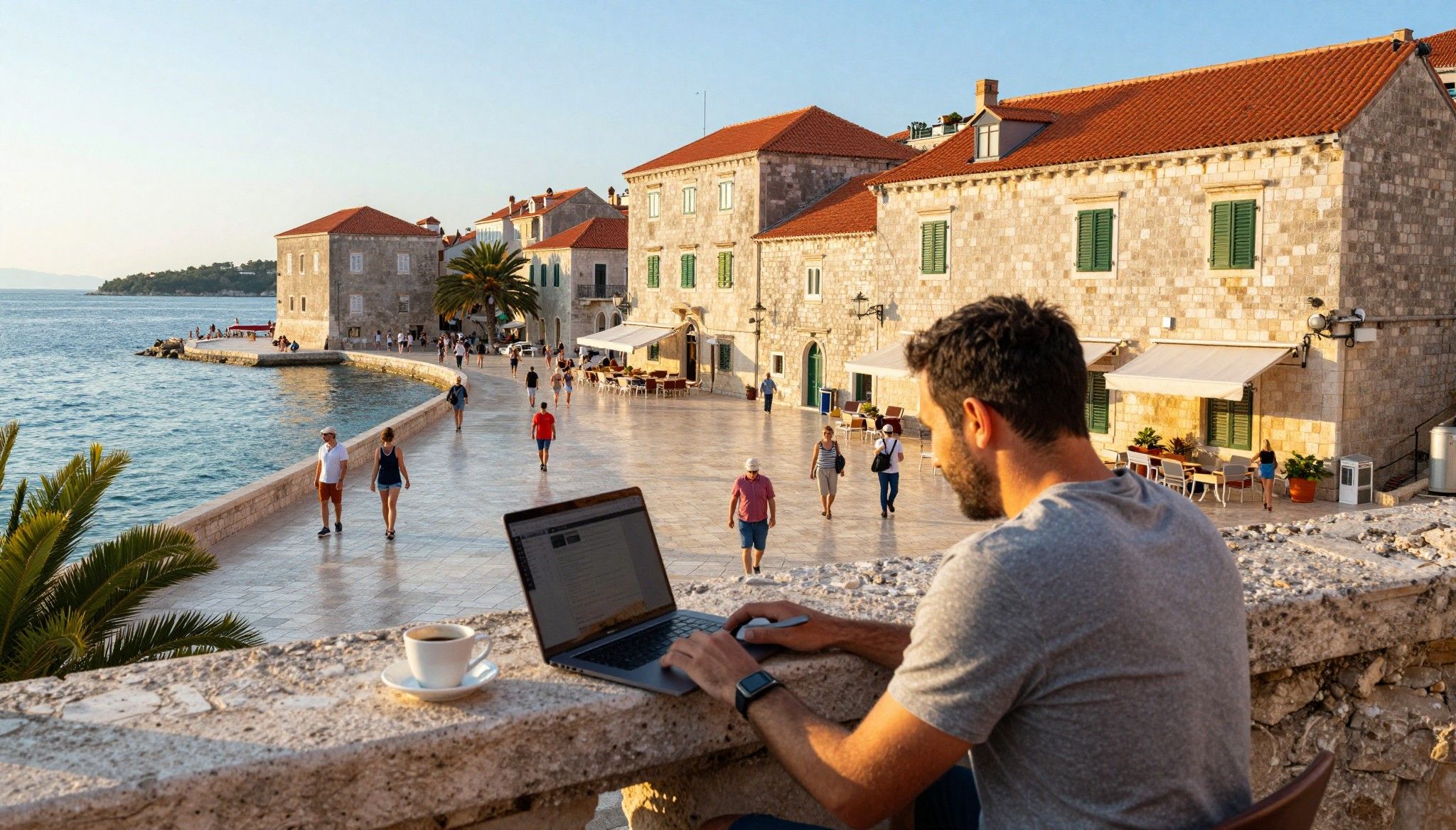
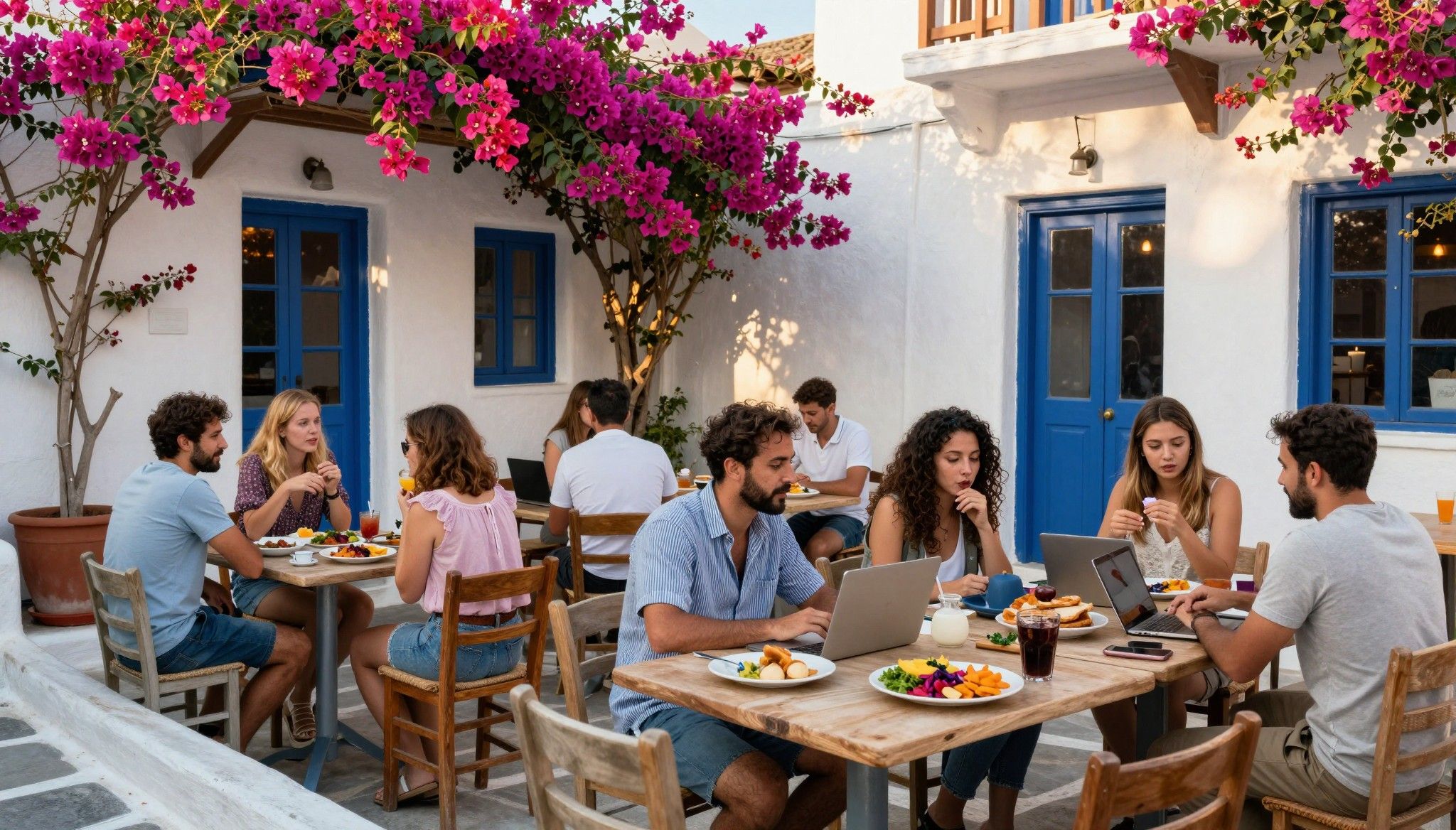
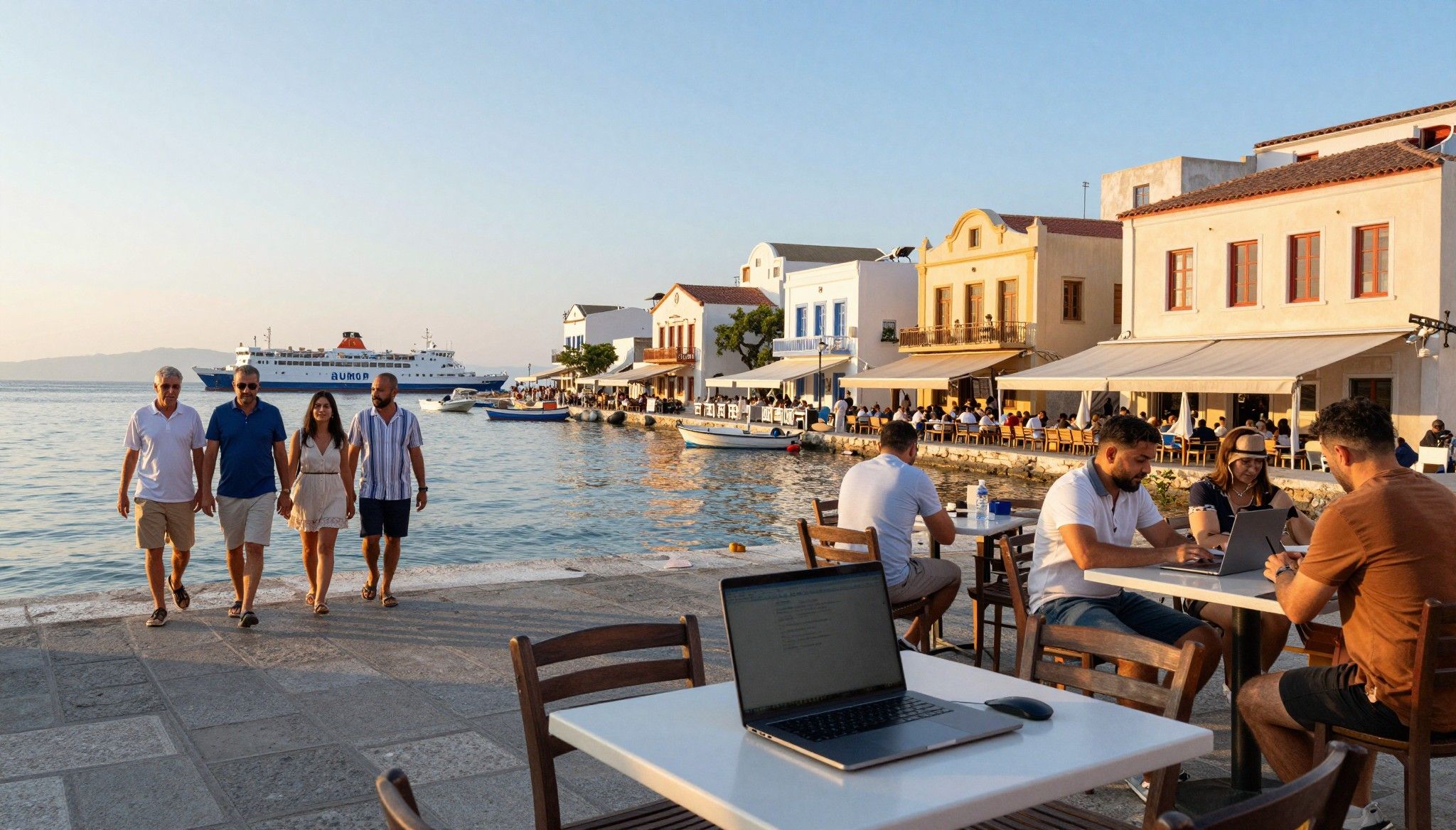
Move to Italy: Visa Routes & Neighbourhoods That Deliver
Fall in love with Italy’s daily rhythms—then match them to the right visa, neighbourhood and agent to make remote life real. Research-backed tips and sources included.
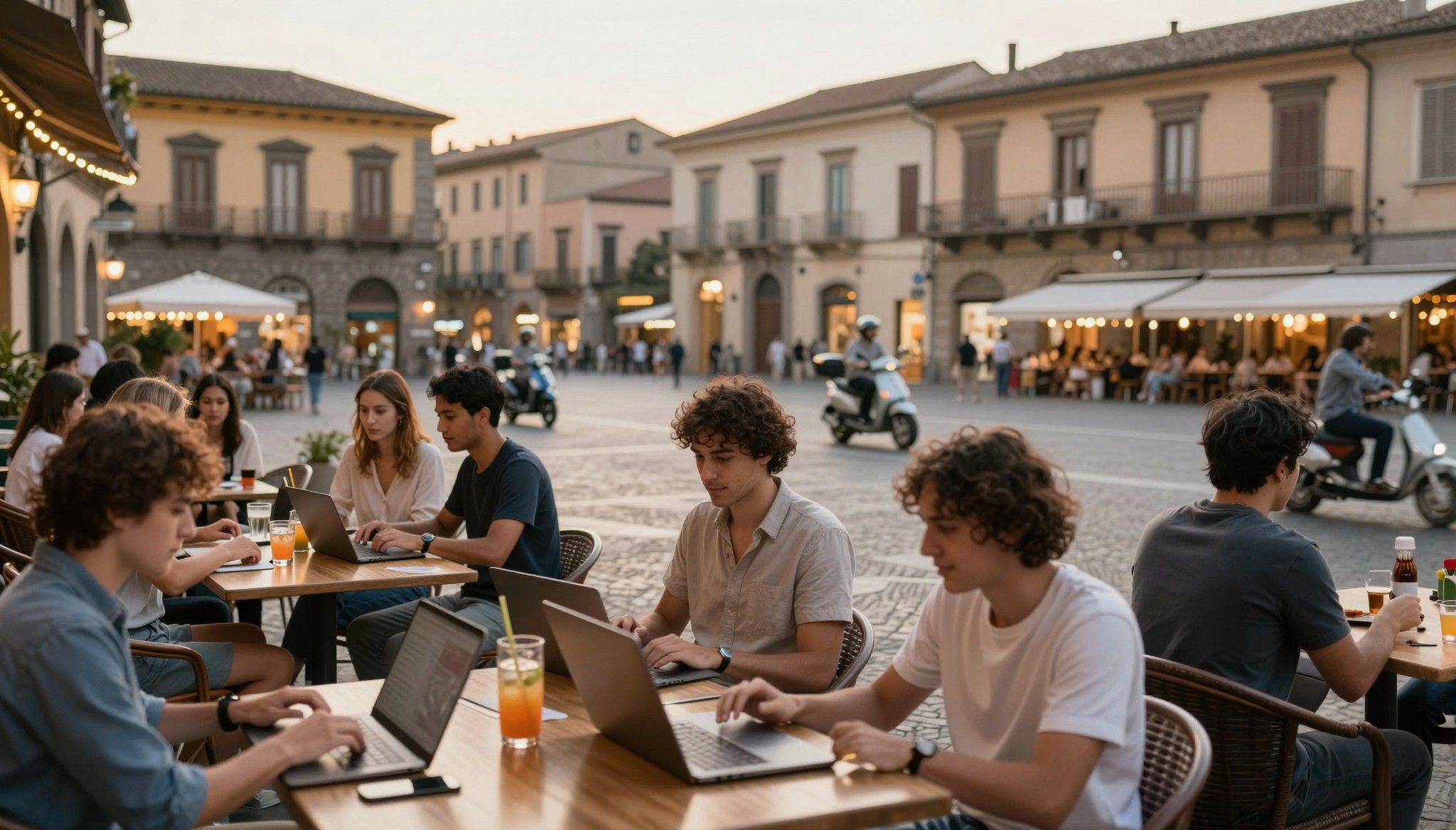
Imagine stepping out at 9 a.m., the scent of espresso and warm brioche drifting from a corner bar. In Italy your workday can start with a sunlit terrace and a reliable café signal, then fold into an afternoon passeggiata along a tree-lined piazza. This piece looks at the visas that make that life possible for remote workers and investors, and—just as importantly—exact neighbourhoods where the rhythm of daily life matches your nomad priorities: fast internet, social cafés, coworking and markets within walking distance. Read on for sensory, street-level snapshots followed by practical, research-backed steps to move, live and thrive here.
Living the Italy lifestyle: slow rhythms, instant pleasures
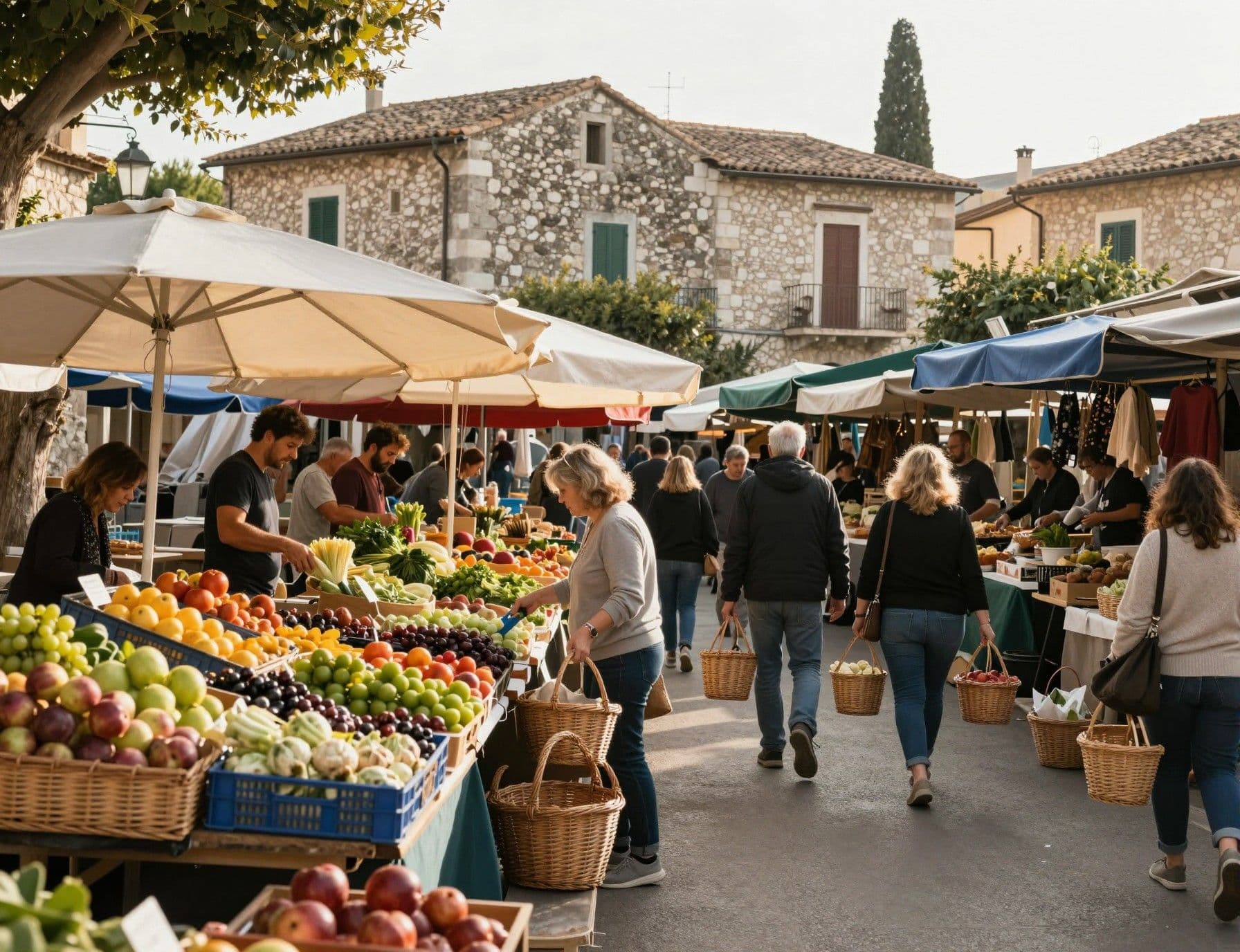
Italy is less a single vibe and more a playlist: historic centro districts with cobbled lanes, seaside towns that smell of salt and lemon, and hilltop villages where every window has a view. Mornings are for espresso and quick emails; afternoons are for markets, hikes or a siesta-like pause; evenings belong to aperitivo and long dinners. For nomads, that translates into a life where work and pleasure co-exist—if you choose the right street. Pick the wrong neighbourhood and you’ll have gorgeous views but poor connectivity; pick well and you’ll have a terrace, a reliable 100 Mbps line and a piazza where friends gather.
City pulse: Milan’s mix of design, coworking and late-night cafés
Milan is Italy’s modern hustle: boutique design studios, countless coworking spaces and late-night cocktail bars. Neighborhoods like Brera and Porta Romana give you a short walk to coworking hubs and cafes that double as remote-office spots. Expect higher rents, but also denser meetups, better English-speaking services, and fiber internet in many apartments—ideal if you trade countryside silence for a steady professional scene.
Sea and sun: Puglia and Liguria for slower days and local community
If your life needs beaches and a slower pace, Puglia’s Salento and Liguria’s Levanto or smaller towns offer a strong local community and affordable living outside peak tourist corridors. Expect seasonal spikes in summer but peaceful off-season months where you can work from a quiet terrace. Look for towns with good train links and at least one coworking café—those make the difference between an intermittent holiday vibe and sustainable remote life.
- Neighbourhood lifestyle highlights: - Brera, Milan: design shops, coworking, espresso culture - San Lorenzo, Rome: student energy, markets, late dining - Oltrarno, Florence: artisans, workshops, piazzas for remote drinks - Polignano a Mare (Puglia): cliffside beaches, slow summers - Levanto (Liguria): surf-friendly, trains to Cinque Terre
Making the move: visas, permits and what they mean for your lifestyle
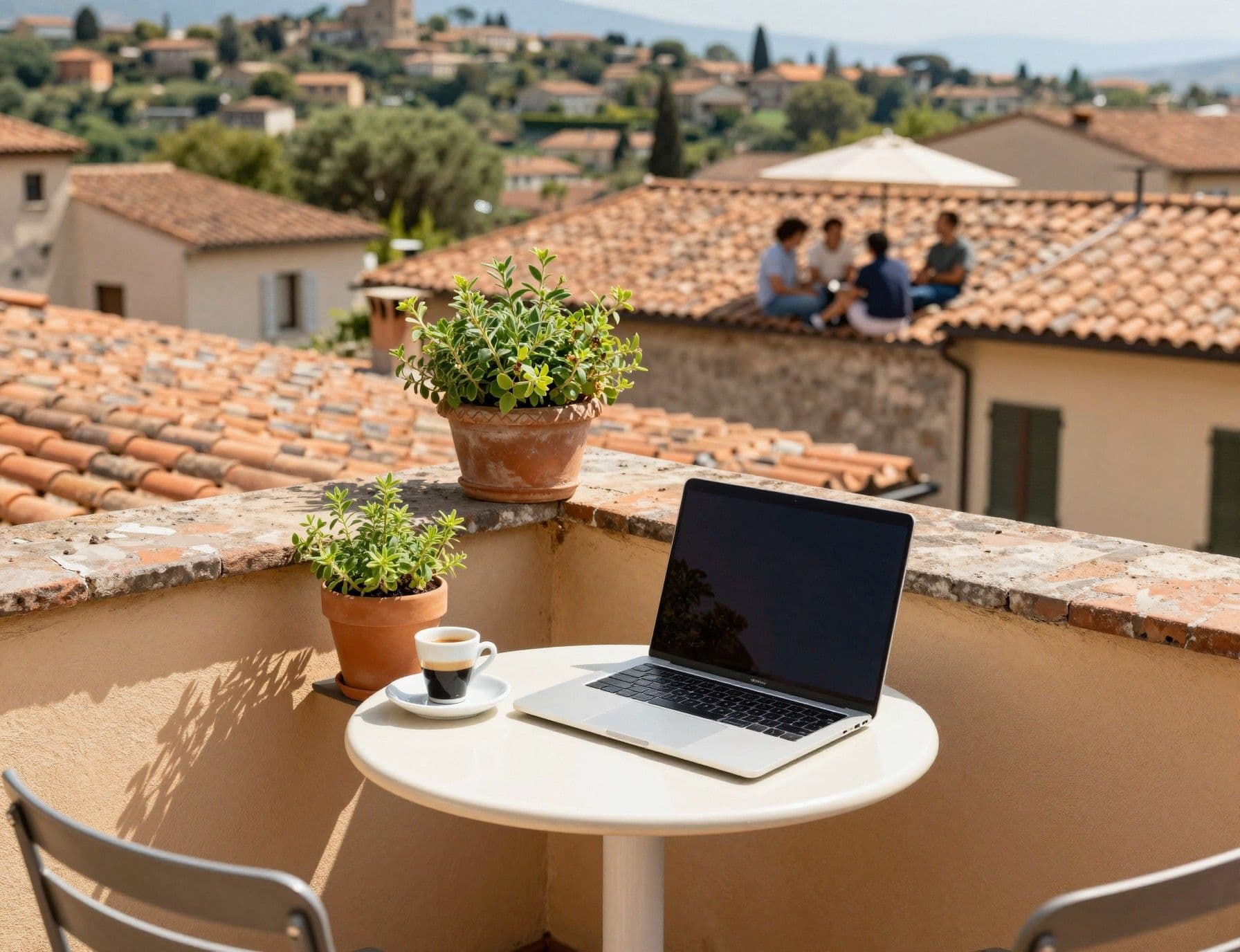
Dreaming of a long stay? Italy offers several routes—Elective Residence for financially independent people, the Investor/Investor Visa for those who can place capital in government bonds or qualified investments, and recently rolled-out frameworks for long-term remote workers or digital nomads. Each route affects where you’ll want to live: Elective residents often choose quiet, scenic towns; investors may prefer cities with rental demand; nomads chase fibre and coworking. Knowing the visa shapes your neighbourhood shortlist as much as taste and budget do.
Digital nomad and remote-work paths: what to expect
Italy has been formalising digital-nomad-friendly rules, with official guidance and pilot schemes emerging in recent years. Practically, expect document-heavy applications: proof of income, health insurance, and sometimes local lease agreements or certified e-mail registration (PEC). Families and partners may face additional steps—don’t assume immediate family reunification is automatic. For nomads, this means planning visits, lining up paperwork while abroad, and choosing towns where consulates and local questure (police immigration offices) are approachable.
- Visa-to-street step-by-step: 1. Choose visa route and confirm eligibility (income, investment, purpose). 2. Shortlist towns with fibre and coworking; check train/airport access. 3. Arrange documents (income statements, insurance, ID) and PEC if required. 4. Book consulate appointment, then apply for permesso di soggiorno after arrival. 5. Secure a rental/lease that matches visa requirements (some visas require proof of stable accommodation).
Insider knowledge: how locals live, and what expats wish they’d known
Locals organize life around weekly markets, late dinners and local festivals; neighbours know one another and small favours matter. That communal rhythm can be the best part of living in Italy, but it also means some bureaucratic tasks move at local pace. House prices rose modestly across 2024, with faster growth in the South and Islands for new-builds—use that market context when choosing between city apartment and countryside restoration. A local agent who understands both the vibe and the paperwork will save you time and heartbreak.
Cultural wins and unexpected trade-offs
- What expats wish they knew: - Language unlocks neighbourhood life; even basic Italian changes how locals treat you. - Market-seasonality matters: coastal towns are lively in summer but quiet in winter. - Historic homes charm but come with maintenance and wiring surprises. - Local banks and tax registration take time—have interim solutions for payments and healthcare.
If you’re using investment routes, remember Italy’s Investor Visa does not include direct purchase-for-residency options—investments are typically in bonds, equity or funds and must be maintained for a set period. That means property buying is usually a separate decision: think lifestyle first, investment second. Work with an agency that can recommend areas with both lifestyle fit and rental demand if you plan to offset costs by letting.
- Practical next steps for nomads ready to act: 1. Visit 2–3 candidate neighbourhoods across different regions (city, coast, countryside). 2. Test internet and cafe work spots for a week each—don’t rely on listing claims. 3. Meet local agents who specialise in expat services and ask about recent sales timelines. 4. Prepare visa paperwork in parallel with property viewings to speed entry and permit processes.
Conclusion: Italy rewards those who slow down long enough to listen to streets and neighbours, but it also rewards preparation. Pick neighbourhoods where daily life syncs with your work habits—fibre, cafés with plugs, and a local community—and pair that choice with a visa route that matches how you’ll pay and live. Work with an agent who knows both the lifestyle and the paperwork; it’s the single best way to turn an Italian fantasy into a reliable, joyful everyday.
Swedish, relocated to Marbella in 2018 to chase sun and property freedom. Focus on legal navigation and tax for Nordic buyers.