Malta: Where the Lifestyle Sells — Then the Visa Seals It
Malta’s compact Mediterranean life pairs with residency routes and a tight property market — fall for the lifestyle, then match it to visa and neighbourhood realities.
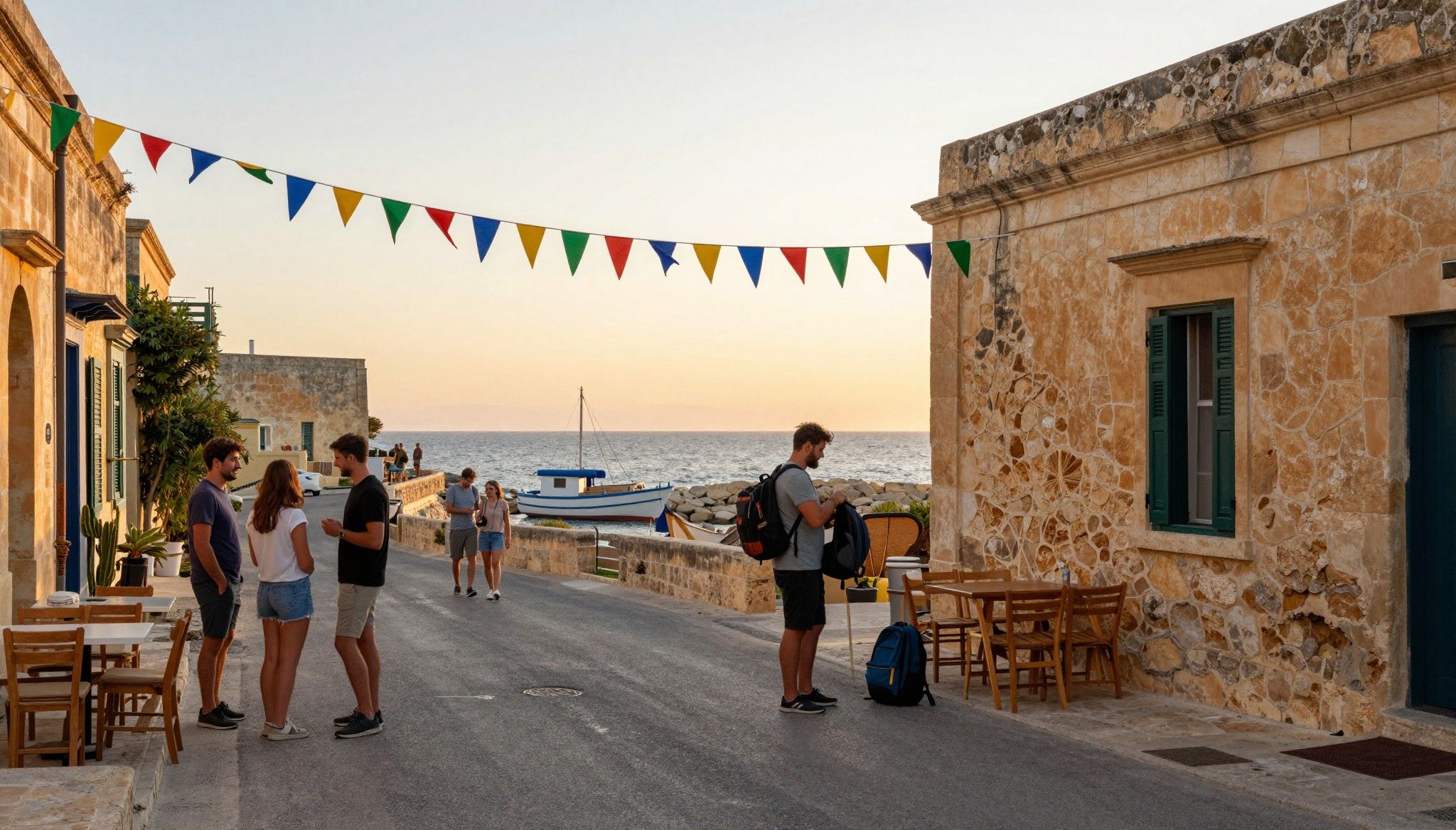
Imagine stepping out of a limestone doorway into a narrow street where a café pours a perfect espresso and a fishing boat rocks in the harbour three streets away. That compact, sun-baked intimacy is Malta — an island where a weekend can mean a market in Marsaxlokk, an evening festa in a hilltop village and a morning coworking session with Mediterranean light flooding your laptop. For nomads and remote professionals, Malta sells a life: cafes, fast ferries, and English widely spoken. But beneath the postcard charm are precise residency routes, a crowded property market and seasonal rhythms that change the way you buy. (Market snapshot cited from PwC Malta Real Estate Survey 2025.)
Living Malta: small island, big rhythms
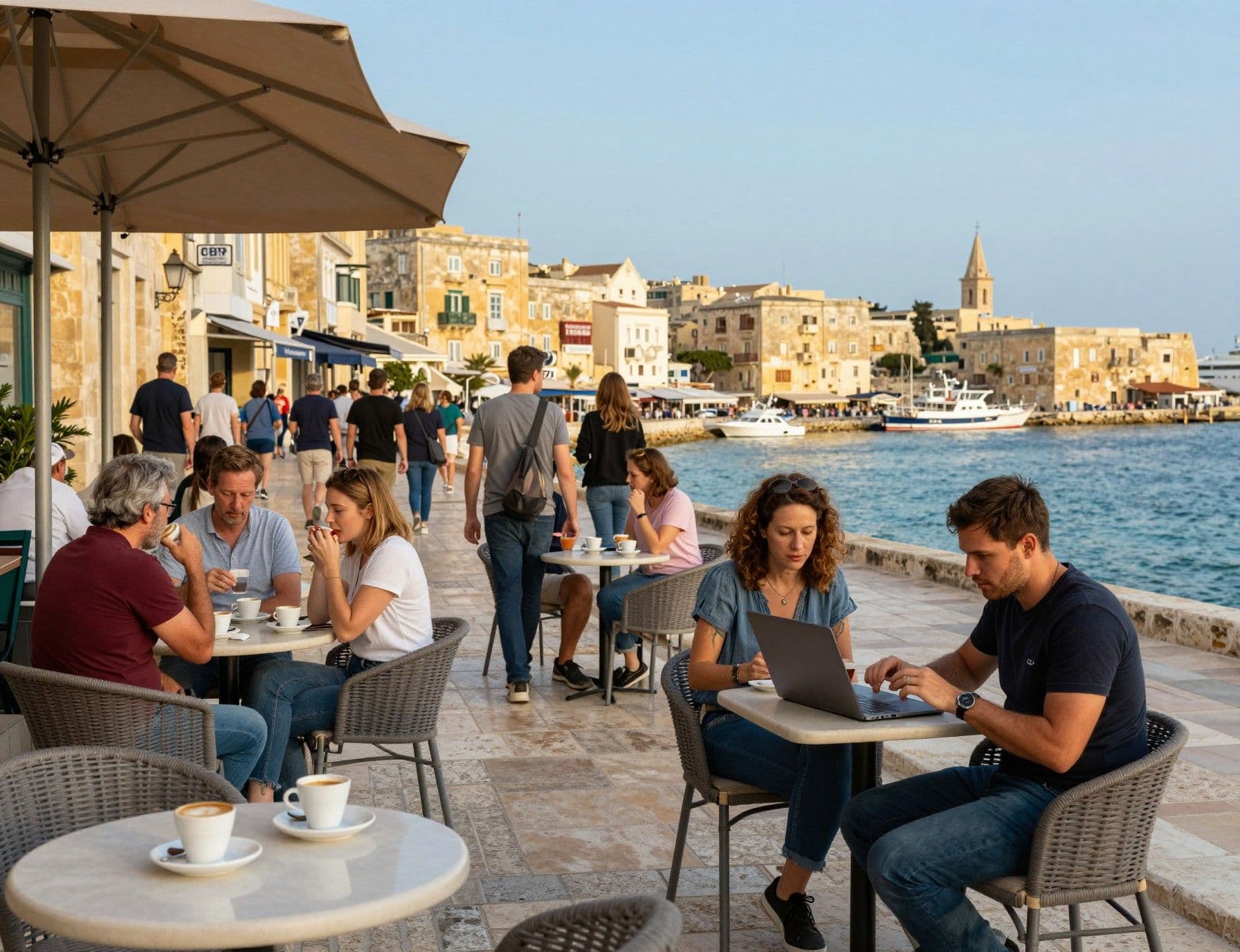
Life here moves at Mediterranean tempo. Streets pulse from morning market runs to late-night passeggiata; villages host vibrant festa seasons; and tiny beaches pack out in July. The island’s small size (easy commutes across regions) means you’ll trade sprawling suburbs for walkable neighbourhoods and layers of history in everyday life. Demographic patterns and locality lists from the National Statistics Office help explain why some towns feel buzzy and others quietly domestic.
Valletta & Strait Street: history meets espresso
Picture mornings at Caffè Cordina on Republic Street, afternoons in tiny museums, and evenings slipping into a tucked-away bar on Strait Street. Valletta is architectural theatre — baroque facades, narrow alleys and rooftops with harbour views — and living there means accepting compact apartments in exchange for unmatched centrality. If you crave culture on your doorstep and short walks to work and play, Valletta is intoxicating; if you want larger terraces or quieter streets, you'll look elsewhere.
Sliema & St Julian’s: promenade, coworking and cafés
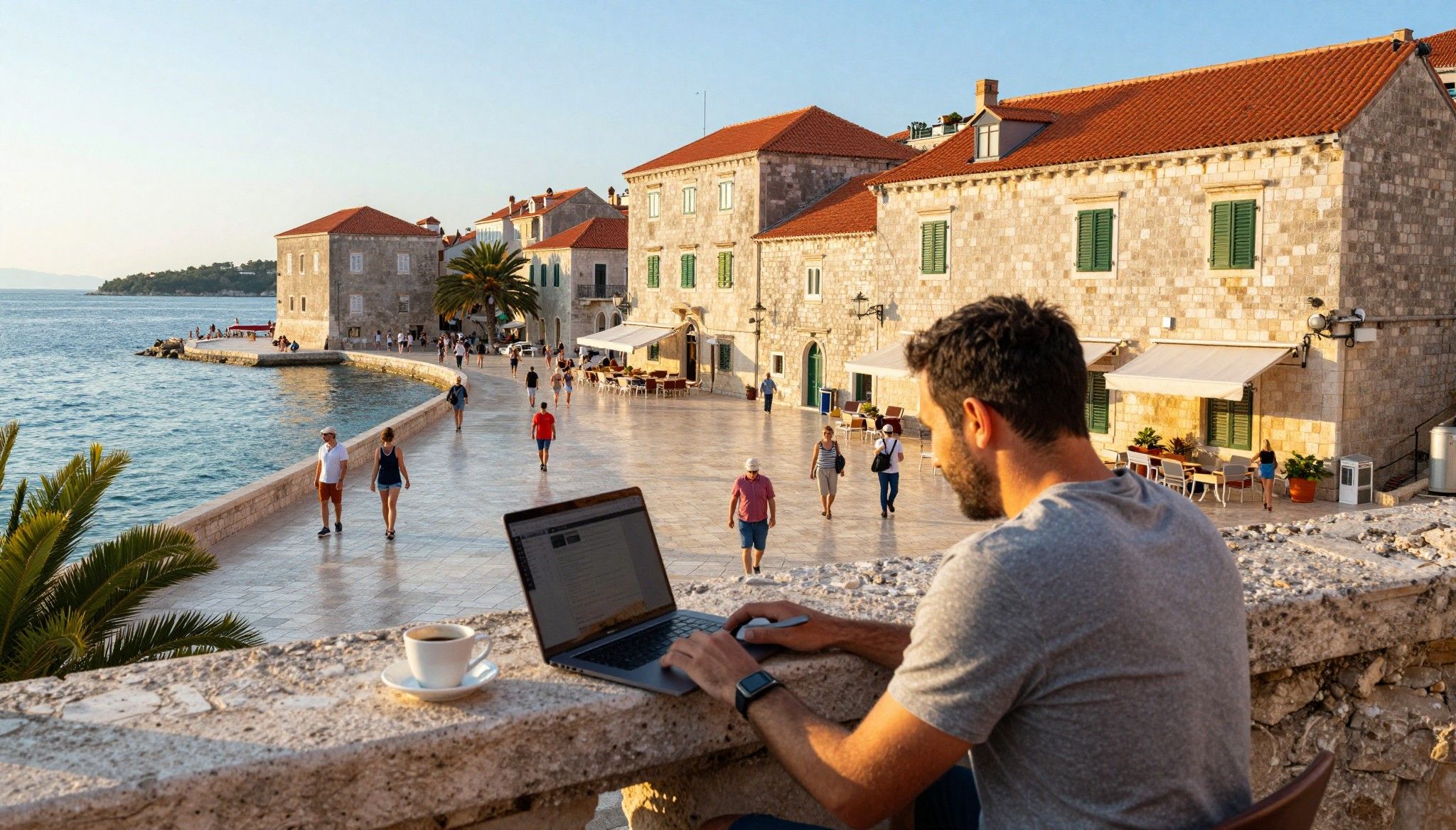
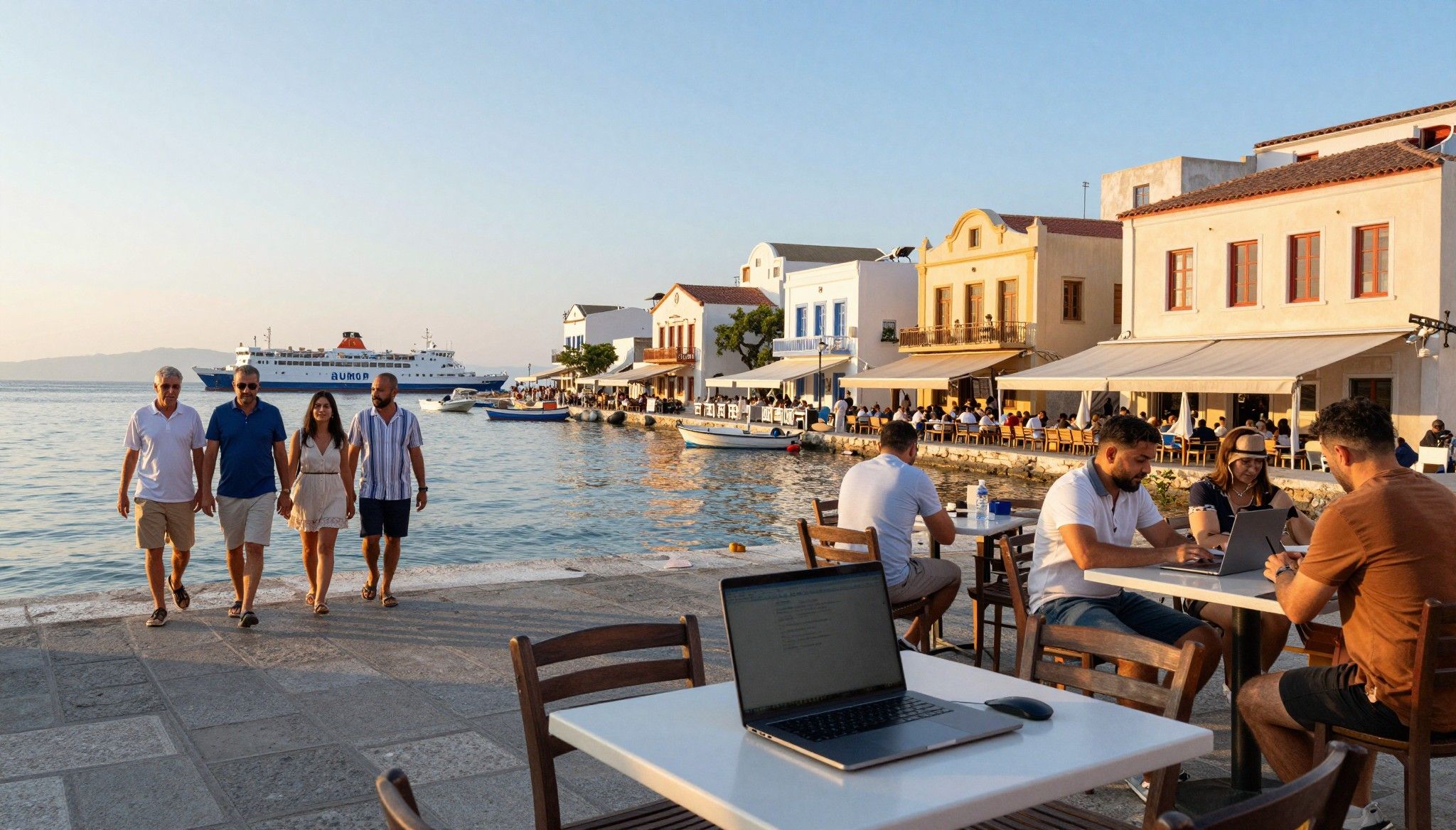
Sliema and St Julian’s are the island’s social engines — long promenades, terraces full of laptops, and a steady stream of international restaurants. These neighbourhoods are where most nomads set up base: easy coworking access, good short-term rental supply and lively after-work scenes. The vibe is younger and more outward-facing than Valletta — expect noise, nightlife and convenience alongside higher asking prices close to the waterfront.
- Lifestyle highlights: pastizzi breakfasts, sunset promenades, village festas, Marsaxlokk fish market, rooftop terrace evenings, weekend boat trips to Gozo
Making the Move: lifestyle needs meet property realities

That seaside morning dream quickly bumps into market mechanics. Malta’s limited land and steady demand mean prices and competition vary sharply by neighbourhood and property type. Recent industry analysis shows steady transaction growth and stronger gains in the luxury segment — a reminder that lifestyle choices (waterfront vs. village street) directly affect budgets and rental prospects. Use lifestyle filters first, then let market data narrow options.
Property styles & how you'll actually live in them
Malta’s housing stock spans tiny converted townhouses in Valletta, modern apartments in Sliema, purpose-built blocks in St Julian’s and stone houses in Gozo. For a nomad, priorities are internet stability, a private work nook and outdoor space. Historic homes deliver charm but often need wiring and insulation upgrades; modern flats offer plug-and-play connectivity but can feel generic. Consider rental yield trends and short-let demand if you plan to monetise your property when away.
Working with agencies who speak lifestyle, not just listings
Choose an agent who knows cafés with strong Wi‑Fi, where post offices are walkable and which parts quiet down in winter. Agencies that pair visa expertise with lifestyle scouting save you weeks of visits. They can flag seasonal nuisances (festa noise, summer crowds) and practical upgrades (double glazing, modem placement) that change daily life. Expect to ask about broadband providers, property electricity setup and neighbourhood daytime crowd patterns.
- Steps to align lifestyle with purchase: 1) List your daily non-negotiables (coworking distance, morning walk, terrace), 2) Shortlist 2–3 neighbourhoods, 3) Check advertised prices and rental demand, 4) Schedule visits outside peak season, 5) Ask your agent about renovation needs and broadband providers, 6) Confirm residency/residence-permit fit with a specialist
Insider Knowledge: expat truths and residency realities
Expats say the best surprise is how quickly a neighbourhood feels like home — a barista remembers your order, neighbours invite you to a festa. The real shock is bureaucracy timing: permits, contracts and municipal fees move at their own pace. Malta’s Nomad Residence Permit and other residency routes make living here straightforward for many nationalities, but rules and tax considerations change, so get up-to-date counsel before making offers.
Making friends, language and local rhythm
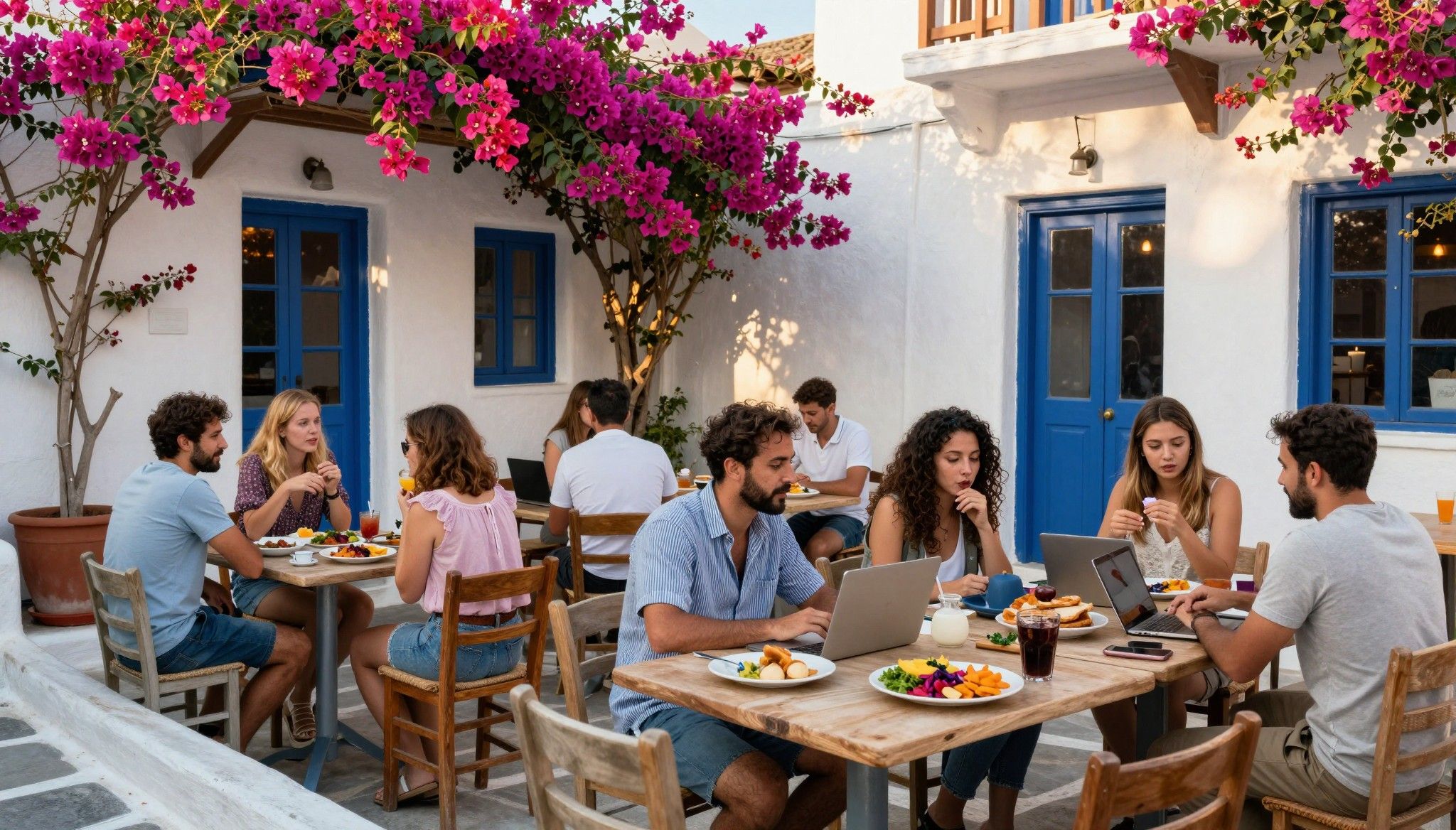
English is an official language, so daily life and paperwork are easier for many internationals. Join language cafés, co-working meetups in Sliema or tech meetups in Valletta to build community quickly. Expect strong neighbourhood identities — village festas, church bells and community clubs shape social life more than anonymous online groups. If you want deep local roots, volunteer at a festa committee or take Maltese classes to show genuine interest.
Longer-term living: what changes after year two
After 18–24 months you’ll notice different priorities: more storage, stronger heating/cooling, and a preference for quieter streets. If ambitious about residency pathways (permanent residence or special programmes), property type and location can affect eligibility and taxes. Work with a residency specialist to map how buying vs renting influences your long-term residency choices and fiscal profile.
- Red flags local buyers warn about: older apartments with poor insulation, unclear common-area maintenance, proximity to festa chapels (noise), weak mobile signal in some valleys, short-let saturation in tourist hotspots
Conclusion: Malta packages small‑island intensity with big lifestyle wins — walkable days, Mediterranean food, English-language ease and a nomad-friendly vibe. To turn the dream into a durable move: start with the life you want, validate it with local market data and residency advice, and let a neighbourhood-savvy agent handle the rest. If you can picture your morning espresso on a harbour promenade, start shortlisting streets now — and book visits in shoulder season to see Malta’s real rhythm.
British expat who moved from Manchester to Mallorca in 2017. Specializes in market analysis and helping fellow Brit navigate local regulations.