Malta: Live-First Neighbourhoods & Visa Reality
Malta’s compact island life blends Mediterranean ritual with clear residency routes; match neighbourhood vibe to visa path and test internet before you buy.
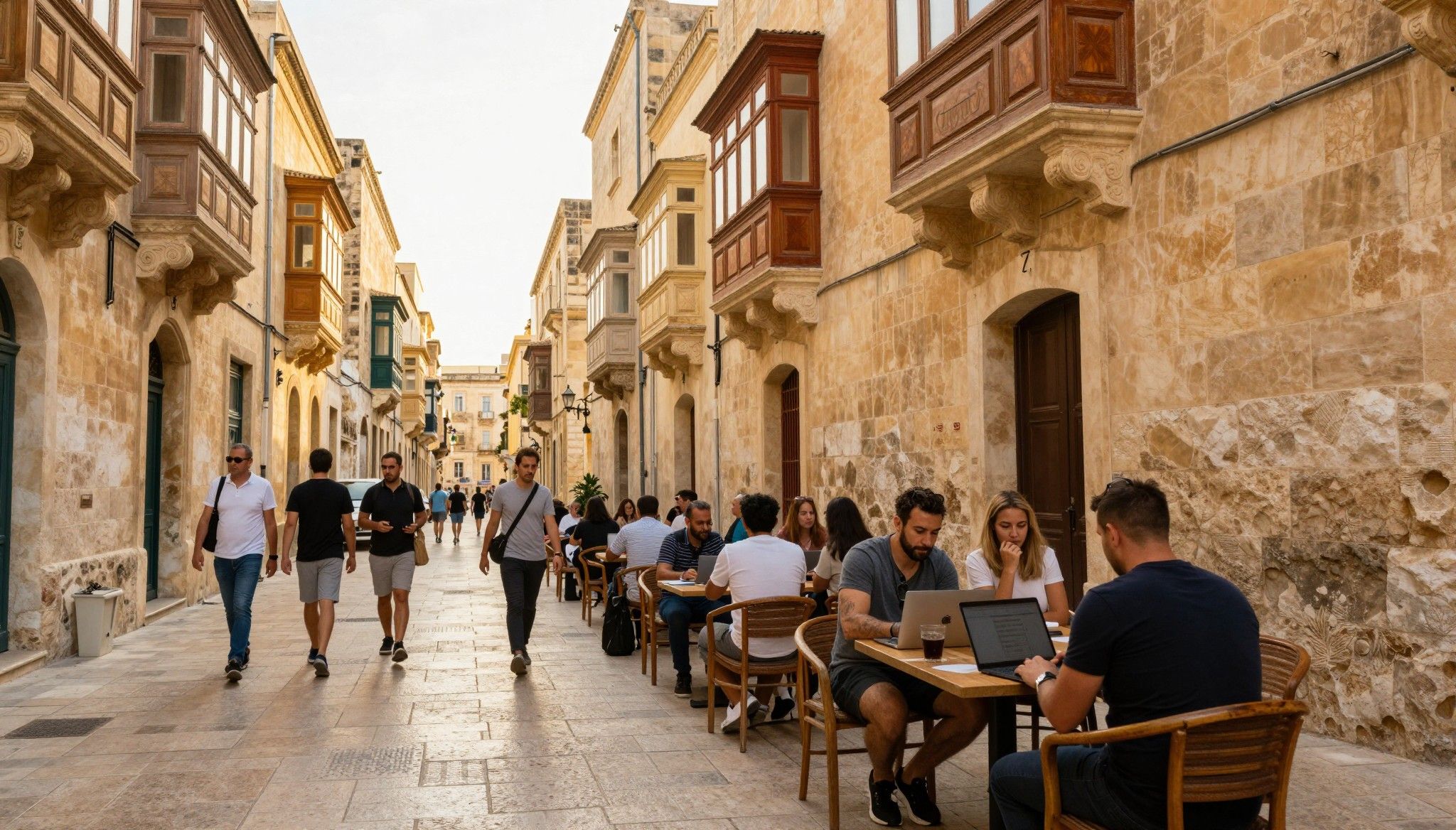
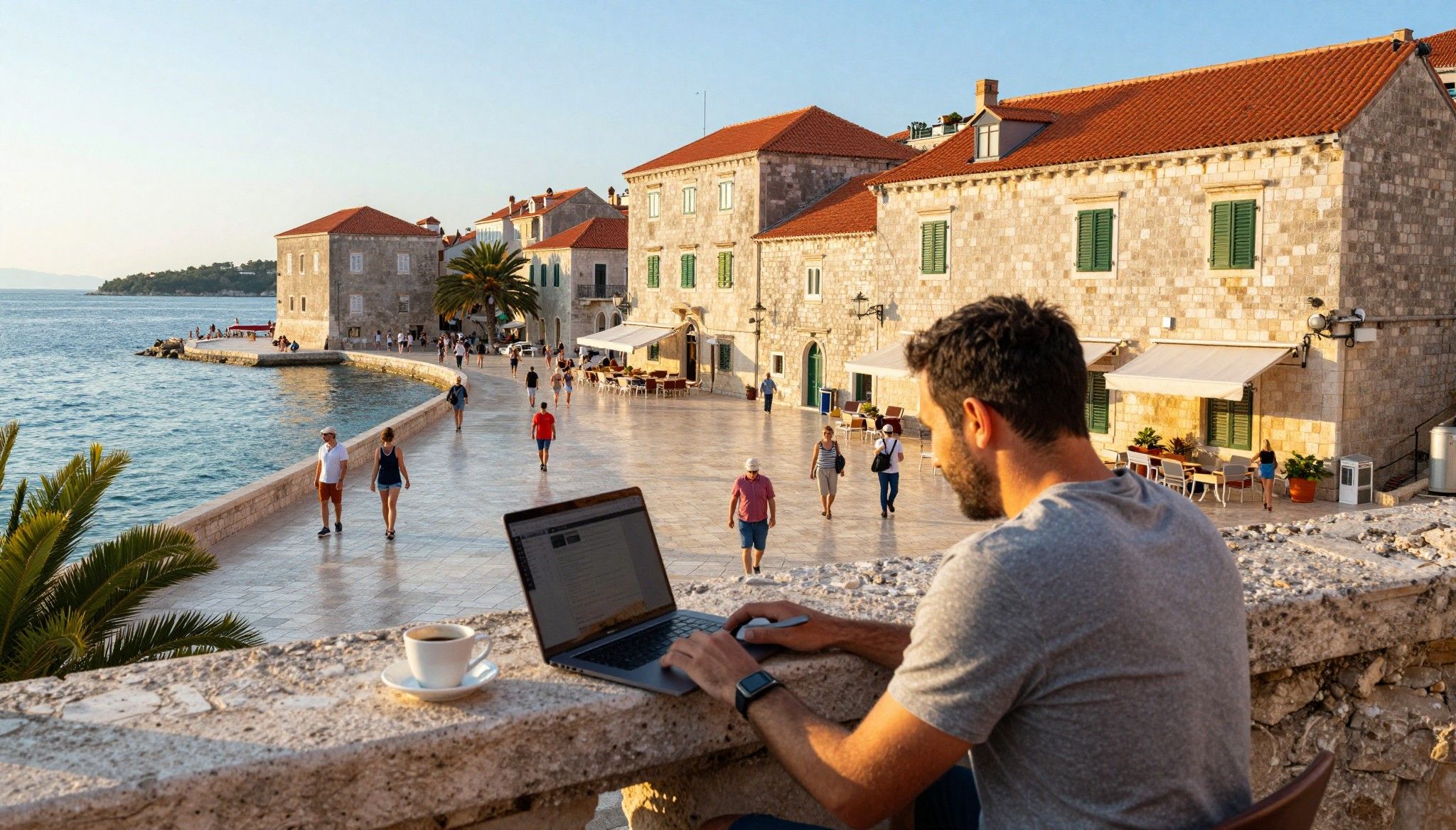
Imagine sipping espresso at a sun-baked cafe on Triq ir-Repubblika, then cycling home past limestone townhouses with wooden balconies. That compact, buzzy, very-liveable Malta — Valletta’s courtyards, Sliema’s promenades, the sleepy lanes of Marsaxlokk — is where life compresses into bright, social micro-neighbourhoods. For nomads, it’s also a place where residency options, solid English-language services and strong internet meet an unexpectedly deep property market.
Living Malta: days that feel longer and sunnier
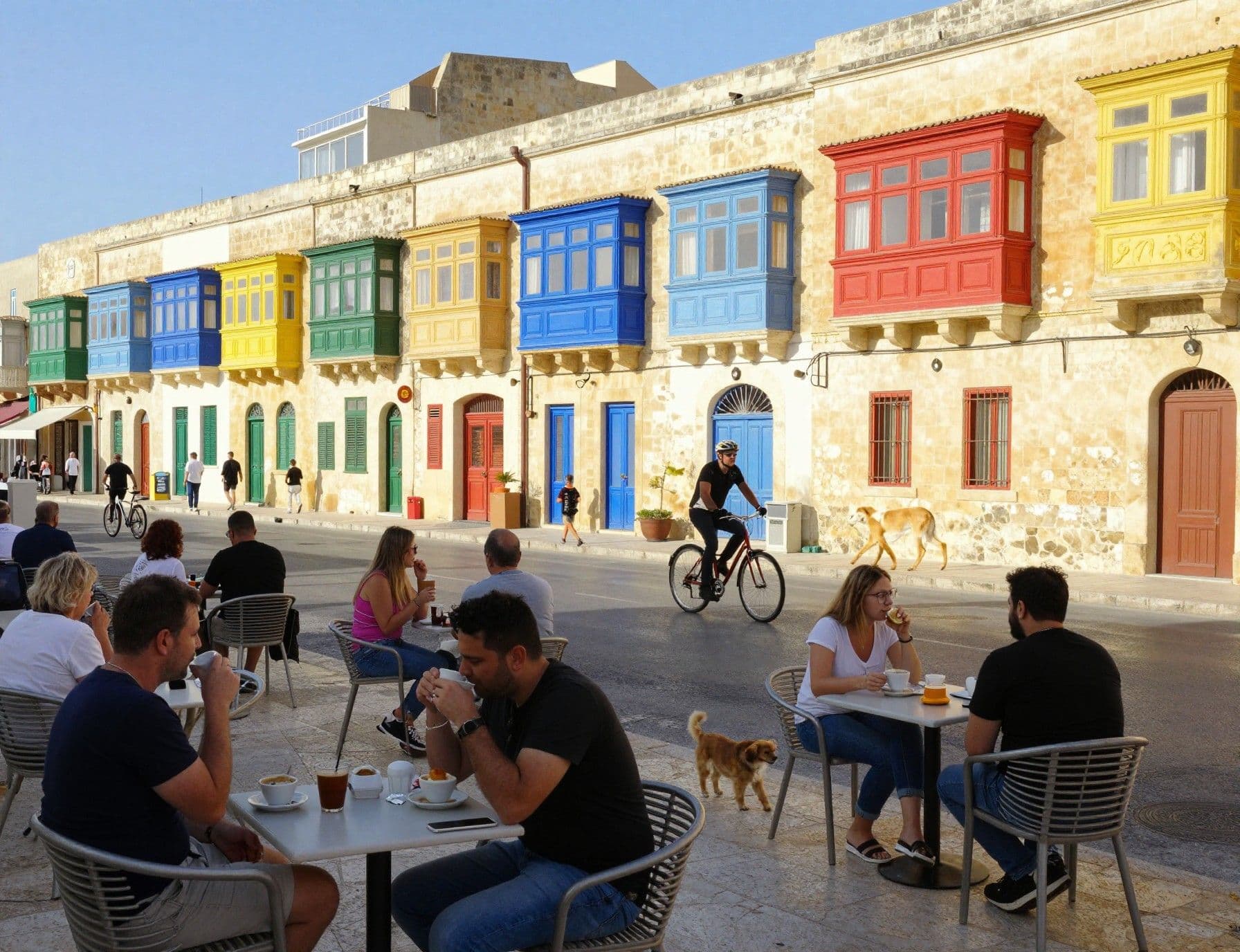
Living here means small-scale routines that feel luxurious: morning markets, lunchtime siestas in shaded squares, sunset swims off St. Peter’s Pool. Noise comes from chatter, church bells, kids on scooters and the occasional festa fireworks — not sirens. The island’s scale turns errands into walks and turns weekends into island-hopping micro-adventures.
Neighborhood snapshots: Valletta, Sliema, and the quieter south
Valletta is theatrical and historic — tight streets, boutique cafes, a real sense of procession. Sliema and St Julian’s give you waterfront walks, coworking cafes and more international life. Head south to Marsaxlokk and the Three Cities for a slower rhythm: fishing boats, neighbourhood bars and room to breathe. Each area has its own coffee spots, after-work routines and micro-community.
Food, festivals and weekly rhythms
Picture weekend markets at Is-Suq tal-Belt (Valletta’s market), evening pasta in a neighborhood pastizzeria, and summer festas where the whole street turns into a party. Seafood is central — try lampuki pie in season, or fresh grilled catch in Marsaxlokk. These rituals shape where locals buy and what properties feel alive year-round.
- Morning espresso on Republic Street (Valletta)
- Sunset swim at St. Peter’s Pool
- Sunday fish market and piazza dinners in Marsaxlokk
Making the move: lifestyle-led practicalities
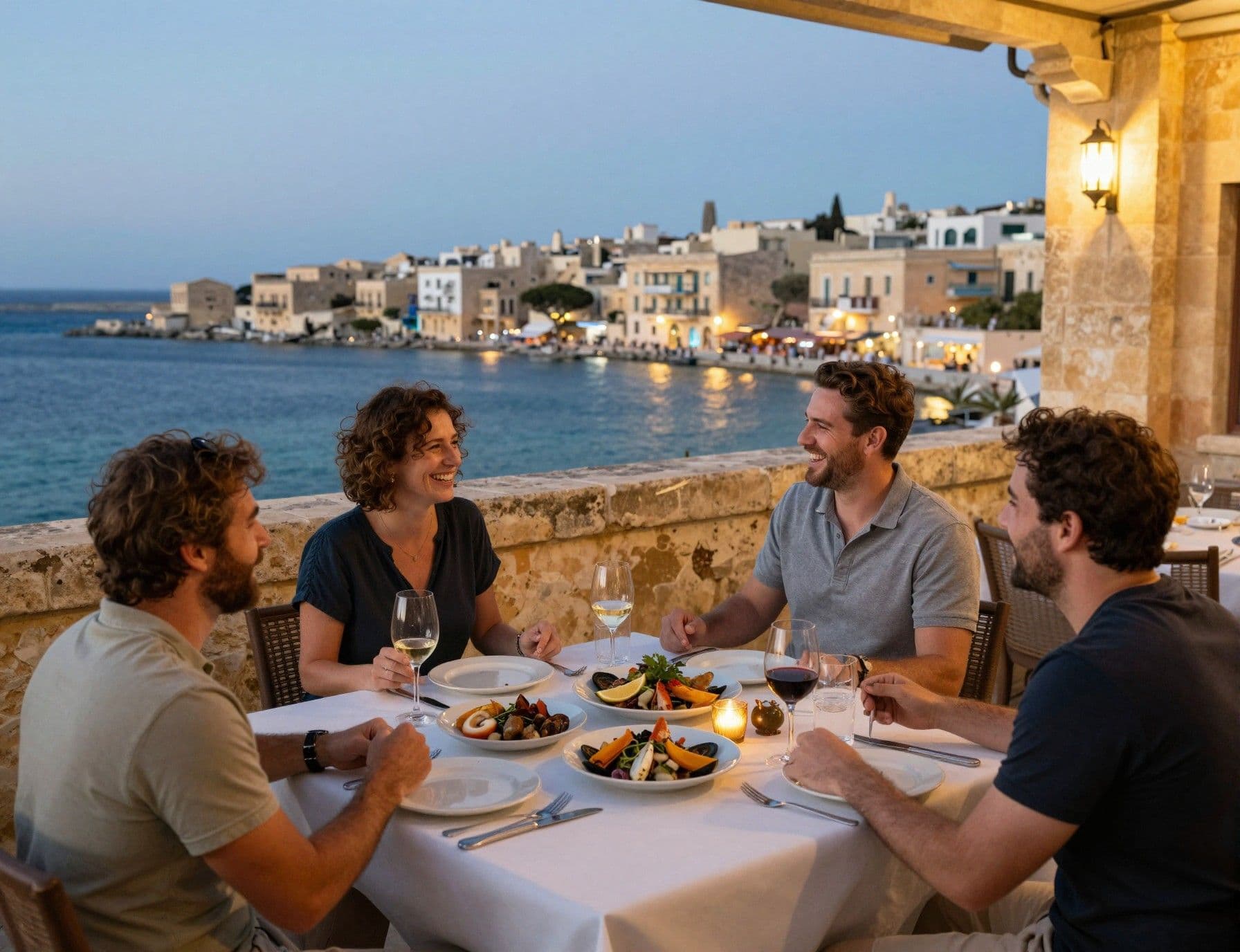
The dream of living by the sea collides with real paperwork — residency choices, rental contracts, and an island market that has been appreciating steadily. Malta offers visa and residency routes that suit nomads and longer-term residents; the Global Residence Programme (GRP) is one route for non-EU nationals, while other permits and tax schemes exist for different needs. Knowing which path matches your work pattern will shape neighbourhood choice and how long you stay.
Property types and how they fit daily life
Older limestone townhouses (in Valletta or the Three Cities) offer character, high ceilings and terraces but often need renovation. Modern apartments in Sliema and St Julian’s give convenient coworking access and better insulation. If you’re a remote worker, prioritise a bright room for a desk, reliable broadband, and outdoor space — even a tiny balcony changes how you spend afternoons.
How local agencies help match lifestyle to property
Good local agents are more than listing platforms — they introduce you to neighbourhood rhythms, suggest broadband packages, and flag seasonal nuisances (festalist noise, drainage issues after heavy rains, or summer tourist traffic). Look for agents who show you the route from the apartment to the morning coffee and to nearest coworking spaces.
- Match lifestyle with logistics: 1) Test internet speed in the exact flat mid‑day, 2) Walk the commute to your favorite cafe and coworking spot, 3) Ask the agent for past-year utility bills, 4) Check terrace/sun exposure in summer, 5) Confirm parking or public transport options
Insider knowledge: myths, timing and what expats wish they’d known
Two quick market realities: Maltese property prices have been rising, but growth is moderating — the NSO recorded a 5.6% annual rise in Q2 2025 — and transaction volumes remain active with 2024 selling momentum. That means competition in well‑loved pockets, but also pockets of value in quieter south and interior villages.
The ‘too expensive’ myth — and the contrarian pick
Malta is often labelled pricey — true in prime waterfront strips — but you get lifestyle value in lesser-known spots. Consider Luqa’s renovated terraces, St. Paul’s Bay back streets, or the hamlets around Żurrieq where you trade view-for-space and find lower entry prices without sacrificing local life.
What expats always wish they knew
You’ll want to budget for renovation surprises in older houses, peak-season noise near festa churches, and slightly higher utility costs in exposed seafront flats. Also: English is an official language — that ease accelerates integration — but local Maltese friendliness and neighborhood rituals make the difference between being a visitor and being a neighbour.
- Red flags and quick checks: 1) No official title paperwork or vague past-sale history, 2) Persistent damp or electrical quirks in older properties, 3) Lack of reliable broadband provider options at the address, 4) Overly optimistic rental-income projections from sellers
Two practical next steps: book a local walking tour with an agent who lives in your desired neighbourhood, and run the property address through a broadband availability check before making an offer. Those small actions save big headaches.
Malta can transform your week: trade long commutes for cliffside swims and late-night piazza dinners. If you’re a nomad who values community, sea air and an English-friendly island base, start with lifestyle-first visits and then bring an expert to translate that feeling into the right legal path and property. Your next step: pick a neighbourhood, test living there for two weeks, then engage a local agency for title checks and residency advice.
British expat who moved from Manchester to Mallorca in 2017. Specializes in market analysis and helping fellow Brit navigate local regulations.