Malta: Nomad Life, Residency Reality & Property Moves
Malta’s compact Mediterranean life fits digital nomads — but plan residency sensibly: nomad permits, not ‘golden passports’, and match neighbourhoods to your daily routine.
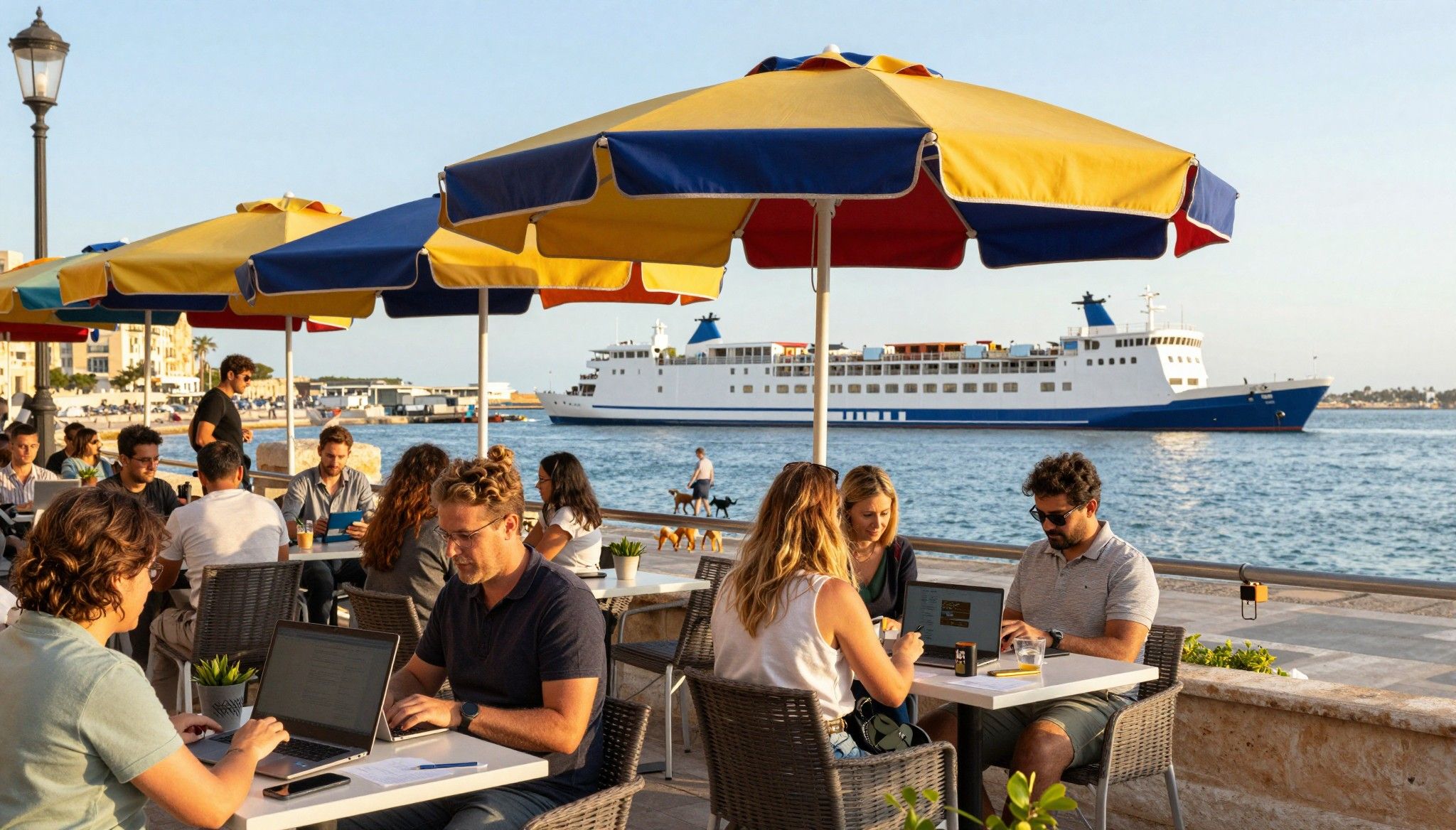
Imagine sipping a morning espresso on a limestone balcony in Sliema as ferries chop through turquoise water, then walking five minutes to a coworking space with stable fibre and a sea view. Malta is compact, sun-drenched and ridiculously walkable — a place where medieval streets sit beside modern cafés and remote work life blends with centuries of ritual. For nomads and international buyers, that blend is the attraction: cultural texture that fits a laptop lifestyle plus residency routes that actually work. But loving Malta and buying in Malta are different things; this piece mixes the day-to-day joy with the practical passport-and-property moves you’ll need.
Living the Malta life
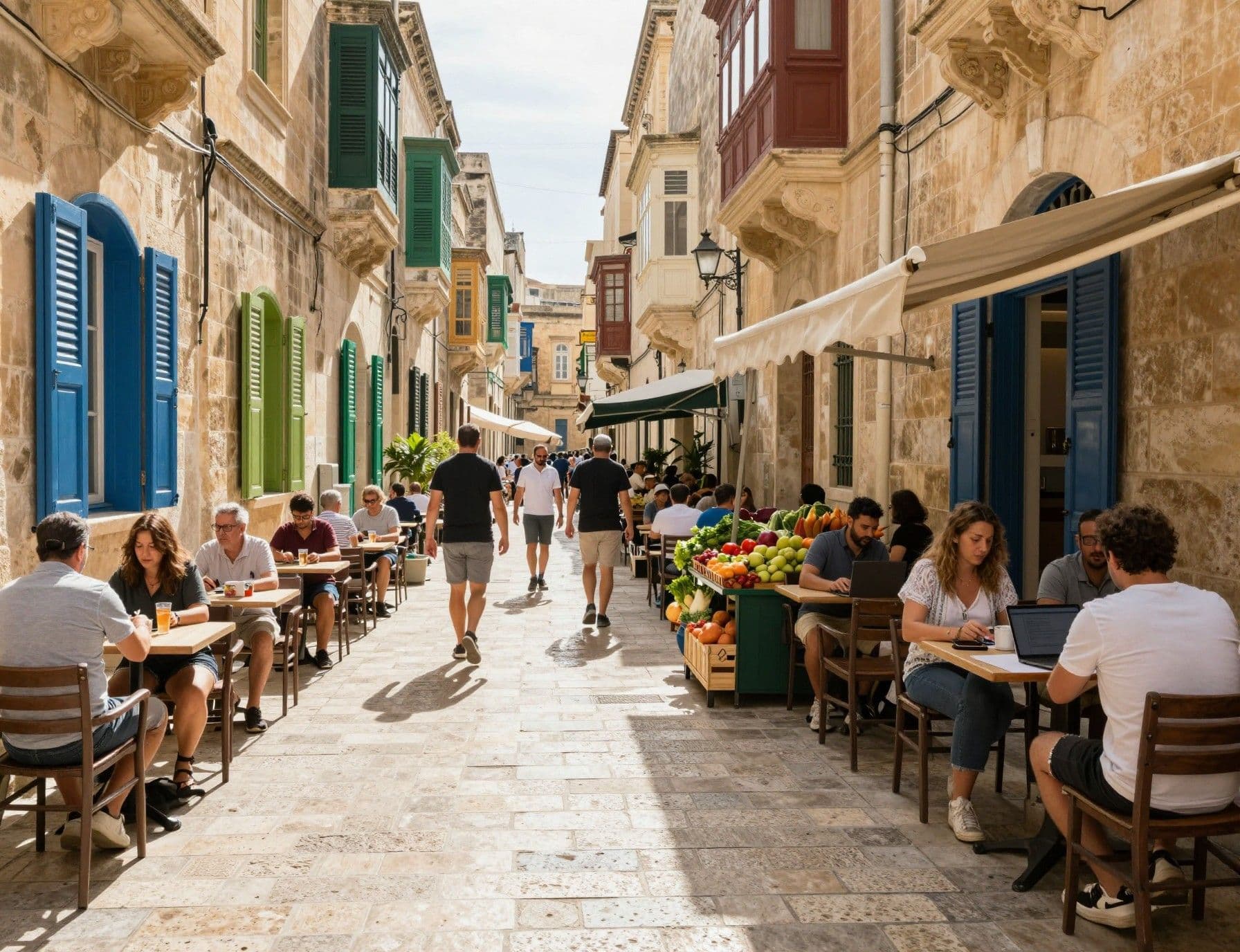
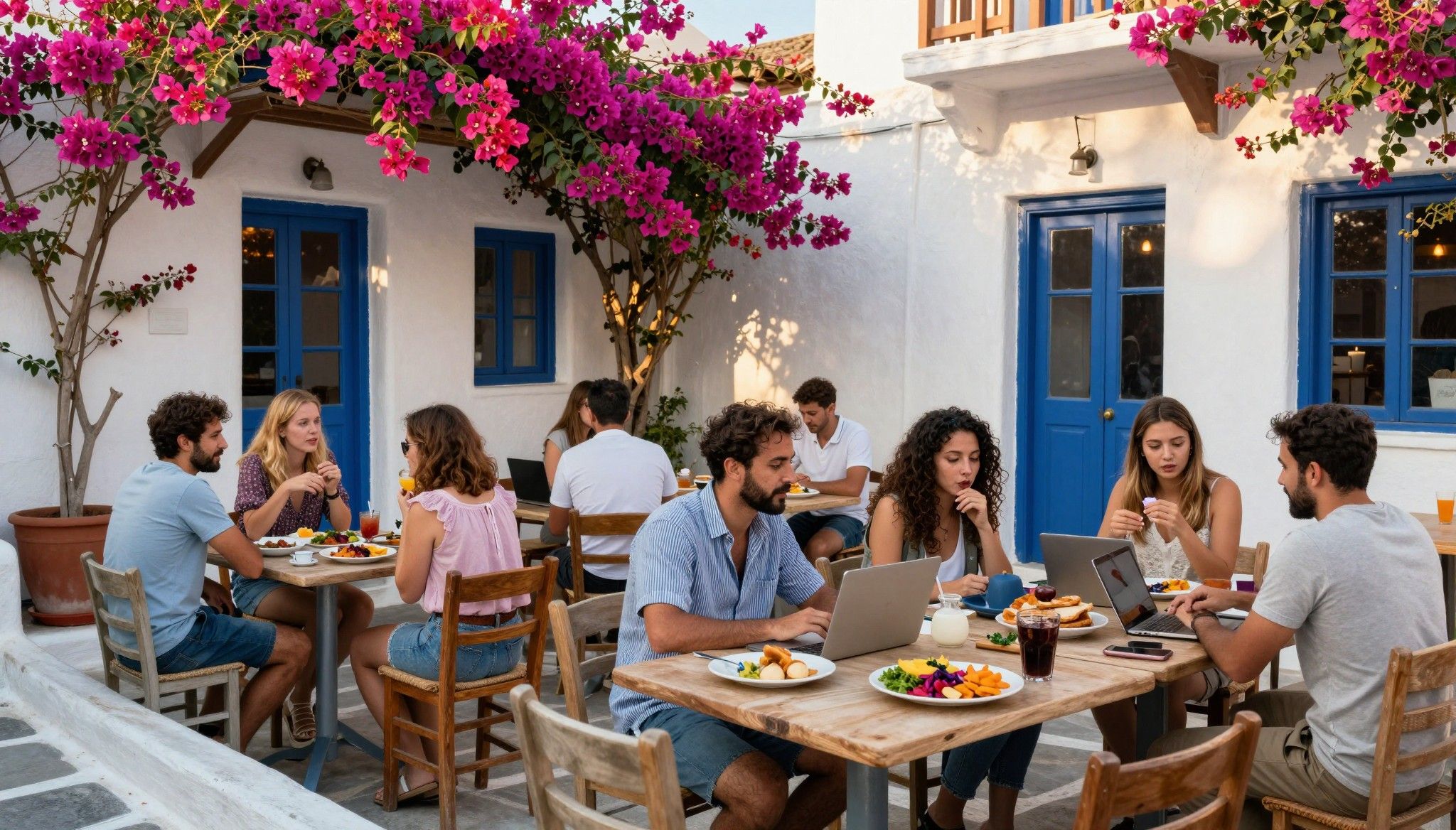
Malta’s rhythm is Mediterranean and intimate. Days begin with market noise in Marsaxlokk, meze on narrow Strada Stretta in Valletta at lunch, and evenings on rocky west-coast terraces watching sunset over the Ġnejna cliffs. Streets are limestone and history; cafés double as impromptu offices; beaches alternate between pebbled coves and hidden swimming ladders. There’s an English-speaking ease, but Maltese traditions — festas, band marches, late-night pastizzi runs — give life texture you’ll learn to crave.
Neighbourhood Spotlight: Valletta, Sliema, and St Julian’s
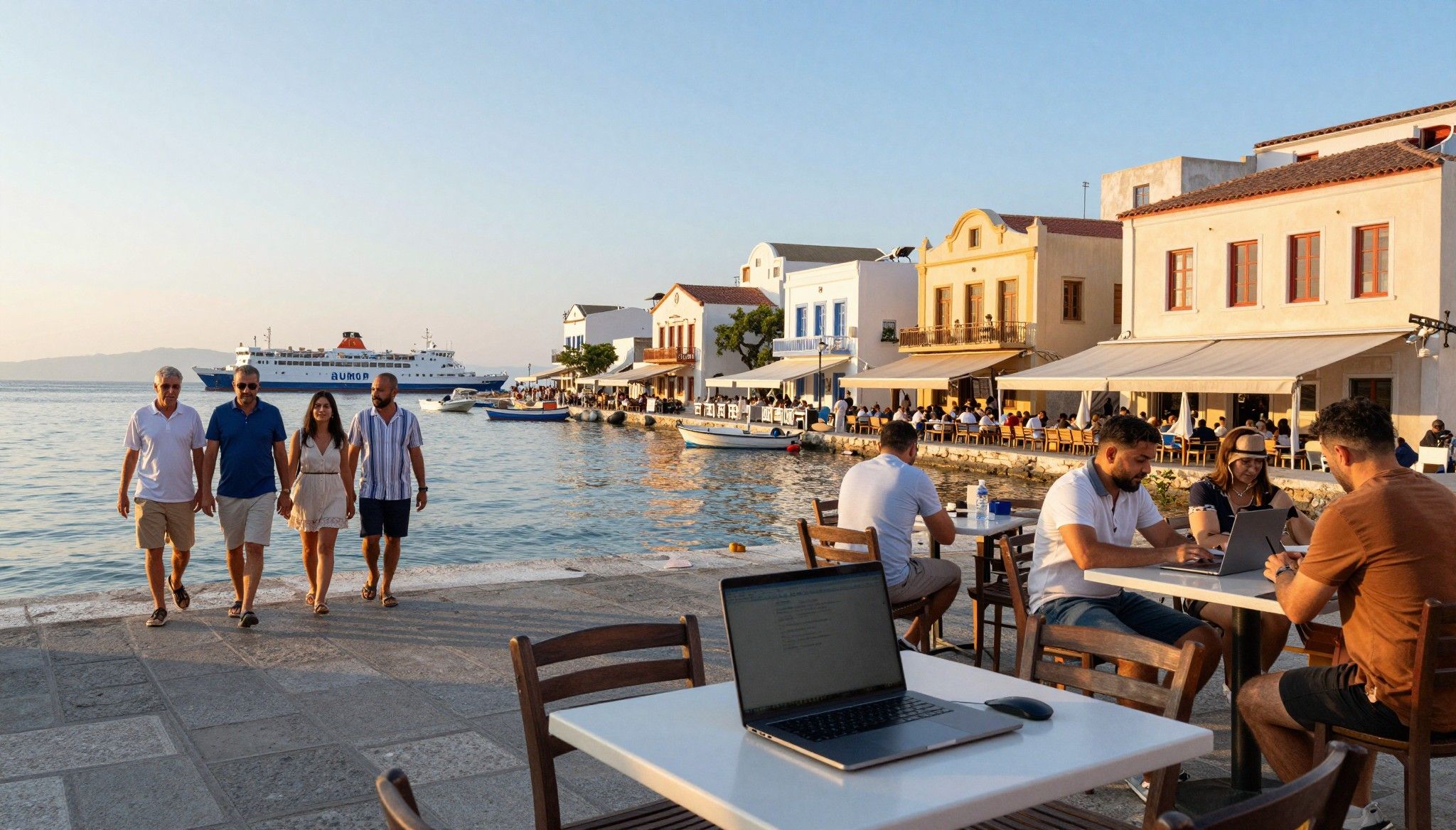
Valletta is cinematic: baroque facades, tiny grocers, and front-door palazzos where history is wallpaper. Sliema is the cafe-and-commute hub — excellent for daytime coworking and seafront runs — while St Julian’s (especially Spinola Bay) is where nightlife, restaurants and serviced apartments meet. Each area has a different pulse: Valletta for slow aesthetic mornings, Sliema for productive afternoons, St Julian’s for social evenings. Pick the vibe first; the property you choose should match the life you want to live.
Food, markets, and weekend rhythms
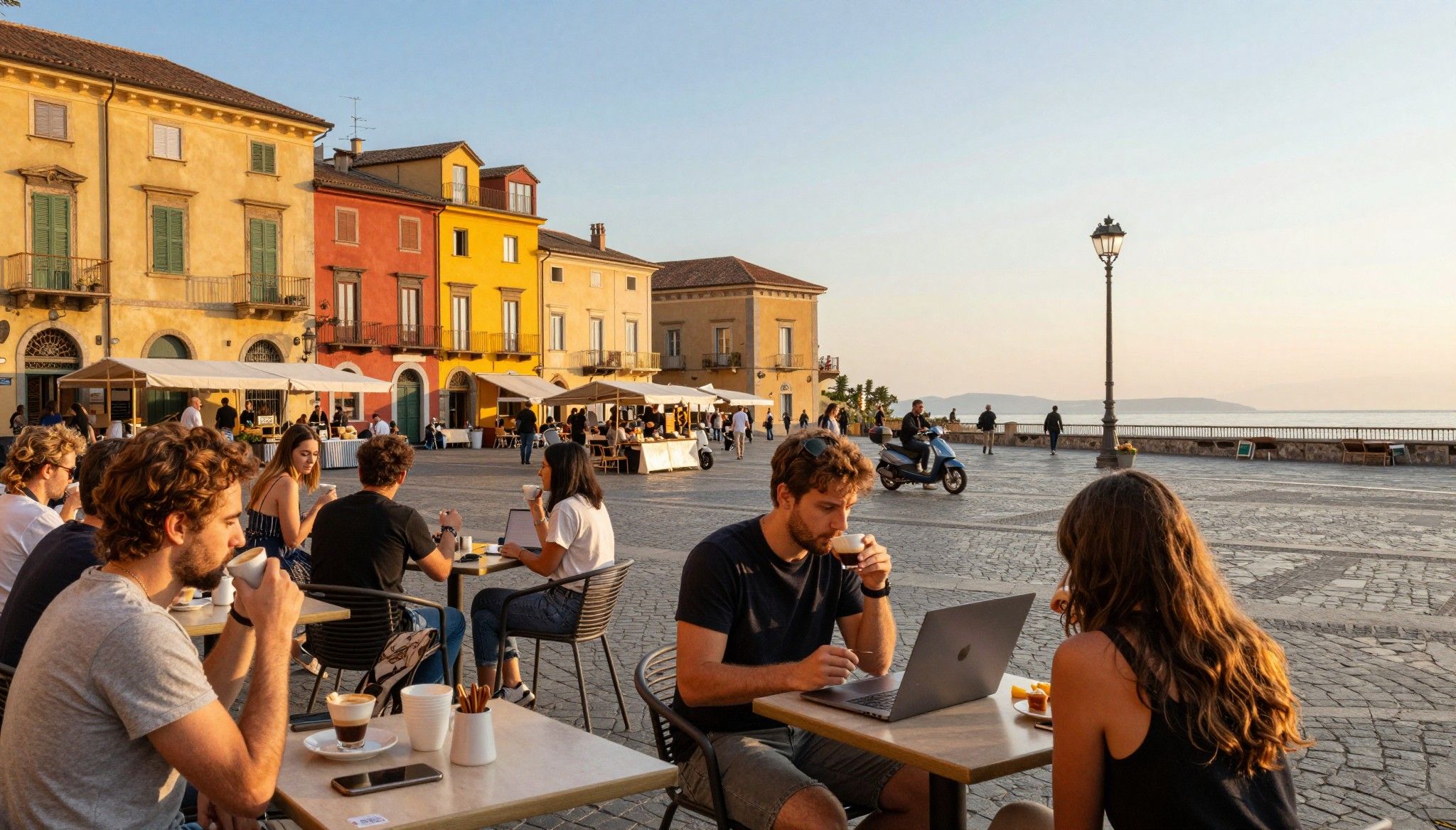
Weekends are for markets, sea swims and family festas. Marsaxlokk’s fish market is ritual; pastizzi stalls are a breakfast constant. For nomads, the beauty is flexibility: a morning of focused work, an afternoon dip at Golden Bay, and a rooftop aperitivo in Gzira as the light softens. Practical note: many locals close for festa afternoons in summer, so plan calls around local rhythms.
- Lifestyle highlights to scout
• Morning espresso on Republic Street, Valletta • Remote-work friendly cafés in Sliema (think reliable wifi and plugs) • Sunset swims at St Peter’s Pool and Għajn Tuffieħa • Fresh fish brunch in Marsaxlokk market • Weekly meetup at The Hub Malta or a local coworking event • Hidden lanes of Mdina for quiet weekend exploration
Making the move: lifestyle-aware practicalities
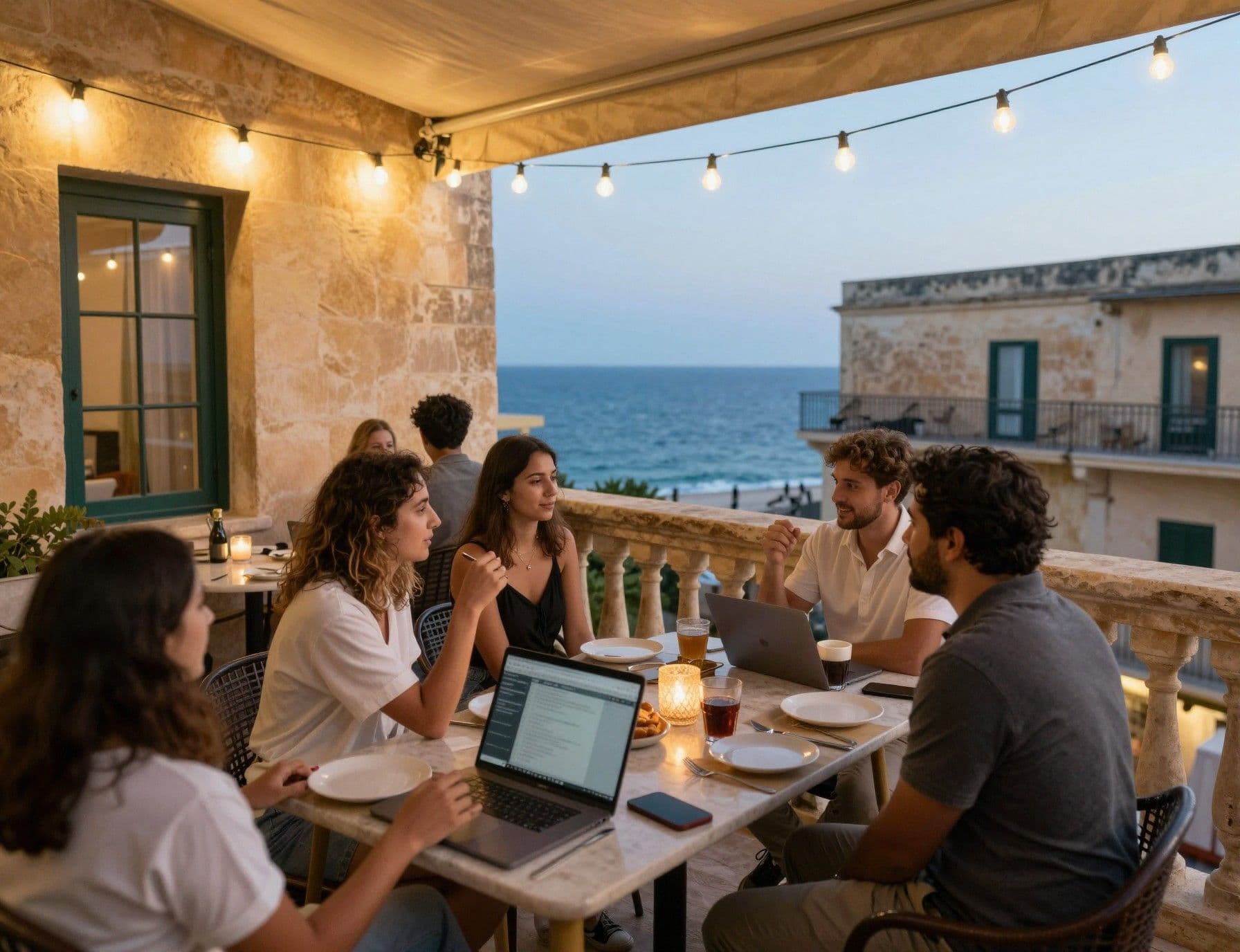
Loving the lifestyle is step one. Step two is checking reality: Malta’s property market has been firm — official Residential Property Price Index releases show steady price growth — so supply, location and timing matter. The islands are small; prime coastal and historic addresses are finite, and demand from expats and locals pushes premiums in certain pockets. Understand neighbourhood micro-prices before you fall in love with a view.
Property types that match nomad life
Apartments near seafront promenades are popular: compact, sunny, easy to maintain and perfect for someone who values experience over square metres. Maisonettes (two-level flats) are great if you want a private terrace for morning calls. If you crave quiet and gardens, look to the quieter villages in the south or to Gozo — expect slower internet and more renovation work but better value and space.
Working with local experts (the lifestyle filter)
A good local agent knows which streets stay quiet in summer, where fibre is already installed, and which landlords accept longer-term remote workers. Ask agencies for three things: recent listings they sold in your target area, evidence of broadband speeds, and references from other international buyers. Agencies aren’t just sellers — they’re your translators to local life and red tape.
- Steps to align lifestyle with purchase
1. Spend at least two separate weeks scouting in different seasons (spring and late summer) to feel true rhythms. 2. Test internet from potential homes and nearby cafés before bidding. 3. Verify proximity to coworking spots and expat meetups to avoid isolation. 4. Factor restoration costs for older limestone properties — they look charming but need work. 5. Ask your agent about rental demand if you plan to let when away.
Insider knowledge: visa routes and the residency reality
Malta has been actively courting remote workers: the Nomad Residence Permit, launched in 2021, created a simple path for digital nomads to live legally and pay tax under defined rules. The permit has evolved, with practical tweaks to length of stay, tax treatment and documentation — making temporary relocation straightforward for many nationalities. Meanwhile, citizenship-by-investment programs have been curtailed by EU-level rulings, so don’t assume a fast track to citizenship exists; plan residency as the realistic route.
What nomads and buyers often get wrong
Many expect a ‘golden passport’ shortcut; that’s outdated. The European Court of Justice has forced a rethink of Malta’s citizenship-by-investment models, so buyers should focus on legal residency paths like the Nomad Residence Permit, Malta Permanent Residence Programme alternatives, or long-term rental-to-purchase strategies. Don’t buy expecting nationality — buy for lifestyle and long-term residency steps instead.
- Visa-friendly buying tips
• Confirm the residency route that matches your situation (nomad permit vs. residence applications). • Use property ownership to demonstrate ties for some permit applications — but get legal advice first. • Keep clear records of income and contracts if applying as a remote worker. • Budget for translation and certification costs for documents from your home country. • Don’t assume quick citizenship — plan moves around residency timelines.
What expats wish they’d known
Expat life in Malta is joyful but textured. Internet is generally good in urban areas but can lag in village pockets; renovation costs for limestone buildings add up; and festa days or siestas can interrupt services. The market’s tightness means move-fast or pay for certainty. Most expats say: spend time in the neighbourhood, make local friends at a band club or café, and hire an agent who won’t sell you the view over your day-to-day needs.
Long-term lifestyle and resale thinking
Malta’s property market has shown steady growth, so think beyond instant joy: consider rental demand during tourist peaks, the appeal of a property to other nomads (fast internet, desk space, outdoor spot), and maintenance realities for older buildings. If you might resell later, prioritize practical upgrades that appeal globally: high-quality glazing, reliable broadband, and flexible layouts.
Ready to fall in love without getting blindsided? Start by visiting in two seasons, testing work-from-home life from a few neighbourhood cafés, and asking prospective agents for fibre-speed proofs and recent sales records. Focus on lifestyle fit first, then lock in the legal and financial steps with local counsel. Malta rewards those who come curious and prepared — it’s small enough to learn fast, and beautiful enough to stay.
Dutch investment strategist guiding buyers to Greece and Spain; practical financing, tax, and portfolio diversification.