Title Checks, Taxes & Land Registry: Buying in Croatia
How to match Croatia’s sunlit lifestyle with legal certainty: title checks, taxes, land‑registry steps and local tips to protect your dream home.
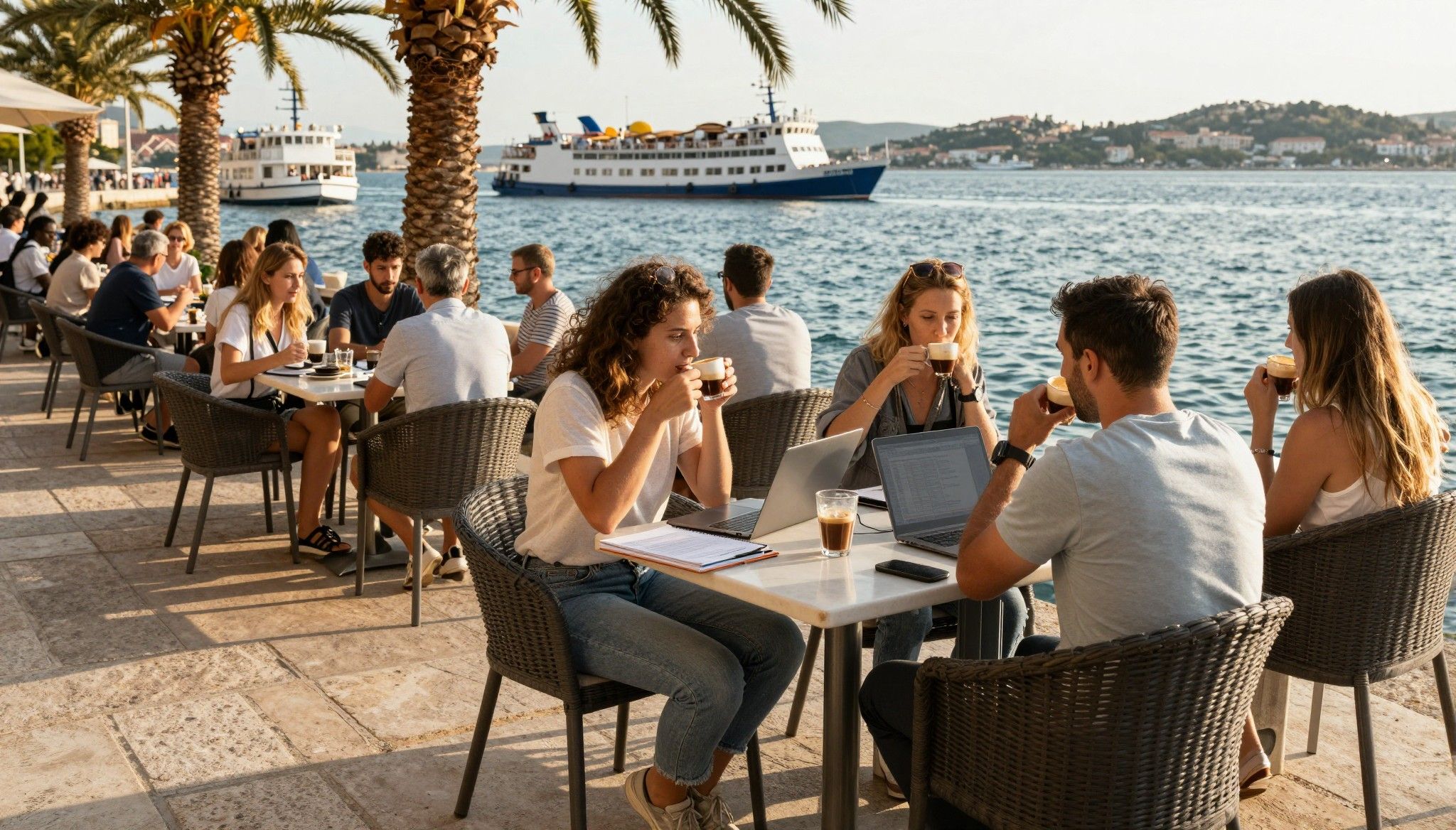
Imagine an espresso on a sunlit terrace in Split, the Adriatic glinting off tile roofs as a neighbor waves and your laptop hums with a reliable 200 Mbps connection. Croatia is that rare place where morning markets, medieval streets and island ferries sit comfortably next to fast internet, coworking spaces and an expanding international community. But falling in love with the lifestyle is the easy part — making that romance permanent means doing due diligence that protects your dream. This guide blends the sensory pull of Croatian life with the legal checks and title steps every international buyer must know.
Living the Croatia lifestyle — why it sticks
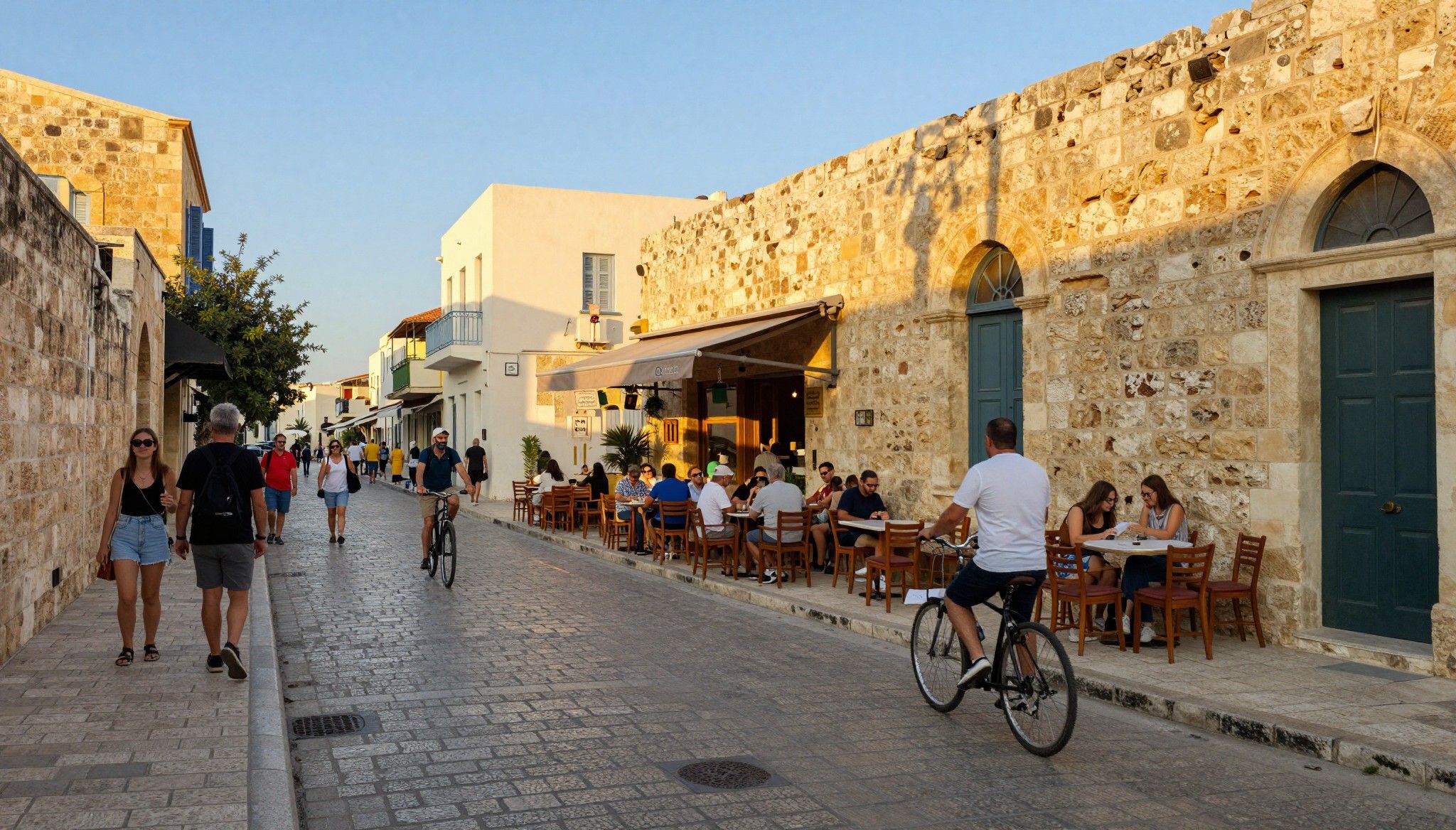
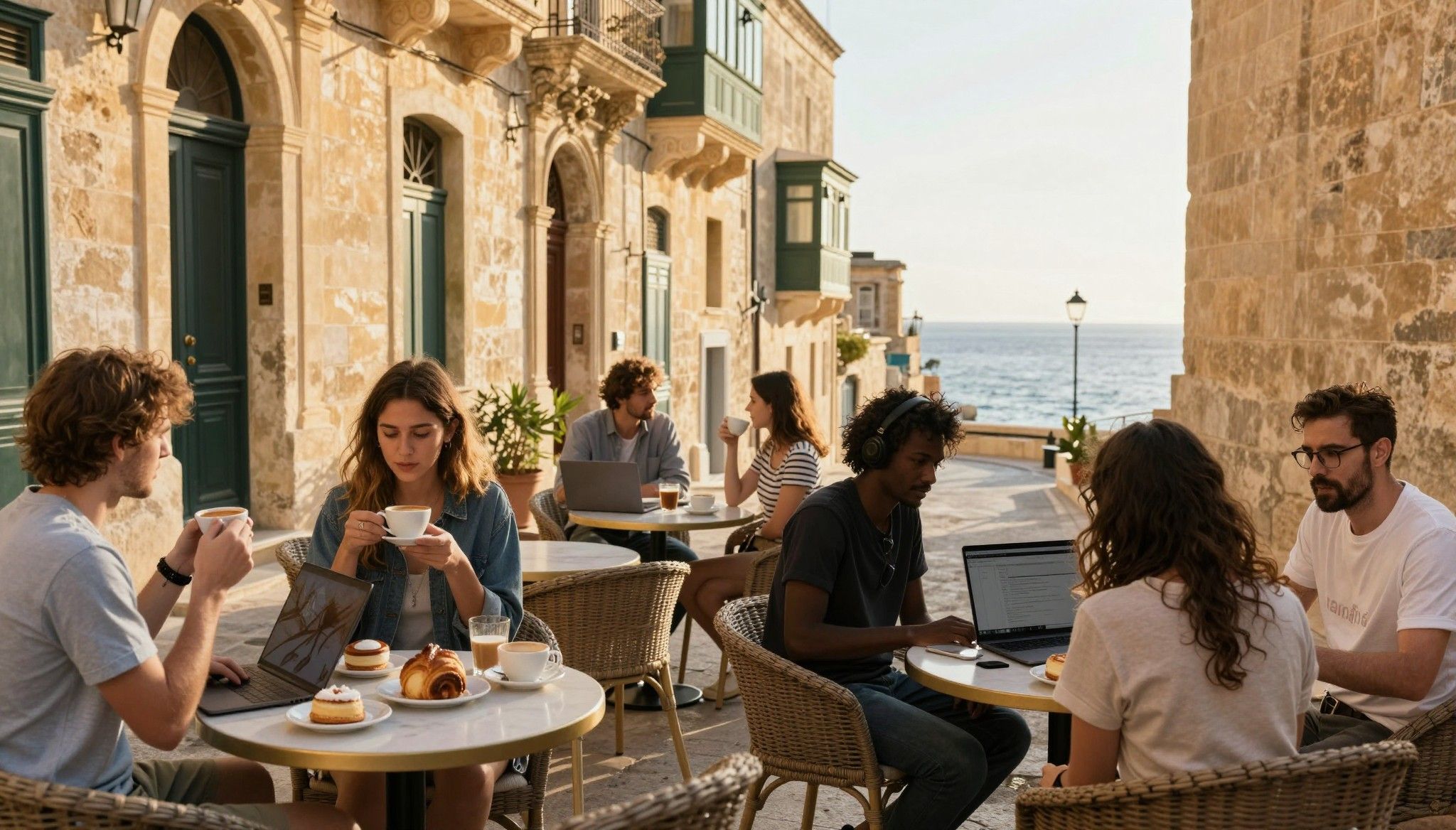
Croatia’s daily rhythm is a mix of slow mornings in kafanas and energetic late-afternoon promenades along rivieras. From Zagreb’s tree-lined streets and cafe culture to Dubrovnik’s historic stone lanes and Hvar’s jetty-side parties, life here feels tangibly local. For nomads, the magnet is variety: islands for weekends, small cities for community, and an Adriatic coastline that doubles as your outdoor office on sun-drenched days.
Neighborhood spotlight: Split’s Veli Varoš & Bačvice
Veli Varoš — tucked under Marjan Hill — is for walkers and café regulars: narrow alleys, family-run konobas and easy access to beaches. Bačvice, by contrast, is a social spine: pebble beaches, volleyball at dusk, and summer terraces that hum until late. Both areas show why lifestyle should drive your search — the right street will shape how you work, rest and socialise.
Food, markets and after-work life
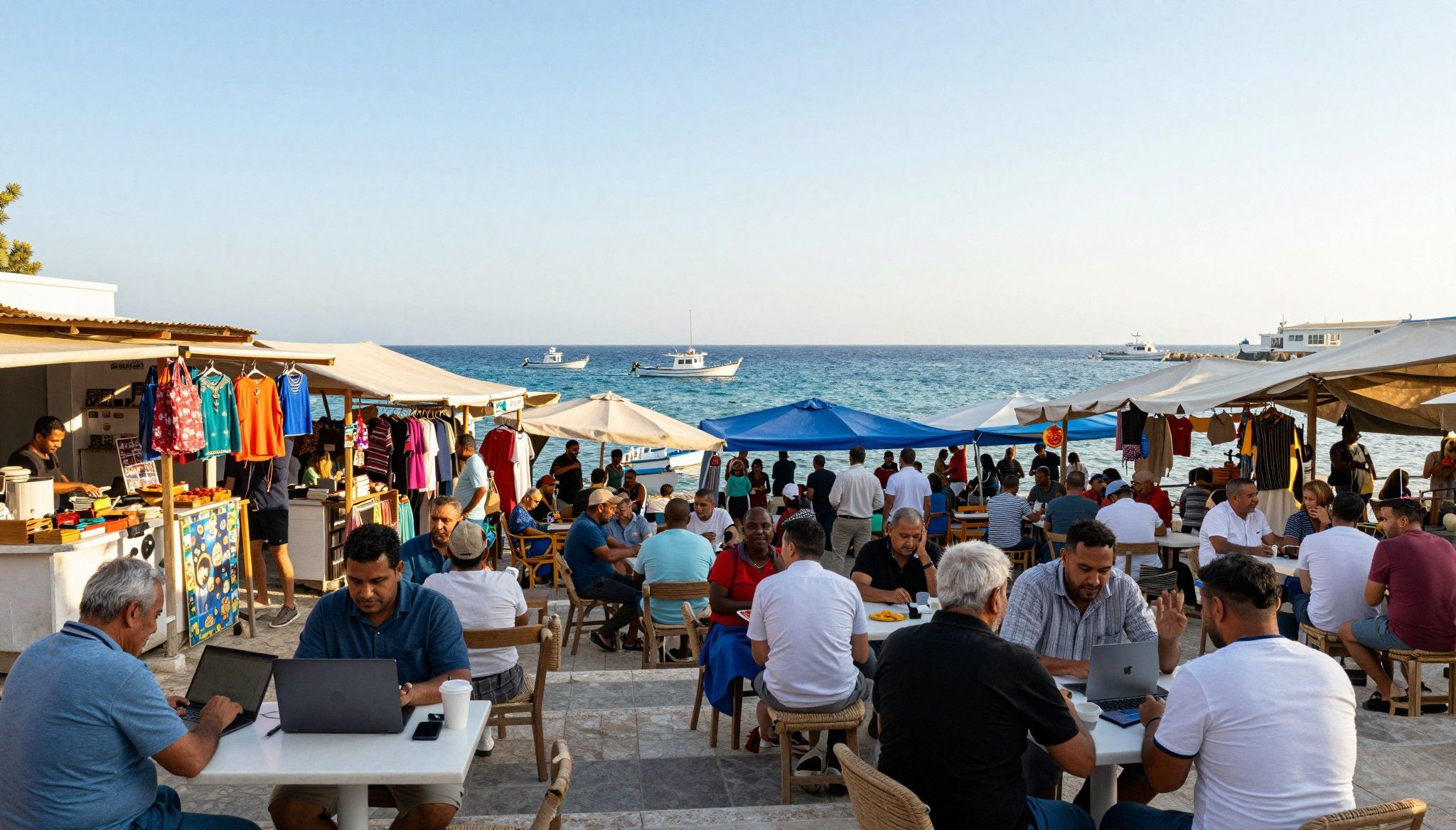
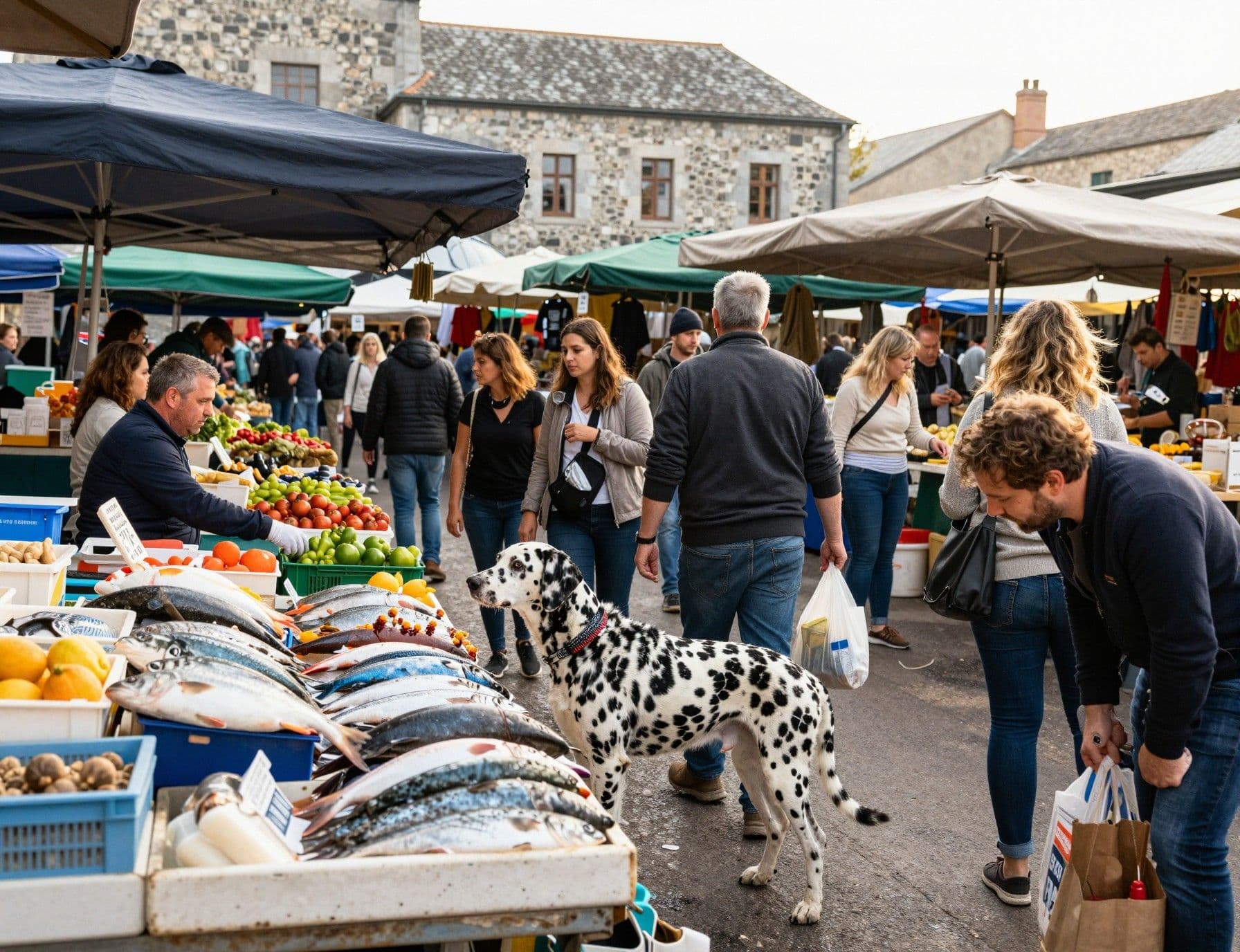
Weekend markets are central to Croatian living — Pazar in Split, Dolac in Zagreb, and seaside fish markets on islands. Evenings pivot around long dinners: grilled fish, pašticada in Dalmatia, or an espresso-and-burek stop after a late ferry. These daily rituals aren’t fluff — they signal walkability, local communities and a quality-of-life that affects resale and rental appeal.
- Lifestyle highlights: morning market breakfasts, island-hopping weekends, coworking in Zagreb or Split, golden-hour promenades on the Riva, local konobas that become your living room, ferry schedules that dictate weekend plans.
Making the move: practical checks that preserve the vibe

Once the romance meets reality, three practical truths matter: the legal title must be clean, taxes and VAT must be understood, and the property’s registration must be complete. Croatia’s official guidance explains the common path — preliminary agreement, notary certification, tax reporting within 30 days and land registry entry — so plan for paperwork and slightly slower local timelines.
Property styles & how you’ll actually live in them
Stone houses on islands offer stunning views and outdoor terraces but can demand renovation, seismic checks and higher maintenance. Modern apartments in Zagreb or Split often have better energy certificates and straightforward utilities, making them friendlier for remote work. Match property type to lifestyle: renovate if you crave character; choose new or recent builds if you want plug-and-play connectivity.
Working with local experts who live the lifestyle
- 1) Hire a Croatian notary and lawyer who speak your language and understand land registers. 2) Get an official extract from the land registry (ZIS) to confirm ownership, encumbrances and easements. 3) Verify whether VAT (25% on new builds) applies vs. the 3% transfer tax on used properties. 4) Ask your agent to check utility connections, building permits and recent renovations to avoid hidden costs.
Insider knowledge: what expats wish they'd known
The most common surprise for non-EU buyers is reciprocity requirements: Croatia allows foreign ownership when your home country grants the same rights to Croatians. EU citizens have near-equal footing, but non-EU buyers should budget time for administrative approvals. Another real-world tip: land registry entries are the legal proof of ownership — until you’re registered, your ownership isn’t final, even if contracts are signed.
Cultural & seasonal realities that affect value
Tourist season swells coastal rents and prices from June to September, but off-season living exposes maintenance costs, heating needs and quieter public services. Local events — summer festivals, island regattas, and olive harvests — can create short-term demand that looks like structural value. Use recent market snapshots to separate seasonal spikes from long-term trends before you buy.
- Red flags to watch: unclear land registry entries, missing building permits, unresolved co-ownership issues, VAT vs. transfer tax confusion, properties in protected zones (check coastal/protected area rules).
Practical next steps: visit neighbourhoods in different seasons, get a local lawyer and notary involved early, request a full land registry extract, and ask your agent for comparable rents and sales over the last three years. For non-EU buyers, begin the reciprocity and approval process as soon as you find a property. These steps protect both your investment and the lifestyle you came here for.
Conclusion — live like a local, buy like a professional. Croatia offers a life where market lunches, island weekends and efficient cities all coexist. Treat due diligence as part of the romance: clean title, correct taxes, and local experts give you freedom to actually enjoy the terraces and markets that drew you here. When you’re ready, partner with an agency that understands nomad needs — fast internet, workspace options, and neighbourhoods that fit the life you want.
British expat who moved from Manchester to Mallorca in 2017. Specializes in market analysis and helping fellow Brit navigate local regulations.