Malta: Match the Life, Then the Residency Route
Fall in love with Malta’s compact, festival‑bright lifestyle while comparing residency paths, neighbourhood moods, and property realities for nomads and remote workers.
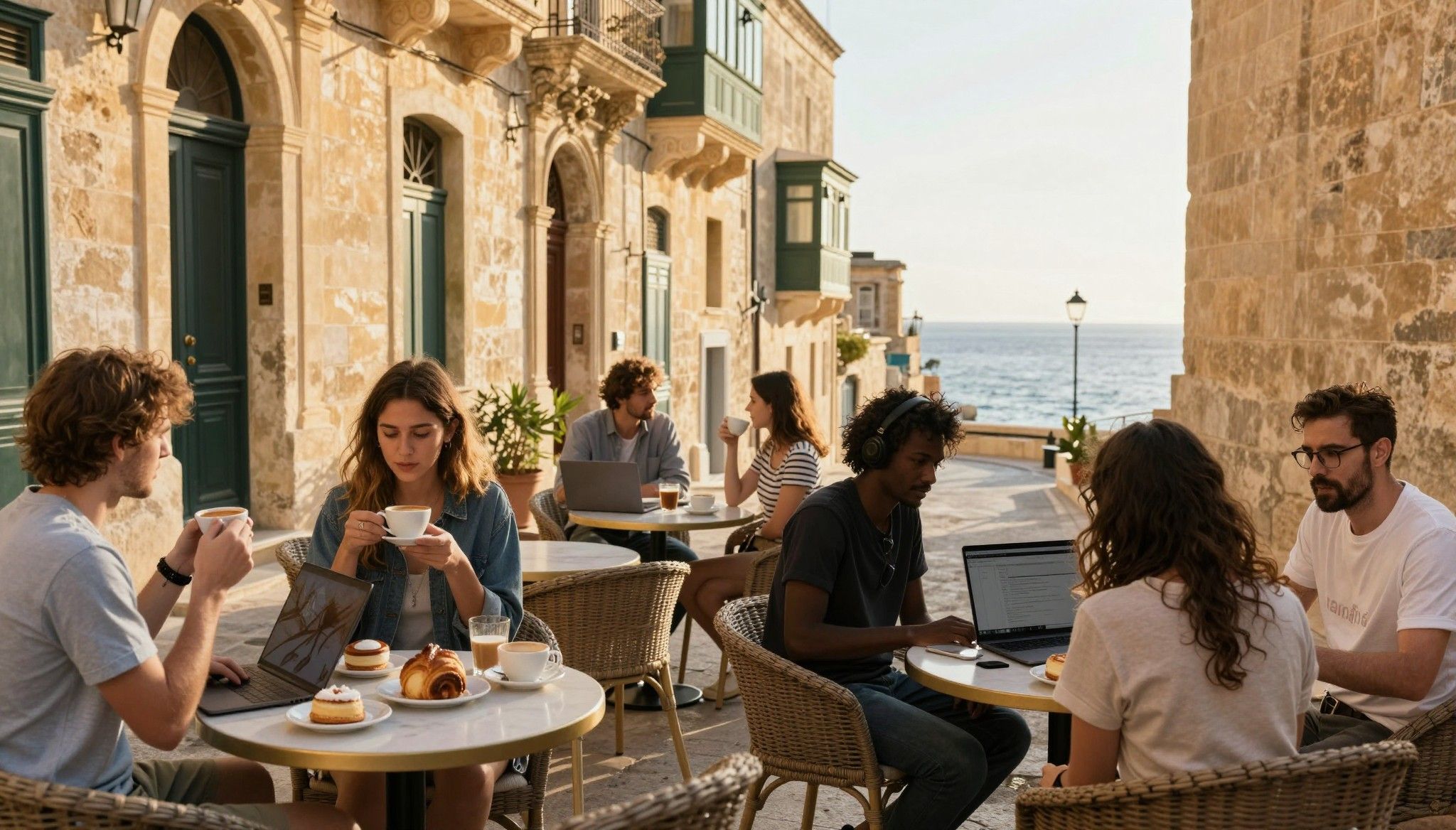
Imagine morning light spilling across honey‑coloured limestone streets as you sip an espresso in Valletta, then hopping a 20‑minute bus to a seaside coworking desk in Sliema. Malta feels like a handful of distinct villages stitched together around one crystal sea — compact, social, and loud with festivals in summer. That intimacy is a huge part of the romance for international buyers, but it also shapes property choices and residency paths in ways you won’t see on glossy listings. Read on for a contrarian, lifestyle‑first comparison that pairs where you’ll want to live with how to actually make it legal and livable.
Living the Malta life — energy, rhythm, and real streets
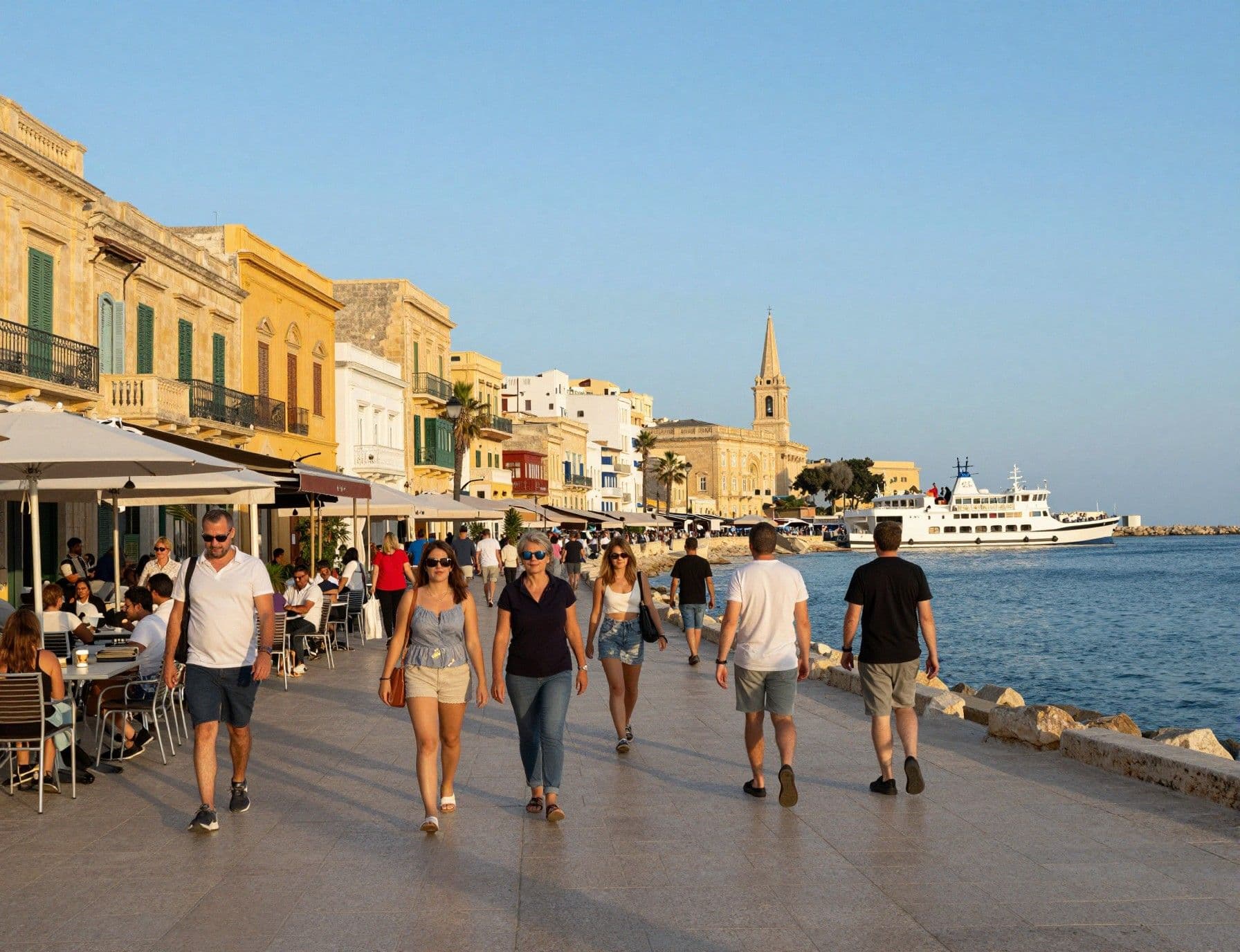
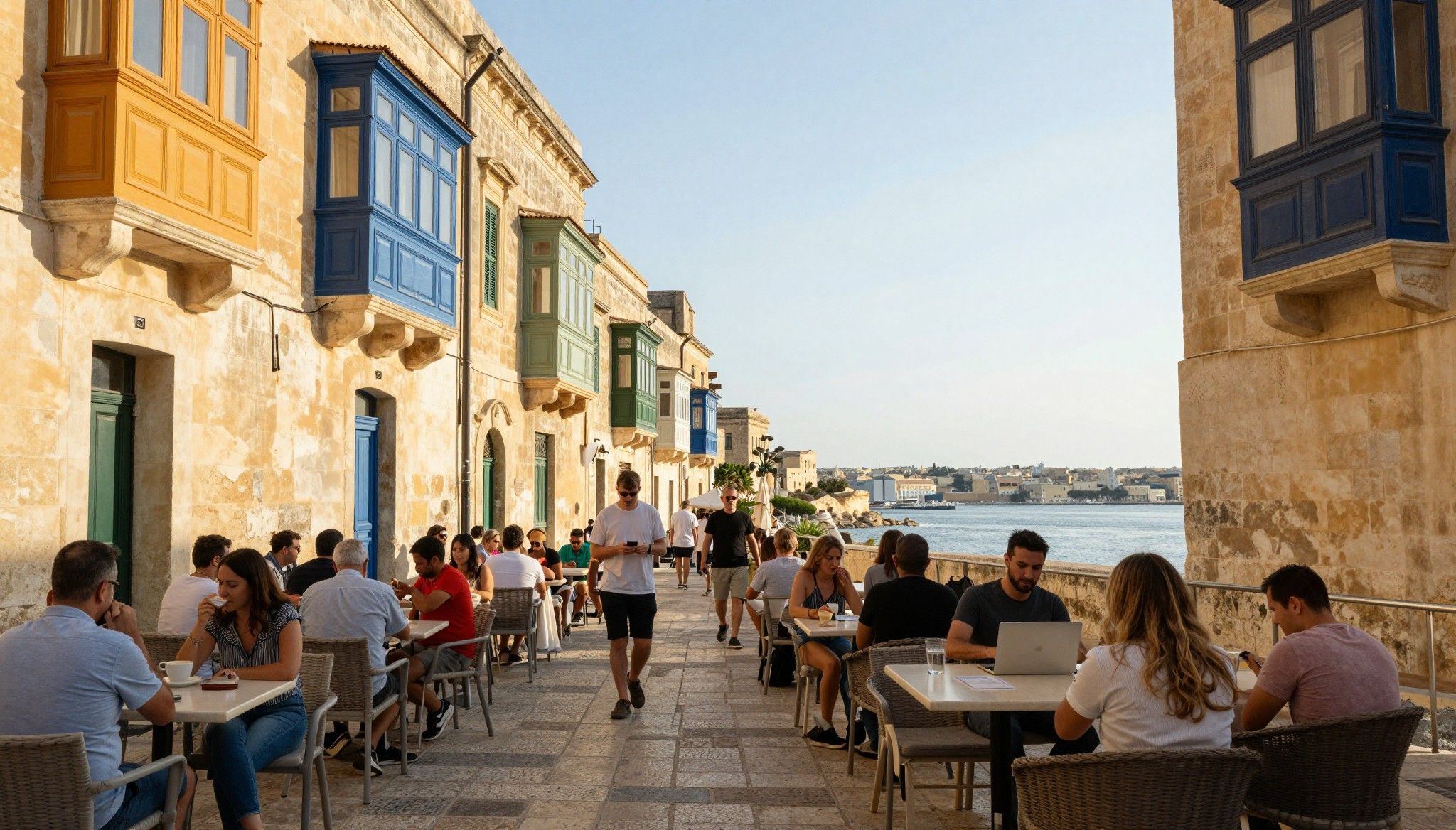
Malta moves at Mediterranean speed: mornings are for errands and cafés, late afternoons for long lunches and siestas, evenings for passeggiatas and piazza chatter. Expect narrow lanes in Valletta, seafront promenades in Sliema, buzzy bars in St Julian’s, and sleepy fishing mornings in Marsaxlokk. Summers are festival‑bright and crowded; winters are mild and community‑driven, when the island shows more of its local, lived‑in charm. For nomads, the island’s compactness is everything — commute times are short and you can test multiple neighbourhoods within weeks, not months.
Valletta, Sliema & St Julian’s: different moods within a tiny map
Valletta is cathedral‑stone drama: restored palazzos, rooftop terraces and quiet streets that feel museum‑alive at noon and electric at sunset. Sliema is the practical seafront — ferry links, cafes that stay open late, and apartments with balconies that actually get a breeze. St Julian’s (Spinola Bay to Paceville) splits into family bays and nightlife hubs; pick Spinola for cafés and coworking proximity, Paceville only if nightlife is your lifestyle. Each place fits a different work‑life pattern: Valletta for inspiration and meetings, Sliema for balance, St Julian’s for social evenings and modern conveniences.
Food, sea and festival life — what you’ll do when you’re not on calls
Start with pastizzi and a café macchiato on Republic Street, then wander to Marsaxlokk market for lampuki and fresh fish on Sundays. Summer brings festa fireworks, village feasts, and open‑air bands; spring and autumn are quieter and perfect for property viewings and long hikes on the Dingli Cliffs. The evening social calendar fuels community: rooftop dinners, language exchanges, and frequent coworking meetups make it easy to find friends fast. These rituals influence where you buy: if local calendar and walkable social life matter, choose neighbourhoods with active piazzas and year‑round community centres.
Making the move: residency options & property rules that matter
Your romance with Malta must meet some practical checkpoints. Residency is straightforward for EU citizens but non‑EU nationals have clear routes: long‑term residence permits, employment permits, and specific schemes for investors and highly skilled workers. Identity Malta outlines the paperwork and residence classifications; many buyers pair a property purchase with a work or residence permit to simplify long stays. Also note there are rules and sometimes higher fees for non‑residents buying property — check permit conditions that apply to your nationality before making an offer.
Property types & the lifestyle tradeoffs
Apartments dominate Maltese sales — compact, light‑filled flats with balconies are everywhere — and the price index shows steady moderate growth, not wild booms. NSO data indicates apartment prices rose in recent years while maisonettes and terraced homes hold attraction for buyers seeking outdoor space. Choose an apartment if you prioritise walkability, short commutes and lower maintenance; pick a maisonette or village house if terrace dining, a small garden, or room for guests is central to your lifestyle. Practical note: older stone houses need careful structural checks and moisture mitigation, especially near the coast.
How local agencies help you match life to title
Good local agents do more than show listings — they map lifestyle to paperwork: which neighbourhoods have reliable fibre, where short‑term rentals are permitted, and which properties carry hidden repair needs. Look for agencies with strong expat reviews and transparent process checklists; ask for measured internet speeds, examples of recent sales in your price band, and introductions to notaries and property surveyors. Treat agencies as your lifestyle scouts: a confident agent will suggest where to try living for a month before committing, and will coordinate residency paperwork with solicitors.
- 1. Book a two‑week scouting trip: live in Valletta and Sliema to test day/night rhythms. 2. Check measured internet speeds and coworking proximity for at least three listings. 3. Request recent comparable sales and ask your agent for renovation estimates. 4. Confirm residency route with Identity Malta or a local immigration lawyer before offer. 5. Schedule a structural survey and solicitor review within the offer period.
Insider knowledge: expat truths, seasonal timing and what we wish we’d known
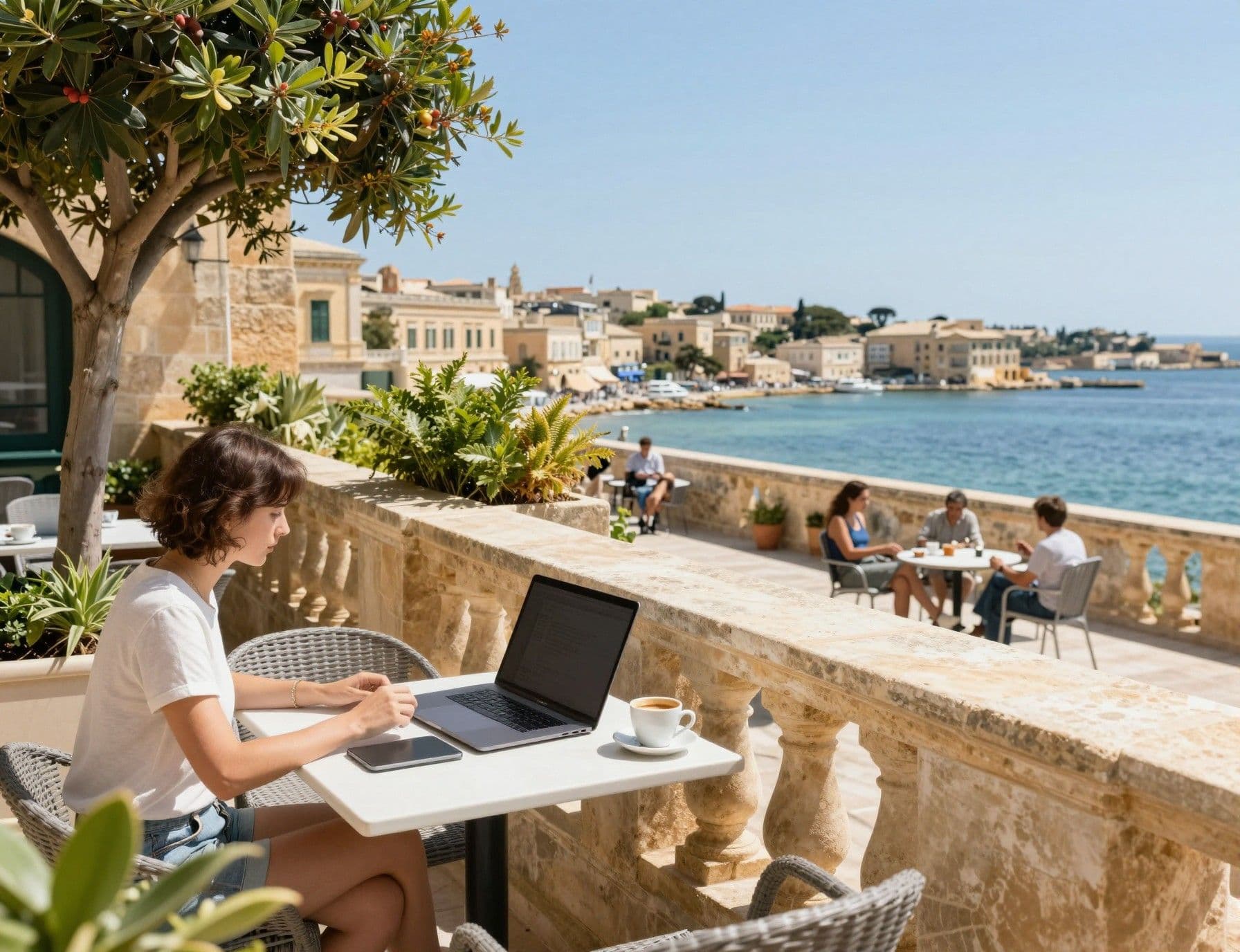
Expats often say the hardest part wasn’t paperwork — it was finding the right rhythm. You’ll meet neighbours at festa barbecues, trade renovation tips at the hardware store, and discover which cafés truly welcome a laptop for hours. Timing matters: avoid peak tourist summer if you want quiet viewings and more negotiating power; late autumn and winter are when sellers and agents are more flexible. Also: Malta’s community is small and word‑driven — the best rentals or renovations often start through a local recommendation, not a portal listing.
Cultural cues that affect daily life and buying decisions
English is official and widely used, which flattens many barriers for nomads, but Maltese social life still favors long personal introductions and trust. Expect an invitation culture: coffee leads to dinner, which leads to a contractor referral. Be patient with timelines — renovations, permits and utility hookups move at a local pace and often require hands‑on follow‑up. Learning a few Maltese phrases is appreciated and can smooth neighbourhood integration more than you’d expect.
Longer‑term thinking: resale, rental potential and lifestyle sustainability
Malta’s small market means location matters more than square footage: a well‑placed Sliema balcony can outperform a larger inland house when it comes to rental demand. If you plan to rent, check local short‑term rental rules and neighbourhood tolerance for tourists — some areas favour year‑round residents and may push back on transient guests. For long‑term living, prioritise community access, healthcare proximity and reliable fibre — those things keep a nomad happy once novelty fades. Think of your purchase as a lifestyle engine first, investment second.
- Lifestyle highlights to compare when choosing a Malta neighbourhood: - Valletta: walkable history, rooftop coworking, quiet mornings. - Sliema: ferry links, cafes with reliable Wi‑Fi, best for steady routines. - St Julian’s (Spinola): social cafés, coworking nearby, lively evenings. - Marsaxlokk: fishermen’s market, weekend calm, scenic harbour homes. - Gozo: slow island life, bigger houses, great nature access.
Malta is small, social, and intensely local — which is why pairing lifestyle discovery with early residency checks and agent honesty makes all the difference. Start with short stays in different neighbourhoods, get measured internet and recent sale comparables, and treat agencies as lifestyle enablers, not just listing providers. When you marry the place’s rhythm to practical steps — residency route confirmed, survey done, community tested — your decision becomes both romantic and resilient. Ready to make Malta home? Ask your agent for a ‘lived‑in’ viewing itinerary and a residency checklist, and you’ll be surprised how quickly this island starts to feel like yours.
British expat who moved from Manchester to Mallorca in 2017. Specializes in market analysis and helping fellow Brit navigate local regulations.