Buying in Cyprus: The Title‑Deed Truth Most Buyers Miss
Fall for Cyprus’s sunlit life—but protect it. Confirm title deeds, check non‑EU permission rules, and use local counsel to turn a lifestyle dream into a secure purchase.
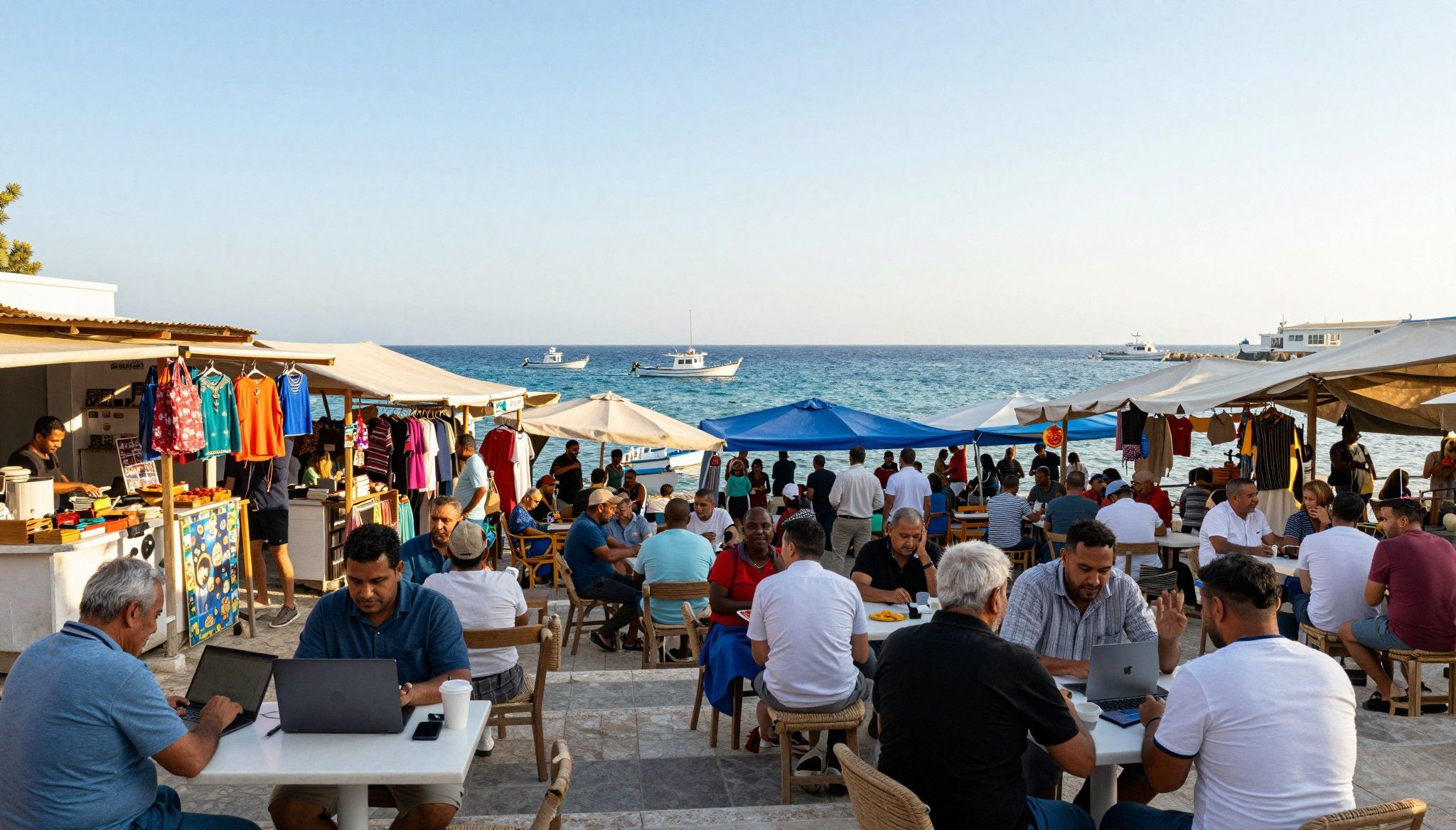
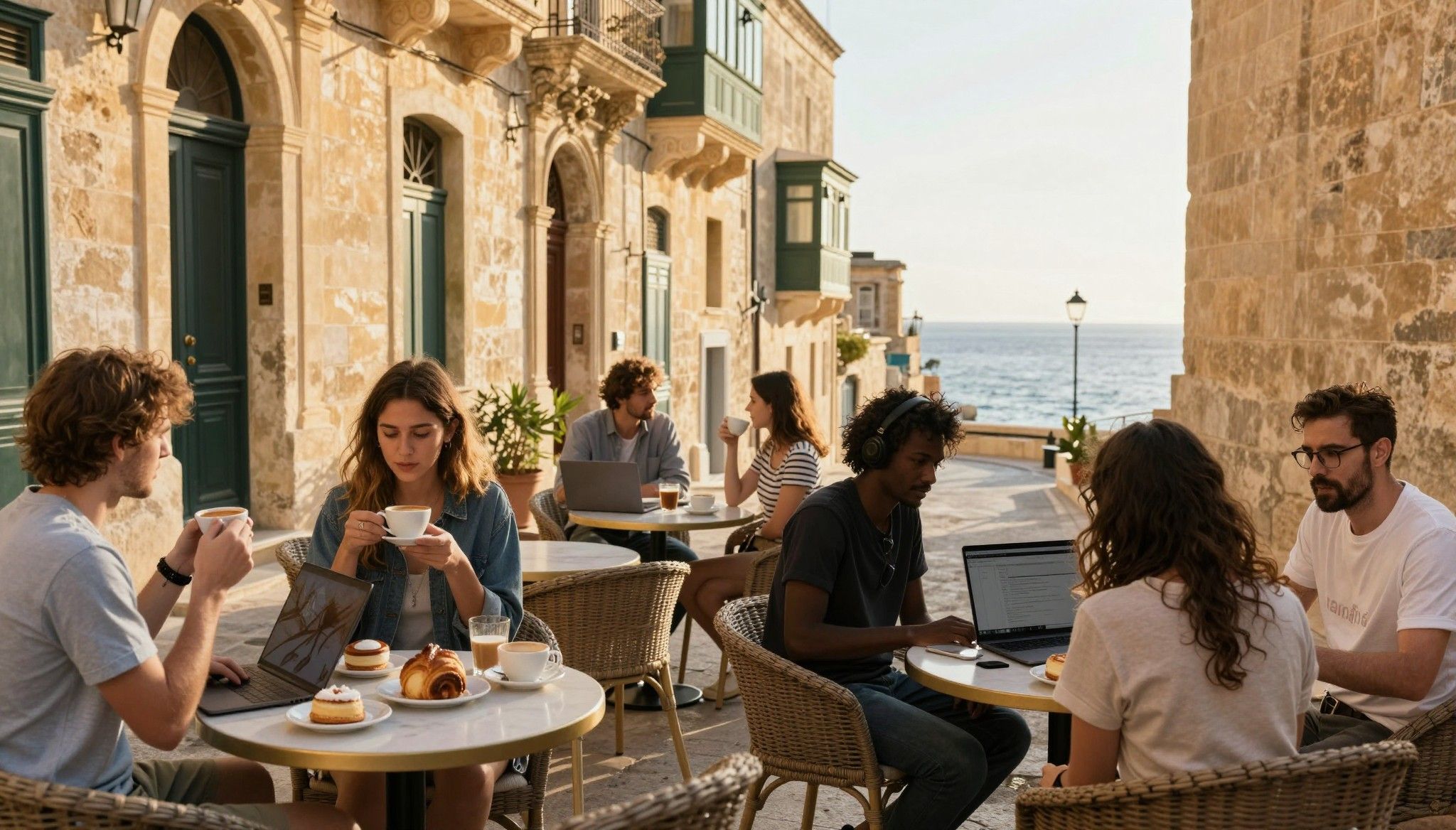
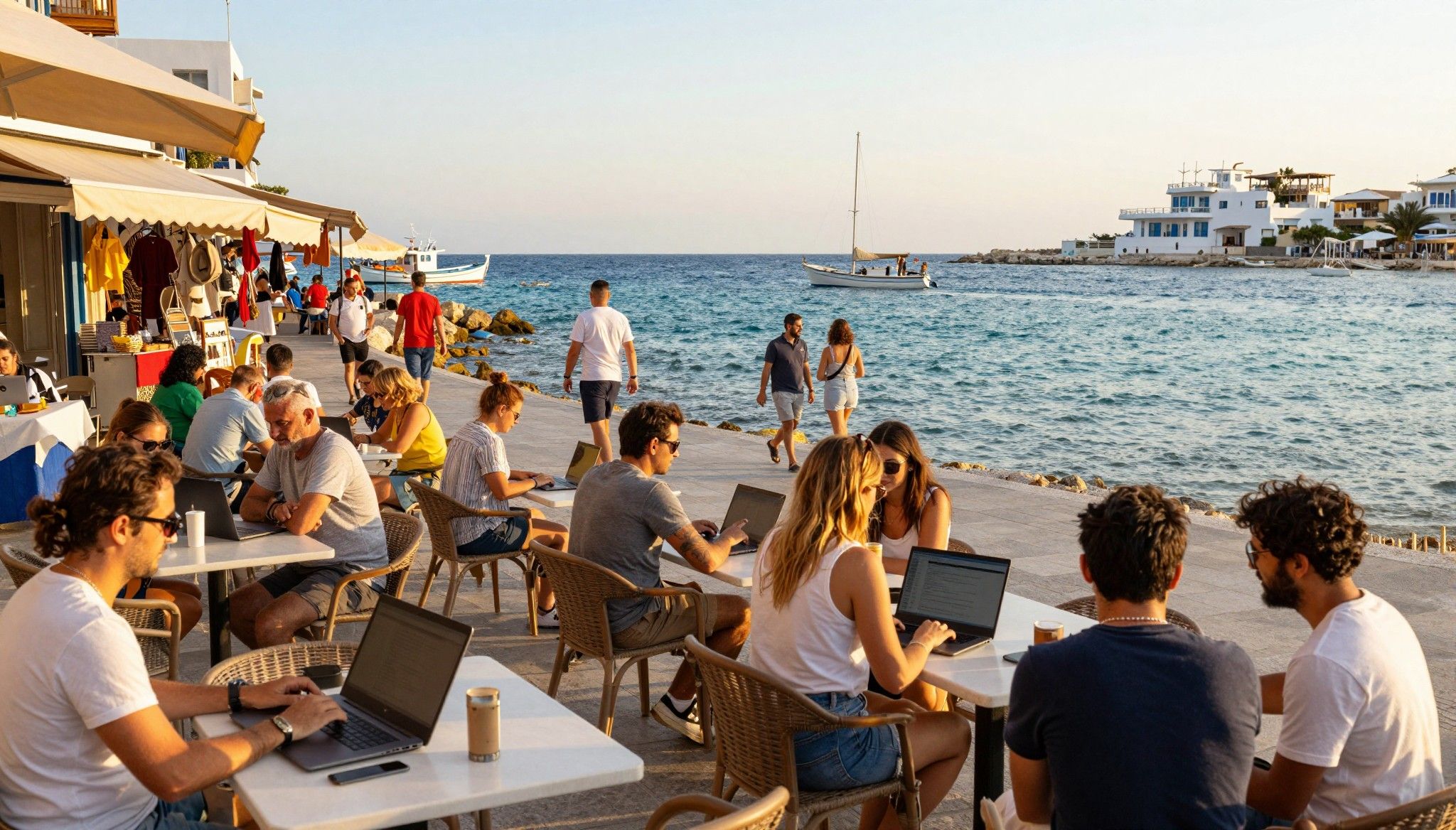
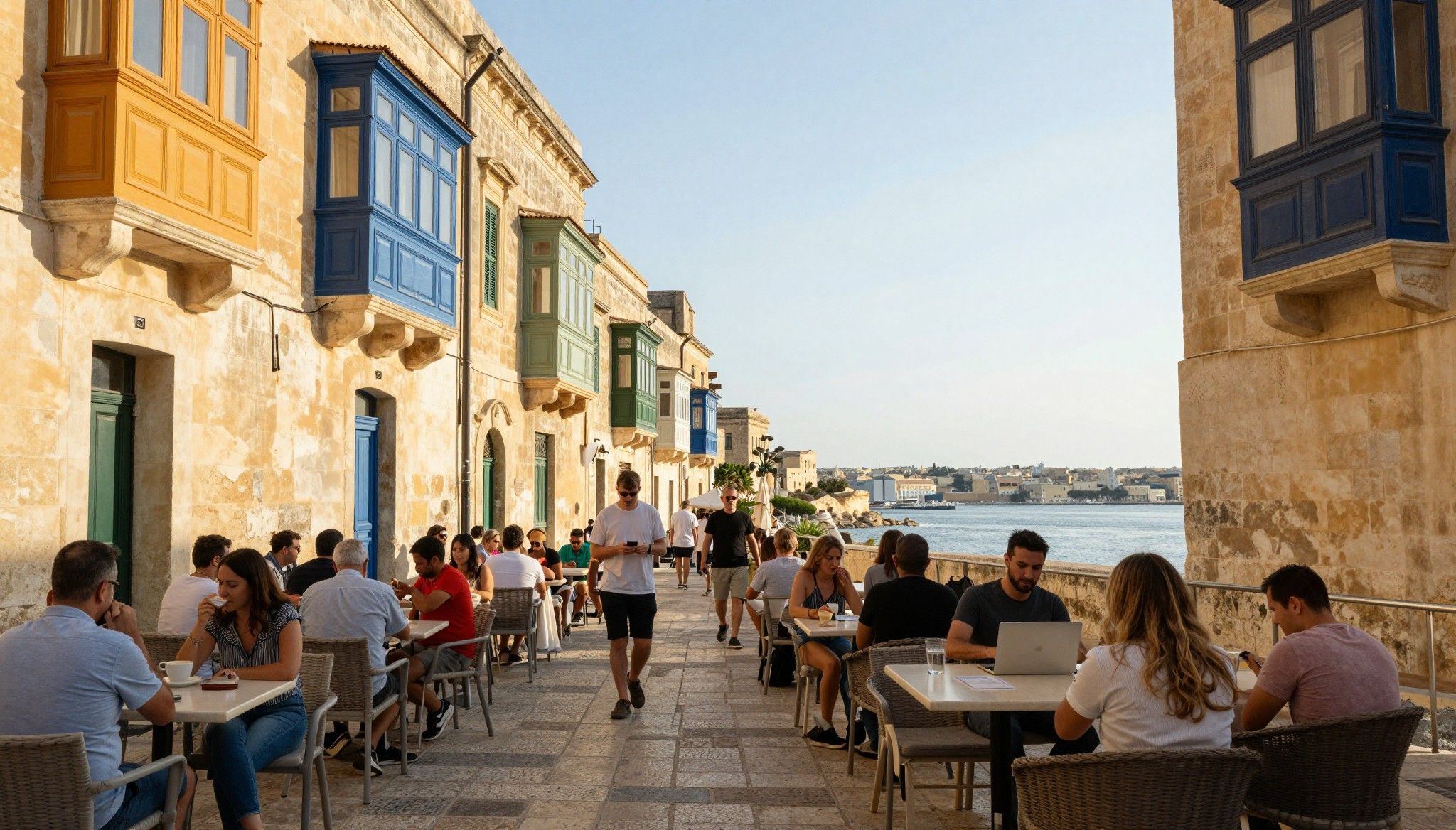
Imagine waking up to jasmine on a balcony in Limassol, walking two minutes to a café on Anexartisias Street with your laptop, then heading to a seaside coworking space for the afternoon. That cozy, sunlit day is what draws digital nomads and international buyers to Cyprus. But the paperwork—title deeds, permissions for non-EU buyers, land checks—can feel like a cold bucket of water on a golden morning. Let’s make the legal side less scary and more sensible, so you can buy the life, not just a postcard.
Living the Cyprus lifestyle
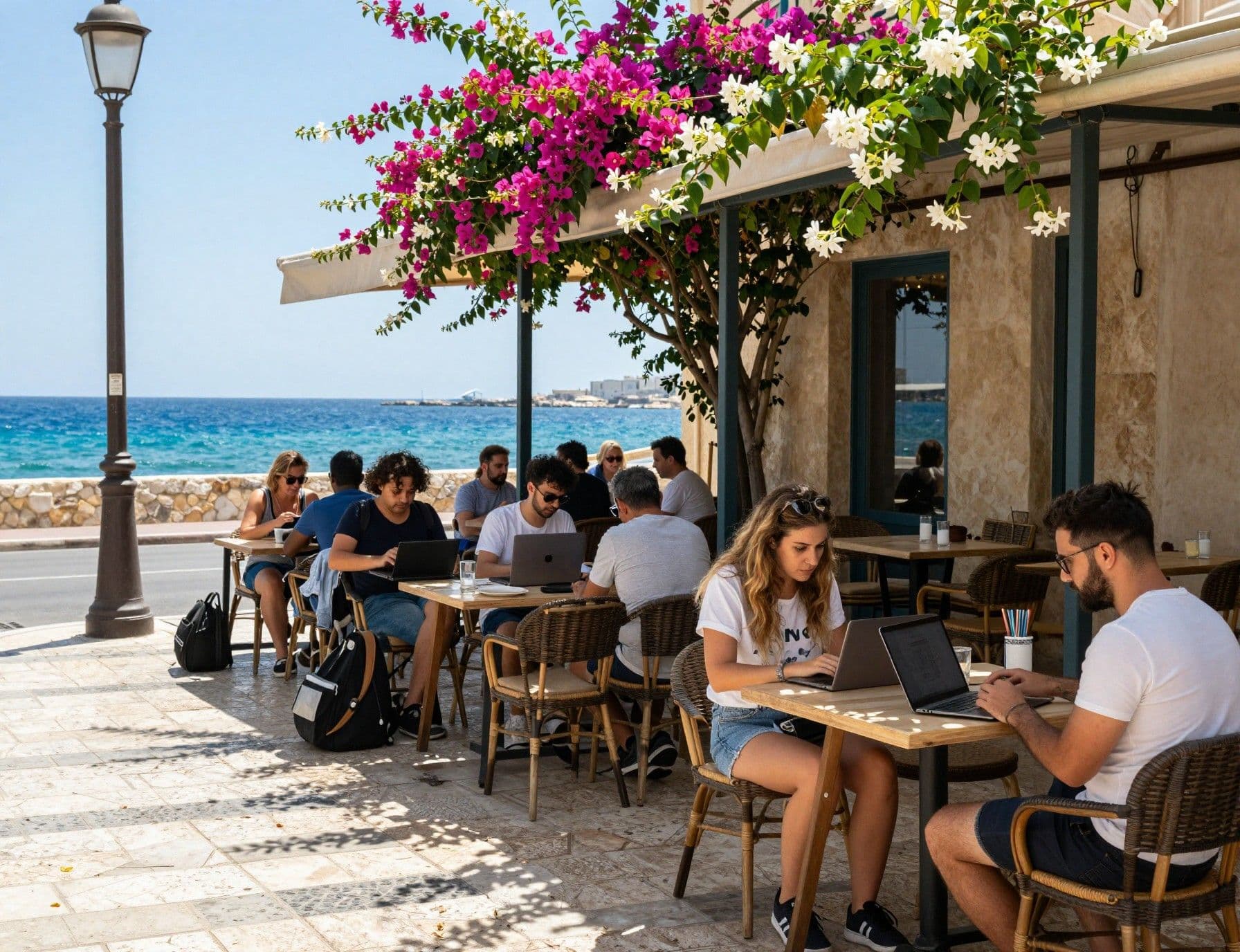
Cyprus moves at a sunny, sociable tempo. Mornings are for strong coffee and a slow scroll through local markets; afternoons drift to beaches like Nissi or Kourion; evenings are taverna chatter and mezze. Markets and prices vary—urban Limassol hums with premium developments while mountain villages like Kakopetria feel timeless. Government data shows housing demand rose into 2024, so lifestyle choices link tightly to market realities. (See HPI data for regional shifts.)
Limassol & Old Port — city beaches and coworking
Limassol is where international coffees and yacht berths collide. Streets like Anexartisias and Gladstonos pulse with cafés that double as offices; several coworking hubs cluster near the Old Port. Expect faster price growth here (the Central Bank’s residential index shows stronger apartment price movement in coastal cities), but also deeper rental markets if you plan to let the place when you travel.
Paphos & Larnaca — slower rhythms, big value
Paphos offers Old Town cobbled charm and quieter beaches; Larnaca mixes a relaxed promenade with growing digital-nomad amenities. For the same budget, you often get larger outdoor terraces and easier access to local life compared with Limassol. If walkable cafés, farmer markets and a mellow evening scene are your priority, these areas are lifestyle-friendly and typically kinder to a modest budget.
- Lifestyle highlights: Anexartisias Street cafés; Old Port promenade; Kourion archaeological beach days; Paphos Old Town tavernas; weekly farmers’ market in Larnaca; morning swims at Governor's Beach.
Making the move: practical considerations that protect the lifestyle

The good news: Cyprus welcomes international buyers. The nuance: rules change depending on whether you’re EU or non-EU. Non-EU nationals usually must apply for permission to acquire immovable property, and there are limits on plots and numbers of properties. That’s why early legal checks are not paperwork theatre—they directly protect your lifestyle plan and timeline.
Property types that match a nomad life
Modern coastal apartments give minimal maintenance and great rental potential; village houses offer terraces and garden fiestas but usually need renovation; new-build villas deliver privacy and remote-work views at a cost. Pick the property to match how you’ll live: quick check-ins (apartment), long creative stays (villa), or community immersion (village house). Each choice has different due-diligence priorities.
Why a Cypriot lawyer is your lifestyle enabler
A local lawyer confirms title deeds, checks municipal permits, verifies developer warranties and tracks foreigner-permit applications—this shortens surprises and keeps your move on schedule. Investing 1–1.5% of the price in legal fees often saves you months of stress and protects your ability to live the life you pictured.
- Practical+Lifestyle due-diligence steps: 1) Confirm title deed status and Land Registry entries. 2) Verify planning permits and building completion certificates. 3) Check non-EU acquisition permissions (if applicable). 4) Review utility connections and internet availability for remote work. 5) Ask for recent energy performance / insulation details—summer cooling matters.
Insider knowledge: what expats wish they'd known
Many expats love the lifestyle but get tripped up by title-deed timing and 'off-plan' language in listings. It’s common to find properties where land has deeds but the building doesn’t—this is fixable, but only with clear contracts and escrow protections. Market reviews show steady price pressure in coastal hubs, so patience and selectivity win.
Cultural and community cues that change where you buy
Cypriots value neighbourliness: expect friendly invitations, shared food, and local festivals that define a street’s rhythm. Language is broadly manageable—English is widely spoken in business and services—so integration is easier than in many countries. But local municipal rules (e.g., building hours or sea-front regulations) influence renovation plans and noisy lifestyle choices.
Long-term lifestyle + legal watchlist
Watch policy shifts: recent years saw increased scrutiny of foreign purchases and proposals for tighter rules. If you plan to buy for rental income or long-term residence, keep an eye on official guidance and consult a tax advisor about residency thresholds and double-tax treaties. Legal clarity preserves the life you bought into.
- Red flags to walk away from: missing title deeds with no clear remedy; vague completion certificates; seller unable to prove utility history; complex shared land ownership without clear shares; promises of fast permit fixes with no paperwork.
Conclusion: buy the life first, then lock the legalities. Cyprus gives you sunlit mornings, sea-access afternoons, and a warm neighborhood pulse. Pair that dream with local legal counsel, a focus on title clarity, and checks on permissions for non-EU buyers. That combo turns a risky-sounding listing into a lifelong terrace for espresso, work and friends.
Danish investor and relocation advisor focusing on Portugal and the Algarve; loves coworking culture and expat networks.