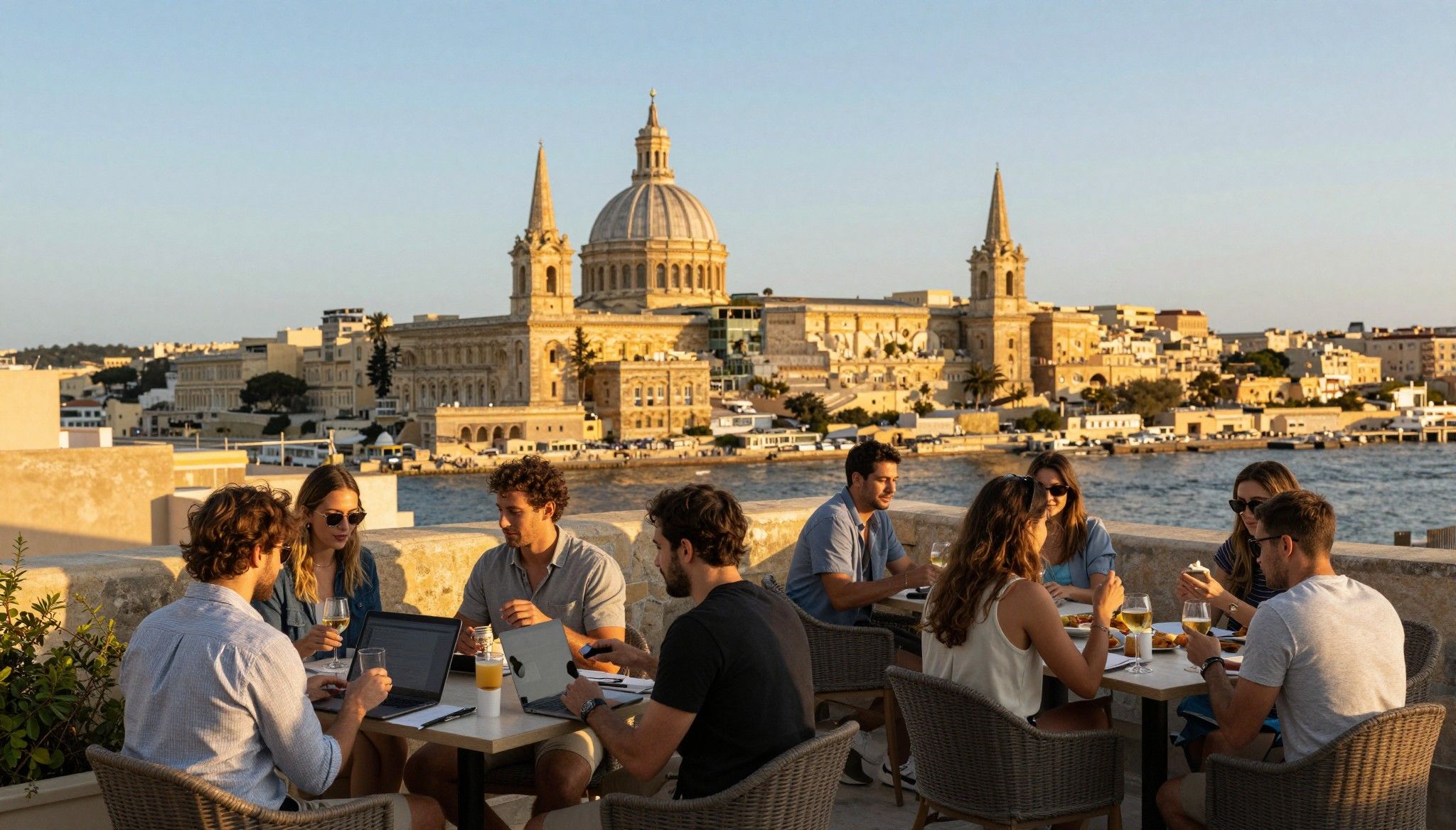
Malta Neighbourhoods: Life, Work & What to Buy
A neighbourhood-led look at Malta’s lifestyle and property choices — where to live, how to work, and practical steps backed by market data.
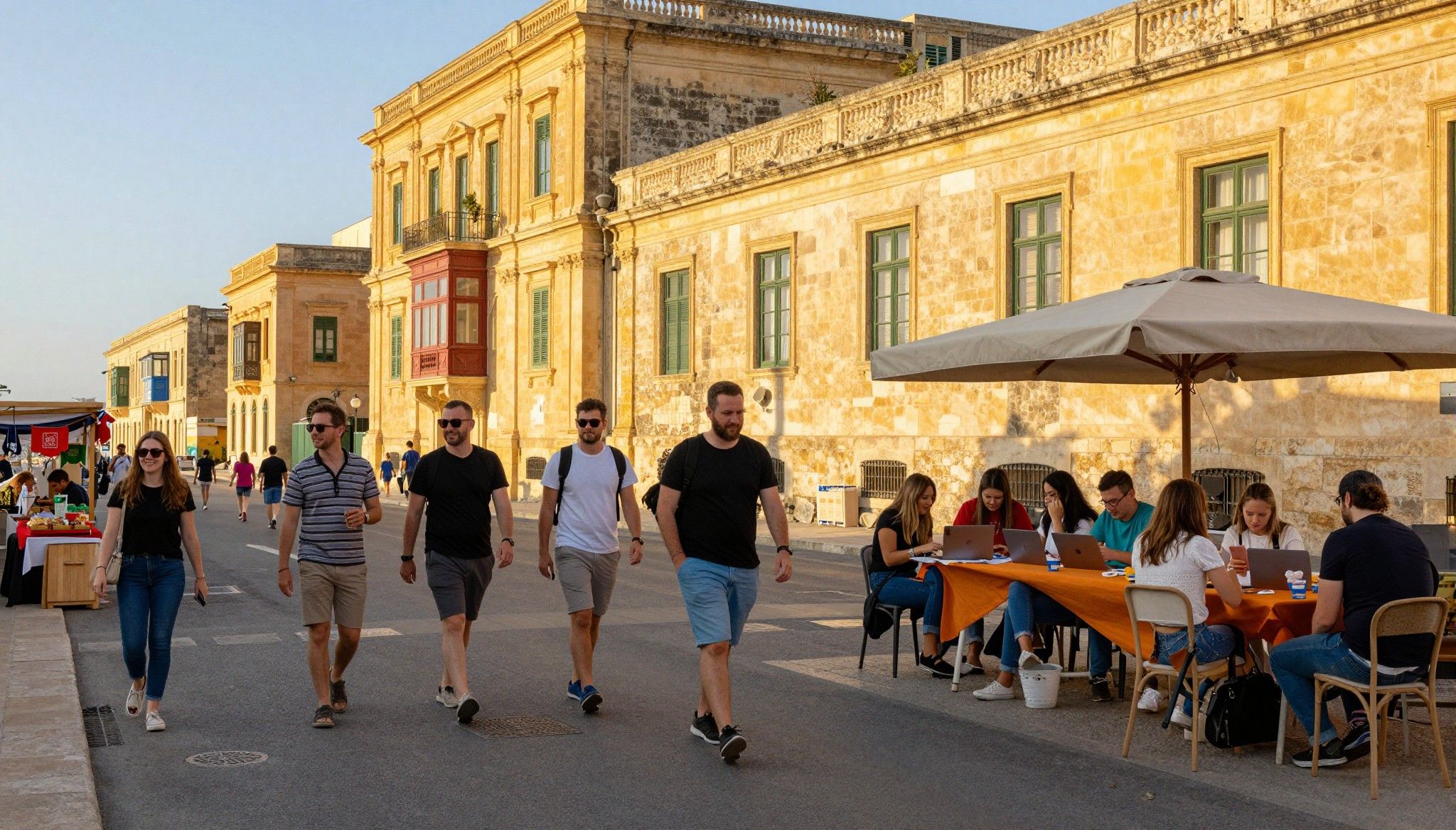
Imagine stepping out of a sun-warmed door onto Triq it-Torri in Sliema, espressos steaming, Maltese limestone glowing. The sea is a ten-minute walk, coworking spaces hum, and neighbours greet you in a mix of English and Maltese. But behind this postcard is a compact, fast-moving property market that rewards local knowledge and quick decisions. Here’s a neighbourhood-first comparison of how Malta actually feels — and what each area means for your life and your investment.
Living the Malta lifestyle
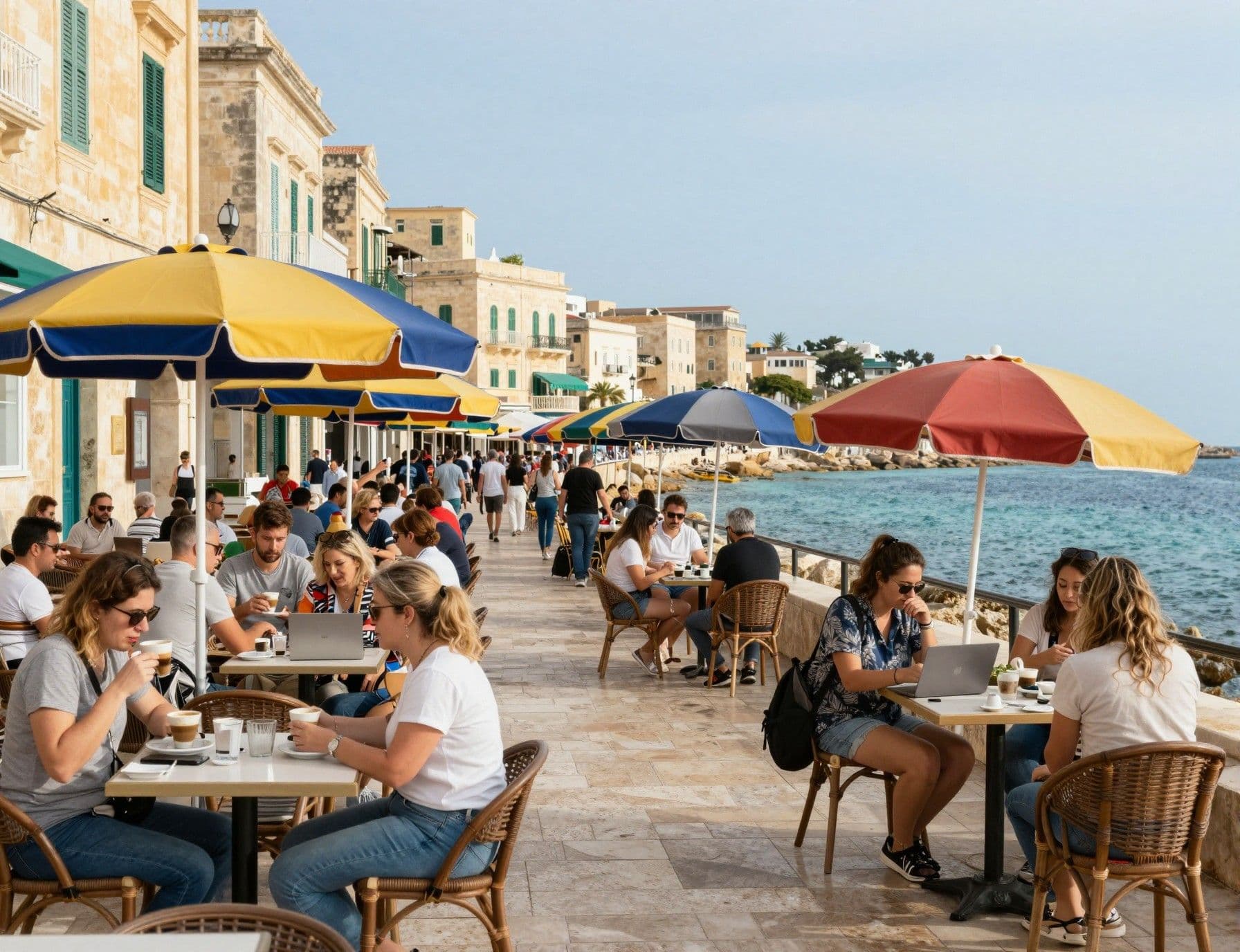
Day-to-day life in Malta is compact Mediterranean living: short commutes, heady cafe culture, and afternoons on rocky bays or sandy Mellieħa Beach. The island’s small size squeezes variety into short distances — Valletta’s baroque lanes and St Julian’s nightlife sit a short drive from sleepy village festas and cliffside swims. That popularity shows in steady price growth reported by national statistics and local analysts, so expect lifestyle gains to have a price tag attached.
Sliema & Gżira — daytime energy, sea views, remote-work ready
Sliema is a nomad favourite for a reason: promenades, expat-friendly cafes, and excellent fibre internet make working from a balcony or a beachside cafe effortless. Streets like Tower Road or Bisazza Street pulse with boutiques and coworking drop-ins; rent and purchase prices here trend at the upper end of the market, but you trade up for walkability and a lively community.
St Julian’s & Paceville — nightlife, short-lets, and higher yield potential
If you want lively evenings and strong short-let demand, St Julian’s — especially around Spinola and Paceville — is the obvious pick. Expect bars, late dinners, and a steady stream of tourists. That footfall supports short-term rental strategies, though neighbourhood character can be noisy and seasonal, so plan your work hours and property soundproofing accordingly.
- Lifestyle highlights: Tower Road Sliema espressos, Spinola Bay seafood stalls, Valletta’s evening passeggiata, Mellieħa sandy beach, Gżira rooftop coworking, Rabat village festas.
Making the move: lifestyle meets property choices
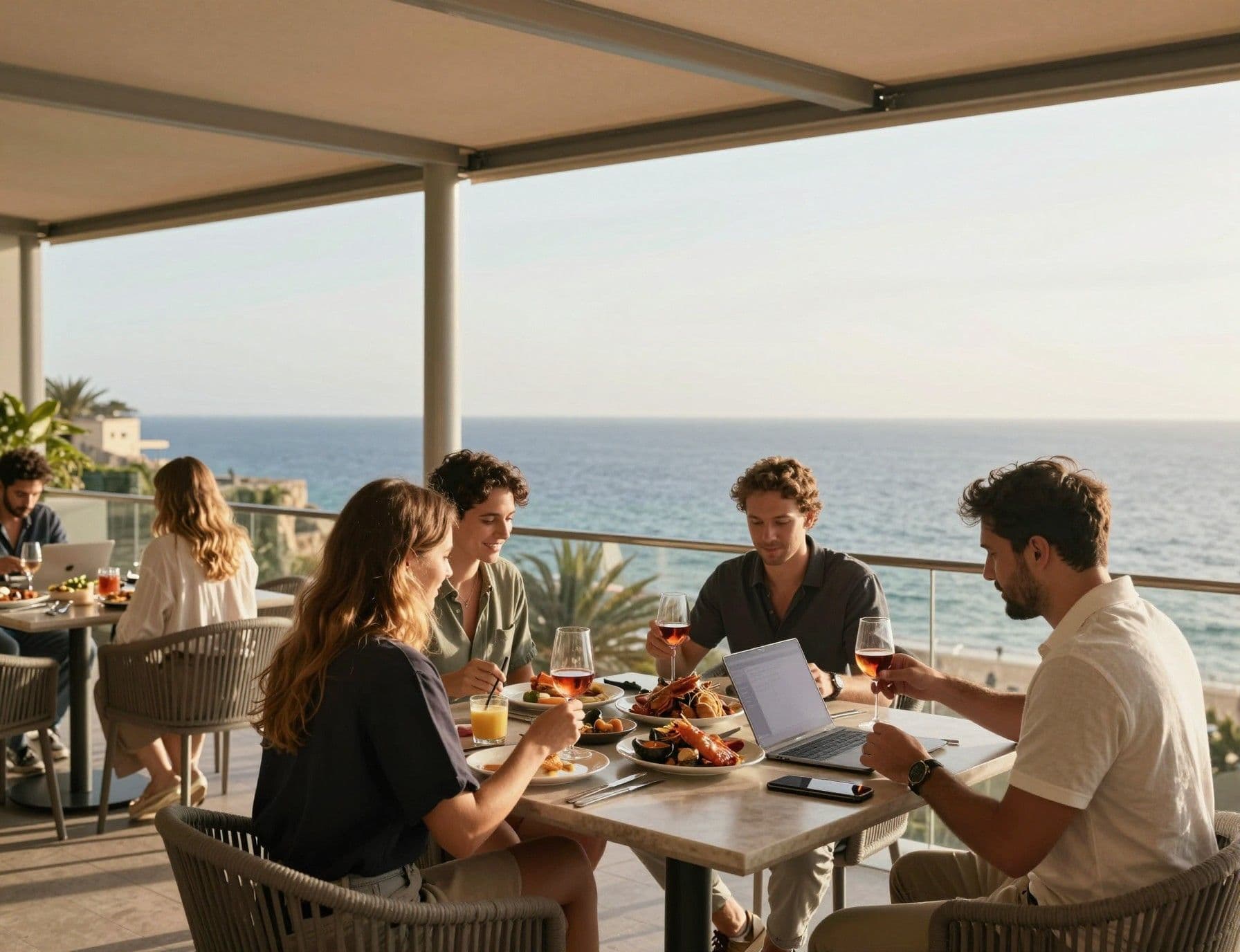
Your dream morning routine — coffee, commute, coworking — should map to the type of property you buy. Malta’s market is driven by limited land, tourism cycles, and steady demand from EU and non‑EU buyers. That means pick the neighbourhood that fits how you want to live (and let a local agent translate that into the right building type and contract).
Property styles and how they shape life
From converted penthouse apartments with roof terraces in Valletta to modern sea-view flats in Pembroke or Sliema, choices affect daily life. Old limestone maisonettes feel romantic and quiet but often need upgraded wiring and insulation for reliable remote work. Newer developments have built-in amenities — elevators, communal pools and fibre — but cost more. Match property features to your daily routines: quiet bedroom for focused work, terrace for midday breaks, and a short stroll to cafes for meetings.
Working with local experts who know the lifestyle
- 1. Ask agents about internet/fibre readiness and typical upload speeds on the street before you commit. 2. Prioritise properties with dedicated workspace or flexible layout — Maltese apartments can be compact. 3. Check seasonal noise patterns (Paceville vs. Senglea) if you need daytime quiet. 4. Request recent energy performance or renovation permits — old wiring or no ventilation will cost you time and money.
Insider knowledge: expat life, surprises, and long-term thinking
Real talk: locals mention rising prices, denser development, and the squeeze on family housing. Tech and connectivity are strong — fixed broadband availability is high and some providers report median fixed speeds well over 100 Mbps — but expect variation by building. Long-term, Malta’s limited supply and steady demand from Europeans and remote workers support capital growth, but you’ll sleep better knowing your purchase fits your life, not just a headline.
Cultural integration, language, and community
English is an official language and most services are bilingual — huge plus for newcomers. But village festas, market rhythms, and church bells set the tempo in many neighbourhoods; join local events and markets in Marsaxlokk or Rabat to feel rooted. For residency, Malta offers formal programmes that influence demand — work with lawyers to understand how residency rules intersect with property choices.
Long-term lifestyle and property upkeep
- Practical long-term tips: schedule façade and limestone maintenance yearly, budget for air-conditioning upgrades, verify flood/drainage history for cliffside properties, consider managed rentals if you travel frequently, and choose agents who handle tenant management and local compliance.
Conclusion: Malta is a tiny country with big lifestyle options — from sleepy village festas to lively coastal coworking scenes. Start with the life you want: morning coffee spot, ideal work environment, weekend escape. Then work backward to neighbourhood and property type. Local agents and lawyers who understand both the lifestyle and legal landscape are your best shortcut to turning the daydream into keys in hand.
British expat who moved from Manchester to Mallorca in 2017. Specializes in market analysis and helping fellow Brit navigate local regulations.