Croatia Budget Map: Where the Lifestyle Meets the Numbers
Fall in love with Croatia’s coast and cities — then budget smart: include 3% transfer tax, VAT on new builds, seasonal costs and island‑specific repairs.

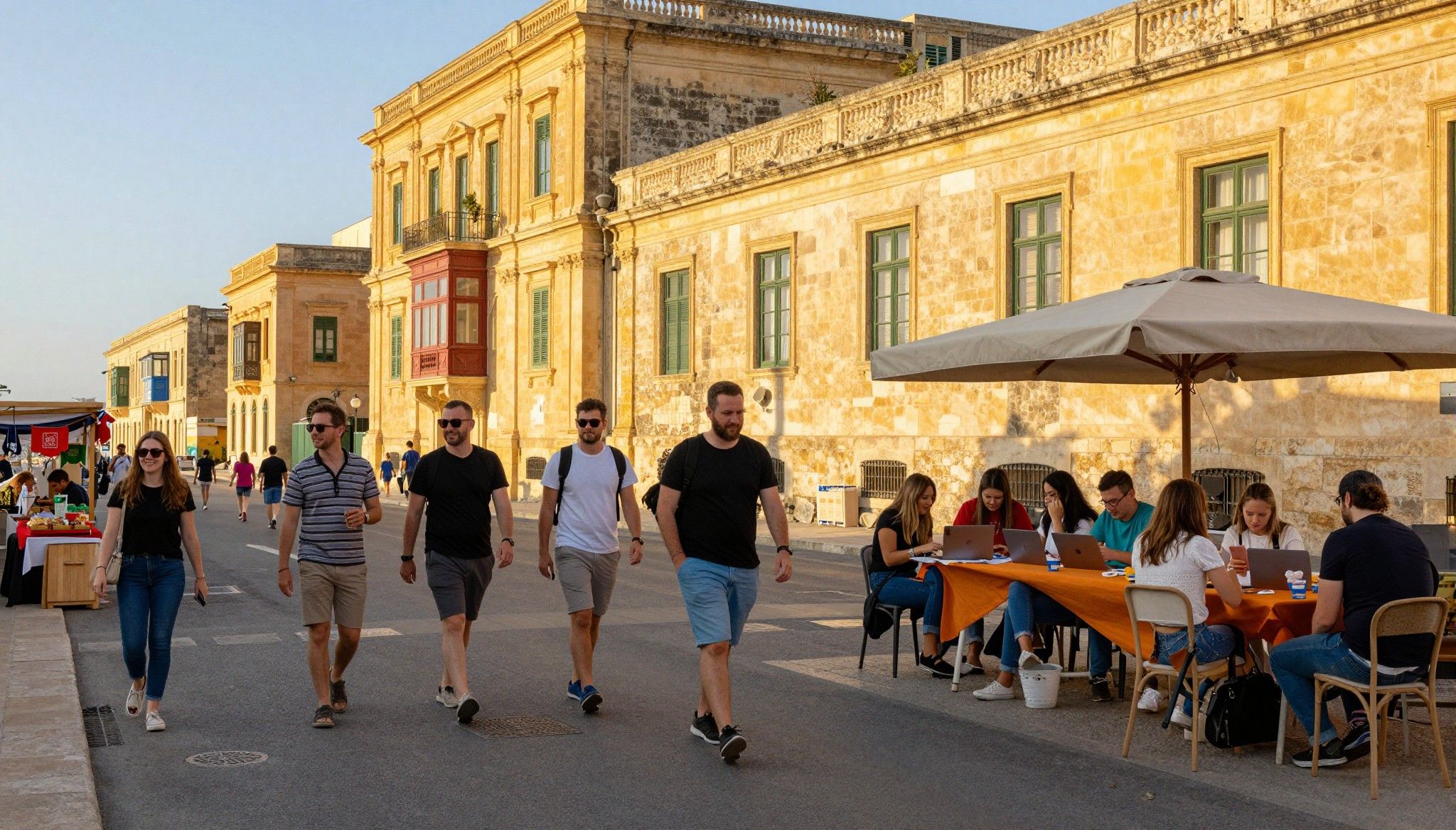
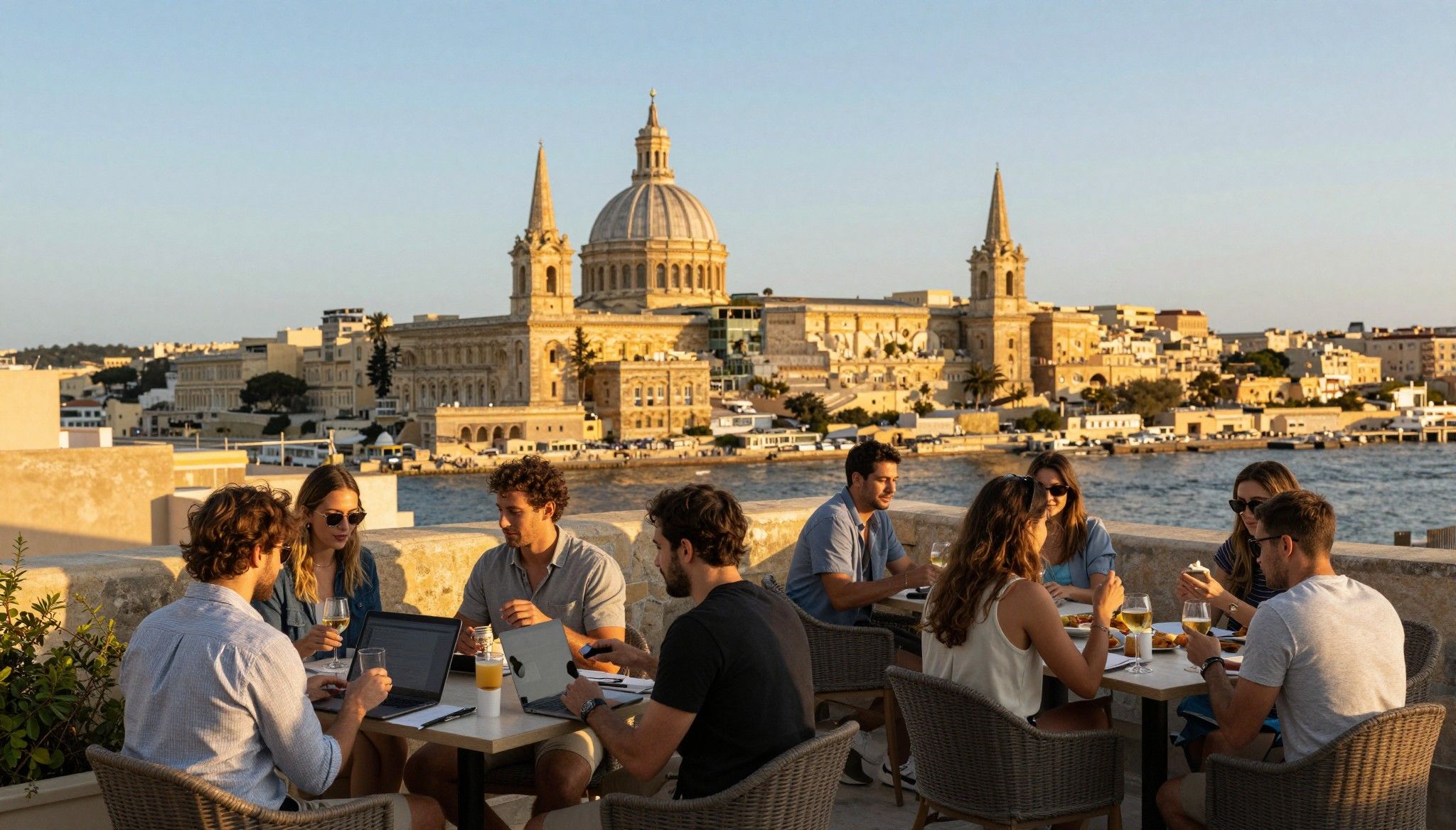
Imagine sipping an espresso on Split’s Riva as fishing boats chug out to the Adriatic, then heading to a sunlit coworking space where the Wi‑Fi is fast and a developer’s popup showcases a renovated stone flat with a sea view. Croatia feels like small‑city calm with Mediterranean heat, centuries of cobbled streets, buzzy coastal cafés and an emerging tech and remote‑work scene. That image is the pull — but international buyers need a clear budget map to turn it into reality.
Living the Croatia life: what you actually buy
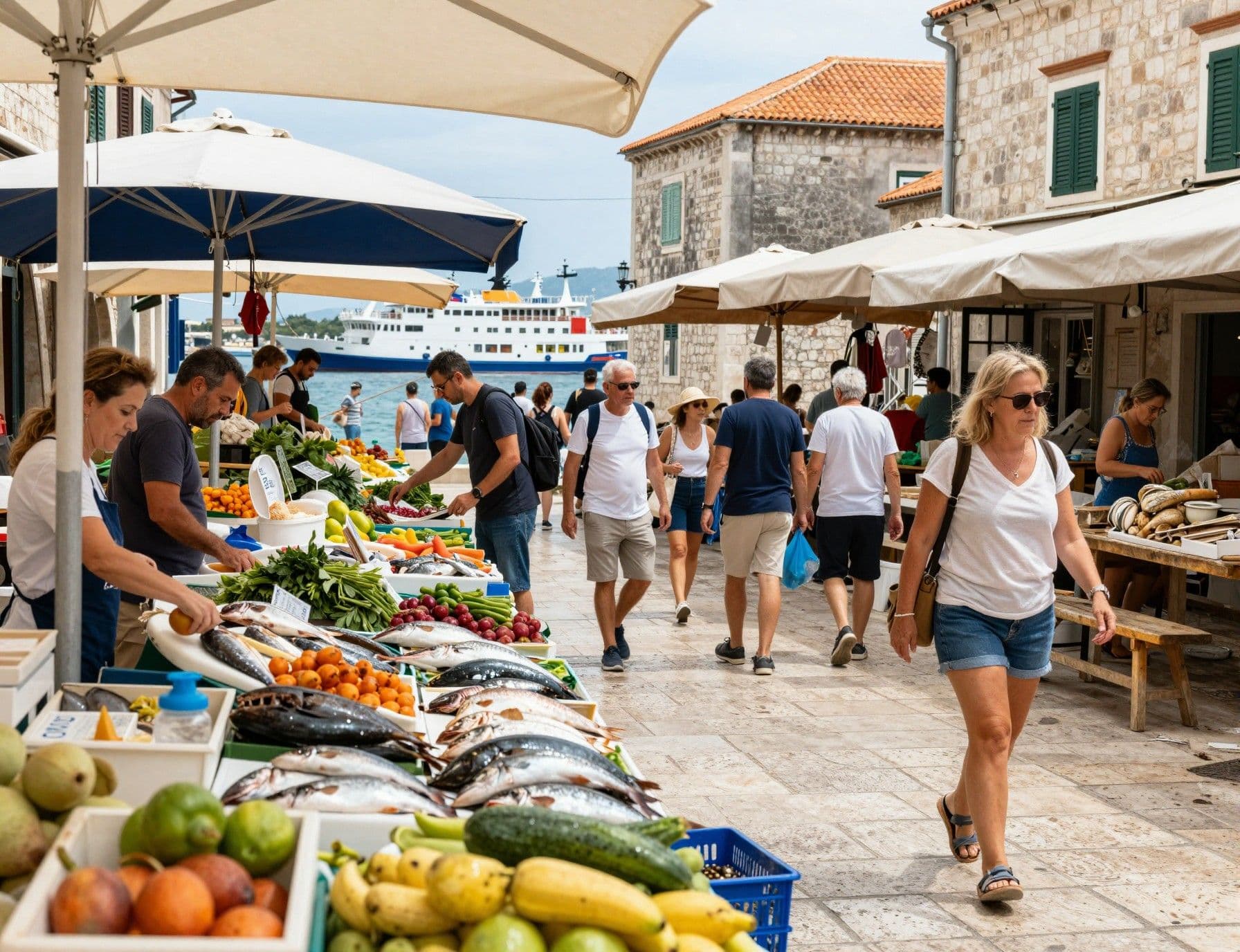
Daily life in Croatia is a lovely mix of ritual and season. Mornings mean markets in Dolac (Zagreb) or fish stalls on Hvar; afternoons are for siesta‑ish slow lunches and laptop work from a shaded café; evenings are for long walks along promenades in Dubrovnik or sunset aperitivi in Rovinj. This sensory rhythm matters because the property you buy should support how you’ll live—terrace for evening meals, a cool stone interior for summer, or a compact city flat close to cafés and coworking for year‑round remote work.
Coast vs capital: Split, Dubrovnik, Zagreb scenes
On the coast you wake to salt air and island ferries; in Split and Dubrovnik the lifestyle is outdoorsy and tourist‑season loud, but off‑season reveals calmer streets and cheaper long‑term stays. Zagreb offers a four‑season life with museums, coffee culture in Tkalčićeva, and neighbourhoods like Maksimir or Trešnjevka that feel lived‑in. Know which tempo you want before you budget—seasonal utilities, concierge rentals, or year‑round heating add different costs.
Food, markets and micro‑neighbourhoods that shape choices
If you love daily shopping, neighbourhoods with markets—Dolac (Zagreb), Pazar (Split), Pula’s old town markets—are priceless. Want beach mornings? Look near Žnjan in Split or Sveti Jakov in Dubrovnik. Prefer creative hubs? Varšavska and Britanski trg in Zagreb host galleries, coworking meetups, and late‑night cafés. These lifestyle anchors should appear in your top‑line budget: proximity often raises price but saves on transport, time, and social friction.
- Lifestyle highlights to budget for
- Dolac market mornings (Zagreb): fresh produce and community energy
- Split Riva and Bačvice beach: outdoor cafés and summer social life
- Hvar old town ferries: island hopping as weekend ritual
- Tkalčićeva street (Zagreb): coworking, bars, and late‑night bites
Making the move: practical budgeting that keeps the dream intact

Turning lifestyle into a purchase means mapping all costs. Don’t stop at the price tag. In Croatia sellers of new builds often charge VAT (25%) while resale purchases generally trigger a 3% real‑estate transfer tax. Recent national statistics show continued regional price growth along the Adriatic, which affects coastal budgeting and renovation expectations. Use these official benchmarks to set a realistic total cost.
Property types and how they affect your wallet
Stone apartments in old towns come with charm and cooling thick walls but can carry higher maintenance and stricter conservation rules. New builds offer warranties and modern insulation but may be VAT‑priced. A seaside terraced house needs budgeting for coastal wear and private mooring or parking. Match property type to how you plan to live (full‑time, seasonal rental income, or remote‑work base) and add 5–10% contingency for region‑specific repairs.
Local experts who protect lifestyle and budget
Work with a notary‑experienced lawyer and a local agent who knows the micro‑neighbourhood. They’ll check land registry entries, utility connections, and planning restrictions that affect renovations and rentals. Good agents translate local lifestyle vocabulary—what sellers mean by “sea view” (line of sight vs. unobstructed), or “close to ferry” (500m walk vs. 20m)—so you don’t overpay for lifestyle promises.
- Steps to build a realistic Croatia budget
- 1) Start with maximum purchase price (what you can afford) and subtract 8–12% for taxes, legal fees, notary, and registry. Use official 3% transfer tax for resales and expect VAT for new builds.
- 2) Add a seasonal living buffer (3–6 months): utilities, travel, and furniture — coastal properties often need higher summer running costs.
- 3) Reserve 5–10% for maintenance/heritage repairs if buying an old‑stone home; factor in local contractor availability and shipping for specialty materials.
Insider knowledge: the surprises expats wish they'd known
Here’s the honest talk: Croatia’s coast is not a single market. Islands and boutique old towns can be pricier per square metre than inland but offer untouchable lifestyle returns. EU buyers have fewer hurdles than non‑EU buyers; non‑EU nationals often need ministry approval under reciprocity rules, which can delay closings. Planning for time and paperwork early saves frantic wire transfers and last‑minute budget shocks.
Language, community, and the day‑to‑day
Basic Croatian goes a long way. Learn market phrases—neighbours will warm to you faster if you learn how to ask about the market price or café hours. Expat communities cluster in Split, Zagreb, and on islands like Brač and Hvar; join local Facebook groups and coworking events to test neighbourhood fit before you buy. Community integration reduces hidden costs like hiring cleaners or translators frequently.
Long‑term lens: resale, rental, and lifestyle evolution
If you see Croatia as a long‑term base, prioritise year‑round services—healthcare access, reliable internet, and nearby transport. If buying to rent seasonally, plan for property management, higher turnover wear and VAT implications for new holiday‑rental setups. Over time, neighborhoods evolve: what’s quiet now may become lively as cafes and coworking spaces grow, so factor in both lifestyle and potential value change.
- Red flags that should change your offer
- Unclear land registry entries or unregistered extensions
- Water or sewage not connected (islands can be tricky)
- Seller‑promised views blocked by permitted future development
Conclusion: fall in love, then budget like a pro. Croatia offers an enviable Mediterranean life — islands, historic streets and thriving city scenes — but the secret to keeping that dream is a realistic budget that includes tax rules, seasonal costs, and the right local team. Start with a lifestyle map (what mornings and evenings look like), overlay the official numbers (transfer tax, VAT, regional price indices), and ask an agent and a lawyer to cost out the full scenario. Then pack the espresso cups and sunscreen — you’ll know exactly what you’re buying.
Dutch investment strategist guiding buyers to Greece and Spain; practical financing, tax, and portfolio diversification.