Malta Life vs. Price: Buy the Rhythm, Then the Roof
Malta’s irresistible daily rhythms meet a compact, fast-moving property market — combine lifestyle scouting with RPPI‑backed comparables and local experts to buy well.
Imagine stepping out of a limestone townhouse onto a narrow street in Valletta at 7 a.m., espresso steaming, church bells mixing with delivery scooters. That sensory first minute — the light, the sound, the smell of baking ftira — is why people fall for Malta. But the island’s romance collides with a compact market, fast-moving prices and neighborhood quirks that shape real buying decisions. This piece pairs vivid daily life with hard-headed moves so you can buy a Malta life, not just a postcard.
Living the Malta life: mornings, markets and neighbourly rhythm
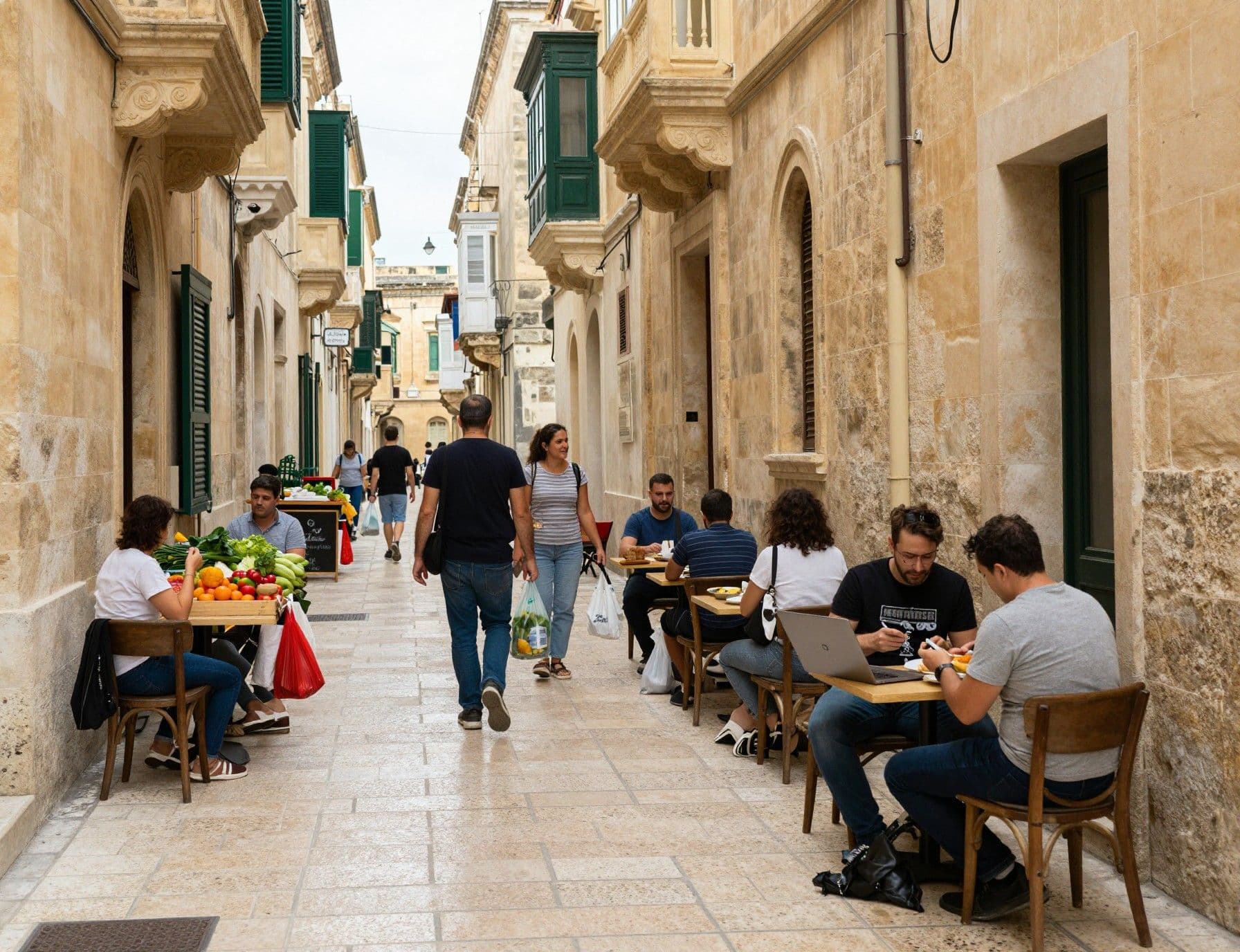
Malta is small and lively. Days here are stitched together by short commutes, café rituals and a surprising amount of green coastline tucked beside dense historic towns. Think rooftop laundry lines in Senglea, sea-sprayed promenades in Sliema, and quiet village squares in Mellieħa where grandmothers still argue about the price of tomatoes. For nomads, the upside is immediacy: beach weekend at Golden Bay, coworking in St Julian’s, dinner in a 16th‑century piazza — all a short drive apart.
Valletta & The Three Cities: history as your backdrop
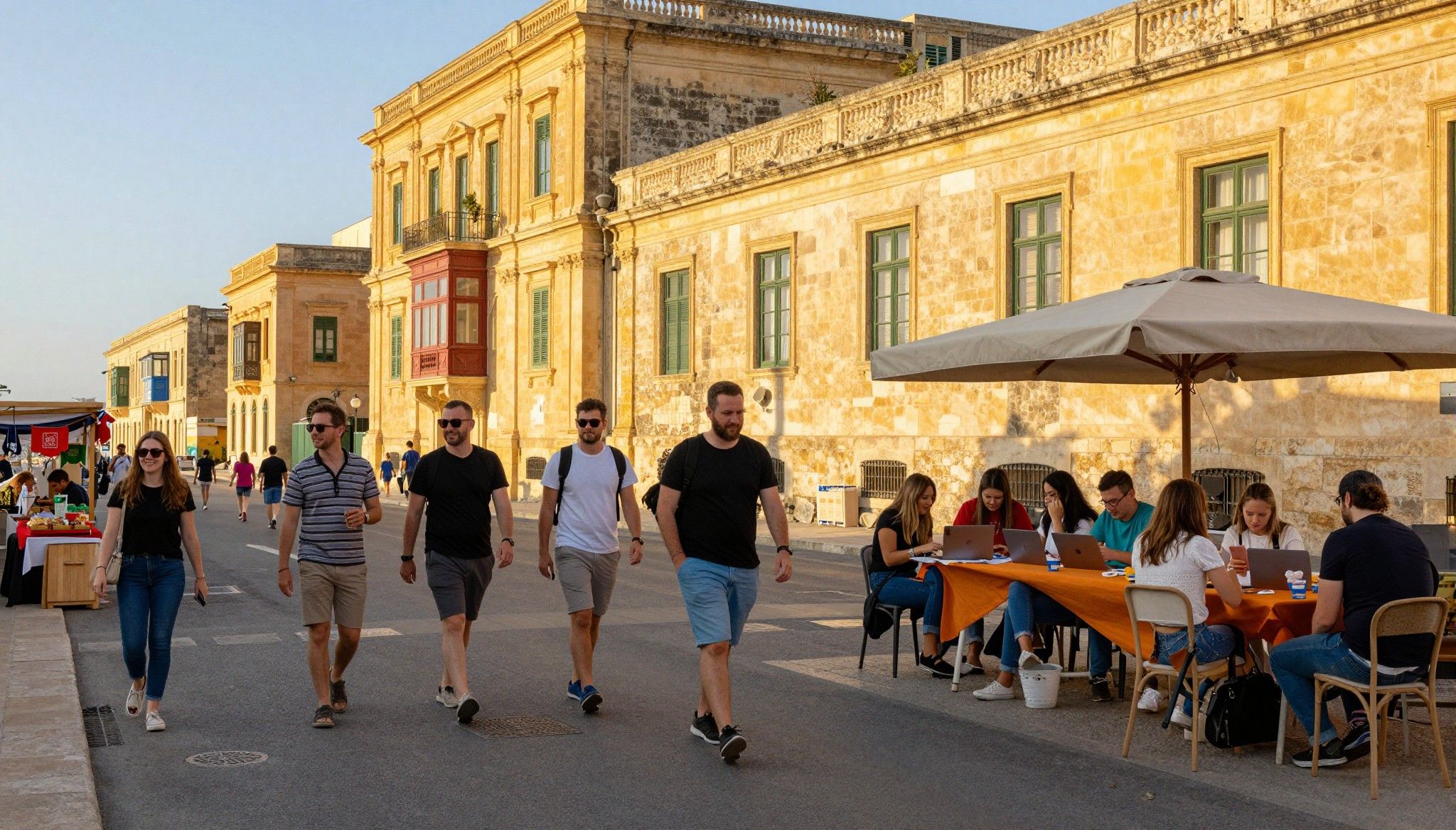
Valletta is theatre — baroque facades, museums, and concentrated cafés where remote workers set up for the morning. Across the Grand Harbour, Vittoriosa and Senglea offer tight-knit streets and sea views that feel timeless. Properties here are character-heavy: high ceilings, Maltese balconies, and often smaller floorplates. You pay a premium for authenticity and walkability, and you trade garden space for proximity to culture.
Sliema, St Julian’s & Paceville: the modern nomad loop
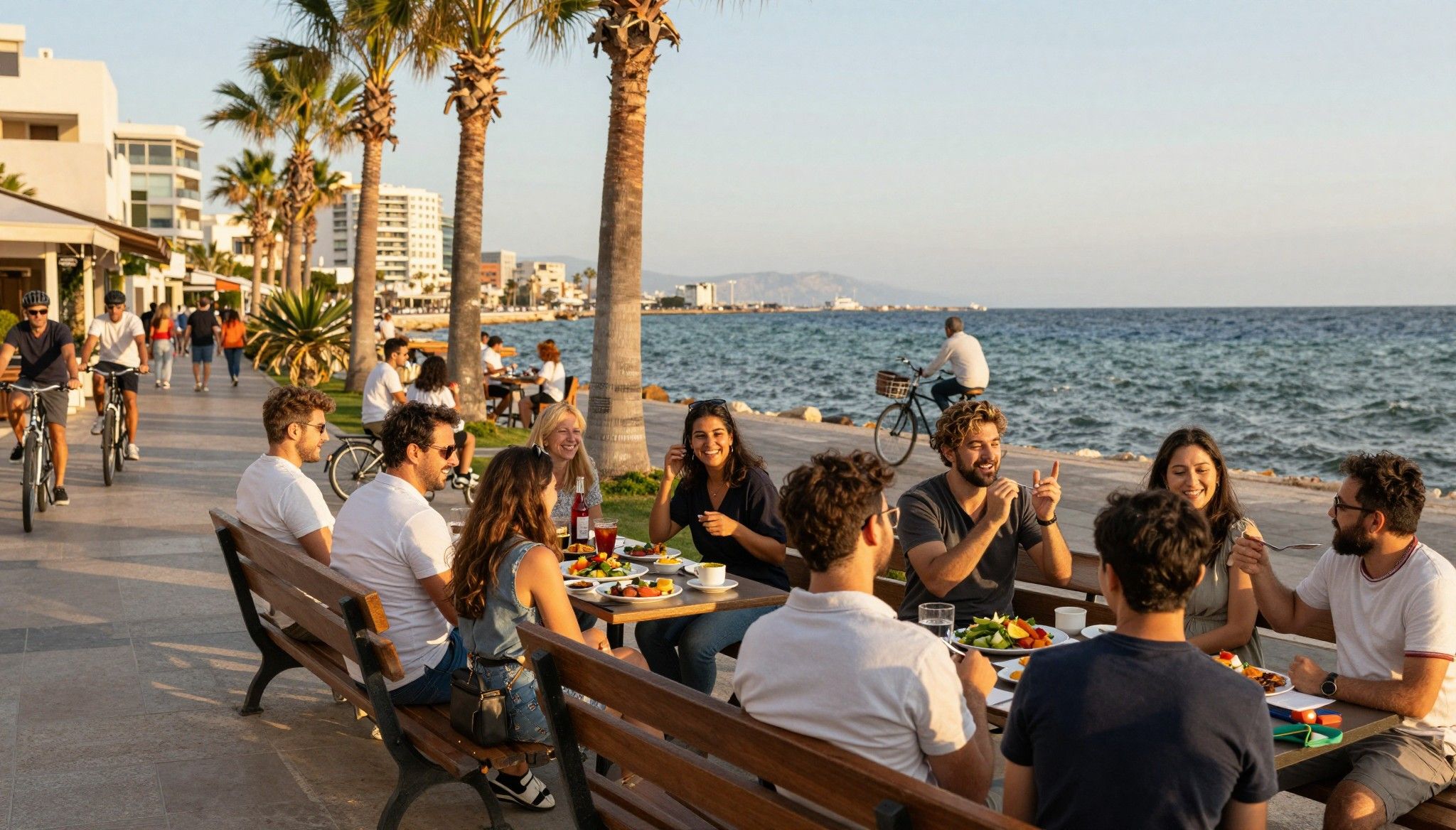
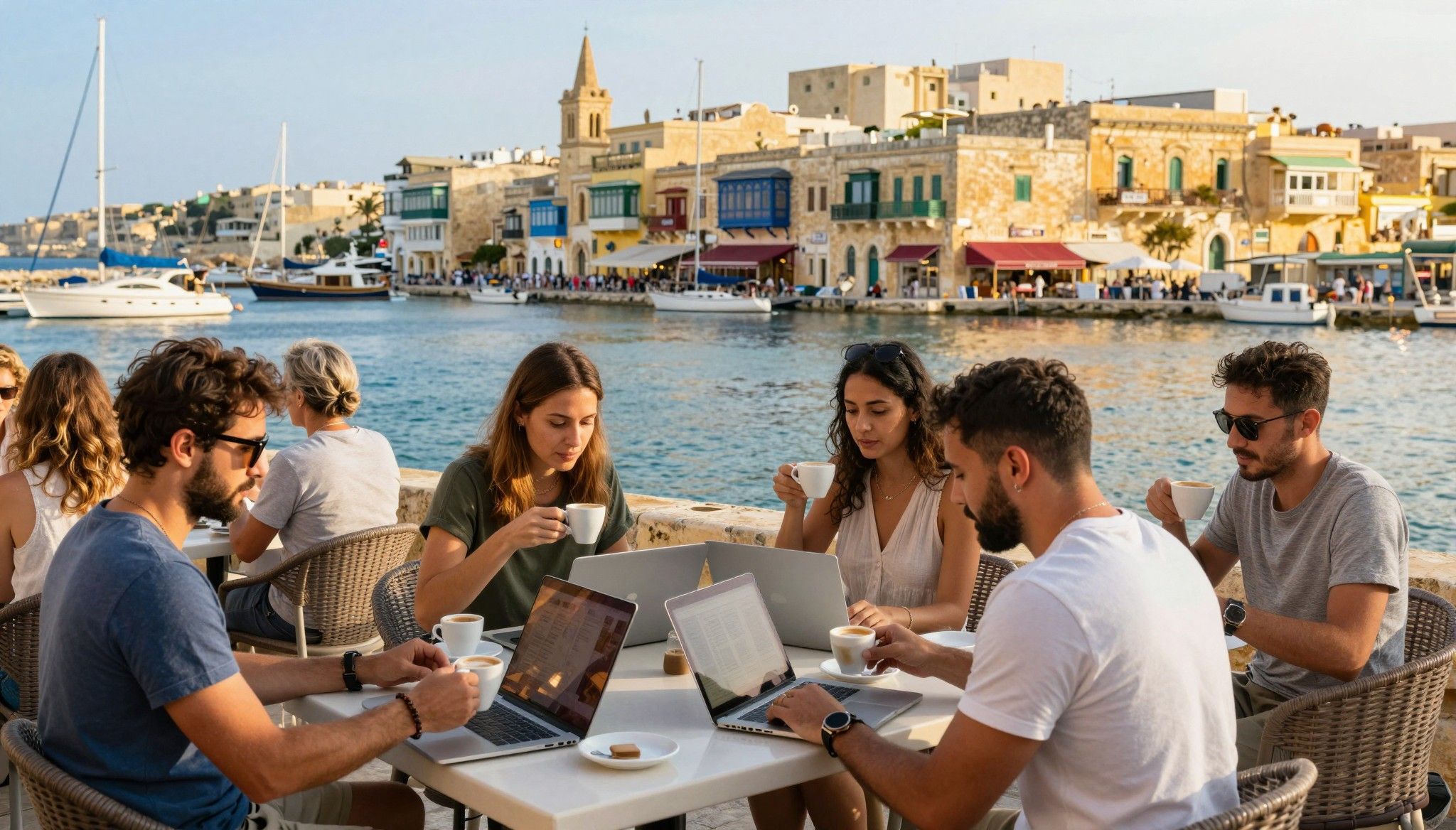
If you want fast internet, coworking, and lively evenings, Sliema and St Julian’s are where communities form. Cafes double as offices, rooftop bars are meeting points after work, and co‑living options exist for short-term starts. Beware: noise and density rise with convenience. A terrace view of the Spinola Bay will cost more than a quiet maisonette inland, but you’ll rarely wait more than ten minutes for a ferry, gym, or good coffee.
- Morning walks along the Sliema promenade; aperitifs in Valletta’s Strait Street; Sunday farmer markets at Marsaxlokk; cliff swims at Dingli; coworking meetups at Fort Business Hub — these are Malta routines to factor into where you buy.
Making the move: how lifestyle choices shape property choices
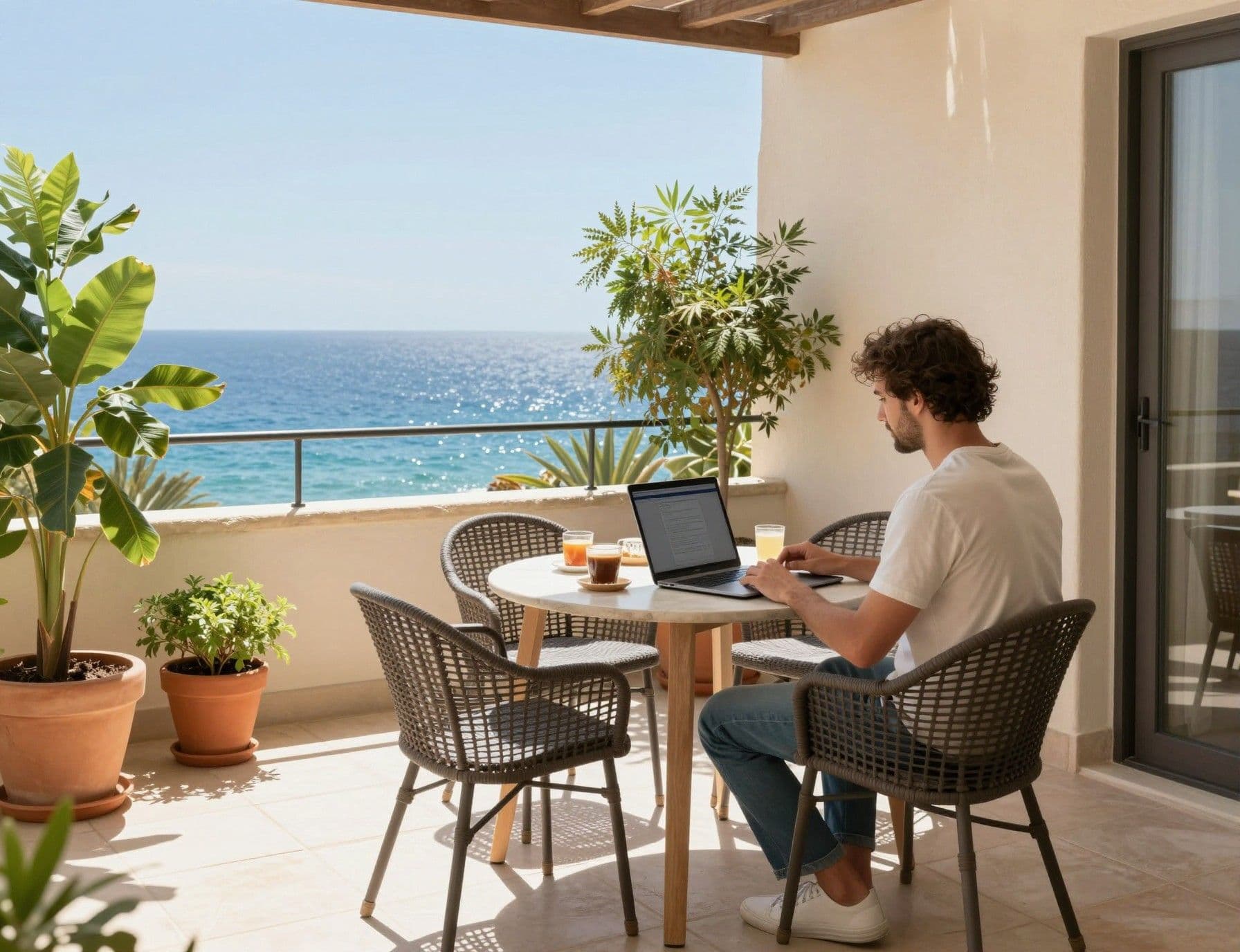
Dreams must meet data. Malta’s Residential Property Price Index rose in early 2026, reflecting steady demand in a contained market. That means timing, location and property type matter more here than in spread-out countries. Buying a House of Character is a lifestyle statement — and a renovation commitment. Choosing a modern apartment near coworking hubs buys convenience but may mean competing with short‑term rental demand that shapes price and yield.
Property styles: what you’ll actually live in
Maltese property reads like a novel: terraced houses and 'houses of character', modern seafront apartments, converted townhouses and newer block developments. If you love indoor‑outdoor life, target properties with terraces or rooftop access. If uninterrupted workdays matter, check fiber availability and apartment orientation to avoid noisy nightlife pockets. Restoration projects can be magical — but budget realistic timelines and local craftsmen availability into your plan.
Working with local experts who tune into lifestyle
- 1. Ask agents for recent RPPI‑backed comparables and declared sale prices to avoid overpaying. 2. Choose an agent who knows micro‑neighborhood quirks (noise, parking, planning permission history). 3. Hire a surveyor familiar with Maltese stone construction for Houses of Character. 4. Check broadband providers and ask for line tests before offers. 5. If considering short‑term rentals, confirm local zoning rules and HOA regulations in writing.
Insider knowledge: what expats wish they’d known sooner
Expats often underestimate how local rhythms affect life. Shops close mid‑day in smaller towns, planning rules are strict in heritage zones, and parking is a daily chess game. Many newcomers overpay for sea views without checking maintenance levies or building management. Use Malta’s growing transparency tools — like the Property Price Registry — to validate asking prices and avoid emotion-driven bids.
Cultural fit: language, community and social patterns
English is an official language, which flattens a common barrier for many expats. That said, integration happens locally: join a diving club, a foodie meetup in Marsaxlokk, or a language exchange in a Sliema café to meet neighbors. Social calendars revolve around church festas, summer festas and harbour events — being present at these turns the island from a destination into home.
The long view: sustainability of island life and property
Malta’s market is compact and cyclically sensitive; policy, tourism shifts and construction supply shape prices fast. If you plan to stay long term, prioritize build quality, energy efficiency and proximity to community hubs. If you’re buying to rent, model both year‑round local demand and seasonal holiday surges — rental yield patterns vary by town and property type.
- Quick red flags: undeclared renovations; missing final deeds; no fibre available; high condominium levies; properties with unresolved planning notices — ask agents for documents and proof before offering.
Picture this: you’ve moved in, your laptop hums at a sunny café in Sliema, weekends are cliff swims and garden dinners, and you know which local baker saves you the last gbejna. That life is reachable — but only if you treat Malta’s compact market with both romance and rigor. Start with neighborhood visits (mornings and evenings), ask for recent declared sale prices, and work with an agent who can translate lifestyle wants into local realities. Fall in love with the place, then verify the price.
Danish investor and relocation advisor focusing on Portugal and the Algarve; loves coworking culture and expat networks.