Malta: Match the Life You Want to the Right Residency Route
Fall in love with Malta’s rooftop cafés and sea-scented streets — then match that lifestyle to the right residency route and property checklist.
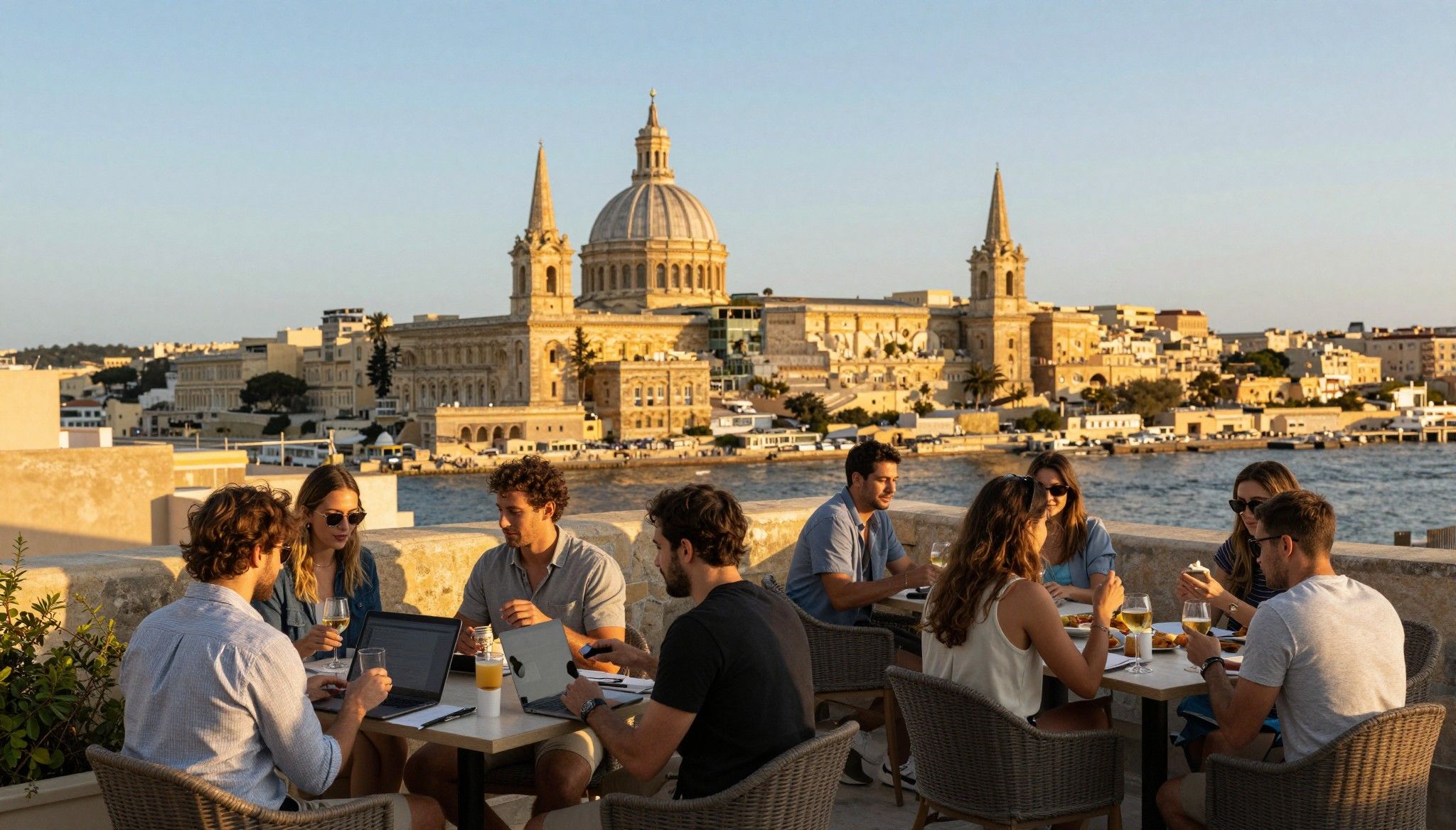
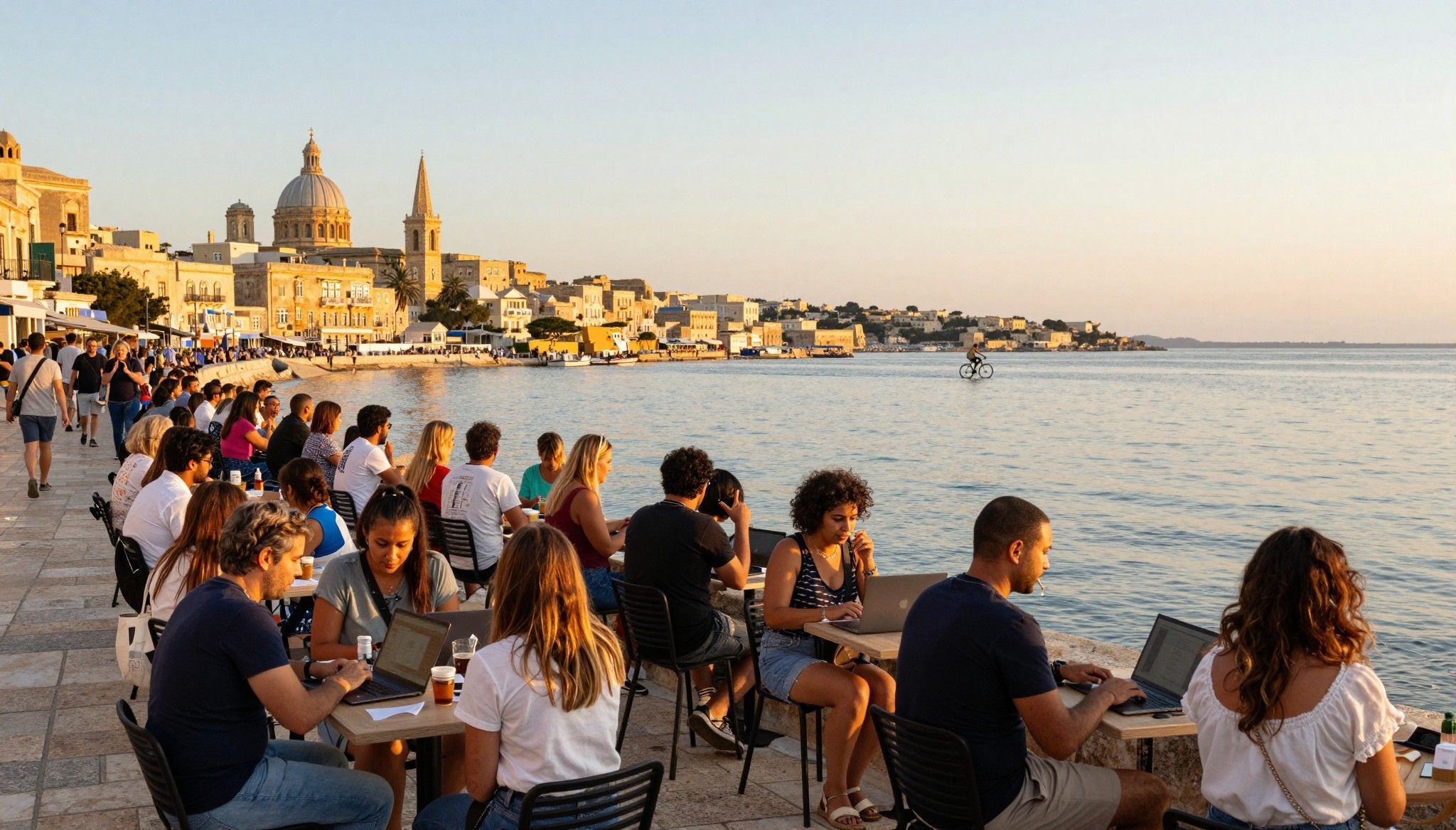
Imagine sipping espresso on a Valletta roof terrace as fishing boats bob in the Grand Harbour below — and knowing you can work from a fast café Wi‑Fi between client calls. Malta wraps intense Mediterranean life into a compact, walkable island where history, whitewashed facades and electric-blue sea sit steps from coworking hubs. For nomads and remote professionals, Malta feels like a village you can call a country: social, English‑friendly, and surprisingly visa‑flexible — if you pick the right route.
Living the Malta lifestyle
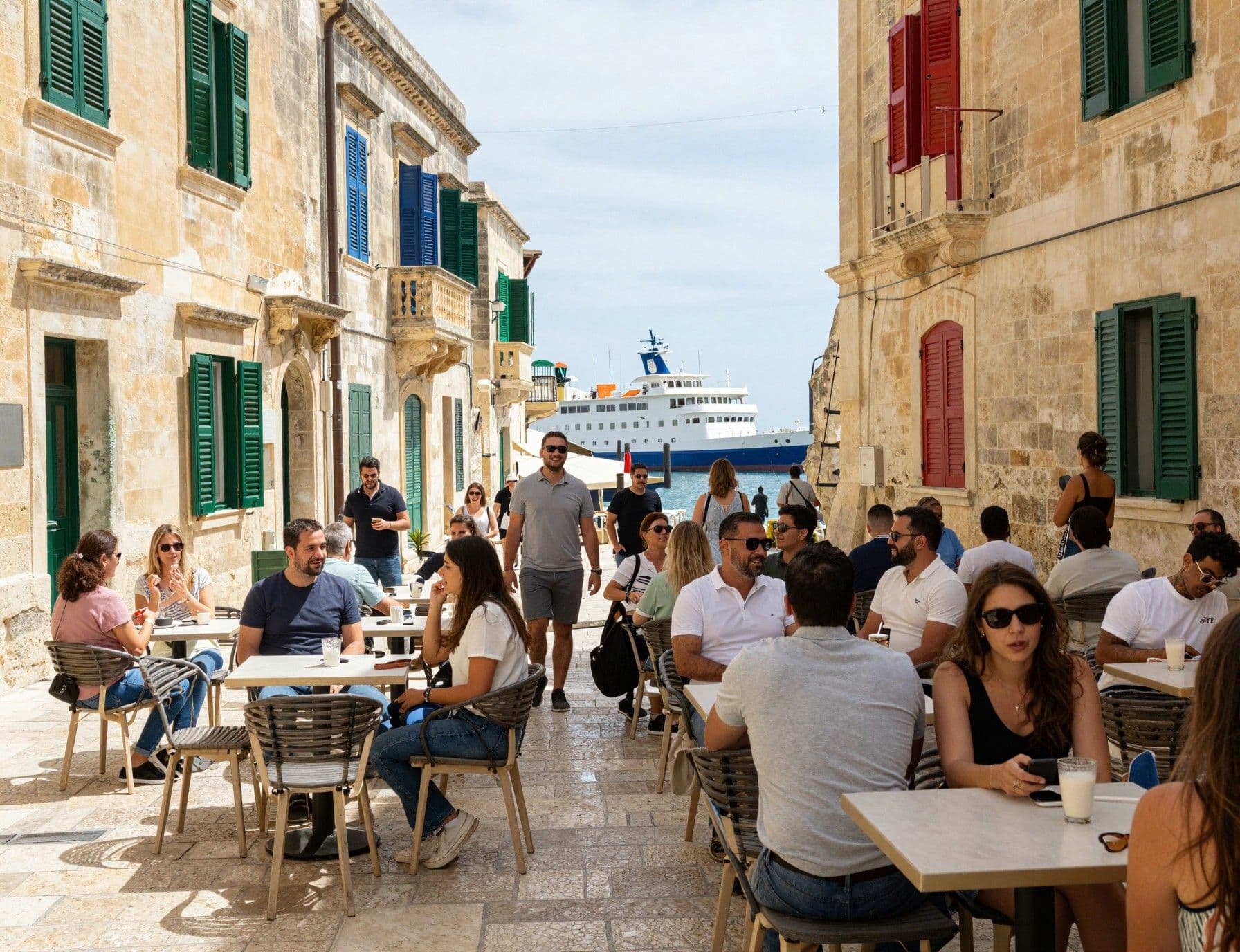
Daily life in Malta is a rhythm of short commutes, café loafing and weekend boat trips. Mornings mean pastries at cafés on Republic Street in Valletta or along the promenade in Sliema; afternoons melt into siesta‑light shopping and dips at Għajn Tuffieħa or St George’s Bay; evenings are rooftop aperitivi with sunset light ricocheting off limestone walls. English is widely spoken, making practical tasks and social life easier for many internationals.
Neighborhood spotlight: Valletta, Sliema & St Julian’s
Valletta is cinematic: narrow streets, Baroque churches and buzzy cafés. Sliema offers the promenade, modern apartments and easy ferries; St Julian’s (and Paceville) is nightlife and seafront dining. Each area has a different energy: Valletta for history and short‑walk days, Sliema for seaside cafés and remote‑work afternoons, St Julian’s when you want restaurants and coworking close by.
Food, markets and small pleasures
The island’s food scene mixes Italian‑style cafés with Maltese classics: pastizzi for breakfast, lampuki pies in season, and fresh catch at Marsaxlokk fish market. Weekends mean farmer stalls, long lunches and evenings walking the waterfront. These rituals shape what you’ll want from a property: a kitchen for fresh markets, a balcony for evening air, and a short walk to your favourite café.
- Lifestyle highlights: Valletta theatres, Sliema promenade, Ġnien l‑Artija gardens, Marsaxlokk Sunday market, Ghajn Tuffieha beach, rooftop terraces for golden hour
Making the move: lifestyle meets practical steps
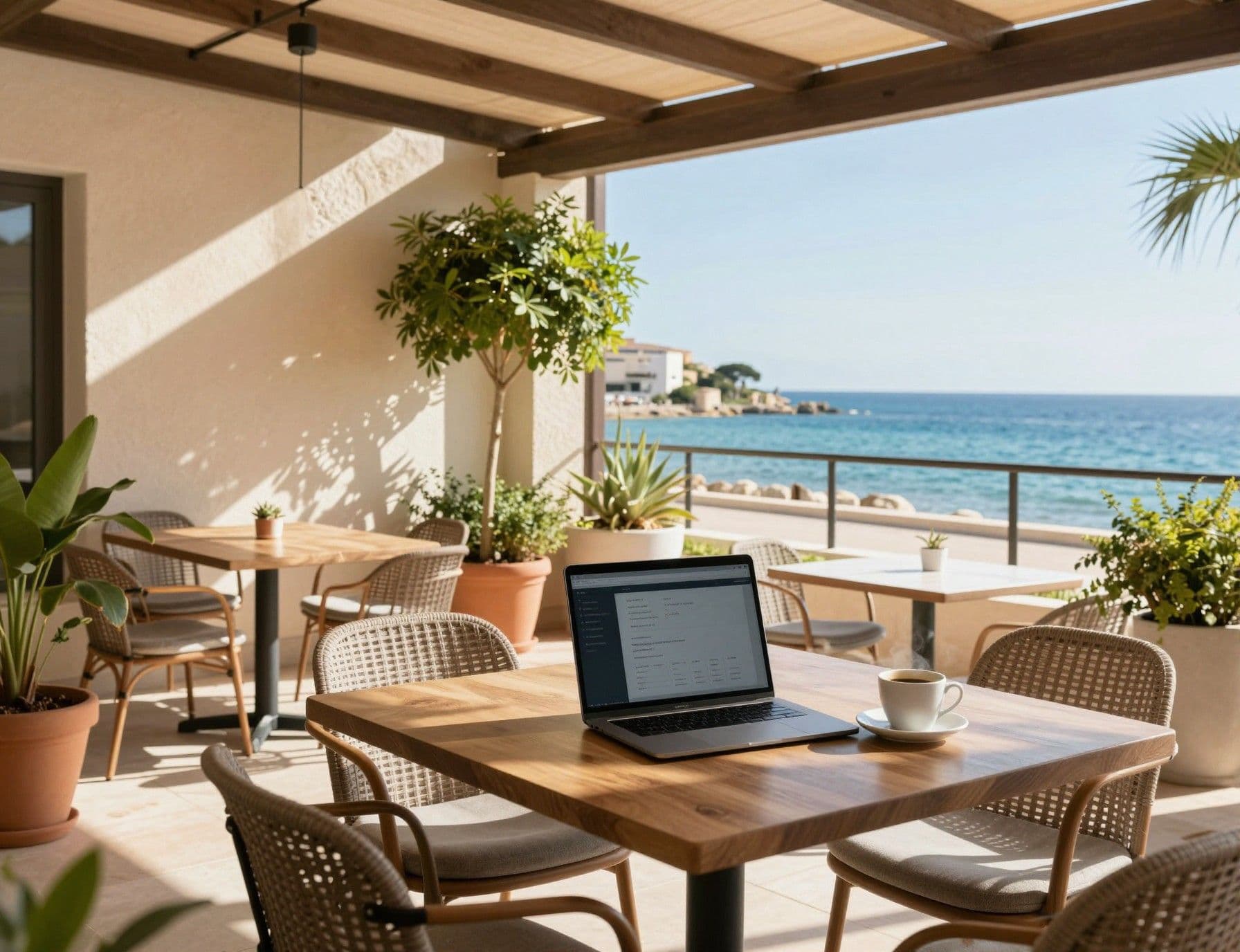
Dreaming of Maltese mornings is the easy part — the practical part is choosing the right residency route and a property that supports how you work and play. Malta offers several visa/residency paths that suit remote professionals, from the Nomad Residence Permit to residency‑by‑investment schemes. Each route has different timelines, costs and property rules, so match the visa to your lifestyle plan before shopping.
Property styles that fit nomad life
From restored townhouses in Vittoriosa to modern apartments in Sliema, Maltese properties are about stone, light and small outdoor spaces. If you work remotely, prioritise: reliable broadband (fiber in many central areas), a quiet corner for a home office, and an outdoor terrace for breaks. Older units often need rewiring and insulation upgrades — factor renovation time into your arrival plan.
- How local experts help: a practical checklist
- 1. Check visa eligibility and property minimums (MPRP and other schemes have specific purchase/rental thresholds). 2. Confirm broadband and coworking proximity — ask agents to test speeds at the property. 3. Get an accurate renovation and utility cost estimate, including lift repairs in older buildings. 4. Verify title, planning permissions and rental‑use rules with a local notary before committing. 5. Align the timing of deposit, medicals and background checks so your move isn’t delayed.
Insider knowledge: expat truths and visa realities
Here’s what expats actually say after 12 months: the island’s size is its superpower and its trap. You’ll love walking everywhere, but you’ll also bump into tourism season crowds. Property prices have continued to climb in central areas; official data shows a steady rise in the residential price index, so timing, location and realistic expectations matter.
Cultural integration and daily logistics
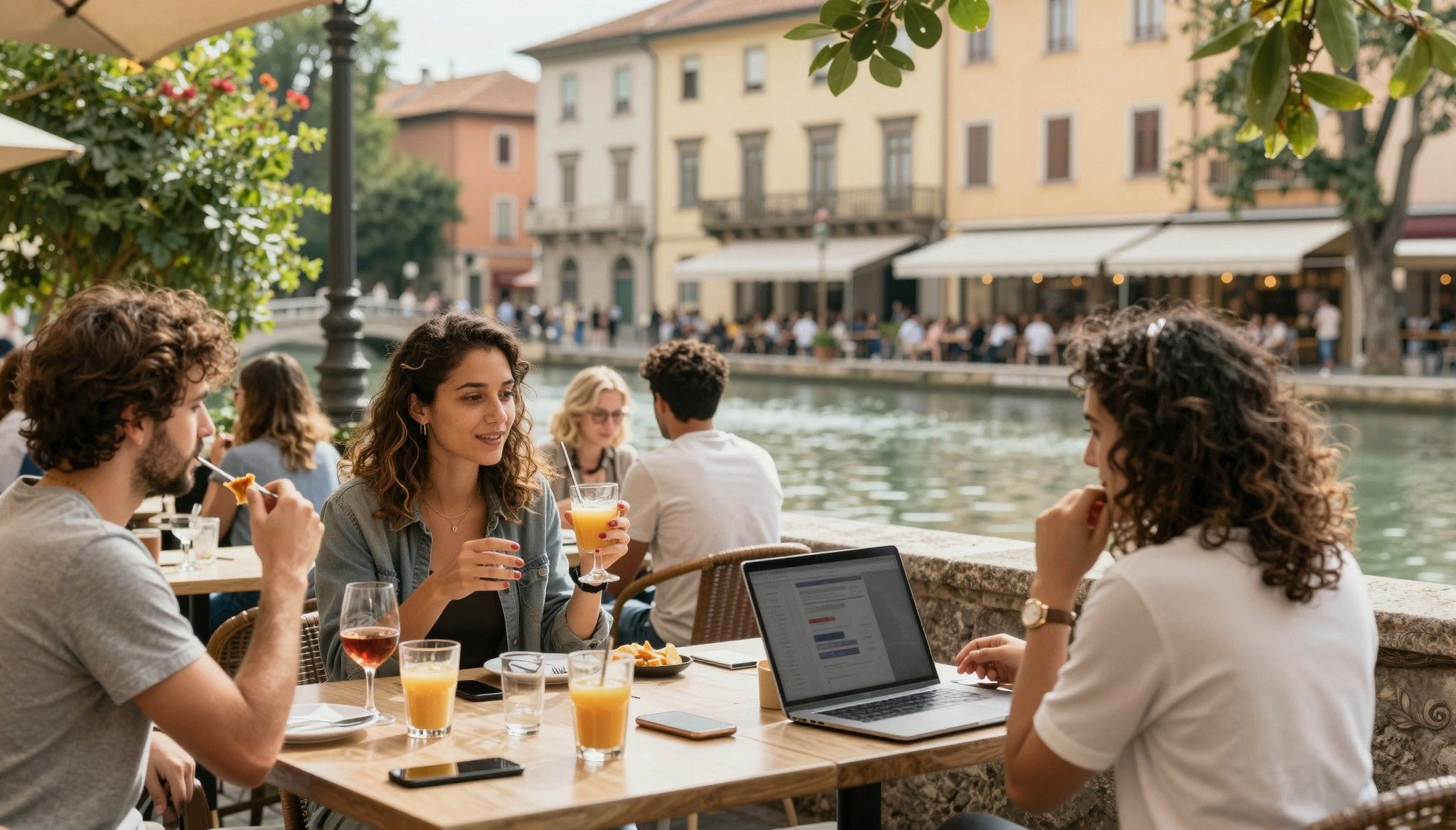
You’ll make friends at local cafés, meetup groups and coworking spaces. English is an official language, which flattens many hurdles, but learning Maltese brings instant local goodwill. Practical tasks — opening a bank account, registering for utilities, getting an e‑SIM — are straightforward with an agent’s help but expect paperwork and patience.
- Expat red flags and how to avoid them
- Unrealistic rent expectations in high‑tourism pockets; under‑inspected historical units with hidden structural work; forgetting seasonal noise in beachfront areas; assuming instant tax residency — check the residency and tax rules for your country and Malta before moving.
In a nutshell: pick the lifestyle you want first (quiet studio with a sea view, or a social flat near cafés), then pick the residency route that matches that life. Work with a local agency that knows both visas and the neighborhoods — they’ll save you money and months of headaches. Imagine the small luxuries: weekend boat charters, a quick ferry to Gozo, aperitivi on a limestone balcony — and then make a plan that makes that life practical.
Next steps: test‑run Malta for a few weeks on the Nomad Residence Permit, shortlist neighborhoods (Valletta, Sliema, St Julian’s, and quieter Rabat/Mellieħa), then engage an agent who can connect visa paperwork with property inspections. Ready for the terrace espresso? Start with a short stay and a local agent who knows both contracts and cafés.
Danish investor and relocation advisor focusing on Portugal and the Algarve; loves coworking culture and expat networks.